Category: EV vehicles

  • Tesla Model Y Discounts: APR Financing & Free Options Available

    Tesla Model Y Discounts: APR Financing & Free Options Available

    Key Takeaways

    1. Tesla is offering 0% APR financing for the RWD Model Y standard and reducing interest rates for Premium versions to attract buyers.
    2. Customers can select one free options upgrade due to increased inventory levels, including choices like larger wheels and complimentary color options.
    3. Tesla has reduced the price of Model Y Premium units by $2,000 to boost inventory turnover and Q4 shipments.
    4. Additional price adjustments have made Model Y deals more attractive, with discounts also available for Model Y Standard.
    5. The Tesla Universal Wall Connector with a 24′ cable is available for purchase on Amazon.


    Tesla is gearing up for the holiday season by rolling out various deals and incentives, hoping to counteract the dip in sales that followed the end of the federal tax credit in late September.

    New Financing Options

    Recently, the company unveiled a popular 0% APR financing offer for the RWD Model Y standard. They also reduced the interest rates for the Premium versions, making them more appealing to buyers.

    Inventory Boost

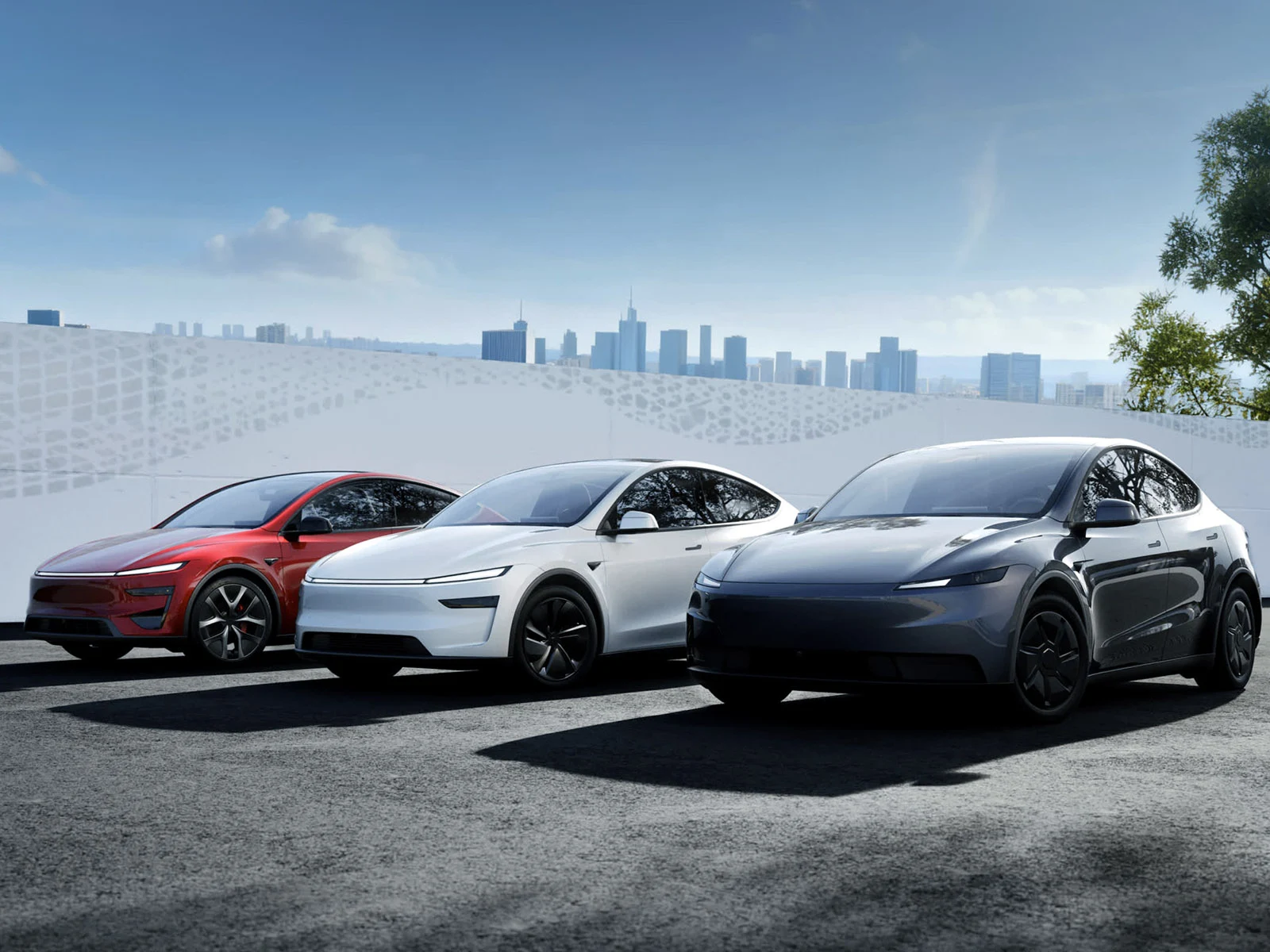
    In response to increasing inventory levels, Tesla is giving customers a chance to select one free options upgrade. This could include larger wheels, a white interior, a complimentary color choice, a tow hitch, or any other add-ons available for vehicles currently in stock.

    Price Reductions

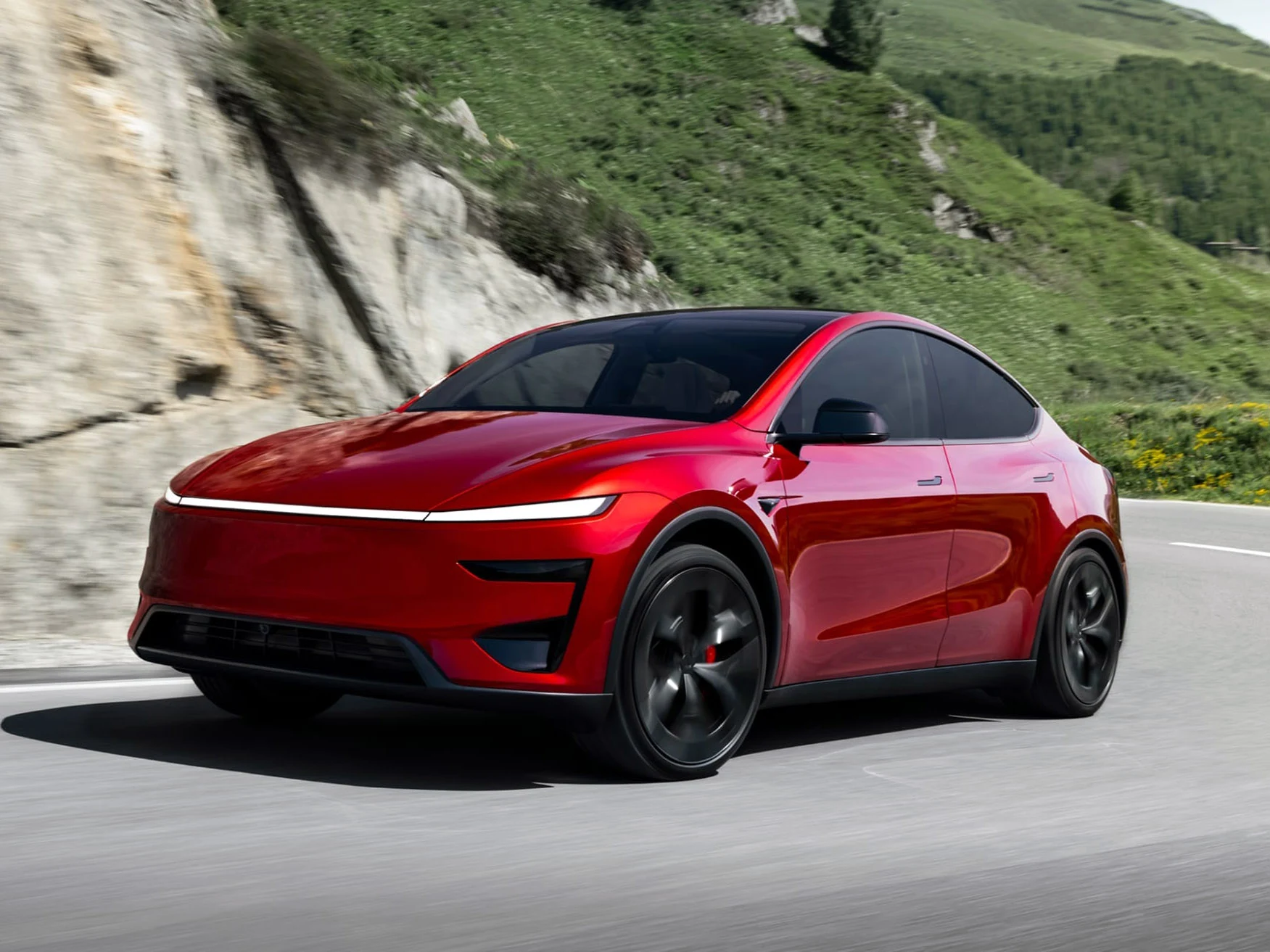
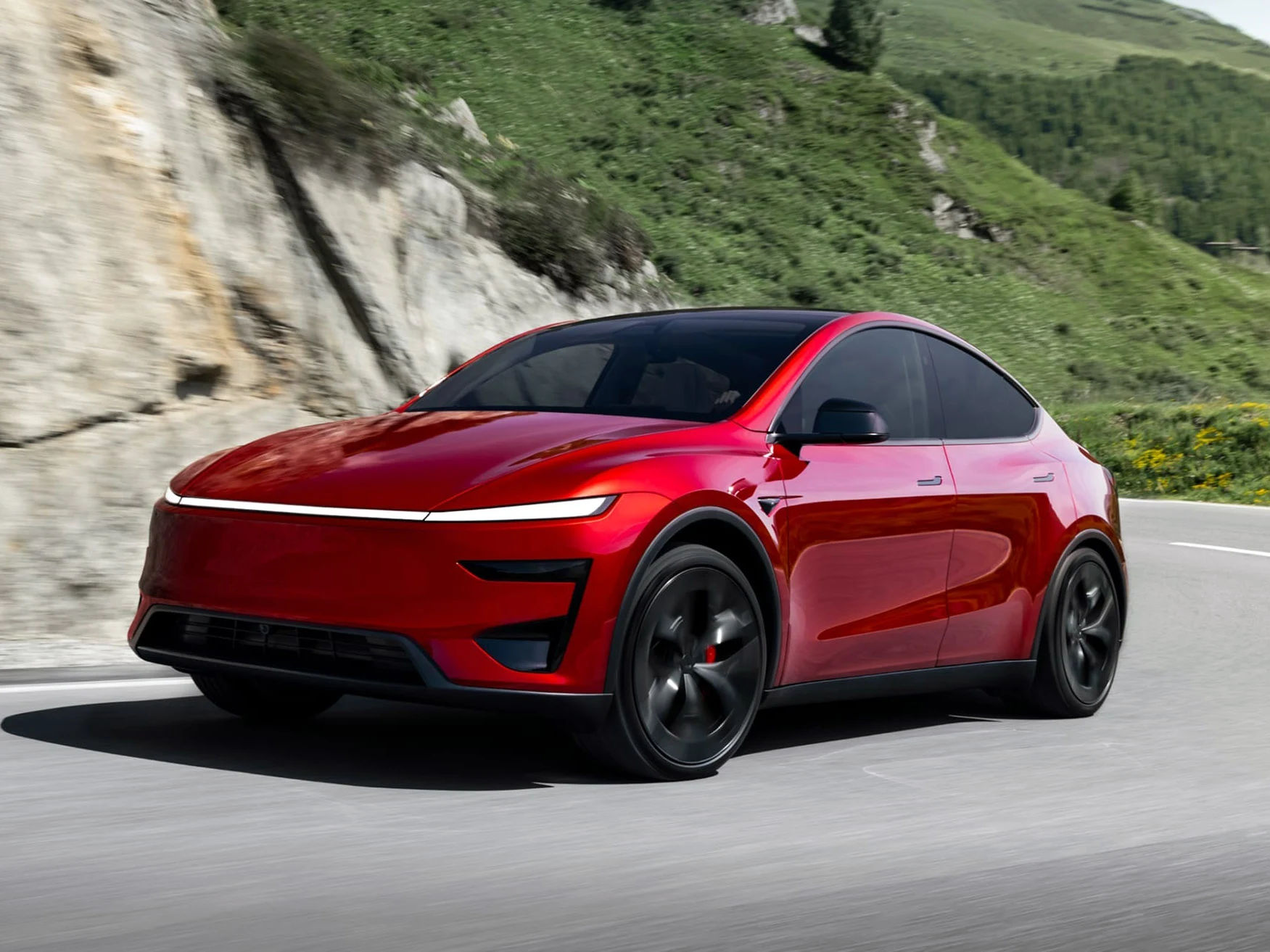
    To accelerate inventory turnover and boost Q4 shipment figures, Tesla has slashed $2,000 off the price of Model Y Premium units in their inventory. For instance, there’s a Model Y in Ultra Red with 19-inch Crossflow wheels and a black interior, originally priced at $44,990, now available at a $2,000 discount due to the red paint option being included for free.

    In addition to the $2,000 reduction, Tesla has now applied another $2,000 as a “price adjustment,” making this one of the most attractive Model Y inventory deals seen in some time. Discounts are not only limited to Premium trims; the Model Y Standard is also included, which is currently benefiting from the 0% APR financing offer.

    Source:
    Link


  • Unigrid Launches Na+ Fleet: 12V Sodium-Ion Battery for Cars

    Unigrid Launches Na+ Fleet: 12V Sodium-Ion Battery for Cars

    Key Takeaways

    1. Unigrid’s Na+ Fleet 12V sodium-ion batteries are designed to replace traditional lead-acid batteries and come in three sizes (30, 60, 90) with varying cold cranking amps (500, 850, 1250).

    2. These batteries feature a solid sulfide electrolyte and a safer composition, eliminating rare earth elements and reducing risks associated with leaks and fires compared to lithium-ion batteries.

    3. The Na+ Fleet batteries have enhanced thermal stability, resistant to fire until reaching several hundred degrees Celsius, unlike lithium-ion batteries that can face thermal runaway below 100°C.

    4. They offer a significant lifespan of over 5,000 charge cycles, operate effectively in extreme temperatures from -40°C to 60°C, and are backed by a five-year warranty.

    5. The batteries have passed rigorous safety standards (UN 38.3 and UL 9540A) and provide specific energy of 178 Wh/kg and volumetric energy density of 417 Wh/L.


    Unigrid has introduced the Na+ Fleet 12V sodium-ion battery targeted for automotive uses.

    Battery Specifications

    The Na+ Fleet comes in three group sizes: 30, 60, and 90, and offers cold cranking amps (CCA) of 500, 850, and 1250, respectively, available to distributors, integrators, and original equipment manufacturers (OEMs). These batteries can directly replace traditional 12V lead-acid batteries, operating within a voltage range of 8V to 14.4V, without needing extra battery management hardware. They are backed by a five-year warranty and can endure over 5,000 charge cycles, functioning effectively in temperatures from 0°C to 55°C and can operate in extreme conditions from -40°C to 60°C.

    Safety Features and Composition

    In standard lithium-ion batteries, a liquid electrolyte sits between the carbon anode and lithium cathode materials. During discharge, electrons flow from the anode to the cathode through the electrolyte, and reverse during charging. Issues like physical damage, overcharging, and whisker formation can lead to leakage or even fires in lithium batteries, which are tough to extinguish.

    Unigrid has innovated by using a solid sulfide electrolyte, replacing the anode with tin infused with single-walled carbon nanotubes, and utilizing sodium-chromium-oxide (NaCrO2) for the cathode. The Na+ Fleet doesn’t rely on rare earth elements and is safer for storage and use. Moreover, it’s more eco-friendly at the end of its lifecycle, according to the company.

    Enhanced Thermal Stability

    Darren Tan, CEO of Unigrid, highlights that these sodium-ion batteries are resistant to catching fire until they reach several hundred degrees Celsius. This is a significant improvement compared to lithium-ion batteries, which can face thermal runaway at temperatures well below 100°C, a dangerous issue reported in various incidents involving Tesla and e-bike batteries, some of which have been fatal.

    The new battery technology boasts a specific energy of 178 Wh/kg and a volumetric energy density of 417 Wh/L, having successfully passed both UN 38.3 and UL 9540A testing standards. The Na+ Fleet batteries utilize the company’s 3270 or 32140 cylindrical sodium-ion cells, which are rated for 10,000 charge cycles (at 80% capacity) and can handle deep discharges.

    For those in search of a durable battery option for their vehicles available for purchase now, AGM lead-acid batteries like the Optimas found on Amazon might be worth considering.

    Unigrid, Unigrid press release, Unigrid Na+ Fleet pdf, Unigrid battery cells pdf, Interesting Engineering, Science, Journal of The Electrochemical Society, Chemical Engineering Journal.

    Source:
    Link


  • China Outperforms Toyota with 48% Hybrid Engine Efficiency

    China Outperforms Toyota with 48% Hybrid Engine Efficiency

    Key Takeaways

    1. Surge in Hybrid Interest: There is a renewed excitement in China for Extended Range EVs (EREVs) that combine electric and internal combustion engines (ICE), leading to increased investments in hybrid powertrains.

    2. Dongfeng’s Breakthrough Engine: Dongfeng has developed the Mach 1.5T gas engine, achieving a thermal efficiency over 48%, surpassing competitors like Toyota and BYD.

    3. Innovative Efficiency Techniques: The Mach 1.5T engine’s efficiency improvements come from both traditional methods and new technologies, including thermal spray coatings and integrated oil pumps.

    4. Performance Gains: Enhancements in combustion and turbocharger technology allow Dongfeng’s hybrid engine to maintain high efficiency for over half its operational time, increasing range by 10%.

    5. Larger Battery Capacities: New hybrid models in China are incorporating larger battery packs, enhancing range for both urban and highway driving, while ICE thermal efficiency advancements continue.


    China is currently excited about vehicles referred to as EREVs (Extended Range EVs), which merge the advantages of electric vehicles with internal combustion engines (ICE), boasting impressive total range figures.

    Renewed Interest in Hybrids

    This fascination has led to a surge in investments in hybrid powertrains. Dongfeng’s new Mach 1.5T gas engine has surpassed both Toyota and the record-holding BYD in thermal efficiency.

    The specification highlights how effectively the ICE converts energy from burning fuel into the movement of its parts, which typically ranges from about 20% to nearly 40%. Toyota’s engine in the Prius is a well-crafted example, achieving a thermal efficiency close to the upper limit, while BYD, the largest EV manufacturer, also has hybrid systems with a commendable 46% ICE efficiency.

    Dongfeng’s Innovations

    Dongfeng has been a pioneer in hybrid technology in China and has successfully created the Mach 1.5T, touted as the most economical engine for mass-market hybrids, boasting a thermal efficiency rating of over 48%. This ICE has received the “Energy Efficiency Star” certification from the China Automotive Technology and Research Center (CATARC), which is in charge of verifying such claims.

    The company achieved this remarkable efficiency through traditional methods like raising the compression ratio and accelerating combustion, as well as new techniques such as coating the cylinder bore with thermal spray and integrating the oil pump.

    Performance Enhancements

    The combustion improvements impact the turbocharger with its variable geometry and the electric VVT system, since the hybrid engine lacks valve seats. This results in an ICE that maintains its top efficiency rating of 48% for over half of its operational time, offering a 10% increase in range from an already economical engine.

    It’s still uncertain if Chinese automakers will overreach in hybrid production like they did with fully electric vehicles; however, innovations like the Mach 1.5T engine continue to emerge. Recently, Dongfeng introduced a variant featuring a groundbreaking AWD hub motor system that eliminates the requirement for CV joints and even brakes, resulting in a lighter and more agile vehicle.

    Expanding Battery Capacities

    The hybrid models emerging from China are also being outfitted with increasingly larger battery capacities, with CATL recently launching dedicated packs that approach the size of traditional electric EVs. This development enables extended range capabilities, both in urban settings and on highways, while advancements in ICE thermal efficiency continue as well.

    Source:
    Link


  • Subaru Uncharted SUV Launch: $5,000 Cheaper Than Model Y

    Subaru Uncharted SUV Launch: $5,000 Cheaper Than Model Y

    Key Takeaways

    1. The 2026 Subaru Uncharted will debut in the US at a starting price of $34,990, making it $5,000 less than the Tesla Model Y.
    2. It offers a range of over 300 miles and features options like NACS charging ports, front-wheel drive (FWD), and all-wheel drive (AWD).
    3. Equipped with Subaru’s Symmetrical All-Wheel Drive and X-MODE, the Uncharted is designed for effective off-road performance.
    4. The vehicle includes winter-ready features like battery preconditioning and an all-weather package with heated elements, ensuring reliability in various climates.
    5. Safety features include the EyeSight driver-assist system, which offers essential functions, while the GT trim provides luxury options like a glass roof and high-quality audio system.


    The 2026 Subaru Uncharted, set to debut in the US next quarter, will start at just $34,990. This price point is notably $5,000 less than the most affordable Tesla Model Y.

    Competition with Tesla

    Both Subaru and Tesla are recognized for making some of the most fuel-efficient vehicles on the market. The Uncharted rivals the Model Y, boasting a comparable range of over 300 miles while being significantly more affordable. It offers a variety of options, including NACS charging ports, front-wheel drive (FWD), all-wheel drive (AWD), and GT models.

    Off-Road Capabilities

    The dual-motor models are equipped with Subaru’s famous Symmetrical All-Wheel Drive and X-MODE Dual-Mode systems, which have proven effective for many Subaru drivers in challenging off-road conditions.

    Subaru has announced that the Uncharted will be available in the US starting in Q1, making it the most affordable electric vehicle in their lineup and one of the least expensive in its class in the US. With the price, the Uncharted features a 75 kWh battery that can charge from 10% to 80% in just 28 minutes.

    Winter Ready

    True to Subaru’s reputation, the Uncharted is designed for reliability in winter conditions as well as in warmer climates. It includes a specialized battery preconditioning feature that ensures consistent charging times, even in cold weather. Additionally, the all-weather package, which includes heated features, comes standard across all trims, along with interior LED lighting.

    The Uncharted’s frame is constructed from lightweight steel with high tensile strength. The battery pack located under the floor boosts structural integrity and lowers the center of gravity, allowing for excellent straight-line stability and grip on loose surfaces like gravel, dirt, or snow—thanks to thorough chassis development.

    Safety Features

    While the standard EyeSight driver-assist system may not be as advanced as Tesla’s FSD, it still provides valuable features. These include Pre-Collision Braking, Front Cross Traffic Alert, Blind Spot Monitors, Lane Departure Alert, Emergency Stop Assist, Advanced Adaptive Cruise Control, and the Driver Focus system designed to minimize distractions and fatigue.

    To maintain its low price, Subaru had to make some compromises, such as using StarTex or cloth upholstery and featuring a 14-inch touchscreen infotainment system alongside a 7-inch LCD gauge. However, the top-of-the-line GT trim remains luxurious, offering a glass roof with an automatic shade, vented front seats, heated rear seats, a Harman Kardon audio system, a digital rearview mirror, and sleek roof rails for transporting gear.

    Customization Options

    The GT trim is available in a two-tone option, allowing buyers to choose from colors such as Coastal Wolf Gray Metallic, Habanero Orange Metallic, Cosmic White Pearl, Astro Black Mica, and Metropolis Gray. Lastly, despite being smaller than the Solterra, the Subaru Uncharted crossover provides over 25 cubic feet of cargo space in the trunk.

    Source:
    Link


  • China Unveils First BeiDou Car Without Using American GPS

    China Unveils First BeiDou Car Without Using American GPS

    Key Takeaways

    1. Dongfeng’s Sky EV01 SUV is the first mass-produced vehicle in China that uses the BeiDou navigation system instead of GPS.
    2. BeiDou has more satellites and enables two-way communication, enhancing navigation in hard-to-reach areas.
    3. The Sky EV01 is a mid-range electric SUV priced at approximately $16,700, not considered a luxury vehicle.
    4. Dongfeng’s “BeiDou+” strategy focuses on vehicle information security, protecting against data threats and ensuring user privacy.
    5. The BeiDou system allows for localized data storage, eliminating reliance on foreign navigation systems for user information.


    One of the leading car manufacturers in China has introduced the first mass-produced passenger vehicle that does not rely on the US-based Global Positioning System (GPS) for navigation.

    Instead, Dongfeng’s Sky EV01 SUV operates solely using China’s own BeiDou positioning system, which currently utilizes more satellites than GPS and enables two-way communication with them.

    A New Era for Navigation

    As a result, China is now among the four entities capable of providing independent navigation solutions to its consumer market on a large scale. The Sky EV01 is categorized as a mid-range electric SUV, starting at approximately $16,700 in China, and is not considered a luxury option.

    Nonetheless, the BeiDou navigation system that powers this vehicle allows for navigation in areas that are typically hard to access with limited traditional coverage. It also features a two-way communication system, which can be crucial during emergencies when in remote locations.

    Enhancing Vehicle Security

    Dongfeng Motor has firmly adopted the “BeiDou+” strategy, establishing a robust protection for vehicle information security from the technological foundation up. This approach effectively guards against possible data threats from outside systems, crafting a dependable, manageable, and secure mobile environment for both vehicles and users. It also advances China’s intelligent vehicles from a focus on “functional integration” to a new phase of “safety and autonomy.”

    Dongfeng asserts that the BeiDou system embedded in the Sky EV01 guarantees complete user privacy from the positioning chip to the system’s computer. This means that passengers can experience fully localized storage of essential data such as their destination or the vehicle’s location, free from reliance on American GPS or any other foreign navigation systems.

    Source:
    Link


  • Tesla FSD Enables Phone Use While Driving and Gift Subscriptions

    Tesla FSD Enables Phone Use While Driving and Gift Subscriptions

    Key Takeaways

    1. Tesla is offering a free trial of the FSD 14 upgrade for newer vehicles with HW4/AI4 hardware until January 8, 2026.
    2. Owners of older HW3 vehicles will receive a Lite version of FSD 14, but they will miss the free trial unless gifted an FSD subscription.
    3. Tesla has introduced FSD gift subscriptions, priced at $113, allowing friends or family to buy the upgrade for HW3 owners.
    4. The latest updates allow drivers to use their phones under certain safe conditions, reflecting a shift towards less supervised driving.
    5. Tesla’s FSD is evolving towards unsupervised driving, with recent updates allowing for more relaxed driver engagement in low-risk scenarios.


    Tesla has recently embraced the festive season by offering the FSD 14 upgrade to owners of newer vehicles equipped with the latest HW4/AI4 hardware and cameras.

    Time-Sensitive Offer

    This special offer will end after the holidays on January 8, 2026. Owners who received the offer at the end of November have a window of 40 days to try FSD for free. However, this promotion is exclusive to those with newer Tesla models, leaving many owners of older HW3 vehicles without access since their cars can’t support the newest FSD update.

    Future Options for HW3 Owners

    Tesla has indicated that it will provide a version of FSD 14 Lite for HW3 vehicles, rather than upgrading them to HW4 computers as Elon Musk initially suggested. Unfortunately, by the time this lite version arrives, the free FSD trial offer is likely to be over.

    Nevertheless, HW3 vehicle owners will still have an opportunity to try FSD for free after January 8, but only if someone generously gifts them an FSD gift card. For the first time, Tesla is now providing FSD gift subscriptions, allowing friends or family members to purchase this upgrade for $113, which is higher than the regular $99 subscription price to cover future sales tax.

    A New Way To Experience FSD

    This initiative is a great way for someone to get introduced to FSD, as it allows a month of Full Self-Driving (Supervised) for the recipient to test and consider whether they want to keep using it.

    FSD is gradually becoming less “supervised” officially. Now, drivers can use their phones if the road conditions are suitable, similar to Mercedes’ L3 autonomy in specific areas. With the latest FSD 14.2.1 update, many users have noticed that their vehicle allows them to text for an extended period before prompting them to pay attention. Elon Musk confirmed this new feature, stating it depends “on context of surrounding traffic,” meaning it is permitted only in scenarios that the AI assesses as low risk. While people have been texting and doing other things while on FSD for some time now, Tesla is now formalizing this behavior as it moves closer to providing unsupervised FSD for newer cars.

    Source:
    Link


  • Tesla Launches 0% APR Financing on Model Y for Holiday Sales

    Tesla Launches 0% APR Financing on Model Y for Holiday Sales

    Key Takeaways

    1. Tesla has reintroduced a 0% APR financing option for the Model Y Standard version to boost sales.
    2. The Model Y can be leased for $529 per month with a $3,300 down payment over 72 months.
    3. Tesla is offering free interior or exterior upgrades and has reduced financing rates for Premium Model Y trims.
    4. The introduction of the 0% APR financing aims to maintain demand after the $7,500 federal tax credit expiration.
    5. The lower-priced Standard trim has fewer features but may attract buyers due to the financing offer, potentially shifting consumer interest.


    Tesla has reintroduced its highly sought-after Model Y offer, presenting a 0% APR financing option for the Standard version that just hit the market in the US.

    Monthly Payment and Down Payment Details

    Currently, the Model Y can be leased starting at $529 per month, which requires a down payment of $3,300 over a 72-month term. Furthermore, Tesla has also reduced the APR financing rates for the Premium Model Y variants.

    This strategy appears to be aimed at boosting shipment figures as the first quarter wraps up, especially since Tesla’s sales have not been supported by the $7,500 federal tax credit that ended in September.

    Financing Offers and Demand

    This is the first time in a while that Tesla is offering a zero-interest financing option for the Model Y, marking a significant deal for the newly introduced cheaper Standard RWD trim that debuted in October. The introduction of both the least expensive and the priciest Model Y Performance trims aimed to maintain demand in light of the federal tax credit’s expiration; however, it seems sales may still require some encouragement through zero-interest financing.

    In the arsenal of Tesla’s Model Y deals, this 0% APR is considered a powerful tool, as it has consistently resonated with consumers whenever it has been presented to stimulate sales. In addition, Tesla is continuing its offer of free interior or exterior upgrade options for available Model Y inventory and has reduced the financing rates for the Model Y Premium RWD and AWD versions by one percentage point.

    Impact on Sales

    It remains unknown if the 0% APR financing for the Model Y Standard will significantly impact sales figures. The Standard trim lacks over 20 features in design and specifications that the Premium models include, yet it is only priced $5,000 lower.

    Tesla attempted a similar strategy with the RWD Cybertruck, but the cheaper trim saw little interest and was quickly phased out. With the current 0% APR financing for the base Model Y, however, the gap in monthly payments compared to the Premium trims, which are available at a 2.99% APR, has widened considerably. This could potentially lead to a shift in consumer interest as the holiday quarter approaches.

    Source:
    Link


  • Wireless Truck Charging at 65 MPH Tested on Interstate Concrete

    Wireless Truck Charging at 65 MPH Tested on Interstate Concrete

    Key Takeaways

    1. Successful wireless charging trial at highway speeds using an electric Cummins truck.
    2. Innovative inductive charging system designed to work with concrete pavement for heavy loads.
    3. Charging while in motion can reduce the size and cost of electric truck battery packs.
    4. Continuous charging can alleviate range anxiety for electric truck operators.
    5. Practical use of Tesla Semis shows potential for efficient daily operations with less frequent charging.


    An electric Cummins truck, which has induction features, has successfully completed a wireless charging trial at highway speeds on concrete.

    Innovative Design

    This kind of pavement supports the heaviest loads in the U.S., so researchers at Purdue University designed the transmitter coils to function while being surrounded by concrete. The Cummins semi traveled along a modified highway area in West Lafayette at a speed of 65 miles per hour, which is a common cruising speed for heavy-duty trucks on interstates. The team from Purdue’s Elmore Family School of Electrical and Computer Engineering has created a groundbreaking inductive charging system that can deliver 190 kilowatts of power to the truck’s coils while it is driving on the highway.

    Feasible Solution

    The successful test demonstrated that charging electric trucks, such as the Tesla Semi, while they are in motion is a viable option. This advancement could help automakers decrease the size of the battery pack, which is the priciest component of an electric vehicle. Presently, heavy-duty electric trucks like the Tesla Semi need to be fitted with massive 900 kWh battery packs to achieve a 500-mile range between charges at large 1.2 MW V4 Superchargers. For example, DHL recently received its Tesla Semi test vehicles and lauded their ability to carry a full load over the claimed range, even on difficult terrains.

    Practical Benefits

    While the Tesla Semi demonstrated an impressive efficiency of 1.72 kWh per mile during practical use tests, continuous charging while driving could alleviate range anxiety and also lower manufacturing expenses. DHL mentioned that it charges the Tesla Semi only once a week since the vehicle only needs to cover a 100-mile route each day.

    Source:
    Link


  • Xiaomi Shifts Focus as Lei Jun Celebrates Highway Battery Test Success

    Xiaomi Shifts Focus as Lei Jun Celebrates Highway Battery Test Success

    Key Takeaways

    1. Xiaomi has quickly turned a profit in the electric vehicle (EV) market, achieving this in just two years compared to Tesla’s decade-long journey to profitability.

    2. Recent battery efficiency tests show Xiaomi’s vehicles, like the SU7, are performing close to Tesla’s, with notable results in energy consumption.

    3. Xiaomi’s SU7 achieved an efficiency of 22.5 kWh per 100 km, while Tesla’s Model 3 was the most efficient at 20.8 kWh per 100 km.

    4. CEO Lei Jun believes that Chinese EV brands, including Xiaomi, are now on par with Tesla in terms of features and specifications but at lower price points.

    5. The competition in the EV market is increasing, with local brands showing confidence and striving for improved energy efficiency and overall vehicle performance.


    Xiaomi has emerged as a new contender in the electric vehicle (EV) market, taking on Tesla not just in vehicle features but also in sales and profitability.

    It took Xiaomi only two years to turn a profit from its EV segment last quarter, a stark contrast to Tesla, which required a decade before it could report a profitable quarter. Of course, Tesla was the first to bring electric vehicles into the spotlight, which made it a bit easier for Xiaomi, and CEO Lei Jun acknowledges that they have learned valuable lessons from Tesla.

    Testing Results Show Efficiency

    A recent test of popular electric vehicles on battery efficiency showed that Xiaomi’s cars are close to Tesla’s performance. The Autohome test was carried out at a steady speed of 120 km/h, with the same weight and cabin temperature for all vehicles involved.

    This test is quite demanding for electric cars, as they usually perform better in city driving than on highways. The Tesla Model 3 achieved the best efficiency, consuming 20.8 kWh of battery for every 100 km, equating to around three miles per kWh.

    Xiaomi’s Performance

    On the other hand, the Xiaomi SU7 performed admirably, using 22.5 kWh per 100 km, even though it’s a larger and more premium option compared to the Model 3. The Model Y recorded an efficiency of 21.8 kWh/100 km, while the bigger Xiaomi YU7 SUV consumed 25.9 kWh/100 km.

    Lei Jun expressed his satisfaction with these results, noting that Chinese EV brands no longer look up to Tesla. He mentioned that vehicles like the SU7 are comparable in features and specifications, yet come with a lower price tag.

    The Future of EVs

    What excites me about these results is that local EVs are no longer just trying to catch up to Tesla but are now meeting industry standards on equal footing. Every brand is striving to optimize energy usage, thermal management, and overall vehicle efficiency, showcasing solid foundational capabilities. Honestly, I haven’t seen such a surge of confidence from Chinese brands on one of the toughest tracks globally.

    However, CEO Jun also noted that Xiaomi, which is well-known for its affordable smartphones and gadgets like the Redmi Buds 6 Pro, will continue to learn and aim to become an even more efficient automaker.

    In the realm of power consumption, Tesla faces rising competition in the U.S., with Lucid remaining the top player. Lucid’s custom motors and drivetrain achieve a remarkable efficiency of over 5 miles per kWh, although its premium models are pricier than those from Tesla or Xiaomi.

    Source:
    Link


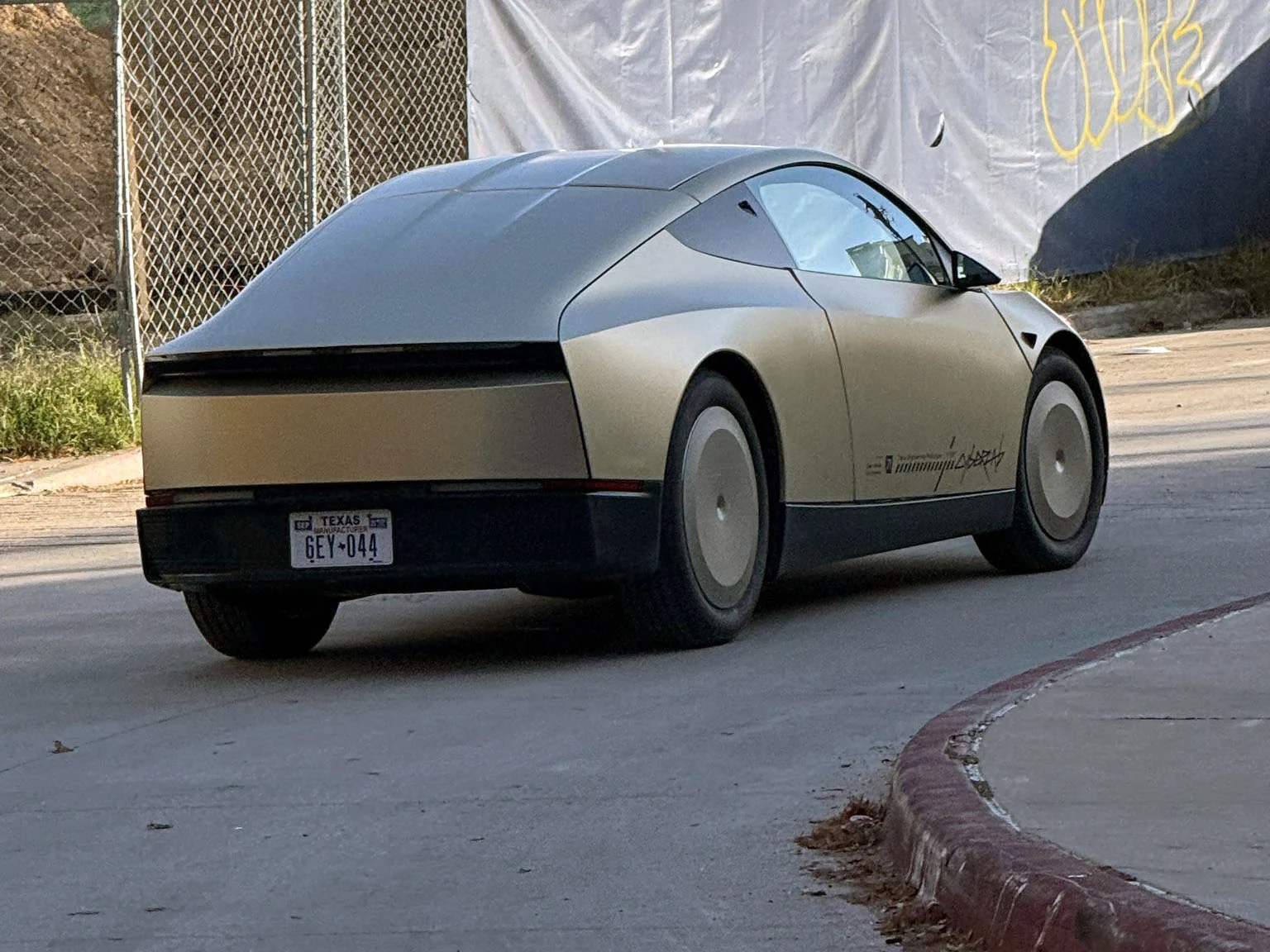
  • Tesla’s Cybercab Design: Vision Proves to Be Right All Along

    Tesla’s Cybercab Design: Vision Proves to Be Right All Along

    Key Takeaways

    1. Tesla has launched its Robotaxi platform using standard Model Y vehicles instead of the previously announced Cybercab prototype.
    2. The company is prioritizing safety by testing Robotaxi routes in controlled areas before fully launching the service.
    3. The Cybercab is designed as a minimalist two-seater with wireless charging, aiming to keep manufacturing costs low; operational costs could be as low as 25–30 cents per mile.
    4. Tesla and Waymo are competing in the robotaxi market, with both using five-seat SUVs, while the Cybercab aims for affordability with a projected price under $30,000.
    5. Data shows that 90% of driverless robotaxi trips have one or two passengers, supporting the Cybercab’s compact design, which is expected to be integrated into the Robotaxi fleet by 2026.


    Tesla has kicked off its Robotaxi platform using standard Model Y vehicles instead of the special Cybercab introduced at a flashy event in Hollywood last year.

    Testing for Safety

    The company’s strategy involves first testing routes in a restricted area for extra safety. They aim to confirm the Robotaxi summoning and payment functions before launching the cost-effective but unusual Cybercab design.

    Cybercab Specifications

    The Cybercab was envisioned as a minimalist two-seater without pedals or a steering wheel. It features a modest 40 kWh battery that charges wirelessly, instead of using an NACS port. The idea was to utilize standard Model Y parts and eliminate anything unnecessary to keep manufacturing costs down.

    Elon Musk estimates that operational costs could be as low as 25–30 cents per mile once the Cybercab is mass-produced, benefiting from economies of scale.

    Market Competition

    While there are electric vehicles that offer wireless charging at Tesla’s claimed efficiency of over 90%, no two-seater without a steering wheel exists yet. Both Tesla and Waymo are competing for the top spot in the robotaxi market in major US cities, but they are using five-seat SUVs rather than specialized vehicles like the Cybercab.

    As previously stated, Tesla aims to keep the Cybercab as affordable as possible. When it was first revealed, Musk indicated that its price would be below $30,000, but some analysts believe the production cost could drop to $15,000 when mass production begins.

    Occupancy Rates Support the Design

    Recent data from Waymo shows that 90% of driverless robotaxi trips have one or two passengers. Most of these rides have only one passenger, with just 9% including someone in the front seat.

    Thus, creating a larger vehicle would waste both money and materials, making the compact two-seater design of the Cybercab the most sensible choice. The Cybercab has already been spotted testing on public roads, and Tesla plans to integrate it into the Robotaxi fleet by 2026.

    Source:
    Link