Tag: FSD

  • Tesla Ends Free FSD Transfer, Impacts HW3 and AI4 Subscription Prices

    Tesla Ends Free FSD Transfer, Impacts HW3 and AI4 Subscription Prices

    Key Takeaways

    1. Tesla’s free Full Self-Driving (FSD) transfer promotion will end on February 14, affecting Model Y owners who previously benefited from transferring FSD to new vehicles.
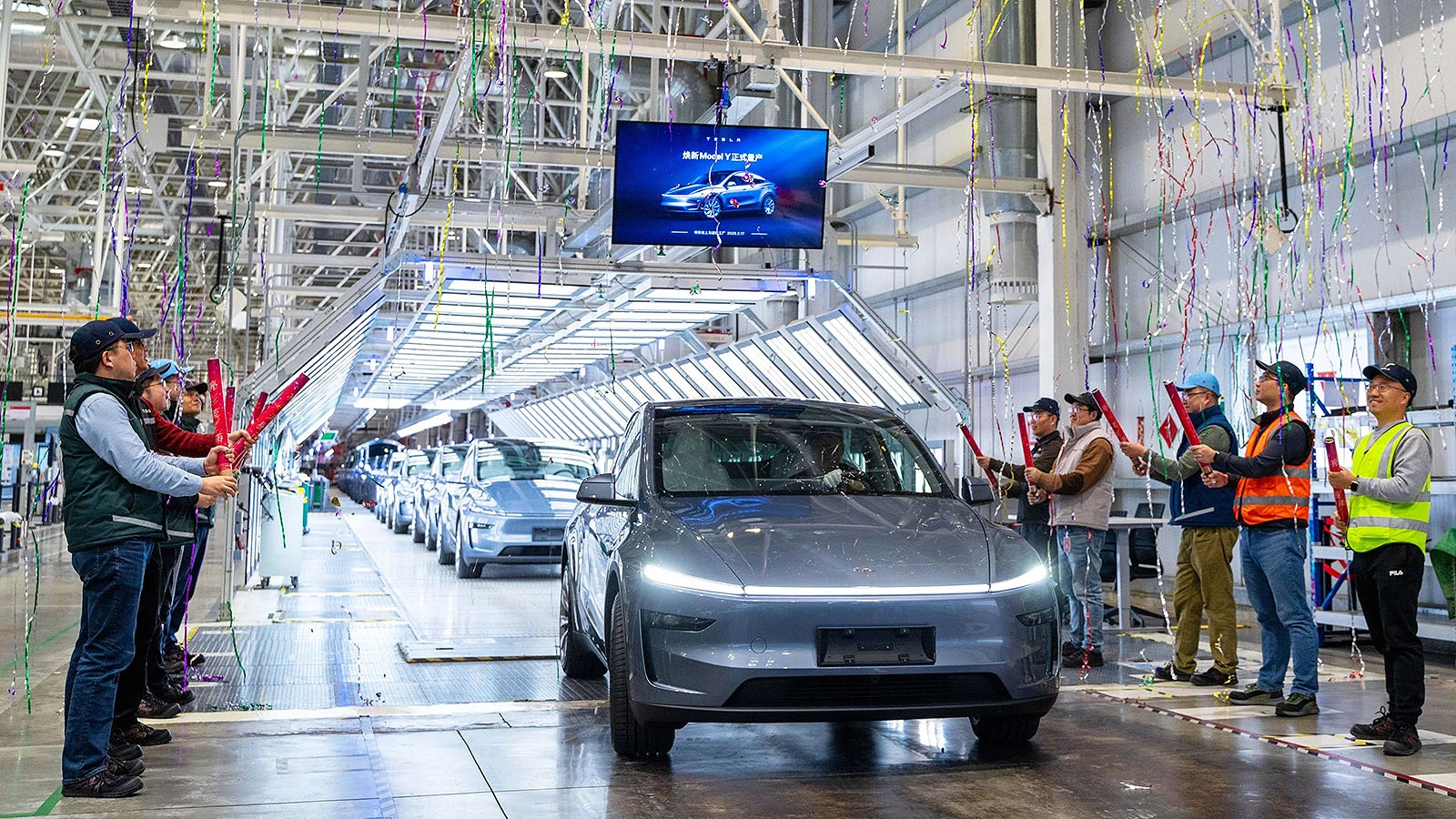
    2. Starting February 15, Tesla will no longer sell FSD outright for $8,000, shifting to a subscription model with a monthly fee of $99 for new and existing owners.
    3. The subscription model presents challenges for Tesla as vehicle sales decline, pushing the company to seek new revenue streams in a weak EV market.
    4. New Model Y owners wishing to join the Robotaxi fleet will need to pay for FSD subscription and give Tesla 20% of their earnings from ride-sharing.
    5. Future pricing for FSD subscriptions remains uncertain, with potential tiered pricing based on vehicle capabilities and whether owners choose to participate in the Robotaxi platform.


    Tesla’s well-liked free FSD transfer promotion will be ending after February 14, as stated by Elon Musk, who has been quite open about the situation recently.

    Changes for Model Y Owners

    Previously, owners of the Model Y who bought the Full Self-Driving (FSD) feature outright at its various prices over the years (currently set at $8,000) could transfer this highly sought-after feature to a new Model Y or any other Tesla vehicle they purchased. The free FSD transfer had almost become a regular offer, with Tesla frequently extending it, having only a couple of quarters in the last two years where it wasn’t available as a purchase incentive.

    Subscription Model Introduction

    Instead of continuing to sell the FSD option for $8,000, Tesla will cease all sales starting February 15. Moving forward, the only way for existing and future Tesla owners who haven’t purchased FSD will be to subscribe and pay the monthly fee set by Tesla. The current subscription price for FSD is $99 per month. This means that for those who bought it outright, it would take around eight years to recover their investment, which is about the lifespan of their Model Y. However, they could have transferred it to a new Model Y under the free transfer deal, or whatever Tesla provides at that time, allowing them to utilize it for years without any additional costs.

    Revenue Challenges for Tesla

    This situation is not ideal for Tesla, especially since their vehicle sales are on the decline, and they need to find ways to generate revenue in a somewhat weak EV market. Moreover, Tesla is preparing to roll out the unsupervised FSD version that will operate its robotaxis through an over-the-air update. This would enable owners of the 2026 Model Y to add their vehicles to the Robotaxi ride-share fleet whenever they choose and earn money when they aren’t using their cars.

    This additional revenue opportunity could be thrilling for many Tesla vehicle owners. However, it poses a challenge for those who already purchased FSD outright, as they can continue to benefit from it for many years. After February 14, new Model Y owners who wish to contribute their vehicles to the Robotaxi fleet will not only have to pay for a monthly or yearly subscription for FSD (Unsupervised), but they will also need to give Tesla about 20% of their revenue for managing the ride-share platform and processing payments. In essence, Tesla will halt the sale of FSD 14 just as their Robotaxi service goes public, aiming to boost revenue through this more profitable subscription-only model.

    Future Pricing Uncertainty

    It’s uncertain whether the monthly fee for FSD will stay the same or if Tesla will introduce a tiered subscription model. There might be one price for the upcoming simplified FSD 14 Lite for HW3 vehicles and a different price for the complete FSD available on newer models equipped with HW4. Those who don’t want to list their vehicles on the Robotaxi platform could stick with a less expensive version of FSD (Supervised), while those looking to profit as robotaxis may face higher costs for the unsupervised edition, and so forth.

    Source:
    Link


  • Tesla Launches Paid Robotaxi for HW4 Model Y Owners

    Tesla Launches Paid Robotaxi for HW4 Model Y Owners

    Key Takeaways

    1. Tesla has launched its Robotaxi service in Austin using Model Y cars that can now drive themselves without any human inside.
    2. The vehicles operate on a unique “unsupervised” version of Full Self-Driving (FSD) software, which differs from the standard FSD available to regular users.
    3. Previously, safety operators were required in the vehicles, but they have now been removed for public road testing.
    4. Tesla plans to merge the unsupervised FSD branch with the public version, allowing private Model Y owners to access this feature through an OTA update.
    5. Tesla owners will be able to add their Model Y to the Robotaxi fleet to earn income when not in use, with a 20% fee for the management of the ride-share service.


    The Model Y cars that Tesla began using for its Robotaxi service have now gained sentience and are driving by themselves without any person inside.

    New Developments in Robotaxi Pilot

    Tesla kicked off its Robotaxi ride-share program in Austin utilizing owned Model Y units that operate on a unique FSD 14 branch labeled “unsupervised.” Initially, a safety operator was always present in the vehicle, either sitting in the passenger seat in Texas or in the driver’s seat without using the controls in California due to local laws.

    Now, Tesla has eliminated the safety monitor from the cars, and Model Y robotaxi vehicles have been spotted performing test drives on public roads in Austin with no one onboard, fully executing unsupervised FSD.

    Unique Features of Tesla’s FSD

    From the beginning, Tesla has clarified that the vehicles in its Robotaxi ride-share initiative function on a special FSD branch that differs from the standard version available to regular Model Y owners.

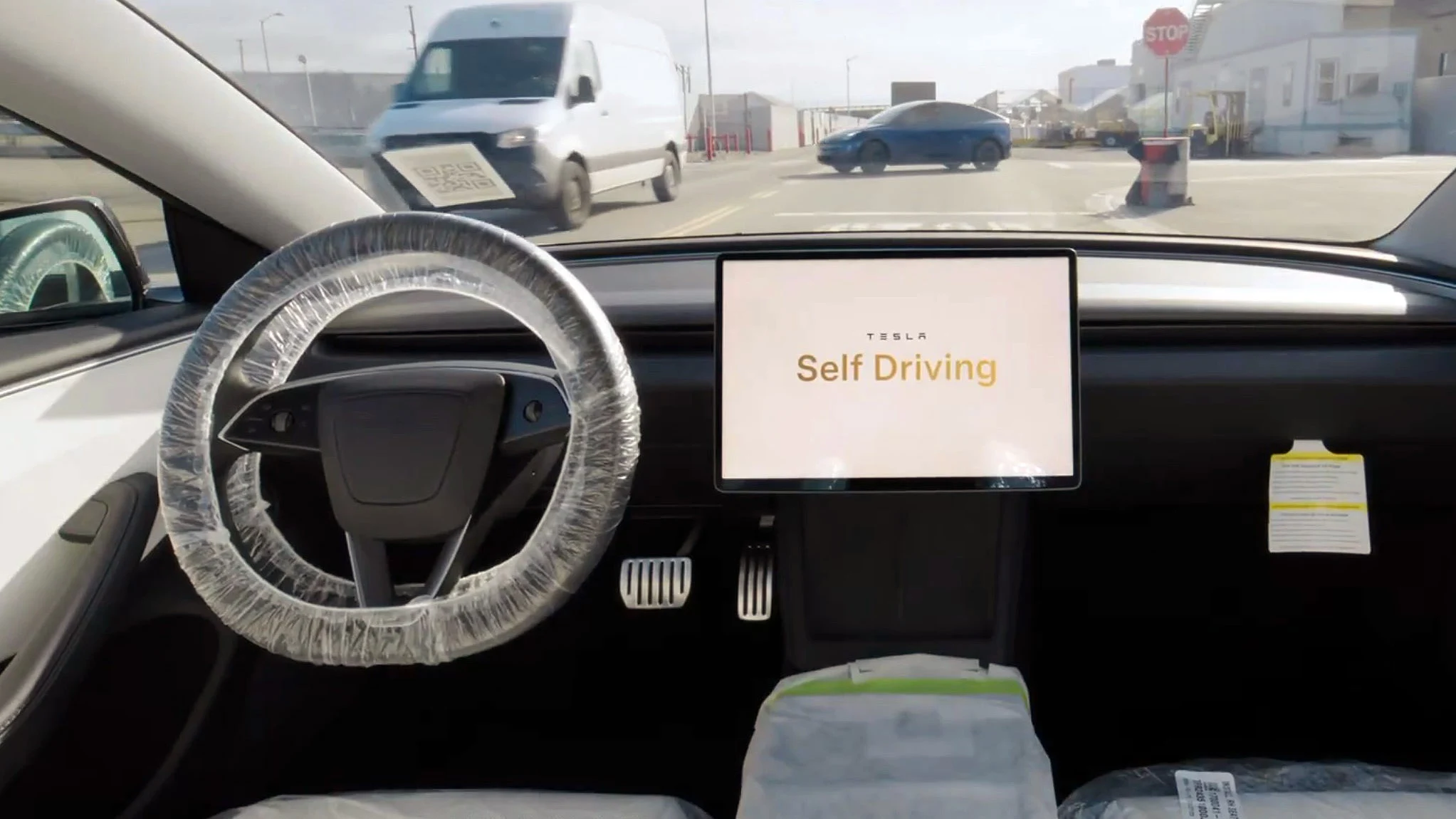
    Until recently, Tesla had only conducted truly unsupervised Model Y FSD test drives within its manufacturing facilities, allowing newly built cars to navigate from the assembly line to the delivery area. They also performed a self-delivery test, where a recently purchased Model Y reached its new owner autonomously.

    Future of Unsupervised FSD

    However, the company now feels it has gathered enough data from the Robotaxi pilot to safely test unsupervised FSD on crowded public roads with no one inside the vehicle.

    In addition, the unsupervised FSD branch is expected to merge with the version accessible to the public soon. Tesla suggested that this feature will be available to privately owned vehicles through an OTA update, which will come “first slowly, and then all at once,” indicating a promising future for the Robotaxi service. For owners of AI4/HW4 vehicles, that is. Those with older HW3 Model Ys might only receive FSD 14 Lite, which could have fewer capabilities than needed for unsupervised FSD.

    Tesla owners will eventually have the opportunity to add their Model Y to the Robotaxi fleet and start earning when they aren’t using their cars, with a 20% fee for managing the Tesla ride-share app and payment system. Elon Musk previously mentioned that the rollout of unsupervised FSD for Tesla owners is expected in 2026, coinciding with the introduction of Cybercab two-seaters as part of the Robotaxi fleet.

    Source:
    Link


  • Tesla Giga Berlin Starts Full Automation with FSD Technology

    Tesla Giga Berlin Starts Full Automation with FSD Technology

    Key Takeaways

    1. Tesla has reduced the need for human workers at its German factory with autonomous vehicle navigation.
    2. New Teslas autonomously move from production lines to outbound lots after quality checks.
    3. Vehicles pause at an on-site Supercharger station for a quick charge before heading to parking.
    4. The Cybertruck was spotted on-site but is marked as a support vehicle, limiting its public road usage.
    5. Tesla is using Full Self-Driving (FSD) technology to improve operational efficiency in their factories.


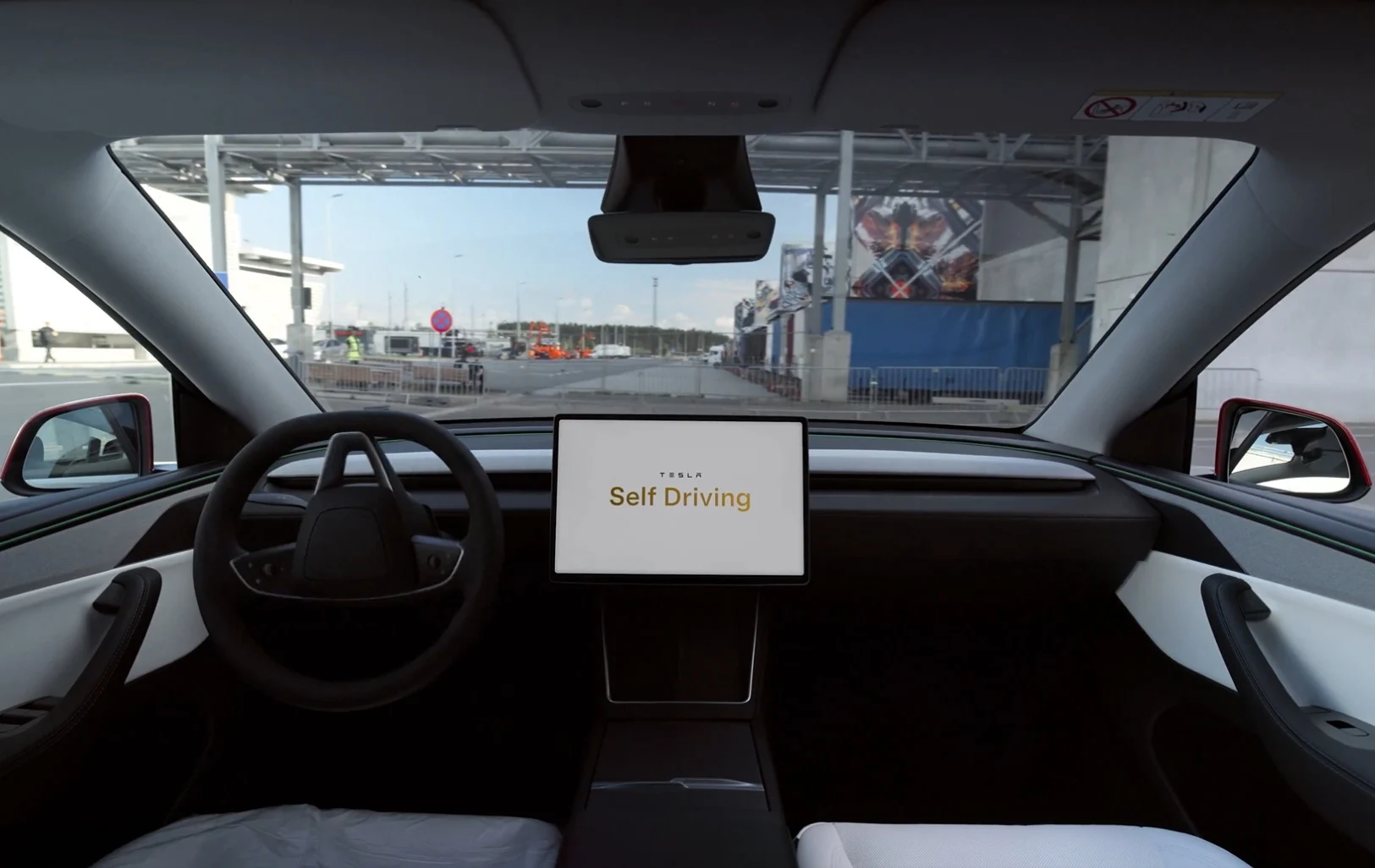
    Tesla has cut down on the need for human workers at its German factory, as vehicles now autonomously move off the production lines and head to the outbound lots by themselves. The company has shared videos showcasing this new self-driving capability at Giga Berlin.

    Autonomous Navigation Process

    The shared post details how the new Teslas leave the Light Tunnel after passing their final quality checks. They pause at an on-site Supercharger station where staff connect them for a quick charge before continuing on to the parking area.

    Cybertruck Sightings

    The video also features a glimpse of the Cybertruck on the grounds. This electric pickup truck was seen near the Tesla that was recording the navigation footage. However, the Cybertruck is labeled as a support vehicle, which means it is not allowed on public roads, thus dimming any excitement for a potential launch in Europe.

    Tesla has been leveraging its Full Self-Driving (FSD) technology to boost efficiency in its operations across North America. In May, the electric vehicle manufacturer released a clip showing Model Ys driving themselves out of the factory and into the parking lot at Giga Texas. This video was part of Lara Trump’s My View segment on Fox News, where the president’s daughter-in-law could be heard complimenting Elon Musk for the achievement.

    Source:
    Link


  • Tesla FSD Price Increase with Free Trial for Australia and NZ Launch

    Tesla FSD Price Increase with Free Trial for Australia and NZ Launch

    Key Takeaways

    1. Tesla announced the launch of Full Self-Driving (FSD) features for right-hand drive regions in Australia on August 29.
    2. Initial reviews of FSD 13 have been given to select lifestyle writers and automotive influencers, while regular owners will have to wait for the update.
    3. Only HW4 vehicles, like the Model 3 and Model Y facelifts, will receive the FSD update, with potential future access for HW3 vehicles.
    4. The price for FSD in Australia increased from $AU8,100 to $AU10,100, with no compensation offered to early buyers.
    5. Tesla is offering a 30-day free trial for FSD in Australia and New Zealand, after which customers can purchase the feature at the new price.


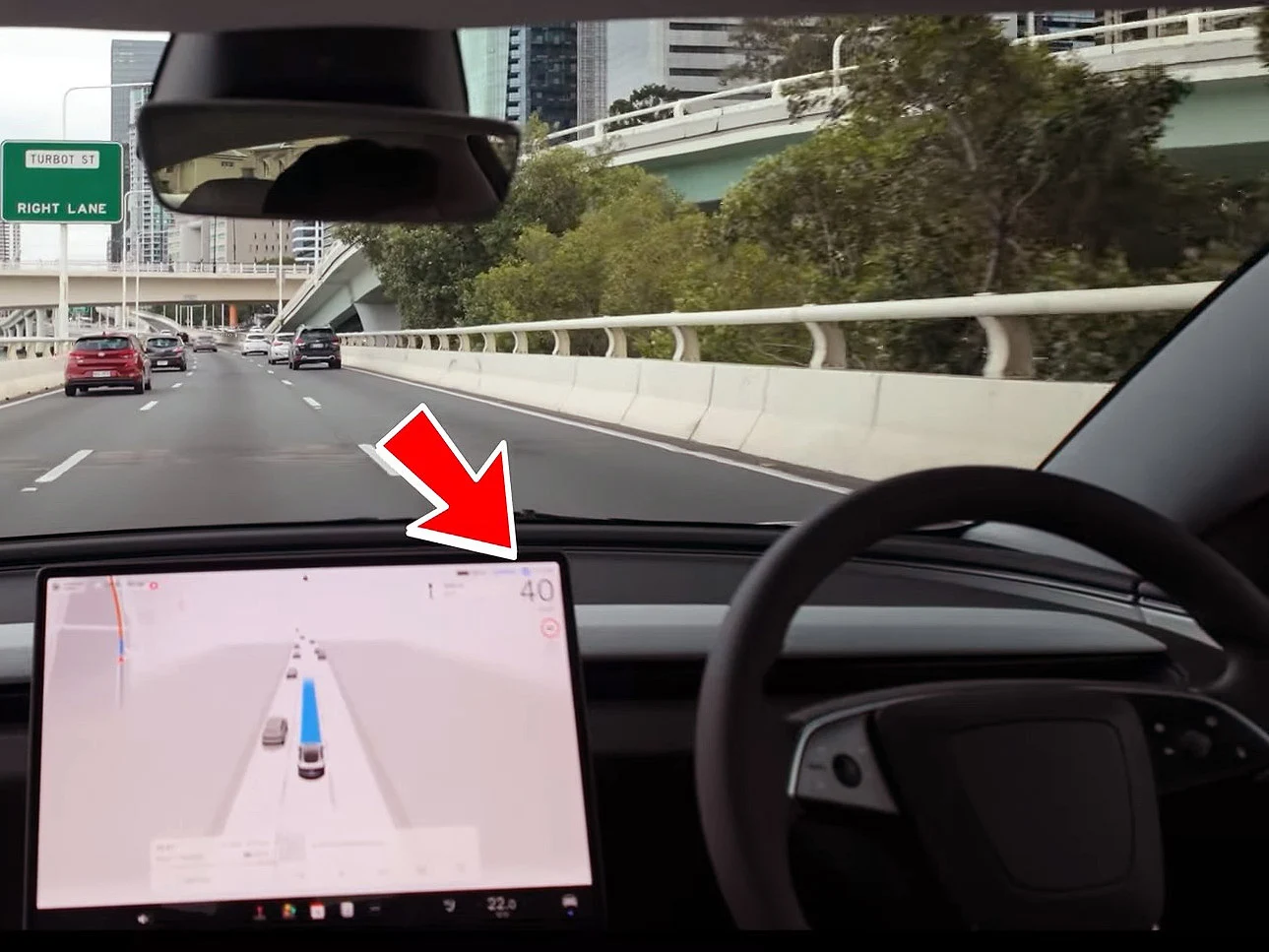
    Tesla hinted at a major announcement for its customers in Australia set for August 29, and indeed, when that date arrived, the news was about the launch of the first Full Self-Driving (FSD) feature in right-hand drive regions.

    Exciting Developments

    For several months, the car company has been sharing videos of FSD rides from Australia, eagerly awaiting necessary regulatory approval, which seems to have been granted. Tesla stated that the first FSD RHD release is “coming incredibly soon.”

    Reviews and Updates

    The initial reviews of FSD 13 in Australia were given to both lifestyle writers and various automotive influencers. However, regular Tesla owners in Australia will have to wait a bit longer to receive the Full Self-Driving (Supervised) update.

    Currently, only HW4 vehicles, including the Model 3 and Model Y facelifts, will receive the FSD update in Australia and New Zealand. Tesla has also suggested that HW3 vehicles might eventually gain access to the autonomous driving software.

    Price Changes and Trials

    Tesla considered offering some sort of compensation to Australian customers who bought FSD years ago and have been waiting for its release. Sadly, the compensation comes in the form of a price hike for FSD in Australia, rising from $AU8,100 to $AU10,100, which is quite a jump.

    To promote the FSD launch in Australia and New Zealand, Tesla is providing a 30-day free trial, similar to what they do in the United States.

    After the trial, if Australian Tesla owners are happy with the FSD experience, they can choose to purchase the Full Self-Driving (Supervised) option at the new higher price. Currently, there is no subscription fee for FSD, meaning that direct purchase is the only way to access FSD in Australia for the time being.

    Source:
    Link


  • Model Y HW3 vs HW4 Crash Test: Why Tesla Upgrades FSD Computers

    Model Y HW3 vs HW4 Crash Test: Why Tesla Upgrades FSD Computers

    Key Takeaways

    1. Mark Rober’s test showed Tesla’s Autopilot performance negatively compared to a Lexus with LiDAR, but inconsistencies led to further independent testing.
    2. The 2022 Model Y with Hardware 3.0 failed to detect a fake wall, while the 2024 Model Y with Hardware 4.0 successfully stopped before the obstacle.
    3. A similar successful test was performed with the Cybertruck, also equipped with Hardware 4.0.
    4. Tesla plans to begin unsupervised FSD testing in Austin, Texas, starting in June, with necessary permits obtained.
    5. Tesla is considering a retrofit program for older vehicles with Hardware 3.0 if unsupervised FSD cannot be successfully implemented on those models.


    Recently, a test by Mark Rober compared a Tesla using Autopilot with a Lexus autonomous driving system, which is renowned for its use of LiDAR. This test didn’t show Tesla’s camera-only approach in a good light.

    Inconsistent Results

    However, Rober’s setup had so many inconsistencies that a group of independent testers decided to put a Tesla through similar tests to see if they could confirm or counter his findings. In a recent round of testing, a Model Y equipped with the new Hardware 4.0 FSD was tested against an older Model Y that had the Hardware 3.0 version, which is still much more common on roads in the US.

    Different Models, Different Outcomes

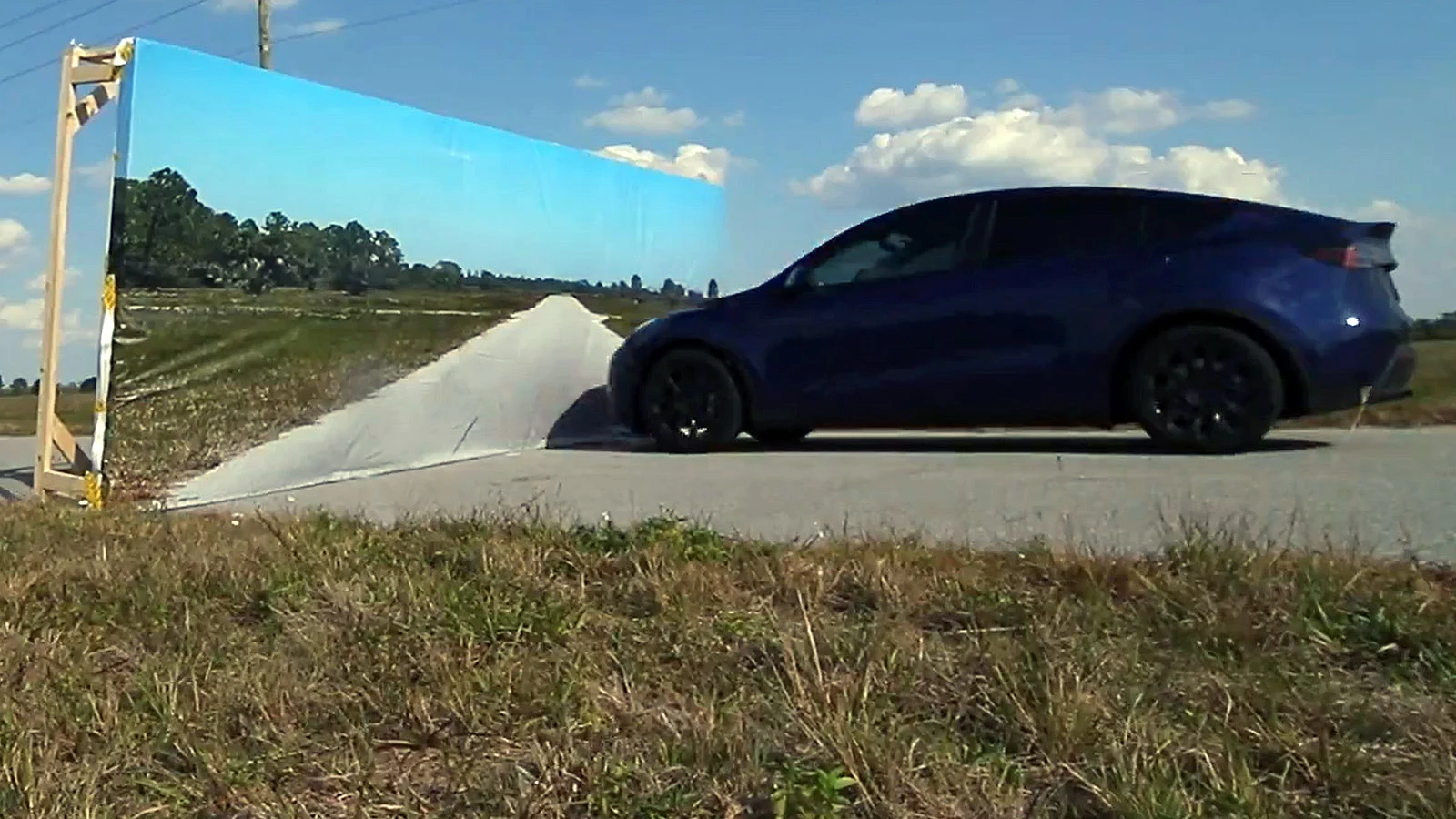
    The 2022 Model Y was fitted with the HW3 package and used the latest version of Tesla’s FSD software designed for that hardware, while the 2024 Model Y had the upgraded HW4, also referred to as AI4 by Tesla. The HW3 Model Y did indeed fail the test; it didn’t detect the wall that was painted to look like a road and drove straight through it. The testers ran the test twice, having to brake manually, and once allowed the 2022 Model Y to crash through the fake wall while in FSD mode.

    The 2024 Model Y, equipped with the HW4’s high-resolution cameras and a new FSD computer, successfully detected the fake wall every time and stopped the vehicle before it reached the obstacle while in self-driving mode. A similar test was performed with the Cybertruck, which also has the HW4 setup, and it too did not collide with the wall.

    Upcoming Unsupervised Testing

    Tesla is getting ready to test its unsupervised FSD mode, which won’t need a driver to be present or paying attention, starting this June in Austin, Texas. The autonomous driving team recently announced that they obtained the necessary permit for pilot program testing by showing city officials in a Cybercab.

    “Thanks to Austin City & Texas DOT for hosting & supporting our efforts to unlock safe & low-cost premium point-to-point electric transport,” the team stated, confirming that the June launch for unsupervised FSD is on track. However, Tesla hasn’t yet figured out how to make the newest FSD version work on older vehicles with the HW3 setup, and it may also struggle to implement unsupervised FSD successfully on those models. Elon Musk promised that if that happens, Tesla will upgrade HW4 computers into eligible HW3 vehicles at their own expense.

    The Wile E. Coyote wall test indicates that a HW3 computer retrofit program may become necessary in the future along the fake painted road.

    Source:
    Link

  • Tesla Launches FSD in China: Local Data Limits Performance

    Tesla Launches FSD in China: Local Data Limits Performance

    Key Takeaways

    1. Tesla is rolling out its Full Self-Driving (FSD) service in China through an over-the-air update, but it faces limitations due to data restrictions.
    2. The FSD in China is not as advanced as the U.S. version and is marketed as an enhancement to the existing Navigate on Autopilot feature.
    3. Tesla has rebranded the FSD option to “automatic assisted driving kit” and is now priced at $8,000, similar to Level 2 driver-assist systems offered by competitors like BYD for free.
    4. Unique challenges in launching FSD in China include data export restrictions from the U.S. and regulations preventing the transfer of training videos outside China.
    5. Tesla plans to refine the FSD system by using locally gathered data and real-life driving scenarios once U.S. engineers implement a tailored algorithm for China.


    Tesla is rolling out its Full Self-Driving (FSD) service through an over-the-air software update for owners in China who have purchased the feature but couldn’t use it until now.

    FSD Limitations in China

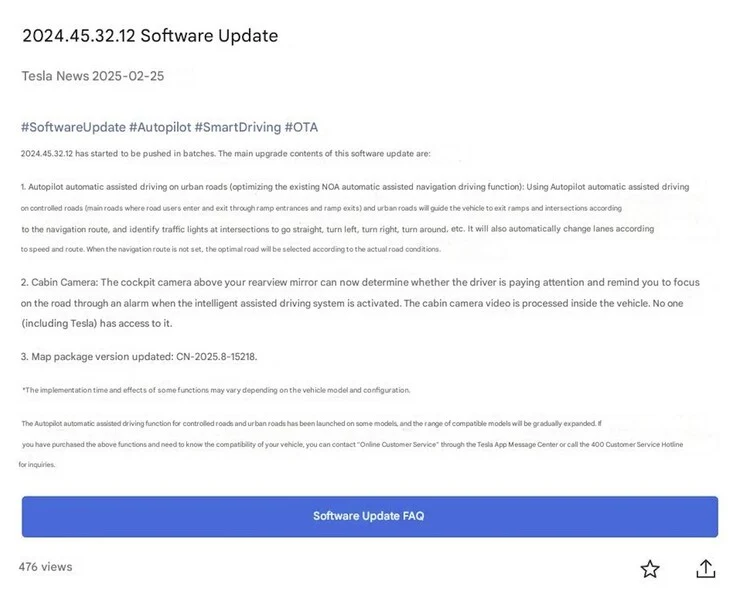
    However, the FSD functionalities in China do not meet expectations, as Tesla encounters restrictions on the data it can utilize for training its algorithms. Currently, the service is not even close to the FSD version 13 that has been launched in the United States. In China, Tesla promotes it as an enhancement to the Navigate on Autopilot feature, which can handle lane changes, navigate ramps, read traffic signals, and make turns in urban areas. Additionally, the cabin camera is now being utilized to monitor if the driver is paying attention to the road.

    New Naming and Pricing Strategy

    Tesla has rebranded the $8,000 option from FSD to “automatic assisted driving kit,” as it primarily serves as a Level 2 driver-assist system similar to what BYD provides for free in its vehicles. This month, Tesla reportedly sent a group of U.S. engineers to implement a China-specific algorithm that incorporates raw data from test Teslas operating in the country since last year, along with various driving videos sourced from the Internet.

    Challenges Ahead

    According to Elon Musk, the launch of FSD in China has been encountering unique challenges. The U.S. government does not permit the export of raw driving data, while Chinese regulations prevent the transfer of training videos outside the country. Musk stated, “We are in a bit of a bind there. So like, bit of a quandary.” To overcome these obstacles, Tesla is analyzing publicly available videos of Chinese streets to enhance their training data and using a simulator for specific scenarios, particularly focusing on the complex bus lanes in China. These lanes have strict regulations, and entering them at the wrong time can lead to instant penalties.

    Future Prospects

    Tesla seems to be gaining confidence in launching at least basic FSD features in China. Once the U.S. engineers deploy the algorithm, the local team will take over, gathering specific data and real-life situations from local roads to refine the system progressively.

    It is still uncertain how many Tesla owners in China will opt to pay the full price for a partially functional FSD, especially when local EV manufacturers like BYD are offering better autonomous features at no extra cost.

    Source:
    Link


  • Tesla Autopilot and FSD: 6x Safer Than Distracted Human Drivers

    Tesla Autopilot and FSD: 6x Safer Than Distracted Human Drivers

    During the last quarterly call with Tesla, Elon Musk announced that the company will launch a fleet of its vehicles featuring the unsupervised FSD function in Austin, Texas, this coming June.

    New Models Coming Soon

    Most of these vehicles are expected to be the 2026 Model Y Juniper and Model 3, equipped with AI4 (Hardware 4.0) systems and an FSD 13 update. This upgrade will enable these cars to navigate city streets autonomously, without the need for a driver onboard. This fleet will serve as the initial test for the paid Robotaxi ride-sharing service, allowing Tesla owners and the two-seat Cybercabs to join the platform in the following year.

    Regulatory Hurdles Ahead

    To gain approval for this unsupervised FSD, which operates without a driver, Tesla must prove that its self-driving technology is safer than human drivers, even in states like Texas where regulations are more relaxed. This might explain why, just before the earnings call, Tesla’s AI team released the latest safety figures for Autopilot and FSD, which Elon Musk presented to investors.

    In the fourth quarter, there was one crash for every 5.94 million miles driven with Autopilot engaged, compared to one crash for every 1.08 million miles when it wasn’t used. In contrast, the most recent data from NHTSA and FHWA shows that in the US, there is an automobile crash roughly every 702,000 miles.

    A Complex Situation

    These statistics don’t differentiate between city and highway driving, and Musk mentioned that the vehicles are eight times safer than human drivers when comparing to NHTSA numbers, rather than the six times safer when using Tesla’s own data. Additionally, he pointed out that current human drivers using FSD must deactivate it to check messages or emails, which creates a frustrating situation for many. “We’re in this odd situation where people turn off autopilot just to check a text, while steering with their knee,” said Musk.

    When asked about the rollout of unsupervised FSD following the Austin pilot in June, Elon mentioned that the US is expected to have it this year, with China and Europe likely following by the end of 2026. He noted that the main challenges in Europe are regulatory, as various bodies meet at set intervals to discuss such features, while in China, geopolitical factors and complicated local driving rules present significant hurdles.

    Tackling Training Challenges

    In China, Tesla faces difficulties due to restrictions on transferring training videos out of the country, while the US government isn’t allowing training to occur in China. To address this, the company is analyzing publicly available videos of Chinese streets to enhance their training materials. They are also developing a simulator to replicate complex scenarios, such as bus lanes, which have strict operating hours. “If you accidentally enter a bus lane at the wrong time, you get an automatic ticket, so it’s a serious issue,” Musk explained.

    While Tesla competes with companies that are introducing their own driver-assist technologies in China, including autonomous battery swapping and existing robotaxis, the unsupervised FSD seems to be poised for success in Europe and the US. However, whether this will lead to the remarkable profits Musk has been forecasting for Tesla and its vehicle owners is still uncertain.

    Source:
    Link


  • Tesla Launches Driverless 2026 Model Y and Model 3 Ride-Share in Texas

    Tesla Launches Driverless 2026 Model Y and Model 3 Ride-Share in Texas

    When Elon Musk presented at the Cybercab launch event on October 10, he announced that Tesla plans to roll out unsupervised Full Self-Driving (FSD) technology this year. This is intended to serve as the foundation for a robotaxi ride-share platform.

    Release Timeline for Autonomous Vehicles

    During the Q4 earnings call, Musk provided a timeline for the introduction of driverless Teslas on public roads, referring specifically to the unsupervised FSD. He mentioned that Tesla will deploy a fleet of vehicles, likely including the 2026 Model Y and the updated Model 3 equipped with HW4 technology, in Austin starting in June.

    As he stated, “The Teslas will be out there, all alone in June in Austin… We’ll be starting off slowly, just to make sure everything is alright. Our AI solution is generalized, meaning we don’t need super precise local maps. So we want to be careful. It works beyond Austin, we just want to test the waters safely before going all in.”

    Expansion Plans Across the U.S.

    The robotaxi service, which will utilize Tesla’s own cars, is expected to grow to California and other parts of the U.S. by year-end. Musk shared that once Tesla feels confident about the safety and functionality of its unsupervised FSD and ride-share services, they will open the fleet to Tesla owners in the following year.

    “It’ll be our fleet testing it out first. We’re being cautious and monitoring everything closely. But yes, we will have autonomous ride-hailing for payment in Austin come June. Soon after, we hope to expand to other U.S. cities. I believe we’ll be operating unsupervised with our fleet in multiple cities by the year’s end. Then, probably next year, we’ll allow people to add or remove their cars from our fleet. It’s not like we are inventing something entirely new; we just have to ensure all systems work properly, from car ordering to payments.”

    Initial Launch Locations

    Initially, Tesla indicated it would kick off the unsupervised FSD for the Cybercab service in Texas and California, where regulations on autonomous vehicles are either lenient or already established. It seems they opted for Texas due to a more relaxed regulatory environment.

    In December, Tesla organized a training session for first responders in Austin about handling driverless cars, which hinted at its choice of Texas for the first launch of the robotaxi service.

    The service will begin with Tesla’s own fleet, followed by the addition of private vehicles from owners willing to share them on the platform for durations ranging from a few hours to several months in 2026. Ultimately, the Cybercab, designed without a steering wheel or pedals, is also expected to debut around 2026.

    Source:
    Link

  • Tesla Model Y FSD Camera Cleaning System Demoed in 2025 Refresh

    Tesla Model Y FSD Camera Cleaning System Demoed in 2025 Refresh

    Dirty HW3 or HW4 cameras have long been a frustration for many Tesla drivers using Autopilot, FSD, or parking in tough weather.

    The cameras on Tesla vehicles often face issues like fogging, freezing, or getting covered with dirt, sleet, or snow. This affects all the driver-assist features, leading some drivers to wish Tesla would reconsider their choice to ditch LiDAR in favor of a camera-based Vision system. One Reddit user pointed out:

    “This is a major issue for ALL their vehicles. Autopilot doesn’t function well when the cameras are dirty, and I’ve been saying for years now that they need to implement weather solutions for all the cameras if they want FSD to meet people’s needs. Other manufacturers have added washers to their cameras; why hasn’t Tesla done the same?”

    Addressing the Issue

    Tesla has taken steps to tackle the problem of dirty FSD cameras, but not for the rear camera, which tends to get dirtier than the others. Drivers often found themselves needing to use a camera cleaning kit. The Cybertruck was designed with a cleaning and heating system for the front bumper camera, which was previously a unique feature of Tesla’s first electric pickup.

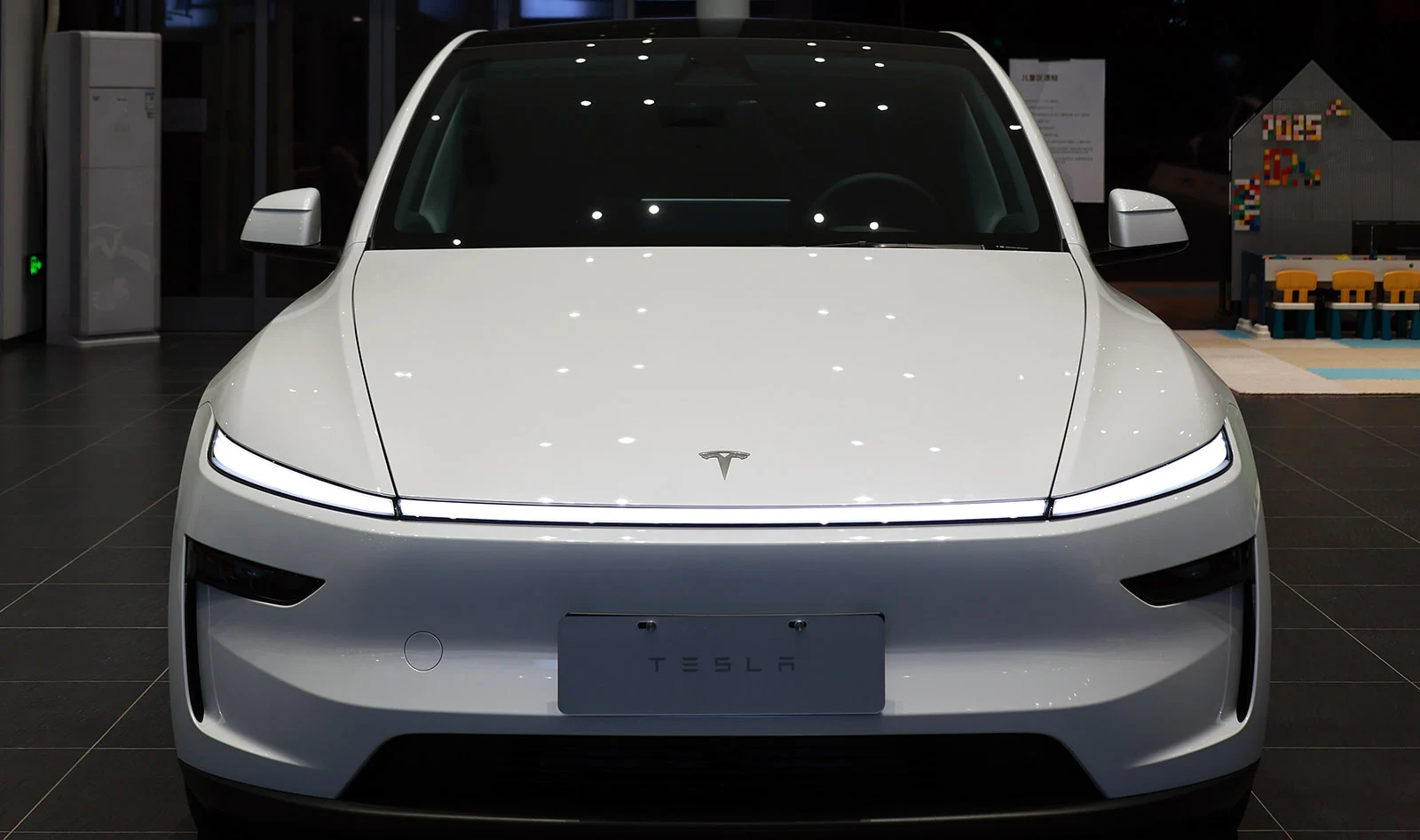
    Fortunately, this camera washing feature is now being introduced to the Model Y Juniper facelift set to launch in March. Early reviews of the 2025 Model Y have begun testing the front bumper camera washer, and it’s hopeful that the lens will also include a heating element like in the Cybertruck, helping to clear ice or snow during winter without requiring drivers to step outside their Model Y Juniper.

    Future Developments

    Regarding the rear cameras that often gather dirt, Tesla recently announced that they are working on a “comprehensive cleaning solution,” but they haven’t shared any specifics yet.

    Source:
    Link

  • Robotaxi Tests Shuttle Service with Dummy Steering, Tesla Launches Cybercab Merch

    Robotaxi Tests Shuttle Service with Dummy Steering, Tesla Launches Cybercab Merch

    Tesla is currently conducting tests for its Cybercab ride-share service at its Gigafactory in Texas, where mass production is expected to start in 2026, assuming Elon Musk can navigate the autonomous vehicle regulations effectively by that time.

    Fleet Launch Plans

    To begin, Tesla plans to utilize a fleet of its existing vehicles to provide a driverless shuttle service on the Cybercab platform for employees in Texas and California. This is part of the so-called unsupervised Full Self-Driving (FSD) phase, which requires demonstration that the self-driving technology is safer than human drivers. Elon Musk insists this will all happen within the next three months, aiming to roll out unsupervised FSD by year-end in select cities across these two states.

    Regulatory Challenges

    However, even this stage of the Robotaxi rollout will face significant regulatory hurdles, not to mention the challenges for a fully driverless Cybercab that lacks both steering wheels and pedals. It remains uncertain whether Tesla can meet its self-imposed timeline. Musk’s optimism might be linked to his new role leading a fresh Department of Government Efficiency (DOGE), which he claims will advance federal regulations for autonomous vehicles, benefiting all electric vehicle makers.

    Public Sentiment and Speculation

    Despite this, experts are doubtful about the likelihood of getting approval for any car without steering wheels or pedals on public roads in the near future. This is why a recent drone flight over Giga Texas that captured the Cybercab seemingly driving with what appeared to be a steering wheel generated so much excitement.

    Many hoped Tesla would include a steering wheel at launch to expedite regulatory approval. Others speculated that this could be the much-anticipated Model 2/Q, which was supposed to launch before the Cybercab, and would be built on the same platform.

    Reality Check

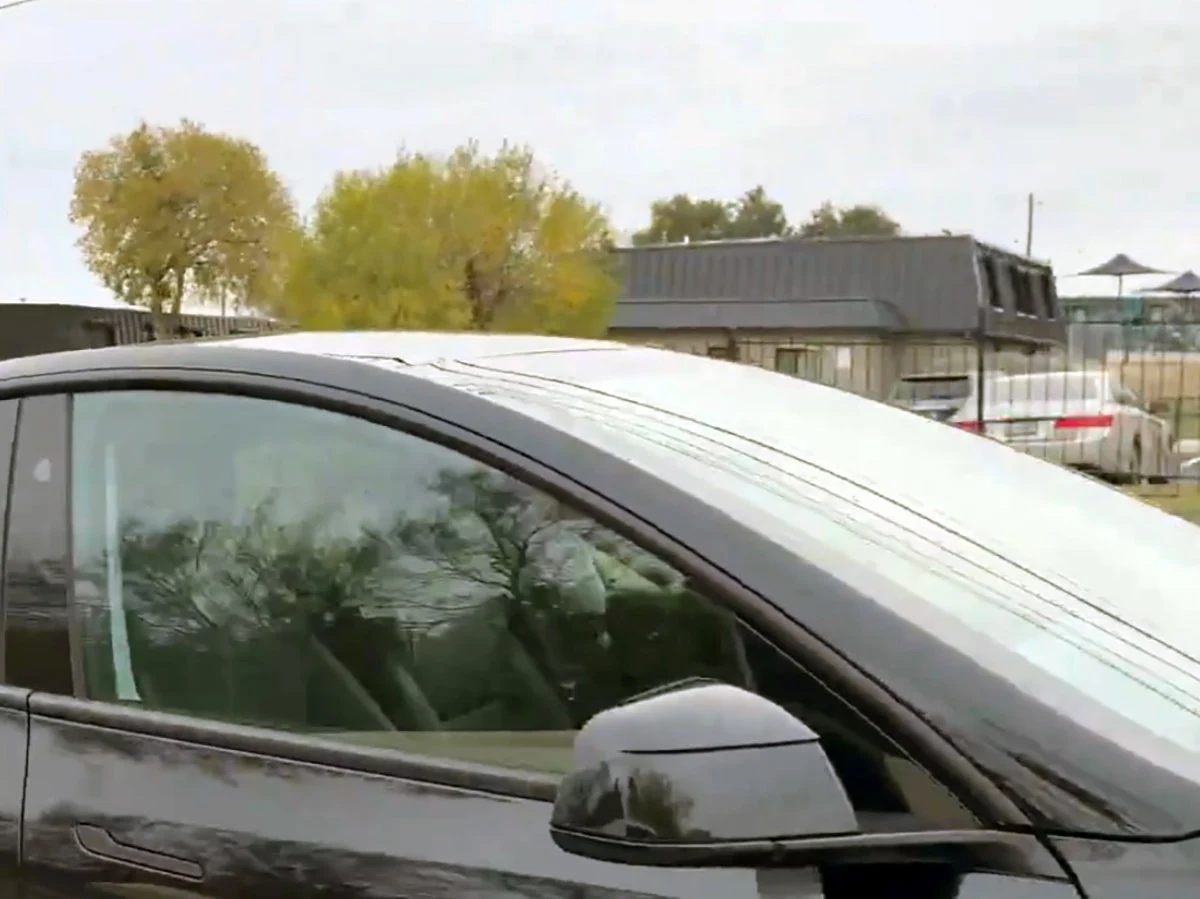
    In truth, the supposed steering wheel was probably just an optical illusion, like a shadow of the A-pillar cast on the tinted windshield or a seat belt draped over a passenger dummy. The Cybercab appeared to be dropping off passengers and moving away, which are tests Tesla must conduct for its planned employee shuttle service.

    Even if the object was indeed a steering wheel, it could have been an engineering control device, similar to those used by Tesla to navigate the Cybercab in settings like ramps or showrooms where it frequently appears. When asked how the Cybercab reached its spot at a recent Brussels auto expo, the Tesla team jokingly said “magic” with smiles, and then added, “if there’s a computer inside, anything is possible,” suggesting some manual control could be involved.

    Merchandise for Fans

    Regardless, it seems like the American public will have to wait quite a while before the Cybercab can provide ride-share services through Tesla’s dedicated platform on public streets. In the meantime, Tesla is rolling out special merchandise to keep its fans engaged until the launch.

    The Cybercab is now featured in Tesla’s apparel store, with a black T-shirt showcasing its logo and silhouette on the front, and the Tesla wordmark on the back. The Cybercab Tee is priced at $40 and is said to be inspired by the Cybercab launch event to complement its gold exterior.

    Source:
    Link