Tag: Cybercab

  • First Look: Tesla’s New Driverless Cybercab Images Leaked

    First Look: Tesla’s New Driverless Cybercab Images Leaked

    Key Takeaways

    1. Tesla is launching a new, efficient Cybercab for city driving next year as part of its Robotaxi fleet.
    2. The Cybercab features a redesigned interior focused on passenger comfort and lacks a steering wheel.
    3. Testing of the Cybercab has been conducted in Austin, where the Robotaxi initiative began, with public road sightings reported.
    4. The pricing for rides in the Cybercab is still uncertain, but Elon Musk suggests it could be as low as $0.30 per mile.
    5. Current Robotaxi ride prices range from $1.25 to $2 per mile, with potential for future adjustments as the Cybercab fleet expands.


    Tesla is set to introduce a more efficient Cybercab for city driving next year, as part of its Robotaxi fleet.

    New Design for Comfort

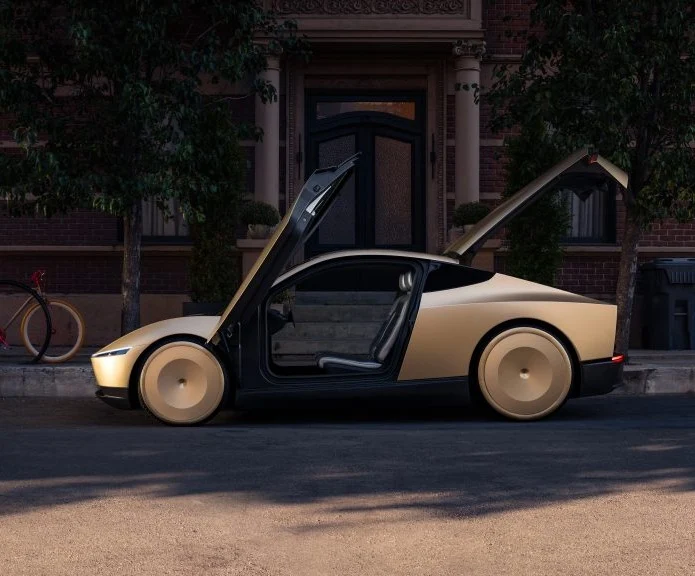
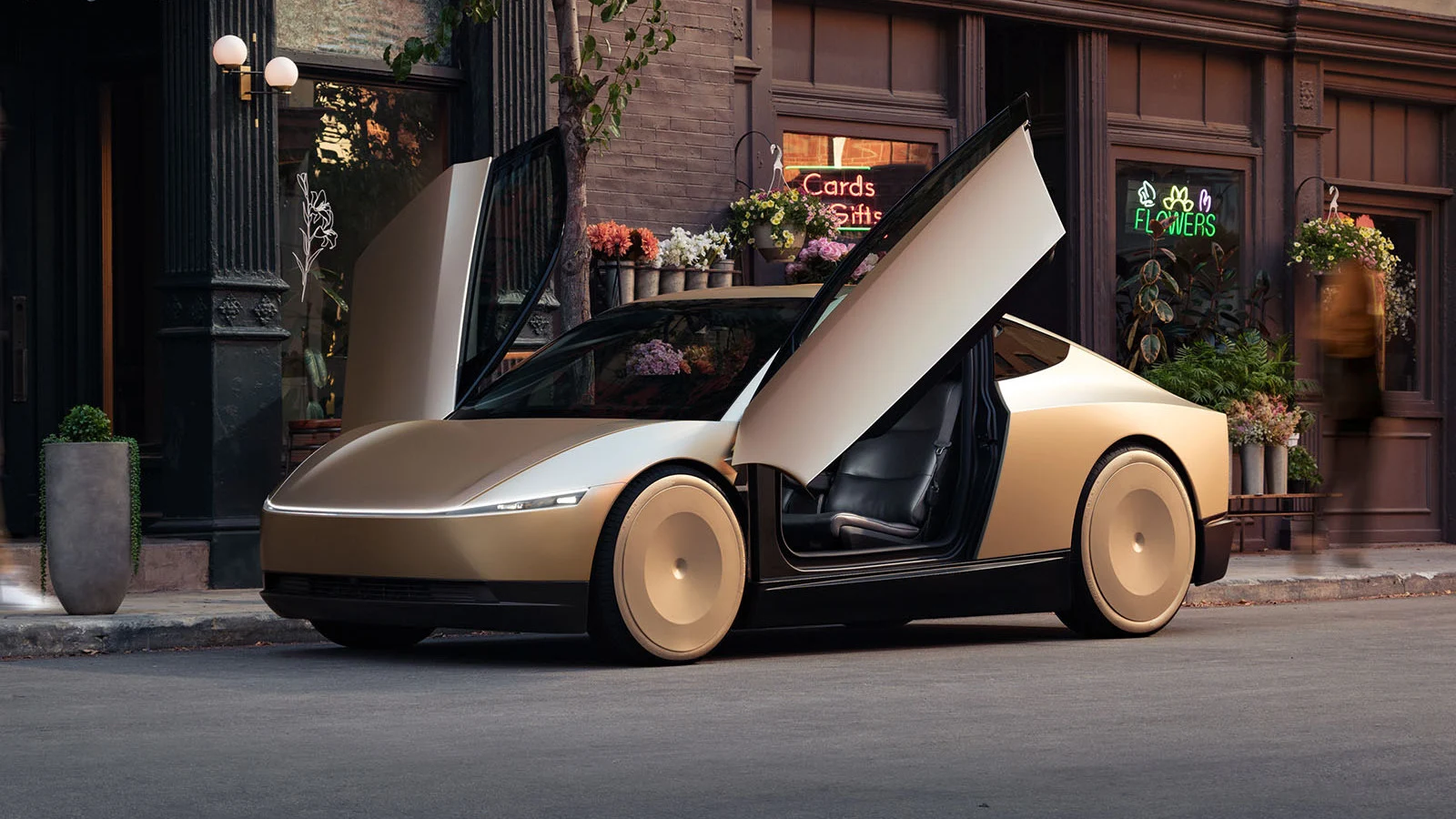
    The upcoming Cybercab, which will enter mass production, features numerous design updates, particularly in its interior, aimed at enhancing passenger comfort.

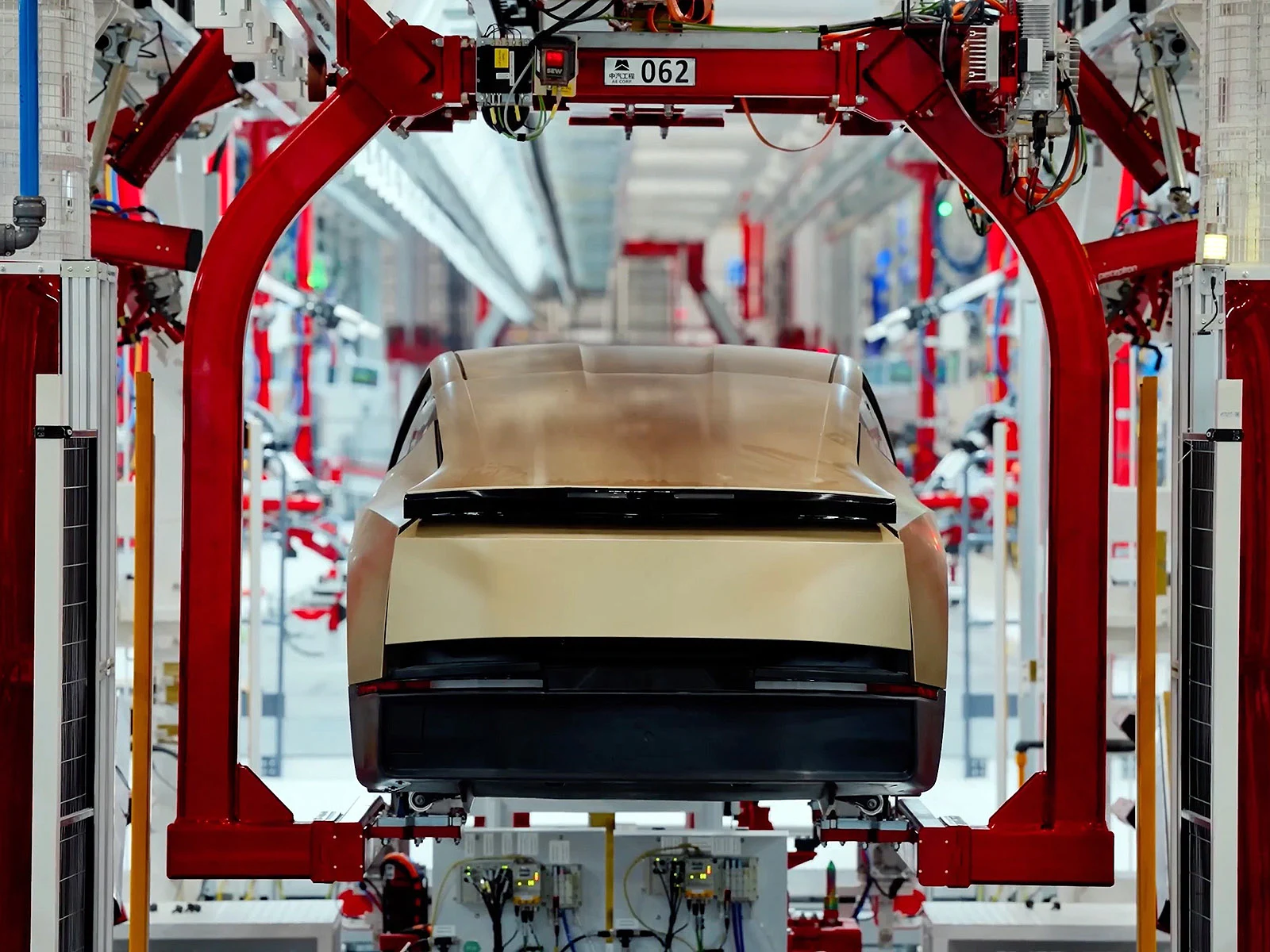
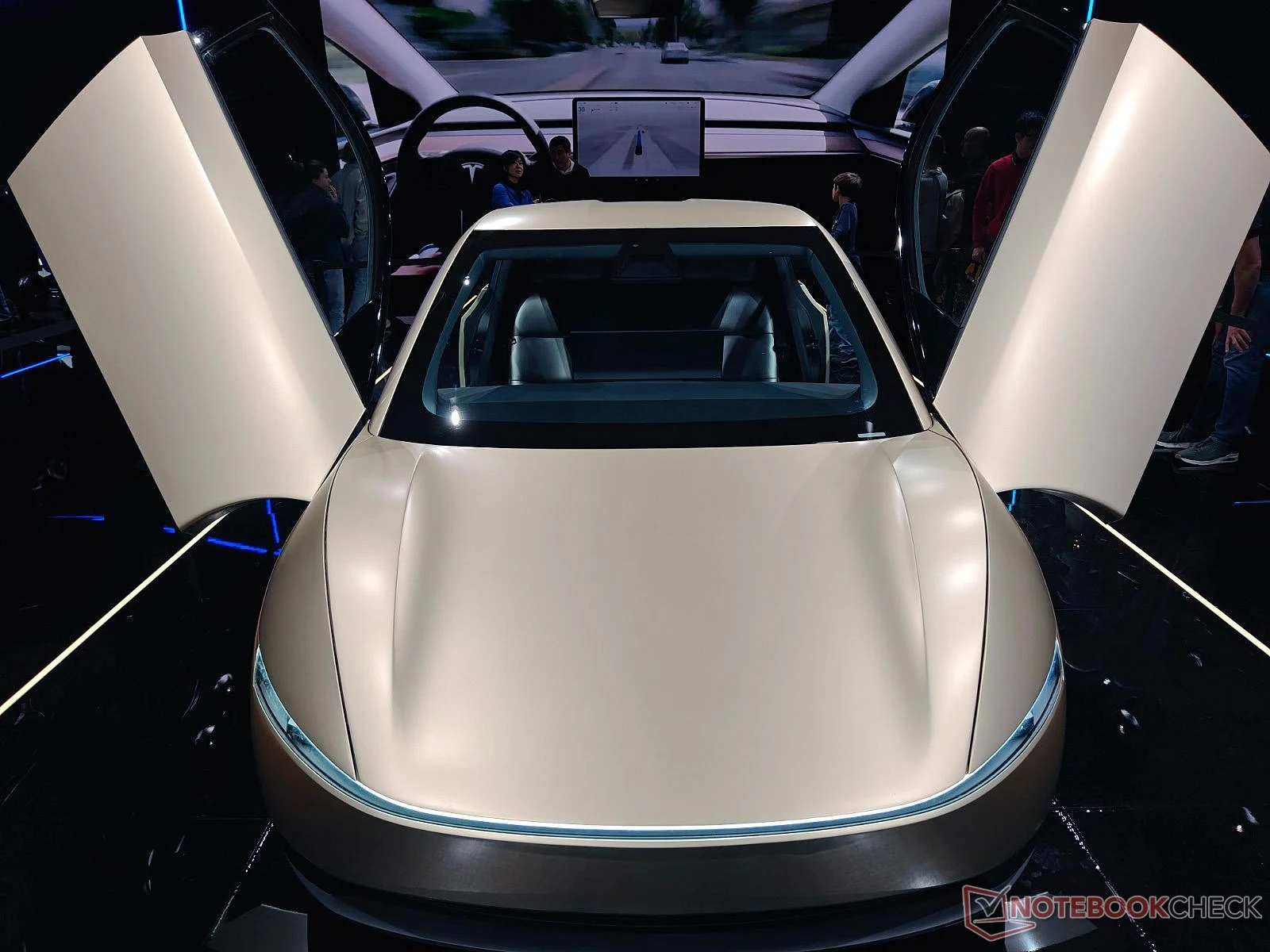
    Since its announcement in October 2024, Tesla has been testing the pedal-free Cybercab, which lacks a steering wheel, within factory premises. Recently, the production-ready model has also been seen on public roads.

    Testing in Austin

    The Cybercab has been observed in downtown Austin, the birthplace of Tesla’s Robotaxi ride-share initiative. The paid service is expected to be available to both owner vehicles and the Cybercab by 2026. This is anticipated to coincide with Tesla’s integration of the FSD 14 (Unsupervised) branch and the retail FSD version expected to be released to the public in Q2.

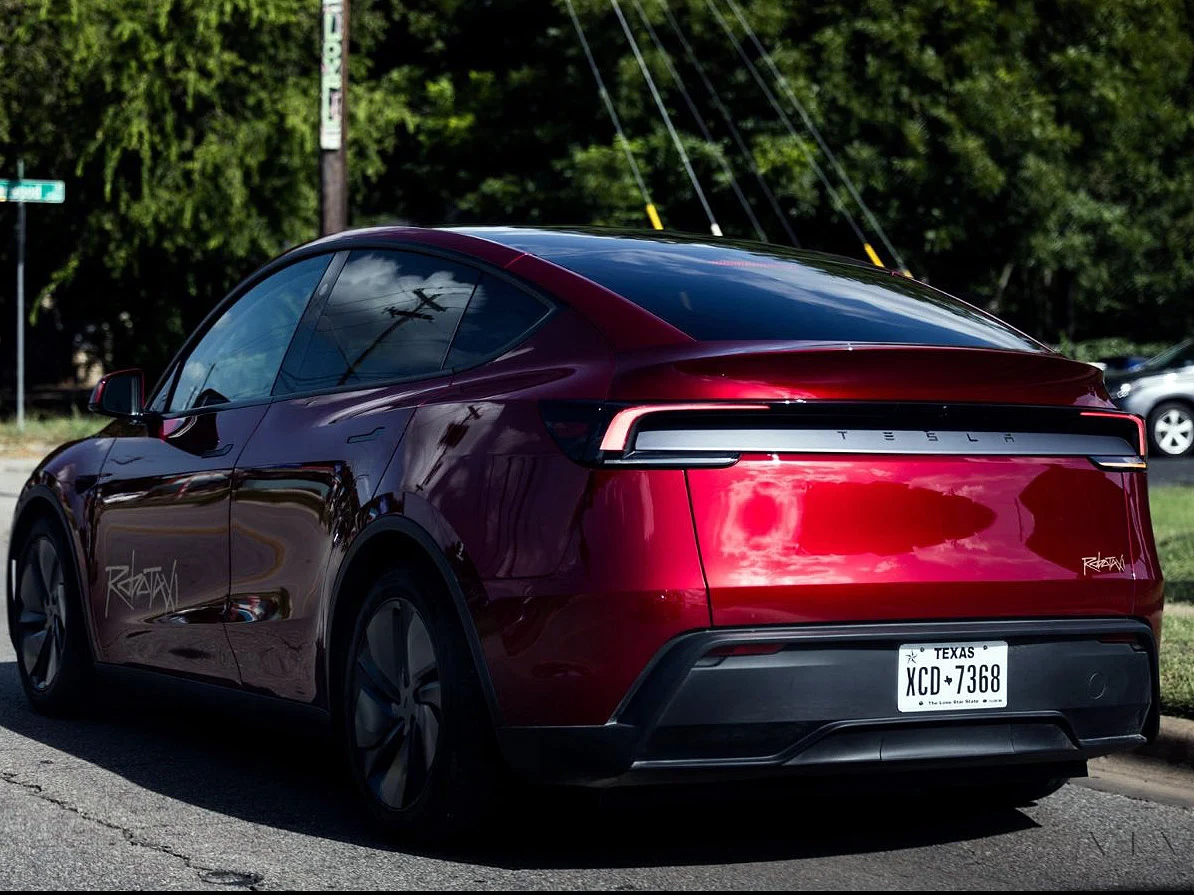
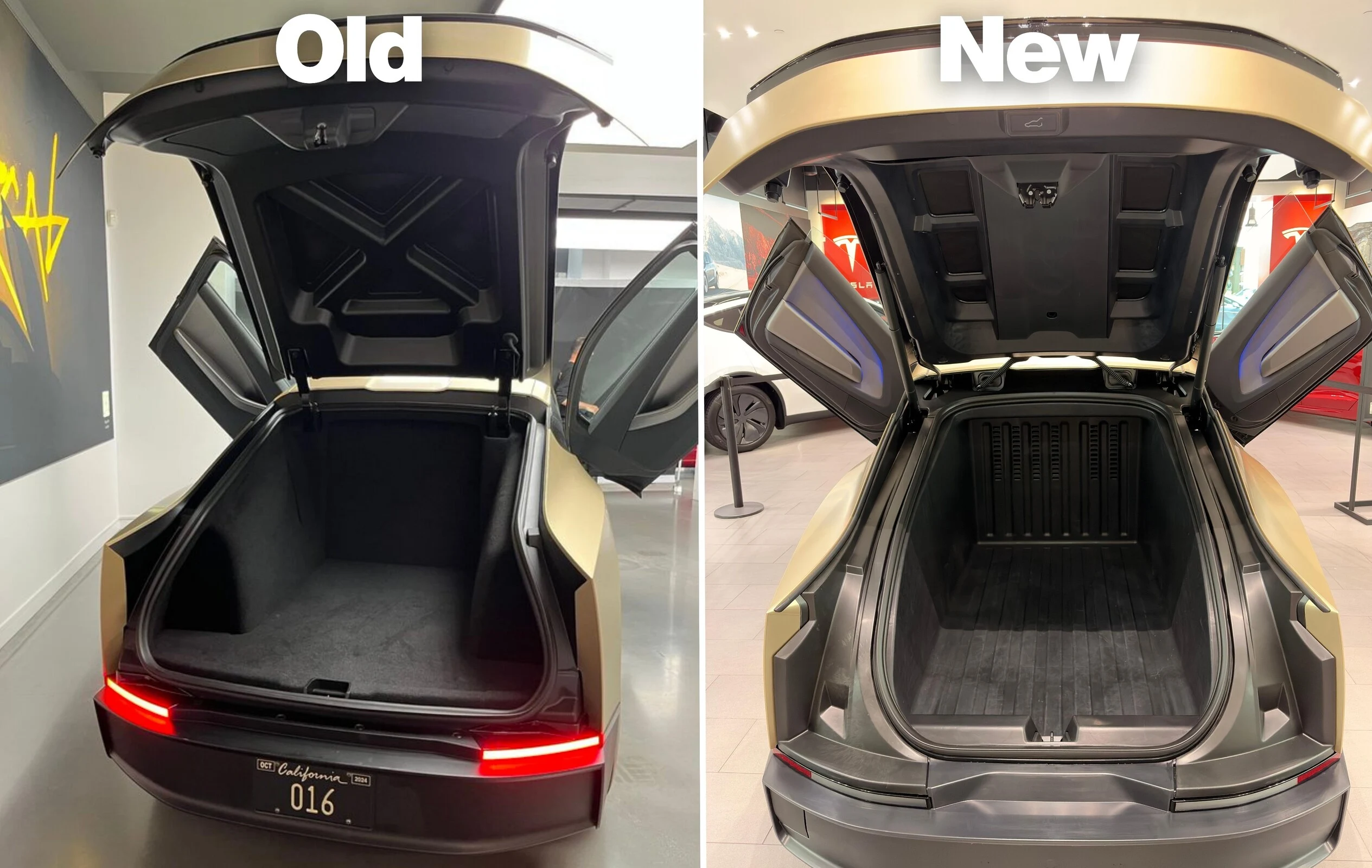
    There are multiple subtle modifications on the exterior too, like updated bumpers, hatch, humps, and roof. Tesla is utilizing the insights gained from its testing on factory grounds as well as on city streets.

    Pricing and Future Prospects

    It is still unclear what the cost per mile will be for a ride in a Cybercab compared to owner vehicles or Tesla’s existing Model Y units. Elon Musk has mentioned it might be as low as $0.30, but this is contingent on the Cybercab being produced at a large scale and having all the wireless charging and self-cleaning systems fully functional.

    Currently, Robotaxi rides vary from $1.25 to around $2 per mile, depending on location and distance. However, Tesla is likely to experiment with pricing as the fleet grows with more affordable vehicles like the Cybercab.

    Source:
    Link


  • Tesla’s Cybercab Design: Vision Proves to Be Right All Along

    Tesla’s Cybercab Design: Vision Proves to Be Right All Along

    Key Takeaways

    1. Tesla has launched its Robotaxi platform using standard Model Y vehicles instead of the previously announced Cybercab prototype.
    2. The company is prioritizing safety by testing Robotaxi routes in controlled areas before fully launching the service.
    3. The Cybercab is designed as a minimalist two-seater with wireless charging, aiming to keep manufacturing costs low; operational costs could be as low as 25–30 cents per mile.
    4. Tesla and Waymo are competing in the robotaxi market, with both using five-seat SUVs, while the Cybercab aims for affordability with a projected price under $30,000.
    5. Data shows that 90% of driverless robotaxi trips have one or two passengers, supporting the Cybercab’s compact design, which is expected to be integrated into the Robotaxi fleet by 2026.


    Tesla has kicked off its Robotaxi platform using standard Model Y vehicles instead of the special Cybercab introduced at a flashy event in Hollywood last year.

    Testing for Safety

    The company’s strategy involves first testing routes in a restricted area for extra safety. They aim to confirm the Robotaxi summoning and payment functions before launching the cost-effective but unusual Cybercab design.

    Cybercab Specifications

    The Cybercab was envisioned as a minimalist two-seater without pedals or a steering wheel. It features a modest 40 kWh battery that charges wirelessly, instead of using an NACS port. The idea was to utilize standard Model Y parts and eliminate anything unnecessary to keep manufacturing costs down.

    Elon Musk estimates that operational costs could be as low as 25–30 cents per mile once the Cybercab is mass-produced, benefiting from economies of scale.

    Market Competition

    While there are electric vehicles that offer wireless charging at Tesla’s claimed efficiency of over 90%, no two-seater without a steering wheel exists yet. Both Tesla and Waymo are competing for the top spot in the robotaxi market in major US cities, but they are using five-seat SUVs rather than specialized vehicles like the Cybercab.

    As previously stated, Tesla aims to keep the Cybercab as affordable as possible. When it was first revealed, Musk indicated that its price would be below $30,000, but some analysts believe the production cost could drop to $15,000 when mass production begins.

    Occupancy Rates Support the Design

    Recent data from Waymo shows that 90% of driverless robotaxi trips have one or two passengers. Most of these rides have only one passenger, with just 9% including someone in the front seat.

    Thus, creating a larger vehicle would waste both money and materials, making the compact two-seater design of the Cybercab the most sensible choice. The Cybercab has already been spotted testing on public roads, and Tesla plans to integrate it into the Robotaxi fleet by 2026.

    Source:
    Link


  • Tesla Plans AI Chip Terafoundry, Reveals Roadster, Semi, Optimus Dates

    Tesla Plans AI Chip Terafoundry, Reveals Roadster, Semi, Optimus Dates

    Key Takeaways

    1. Tesla plans to start mass production of the Cybercab in April, aiming for one unit every 10 seconds, significantly faster than the Model Y.
    2. The Robotaxi service will expand to major US cities, including Miami, Dallas, Phoenix, and Las Vegas, with the Cybercab designed without pedals or a steering wheel.
    3. The second-generation Semi truck will enter mass production in 2026, featuring improvements like a light bar, increased payload capacity, and enhanced efficiency of 1.7 kWh/mile.
    4. The much-anticipated Roadster 2 reveal is set for April 1, 2026, with a release in 2027, and Tesla plans to start mass production of the Optimus 3 humanoid robot in 2026.
    5. Tesla’s Cybercab and Optimus robots will rely on advanced AI chips and batteries, with plans to establish a lithium refinery and potentially a chip foundry to support production needs.


    Tesla has revealed plans to kick off mass production of its Cybercab in April, aiming to produce one unit every 10 seconds, which is four times faster than the Model Y.

    Expansion of Robotaxi Service

    By that time, Tesla’s Robotaxi service is set to cover most major US cities, with Miami, Dallas, Phoenix, and Las Vegas identified as the next locations for operation. The Cybercab has undergone minor design tweaks since its first introduction, but it will still be manufactured without pedals or a steering wheel.

    Updates on the Semi Truck

    The most significant design overhaul has been reserved for Tesla’s second-generation Semi truck, which is also expected to go into mass production in 2026. The new model will feature a light bar, enhanced payload capacity, and a 15% boost in efficiency, bringing it down to just 1.7 kWh/mile. Additionally, the charging speed has been increased to 1.2 MW, which is the maximum permitted by Tesla’s NACS standard at a V4 Supercharger station.

    Future Roadster and Humanoid Robots

    During the 2025 Annual Shareholder Meeting, where Elon Musk’s $1 trillion pay package was approved by 70% of shareholders, Tesla announced that the much-anticipated Roadster reveal will take place on April 1, 2026. The actual release date for the Roadster 2 is set for 2027, though a demo is planned for this year, where enthusiasts might discover why Musk claims the supercar can “fly.”

    The mass production of the Optimus 3 humanoid robot is also on the horizon for 2026, starting with an initial line of one million units at the Fremont facility, followed by a larger setup in Giga Texas for ten times that amount. Musk is accelerating these plans in response to competitive humanoid robots being announced by Chinese companies such as XPeng, which plan to begin mass production in 2026. “Tesla and Chinese companies will dominate the market,” Musk stated.

    AI Chips and Battery Production

    Both the Cybercab and Optimus robots will rely heavily on AI chips and batteries. Tesla provided an update regarding its lithium refinery, which is set to begin operations next year with a planned capacity of 50 GWh. Alongside its own lithium refinery and battery manufacturing plants, Musk mentioned that Tesla might need to establish its own AI chip foundry.

    “This isn’t just a new chapter for Tesla; it’s an entirely new book. This new book significantly boosts vehicle production and accelerates Optimus production at a pace never seen before in human history. Even with the most optimistic projections for chip production from our suppliers, it’s still insufficient. Therefore, I believe we might have to create a Tesla terafab. It’s like giga, but way larger,” he expressed.

    Chips and Production Plans

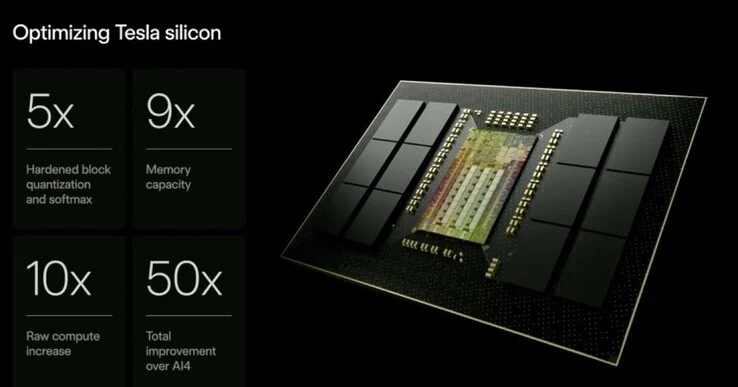
    Of course, Musk has a tendency for exaggeration, especially now that he’s just secured a potential trillion-dollar compensation package. However, he did share some insights into the Tesla AI5 chip specifications, stating it will begin production in about a year, boasting a 50x “total” advantage over the AI4. Production will continue to be shared between Samsung and TSMC, while the AI6 chip will be produced solely by Samsung at its Texas facility. This arrangement leaves Tesla’s own chip foundry responsible for the upcoming AI7 and AI8 chips that Musk has hinted at recently.

    Source:
    Link


  • Tesla Robotaxi Service Expanding to California and Florida Soon

    Tesla Robotaxi Service Expanding to California and Florida Soon

    Key Takeaways

    1. Tesla plans to launch robotaxis in California by September, with potential expansion to states like Florida, Arizona, and Nevada.
    2. The goal is to reach 50% of the US population with the ride-sharing service by the end of 2025, aiming for significant financial impact by the end of 2026.
    3. Insights from the current robotaxi pilot in Austin will help rapidly scale the network once regulatory approvals are obtained.
    4. Tesla’s robotaxi service is expected to have a competitive cost per mile, starting at around $0.50 for existing models and potentially dropping to $0.30 with the introduction of the Cybercab in 2026.
    5. The Nevada DMV has confirmed discussions with Tesla regarding the robotaxi launch, indicating no major obstacles to expansion once documentation is submitted.


    Tesla is set to launch its robotaxis in California after the summer and is also discussing opportunities with other states that have more lenient laws on self-driving vehicles, like Florida, Arizona, and Nevada.

    Expansion Plans

    Elon Musk has indicated that the rapid rollout of the ride-share platform is expected to begin in just a few weeks, with robotaxis anticipated to be operational in the Bay Area by September. The target for Tesla’s ride-sharing service is to reach 50% of the US population by the end of 2025, with hopes that robotaxi rides will significantly affect its financial performance by the end of 2026. Musk mentioned, “I think the actual cost per mile of Cybercab will be very low. The cost per mile of our existing fleet will be higher, but still competetive. So maybe something over $0.50… This suggests that robotaxi operations will grow from small to massive in a relatively short timeframe. I believe it will have a significant impact on our finances around the end of next year.”

    Learning from Experience

    During the recent quarterly earnings call, Tesla representatives noted that insights gained from the current robotaxi pilot in Austin, which is not limited by a specific service area, can be utilized anywhere. This flexibility will enable rapid scaling of the Robotaxi network from a technical perspective, once state authorities provide the necessary approvals. The service area in Austin is set to expand tenfold this summer, surpassing the efforts of competitors like Waymo. Tesla’s vision-only approach facilitates quicker validation and scaling.

    Future Revenue Streams

    The Nevada DMV has confirmed that discussions with Tesla regarding the robotaxi launch have taken place and that there are no obstacles once required documentation is submitted. Regarding when the swift expansion of robotaxis will start generating revenue for Tesla, Musk stated that the current service using factory Model Y units incurs costs of about fifty cents per mile, which remains very competitive.

    When the Cybercab, a two-seater designed specifically as a robotaxi, joins the fleet in 2026, its estimated cost per mile of around thirty cents will lower overall service costs. This reduction will help Tesla finance quicker expansion through loans rather than relying solely on its own funds.

    Source:
    Link

  • Tesla Model Y Robotaxi Ride Prices Expand Beyond Waymo Areas

    Tesla Model Y Robotaxi Ride Prices Expand Beyond Waymo Areas

    Key Takeaways

    1. Tesla has expanded its robotaxi service area beyond Waymo’s in Austin and raised ride fares by 65%, from $4.20 to $6.9.
    2. The new fare is a fixed price for rides, aimed at testing the Robotaxi app and payment system rather than generating profit.
    3. Tesla’s robotaxi service currently covers about 7% of Waymo’s area, with plans for further expansion to cities like San Francisco.
    4. Future two-seater Cybercabs may lower the cost per mile to around 25 cents, making the service more competitive.
    5. Cybercabs will use wireless charging and automatic cleaning, indicating advanced features for the Robotaxi platform in the future.


    The Tesla Robotaxi ride-share service has now expanded its reach beyond Waymo’s area in Austin, where it is currently running a pilot program.

    Price Increase

    In just three weeks since launching, Tesla has significantly increased the size of the geofenced robotaxi service area and, in a rather cheeky move, has also raised the ride fare. The cost of a robotaxi ride has jumped by an eye-catching 65%, soaring from $4.20 to the new price of $6.9.

    Elon Musk often includes the number 420 as a fun Easter egg, and with Tesla fans urging him to play with the number 69 ahead of the Robotaxi launch, this new fare might just be a playful joke—similar to the shape of the expanded service area on the map.

    Testing the Waters

    This $6.9 charge is a fixed price, no matter how many miles are traveled. The purpose of this pricing is not to recover operational costs or generate profit for Tesla, but mainly to test the Robotaxi app and its payment system.

    Currently, the Tesla Robotaxi platform covers about 7% of Waymo’s overall service area in the US, with plans to expand to San Francisco and other cities by year-end. This growth will necessitate Tesla to establish more realistic pricing soon, allowing for a fair comparison of its Robotaxi service with other ride-share options in the market.

    Future Prospects

    Elon Musk has stated that when the two-seater Cybercabs begin robotaxi service next year and are produced in larger quantities, the cost per mile could potentially drop to as low as 25 cents, making them highly competitive.

    However, the Cybercab won’t be able to utilize Superchargers or a Tesla wall connector; instead, they will be charged wirelessly on special pads and cleaned automatically by robots. This hints at exciting developments ahead for the Robotaxi platform, extending beyond its current trial in Austin.

    Source:
    link

  • Tesla Model 3 Testing FSD with Cybercab Cameras Up North

    Tesla Model 3 Testing FSD with Cybercab Cameras Up North

    Key Takeaways

    1. Tesla is using a standard Model 3 equipped with the Cybercab’s Full Self-Driving (FSD) kit to gather driving data in challenging weather conditions.
    2. New camera arrangements on the Model 3 mirror those planned for the Cybercab, suggesting a focus on collecting relevant data for autonomous driving.
    3. Tesla is preparing for an unsupervised FSD pilot program in Austin, Texas, as part of their efforts to promote safe electric transport.
    4. Securing permits for the Cybercab will be more challenging than for the Model 3 or Model Y, which still have traditional controls.
    5. The testing of the Model 3 may help demonstrate safety and readiness to regulators ahead of the Cybercab’s mass production goal in 2026.


    Since Tesla can’t really train the Cybercab for every situation and event that occurs on the streets during bad weather before it gets the required permits, they are trying something else.

    Innovative Approach

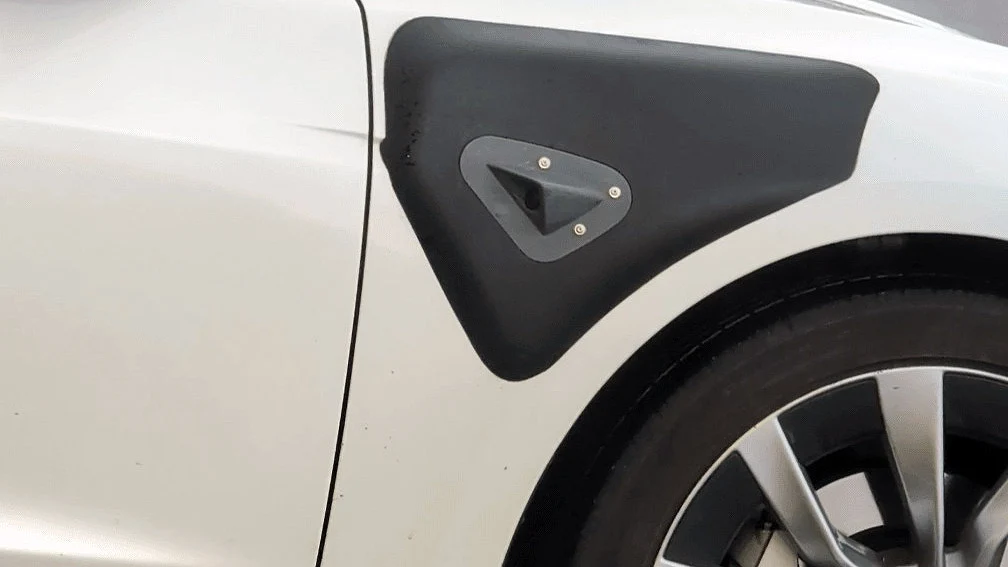
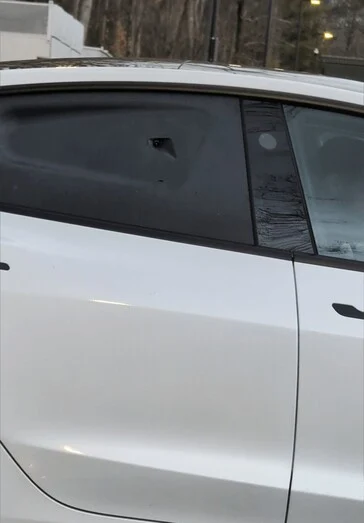
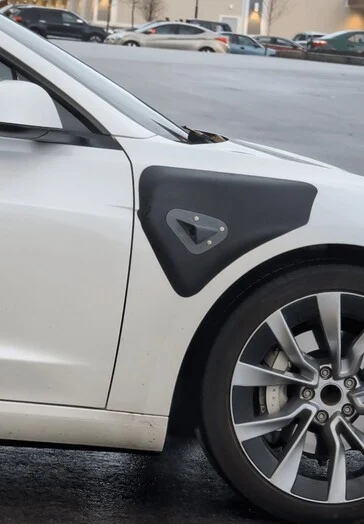
    They have seemingly equipped a standard Tesla, which has pedals and a steering wheel, to drive around on public roads with the Cybercab’s Full Self-Driving (FSD) kit. A Model 3 was spotted with unusual HW4 camera positions way up in Concord, New Hampshire, suggesting that Tesla might be collecting driving data in tough weather conditions, similar to what the Cybercab would face.

    New Camera Arrangements

    The new cameras include one oddly positioned in the rear window, exactly where the side camera of Tesla’s two-seater robotaxi is located. There’s also another one attached to the fender with some additional fittings, again in the same spot and angle as seen on the Cybercab.

    Recently, Tesla shared a thank you message to the Texas Department of Transportation, featuring a city official inside a Cybercab. The message read, “Thanks to Austin City & Texas DOT for hosting & supporting our efforts to unlock safe & low-cost premium point-to-point electric transport,” likely pointing to the unsupervised FSD pilot program they plan to start in the city in June.

    Challenges Ahead

    Obtaining a permit for the Cybercab to operate on public roads is expected to be much more difficult for Tesla than launching unsupervised FSD for its Model 3 or Model Y that come with pedals and a steering wheel.

    This could be the reason behind retrofitting the Cybercab’s HW4 kit onto a Model 3, using it as a testing vehicle to see how the autonomous robotaxi performs outside the controlled environments of the Gigafactory where it has been tested so far.

    Tesla aims to start mass production of the Cybercab by 2026, and it needs to showcase its safety records and road readiness to regulators before that. Thus, utilizing this Model 3 test vehicle may be a clever strategy to accelerate the approval process for their first car without pedals.

    Source:
    Link


  • Tesla Ride Service Approved for California Roads, Excludes Cybercab

    Tesla Ride Service Approved for California Roads, Excludes Cybercab

    Key Takeaways

    1. The steering wheel-free Cybercab is set for mass production in 2026, according to chief engineer Lars Moravy.
    2. Tesla plans to release an unsupervised version of its Full Self-Driving (FSD) feature, with initial drives starting in Austin in June.
    3. Texas has been selected as the first state for Tesla’s robotaxi service due to fewer regulations on autonomous vehicles.
    4. Tesla has obtained the Transportation Charter-Party Carrier Permit (TCP) in California, allowing it to run a ride service with its own vehicles and drivers.
    5. The timeline for hailing Cybercabs or renting Teslas through the ride-share platform is uncertain, with the earliest rides expected no sooner than 2026, pending regulatory approvals.


    When Elon Musk revealed the steering wheel-free Cybercab, he stated that it woudn’t enter mass production until 2026. This timeline still appears to be accurate according to chief engineer Lars Moravy in a recent discussion.

    Unsupervised FSD Update

    During the same announcement, Musk also indicated that the unsupervised version of its Full Self-Driving (FSD) feature would be released for Tesla vehicles this year. He later clarified that the initial unsupervised FSD drives are set to take place in Austin, starting in June.

    Texas as a Testing Ground

    Texas has been chosen as the first state for Tesla’s forthcoming robotaxi ride-share service due to its lack of specific regulations regarding autonomous vehicles. The company has even begun training local police and emergency services on how to respond when they encounter a self-driving Tesla operating a ride-share.

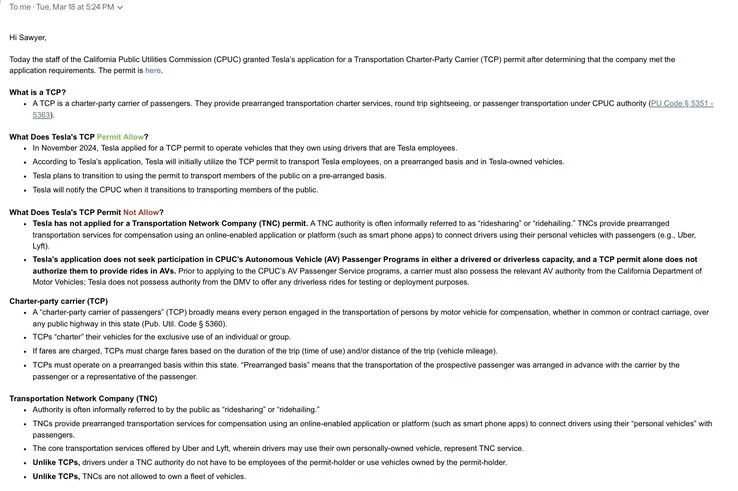
    In contrast, California has a more established framework for autonomous services, including companies like Waymo, and has implemented a detailed system of regulations and permits. Tesla recently obtained its first necessary permit, known as the Transportation Charter-Party Carrier Permit (TCP), which allows it to run a ride service in California.

    Permit Limitations

    Unlike the Transportation Network Company (TNC) permits held by firms like Uber, the TCP permit restricts Tesla to utilizing only its own vehicles and drivers for operations. Tesla has not yet received the California Autonomous Vehicle passenger permits and has not conducted the required tests with unsupervised FSD for the DMV there. Initially, Tesla staff will be responsible for driving other Tesla employees around.

    However, the TCP permit will enable Tesla to trial unsupervised FSD on public highways in California, along with the operation of its robotaxi ride-share app section, albeit with human drivers present.

    The start date for these testing phases is still uncertain, but the path to hailing Cybercabs or renting out one’s own Tesla for revenue on the ride-share platform seems to be lengthy and challenging. The first rides are not expected to occur before 2026 at the earliest, depending on regulatory approvals.

    Source:
    Link


  • Tesla Cybercab Battery Size and Real-World Driving Range Revealed

    Tesla Cybercab Battery Size and Real-World Driving Range Revealed

    Key Takeaways

    1. Tesla plans to launch a robotaxi service by the end of this year, featuring the Cybercab vehicle.
    2. The Cybercab will have a battery capacity of less than 50 kWh, offering a driving range of approximately 300 miles.
    3. The vehicle’s aerodynamic teardrop design enhances its energy efficiency, making it one of the most efficient electric vehicles available.
    4. The tapered rear design of the Cybercab is intended to improve aesthetics while maintaining functionality.
    5. Prototype Cybercabs are expected to be built this summer, with a full-scale launch anticipated in 2026.


    Tesla is gearing up to unveil a robotaxi service by the end of this year, and key company leaders have shared important details about the vehicle that will support this ride-hailing initiative. Earlier today, Lars Moravy, the Vice President of Vehicle Engineering, and Franz von Holzhausen, the Senior Design Executive, discussed their plans with renowned automotive presenter Sandy Munro.

    Impressive Specifications

    The Cybercab will feature a battery pack with a capacity that falls short of 50 kWh. This allows for a practical driving range of around 300 miles, while also achieving the top energy efficiency among electric vehicles currently available.

    The two-seater’s streamlined shape and aerodynamic wheel covers play a significant role in its leading energy efficiency. Von Holzhausen noted, “This vehicle is really special because of its teardrop design. It’s actually narrower at the back than at the front. Sure, you’ve covered the wheels, but the aerodynamics is a major element in achieving a longer range with a smaller battery.”

    Unique Design Features

    Von Holzhausen pointed out the tapered rear of the Cybercab, which can be easily seen from an aerial view. He emphasized that this design choice doesn’t make the vehicle look unattractive.

    Tesla is in the process of installing production machinery for the Cybercab at its Giga Texas facility. Prototype versions are expected to be built during the summer, with a full-scale launch planned for 2026. The self-driving model has already been observed at the company’s large site in Austin, Texas.

    Source:
    Link


  • Tesla Seeks Ride-Hailing License for Human Drivers

    Tesla Seeks Ride-Hailing License for Human Drivers

    Key Takeaways

    1. Tesla has applied for a ride-hailing permit in California to enhance its robotaxi service.
    2. The permit allows Tesla to compete directly with companies like Waymo and Uber.
    3. Discussions with state officials indicate potential involvement of human drivers alongside autonomous vehicles.
    4. Waymo currently offers a driverless ride-hailing service in multiple locations, while Tesla has not yet applied for a driverless vehicle permit.
    5. Tesla plans to launch its Unsupervised Full Self-Driving service in Austin, Texas, with hopes of expanding to other US cities by the end of the year.


    Tesla seems to be making strides with its robotaxi service as it applies for a ride-hailing permit in California. Reports from Bloomberg indicate that the company submitted a request for a “transportation charter-party carrier permit” to the California Public Utilities Commission in late 2024.

    Competing with Major Players

    This permit will enable Tesla to go head-to-head with companies like Waymo and Uber. Notably, Uber’s CEO mentioned that Tesla chose to develop its ride-hailing service independently rather than collaborating with Uber. Discussions between Tesla and state officials have included topics such as driver’s licenses and drug testing, hinting that there might still be human drivers in the mix. The type of permit Tesla is seeking indicates that the company will own the vehicles rather than relying on individual drivers.

    Waymo’s Driverless Service

    Waymo currently provides a driverless ride-hailing service in various areas, including Metro Phoenix, the San Francisco Bay Area, and Los Angeles. However, a spokesperson from Tesla informed Bloomberg that the company has neither applied for nor received a permit for testing or deploying driverless vehicles.

    Future Plans for Tesla

    Nevertheless, Tesla has announced plans to introduce its Unsupervised Full Self-Driving (FSD) in Austin, Texas, in June, featuring the Cybercab as a paid option. While Tesla hasn’t secured regulatory approval in any location, CEO Elon Musk has expressed intentions to roll out the autonomous ride-hailing service in multiple cities across the US before the year concludes.

    Source:
    Link

  • Tesla’s In-House Robotaxi Platform Revealed by Uber CEO

    Tesla’s In-House Robotaxi Platform Revealed by Uber CEO

    Key Takeaways

    1. Tesla is seen as a direct competitor to Uber, as they declined collaboration on the robotaxi service.
    2. Uber’s CEO, Dara Khosrowshahi, remains open to future partnerships despite Tesla’s decision to develop ride-hailing services independently.
    3. Khosrowshahi highlighted the potential benefits of a partnership with Tesla to stabilize demand in the autonomous vehicle market.
    4. Tesla is actively advancing in the ride-hailing sector, including testing a mobile app for booking rides.
    5. Tesla plans to launch the two-seat Cybercab in October 2024, which will operate with Unsupervised Full Self-Driving technology.


    Uber’s CEO Dara Khosrowshahi has disclosed that Tesla will be a direct rival to his company, as Tesla declined an offer for collaboration on its forthcoming robotaxi service. According to a report by Fortune, both Khosrowshahi and Tesla’s CEO Elon Musk had several talks, but Musk firmly stated that the ride-hailing service would be developed entirely in-house.

    Competing Head-to-Head

    Khosrowshahi mentioned, “I’ve had discussions with him at this point. They want to build it alone, so in a way, in Austin, we and Waymo will be going against Tesla when they launch… Life is long, but we would love to partner with them.” This indicates that despite the competition, Khosrowshahi remains open to future collaboration.

    Strategic Partnership Appeal

    Khosrowshahi emphasized the advantages of a possible partnership with Tesla at the time of launch. He noted that Uber could help ensure a steady demand for newcomers in the autonomous vehicle (AV) market, which can often see fluctuating interest.

    Tesla’s Ride-Hailing Advancements

    Tesla has been advancing in the ride-hailing sector. They revealed the mobile app for booking rides during an investor call last year. Currently, the company is testing the service with its staff in California and Texas, following the introduction of the two-seat Cybercab, which lacks a steering wheel, in October 2024. This self-driving vehicle will be utilized to initiate Unsupervised Full Self-Driving (FSD) in June.

    Source:
    Link