Key Takeaways
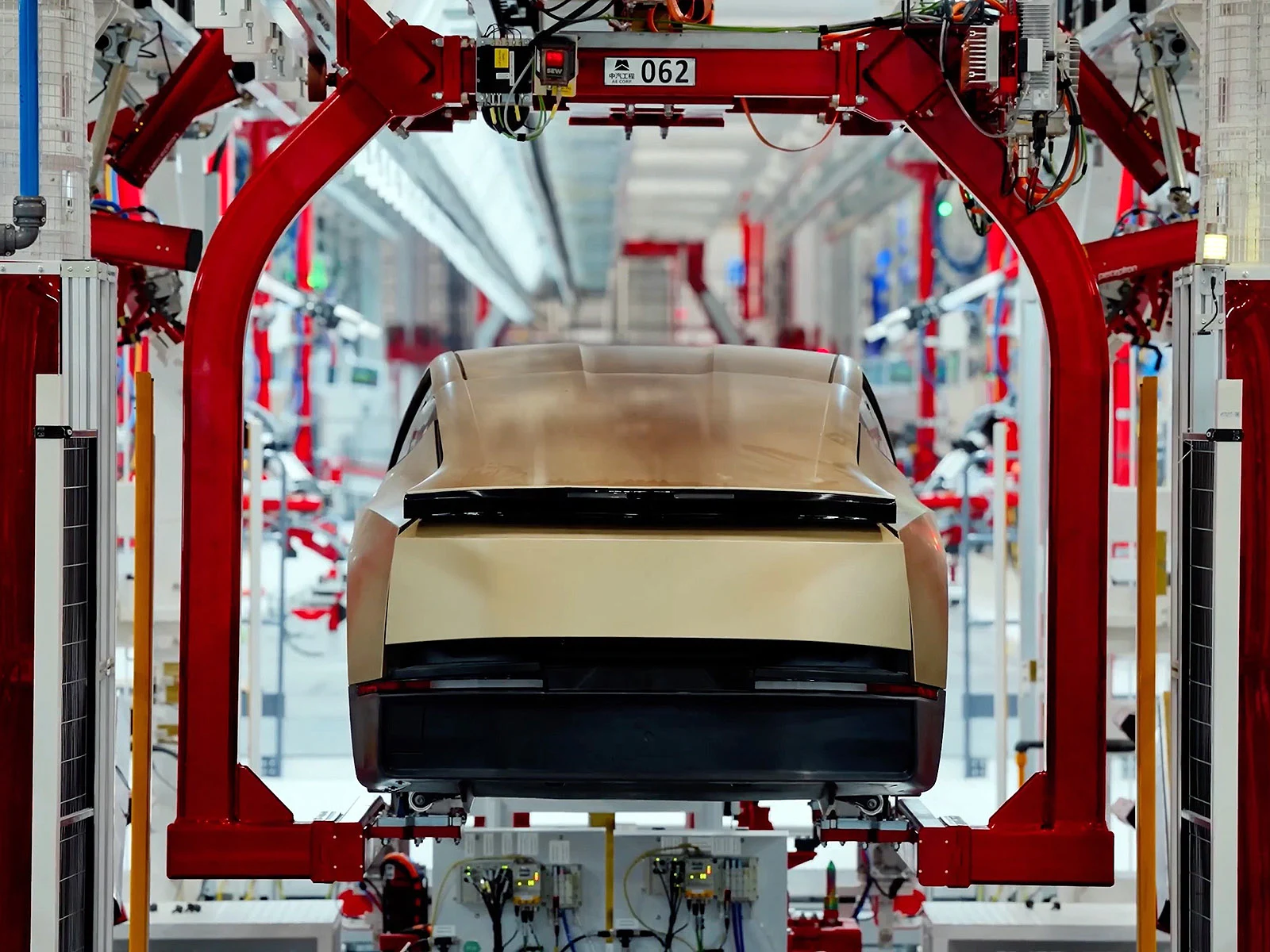
1. Tesla plans to start mass production of the Cybercab in April, aiming for one unit every 10 seconds, significantly faster than the Model Y.
2. The Robotaxi service will expand to major US cities, including Miami, Dallas, Phoenix, and Las Vegas, with the Cybercab designed without pedals or a steering wheel.
3. The second-generation Semi truck will enter mass production in 2026, featuring improvements like a light bar, increased payload capacity, and enhanced efficiency of 1.7 kWh/mile.
4. The much-anticipated Roadster 2 reveal is set for April 1, 2026, with a release in 2027, and Tesla plans to start mass production of the Optimus 3 humanoid robot in 2026.
5. Tesla’s Cybercab and Optimus robots will rely on advanced AI chips and batteries, with plans to establish a lithium refinery and potentially a chip foundry to support production needs.
Tesla has revealed plans to kick off mass production of its Cybercab in April, aiming to produce one unit every 10 seconds, which is four times faster than the Model Y.
Expansion of Robotaxi Service
By that time, Tesla’s Robotaxi service is set to cover most major US cities, with Miami, Dallas, Phoenix, and Las Vegas identified as the next locations for operation. The Cybercab has undergone minor design tweaks since its first introduction, but it will still be manufactured without pedals or a steering wheel.
Updates on the Semi Truck
The most significant design overhaul has been reserved for Tesla’s second-generation Semi truck, which is also expected to go into mass production in 2026. The new model will feature a light bar, enhanced payload capacity, and a 15% boost in efficiency, bringing it down to just 1.7 kWh/mile. Additionally, the charging speed has been increased to 1.2 MW, which is the maximum permitted by Tesla’s NACS standard at a V4 Supercharger station.
Future Roadster and Humanoid Robots
During the 2025 Annual Shareholder Meeting, where Elon Musk’s $1 trillion pay package was approved by 70% of shareholders, Tesla announced that the much-anticipated Roadster reveal will take place on April 1, 2026. The actual release date for the Roadster 2 is set for 2027, though a demo is planned for this year, where enthusiasts might discover why Musk claims the supercar can “fly.”
The mass production of the Optimus 3 humanoid robot is also on the horizon for 2026, starting with an initial line of one million units at the Fremont facility, followed by a larger setup in Giga Texas for ten times that amount. Musk is accelerating these plans in response to competitive humanoid robots being announced by Chinese companies such as XPeng, which plan to begin mass production in 2026. “Tesla and Chinese companies will dominate the market,” Musk stated.
AI Chips and Battery Production
Both the Cybercab and Optimus robots will rely heavily on AI chips and batteries. Tesla provided an update regarding its lithium refinery, which is set to begin operations next year with a planned capacity of 50 GWh. Alongside its own lithium refinery and battery manufacturing plants, Musk mentioned that Tesla might need to establish its own AI chip foundry.
“This isn’t just a new chapter for Tesla; it’s an entirely new book. This new book significantly boosts vehicle production and accelerates Optimus production at a pace never seen before in human history. Even with the most optimistic projections for chip production from our suppliers, it’s still insufficient. Therefore, I believe we might have to create a Tesla terafab. It’s like giga, but way larger,” he expressed.
Chips and Production Plans
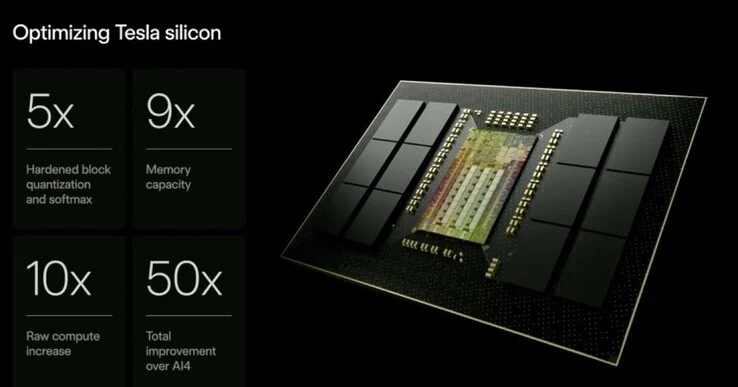
Of course, Musk has a tendency for exaggeration, especially now that he’s just secured a potential trillion-dollar compensation package. However, he did share some insights into the Tesla AI5 chip specifications, stating it will begin production in about a year, boasting a 50x “total” advantage over the AI4. Production will continue to be shared between Samsung and TSMC, while the AI6 chip will be produced solely by Samsung at its Texas facility. This arrangement leaves Tesla’s own chip foundry responsible for the upcoming AI7 and AI8 chips that Musk has hinted at recently.
Source:
Link