Tag: Tesla Model Y

  • Rivian R2 SUV Targets Tesla Model Y with Superior 4695 Battery

    Rivian R2 SUV Targets Tesla Model Y with Superior 4695 Battery

    Key Takeaways

    1. Rivian’s R2 SUV launches with competitive pricing, starting at $45,000 for the Standard model and reaching up to $57,990 for the Performance model.
    2. The R2 Performance variant features impressive specifications, including 656 horsepower, a 330-mile range, and rapid charging capabilities.
    3. Advanced technology includes 200 TOPS of edge AI compute for autonomous driving features, aiming to challenge Tesla’s Full Self-Driving system.
    4. Rivian uses LG Energy Solution’s new 4695 cylindrical battery cells, claiming better energy density and thermal performance compared to competitors.
    5. The success of the R2 is crucial for Rivian, with projected losses for 2026 and a goal of 65,000 vehicle sales, while facing increasing competition in the mid-size SUV market.


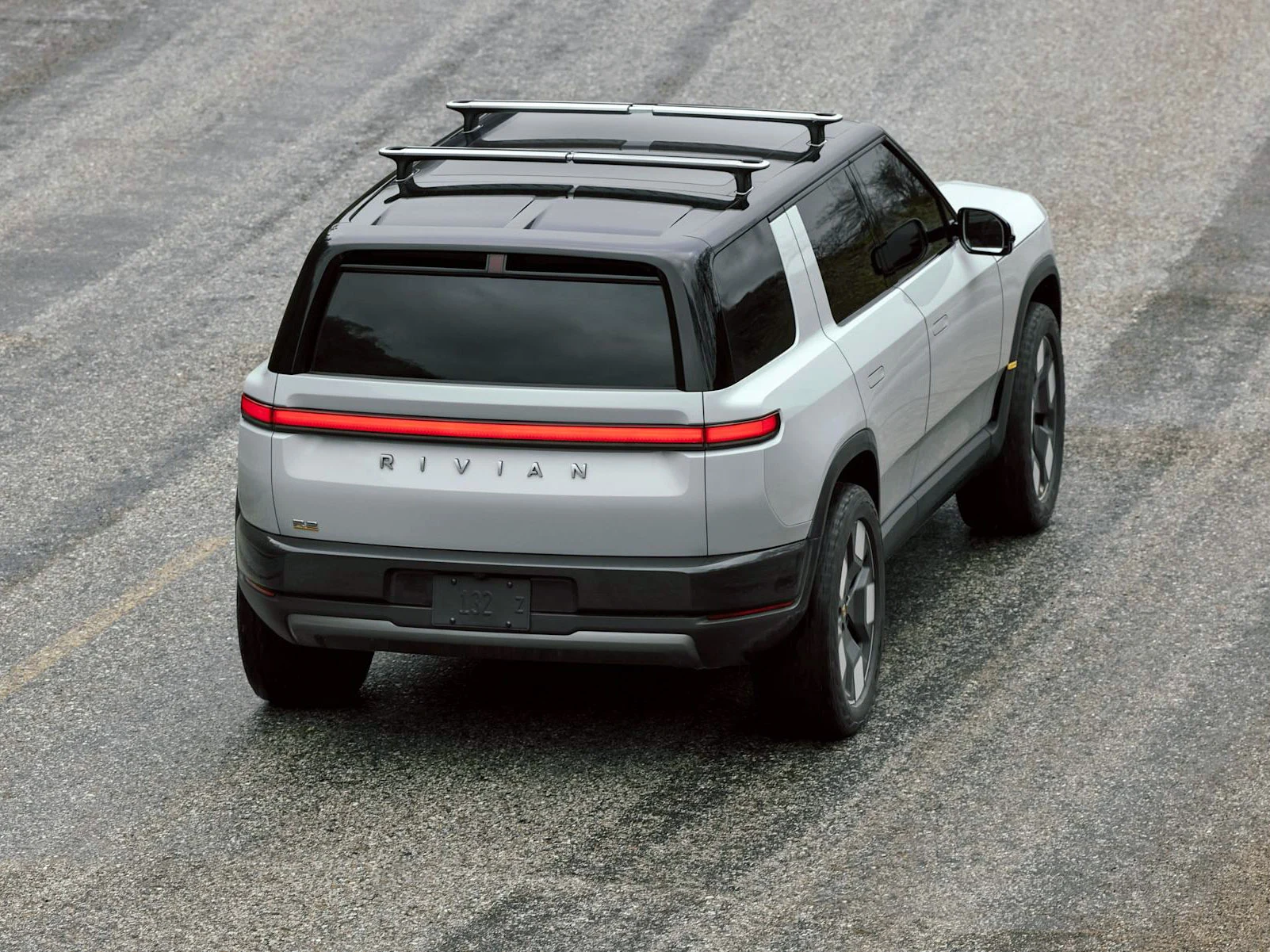
    Rivian has unveiled what many consider to be its most significant vehicle to date. The R2 SUV made its debut at the SXSW expo, showcasing specifications that put Tesla’s Model Y on alert.

    Pricing and Performance Details

    The R2 Performance model will be the first to hit the market, starting at $57,990, closely matching the Tesla Model Y Performance. Following this are the $53,990 Premium variant and the more affordable $45,000 R2 Standard.

    The highest-tier R2 variant features dual electric motors, producing an impressive 656 horsepower and boasting an estimated range of 330 miles. It can charge from 10 to 80 percent in under 30 minutes, rolls on 21-inch wheels, and is equipped with semi-active suspension along with various driving modes. The Premium version, which is set to launch later in 2026, shares the same range and all-wheel-drive system but has a powertrain delivering 450 horsepower.

    Advanced Technology

    On the technology front, the R2 is equipped with 200 TOPS of edge AI compute, which fuels an onboard Rivian Assistant and the Autonomy+ hands-free driving feature. This system is based on data from 3.5 million miles of roads across the US and Canada, aiming to compete with Tesla’s Full Self-Driving.

    Beneath the vehicle, you’ll find LG Energy Solution’s 4695 cylindrical cells, marking the first time a US vehicle has utilized this larger format. In contrast to Tesla’s 4680 cells used in the Cybertruck, which face thermal management challenges, Rivian claims that LG’s 4695 cells provide superior energy density and better thermal performance compared to the 2170 cells found in Rivian’s R1 series.

    Market Position and Future Outlook

    This assertion appears accurate, as charging a Cybertruck to 80% takes longer than it does for an R2, even with the 800V architecture. This innovation in powertrain technology indicates that Rivian is not only focusing on pricing to compete with the Model Y but is also aiming to surpass it in specifications.

    Regarding pricing, the entry-level R2 Standard, set to launch in 2027, will be priced at $45,000 with a single motor producing 350 hp and 355 lb-ft of torque. However, its range estimate of over 275 miles falls behind smaller competitors like the Ioniq 5 RWD, which charges at a faster rate due to its 800V architecture.

    This difference is crucial because Rivian’s future may hinge on volume sales, not just specifications. The company projects adjusted pretax losses between $1.8 and $2.1 billion for 2026, while CEO RJ Scaringe considers the R2 as “an inflection point” for the company. Analysts on Wall Street estimate around 65,000 vehicle sales for 2026, with one optimistic analyst suggesting that annual demand for the R2 could eventually reach 200,000 units.

    Rivian has cultivated a loyal fanbase, and its modern yet boxy design, along with well-designed interiors, has garnered positive feedback from customers. However, it remains to be seen if its reputation will be sufficient to compete with increasing rivals in the mid-size SUV market, such as the upcoming Lucid Cosmos, which is more affordable and offers quicker charging. The true test will come when R2 sales begin later this spring.

    Source:
    Link


  • Electric Car Prices Rise Due to Chip and Material Costs

    Electric Car Prices Rise Due to Chip and Material Costs

    Key Takeaways

    1. Rising production costs for electric vehicles (EVs) have increased by $1,400 due to high memory chip prices and geopolitical issues affecting material costs.
    2. Battery-grade lithium carbonate prices have surged, with copper and aluminum costs also climbing, significantly impacting EV production expenses.
    3. While memory manufacturers like Samsung may benefit, EV makers like Tesla may need to raise vehicle prices due to escalating battery and chip costs.
    4. An influx of affordable used EVs from expiring leases may offer consumers a better option amidst rising new car prices, which have surpassed $55,000.
    5. The depreciation of electric vehicles, particularly the Tesla Model Y, and improved battery warranties may lead consumers to favor used EVs over new models.


    The high prices of memory chips and processing units, along with the increasing costs of lithium carbonate and the metals required for their components and batteries, are set to significantly impact the production of new electric vehicles.

    Chip Prices and Rising Costs

    NIO’s chairman reports that the cost to produce electric vehicles has risen by $1,400, as AI data centers are consuming a majority of the memory and processing chips, driving prices up. Additionally, geopolitical issues affecting energy and metal markets are also pushing material costs higher.

    Continuous Price Increases

    This situation adds to the ongoing surge in battery-grade lithium carbonate prices we’ve seen in recent months. The prices of copper and aluminum are climbing daily due to geopolitical strife, with almost half of the rise in EV production costs attributed to the doubling or tripling of chip prices in recent weeks.

    Impact on Electric Car Companies

    This might be advantageous for memory manufacturers like Samsung, but for electric vehicle makers such as Tesla, the escalating costs of batteries, chips, and materials could compel them to raise vehicle prices.

    In the United States, the inflation in manufacturing costs coincides with the expiration of many Tesla leases, leading to an influx of more affordable electric cars. About 300,000 EVs will soon be available as they exit their three-year leases and reach dealer lots. Meanwhile, the average price for a new car in the US has exceeded $55,000 for the first time, with the Tesla Model Y experiencing a 47% depreciation rate by mid-2025.

    Consumer Choices and Market Dynamics

    Given the sharp decline in resale values of electric vehicles compared to traditional gasoline-powered cars, buyers might prefer a used EV in the $20,000-$30,000 range, especially with rising gas prices, rather than purchasing a new electric vehicle or a used internal combustion engine (ICE) model like a RAV4, which has maintained its resale value better.

    Battery technology is becoming more dependable in terms of longevity, and Tesla is now offering a 10-year warranty on the Model Y battery for an additional price, making used electric vehicles an attractive option. However, combined with the rising factory costs, a more active second-hand market could challenge new Tesla sales—particularly if the company faces the tough choice of hiking prices or absorbing the increased costs.

    Source:
    Link


  • Tesla’s Regulatory Credit Revenue to Drop as EV Fuel Factor Multiplier Cut

    Tesla’s Regulatory Credit Revenue to Drop as EV Fuel Factor Multiplier Cut

    Key Takeaways

    1. The White House canceled a regulation allowing car manufacturers to exaggerate electric vehicle fuel efficiency using the fuel content factor (FCF).
    2. Electric vehicles must now report their actual fuel efficiency, significantly lowering their reported mpg ratings.
    3. Traditional automakers will have less pressure to produce electric vehicles, while Tesla may face revenue declines from energy credits.
    4. Tesla’s reported efficiency for vehicles like the Model Y will drop, impacting its Corporate Average Fuel Economy (CAFE) credits.
    5. The Biden administration’s removal of the FCF was immediate, contrasting with previous plans for it to expire in 2030, amid ongoing changes to fuel efficiency standards.


    The White House has recently canceled a regulation that permitted car manufacturers to exaggerate the actual fuel efficiency of electric vehicles (EVs) in their inventory using the fuel content factor (FCF).

    Changes in Fuel Economy Reporting

    This multiplier was included in the Corporate Average Fuel Economy (CAFE) standards and allowed electric vehicles to be counted as contributing significantly more to the fleet’s overall fuel efficiency than they actually do. The intention behind this rule was to motivate automakers to increase the number of electric vehicles they produced.

    Consequently, manufacturers will now have to report an EV that had a 200 mpg CAFE rating at its true fuel efficiency, which is around 30 mpg, similar to gasoline vehicles.

    Impact on Automakers

    For traditional car manufacturers, this adjustment will markedly relieve the need to focus on producing more electric cars over gasoline-powered ones. For Tesla, the elimination of the FCF could lead to a significant decline in revenue from energy credits in 2026, as its electric vehicles will revert to their normal MPGe ratings when calculating overall fleet efficiency.

    The CAFE petroleum equivalency factor multiplier has been established at 1/0.15, or approximately 6.667, since the beginning of the electric vehicle era. This means that Tesla must now report the Model Y Long Range AWD efficiency at its EPA estimate of about 135 MPGe combined, instead of the nearly 900 MPGe that was allowed under the FCF rule.

    Consequences for Tesla’s Revenue

    This inflated figure enabled Tesla to gather additional CAFE credits for every Model Y sold, which it could then sell to other automakers needing to meet compliance standards. As a result, its Corporate Average Fuel Economy count is set to decline sharply, reducing the number of excess energy credits available as revenue. In 2025, Tesla’s earnings from regulatory credits were still more than half of its total $3.8 billion net profit, even with a decline in vehicle sales, so the removal of the FCF could have serious implications for its financial performance in 2026.

    The Biden administration had initially planned for the FCF to expire in 2030, but it has now been removed immediately. Additionally, the Trump administration is working on significantly lowering fuel efficiency standards from the targeted 50.4 mpg in 2031 to just 34.5 mpg, which may also decrease the demand for regulatory credits from traditional automakers.

  • Tesla Supplier Readies for Large-Scale Sodium-Ion Battery Production

    Tesla Supplier Readies for Large-Scale Sodium-Ion Battery Production

    Key Takeaways

    1. LG is launching a large-scale sodium-ion battery production initiative to compete with Chinese manufacturers dominating the market.
    2. Sodium-ion batteries use sodium instead of lithium, offering benefits like lower costs, improved safety, and better performance in cold temperatures.
    3. LG aims to start producing sample sodium-ion batteries this year and has partnered with Sinopec for essential materials.
    4. Tesla has upgraded the range of its Model Y and Model 3 with new LG NCM811 2170 cells that improve energy density and charging speed.
    5. Despite some concerns about LG’s battery durability compared to Panasonic, LG remains a key supplier for Tesla and plans to introduce sodium-ion technology.


    As Chinese manufacturers dominate the emerging sodium-ion battery market, LG, a significant supplier for Tesla, is working to challenge their near monopoly on this promising technology.

    The South Korean firm provides 2170 cells for various Tesla electric vehicles, including the Model Y available in the US. LG is now launching a large-scale sodium-ion battery production initiative. Currently, they are developing the chemistry in the research and development stage and will establish a pilot production line at their Nanjing facility, where they also produce batteries for the Model Y and Model 3.

    Ambitious Plans for Production

    The aim is to begin producing sample sodium-ion batteries this year, with plans to incorporate this safer and more cost-effective technology into electric vehicles and energy storage systems. Moreover, LG has formed a partnership with Sinopec to secure essential electrode materials for sodium-ion batteries, ensuring a reliable supply chain.

    Sodium-ion batteries utilize plentiful sodium instead of costly lithium as the main ion transfer material, and they may outperform the popular LFP chemistry regarding manufacturing costs, safety, and performance in cold temperatures. There are already products in the market, such as the first Na-ion jump starter on Amazon, that take advantage of these benefits. The largest battery manufacturer, CATL, has also made strides in energy density with its Naxtra packs, which means LG has significant challenges ahead before launching the first mass-produced sodium-ion battery from a South Korean company.

    Tesla’s Recent Upgrades

    Recently, Tesla enhanced the range of its popular Model Y and Model 3 electric cars by adding new LG batteries. The NCM811 2170 cells feature improved energy density, which results in greater capacity within the same size, enabling Tesla to boost the official range estimates for the 2026 Model Y.

    More importantly, these new batteries can achieve a peak charging rate of 256 kW and maintain a flatter charging curve for extended periods, allowing for quicker charging than prior models. Although some repair shops have expressed concerns regarding the durability of LG’s battery packs in Tesla vehicles compared to those from Panasonic, it remains uncertain whether they tested the new high-energy-density cells or older models. Regardless, LG is poised to stay as a primary battery supplier for Tesla, potentially introducing affordable sodium-ion batteries into the mix.

    Source:
    Link


  • California Revives Electric Vehicle Tax Credit Amid Federal Challenges

    California Revives Electric Vehicle Tax Credit Amid Federal Challenges

    Key Takeaways

    1. California is reinstating compensation for the federal EV tax credit that ended prematurely, despite previous opposition from Governor Newsom.
    2. The popularity of the EV subsidy program led to significant government spending of $200 million monthly, disadvantaging traditional vehicles.
    3. The state budget allocates $200 million for clean vehicle subsidies to support electric vehicle sales, particularly benefiting Tesla.
    4. The California Air Resources Board (CARB) remains committed to its climate agenda despite federal challenges to state emission rules.
    5. Approval from state lawmakers is still needed for the new compensation plan before the budget deadline in July.


    Just like it was promised at the start, California is bringing back the compensation for the federal EV tax credit that ended at the conclusion of the third quarter.

    This plan was supposed to kick in right after the current White House administration cut the $7,500 electric vehicle tax credit at the point of sale too early, even though President Biden’s Inflation Reduction Act had it planned to last until 2032.

    Popularity of the Program

    The program gained immense popularity, leading the US government to spend $200 million monthly on EV subsidies, which put traditional internal combustion engine (ICE) vehicles at a clear disadvantage. In addition to ending the EV tax credit, the federal government is also challenging California’s strict emission rules, creating a double impact on electric cars like the Tesla Model Y.

    Governor Newsom’s last state budget for California is responding to this by allocating $200 million for clean vehicle subsidies, potentially helping Tesla’s struggling sales in the state. This was the original goal announced before the federal tax credit ended; however, Newsom had previously mocked the idea of compensation, declaring that California “wouldn’t compensate for federal vandalism of those tax credits.”

    A Change of Heart

    Now, it seems the governor has changed his mind, and the powerful California Air Resources Board (CARB) has stated that the state will continue its climate agenda “despite federal interference.”

    This development is great news for future electric vehicle buyers in California, but it still needs the green light from state lawmakers, with talks scheduled to happen before the budget approval deadline in July.

    Source:
    Link


  • Subaru Uncharted SUV Launch: $5,000 Cheaper Than Model Y

    Subaru Uncharted SUV Launch: $5,000 Cheaper Than Model Y

    Key Takeaways

    1. The 2026 Subaru Uncharted will debut in the US at a starting price of $34,990, making it $5,000 less than the Tesla Model Y.
    2. It offers a range of over 300 miles and features options like NACS charging ports, front-wheel drive (FWD), and all-wheel drive (AWD).
    3. Equipped with Subaru’s Symmetrical All-Wheel Drive and X-MODE, the Uncharted is designed for effective off-road performance.
    4. The vehicle includes winter-ready features like battery preconditioning and an all-weather package with heated elements, ensuring reliability in various climates.
    5. Safety features include the EyeSight driver-assist system, which offers essential functions, while the GT trim provides luxury options like a glass roof and high-quality audio system.


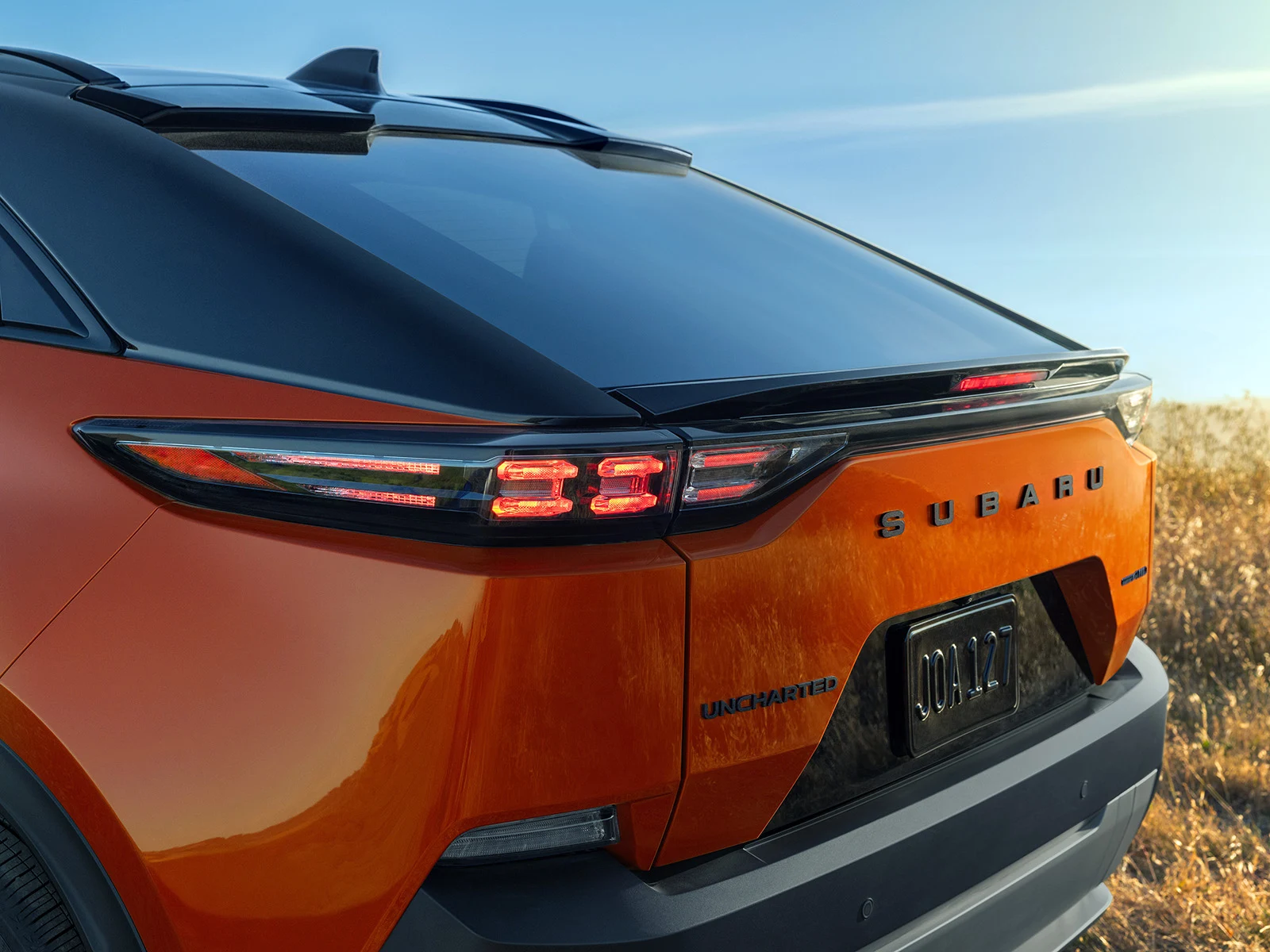
    The 2026 Subaru Uncharted, set to debut in the US next quarter, will start at just $34,990. This price point is notably $5,000 less than the most affordable Tesla Model Y.

    Competition with Tesla

    Both Subaru and Tesla are recognized for making some of the most fuel-efficient vehicles on the market. The Uncharted rivals the Model Y, boasting a comparable range of over 300 miles while being significantly more affordable. It offers a variety of options, including NACS charging ports, front-wheel drive (FWD), all-wheel drive (AWD), and GT models.

    Off-Road Capabilities

    The dual-motor models are equipped with Subaru’s famous Symmetrical All-Wheel Drive and X-MODE Dual-Mode systems, which have proven effective for many Subaru drivers in challenging off-road conditions.

    Subaru has announced that the Uncharted will be available in the US starting in Q1, making it the most affordable electric vehicle in their lineup and one of the least expensive in its class in the US. With the price, the Uncharted features a 75 kWh battery that can charge from 10% to 80% in just 28 minutes.

    Winter Ready

    True to Subaru’s reputation, the Uncharted is designed for reliability in winter conditions as well as in warmer climates. It includes a specialized battery preconditioning feature that ensures consistent charging times, even in cold weather. Additionally, the all-weather package, which includes heated features, comes standard across all trims, along with interior LED lighting.

    The Uncharted’s frame is constructed from lightweight steel with high tensile strength. The battery pack located under the floor boosts structural integrity and lowers the center of gravity, allowing for excellent straight-line stability and grip on loose surfaces like gravel, dirt, or snow—thanks to thorough chassis development.

    Safety Features

    While the standard EyeSight driver-assist system may not be as advanced as Tesla’s FSD, it still provides valuable features. These include Pre-Collision Braking, Front Cross Traffic Alert, Blind Spot Monitors, Lane Departure Alert, Emergency Stop Assist, Advanced Adaptive Cruise Control, and the Driver Focus system designed to minimize distractions and fatigue.

    To maintain its low price, Subaru had to make some compromises, such as using StarTex or cloth upholstery and featuring a 14-inch touchscreen infotainment system alongside a 7-inch LCD gauge. However, the top-of-the-line GT trim remains luxurious, offering a glass roof with an automatic shade, vented front seats, heated rear seats, a Harman Kardon audio system, a digital rearview mirror, and sleek roof rails for transporting gear.

    Customization Options

    The GT trim is available in a two-tone option, allowing buyers to choose from colors such as Coastal Wolf Gray Metallic, Habanero Orange Metallic, Cosmic White Pearl, Astro Black Mica, and Metropolis Gray. Lastly, despite being smaller than the Solterra, the Subaru Uncharted crossover provides over 25 cubic feet of cargo space in the trunk.

    Source:
    Link


  • Xiaomi’s YU7 Surpasses Tesla Model Y in Electric Car Sales

    Xiaomi’s YU7 Surpasses Tesla Model Y in Electric Car Sales

    Key Takeaways

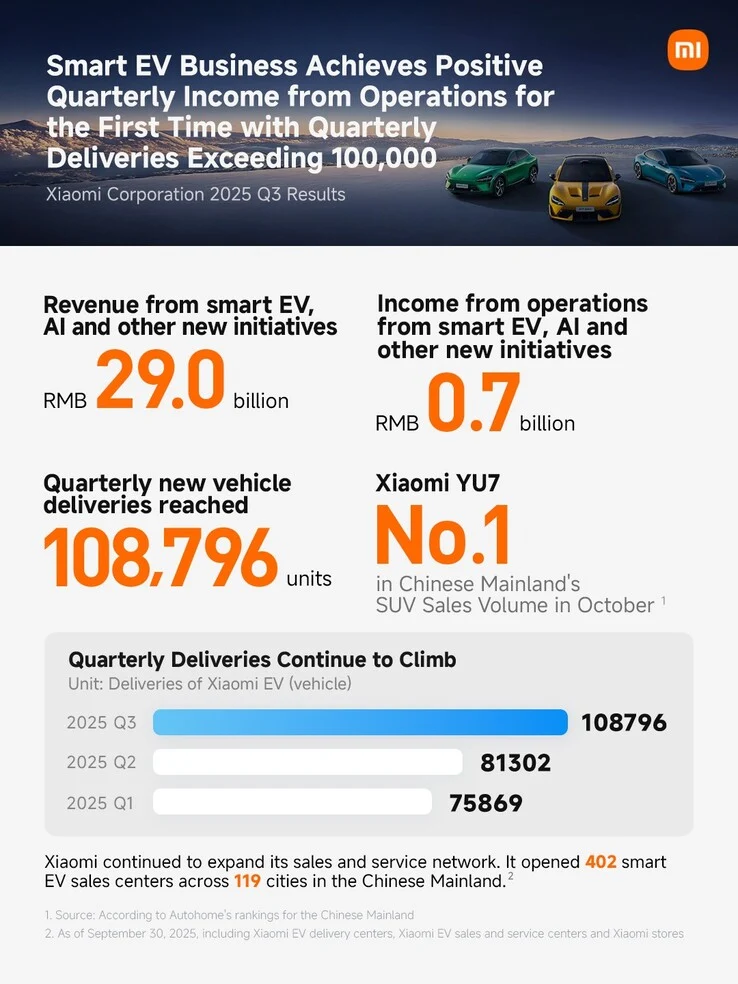
    1. Xiaomi’s electric vehicle division earned nearly $100 million in just one quarter, highlighting its rapid growth since launching its first electric car less than two years ago.
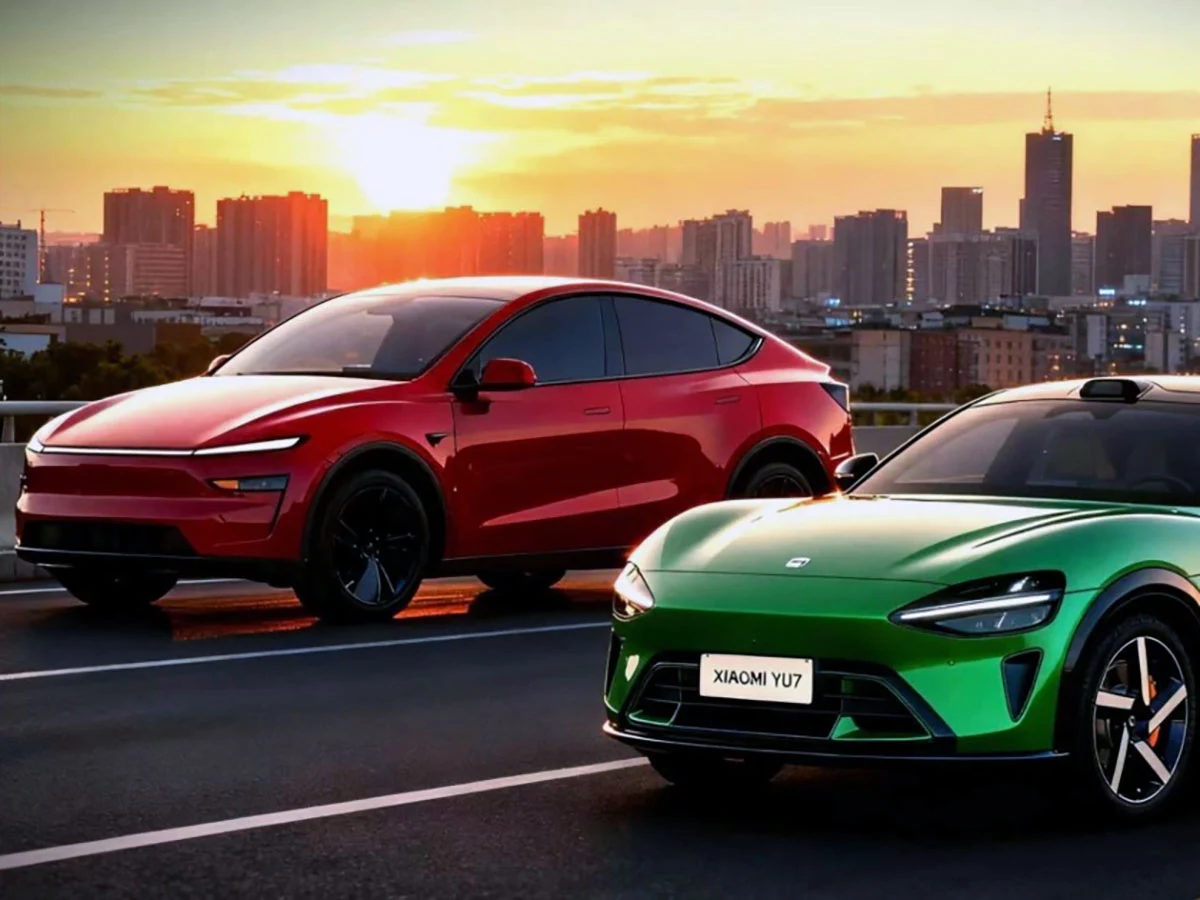
    2. The Xiaomi YU7 electric SUV has surpassed Tesla’s Model Y in sales, becoming the top domestic SUV in October with 108,796 deliveries.
    3. Xiaomi’s EV sales exceeded $4 billion, although margins decreased due to scaling production and investing in research and development.
    4. The YU7 offers a longer driving range, advanced features, and a lower price compared to Tesla’s Model Y, maintaining Xiaomi’s value-for-money strategy.
    5. Production capacity for the YU7 SUV and SU7 sedan is being expanded, significantly reducing delivery times from 30 weeks to as little as six or nine weeks.


    Xiaomi has made waves in the electric vehicle market by launching its first electric car less than two years ago, raking in nearly $100 million from its EV sector just last quarter. To put this in perspective, Tesla took a decade to post its first quarterly profit, and now, its sales in China have plummeted to a three-year low as competition from Xiaomi, BYD, and others increases.

    Rising Popularity

    The initial successful quarter for Xiaomi Auto was driven by the demand for its inaugural electric SUV, the YU7. This model’s outstanding sales have pushed the Tesla Model Y off its top spot for the very first time. In the last quarter, “108,796 new cars were delivered, with the Xiaomi YU7 leading in domestic SUV sales for October,” as highlighted by Xiaomi.

    Significant Sales Growth

    Xiaomi’s EV division recorded over $4 billion in sales, indicating that the margins were slightly lower than the previous quarter due to the company’s efforts in scaling up production to satisfy demand and investing more into research and development.

    The pricing strategy of the Xiaomi YU7 is notably lower than that of Tesla’s Model Y. It not only provides a longer driving range on a single charge but also boasts advanced features like an 800V powertrain and rapid charging capabilities. Xiaomi aims to maintain a similar value-for-money approach as it does with its smartphones and gadgets, such as the triple-driver Redmi Buds 6 Pro that are currently available for under $80 on Amazon.

    Impressive Specifications

    The YU7 is equipped with a 96.3 kWh LFP battery for the Standard RWD and the Pro AWD versions, while the performance-focused YU7 Max comes with a 101.7 kWh battery. This is a key factor in its ability to surpass the Model Y regarding range. Indeed, the YU7 provides the largest battery in its $35,000 electric crossover segment.

    Moreover, the initial Xiaomi SUV surpasses the Model Y in size and incorporates air suspension as a standard feature to enhance comfort. Xiaomi has also upgraded the gauge cluster displays to a head-up display (HUD) that spans the entire view of the driver. The SUV comes in nine different exterior shades and four interior color options, with massage seats made from Nappa leather and a rear bench that can recline into a bed.

    Expanding Production Capacity

    Xiaomi is continually increasing its production capacity for both the YU7 SUV and the SU7 sedan, which has significantly reduced the delivery times for the SU7 from 30 weeks down to six or nine weeks, depending on the specific trim chosen.

    Xiaomi (Weibo)

    Source:
    Link


  • Kia Surpasses Tesla in EV Battery Capacity Longevity

    Kia Surpasses Tesla in EV Battery Capacity Longevity

    Key Takeaways

    1. Nearly 80% of used electric vehicles retain over 90% of their original battery capacity after several years.
    2. Kia is recognized for having the most durable batteries, with models like the EV6 and Sportage SUV leading in battery longevity.
    3. Tesla ranks second for battery health, despite slower charging rates and a decline in European sales this year.
    4. Battery State of Health (SoH) is crucial for used EV buyers, with Kia offering a comprehensive 7-year/150,000 km warranty.
    5. Current EV batteries are estimated to be suitable for at least 15 years, indicating a need for extended warranties to boost the used EV market.


    With the rise in sales of used electric vehicles, a recent test on their battery capacity retention over time has shown some truly impressive results regarding longevity.

    Battery Retention Findings

    Almost 80% of the 723 electric cars and 643 plug-in hybrids evaluated were able to keep over 90% of their original battery capacity after several years, once factors like charging levels, weather conditions, vehicle age, and mileage were averaged out.

    Yet, certain EV brands utilize more robust battery cells equipped with advanced cooling and energy management systems, which excelled in the study that involved KVD’s three-star testing system to assess their batteries’ State of Health (SoH).

    Top Brands for Battery Longevity

    Kia stands out as the manufacturer of the most durable, long-lasting batteries with the highest capacity retention over time, applicable to their electric vehicles such as the EV6 and plug-in hybrids like the Sportage SUV. Another Kia model claimed the second position in the battery capacity retention ranking, closely followed by the Model Y, despite Tesla vehicles having considerably slower charging rates compared to those from Kia or Hyundai.

    Tesla’s ranking as second best among EV brands for battery health is noteworthy, particularly since the Model Y is sold in much larger numbers than models from other brands in Europe, where the battery longevity assessment was conducted. This is despite a significant decline in Tesla’s sales in Europe this year, influenced by Elon Musk’s political actions and the growing presence of BYD and other Chinese brands.

    Key Insights on Battery Longevity

    There are several key insights regarding the potential longevity of EV batteries, according to KVD’s Martin Reinholdsson:

    The used EV market has become more dynamic and diverse than ever, with the battery SoH of second-hand vehicles now being a critical factor for buyers. Kia provides a 7-year or 150,000 km warranty in Europe, covering both the battery and drivetrain, while Tesla offers a basic vehicle warranty of four years and 80,000 km, with an 8-year warranty specifically for the battery. In the US, Kia’s battery warranty leads the industry with a ten-year coverage.

    Both manufacturers guarantee that the battery will maintain at least 70% of its original capacity during this period, while Chinese brands are aiming to standardize 15-year warranties with an 85% capacity retention. The world’s largest battery producer, CATL, is already issuing a 12-year warranty for NIO’s battery swap stations and 20 years for some LFP energy storage units, indicating the chemistry advancements are well-established.

    The largest EV battery recycler in the US, Redwood Materials, has indicated that current EV batteries are suitable for at least 15 years, so the longevity potential revealed in the recent study isn’t particularly surprising. However, for the used EV market to become as vibrant as that of internal combustion engine vehicles, official battery warranties will need to be significantly extended.

    Source:
    Link


  • Texas Introduces Tesla Model Y Subsidy for Previous Buyers

    Texas Introduces Tesla Model Y Subsidy for Previous Buyers

    Key Takeaways

    1. Texas has introduced grants for electric vehicle purchases through the Light-Duty Motor Vehicle Purchase or Lease Incentive Program (LDPLIP), benefiting future Tesla buyers.

    2. The program allows for rebates on vehicles powered by alternative fuels, including electric cars, plug-in hybrids, and those using LPG, CNG, or hydrogen.

    3. Buyers who acquired vehicles after September 1, 2025, and have a Texas title and registration can apply for the grant, with funding available until March 2026 or until funds are used up.

    4. Eligible electric vehicles like the Tesla Model Y can receive up to $2,500, with varying amounts based on lease duration; shorter leases receive reduced grants.

    5. Required documentation for the grant includes a buyer’s order, proof of payment, a signed finance agreement, and a state ID, with applications processed on a first-come, first-served basis.


    The state of Texas is stepping up to help offset the loss of the federal tax credit for new electric vehicles, which is great news for future Tesla buyers.

    Texas Electric Vehicle Grants

    Texas has launched grants for individuals purchasing electric vehicles through its Light-Duty Motor Vehicle Purchase or Lease Incentive Program (LDPLIP). This program is designed “for buying or leasing new vehicles or conversion systems that are powered by alternative fuel,” and Tesla’s Model Y definitely qualifies as one of those vehicles.

    Alternative Fuel Vehicle Definition

    In addition to electric power, the category of “alternative fuel” includes vehicles that weigh 10,000 pounds or less and are either plug-in hybrids or operate on LPG, CNG, and hydrogen. Importantly, those who bought or leased a Tesla in September while benefiting from the federal tax credit can still apply for the state rebate.

    Eligibility and Application Details

    Anyone who acquired a vehicle after September 1, 2025, and has applied for or already received a Texas title and registration can qualify. The LDPLIP program, which opened on October 13, allows applications to be submitted only after the vehicle has been delivered.

    The funding for this program will continue until 5 PM in March 2026 or until the funds are depleted. Eligible electric vehicles like the Tesla Model Y can receive up to $2,500, while those powered by LPG or CNG can get as much as $5,000.

    Grant Amount Breakdown

    To qualify for the full $2,500 grant, buyers must either purchase a Model Y outright or lease it for three years or more. Those leasing for two years will receive 66% of the grant, totaling $1,665. For leases shorter than two years, participants will only be eligible for one-third of the subsidy, amounting to $832.50.

    Required Documentation

    To access the $2,500 grant, even if applicants acquired a Model Y in September with the federal tax credit, the Texas Commission on Environmental Quality has outlined several documents needed:

    Texas will accept a buyer’s order along with a canceled check or a bank statement that shows full payment, as well as a finance agreement or a retail installment contract that has been signed by both the applicant and the lending institution. Individual owners must also provide a state ID, such as a driver’s license. The LDPLIP grant program in Texas will operate on a first come, first served basis until the funds run out.

    Source:
    Link


  • Tesla Revives $25,000 Model 2 as Affordable Model Y Alternative

    Tesla Revives $25,000 Model 2 as Affordable Model Y Alternative

    Key Takeaways

    1. Tesla is set to launch more affordable versions of the Model Y and Model 3 in China, customizing features to meet local preferences.
    2. The new Standard trims may differ significantly from the US versions, with changes in hardware and design to compete with local rivals like BYD.
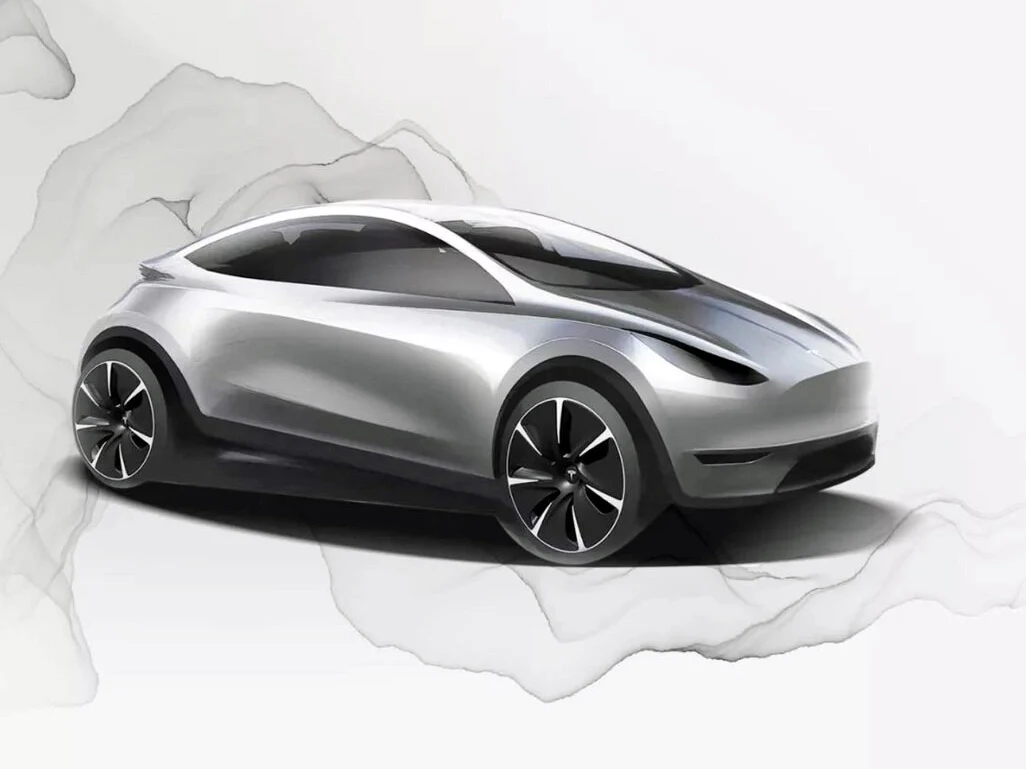
    3. Tesla is reviving projects for a $25,000 vehicle, informally called Model 2, which will be a smaller, budget-friendly option.
    4. The Model 2 is expected to launch by Q4 2026, featuring a 54 kWh battery and AI5 FSD hardware.
    5. Tesla’s strategy includes introducing Standard trims to maintain profit margins before focusing on mass production of the Model 2.


    Tesla is getting ready to introduce more affordable versions of the Model Y and Model 3 in its most competitive market, similar to the Standard trims it revealed in the US.

    Local Adaptation

    However, the company won’t just roll out a Model Y Standard in China; it plans to customize the hardware features and comfort designs to fit local preferences. In the US, Tesla removed over 20 features and options to achieve the under-$40,000 price tag for the Model Y Standard, including light bars and changes to the battery capacity. Given the wide range of cheaper and better electric vehicles available from Tesla’s main rival BYD and others in China, a simplified Model Y might look quite different from the US Standard trim.

    New Trims and Developments

    This could explain why Tesla is only set to launch the basic Model Y and Model 3 trims there next year. They are expected to include AI5 FSD hardware to help distinguish them from competitors. In addition to the E41 and D50 trims that represent the Model Y and Model 3 Standard versions for China, insiders say Tesla is also reviving the NV91 and NV93 projects. These are variations of the anticipated $25,000 Tesla vehicle, informally known as the Model 2, which were initially developed in the US under the Project Redwood name.

    The $25,000 Model

    The NV91 (which means “new vehicle”) was reportedly in a very advanced stage of development as an affordable option, designed similarly to the Model Y crossover but featuring a smaller battery and more compact size. This $25,000 model was put on hold while Tesla shifted its focus to launching the Cybercab and Robotaxi platforms, as well as making the Model Y and Model 3 more budget-friendly by removing certain features and comforts.

    At that time, Tesla’s chief designer, Franz von Holzhausen, mentioned that the speculation about Tesla abandoning its $25,000 Model 2 is highly exaggerated, saying to “stay tuned.” According to Elon Musk, the upcoming Model 2 is expected to be “smaller, to be clear,” equipped with a 54 kWh battery that should provide around 250 miles of range, along with next-gen AI5 FSD hardware.

    Future Launches

    This likely indicates that the Model 2 could launch as early as Q4 2026, coinciding with Tesla’s plans to start installing HW5 computers and cameras in its vehicles on a large scale. This aligns with earlier rumors that the much-anticipated $25,000 Model 2 would not be available until 2026, after Tesla has updated all its other models in 2025 and introduced Standard base trims to maintain margins before embarking on its major experiment with its first mass-market electric vehicle, which is planned to produce four million units of.

    Source:
    Link