Tag: LG

  • LG considering sale of TV business to Hisense

    LG considering sale of TV business to Hisense

    Key Takeaway

    – LG may be considering selling its entire TV business to Hisense, signaling a potential exit from the consumer TV market.
    – The move follows years of shrinking profits and heightened competition from aggressive Chinese TV brands.
    – If completed, this would mark a historic shift for LG, which has a long-standing presence in TV manufacturing since 1966.


    LG could be preparing another major exit from the consumer electronics arena. An interesting new report from Korean news outlet EBN claims that LG is in talks to sell its entire TV business to Chinese electronics giant Hisense.

    Industry shift and talks

    According to the report, senior LG executives visited Beijing recently for talks with Hisense officials on a possible restructuring or total sale of the unit. The discussions suggest a potential strategic pivot that could reshape the company’s hardware lineup and focus areas, especially in flat-panel displays and smart TV software ecosystems.

    Historical context and pressures

    If the sale happens, it would be the end of an era. For close to 60 years, LG has been a mainstay in the television industry, originating in 1966 when its predecessor, GoldStar, brought out Korea’s first black-and-white TV. This lineage underscores a long tradition in display technology and consumer electronics that would be challenged by ongoing market pressures and price competition from overseas rivals.

    • LG has faced falling profits amid aggressive pricing from Chinese TV brands.
    • There is ongoing competition from companies that undercut traditional manufacturers on price.
    • This pressure mirrors other strategic moves in the sector, such as Sony selling a majority stake in its TV business to TCL.

    Strategic realignment

    However, LG has in recent times faced falling profits and intense competition from Chinese TV brands that are aggressively undercutting traditional manufacturers on price. This is the same reason that recently caused Sony to sell a majority stake in its own TV business to TCL. LG also made the tough decision in 2021 to pull the plug on its popular but failing smartphone division after years of growing losses. The company at the time shifted focus and resources to more profitable ventures like electric vehicle components, robotics, and smart home technology.

    It looks like LG could be doing the same with its television business, prepared to cut its losses in a very competitive hardware market. Critics argue that consolidating or exiting the TV segment could free up funds for more scalable or higher-margin projects, while supporters claim that established brands like LG’s display tech still carry value in partnerships and licensing deals.
    Sources
  • LG Launches Power-Efficient Variable-Refresh Oxide LCD Panels

    LG Launches Power-Efficient Variable-Refresh Oxide LCD Panels

    Key Takeaways

    1. LG has introduced oxide LCD panels for laptops with variable refresh rates and lower energy consumption.
    2. The oxide material allows the refresh rate to drop from 120 Hz to 1 Hz, significantly reducing power usage.
    3. Oxide technology is not new; Sharp Japan’s IGZO technology was a pioneer in this field.
    4. LG is producing these panels for high-end Dell XPS laptops and plans to increase production by 2027.
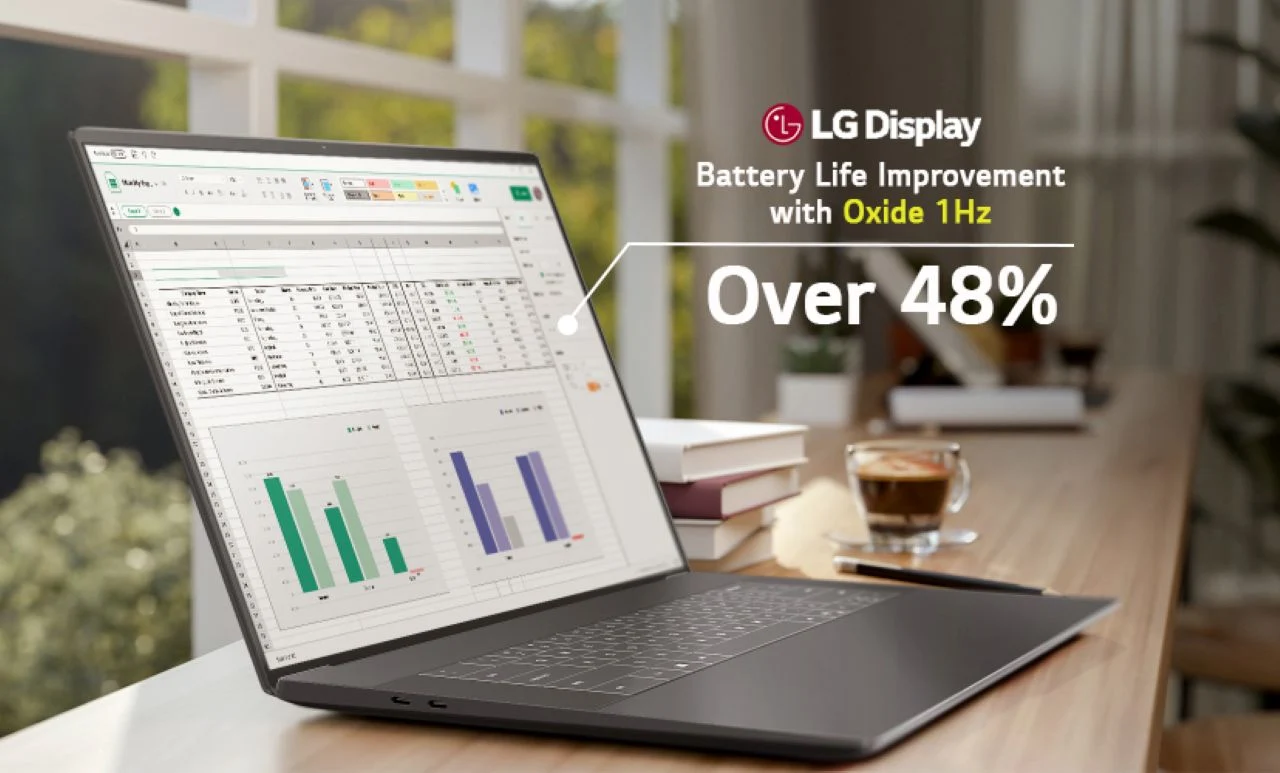
    5. The new panels provide 48% more usage on a single charge, benefiting users of power-intensive applications.


    LG has begun making oxide LCD panels aimed at laptops, boasting a variable refresh rate and lower energy usage compared to traditional versions. The oxide material used is unnamed, but it holds an electrical charge for a longer time, enabling the panel to cut its refresh rate from 120 Hz down to just 1 Hz. This feature leads to less power consumption, which means laptops can run longer on a single charge.

    Historical Context

    Oxide technology in LCD panels is not new. Sharp Japan was the first major player to create these panels with its IGZO technology for HDTVs, which also feature variable refresh rates and reduced power usage compared to standard panels. Today, these panels are found in Japanese smartphones like the Sharp Aquos R10 and on monitors available on platforms like Amazon. Additionally, BOE, a Chinese manufacturer, has showcased various oxide LCD panels, achieving refresh rates as high as 500 Hz for laptops while allowing as low as 1 Hz for smartphones.

    Future Production Plans

    LG is currently producing its oxide panels for certain high-end Dell XPS laptops, and the company plans to ramp up production by 2027. They claim that these panels offer “48% more usage on a single charge” compared to regular LCD displays, making them ideal for users who rely on power-intensive AI applications. Alongside the development of oxide LCD technology, display algorithms and other panel technologies were also fine-tuned to deliver these energy savings.

    Source:
    Link


  • LG Launches UltraGear OLED Gaming Monitor in Europe

    LG Launches UltraGear OLED Gaming Monitor in Europe

    Key Takeaways

    1. LG has started pre-orders for the UltraGear OLED 27GX790B gaming monitor in Europe, priced at €749 with a €100 discount until March 19.
    2. The monitor features a 1440p resolution, 0.02 ms GtG response time, and a refresh rate of 540 Hz, which can be boosted to 720 Hz at 720p resolution.
    3. It utilizes 4th Gen WOLED technology with brightness levels of up to 335 nits in SDR mode and 1,500 nits in HDR mode.
    4. The UltraGear OLED 27GX790B comes with an ergonomic stand, a USB 3.0 hub, and four display inputs, including a Type-C connection.
    5. Pre-orders in the UK include a bonus UltraGear 27G10A monitor for customers who order before March 13, enhancing the value of the deal.


    LG has started taking pre-orders for its UltraGear OLED 27GX790B gaming monitor in Europe. Just to remind, this monitor made its debut in North America back in December 2025. Recently, LG has been offering the UltraGear OLED 27GX790B at a price of $799.99 in the US market.

    Pre-Order Details

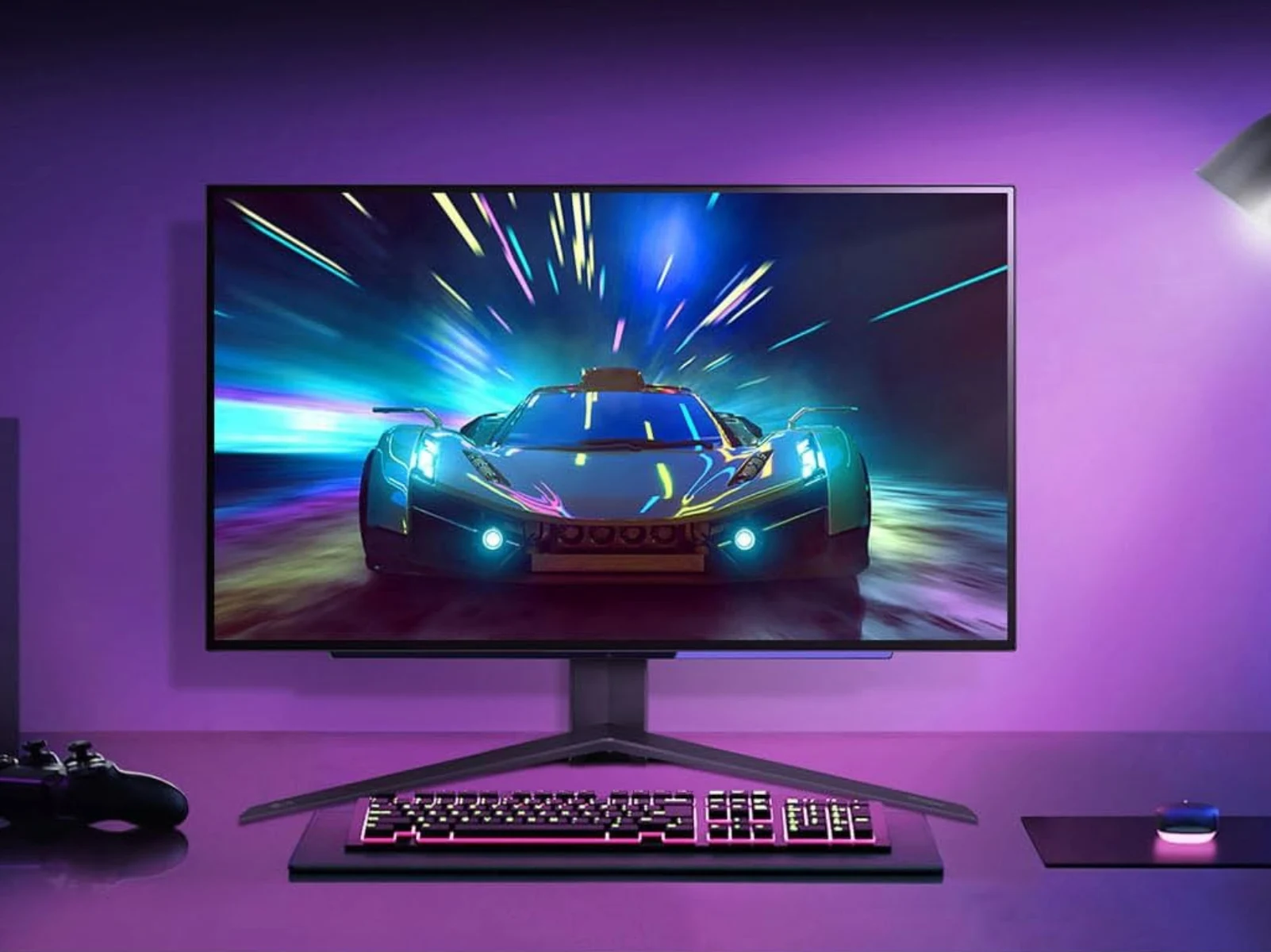
    In Europe, pre-orders have also begun with significant launch discounts. It’s important to note that this model should not be mixed up with the UltraGear OLED 27GX790A. The UltraGear OLED 27GX790B supports a resolution of 1440p, featuring an impressive 0.02 ms GtG response time and a refresh rate of 540 Hz, which can be boosted to 720 Hz by lowering the resolution to 720p. Additionally, LG’s latest monitor uses 4th Gen WOLED technology, offering brightness levels of up to 335 nits in SDR mode and 1,500 nits in HDR mode (1.5% APL).

    Specifications and Features

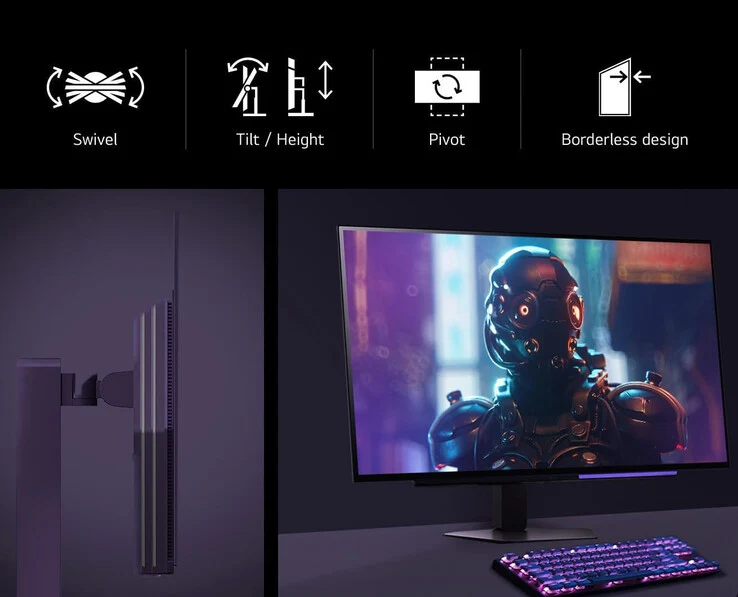
    Furthermore, LG’s new monitor comes with an easy-to-adjust ergonomic stand, a USB 3.0 hub, and four display inputs including a single Type-C connection. For more information, check out our launch article. In the Eurozone, the UltraGear OLED 27GX790B is priced at €749, with a €100 discount available until March 19. In the UK, this monitor is available for £899.98, and customers who pre-order before March 13 can also receive an UltraGear 27G10A monitor, which is currently priced at $239 on Amazon.

    Conclusion

    Overall, LG is positioning its UltraGear OLED 27GX790B as a competitive option in the gaming monitor market, especially with these pre-order deals. Both the pricing and the specifications make it a compelling choice for gamers looking to upgrade.

    Source:
    Link


  • Tesla Supplier Readies for Large-Scale Sodium-Ion Battery Production

    Tesla Supplier Readies for Large-Scale Sodium-Ion Battery Production

    Key Takeaways

    1. LG is launching a large-scale sodium-ion battery production initiative to compete with Chinese manufacturers dominating the market.
    2. Sodium-ion batteries use sodium instead of lithium, offering benefits like lower costs, improved safety, and better performance in cold temperatures.
    3. LG aims to start producing sample sodium-ion batteries this year and has partnered with Sinopec for essential materials.
    4. Tesla has upgraded the range of its Model Y and Model 3 with new LG NCM811 2170 cells that improve energy density and charging speed.
    5. Despite some concerns about LG’s battery durability compared to Panasonic, LG remains a key supplier for Tesla and plans to introduce sodium-ion technology.


    As Chinese manufacturers dominate the emerging sodium-ion battery market, LG, a significant supplier for Tesla, is working to challenge their near monopoly on this promising technology.

    The South Korean firm provides 2170 cells for various Tesla electric vehicles, including the Model Y available in the US. LG is now launching a large-scale sodium-ion battery production initiative. Currently, they are developing the chemistry in the research and development stage and will establish a pilot production line at their Nanjing facility, where they also produce batteries for the Model Y and Model 3.

    Ambitious Plans for Production

    The aim is to begin producing sample sodium-ion batteries this year, with plans to incorporate this safer and more cost-effective technology into electric vehicles and energy storage systems. Moreover, LG has formed a partnership with Sinopec to secure essential electrode materials for sodium-ion batteries, ensuring a reliable supply chain.

    Sodium-ion batteries utilize plentiful sodium instead of costly lithium as the main ion transfer material, and they may outperform the popular LFP chemistry regarding manufacturing costs, safety, and performance in cold temperatures. There are already products in the market, such as the first Na-ion jump starter on Amazon, that take advantage of these benefits. The largest battery manufacturer, CATL, has also made strides in energy density with its Naxtra packs, which means LG has significant challenges ahead before launching the first mass-produced sodium-ion battery from a South Korean company.

    Tesla’s Recent Upgrades

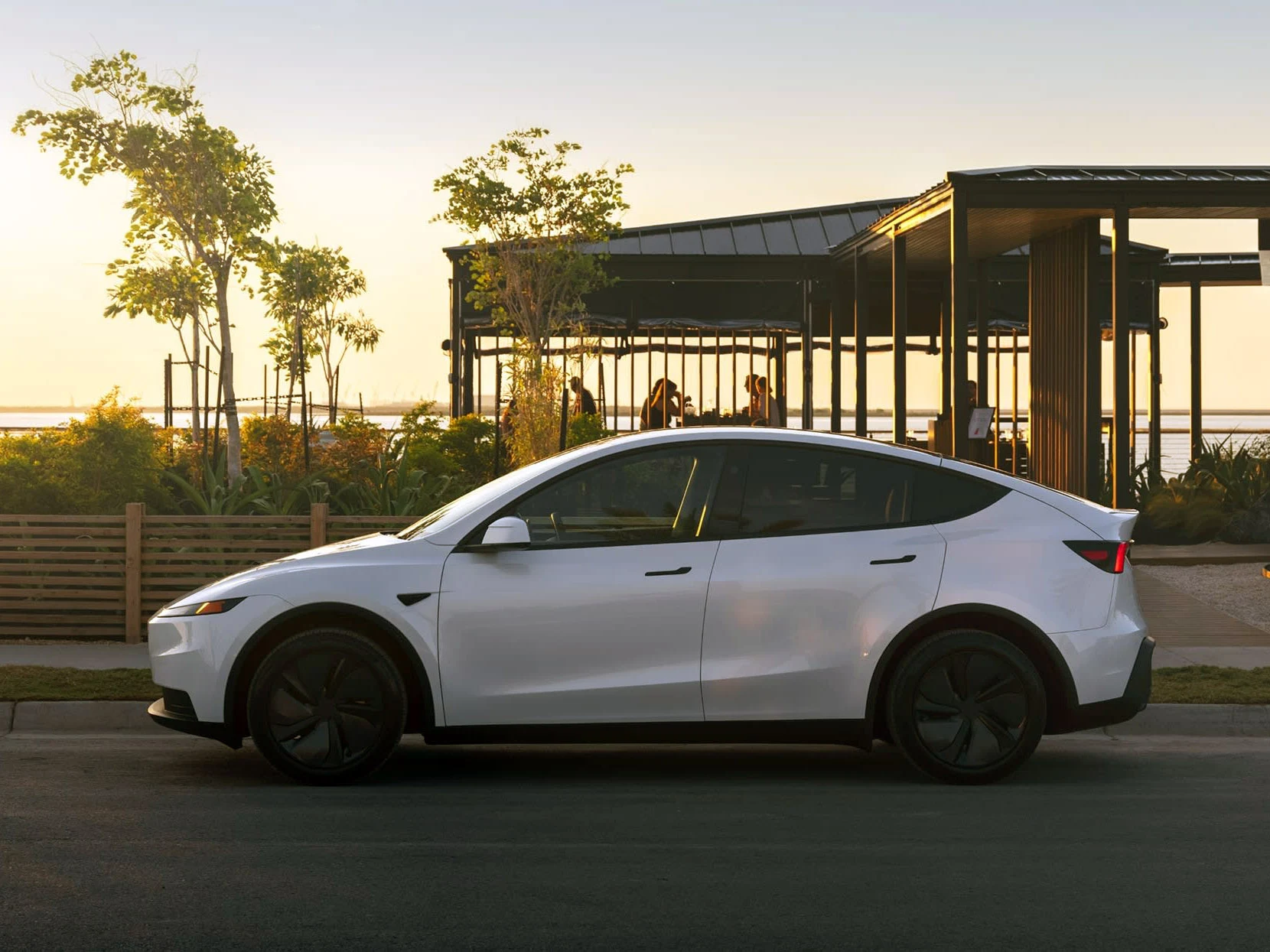
    Recently, Tesla enhanced the range of its popular Model Y and Model 3 electric cars by adding new LG batteries. The NCM811 2170 cells feature improved energy density, which results in greater capacity within the same size, enabling Tesla to boost the official range estimates for the 2026 Model Y.

    More importantly, these new batteries can achieve a peak charging rate of 256 kW and maintain a flatter charging curve for extended periods, allowing for quicker charging than prior models. Although some repair shops have expressed concerns regarding the durability of LG’s battery packs in Tesla vehicles compared to those from Panasonic, it remains uncertain whether they tested the new high-energy-density cells or older models. Regardless, LG is poised to stay as a primary battery supplier for Tesla, potentially introducing affordable sodium-ion batteries into the mix.

    Source:
    Link


  • LG UltraGear OLED 39GX950B: New Gaming Monitor Pre-Orders Soon

    LG UltraGear OLED 39GX950B: New Gaming Monitor Pre-Orders Soon

    Key Takeaways

    1. The LG UltraGear OLED 39GX950B gaming monitor features a 5K2K resolution (5,120 x 2,160) with a 21:9 aspect ratio and a refresh rate of 165 Hz.
    2. It has a fast 0.03 ms Gt G response time and can switch to 1080p resolution for a higher refresh rate of 330 Hz.
    3. The monitor utilizes a new 4th Gen Primary RGB Tandem OLED panel, enhancing text clarity, and has a 1500R curvature for a gentler viewing experience.
    4. It covers 99% of the DCI-P3 color spectrum, reaching 335 nits in SDR and 1,500 nits at peak brightness.
    5. Connectivity options include DisplayPort 2.1, HDMI 2.1, and a USB Type-C port that supports 90 W charging.


    LG has recently shared details about its new 39-inch OLED gaming monitor, first shown at the end of last year. To summarize, the UltraGear OLED 39GX950B offers a stunning resolution of 5,120 x 2,160 (5K2K) in a 21:9 aspect ratio, similar to the larger UltraGear OLED 45GX950A, which currently retails for $1,435 on Amazon.

    Display Features

    This monitor can operate at a 5K2K resolution with a refresh rate of 165 Hz and an impressive 0.03 ms Gt G response time. Alternatively, users can switch to 1080p (2,560 x 1080) to achieve a higher refresh rate of 330 Hz. Notably, the UltraGear OLED 39GX950B utilizes a new 4th Gen Primary RGB Tandem OLED panel that enhances text clarity. Additionally, this new model boasts a 1500R curvature, which is more gentle compared to the 800R curvature used in the UltraGear OLED 45GX950A.

    Color and Connectivity

    In terms of color performance, the UltraGear OLED 39GX950B covers an impressive 99% of the DCI-P3 color spectrum, reaching 335 nits in SDR and 1,500 nits at peak brightness under APL 1.5%. Furthermore, LG has equipped this monitor with both DisplayPort 2.1 and HDMI 2.1 ports. It also features a USB Type-C port that can charge devices with up to 90 W. LG has announced that pre-orders will start soon in Japan, but details about pricing and availability in other regions are still unclear.

    Source:
    Link


  • LG UltraGear Evo 52G930B: New 52-Inch Gaming Monitor Unveiled

    LG UltraGear Evo 52G930B: New 52-Inch Gaming Monitor Unveiled

    Key Takeaways

    1. LG introduced the UltraGear Evo 52G930B monitor, a larger alternative to the 45-inch models, at CES 2026.
    2. The 52-inch VA panel covers 95% of the DCI-P3 color space and has VESA DisplayHDR 600 certification.
    3. Expected features include an 8,000:1 static contrast ratio, peak brightness of 600 nits, and unspecified black levels and viewing angles.
    4. The monitor has a resolution of 5K2K (5,120 x 2,160) and a fast 1 ms GtG response time.
    5. Connectivity options include DisplayPort 2.1, USB Type-C with 90 W Power Delivery, and built-in 10 W speakers; pricing and availability are not yet announced.


    Just a little over two weeks ago, LG introduced the UltraGear Evo 52G930B. Soon after, they showcased this monitor at CES 2026 in Las Vegas, along with many other devices. Now, the company has provided additional information about the UltraGear Evo 52G930B, which is expected to be launched later this year as a bigger alternative to the current 45-inch models, such as the UltraGear OLED 45GX950A (currently priced at $1,435 on Amazon).

    Display and Color Details

    LG has specified that the UltraGear Evo 52G930B features a VA panel instead of an IPS one. Despite this, the 52-inch display is set to cover 95% of the DCI-P3 color space. However, LG has yet to disclose details like contrast ratios, viewing angles, or black levels. The monitor does have a VESA DisplayHDR 600 certification, suggesting that it might deliver an 8,000:1 static contrast ratio, with maximum black levels at 0.1 nit and peak brightness reaching 600 nits.

    Connectivity Features

    Additionally, LG has equipped its 5K2K (5,120 x 2,160) and 1000R monitor with a swift 1 ms GtG response time. As depicted in the image below, the UltraGear Evo 52G930B offers DisplayPort 2.1 and USB Type-C connectivity, supporting 90 W Power Delivery, along with a pair of 10 W speakers. Unfortunately, details regarding pricing and availability are still not disclosed at this moment.

    LG US’

    Source:
    Link


  • LG Unveils Laundry Folding Robot for Effortless Chore Management

    LG Unveils Laundry Folding Robot for Effortless Chore Management

    Key Takeaways

    1. LG’s CLOiD robot can fold laundry and serve food, aiming to save leisure time.
    2. The design is user-friendly, blending with home decor and avoiding a mechanical look.
    3. Equipped with moving arms and independent fingers, it can handle delicate items.
    4. The robot can only pick up objects at knee height or above, leaving some tasks undone.
    5. CLOiD is still a concept in development, with plans for more practical household robots in the future.


    Housework takes up a significant amount of our leisure time, but LG is asserting that its latest laundry-folding robot can help win back those hours. The company exhibited its CLOiD robot at CES 2026 this week, and this device promises to take care of tasks like folding laundry and serving food. The design of the CLOiD blends seamlessly with home decor, avoiding an overly mechanical appearance.

    Features and Mechanics

    It has a surprisingly charming head unit that includes a display, cameras, and sensors that assist in navigating your living area. Mechanically, the robot is equipped with two arms that have fully moving joints at the shoulder, elbow, and wrist, along with hands that feature fingers capable of independent movement. These characteristics enable it to manage delicate items, such as a croissant or a plate of food.

    Movement and Limitations

    The base of the robot is designed with wheels for smooth movement, akin to existing robot vacuums, allowing it to glide through different rooms. However, its arms can only pick up objects that are at knee height or above, which means any socks left on the floor will remain there until you grab them. LG highlighted the robot executing multiple household tasks to showcase its adaptability.

    During the demonstration, the robot was seen initiating laundry cycles and, quite impressively, folding the clothes afterwards. Another part of the demo featured the robot next to a person during a home workout, although the precise help it offered was not entirely clear.

    Future Prospects

    As it stands, the CLOiD appears to be more of a concept than a ready-to-sell product. LG mentioned its plans to keep developing home robots that offer practical functions for household chores while merging this robotic technology with other appliances. Your aspiration for a fully automated home gets a little closer with this news, even though the actual release date is still a bit uncertain.

    Source:
    Link


  • OLED TVs Outlast LCDs in 3-Year Longevity Test

    OLED TVs Outlast LCDs in 3-Year Longevity Test

    Key Takeaways

    1. Study Overview: Rtings tested 102 televisions at maximum brightness for three years, focusing on burn-in and failure rates.

    2. Failure Rates: 20 TVs completely failed and 24 faced partial failures, indicating potential issues after 18,000 hours of use.

    3. Usage Lifespan: Most TVs can last around 10,000 hours, equating to over three years with eight hours of daily use.

    4. LED TV Issues: Nearly 60% of LED-backlit TVs without local dimming features had defects, while OLED TVs showed fewer problems.

    5. OLED Longevity: OLED TVs generally have the longest lifespan and face fewer issues compared to other types, but price does not correlate with longevity.


    Rtings has conducted a study involving 102 televisions, running them at their highest brightness for three years while displaying a news channel with a constantly moving ticker bar to assess burn-in. As anticipated, burn-in is still a concern, but LCD TVs are also encountering significant issues after 18,000 hours of use.

    Test Results

    Among the 102 televisions, 20 have completely failed after three years, and 24 others have experienced partial failures, making them nearly unusable. Nevertheless, the study indicates that most TVs can withstand around 10,000 hours of usage, which translates to a lifespan of more than three years if the television is on for eight hours daily. LG and TCL exhibited the lowest failure rates in this examination, though the limited number of units tested means the findings are not highly significant.

    Issues with LED TVs

    The majority of the problems were found in LED-backlit TVs that lack local dimming features. Nearly 60% of these models faced defects, with several experiencing one or more LED failures. In contrast, OLED televisions rarely suffer from such issues. The study further reveals that burn-in isn’t a significant concern when viewing dynamic content. However, static images, like the news ticker mentioned earlier, can lead to noticeable ghosting if the TV is used continuously at high brightness. This is more relevant for computer monitors than for regular TVs.

    Longevity of OLED TVs

    Additionally, Rtings’ findings indicate that OLED televisions tend to have the longest lifespan compared to other types and encounter fewer problems. Although the study demonstrates a clear link between the type of panel, backlight technology, and failure rates, it fails to establish any meaningful relationship between the price of a television and its overall longevity.

    Source:
    Link


  • LG Launches 6K UltraFine 32U990A Monitor with Thunderbolt 5 Support

    LG Launches 6K UltraFine 32U990A Monitor with Thunderbolt 5 Support

    Key Takeaways

    1. The UltraFine 32U990A monitor features a 6K native resolution (6,144 x 3,456) and a 60 Hz refresh rate on a 32-inch IPS Black panel.
    2. It holds a VESA DisplayHDR 600 certification with peak brightness of 450 nits for SDR and 600 nits for HDR.
    3. Color coverage is impressive with 98% DCI-P3 and 99.5% AdobeRGB, along with a true 10-bit color depth and a contrast ratio of 2,000:1.
    4. Pre-orders for the UltraFine 32U990A in the US are available for $1,999.99, with shipping starting on October 20.
    5. B&H Photo Video is the retailer managing the pre-orders, with Canadian and Eurozone pre-orders starting around mid-October.


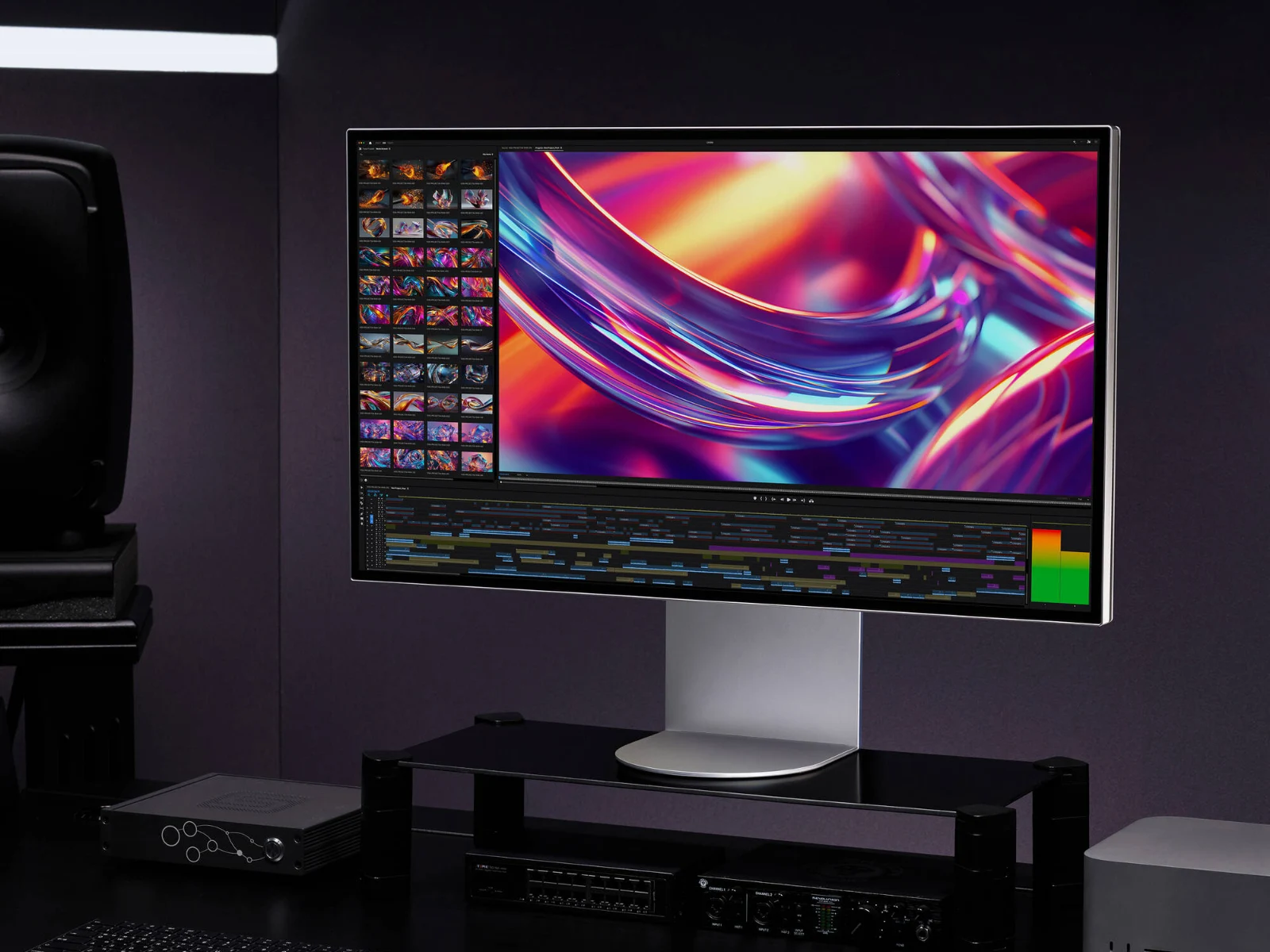
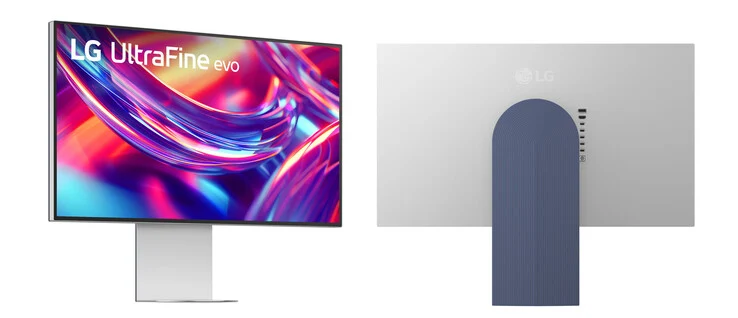
    Pre-orders are now live for the UltraFine 32U990A in the United States, even though it isn’t listed on LG’s US site. As mentioned before, this monitor features a stunning 6K (6,144 x 3,456) native resolution and a refresh rate of 60 Hz on its 32-inch IPS Black panel. It also comes equipped with several ports:

    Display and Brightness Features

    On top of that, the UltraFine 32U990A holds a VESA DisplayHDR 600 certification, boasting a peak brightness of 450 nits for SDR and 600 nits for HDR. This 32-inch display achieves 98% DCI-P3 and an impressive 99.5% AdobeRGB color space coverage, alongside a true 10-bit color depth and a contrast ratio of 2,000:1. It’s worth mentioning that the UltraFine 32U990A has a matte finish, unlike the recently released glossy UltraGear OLED 27GX704A.

    Pricing and Availability

    Starting today, you can pre-order the UltraFine 32U990A in the US for $1,999.99. However, you should be aware that B&H Photo Video won’t start shipping the pre-orders until October 20. For other places, like Canada and the Eurozone, pre-orders are set to kick off around mid-October.

    Source:
    Link


  • LG UltraGear OLED 27GX704A Monitor Global Release and Pricing

    LG UltraGear OLED 27GX704A Monitor Global Release and Pricing

    Key Takeaways

    1. LG is rapidly launching new OLED gaming monitors under its UltraGear OLED line, including the UltraGear OLED 32GX850A and UltraGear OLED 27GX700A.
    2. The UltraGear OLED 27GX700A features advanced Primary RGB Tandem OLED panel technology, known as a 4th Generation WOLED panel.
    3. The UltraGear OLED 27GX704A, released in Japan, uses older 2nd Generation WOLED technology, despite its model name.
    4. The UltraGear OLED 27GX704A has a native resolution of 1440p, a refresh rate of 240 Hz, and peak brightness of 1,300 nits in HDR mode, but lacks USB Type-C support.
    5. The pricing for the UltraGear OLED 27GX704A is set at $799.99, only $50 less than the more advanced UltraGear OLED 27GX700A, with no specific release date announced yet.


    LG has recently been launching OLED gaming monitors at a really fast pace under its UltraGear OLED line. Just last week, they introduced the UltraGear OLED 32GX850A in regions like China, Hong Kong, and the Netherlands. Before that, LG made the UltraGear OLED 27GX700A available in the US, which is currently priced at $849 on Amazon.

    New Technology Insights

    As we discussed earlier, the UltraGear OLED 27GX700A showcases LG Display’s cutting-edge Primary RGB Tandem OLED panel tech. This type of panel is generally known as a 4th Generation WOLED panel. In addition to this, LG also listed the UltraGear OLED 27GX704A in Japan earlier this month.

    Confusion with Model Names

    It’s worth noting that the UltraGear OLED 27GX704A, despite its model name, uses LG Display’s previous 2nd Generation WOLED technology. As mentioned previously, this monitor provides a native resolution of 1440p on its 27-inch display, boasting a refresh rate of 240 Hz and a peak brightness of 275 nits in SDR mode. When HDR mode is activated, brightness can peak at 1,300 nits in small areas.

    Pricing and Connectivity

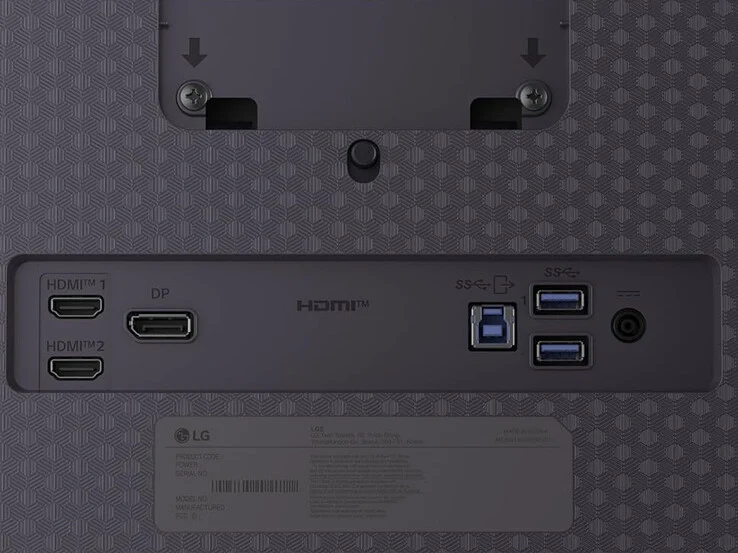
    According to Amazon US, LG plans to sell the UltraGear OLED 27GX704A in the US for $799.99, which is just $50 less than the more advanced UltraGear OLED 27GX700A. Additionally, the UltraGear OLED 27GX704A does not come with USB Type-C support. As shown in the image above, the monitor includes DisplayPort 1.4, HDMI 2.1, USB Type-B, and USB Type-A ports. Unfortunately, there is still no specific release date available at this point.

    Source:
    Link