Tag: sodium-ion batteries

  • American Sodium-Ion Battery Firm Focuses on Home and AI Data Center ESS

    American Sodium-Ion Battery Firm Focuses on Home and AI Data Center ESS

    Key Takeaways

    1. Sodium-ion batteries are gaining popularity for electric vehicles and energy storage due to their safety and longer lifespan compared to lithium batteries.
    2. Major advancements in sodium-ion battery technology are primarily led by Chinese companies like CATL and BYD, while U.S. companies face regulatory challenges.
    3. The rising cost of lithium carbonate is driving interest in sodium-ion batteries, with new consumer products, such as jump starters, now available.
    4. American firms, like Syntropic Power, are shifting sodium-ion battery production back to the U.S. and developing innovative energy storage solutions.
    5. Syntropic Power is launching pilot projects for large storage capacity and building a local manufacturing facility to meet increasing demand and comply with regulations.


    The sodium-ion battery technology is becoming more popular in the fields of electric vehicles and energy storage systems, including those used at the grid level.

    Safer than their lithium counterparts, Na-ion batteries also enjoy a longer lifespan. With the recent rise in the price of battery-grade lithium carbonate, these batteries are making a comeback. Companies are even launching the first consumer products, such as sodium-ion jump starters, available on Amazon.

    Dominance of Chinese Companies

    Most sodium-ion battery initiatives are based in China, where major players like CATL and BYD are producing the most sophisticated cells. The energy density of these batteries is almost on par with LFP batteries. Nevertheless, in the United States, these advanced batteries face challenges due to the federal Foreign Entity of Concern (FEOC) regulations, making them ineligible for any subsidies, whether state or federal.

    American firms that invested in sodium-ion battery technology, such as Syntropic Power, are taking action and starting to move their Na-ion cell production back to the U.S. Syntropic Power has several innovative energy storage solutions in development, ranging from small residential systems similar to Tesla’s Powerwall to long-duration options for essential infrastructure and high-power energy storage systems (ESS) designed for AI data center backups and grid edge applications.

    Innovative Storage Solutions

    These products, named Tenet, Gridpan, and GridSurge, prioritize the safety and durability of sodium-ion technology. The North Carolina-based company is gearing up to launch a pilot project for 2 GWh of storage capacity in 2026. Additionally, they are constructing a local Na-ion battery manufacturing facility to navigate FEOC restrictions and potentially qualify for future subsidies due to increasing customer demand.

    “We’re taking this step now because the U.S. market needs reliable storage solutions that are backed by certification, insurance acceptance, and a dependable domestic supply chain,” states Phillip Martin, CEO of Syntropic Power.

    Source:
    Link


  • Sodium-Ion Batteries Tested in Winter EVs Amid Rising Lithium Costs

    Sodium-Ion Batteries Tested in Winter EVs Amid Rising Lithium Costs

    Key Takeaways

    1. Lithium carbonate prices fell sharply from over $80,000 per ton in 2022 to below $10,000 due to increased supply and weakened demand for electric vehicles.
    2. The decline in lithium prices halted many mining and battery production projects, but prices are now rising again due to artificial supply constraints and a thriving energy storage market.
    3. Lithium prices surged from $17,000 in December to $26,000 in January, leading major battery manufacturers like BYD and CATL to resume sodium-ion production projects.
    4. CATL’s sodium-ion battery pack maintains 90% capacity at -40°C and can be charged at -30°C, making them suitable for extreme weather conditions and safer than lithium-based batteries.
    5. Sodium-ion batteries could potentially replace up to half of the current lithium iron phosphate (LFP) batteries in electric vehicles, depending on the results of ongoing cold-weather testing.


    After reaching a high of over $80,000 per ton in 2022, the cost of EV battery-grade lithium carbonate fell sharply to below $10,000 last year. This decline was due to a significant increase in supply while the demand for electric vehicles weakened.

    The Impact on Lithium Mining

    The sharp drop in lithium prices halted numerous lithium mining and sodium-ion battery production initiatives, as the lower prices rendered many of these projects unprofitable. Now, however, lithium prices are soaring again, driven by artificial supply constraints, such as the closure of mines due to regulatory actions in China, while the energy storage and electric vehicle export markets are thriving.

    Price Surge and Industry Response

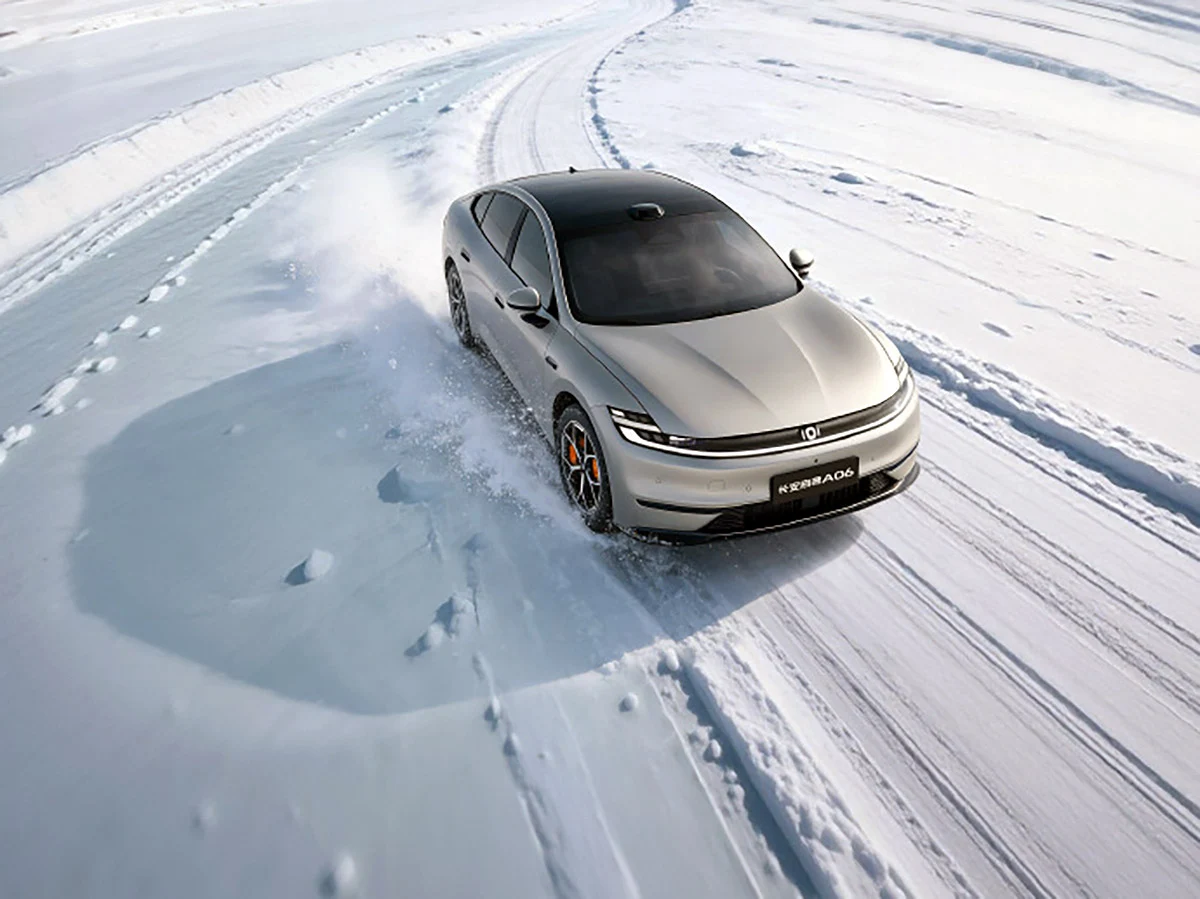
    The price jumped from $17,000 in December to $26,000 in January, prompting the two largest battery manufacturers, BYD and CATL, to resume their commercial sodium-ion production projects. In a related development, CATL has started testing its Naxtra sodium-ion battery pack in cold weather conditions with retail passenger vehicles from Chinese brands like Changan.

    Changan has announced that it will provide details on the results of the cold weather testing of CATL’s sodium-ion battery with its Oshan series sedan in Inner Mongolia on February 5. The testing location, Yakshi, Hulunbuir, is currently facing temperatures that drop to -35°C (-31°F), which is near the threshold for charging tests of sodium-ion batteries.

    Promising Features of Sodium-Ion Batteries

    Recently, CATL introduced a sodium-ion battery pack designed for commercial vehicles that maintains 90% of its capacity at -40 degrees and can be charged normally even at -30°C (-22°F). This feature of sodium-ion batteries makes them appealing for use in various weather conditions. They are also considered safer since they do not contain volatile lithium and are more cost-effective than LFP batteries, especially now that lithium prices are on the rise.

    According to CATL’s CEO, sodium-ion batteries could replace up to half of the current LFP chemistry favorites in mainstream electric vehicles, making it intriguing to see how the cold-weather tests of the Naxtra battery with actual passenger vehicles will turn out.

    Source:
    Link


  • Tesla Supplier Readies for Large-Scale Sodium-Ion Battery Production

    Tesla Supplier Readies for Large-Scale Sodium-Ion Battery Production

    Key Takeaways

    1. LG is launching a large-scale sodium-ion battery production initiative to compete with Chinese manufacturers dominating the market.
    2. Sodium-ion batteries use sodium instead of lithium, offering benefits like lower costs, improved safety, and better performance in cold temperatures.
    3. LG aims to start producing sample sodium-ion batteries this year and has partnered with Sinopec for essential materials.
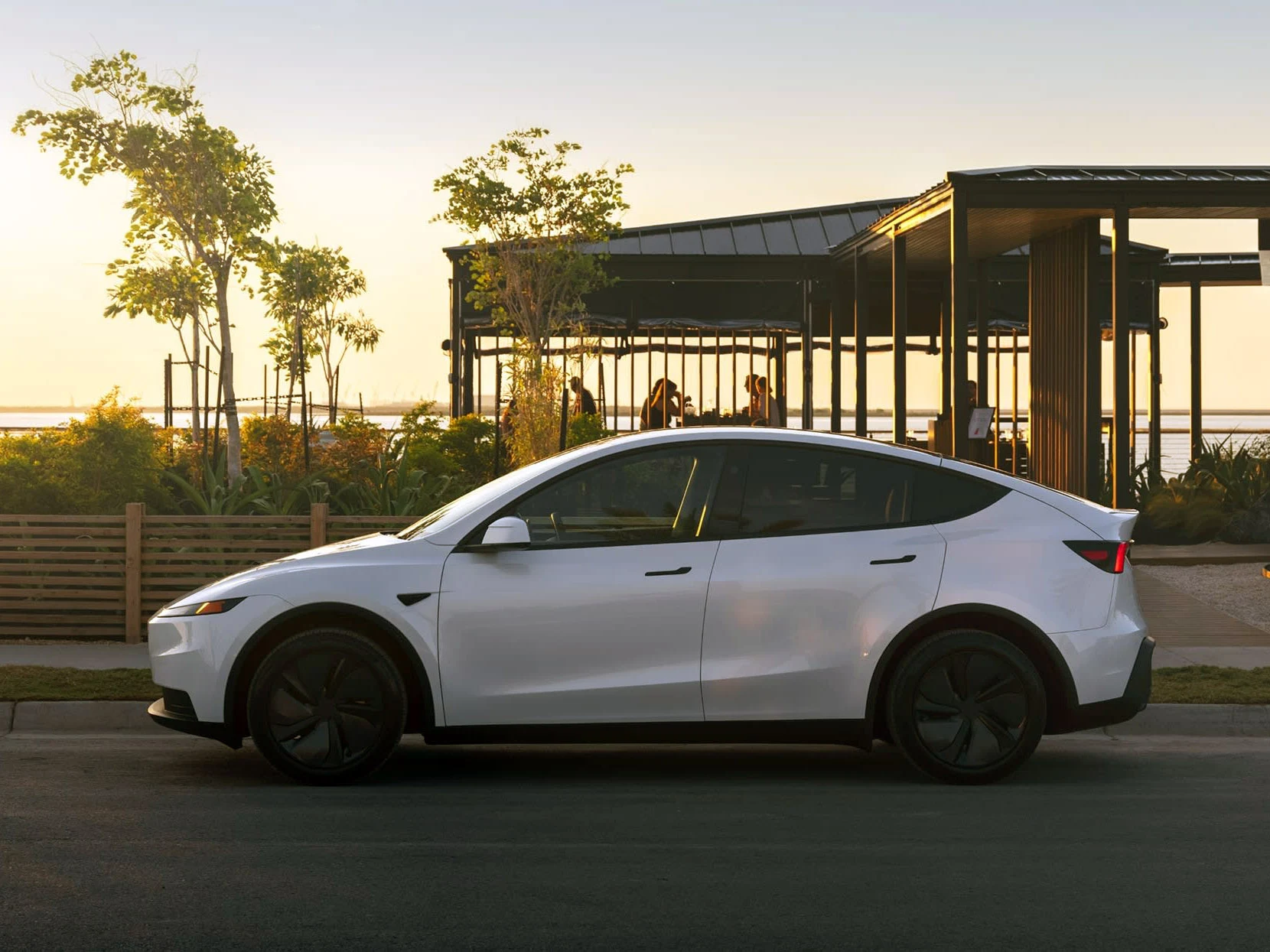
    4. Tesla has upgraded the range of its Model Y and Model 3 with new LG NCM811 2170 cells that improve energy density and charging speed.
    5. Despite some concerns about LG’s battery durability compared to Panasonic, LG remains a key supplier for Tesla and plans to introduce sodium-ion technology.


    As Chinese manufacturers dominate the emerging sodium-ion battery market, LG, a significant supplier for Tesla, is working to challenge their near monopoly on this promising technology.

    The South Korean firm provides 2170 cells for various Tesla electric vehicles, including the Model Y available in the US. LG is now launching a large-scale sodium-ion battery production initiative. Currently, they are developing the chemistry in the research and development stage and will establish a pilot production line at their Nanjing facility, where they also produce batteries for the Model Y and Model 3.

    Ambitious Plans for Production

    The aim is to begin producing sample sodium-ion batteries this year, with plans to incorporate this safer and more cost-effective technology into electric vehicles and energy storage systems. Moreover, LG has formed a partnership with Sinopec to secure essential electrode materials for sodium-ion batteries, ensuring a reliable supply chain.

    Sodium-ion batteries utilize plentiful sodium instead of costly lithium as the main ion transfer material, and they may outperform the popular LFP chemistry regarding manufacturing costs, safety, and performance in cold temperatures. There are already products in the market, such as the first Na-ion jump starter on Amazon, that take advantage of these benefits. The largest battery manufacturer, CATL, has also made strides in energy density with its Naxtra packs, which means LG has significant challenges ahead before launching the first mass-produced sodium-ion battery from a South Korean company.

    Tesla’s Recent Upgrades

    Recently, Tesla enhanced the range of its popular Model Y and Model 3 electric cars by adding new LG batteries. The NCM811 2170 cells feature improved energy density, which results in greater capacity within the same size, enabling Tesla to boost the official range estimates for the 2026 Model Y.

    More importantly, these new batteries can achieve a peak charging rate of 256 kW and maintain a flatter charging curve for extended periods, allowing for quicker charging than prior models. Although some repair shops have expressed concerns regarding the durability of LG’s battery packs in Tesla vehicles compared to those from Panasonic, it remains uncertain whether they tested the new high-energy-density cells or older models. Regardless, LG is poised to stay as a primary battery supplier for Tesla, potentially introducing affordable sodium-ion batteries into the mix.

    Source:
    Link


  • Sodium-Ion Batteries Cheaper Than Lithium as CATL Launches Mass Production

    Sodium-Ion Batteries Cheaper Than Lithium as CATL Launches Mass Production

    Key Takeaways

    1. CATL plans to begin large-scale production of sodium-ion batteries in 2026 to take advantage of rising lithium prices.
    2. The Naxtra sodium-ion battery line will serve various applications, including electric vehicles and energy storage systems.
    3. The production of sodium-ion cells has become more cost-effective compared to traditional lithium ferrophosphate (LFP) batteries.
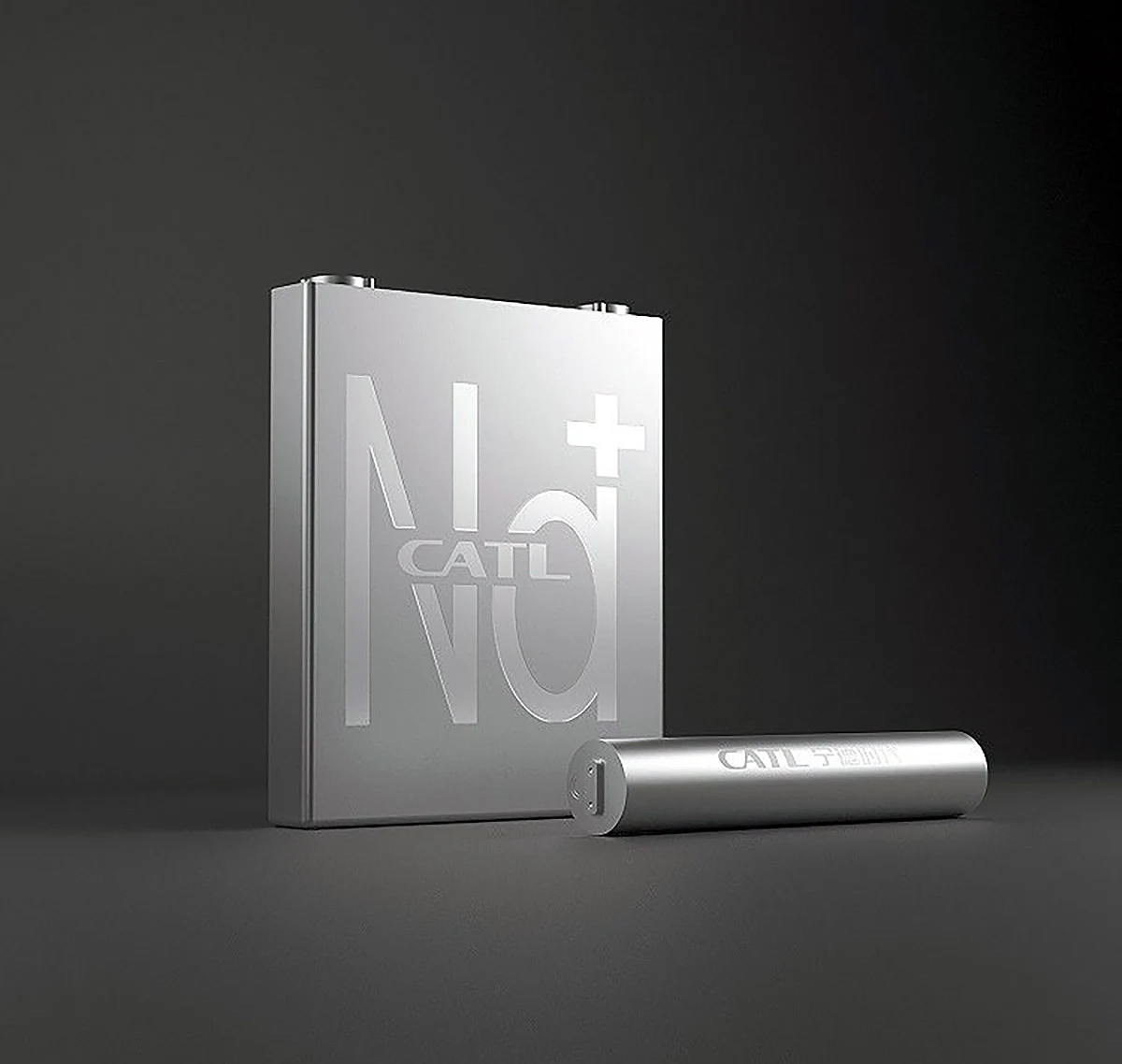
    4. The Naxtra sodium-ion battery has an energy density of 175 Wh/kg and performs well in extreme temperatures (-40℃ to 70℃).
    5. CATL claims that electric vehicles using Naxtra batteries could achieve over 300 miles of range on a single charge, with initial deliveries planned for 2026.


    The largest battery manufacturer in the world, CATL, is set to capitalize on increasing lithium prices by commencing large-scale production of sodium-ion batteries in 2026. The groundbreaking Naxtra line of sodium-ion batteries will be utilized in electric vehicles, energy storage systems, commercial transport, and even battery swap stations on a large scale.

    Shifting Plans Amid Lithium Prices

    Since the peak in 2022, the significant decline in battery-grade lithium carbonate prices has pushed CATL to downplay its sodium-ion battery production strategies. Although CATL developed sodium-ion cells with energy density comparable to LFP batteries, the supply of lithium was artificially constrained due to the Chinese government’s suspension of mining operations. This intervention has contributed to a gradual recovery in lithium prices.

    New Opportunities for Naxtra

    With the end of the downturn for lithium, CATL has accelerated its plans for mass production of the Naxtra sodium-ion battery line. Given that sodium-ion cells have become less expensive to produce compared to conventional lithium ferrophosphate (LFP) batteries, customers have begun informing CATL that they are ready to receive their orders.

    The Naxtra sodium-ion battery boasts an impressive energy density of 175 Wh/kg, nearly matching the energy density of LFP batteries commonly found in electric cars and energy storage solutions. Recently, sodium-ion starter batteries have even appeared on Amazon, which perform better in cold conditions than typical 12V car batteries.

    Promising Features and Performance

    CATL emphasizes that the Naxtra sodium-ion battery line is primed to shine alongside lithium batteries as early as next year. With a remarkable temperature retention range of -40℃ to 70℃, Naxtra has also become the first commercial sodium-ion battery to meet China’s stringent safety and performance regulations.

    According to CATL, an electric vehicle fitted with their sodium-ion battery could achieve a range of over 300 miles on a single charge, even in extreme cold. This claim will be tested in 2026 when the initial Naxtra packs are scheduled for delivery to various undisclosed clients.

    Source:
    Link


  • Tesla Supplier LG and Major Oil Refiner Launch Sodium-Ion Batteries

    Tesla Supplier LG and Major Oil Refiner Launch Sodium-Ion Batteries

    Key Takeaways

    1. Sinopec and LG are collaborating to develop sodium-ion batteries for electric vehicles and energy storage.
    2. LG will leverage Sinopec’s expertise in chemicals and large-scale production for innovative battery materials.
    3. Sodium-ion batteries offer advantages over lithium-ion, such as better performance in cold climates and enhanced safety.
    4. The partnership aims to create affordable sodium-ion batteries for budget-friendly electric vehicles and energy storage systems.
    5. LG Chem is also focused on advancing EV battery technology, including the development of high-performance 4680 batteries.


    The largest fossil fuel refiner in the world, Sinopec, has teamed up with LG, a supplier of batteries for Tesla, to create new sodium-ion batteries for electric vehicles and energy storage solutions.

    Partnership Details

    As part of the agreement, LG will focus on creating innovative cathode and anode materials for sodium-ion batteries, utilizing Sinopec’s extensive knowledge in chemicals and large-scale production. This marks the first venture into the sodium-ion battery market for both companies. However, LG has already established its reputation in the EV sector by making advanced batteries for Tesla, including the latest units that have improved energy density, which helped to enhance the range of the Model Y recently.

    Goals and Advantages

    LG expressed that they aim to develop next-gen battery materials quickly through their collaboration with Sinopec. The company highlighted the performance benefits of sodium-ion batteries over traditional lithium-ion types, emphasizing their exceptional performance in cold climates and safety features.

    The main objective of this joint venture between LG and Sinopec is to manufacture affordable sodium-ion batteries that can be used in budget-friendly electric vehicles and energy storage systems.

    Future Innovations

    LG Chem has already achieved significant milestones in EV battery technology thanks to research in its cathode materials division. They plan to produce 4680 batteries that outperform the current Tesla Cybertruck batteries in terms of thermal efficiency and charging capabilities. LG is working on overcoming the challenges related to cost and performance of sodium-ion batteries, though it is yet unclear if Tesla will choose to use these new sodium-ion batteries.

    Source:
    Link


  • Sodium-Ion Batteries Reach Price and Energy Density Parity with LFP

    Sodium-Ion Batteries Reach Price and Energy Density Parity with LFP

    Key Takeaways

    1. Sodium-ion batteries have matched the manufacturing costs and energy density of lithium-based batteries, achieving significant milestones in the market.
    2. The energy density of commercial sodium-ion batteries has improved to 175 Wh/kg, with a lifespan of 10,000 cycles and operational temperatures from -40°C to 45°C.
    3. Sodium-ion technology is nearing parity with lithium iron phosphate (LFP) batteries in energy capacity and has aligned production costs, which is crucial for commercial success.
    4. The drop in lithium carbonate prices in 2023 posed challenges for sodium-ion battery promotion, but advancements in technology are enabling realistic mass production.
    5. By 2027, sodium-ion battery costs are expected to decrease to around $0.04/Wh, allowing them to compete effectively with LFP batteries while offering advantages like safety and faster charging.


    Sodium-ion batteries have finally achieved a milestone, matching the manufacturing costs and energy density of the widely used lithium-based batteries found in electric vehicles, as reported by industry experts at the 2025 Na-ion battery supply chain and standard development conference.

    Energy Density Improvements

    The energy density of commercial sodium-ion batteries has significantly improved, rising from 120 Wh/kg in the first sodium-ion electric car to 175 Wh/kg with CATL’s innovative Naxtra cells, which are expected to go into mass production in 2026. Current sodium-ion batteries reach 165 Wh/kg and promise a lifespan of 10,000 cycles, functioning within a broad temperature range of -40°C to 45°C without losing capacity.

    Competitive Landscape

    When comparing to LFP batteries found in popular models like the RWD Model Y or well-known power stations such as the Anker Solix C1000, it’s clear that sodium-ion technology is nearing equality in terms of energy capacity with the dominant lithium battery solutions.

    Despite this progress, analysts at the expo pointed out that the production costs of these new sodium-ion batteries have also aligned with those of LFP cells. This is particularly crucial for their commercial success, as the key advantage of sodium chemistry was meant to be its lower cost compared to lithium batteries.

    Market Dynamics

    This cost advantage was evident until 2023 when the price of battery-grade lithium carbonate began to drop sharply due to oversupply and declining demand for electric vehicles. As a result, manufacturers faced challenges in promoting sodium-ion batteries, which previously lagged behind LFP cells in energy density and were more expensive to produce due to limited production scales.

    However, significant advancements in sodium-ion battery technology by leading companies like CATL have made mass production of these cells a realistic option. The expected mass production cost for high-energy-density sodium-ion batteries is projected to remain at about seven cents per Wh throughout 2026.

    By 2027, though, it is anticipated that costs will decrease to around $0.04/Wh, similar to LFP batteries, at least within China. This shift would allow sodium-ion batteries to compete based on their various advantages over lithium batteries, including safety, faster charging times, and better performance in cold weather.

    Source:
    Link


  • Sodium Batteries: Charge Fully in Just 6 Minutes

    Sodium Batteries: Charge Fully in Just 6 Minutes

    Key Takeaways

    1. Sodium-ion batteries are a cost-effective and eco-friendly alternative to lithium-based batteries, utilizing abundant sodium found in table salt.
    2. The innovative anode-free design generates the anode during charging, addressing previous issues with short circuit risks.
    3. Increasing sodium salts concentration in the electrolyte improves ion deposition and battery stability, enabling fast charging capabilities.
    4. The batteries can charge fully in six minutes and retain over 70% capacity after 500 cycles, showing promise for longevity.
    5. Successful commercial production of these batteries could significantly lower costs for electric vehicles and renewable energy storage solutions.


    According to a research group from Lingnan University in Hongkong, sodium-ion batteries have been a budget-friendly and eco-friendly option to lithium-based energy storage solutions for many years. Sodium is nearly limitless on Earth, found as table salt, and much cheaper to extract than lithium. This means these batteries could offer lower costs and reduced reliance on scarce materials. Nonetheless, earlier methods faced issues like short lifespans and dangers during rapid charging.

    Innovative Design Approach

    The research team adopted an innovative anode-free design, where there is no fixed anode installed. Rather, the anode is created during the charging process as sodium ions deposit onto a collector. In past experiments, this method often resulted in dendrite formation – tiny metal structures that can trigger short circuits. Fast charging particularly intensified this issue.

    Breakthrough in Electrolyte Concentration

    Scientists from Hong Kong and Beijing tackled this challenge by significantly upping the sodium salts concentration in the electrolyte. This strategy ensures that there are enough ions close to the collector during charging, allowing for even deposition. Consequently, the battery maintains stability, even when charged quickly. In tests, the cell demonstrated a fast-charging capability of 10C, fully charging in just six minutes. After 500 charge cycles, it retained over 70% of its original capacity.

    Potential Impact on the Market

    “Sodium is less than a tenth of the cost of lithium, is abundant in seawater, and can drastically drop the prices of electric vehicles and energy storage solutions,” said project lead Prof. Li Liangliang. The researchers believe their work is a significant move toward widespread energy storage use. Possible uses include electric cars, stationary storage systems for renewable energy, and even portable gadgets.

    These findings are still in the lab phase. The next goal is to advance the anode-free sodium battery beyond the prototype level for commercial production. If they succeed, this technology might pose a real challenge to lithium-ion systems.

    Source:
    Link


  • Biowaste: Future Battery Power for Affordable EVs and Solar Systems

    Biowaste: Future Battery Power for Affordable EVs and Solar Systems

    Key Takeaways

    1. A new initiative in Australia aims to convert organic waste into biochar for use in next-generation batteries.
    2. Biochar will be explored as an anode material in sodium-ion batteries to enhance cost-effectiveness and sustainability.
    3. Sodium-ion batteries could become more affordable, building on their existing lower cost compared to lithium-ion batteries.
    4. The project supports a circular economy by aiming to convert 60,000 tonnes of biosolids and organic waste into sustainable products annually.
    5. The initiative is a collaboration between RMIT University, Deakin University, and Barwon Water, receiving a $50 million grant from the Australian Government.


    A new initiative in Australia is figuring out how to convert organic waste—like biosolids from wastewater treatment facilities and garden refuse—into a vital part of the next generation of batteries. This effort is a joint venture among RMIT University, Deakin University, and Barwon Water, and it will focus on transforming organic waste into biochar.

    Biochar’s Role in Battery Technology

    Biochar, a charcoal-like material created by heating organic material in low-oxygen settings, is already recognized for its benefits in enhancing soil quality. However, this project will investigate a new use for biochar. The research will delve into how biochar might be utilized in sodium-ion batteries, aiming to boost both cost-effectiveness and sustainability.

    Focus on Anode Material

    The research will primarily examine the viability of biochar as the anode component in sodium-ion batteries. If the team is successful, sodium-ion batteries—which are already less expensive than lithium-ion batteries—could become even more affordable.

    “Biochar is looking good as a material for next generation batteries, and through this project, we’ll keep looking into which biochar ingredients can improve battery efficiency,” said Associate Professor Nolene Byrne from Deakin University.

    A Circular Economy Initiative

    This project is part of a larger strategy by Barwon Water to create a circular economy in the Geelong area. The goal is to convert around 60,000 tonnes of biosolids and other organic waste into sustainable products every year. This effort is backed by a $50 million grant from the Australian Government’s Trailblazer Universities Program.

    Source:
    Link


  • First US Deployment of Sodium-Ion Battery for Affordable Energy Storage

    First US Deployment of Sodium-Ion Battery for Affordable Energy Storage

    Key Takeaways

    1. The US has launched its first grid-level energy storage system using sodium-ion batteries, developed by startup Peak Energy, which is safer and more affordable than traditional lithium phosphate batteries.

    2. Sodium-ion batteries offer enhanced safety due to fewer flammable materials and are cheaper to manufacture, making them a cost-effective alternative for energy storage.

    3. Peak Energy’s sodium-ion system features passive cooling technology, reducing operational risks by 90% compared to traditional systems, and is the largest sodium-ion battery system utilizing phosphate pyrophosphate cathode chemistry.

    4. The NFPP cells in the new energy storage system have a lifespan that allows for 20% lower operational costs and degrade at a third of the rate of lithium phosphate systems.

    5. The deployment of this technology supports a growing trend for American-made products in the battery industry, which has been largely dominated by China.


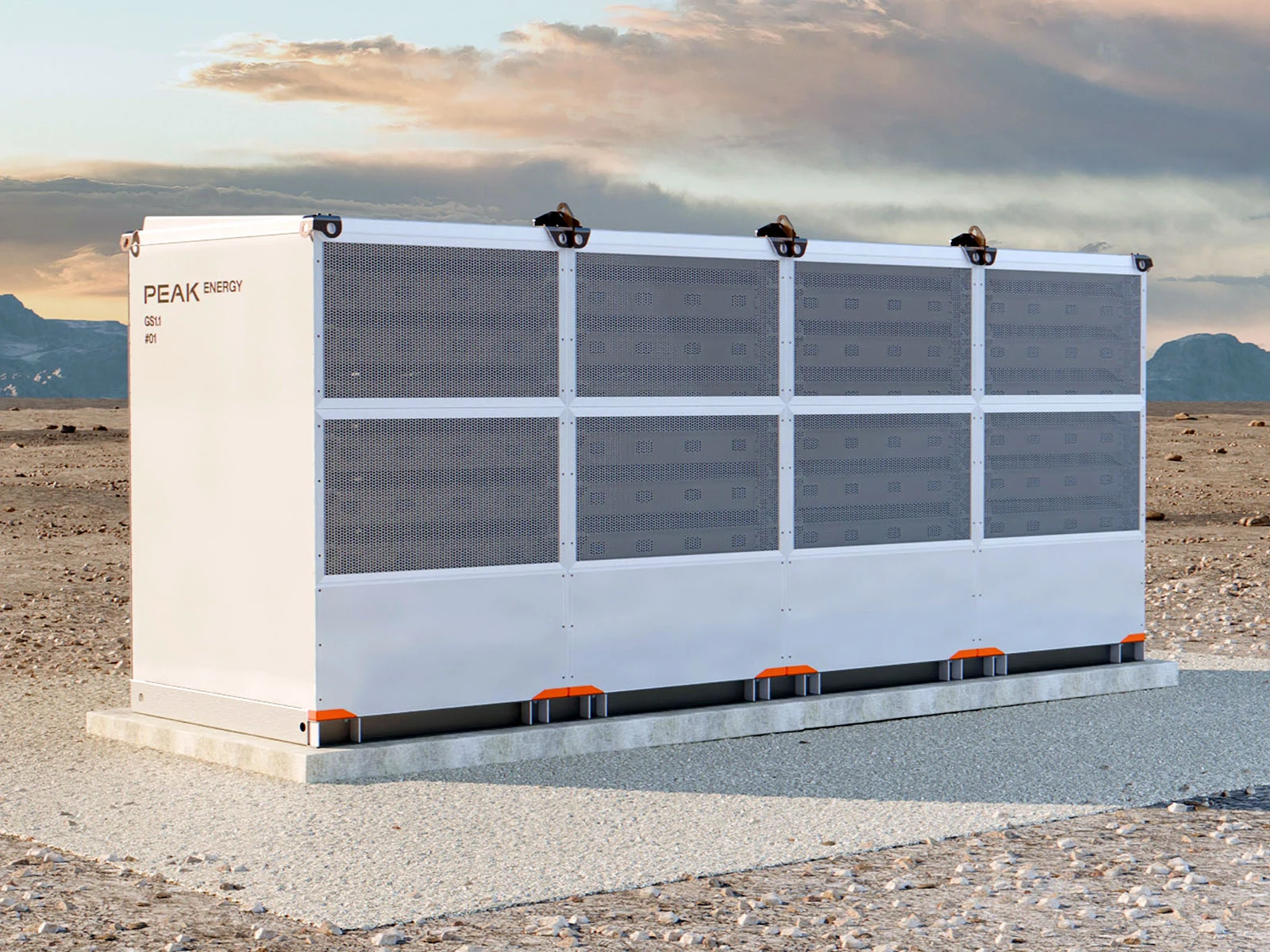
    After China, the US has now welcomed its first grid-level energy storage system featuring sodium-ion batteries. These innovative batteries do not need active cooling and are priced at one-third less compared to traditional battery energy storage systems (BESS) that utilize lithium phosphate batteries.

    First Deployment in the US

    The inaugural sodium-ion BESS has been launched by the startup Peak Energy, about two years after they expressed their plans to create one. In China, grid-level energy storage systems with sodium-ion batteries are already in use, crafted by major companies like BYD, which is the second-largest cell manufacturer globally. However, the American version stands out as it employs passive cooling, making it both more affordable and safer.

    Safety and Cost-Effectiveness

    In contrast to conventional lithium iron phosphate (LFP) batteries, such as those found in the popular Anker Solix C1000 mobile station and large-scale electricity storage projects, sodium-ion batteries contain fewer flammable materials. This quality inherently makes them safer than lithium batteries. Furthermore, the materials used in sodium-ion batteries are inexpensive and plentiful, resulting in lower manufacturing costs.

    Peak Energy has emerged as a leading battery startup in the US, and successfully delivering an actual commercial product, rather than just a prototype, is an impressive milestone. The containers that have been deployed on a megawatt-hour scale represent the largest sodium-ion battery system in the world that utilizes phosphate pyrophosphate (NFPP) cathode chemistry.

    Enhanced Lifespan and Efficiency

    Not only do the NFPP cells offer energy density that is similar to LFP cells, but they also boast superior thermal safety. Additionally, Peak Energy’s first NFPP energy storage system in the US is 20% cheaper to operate throughout its lifespan. The less reactive nature of the NFPP cells allows them to degrade a third slower than lithium phosphate systems over the same duration, which could enable utilities to use the Peak Energy BESS for extended periods.

    What makes this system distinct is its pioneering passive cooling feature, which significantly reduces around 90% of the risks associated with grid-level energy storage setups. Most incidents arise from the moving parts and electrical components, not the thermal runaway situations within the cells themselves.

    Domestic Manufacturing Trend

    While safety and costs are crucial factors, the deployment of Peak Energy’s sodium-ion BESS also aligns with the growing domestic preference for American-made products. This trend has largely overlooked the US battery industry until now, which has been predominantly influenced by China on a global scale.

    Source:
    Link


  • First Grid-Level Sodium-Ion Battery Station Balances Wind and Solar

    First Grid-Level Sodium-Ion Battery Station Balances Wind and Solar

    Key Takeaways

    1. Hybrid Battery Project: China launched its first hybrid battery project combining sodium-ion and lithium cells to enhance energy storage capabilities.

    2. Energy Storage Capacity: The facility in Yunnan province has a capacity of 400 MWh, aimed at stabilizing energy from wind and solar farms connected to the Southern Power Grid.

    3. Improved Technology: The sodium-ion batteries used have a response speed six times faster than traditional sodium batteries, improving management of renewable energy fluctuations.

    4. Cost-Effective and Safe: Sodium batteries are less expensive, safer, and perform better in extreme temperatures compared to typical lithium iron phosphate (LFP) batteries.

    5. Significant Output: The system provides a steady output of 200 MW and can power around 270,000 homes with up to 98% renewable energy annually.


    After the successful rollout of energy storage initiatives utilizing sodium-ion batteries to stabilize the electricity grid, China has now launched its first hybrid battery project.

    Combining Battery Technologies

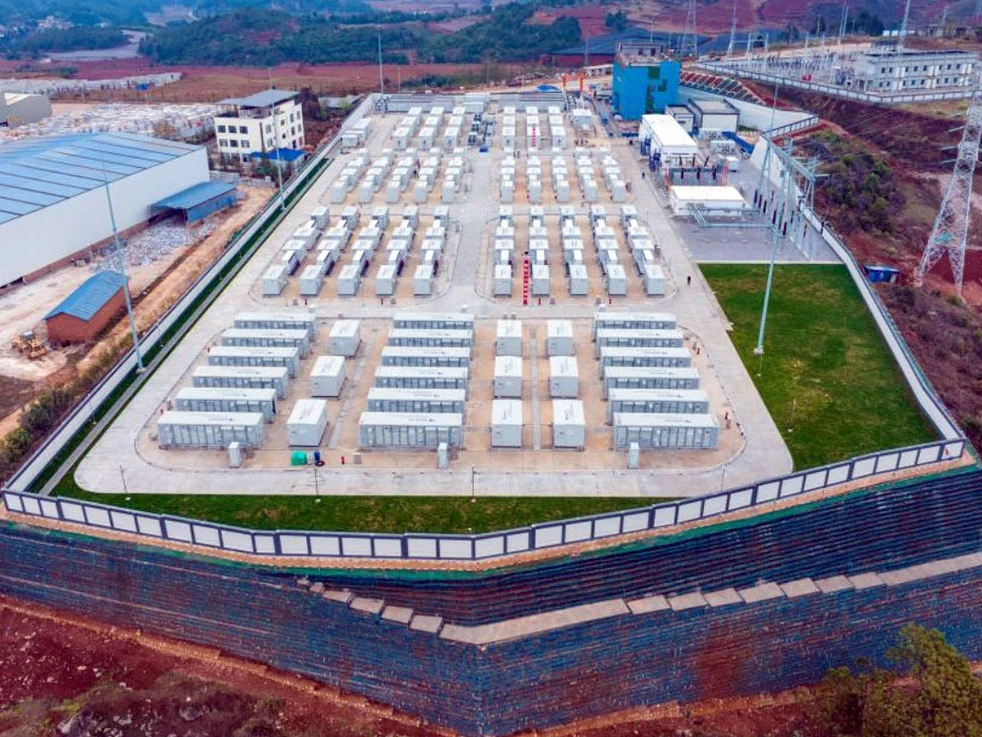
    This innovative project incorporates both sodium-ion and lithium cells, leveraging the unique advantages of each type. Located in Yunnan province, the energy storage facility has a remarkable capacity of 400 MWh, designed to store the fluctuating energy generated by wind and solar farms connected to the Southern Power Grid. This development aims to mitigate the kind of system strain from renewable sources that contributed to recent blackouts in Southern Europe.

    Advanced Battery Features

    The hybrid lithium-sodium energy storage system (ESS) relies on sodium-ion batteries provided by HiNa. They assert that their latest generation of high-capacity cells has a response speed that is six times quicker than traditional sodium batteries, a critical improvement for managing the unpredictable nature of renewable energy inputs.

    Typically, energy storage projects utilize lithium iron phosphate (LFP) batteries, commonly found in portable power stations like the Anker Solix C1000. In contrast, sodium batteries are not only less expensive but also safer, provide faster output, and have better capacity retention in extreme temperatures. This makes hybrid ESS systems more durable and cost-effective.

    Groundbreaking Achievement

    HiNa proudly claims that this project is the first-ever multi-power composite sodium-ion battery energy storage system in the world. They had to develop a specialized grid-level power converter tailored specifically for the unique requirements of sodium batteries as part of the project.

    The first high-capacity sodium-lithium energy storage station designed for grid use occupies a mere 0.012 square miles and has the capability to handle 580 million kWh annually. This amount of energy can power around 270,000 homes with up to 98% renewable energy all year long.

    The sodium-lithium ESS delivers a steady output of 200 MW, aimed at stabilizing the peak output fluctuations from over 30 local wind and solar facilities. The system adjusts its charging and discharging modes in real-time based on the renewable energy input. It has been undergoing grid capacity tests since March and has now received certification to operate as a large-scale hybrid ESS featuring both sodium-ion and lithium batteries.

    Source:
    Link