Tag: CATL

  • Sodium-Ion Batteries Outlast Cars: CATL’s Cold Fix

    Sodium-Ion Batteries Outlast Cars: CATL’s Cold Fix

    Key Takeaway

    – CATL’s sodium-ion batteries achieved a 15,000-cycle lifespan (20 years), surpassing LFP batteries in high-frequency cycling.
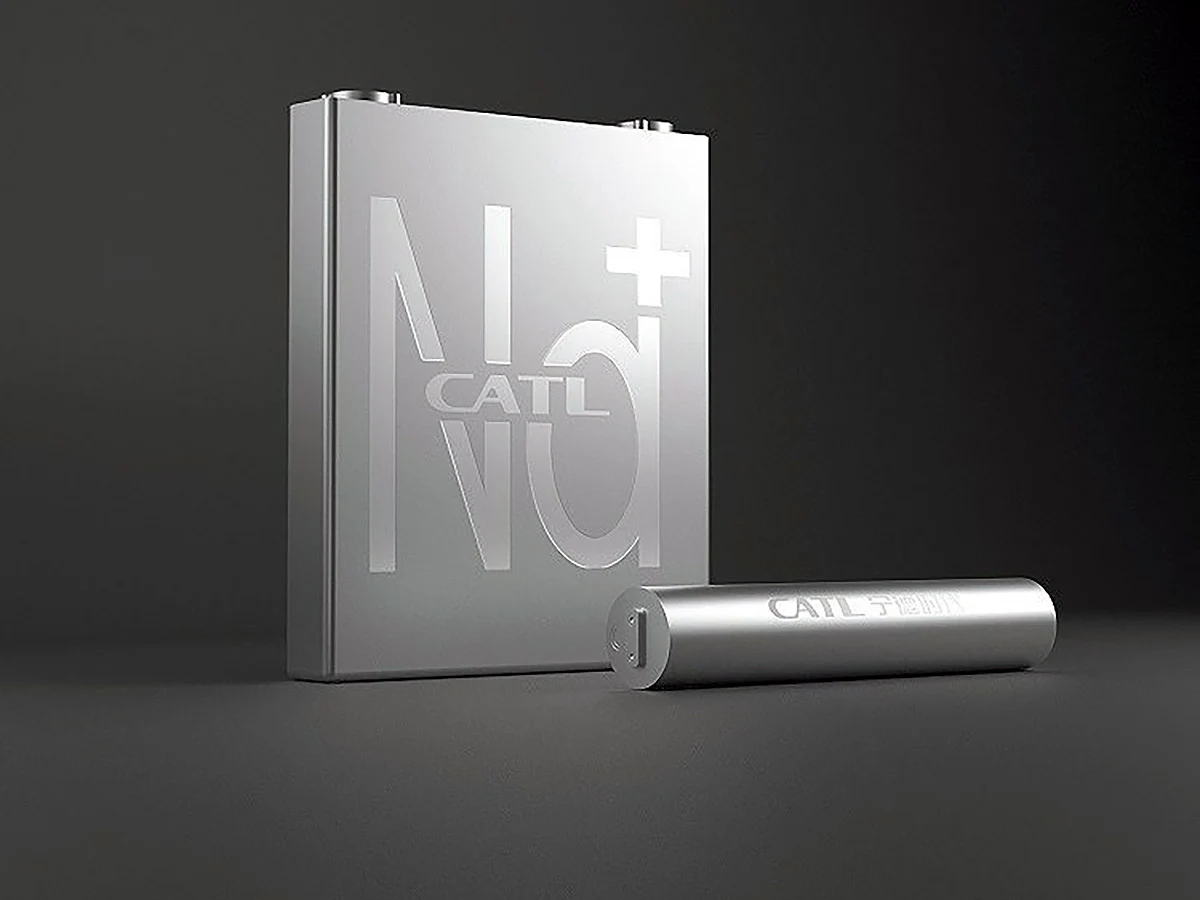
    – Over $1.5 billion in R&D solved hard-carbon electrode issues, enabling a 300-mile range and extreme cold-weather resilience down to -25°C.
    – New “One Shell, Two Cells” platform allows swapping between lithium-ion and sodium-ion cells in the same chassis without modifying thermal systems.
    – Sodium-ion cell costs expected to match lithium by 2026 and become cheaper than LFP by 2027, with supplier Ronbay scaling cathode production.


    Big News from CATL’s Sodium-Ion Breakthrough

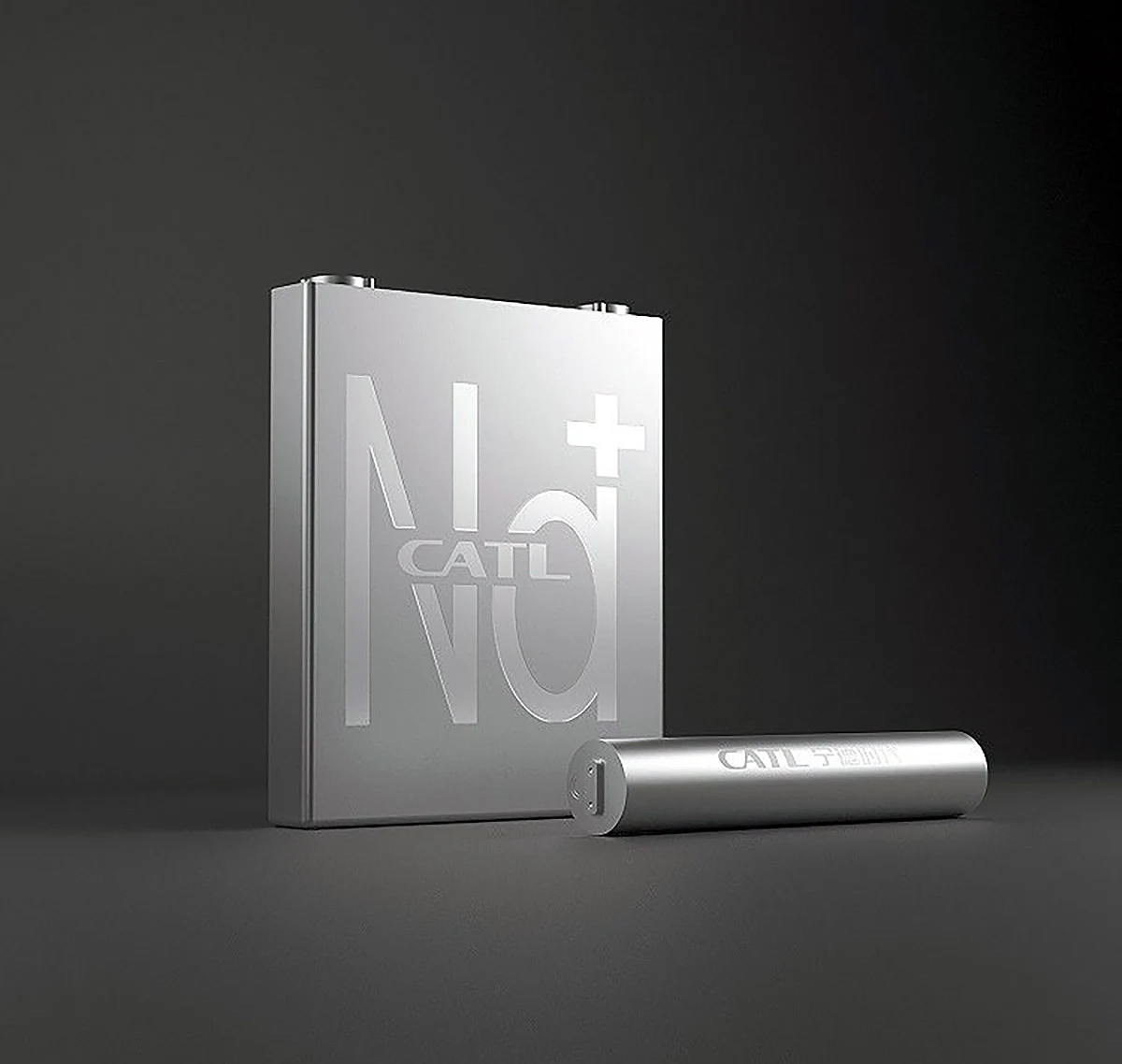
    CATL’s sodium-ion cells have now cleared a 15,000-cycle benchmark ahead of theyre mass production later this year, which translates to a 20-year operational lifespan. For comparison, that is a level of longetivity exceeding the one of the popular lithium iron phosphate (LFP) batteries when used in high-frequency cycling applications. This is a massive step forward for energy storage technology, showing that sodium can finally rival and even beat traditional chemistries in durabilty.

    Investments and Manufacturing Advances

    According to its industry briefing before China’s Ministry of Industry and Information Technology, CATL has invested close to $1.5 billion in R&D over more then a decade to crack the code of hard-carbon electrode manufacturing. It has resolved moisture control and cell gassing during production, resulting in a product that can outlast the vehicle it is instaled in, with energy density allowing a 300-mile range on the EPA cycle (600 km CLTC). This massive investment shows a long-term commitment to making sodium-ion viable for the masses.

    Cold Weather Performance is a Trump Card

    Then there’s cold-weather performance, which has historically been sodium-ion’s trump card over lithium, so CATL has built on the chemistry’s advantages. In northern regions like Xinjiang, where temperatures regularly fall below -25°C (77°F), conventional LFP batteries’ charging times can double and usable capacity can shrink by up to 40%. Sodiums electrochemical properties make it way less susceptible to this kind of winter degradation, making sodium-ion batteries a unique contender for application in passenger vehicles, logistics fleets, mining operations, and grid storage across freezing northern climates. This could be a game-changer for cold regions.

    New Platform Architecture

    To make Na-ion battery deployment frictionless ahead of mass production, CATL also detailed a new “One Shell, Two Cells” platform architecture. The design uses a standardized physical enclosure that can house either lithium-ion or sodium-ion cells within the exact same dimensional footprint, meaning operators can easily swap chemistries based on climate without touching the thermal management systems or vehicle chassis. This flexibility could simplify manufacturing and reduce costs for automakers.

    Supply Chain and Cost Parity Coming Soon

    CATL has achieved the 20-year battery lifespan with the help of its suppliers like Ronbay Technology, which makes the cathode mixes. Ronbay has confirmed that its sodium materials have independently verified the 15,000-cycle figure, and the supplier is now scaling capacity from 6,000 tons annually to a planned 28,000 tons by the end of 2026. Industry analysts expect that sodium-ion cell costs will reach parity with the current mass battery chemistry in 2026 and will become cheaper than the ubiquitous LFP batteries in 2027. This cost trajectory is extremely promising for widespread adoption.
    Sources
  • Will Solid-State Batteries Be Ready for Mass Production by 2026?

    Will Solid-State Batteries Be Ready for Mass Production by 2026?

    Key Takeaways

    1. The battery industry is highly competitive, with new materials and technologies emerging regularly.
    2. Rising lithium prices are prompting companies like CATL to explore alternatives, such as sodium-ion batteries.
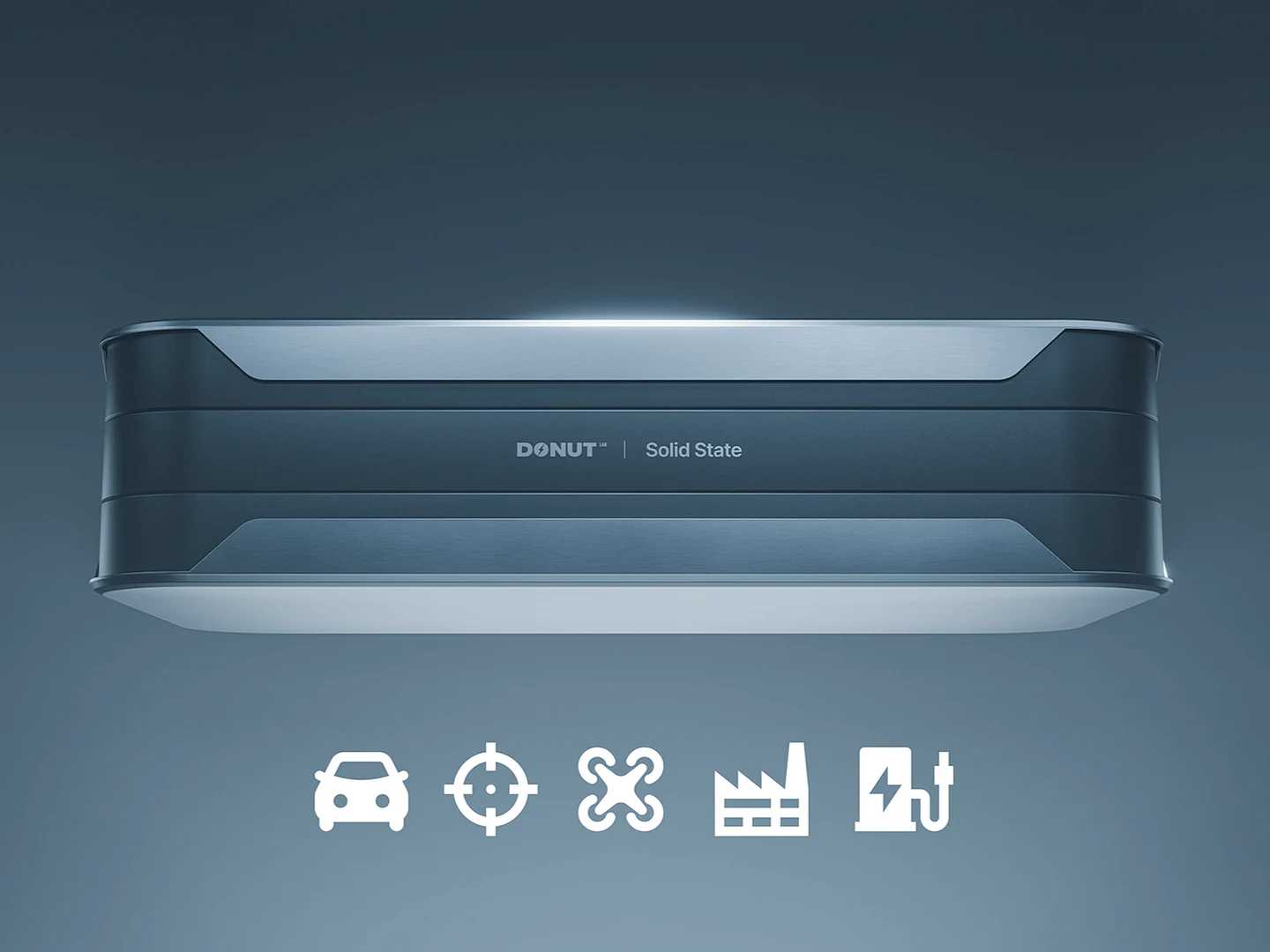
    3. Donut Lab claims to be ready for large-scale production of solid-state batteries, despite skepticism from industry experts.
    4. Industry experts, including Svolt Energy’s CEO, doubt the viability of Donut Lab’s claims and the existence of its battery.
    5. Independent testing certifications for Donut Lab’s product are currently lacking, with deliveries expected in early 2026.


    The battery industry is extremely cutthroat. New materials and technologies are coming into play, and shifts in pricing or political factors regarding essential raw materials for battery making are influencing most producers. For instance, the recent surge in lithium prices has led CATL to rethink its strategy for sodium-ion batteries to reduce its reliance on lithium.

    Competition in Battery Production

    While leading battery manufacturers like Toyota, Samsung, and several Chinese automakers are still in the process of developing solid-state batteries, Finnish startup Donut Lab has declared its readiness for large-scale production. On their website, the company asserts that it has tackled nearly all significant challenges the industry faces.

    Skepticism from Industry Experts

    Donut Lab makes some bold promises about its product. However, industry experts have pointed out how far-fetched these claims seem. Various news sources are quoting Yang Hongxin, the CEO of the Chinese battery firm Svolt Energy, who argues that such a battery doesn’t exist anywhere globally and is not viable for mass production.

    Future Developments

    Moreover, independent testing certifications are lacking for this product. Nevertheless, since the initial Donut Batteries are expected to begin delivery in the first quarter of 2026, it won’t be long before these assertions are scrutinized.

    In the meantime, take a look at the video below, where the manufacturer showcases their innovative solid-state battery.

    Donut Lab via cnevpost

    Source:
    Link


  • Hybrid Li-Mn Pack Achieves 500 Wh/kg Solid-State Battery for 500 Miles

    Hybrid Li-Mn Pack Achieves 500 Wh/kg Solid-State Battery for 500 Miles

    Key Takeaways

    1. China is introducing a standardization and classification system for solid-state batteries, focusing on solid-state electrolytes in its 5-year strategy, set to be official by July.

    2. Hybrid solid-liquid batteries, containing 95% solid electrolyte, are seen as a temporary solution before fully solid-state batteries, with companies like CATL continuing to use existing production lines.

    3. A new hybrid solid-liquid battery developed by FAW and Nankai University features manganese for the cathode, doubling the energy density to 500 Wh/kg compared to current LFP batteries.

    4. The innovative battery design incorporates in-situ-cured composite electrolyte technology, enhancing ionic conductivity, safety, and cost-effectiveness while extending battery lifespan.

    5. Prototype tests suggest that the hybrid battery could achieve over 1,000 km on a charge under favorable conditions, with plans for a future 200 kWh pack aiming for nearly 700 miles.


    As China focuses on solid-state electrolytes for the future of electric vehicle (EV) batteries in its new 5-year strategy, it is rolling out the first-ever standardization and classification system for solid-state batteries, which is set to be official by July.

    Classification of Batteries

    In this system, batteries are sorted based on the liquid content in their electrolyte. Those that contain 95% solid electrolyte have been termed hybrid solid-liquid batteries. Companies like CATL view this hybrid technology as a temporary solution leading up to fully solid-state batteries, which are known to be costly and typically have a shorter lifespan. The hybrids can still be manufactured using current lines designed for liquid electrolyte production.

    Breakthrough in Battery Technology

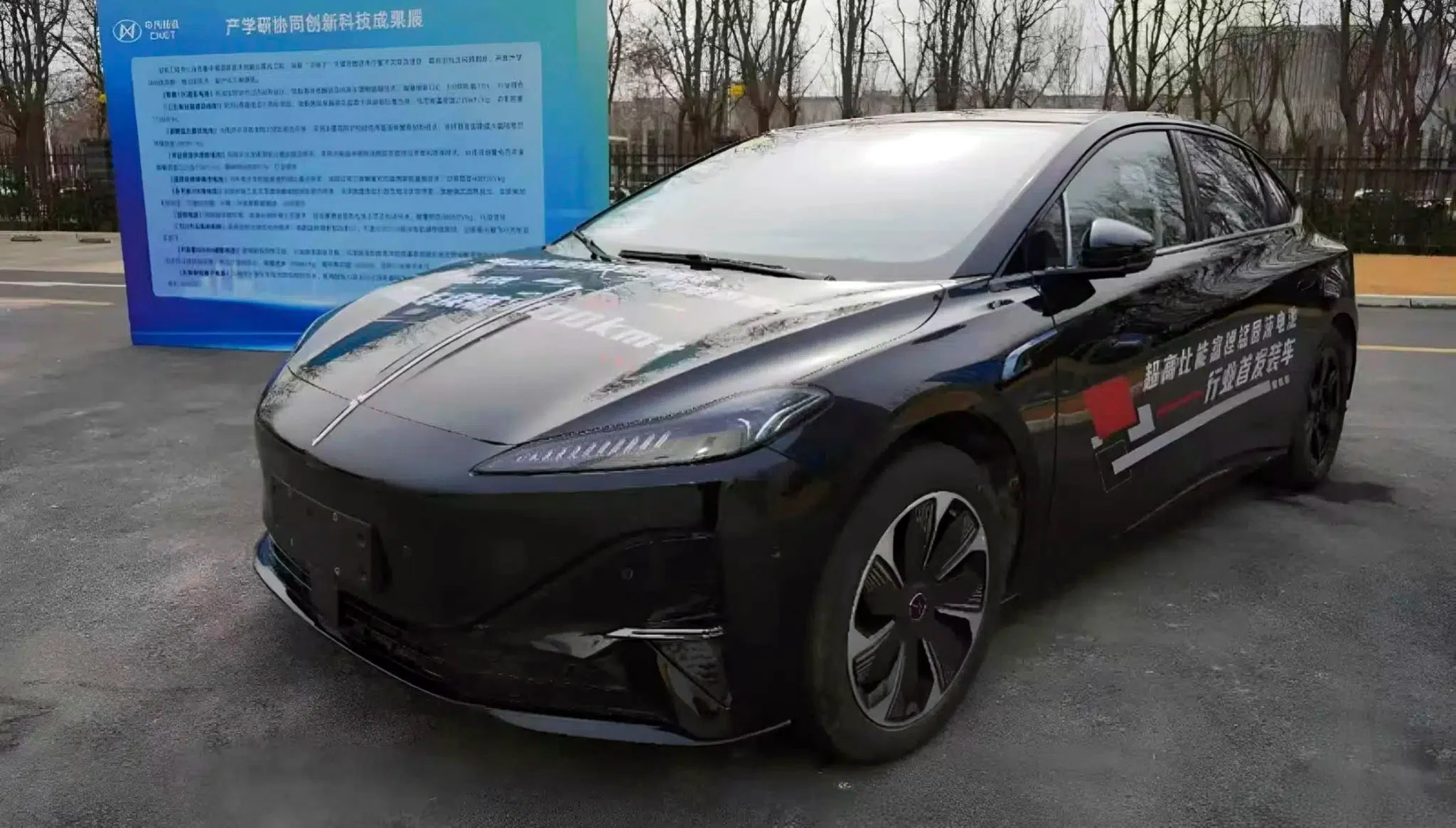
    Recent advancements in hybrid solid-liquid batteries are supporting CATL’s assertions. A new 142 kWh battery pack has been integrated into a FAW Group sedan, replacing an LFP battery that had about half the capacity of the new one.

    This innovative hybrid solid-liquid battery utilizes manganese for the cathode rather than the more costly nickel, achieving an energy density of 500 Wh/kg. This figure doubles the energy density of contemporary LFP batteries and aligns with the theoretical boundaries of first-generation all-solid-state batteries, which Toyota has claimed will be in its vehicles by 2028 amid much excitement.

    Collaborative Development

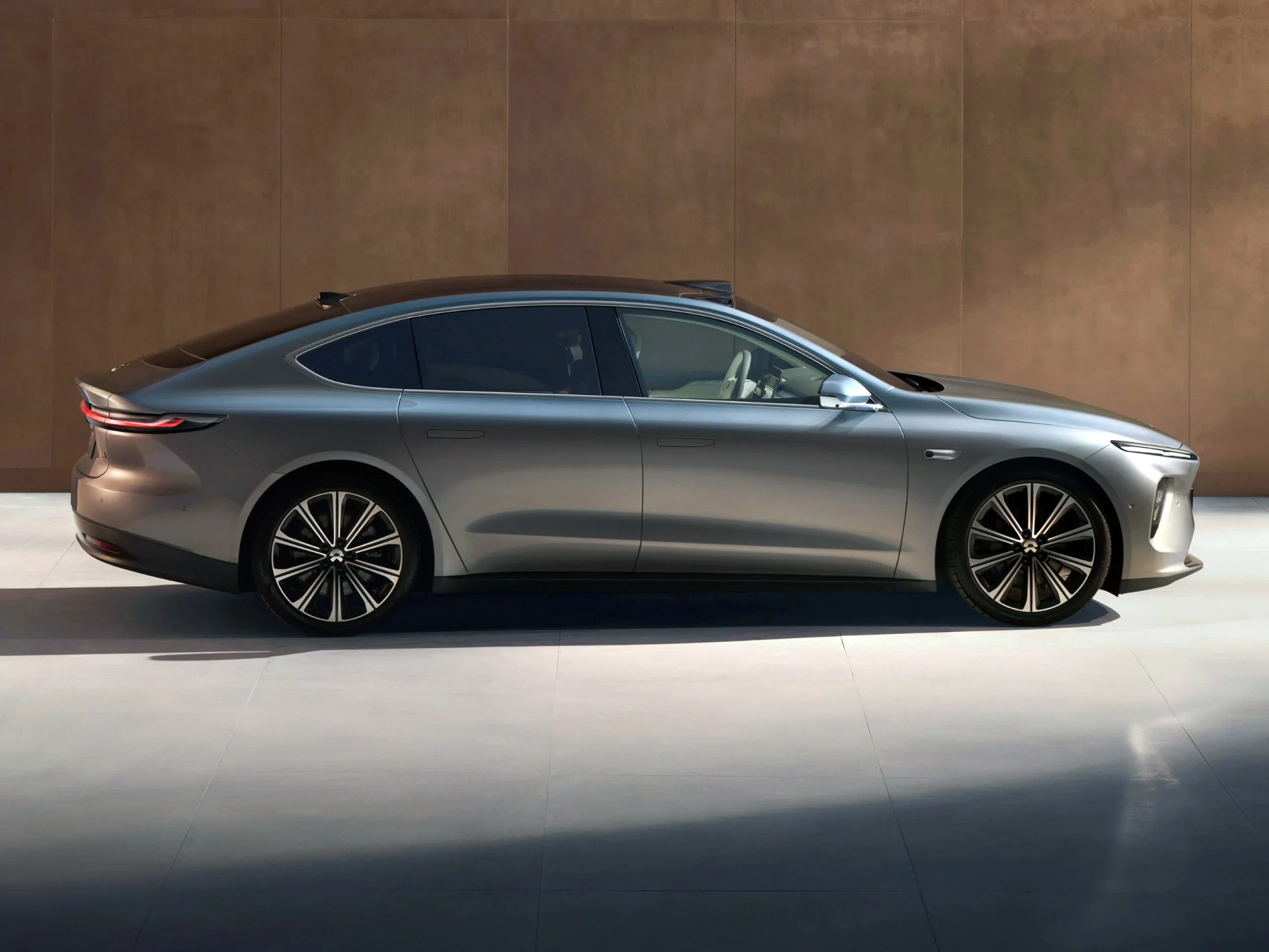
    The lithium-manganese battery with a solid-liquid electrolyte has been developed together by FAW, which is VW’s partner in China, and researchers from Nankai University. They have taken a different approach than existing semi-solid electrolyte batteries, such as the 150 kWh pack that NIO rents out for longer journeys, as it’s too pricey to sell with the car. NIO was a pioneer in this technology with its sedans, now capable of traveling over 650 miles on a charge of the hybrid liquid-solid battery.

    By replacing nickel with manganese, the researchers have successfully reduced the costs of the hybrid pack while maintaining energy density comparable to solid-state batteries. “The battery employs in-situ-cured composite electrolyte technology, which ensures high ionic conductivity, a broad electrochemical window, strong interfacial compatibility, flame resistance, and cost benefits,” the report reveals. The anode is also created in situ to enhance the battery’s longevity and safety, with the lithium-manganese cathode boasting an energy density of 300 mAh/g, surpassing even top LFP cells by a factor of two.

    Anticipated Performance

    Prototype range tests in FAW vehicles are projected to achieve over 1,000 km on a single charge. However, this figure is based on the more favorable local CLTC standard. With the average EV efficiency being about 30 kWh for every 100 miles, the hybrid battery is estimated to reach a 500-mile range according to EPA standards. The next version being prepared by the team is a 200 kWh pack that aims to deliver nearly 700 miles on a charge, all while maintaining a compact design.

    Source:
    Link


  • Sodium-Ion Batteries Tested in Winter EVs Amid Rising Lithium Costs

    Sodium-Ion Batteries Tested in Winter EVs Amid Rising Lithium Costs

    Key Takeaways

    1. Lithium carbonate prices fell sharply from over $80,000 per ton in 2022 to below $10,000 due to increased supply and weakened demand for electric vehicles.
    2. The decline in lithium prices halted many mining and battery production projects, but prices are now rising again due to artificial supply constraints and a thriving energy storage market.
    3. Lithium prices surged from $17,000 in December to $26,000 in January, leading major battery manufacturers like BYD and CATL to resume sodium-ion production projects.
    4. CATL’s sodium-ion battery pack maintains 90% capacity at -40°C and can be charged at -30°C, making them suitable for extreme weather conditions and safer than lithium-based batteries.
    5. Sodium-ion batteries could potentially replace up to half of the current lithium iron phosphate (LFP) batteries in electric vehicles, depending on the results of ongoing cold-weather testing.


    After reaching a high of over $80,000 per ton in 2022, the cost of EV battery-grade lithium carbonate fell sharply to below $10,000 last year. This decline was due to a significant increase in supply while the demand for electric vehicles weakened.

    The Impact on Lithium Mining

    The sharp drop in lithium prices halted numerous lithium mining and sodium-ion battery production initiatives, as the lower prices rendered many of these projects unprofitable. Now, however, lithium prices are soaring again, driven by artificial supply constraints, such as the closure of mines due to regulatory actions in China, while the energy storage and electric vehicle export markets are thriving.

    Price Surge and Industry Response

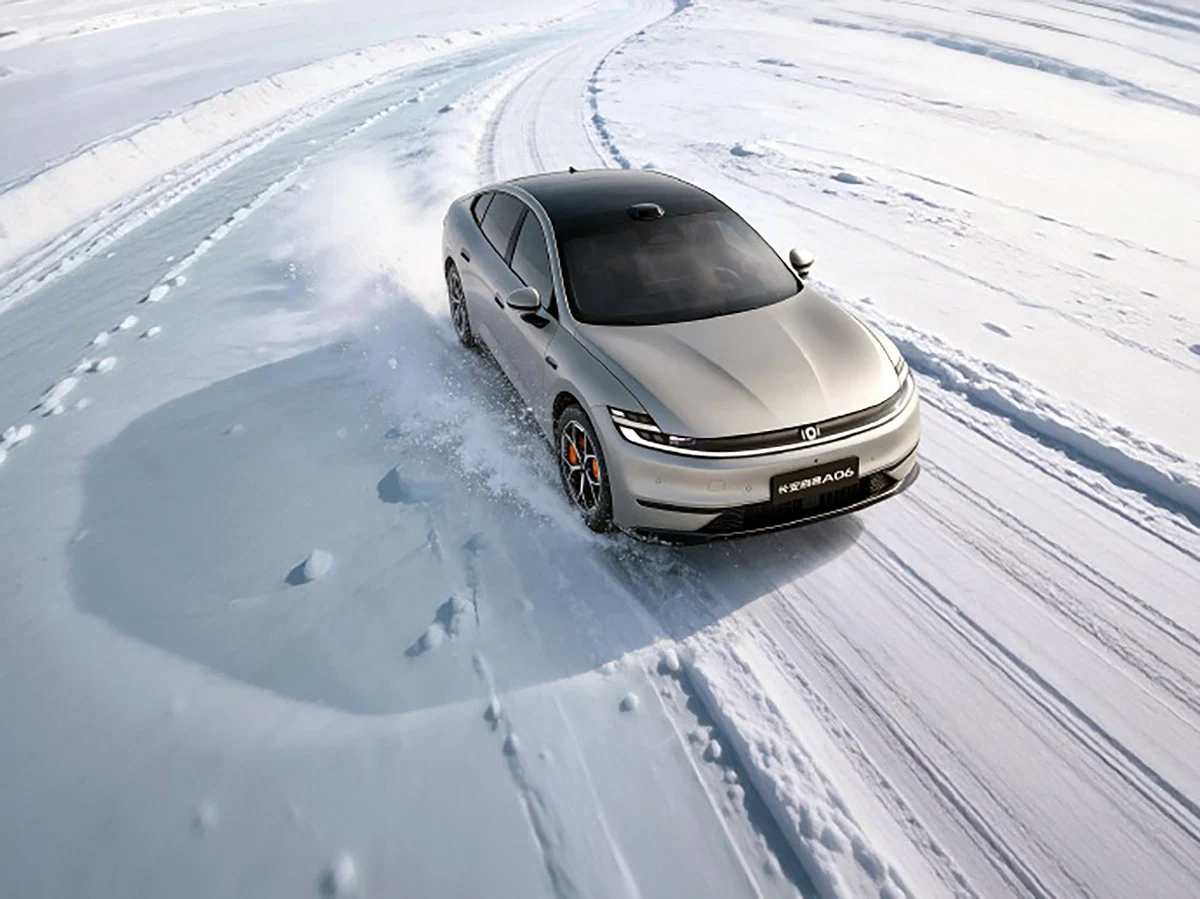
    The price jumped from $17,000 in December to $26,000 in January, prompting the two largest battery manufacturers, BYD and CATL, to resume their commercial sodium-ion production projects. In a related development, CATL has started testing its Naxtra sodium-ion battery pack in cold weather conditions with retail passenger vehicles from Chinese brands like Changan.

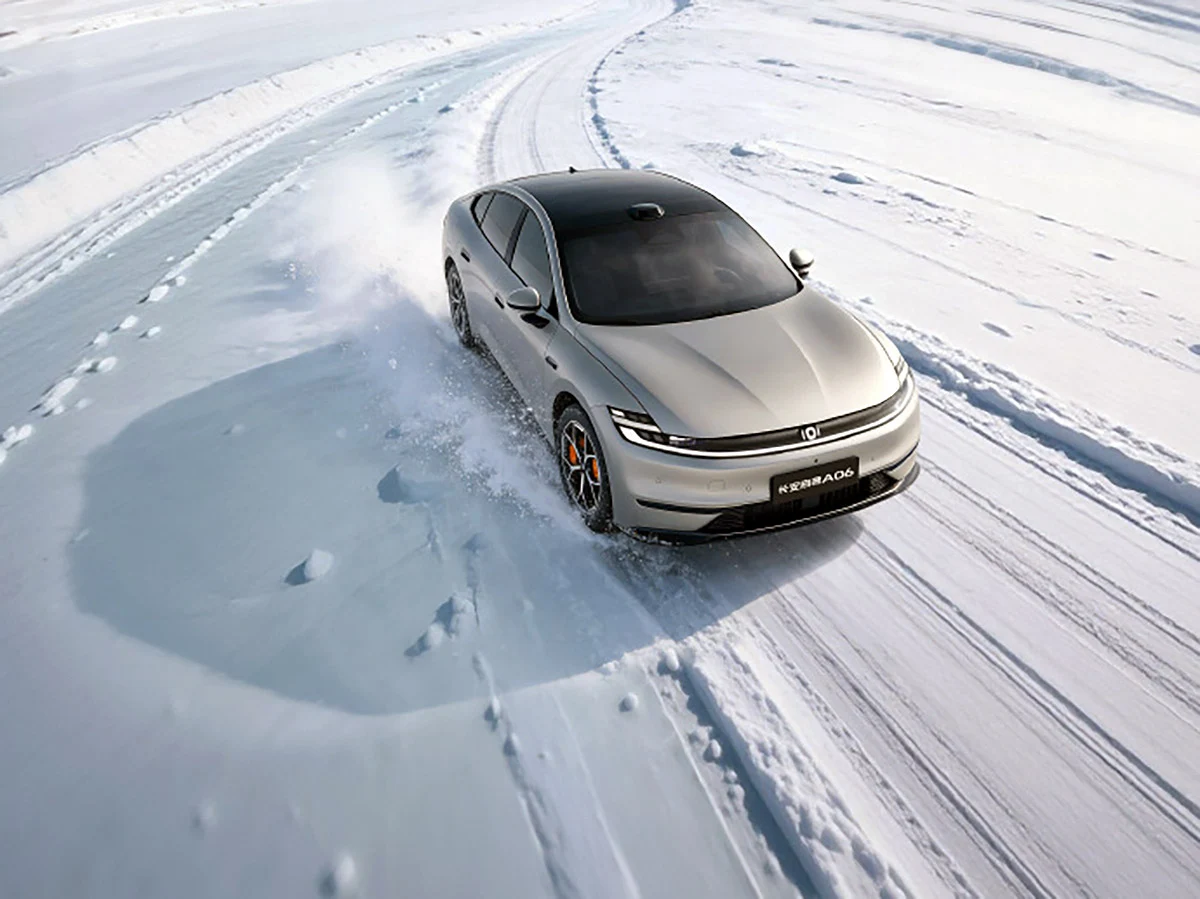
    Changan has announced that it will provide details on the results of the cold weather testing of CATL’s sodium-ion battery with its Oshan series sedan in Inner Mongolia on February 5. The testing location, Yakshi, Hulunbuir, is currently facing temperatures that drop to -35°C (-31°F), which is near the threshold for charging tests of sodium-ion batteries.

    Promising Features of Sodium-Ion Batteries

    Recently, CATL introduced a sodium-ion battery pack designed for commercial vehicles that maintains 90% of its capacity at -40 degrees and can be charged normally even at -30°C (-22°F). This feature of sodium-ion batteries makes them appealing for use in various weather conditions. They are also considered safer since they do not contain volatile lithium and are more cost-effective than LFP batteries, especially now that lithium prices are on the rise.

    According to CATL’s CEO, sodium-ion batteries could replace up to half of the current LFP chemistry favorites in mainstream electric vehicles, making it intriguing to see how the cold-weather tests of the Naxtra battery with actual passenger vehicles will turn out.

    Source:
    Link


  • CATL Launches 1 Million-Mile Battery: Charges in 12 Minutes

    CATL Launches 1 Million-Mile Battery: Charges in 12 Minutes

    Key Takeaways

    1. CATL has developed a 5C battery that can be fully charged in just 12 minutes and maintains 80% capacity through its lifespan, achieving 1.8 million kilometers (1.12 million miles) before significant capacity loss.

    2. The battery can endure 1,400 charge-discharge cycles at extreme temperatures (60°C) and up to 3,000 cycles in milder conditions (20°C), making it the first million-mile EV battery with rapid charging capabilities.

    3. CATL’s range estimates for electric vehicles equipped with this battery are based on a 600 km (373-mile) average, which may be optimistic compared to EPA figures, but still allows for up to 750,000 miles of use before recycling.

    4. Innovations in battery design include self-repairing electrodes, consistent coating on the cathode to prevent cracks, and improved cooling systems, all contributing to enhanced longevity and safety.

    5. CATL is collaborating with NIO to supply these long-lasting batteries, aiming for a 15-year warranty and at least 85% capacity retention, which could significantly benefit the second-hand EV market.


    The largest battery manufacturer in the world has successfully combined the durability of electric vehicle (EV) batteries with rapid charging features. Following the introduction of the 4C Shenxing battery, which can go from 0-80% in just 15 minutes last year, a new version of its chemistry and production technique has increased the charging speed to 5C while ensuring a long lifespan.

    Impressive Charging Speed

    The latest 5C battery from CATL can be fully charged in only 12 minutes and still maintain at least 80% of its capacity throughout the electric vehicle’s lifespan. It can handle 1,400 complete charge-discharge cycles at 5C speeds in extreme heat of 60°C (120°F), or an astonishing 3,000 cycles in milder 20°C weather.

    This advancement means that CATL has developed the first million-mile EV battery capable of 5C charging, making those quick coffee-break charging advertisements a reality. The company claims that this battery can power an electric vehicle for over 1.8 million kilometers, which is around 1.12 million miles, before its capacity decreases to 80% of the original.

    Range Estimates and Comparisons

    It’s important to note that CATL’s calculations are based on a 600 km (373-mile) average EV range, which may seem a bit too optimistic, likely reflecting the local CLTC range testing cycle. This estimate is about a third more generous than the EPA’s figures in the US, as it includes more urban driving.

    However, even with this discrepancy, electric cars equipped with CATL’s new long-lasting battery will manage to cover up to 750,000 miles before the battery needs recycling, effectively outliving the vehicle based on the average annual mileage in the US.

    Innovations in Battery Design

    To achieve such remarkable longevity, CATL has tackled three main vulnerabilities associated with fast-charging EV batteries. Firstly, the electrodes have been engineered to self-repair by incorporating an SEI additive into the electrolyte, which helps to heal microcracks that develop during rapid charging. These cracks lead to lithium leakage and accelerate battery capacity loss.

    Furthermore, the coating film on the cathode has been made more consistent to reduce the occurrence of these cracks, while the separator coating diminishes ion transfer during elevated temperatures, thus preventing thermal runaway.

    Additionally, the design of the battery pack has been enhanced, allowing coolant to be directed to the areas that need it most at any moment, ensuring the cells stay cool under any conditions and significantly extending the lifespan of the pack.

    Future Collaborations

    While CATL has not yet disclosed which automaker will be the first to utilize its new long-lasting fast-charging batteries, it has recently entered into an agreement with NIO to supply these batteries that are expected to last the entire lifespan of an EV.

    Both NIO and CATL are working towards establishing a national EV standard that would require a 15-year battery warranty, ensuring at least 85% capacity retention. The technology appears to be in place, and CATL’s new million-mile 5C battery could dramatically enhance the second-hand EV market as well, as battery lifespan has been a primary concern for buyers of used electric vehicles, especially regarding fast-charging capabilities.

    Source:
    Link


  • First Sodium-Ion Battery Works at -40°C with 90% Capacity Retention

    First Sodium-Ion Battery Works at -40°C with 90% Capacity Retention

    Key Takeaways

    1. CATL has launched the first sodium-ion battery for mass production, designed for low-temperature performance in commercial vehicles.
    2. The sodium-ion battery can charge in temperatures as low as -30°C and only experiences a 10% capacity reduction at -40°C.
    3. This battery is cost-effective, using abundant sodium instead of costly lithium, and is safer due to lower volatility.
    4. CATL also introduced long-range and rapid-charge battery models for light-duty vehicles, with one model offering a 500-mile range.
    5. The sodium-ion battery has an energy density of 175 Wh/kg, making it competitive with lithium iron phosphate (LFP) technology.


    The biggest battery manufacturer in the world, CATL, has introduced the first sodium-ion battery intended for mass production. This battery is promoted as a “low-temperature” option for commercial vehicles, capable of charging in frigid conditions as low as -30 degrees Celsius (-22 Fahrenheit). Even at -40 degrees, it only experiences a 10% reduction in capacity.

    Addressing Cold Weather Challenges

    CATL’s latest sodium-ion battery effectively addresses the issues faced by light electric trucks, vans, and other commercial vehicles in extremely cold environments, which current lithium-ion batteries struggle to handle.

    Cost-Effective and Safe

    Rather than relying on the costly lithium carbonate which is currently increasing in cost, CATL’s Tianxing II low-temperature battery utilizes sodium, a resource that is both plentiful and economical. The conductivity remains stable in lower temperatures and sodium is far less volatile than lithium, making the 45 kWh Na-ion battery a safer option in case of accidents.

    Enhanced Performance and New Offerings

    In addition to their sodium-ion battery designed for cold climates, CATL has also introduced new models of long-range and rapid-charge batteries for light-duty vehicles. The long-range battery features a substantial 253 kWh pack that can drive a truck up to 500 miles, while the fast-charge variant can be fully charged in just 18 minutes, meeting the needs of various fleets.

    Impressive Energy Density

    What’s particularly remarkable is that CATL’s sodium-ion battery boasts an impressive energy density of 175 Wh/kg, almost twice that of the initial commercially available sodium-ion batteries. This makes it competitive with popular and cost-effective LFP battery technology. Furthermore, there are now commercial items like the first sodium-ion jump starter available on Amazon, highlighting the growing market for this emerging battery technology.

    Source:
    Link


  • New Low-Pressure Method Cuts Solid-State Battery Electrolyte Costs 70%

    New Low-Pressure Method Cuts Solid-State Battery Electrolyte Costs 70%

    Key Takeaways

    1. China has launched a program to categorize and standardize solid-state batteries, emphasizing their importance in electric vehicles and energy storage over the next five years.
    2. Local companies, including startups and major firms like CATL, are piloting solid-state battery production, achieving energy densities between 350-500 Wh/kg.
    3. Initial solid-state batteries in mass production are expected to have lower energy densities than theoretical limits, with current products around 350-360 Wh/kg.
    4. High production costs are a major challenge, but researchers have found ways to reduce costs by modifying traditional electrolyte structures, achieving significant price reductions.
    5. A new solid electrolyte composition has been developed that improves ion conductivity, flexibility, and production efficiency, potentially making all-solid-state lithium batteries more viable.


    China has recently launched a pioneering program for the categorization and standardization of solid-state batteries. This initiative highlights the country’s commitment to prioritizing solid-state battery advancements in its electric vehicle and energy storage strategies over the next five years.

    Local Production Initiatives

    Various local firms, ranging from new startups to major players like CATL, have begun pilot production of solid-state batteries. These batteries boast energy densities between 360 and 500 Wh/kg, and some have even pushed theoretical limits to 700 Wh/kg by utilizing polymer electrolytes in their designs.

    Performance and Safety Challenges

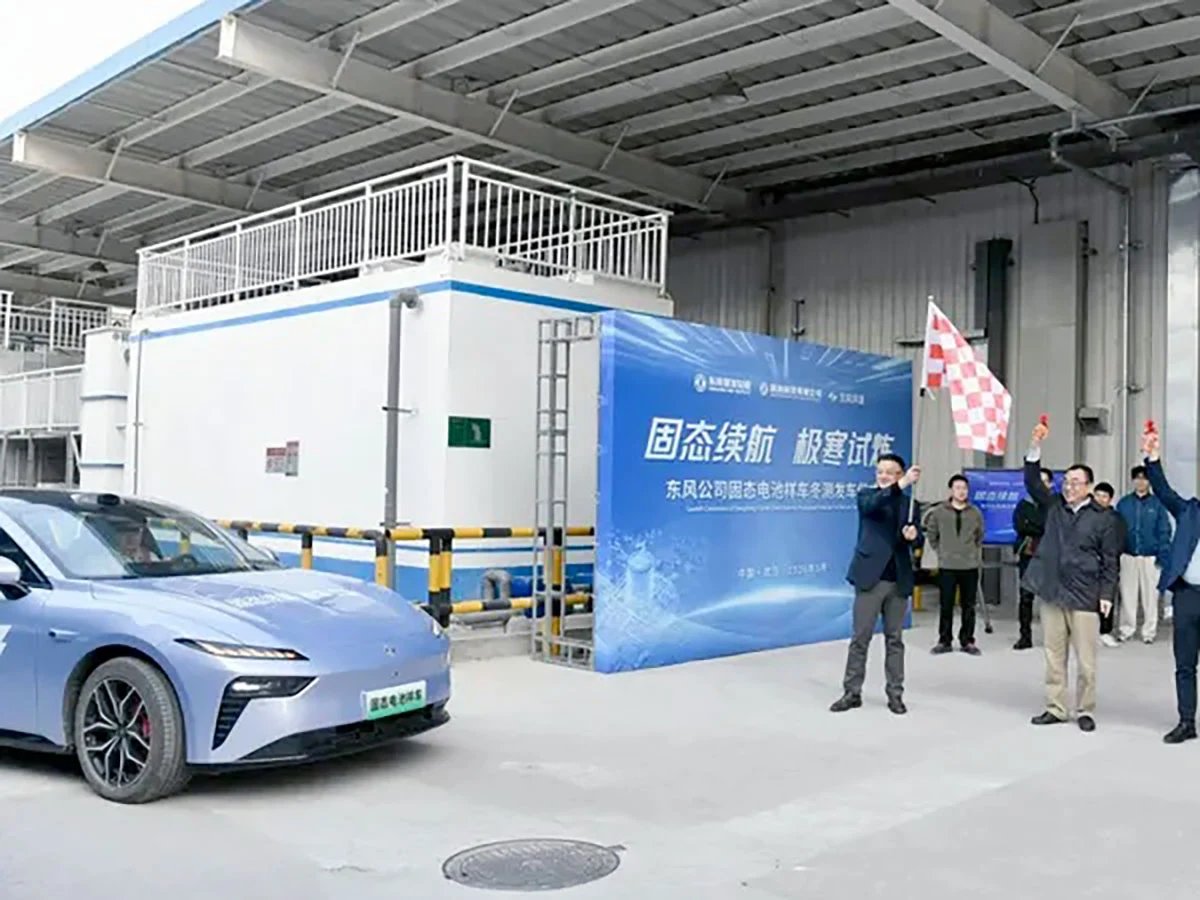
    However, the energy density of the initial solid-state batteries in mass production is expected to be lower than the previously stated theoretical cap of 500 Wh/kg. Companies such as Hylic, which has launched the first dedicated production line for solid-state batteries, and Dongfeng, currently testing its own solid-state battery in extremely low temperatures, are both advertising energy densities around 350-360 Wh/kg. They are working hard to balance performance, safety, and manufacturing costs, which is why Hylic points out the lower energy density in their products.

    Tackling Manufacturing Costs

    One of the major hurdles for the successful commercialization of solid-state batteries is their high production costs. In response, Chinese researchers have been making progress in this area. They discovered a method to reduce costs by modifying the electrolyte structure of a traditional zirconium-based mixture. Another research group has adjusted the composition of this mixture to achieve an estimated material cost of $43.70 per liter, which is approximately 70% lower than the cost of the widely used Li₂ZrCl6 solid electrolyte known for its affordability.

    Innovative Electrolyte Composition

    The new solid electrolyte consists of lithium, zirconium, aluminum, chlorine, and oxygen in a ratio of 1.4Li2O-0.75ZrCl4-0.25AlCl3. This compound not only provides adequate ion conductivity but is also notably more flexible and can be applied with significantly less pressure, which greatly reduces production costs. The material has been tested for compatibility with existing manufacturing methods and has shown good capacity retention.

    The research team from the University of Science and Technology of China states that achieving a balance of strong mechanical compliance, lithium-ion conductivity, and cost efficiency in the 1.4Li2O-0.75ZrCl4-0.25AlCl3 composition could be key to making practical all-solid-state lithium batteries a reality.

    Source:
    Link


  • First Factory for 360 Wh/kg Solid-State Batteries Opens

    First Factory for 360 Wh/kg Solid-State Batteries Opens

    Key Takeaways

    1. China is the first nation to establish standards for solid-state batteries, aiming to speed up market introduction of solid electrolyte cells.
    2. Hybrid solid-liquid batteries, which contain 5% liquid and 95% solid electrolyte, are recognized for being cheaper to produce while offering high energy density and safety.
    3. Startups like WeLion are successfully developing innovative battery solutions, such as a 150 kWh battery pack for NIO’s ET7 sedan that provides over 650 miles of range.
    4. Established companies like CATL are now considering hybrid batteries as a practical interim solution while they work on true solid-state batteries.
    5. The world’s first dedicated solid-liquid battery manufacturing plant is being built by Hylic, aiming to produce batteries with significant range and efficiency for various applications.


    China has recently taken a big step by becoming the first nation to try to establish standards for solid-state batteries. Both new companies like WeLion and established players such as CATL are in competition to lead in the next generation of electric vehicle (EV) range and safety.

    Advancing Battery Technology

    The goal of the solid-state battery standard initiative is to hasten the process of bringing cells with solid or nearly solid electrolytes to the market. The new national classification differentiates between these types. Batteries that were previously labeled as semi-solid, which consist of 5% liquid and 95% solid electrolyte, are now referred to as hybrid solid-liquid batteries. These batteries are less expensive to produce compared to those with a 100% solid electrolyte, yet they are almost equally safe and provide significantly higher energy density than current ternary batteries that use volatile liquid electrolytes.

    Innovations from NIO and WeLion

    For example, NIO approached CATL to produce the solid-liquid battery it had developed. However, CATL, the largest EV battery manufacturer globally, initially dismissed the idea, viewing it as costly and not practical, which are two issues CATL typically avoids. Consequently, NIO sought assistance from the startup WeLion and successfully created a 150 kWh battery pack that allows its ET7 sedan to travel over 650 miles on just one charge.

    A Shift in Perspective

    Eventually, CATL revised its opinion and now sees solid-liquid batteries as a viable interim solution while working towards commercializing true solid-state batteries, which remain fairly costly to produce. In contrast, startups in China are focusing directly on developing and manufacturing hybrid or solid-state batteries, skipping the liquid electrolyte phase where they find it hard to compete against major companies like CATL or BYD.

    One such innovative company, Hylic, has started constructing the world’s first production line exclusively for hybrid batteries containing 95% solid electrolyte, also known as solid-liquid packs. Though these batteries don’t provide the same high energy density as solid-state batteries, Hylic’s cells, with only 5% liquid electrolyte, still achieve 360 Wh/kg, which is about 50% more than the average energy density of current EV batteries, and they can last for 1,000 charging cycles.

    Future of EV Battery Production

    The establishment of the first dedicated solid-liquid battery manufacturing plant could lead to electric vehicles capable of 500-600 miles of range at a reasonable cost, thanks to the benefits of large-scale production. Hylic has already initiated the first phase of construction and aims to deliver 10 GWh of solid-state battery capacity for various applications, including robots, drones, and electric vehicles.

  • Sodium-Ion Batteries Cheaper Than Lithium as CATL Launches Mass Production

    Sodium-Ion Batteries Cheaper Than Lithium as CATL Launches Mass Production

    Key Takeaways

    1. CATL plans to begin large-scale production of sodium-ion batteries in 2026 to take advantage of rising lithium prices.
    2. The Naxtra sodium-ion battery line will serve various applications, including electric vehicles and energy storage systems.
    3. The production of sodium-ion cells has become more cost-effective compared to traditional lithium ferrophosphate (LFP) batteries.
    4. The Naxtra sodium-ion battery has an energy density of 175 Wh/kg and performs well in extreme temperatures (-40℃ to 70℃).
    5. CATL claims that electric vehicles using Naxtra batteries could achieve over 300 miles of range on a single charge, with initial deliveries planned for 2026.


    The largest battery manufacturer in the world, CATL, is set to capitalize on increasing lithium prices by commencing large-scale production of sodium-ion batteries in 2026. The groundbreaking Naxtra line of sodium-ion batteries will be utilized in electric vehicles, energy storage systems, commercial transport, and even battery swap stations on a large scale.

    Shifting Plans Amid Lithium Prices

    Since the peak in 2022, the significant decline in battery-grade lithium carbonate prices has pushed CATL to downplay its sodium-ion battery production strategies. Although CATL developed sodium-ion cells with energy density comparable to LFP batteries, the supply of lithium was artificially constrained due to the Chinese government’s suspension of mining operations. This intervention has contributed to a gradual recovery in lithium prices.

    New Opportunities for Naxtra

    With the end of the downturn for lithium, CATL has accelerated its plans for mass production of the Naxtra sodium-ion battery line. Given that sodium-ion cells have become less expensive to produce compared to conventional lithium ferrophosphate (LFP) batteries, customers have begun informing CATL that they are ready to receive their orders.

    The Naxtra sodium-ion battery boasts an impressive energy density of 175 Wh/kg, nearly matching the energy density of LFP batteries commonly found in electric cars and energy storage solutions. Recently, sodium-ion starter batteries have even appeared on Amazon, which perform better in cold conditions than typical 12V car batteries.

    Promising Features and Performance

    CATL emphasizes that the Naxtra sodium-ion battery line is primed to shine alongside lithium batteries as early as next year. With a remarkable temperature retention range of -40℃ to 70℃, Naxtra has also become the first commercial sodium-ion battery to meet China’s stringent safety and performance regulations.

    According to CATL, an electric vehicle fitted with their sodium-ion battery could achieve a range of over 300 miles on a single charge, even in extreme cold. This claim will be tested in 2026 when the initial Naxtra packs are scheduled for delivery to various undisclosed clients.

    Source:
    Link


  • CATL Surpasses Tesla with Humanoid Robots for EV Battery Production

    CATL Surpasses Tesla with Humanoid Robots for EV Battery Production

    Key Takeaways

    1. Tesla’s Optimus robot is experiencing performance issues, including overheating joints and malfunctions.
    2. CATL has successfully deployed the Moz robot for mass production in the electric vehicle battery sector, marking a significant industry achievement.
    3. The Moz robot performs complex quality assurance tasks, showing capabilities beyond simple assembly tasks demonstrated by Tesla’s Optimus.
    4. The Moz robot boasts a 99% insertion success rate and adapts in real-time to changes in material positions and connection points.
    5. Analysts express concerns about overcapacity in China’s humanoid robot market, despite CATL’s leadership in the EV and battery sectors.


    While Tesla seems to be facing issues with the performance of its Optimus robot in factories, experiencing problems like overheating joints and frequent malfunctions in its intricate hand mechanism, CATL has proudly announced a significant achievement. They have successfully deployed a humanoid robot for mass production in the electric vehicle battery sector.

    CATL’s Moz Robot Breakthrough

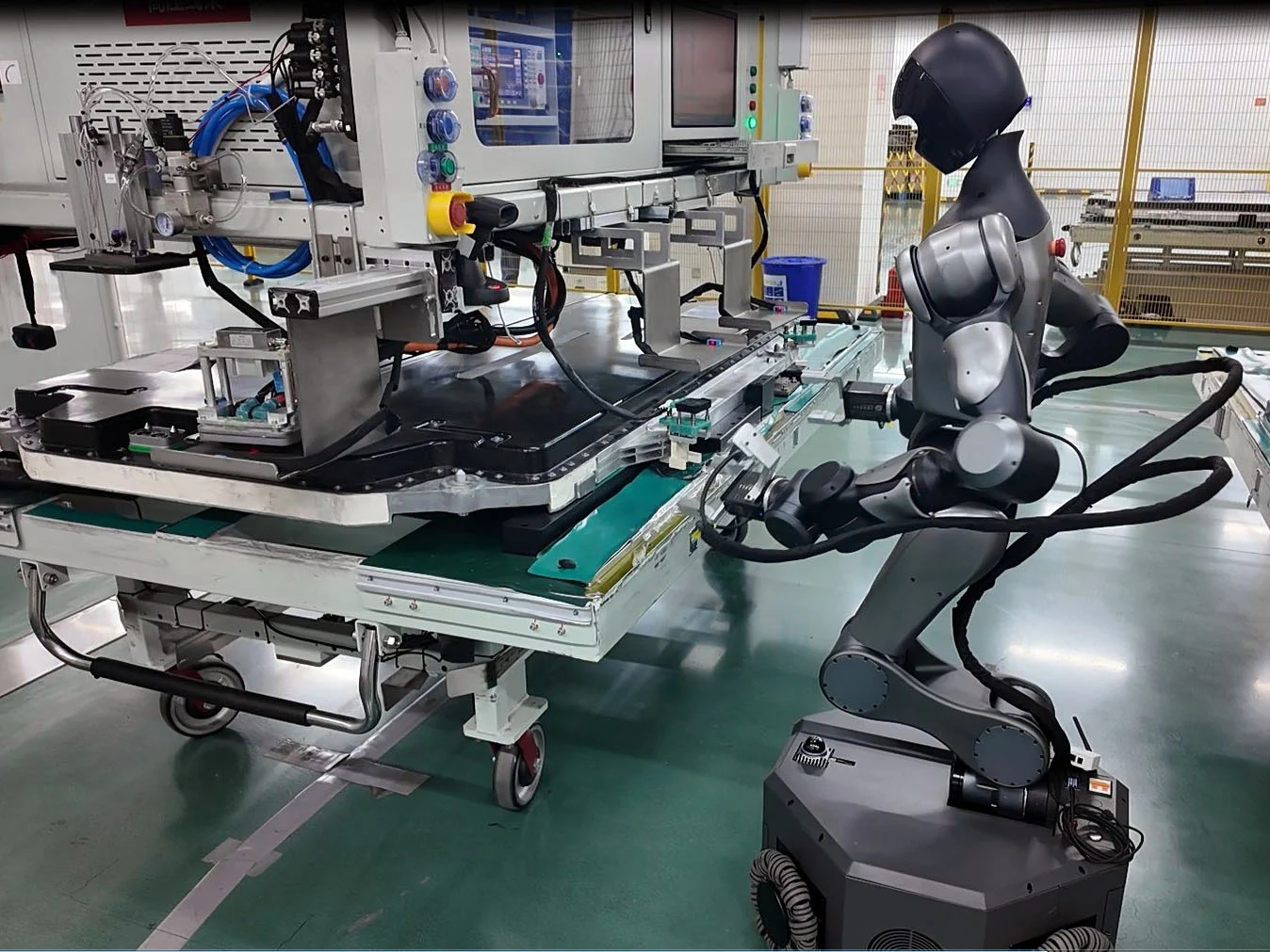
    The Moz robot, created by CATL’s Spirit AI subsidiary, is operating “the world’s first power battery pack production line to achieve large-scale deployment of humanoid embodied intelligence robots,” as stated by the leading battery manufacturer. This deployment marks a notable milestone in the industry.

    Precision Tasks Beyond Tesla’s Reach

    The tasks that the Moz robot undertakes are not as straightforward as Tesla’s Optimus video, which shows the robot simply picking up and placing 4680 battery cells into a crate. The Moz robot performs critical quality assurance roles, where it must attach battery connectors with a level of precision and speed comparable to that of “skilled human workers,” according to CATL.

    Impressive Performance Metrics

    Achieving a remarkable 99% insertion success rate, the Moz robots utilize an end-to-end vision model that allows them to adapt to “material position deviations and connection point changes, continuously modifying their operational posture in real-time.” Additionally, CATL’s humanoid robot can effectively gauge the force required to secure the harness without risking damage to the delicate wires. “Moz demonstrated strong environmental perception and task generalization capabilities,” CATL asserts.

    China is currently filled with AI companies focused on humanoid robots. Some analysts caution that the market may be reaching an overcapacity stage, which contributed to its status as a global leader in the EV and battery sectors. Hence, the news regarding CATL’s Moz robot deployment in mass production lines isn’t particularly surprising.

    Source:
    Link