
– CATL’s sodium-ion batteries achieved a 15,000-cycle lifespan (20 years), surpassing LFP batteries in high-frequency cycling.
– Over $1.5 billion in R&D solved hard-carbon electrode issues, enabling a 300-mile range and extreme cold-weather resilience down to -25°C.
– New “One Shell, Two Cells” platform allows swapping between lithium-ion and sodium-ion cells in the same chassis without modifying thermal systems.
– Sodium-ion cell costs expected to match lithium by 2026 and become cheaper than LFP by 2027, with supplier Ronbay scaling cathode production.
Big News from CATL’s Sodium-Ion Breakthrough
CATL’s sodium-ion cells have now cleared a 15,000-cycle benchmark ahead of theyre mass production later this year, which translates to a 20-year operational lifespan. For comparison, that is a level of longetivity exceeding the one of the popular lithium iron phosphate (LFP) batteries when used in high-frequency cycling applications. This is a massive step forward for energy storage technology, showing that sodium can finally rival and even beat traditional chemistries in durabilty.
Investments and Manufacturing Advances
According to its industry briefing before China’s Ministry of Industry and Information Technology, CATL has invested close to $1.5 billion in R&D over more then a decade to crack the code of hard-carbon electrode manufacturing. It has resolved moisture control and cell gassing during production, resulting in a product that can outlast the vehicle it is instaled in, with energy density allowing a 300-mile range on the EPA cycle (600 km CLTC). This massive investment shows a long-term commitment to making sodium-ion viable for the masses.
Cold Weather Performance is a Trump Card
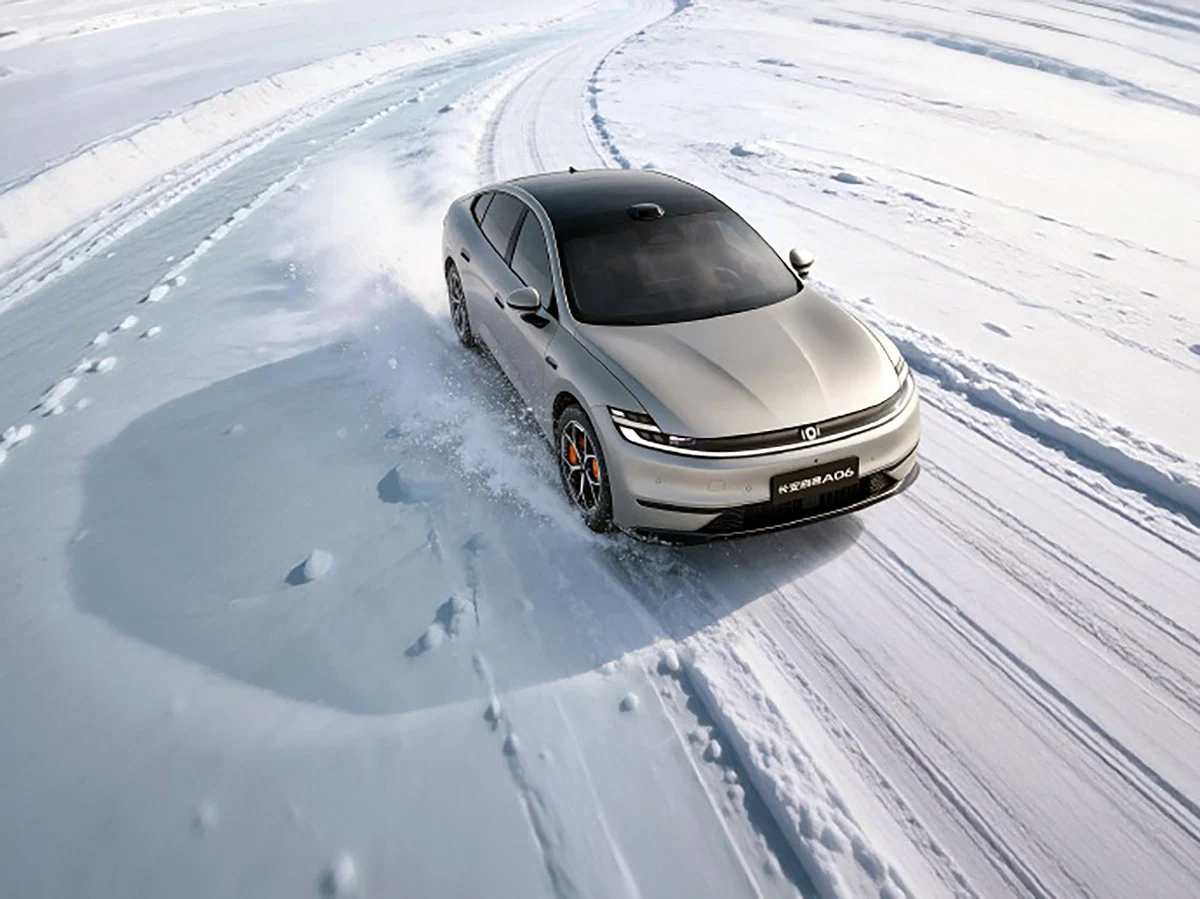
Then there’s cold-weather performance, which has historically been sodium-ion’s trump card over lithium, so CATL has built on the chemistry’s advantages. In northern regions like Xinjiang, where temperatures regularly fall below -25°C (77°F), conventional LFP batteries’ charging times can double and usable capacity can shrink by up to 40%. Sodiums electrochemical properties make it way less susceptible to this kind of winter degradation, making sodium-ion batteries a unique contender for application in passenger vehicles, logistics fleets, mining operations, and grid storage across freezing northern climates. This could be a game-changer for cold regions.
New Platform Architecture
To make Na-ion battery deployment frictionless ahead of mass production, CATL also detailed a new “One Shell, Two Cells” platform architecture. The design uses a standardized physical enclosure that can house either lithium-ion or sodium-ion cells within the exact same dimensional footprint, meaning operators can easily swap chemistries based on climate without touching the thermal management systems or vehicle chassis. This flexibility could simplify manufacturing and reduce costs for automakers.
Supply Chain and Cost Parity Coming Soon
CATL has achieved the 20-year battery lifespan with the help of its suppliers like Ronbay Technology, which makes the cathode mixes. Ronbay has confirmed that its sodium materials have independently verified the 15,000-cycle figure, and the supplier is now scaling capacity from 6,000 tons annually to a planned 28,000 tons by the end of 2026. Industry analysts expect that sodium-ion cell costs will reach parity with the current mass battery chemistry in 2026 and will become cheaper than the ubiquitous LFP batteries in 2027. This cost trajectory is extremely promising for widespread adoption.