Tag: Solid State Batteries

  • SolidForge: Rugged Solid-State Power Bank with MagSafe Support

    SolidForge: Rugged Solid-State Power Bank with MagSafe Support

    Key Takeaway

    1. Solid-state batteries, like those used in SolidForge power banks, are designed to be safer and resistant to thermal runaway even when damaged.
    2. The SolidForge power bank is available in 5,000mAh and 10,000mAh capacities, with the larger version offering higher wireless (25W) and wired (45W USB-C) outputs.
    3. Features include a TFT display for capacity and output info, fast recharging at 30W, and a compact design with slight size and weight differences between models.
    4. The product is currently available via a crowdfunding campaign, with potential risks and costs for backers.

    Introduction to Lithium Power Banks and Safety Concerns

    Power banks and batteries that use lithium are generally a mature technology and widely available. They are considered safe for everyday use and do not normally pose unacceptable safety risks. However, if a typical power bank gets badly damaged, it still can go into thermal runaway which can cause fires, property damage, and serious injuries. That’s why more safety-focused batteries are being developed.

    Solid-State Batteries and the SolidForge Power Bank

    Solid-state batteries are claimed to behave more safely even when heavily damaged, which is quite promising. SolidForge is a company that is trying to showcase this feature through a video in their crowdfunding campaign for their power bank. The video features a drill being driven through the power bank, yet no smoke or flames are seen, aiming to demonstrate its safety features.

    Design, Capacity, and Features

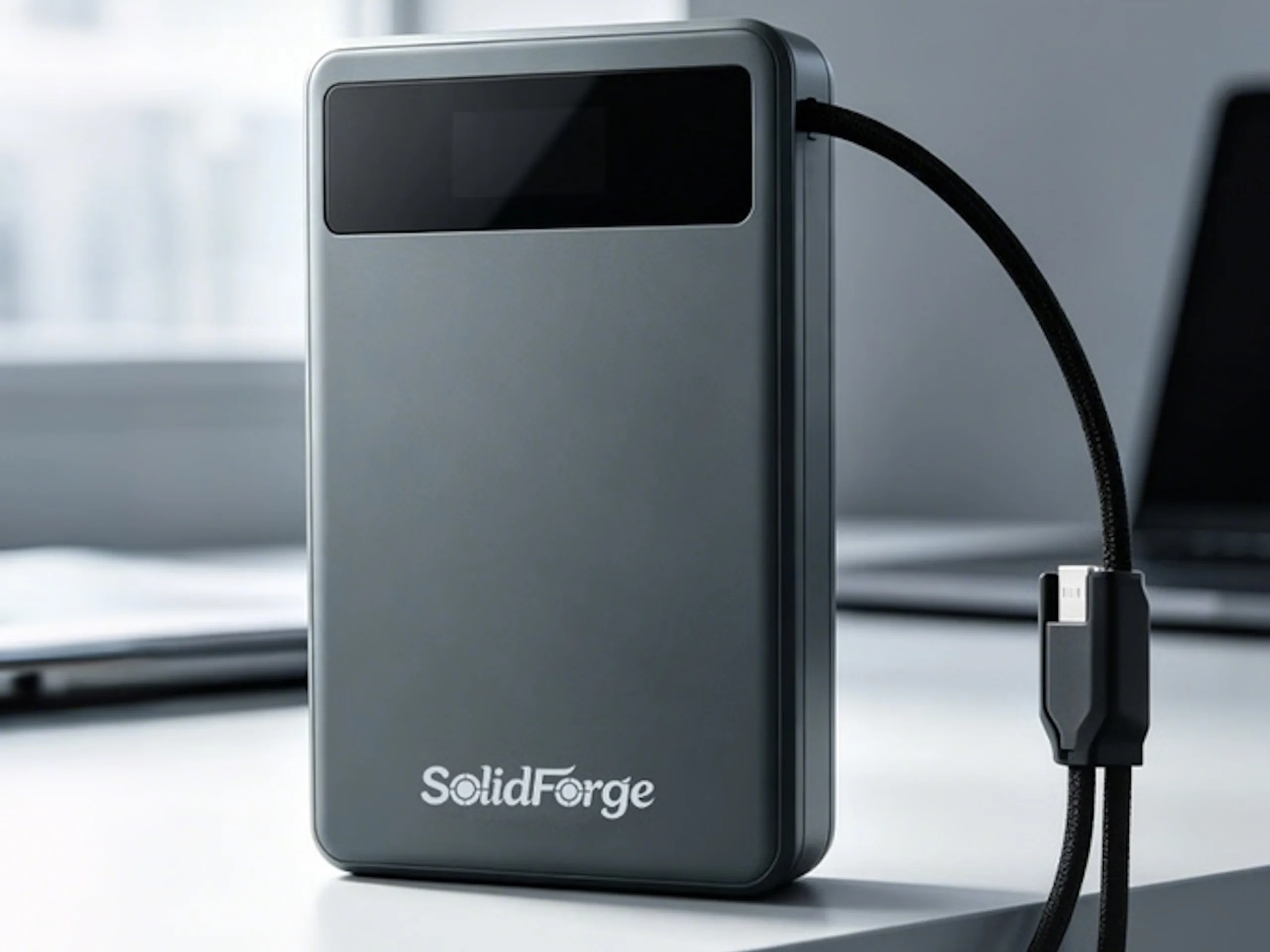
    The SolidForge power bank is available in two versions: 5,000mAh (19.25Wh) and 10,000mAh (38.5Wh). Their dimensions stay the same at 4.06 x 2.61 inches, but the larger version is thicker at 0.73 inches versus 0.46 inches, and it weighs more — 7.8 oz compared to 4.5 oz. The difference extends to output capabilities, with bigger model supportin 25-watt wireless charging instead of 15 watts, increasing usability.

    Charging, Outputs, and Display

    The bigger model features a built-in USB-C cable supporting up to 45-watt output, alongside a USB-C port with the same maximum output. Fast recharging is possible at 30 watts, making it quite convenient. An additional feature is a TFT display that shows information like remaining battery capacity and charging status, adding to user convenience.

    Pricing and Crowdfunding Risks

    During the crowdfunding campaign, the 5,000mAh version is roughly priced at $50, whereas the 10,000mAh capacity costs about $60. Backers should note that shipping fees might be extra, and there are always significant financial risks involved with crowdfunding projects like this.
    Sources
  • Hybrid Li-Mn Pack Achieves 500 Wh/kg Solid-State Battery for 500 Miles

    Hybrid Li-Mn Pack Achieves 500 Wh/kg Solid-State Battery for 500 Miles

    Key Takeaways

    1. China is introducing a standardization and classification system for solid-state batteries, focusing on solid-state electrolytes in its 5-year strategy, set to be official by July.

    2. Hybrid solid-liquid batteries, containing 95% solid electrolyte, are seen as a temporary solution before fully solid-state batteries, with companies like CATL continuing to use existing production lines.

    3. A new hybrid solid-liquid battery developed by FAW and Nankai University features manganese for the cathode, doubling the energy density to 500 Wh/kg compared to current LFP batteries.

    4. The innovative battery design incorporates in-situ-cured composite electrolyte technology, enhancing ionic conductivity, safety, and cost-effectiveness while extending battery lifespan.

    5. Prototype tests suggest that the hybrid battery could achieve over 1,000 km on a charge under favorable conditions, with plans for a future 200 kWh pack aiming for nearly 700 miles.


    As China focuses on solid-state electrolytes for the future of electric vehicle (EV) batteries in its new 5-year strategy, it is rolling out the first-ever standardization and classification system for solid-state batteries, which is set to be official by July.

    Classification of Batteries

    In this system, batteries are sorted based on the liquid content in their electrolyte. Those that contain 95% solid electrolyte have been termed hybrid solid-liquid batteries. Companies like CATL view this hybrid technology as a temporary solution leading up to fully solid-state batteries, which are known to be costly and typically have a shorter lifespan. The hybrids can still be manufactured using current lines designed for liquid electrolyte production.

    Breakthrough in Battery Technology

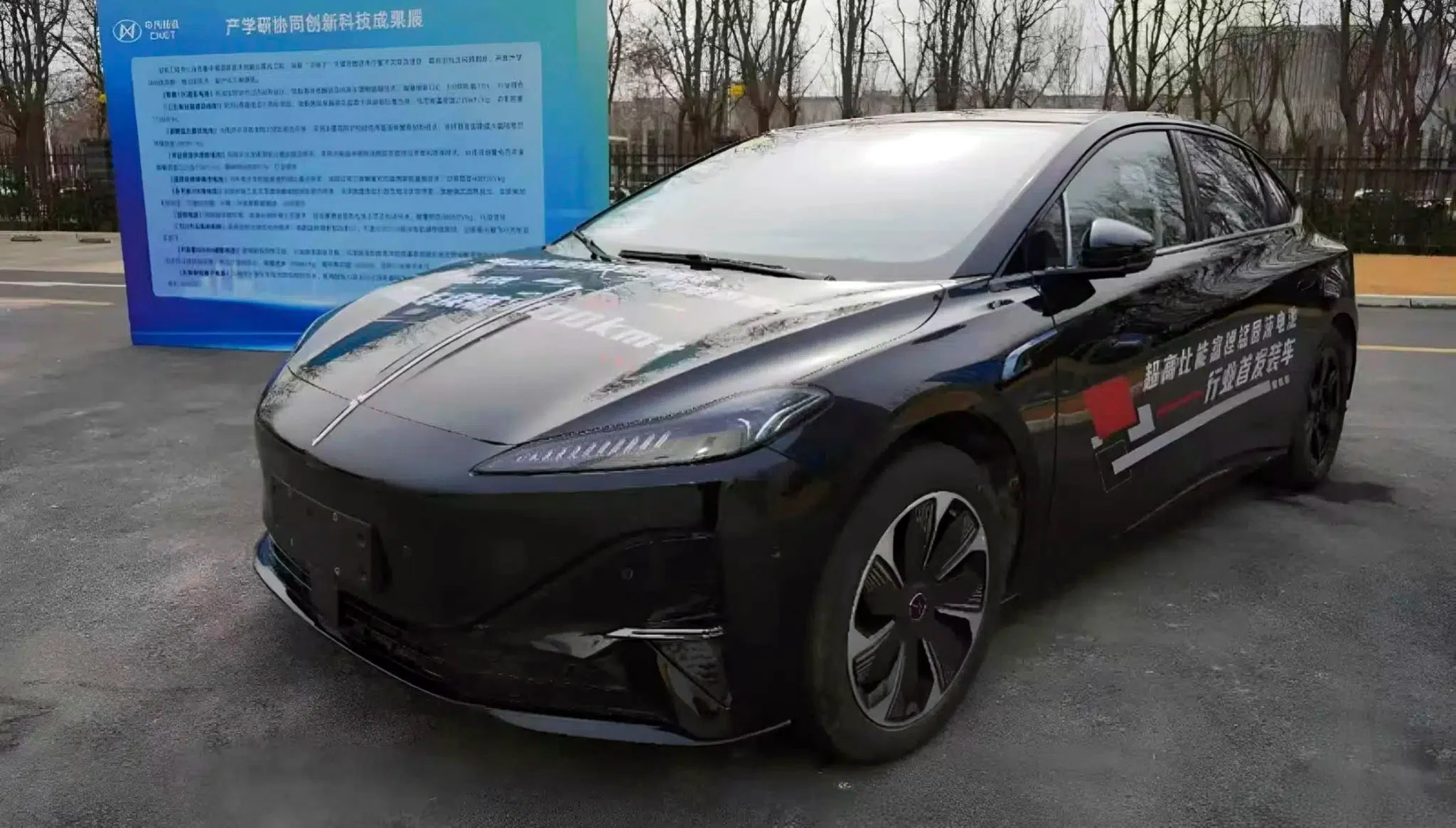
    Recent advancements in hybrid solid-liquid batteries are supporting CATL’s assertions. A new 142 kWh battery pack has been integrated into a FAW Group sedan, replacing an LFP battery that had about half the capacity of the new one.

    This innovative hybrid solid-liquid battery utilizes manganese for the cathode rather than the more costly nickel, achieving an energy density of 500 Wh/kg. This figure doubles the energy density of contemporary LFP batteries and aligns with the theoretical boundaries of first-generation all-solid-state batteries, which Toyota has claimed will be in its vehicles by 2028 amid much excitement.

    Collaborative Development

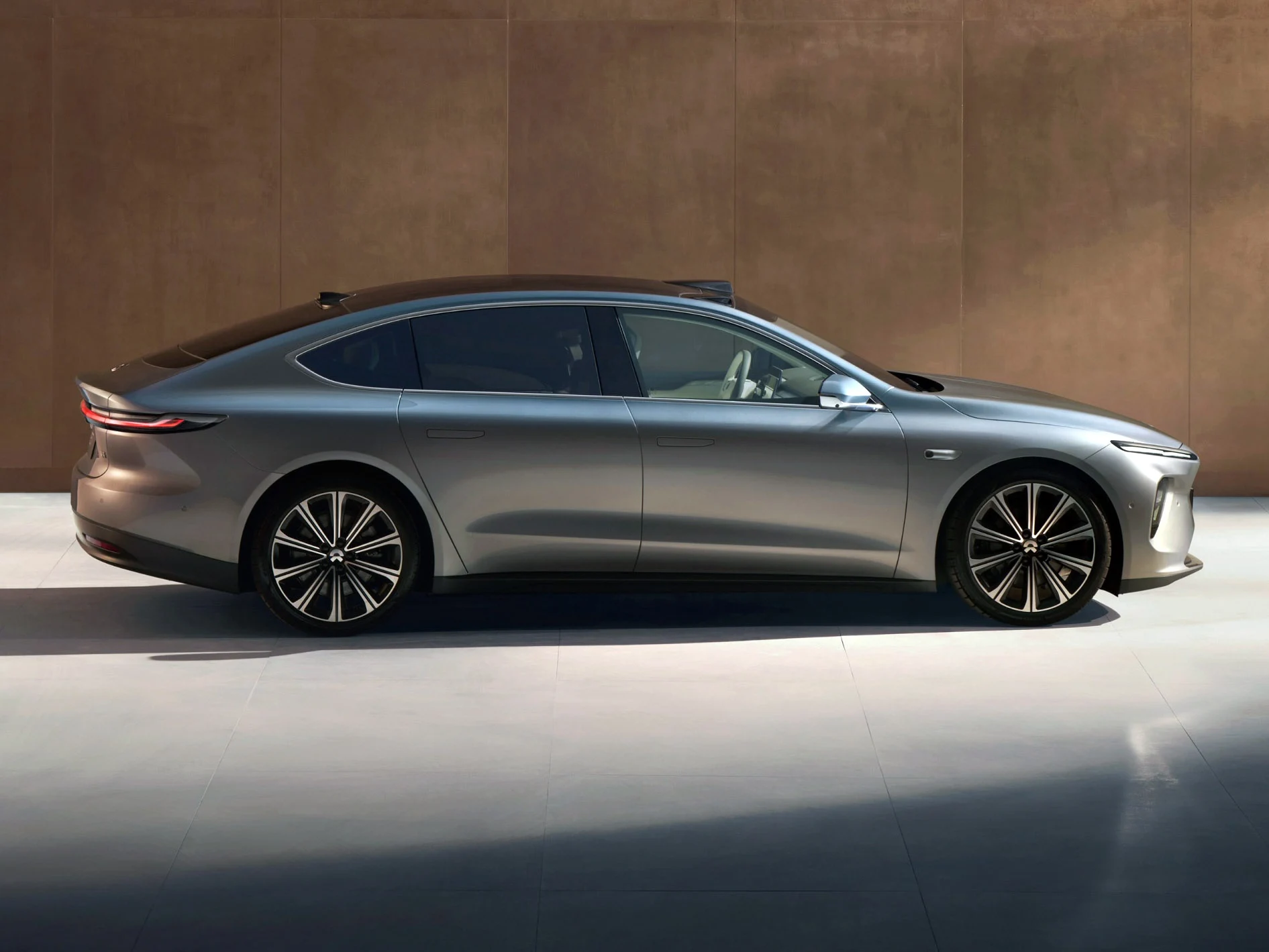
    The lithium-manganese battery with a solid-liquid electrolyte has been developed together by FAW, which is VW’s partner in China, and researchers from Nankai University. They have taken a different approach than existing semi-solid electrolyte batteries, such as the 150 kWh pack that NIO rents out for longer journeys, as it’s too pricey to sell with the car. NIO was a pioneer in this technology with its sedans, now capable of traveling over 650 miles on a charge of the hybrid liquid-solid battery.

    By replacing nickel with manganese, the researchers have successfully reduced the costs of the hybrid pack while maintaining energy density comparable to solid-state batteries. “The battery employs in-situ-cured composite electrolyte technology, which ensures high ionic conductivity, a broad electrochemical window, strong interfacial compatibility, flame resistance, and cost benefits,” the report reveals. The anode is also created in situ to enhance the battery’s longevity and safety, with the lithium-manganese cathode boasting an energy density of 300 mAh/g, surpassing even top LFP cells by a factor of two.

    Anticipated Performance

    Prototype range tests in FAW vehicles are projected to achieve over 1,000 km on a single charge. However, this figure is based on the more favorable local CLTC standard. With the average EV efficiency being about 30 kWh for every 100 miles, the hybrid battery is estimated to reach a 500-mile range according to EPA standards. The next version being prepared by the team is a 200 kWh pack that aims to deliver nearly 700 miles on a charge, all while maintaining a compact design.

    Source:
    Link


  • New Solid-State Battery Standard Sets 2027 EV Performance Benchmarks

    New Solid-State Battery Standard Sets 2027 EV Performance Benchmarks

    Key Takeaways

    1. China is leading the way in solid-state battery technology standardization, aiming to replicate its success in electric vehicles and battery production.
    2. The China Automotive Technology and Research Center (CATARC) has developed new standards for solid-state batteries, focusing on performance and safety criteria.
    3. Solid-state batteries offer benefits like non-flammability, leak-proof design, and improved energy density, with potential ranges of 300-500 Wh/kg.
    4. The push for standardization aims to expedite the commercialization of solid-state and hybrid solid-liquid batteries, with mass production expected by 2027.
    5. Major companies, including BYD and Toyota, are investing in solid-state battery technology, highlighting the urgency for rapid standards and certification processes in the industry.


    As businesses speed up their plans for producing or using solid-state batteries, the world is seeing its first standardization effort to establish minimum performance and safety criteria for this emerging technology.

    China’s Ambitious Goals

    Following a government-led initiative that successfully boosted electric vehicles, energy storage, and battery production over the past decade, China has emerged as a leading manufacturer. Now, its standardization authority aims to replicate this success with the next wave of battery technologies.

    New Standards on the Horizon

    The initial segment of the “Solid-state batteries for electric vehicles: terminology and classification” standard was completed in December. The China Automotive Technology and Research Center (CATARC), responsible for drafting the standard, is now working on standardizing the necessary certification tests. They plan to introduce the first solid-state battery standard by July, which will outline several requirements:

    Solid-state batteries utilize solid electrolytes instead of traditional liquid ones and separators. They are non-flammable, leak-proof, resistant to high temperatures, and can endure punctures. These batteries boast an energy density between 300-500 Wh/kg, offering a 30-100% improvement in range and reduced energy loss in colder conditions.

    Commercialization Push

    This initiative for a solid-state battery standard aims to hasten the commercialization of batteries featuring solid or nearly solid electrolytes, as the new national classification differentiates between the two. Previously referred to as semi-solid, batteries containing 5% liquid and 95% solid electrolyte are now classified as hybrid solid-liquid batteries. They are more affordable to produce compared to 100% solid electrolyte cells while still providing nearly the same safety and significantly higher energy density than current ternary batteries with volatile liquid electrolytes.

    According to CATARC, the urgency for standardization arises from the accelerated product release timelines of both automakers and battery manufacturers. The first mass-produced electric vehicles equipped with solid-state batteries are anticipated as early as 2027. Some local battery startups are opting out of the competitive liquid electrolyte battery market and instead focusing on developing and producing hybrid or solid-state batteries.

    Innovations and Future Outlook

    Their battery models vary, achieving energy densities from 300 to 500 Wh/kg based on the electrolyte technology, safety characteristics, and production costs, which still remain two to three times higher than standard EV batteries. BYD, the largest automaker and second-largest battery producer globally, has recently reported progress in its sulfide-based solid-state battery electrolyte technology, paving the way for mass production of solid electrolyte cells that were previously too expensive or had shorter lifespans than desired. Along with Chinese companies like CATL, Dongfeng, WeLion, and Cherry, which have announced solid-state battery commercialization plans, other firms like Toyota have also targeted 2027 for launching similar products, highlighting the need for rapid standardization and certification efforts.

    Source:
    Link


  • New Low-Pressure Method Cuts Solid-State Battery Electrolyte Costs 70%

    New Low-Pressure Method Cuts Solid-State Battery Electrolyte Costs 70%

    Key Takeaways

    1. China has launched a program to categorize and standardize solid-state batteries, emphasizing their importance in electric vehicles and energy storage over the next five years.
    2. Local companies, including startups and major firms like CATL, are piloting solid-state battery production, achieving energy densities between 350-500 Wh/kg.
    3. Initial solid-state batteries in mass production are expected to have lower energy densities than theoretical limits, with current products around 350-360 Wh/kg.
    4. High production costs are a major challenge, but researchers have found ways to reduce costs by modifying traditional electrolyte structures, achieving significant price reductions.
    5. A new solid electrolyte composition has been developed that improves ion conductivity, flexibility, and production efficiency, potentially making all-solid-state lithium batteries more viable.


    China has recently launched a pioneering program for the categorization and standardization of solid-state batteries. This initiative highlights the country’s commitment to prioritizing solid-state battery advancements in its electric vehicle and energy storage strategies over the next five years.

    Local Production Initiatives

    Various local firms, ranging from new startups to major players like CATL, have begun pilot production of solid-state batteries. These batteries boast energy densities between 360 and 500 Wh/kg, and some have even pushed theoretical limits to 700 Wh/kg by utilizing polymer electrolytes in their designs.

    Performance and Safety Challenges

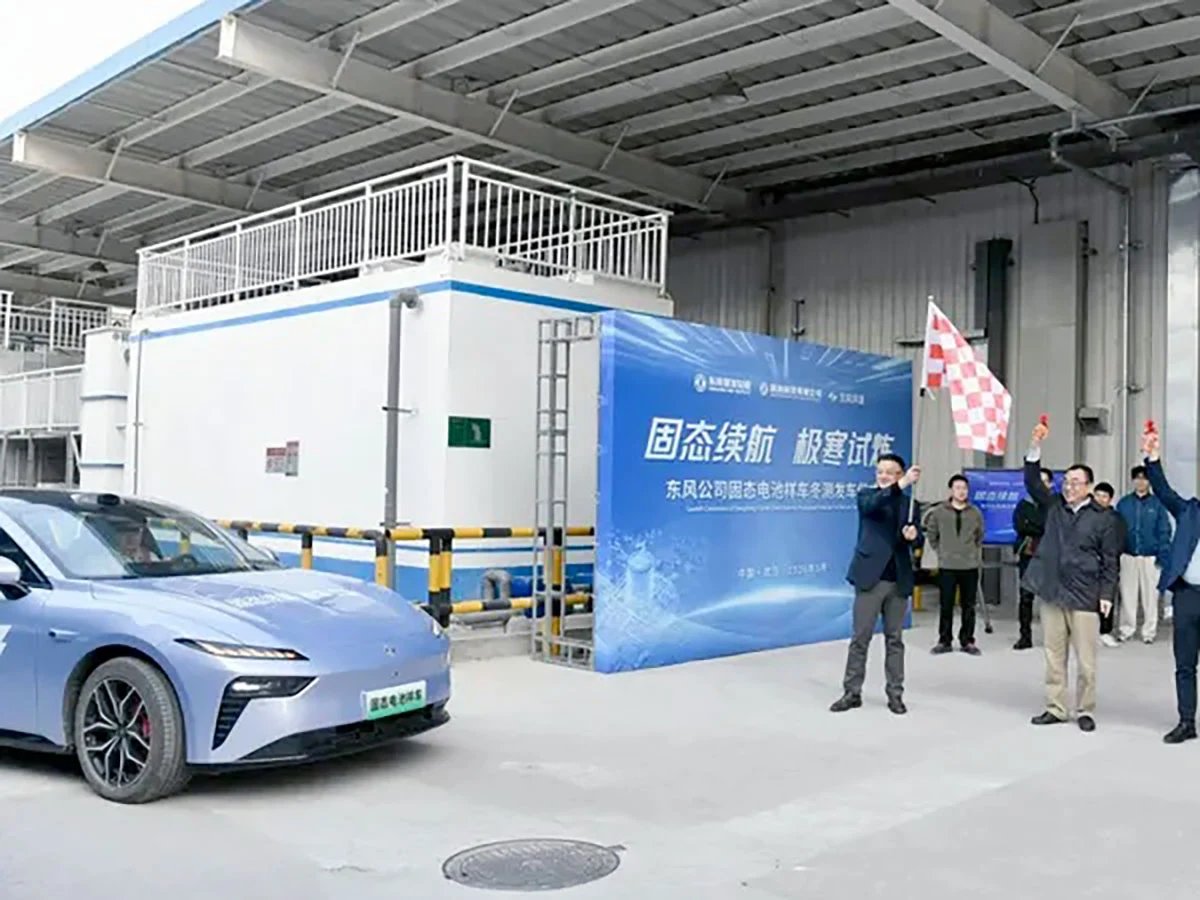
    However, the energy density of the initial solid-state batteries in mass production is expected to be lower than the previously stated theoretical cap of 500 Wh/kg. Companies such as Hylic, which has launched the first dedicated production line for solid-state batteries, and Dongfeng, currently testing its own solid-state battery in extremely low temperatures, are both advertising energy densities around 350-360 Wh/kg. They are working hard to balance performance, safety, and manufacturing costs, which is why Hylic points out the lower energy density in their products.

    Tackling Manufacturing Costs

    One of the major hurdles for the successful commercialization of solid-state batteries is their high production costs. In response, Chinese researchers have been making progress in this area. They discovered a method to reduce costs by modifying the electrolyte structure of a traditional zirconium-based mixture. Another research group has adjusted the composition of this mixture to achieve an estimated material cost of $43.70 per liter, which is approximately 70% lower than the cost of the widely used Li₂ZrCl6 solid electrolyte known for its affordability.

    Innovative Electrolyte Composition

    The new solid electrolyte consists of lithium, zirconium, aluminum, chlorine, and oxygen in a ratio of 1.4Li2O-0.75ZrCl4-0.25AlCl3. This compound not only provides adequate ion conductivity but is also notably more flexible and can be applied with significantly less pressure, which greatly reduces production costs. The material has been tested for compatibility with existing manufacturing methods and has shown good capacity retention.

    The research team from the University of Science and Technology of China states that achieving a balance of strong mechanical compliance, lithium-ion conductivity, and cost efficiency in the 1.4Li2O-0.75ZrCl4-0.25AlCl3 composition could be key to making practical all-solid-state lithium batteries a reality.

    Source:
    Link


  • Affordable Solid-State Battery with Polymer Electolyte Launches

    Affordable Solid-State Battery with Polymer Electolyte Launches

    Key Takeaways

    1. Sunwoda is starting large-scale production of solid-state batteries in 2023, aiming to expand capacity by 2026.
    2. Their first-generation solid-state battery has an energy density of 400 Wh/kg, nearly double that of current liquid electrolyte batteries.
    3. Sunwoda’s semi-solid batteries are seen as a cost-effective alternative, and if their solid-state batteries match these costs, they may attract major car manufacturers.
    4. Future prototypes aim for energy densities of 700 Wh/kg, with advancements in polymer electrolyte technology enhancing performance and safety.
    5. Ongoing research is pushing the boundaries of solid-state battery technology, with prototypes already exceeding the previously thought limits of 500 Wh/kg.


    One of China’s leading battery manufacturers, Sunwoda, is set to begin large-scale production of solid-state batteries this year, with plans to expand capacity by 2026.

    First Generation Battery

    The company’s initial polymer electrolyte has led to the creation of a solid-state battery ready for production, boasting an energy density of 400 Wh/kg. This figure is nearly twice the average energy density found in current liquid electrolyte batteries used in mass electric vehicles and power stations, such as the new Anker Solix, which is currently 50% off on Amazon. Additionally, Sunwoda has made strides in reducing costs.

    While solid-state battery cells can offer higher capacities and enhanced safety due to the absence of volatile liquid electrolytes, manufacturing them in lower volumes remains costly. However, upon revealing its 400 Wh/kg solid-state battery, Sunwoda indicated that it could mass-produce this at prices similar to semi-solid batteries that contain 5% liquid and 95% solid electrolyte.

    Bridge Technology

    These semi-solid batteries are being utilized by car manufacturers such as NIO, where a 150 kWh pack enables the ET7 sedan to achieve over 650 miles per charge. Moreover, CATL, the largest battery producer globally, regards semi-solid state batteries as a favorable compromise between performance and cost per kWh. If Sunwoda’s all-solid-state battery can match the costs of these semi-solid options, it is likely to attract attention from car makers.

    In addition to the solid-state battery with an energy density of 400 Wh/kg, Sunwoda has also developed a prototype boasting 520 Wh/kg, similar to innovations from firms like Toyota, CATL, and Samsung. This prototype features a 3D composite anode that enhances ion transfer, along with a layer filled with tiny bubbles that contains an interface repair agent, which helps maintain the solid electrolyte interphase and minimize dendrite growth that can have harmful effects. Production for this model is anticipated to commence around 2027 when many other solid-state battery manufacturers plan to start their mass production as well.

    Future Expectations

    By that time, Sunwoda aims to achieve an energy density of 700 Wh/kg across various prototypes, aided by its unique polymer electrolyte technology. The record for solid-state battery energy density was previously held by Chery, China’s largest car exporter, which recently stated it would have vehicles equipped with a 600 Wh/kg solid-state battery available in 2027, utilizing a similar polymer electrolyte method.

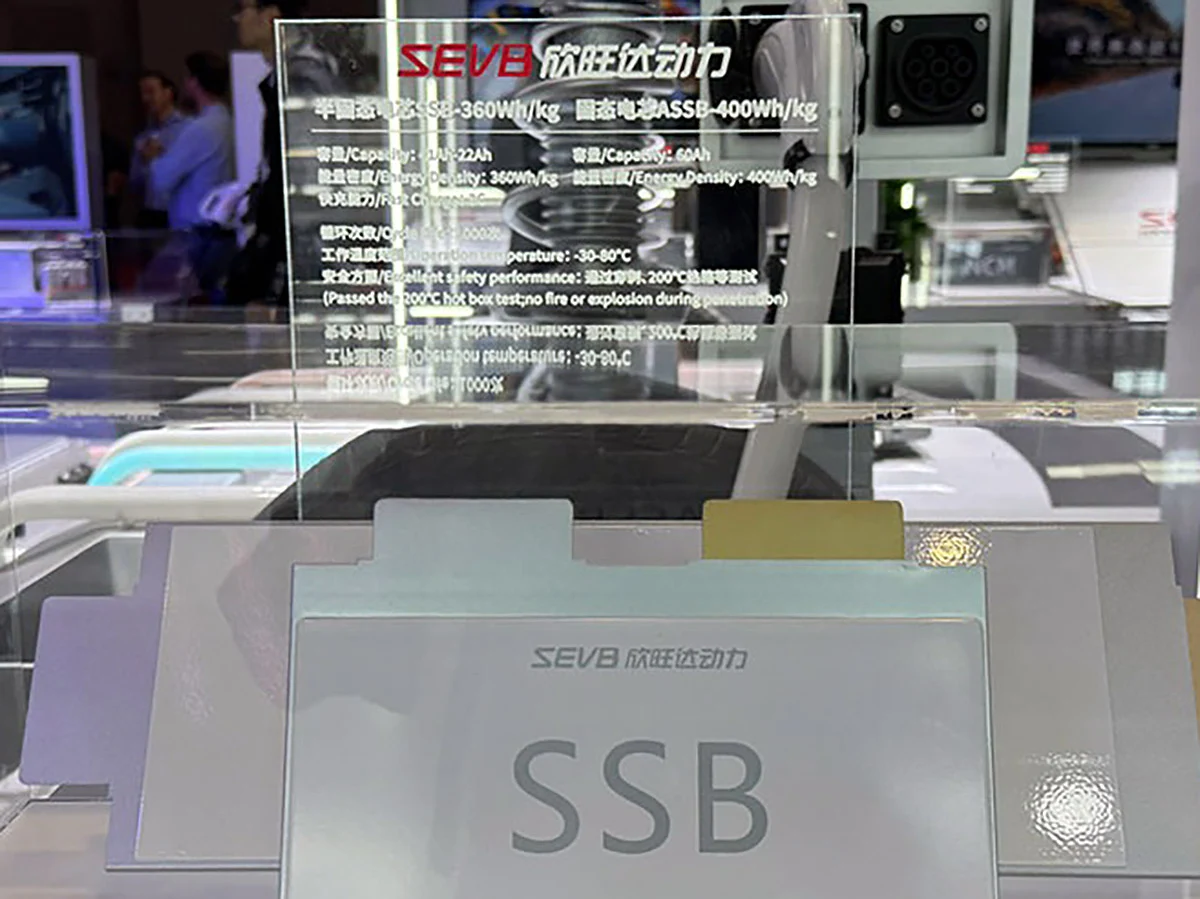
    The solid-state battery from Sunwoda features a cathode porosity of only 5%, which is five times lower than the usual, yet it enhances ion conductivity by three times. Its “nano-structured high-entropy anode” offers seven times the capacity of conventional graphite anodes and has double the cycle life. The composite polymer electrolyte membrane developed by Sunwoda not only improves ion conductivity but is also elastic and long-lasting. Furthermore, the flexible cell interface coating provides “high ion conduction, robust adhesion, high ductility, and self-healing” properties, according to the company. The resulting 20 Ah cells promise a lifespan of 1,200 cycles and have successfully passed nail penetration and high-temperature safety tests at 200°C.

    Continued advancements in this exciting technology are being made in research facilities, with the Chinese Academy of Sciences recently unveiling a flexible solid-state battery prototype featuring a polymer electrolyte that claims to deliver energy density up to 86% greater than current production-ready solid-state options, which range from 350 Wh/kg to 400 Wh/kg depending on the manufacturer.

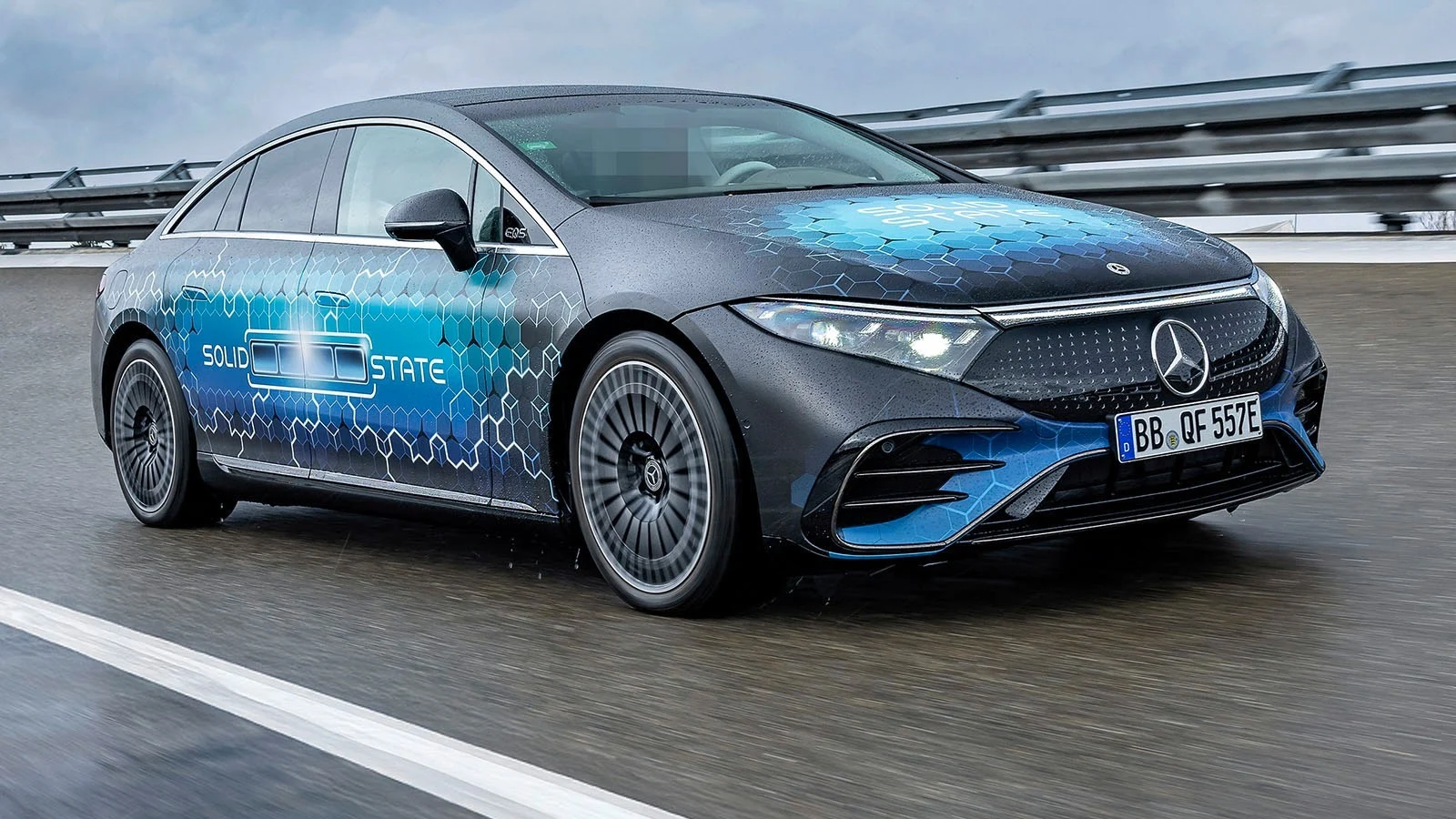
    The 500 Wh/kg solid-state batteries, once believed to be the theoretical limit for today’s technology, are already undergoing testing in prototype vehicles like the Mercedes EQS, capable of covering 750 miles on a single charge. However, their mass production is not expected until 2027, and it will only be in limited quantities for premium electric vehicles.


  • Flexible Solid-State Battery Boosts Energy Density by 86%

    Flexible Solid-State Battery Boosts Energy Density by 86%

    Key Takeaways

    1. Major companies like CATL, Toyota, Samsung, BYD, and Mercedes aim to launch electric vehicles with solid-state batteries by 2027.

    2. Solid-state batteries use a solid electrolyte, offering up to 400 Wh/kg energy density, with potential to reach 500 Wh/kg, significantly higher than current LFP batteries.

    3. These batteries promise greater range and enhanced safety due to fewer reactive components, despite high production costs and challenges with layer connections.

    4. Researchers have developed a flexible polymer electrolyte that improves energy density by 86% and allows for bending, enhancing safety and durability.

    5. The advancements in solid-state battery technology could enable electric vehicles like the Mercedes EQB prototype to achieve over 1,300 miles on a single charge if production costs become competitive.


    Solid-state batteries are moving beyond research and entering the stage of prototypes and small-scale production.

    Several major firms, including CATL, Toyota, Samsung, BYD, and Mercedes, have set their sights on 2027 as the critical year for launching their first electric vehicles equipped with genuine solid-state batteries.

    Distinction in Technology

    These batteries utilize a solid electrolyte, which is different from the hybrid semi solid-state systems found in models like the NIO ET7, which consists of 95% solid and 5% liquid electrolyte. The solid-state batteries revealed so far boast an energy density of around 400 Wh/kg, with the theoretical capability to reach 500 Wh/kg. This is more than double the density of widely used LFP batteries that power everything from mainstream electric vehicles to the well-known Anker Solix power station, which is currently available at a significant discount of over 50% on the Amazon Prime Big Deal list.

    Advantages of Solid-State Batteries

    In addition to potentially doubling the range on a single charge within the same size, solid-state batteries are also considered safer due to their reduced number of reactive components when compared to those utilizing flammable liquid electrolytes. However, true solid-state batteries come at a high cost, as the process requires fusing the electrolyte with the electrode at elevated pressures and temperatures, leading to weaker connections between the layers and a decrease in lithium-ion transport efficiency.

    Breakthrough Innovations

    This limitation hampers solid-state batteries from achieving their full capabilities. To address this issue, researchers from the Chinese Academy of Sciences have created an innovative solid-state battery electrolyte solution.

    They removed the “solid” aspect from the solid-state electrolyte by developing a flexible polymer incorporating ethoxy groups and short sulfur chains, which are intended to enhance ion conductivity and bond with the cathode on a molecular level.

    The new polymer electrolyte within a composite cathode not only improved the energy density of the solid-state cell by a remarkable 86% due to reduced transfer resistance, but it is also capable of bending. Indeed, this flexible solid-state battery system can endure 20,000 bending cycles, further improving its impact resistance and safety compared to traditional sulfide solid-state batteries that companies like Samsung and Toyota are set to launch in 2027.

    Future Implications

    Such a significant increase in energy density could allow the Mercedes EQB prototype, equipped with a genuine solid-state battery currently undergoing range testing, to potentially travel over 1,300 miles on just one charge. Furthermore, a solid-state battery featuring a flexible polymer electrolyte would enhance the longevity and safety of electric vehicles, provided it can be manufactured at a scale that reduces production costs to a competitive level.


  • BYD Solid-State Battery: 932-Mile Range & 12-Minute Charge Target

    BYD Solid-State Battery: 932-Mile Range & 12-Minute Charge Target

    Key Takeaways

    1. BYD has been developing solid-state batteries for over ten years, aiming for demonstration vehicles by 2027 and full-scale production by 2030.
    2. Unofficial test data suggests these batteries may achieve an energy density of 400 Wh/kg, allowing for driving ranges of up to 932 miles and rapid charging in twelve minutes.
    3. Solid-state batteries use a solid electrolyte, enhancing energy density, charging speed, and safety compared to traditional liquid electrolyte batteries.
    4. BYD is actively testing solid-state batteries in models like the Seal, with energy densities that could nearly double current battery capacities.
    5. While ambitious claims about range and charging speed remain uncertain, BYD’s solid-state batteries could represent significant progress in electric vehicle technology if they achieve cost parity with existing lithium-ion batteries.


    Chinese electric car maker BYD has been focused on creating solid-state batteries for over ten years. They aim to introduce the first demonstration vehicles featuring this technology in 2027, with plans for full-scale production by 2030.

    Promising Test Results

    The Driven has shared some unofficial test data suggesting that these solid-state batteries might achieve an energy density of about 400 Wh/kg. This could allow for driving ranges of up to 932 miles (or 1,500 kilometers) and a quick charging time of just twelve minutes.

    Solid-state batteries are seen as the future of energy storage. They use a solid electrolyte instead of the usual liquid, which leads to higher energy density, quicker charging, and better safety. The solid electrolytes help to stop leaks or evaporation of liquids, lowering the chance of thermal runaway and fire risks. Electrek mentions that BYD was already trialing prototype cells with capacities of 20 Ah and 60 Ah back in 2024.

    Testing in Progress

    Furthermore, The Driven indicates that BYD has fitted test vehicles, such as the Seal model, with these solid-state batteries. These batteries reportedly achieve energy densities of 400 Wh/kg. For context, typical lithium iron phosphate (LFP) batteries have energy densities of around 160–180 Wh/kg, while standard nickel manganese cobalt (NMC) cells range from about 220–260 Wh/kg, and advanced NMC types can reach up to 300 Wh/kg. Achieving an energy density of 400 Wh/kg would nearly double the capacity per kilogram, allowing for significantly greater ranges without increasing vehicle weight.

    Other European car makers, like Mercedes and BMW, are also testing solid-state batteries. Mercedes is collaborating with companies like ProLogium, while BMW is working on its own prototypes alongside Solid Power. BYD may have an advantage in bringing this technology to market due to its strong integration of research, production, and vehicle manufacturing.

    Future Uncertain

    It remains unclear if the lofty claims of reaching 932 miles (1,500 kilometers) in range and charging in just twelve minutes will be realized. Even if the actual performance falls short, BYD’s solid-state batteries could still signify a major leap forward for electric mobility, particularly if they can achieve cost parity with the current lithium-ion batteries.

    Source:
    Link


  • Solid-State Battery for Drones and Robots Enters Mass Production

    Solid-State Battery for Drones and Robots Enters Mass Production

    Key Takeaways

    1. A leading battery manufacturer has moved from research and development to mass production of solid-state batteries, following industry trends.
    2. Solid-state batteries are currently too costly for mass production in electric vehicles, with major suppliers targeting 2030 for feasibility.
    3. Eve Energy plans to build a facility to produce 10 Ah solid-state cells for UAVs and humanoid robots, highlighting diverse applications.
    4. Solid-state batteries offer higher energy density (300 Wh/kg) compared to traditional lithium batteries, improving performance for drones and robots.
    5. These batteries perform better in extreme temperatures and are being produced in smaller capacities, with Eve Energy aiming for 100 MWh next year and increasing energy density to 400 Wh/kg.


    One of the leading battery manufacturers globally has shifted its solid-state battery initiatives from research and development, as well as prototyping, to the challenging stage of mass production. This move aligns with other companies in the industry that are also making similar transitions.

    Production Challenges

    Creating solid-state batteries in large quantities remains costly, which is why suppliers for Tesla, such as CATL and Panasonic, do not view them as a feasible alternative for electric vehicle batteries until around 2030. However, they believe these batteries could be excellent for other uses, like drones.

    New Factory Announcement

    Eve Energy has unveiled plans for a mass production facility to manufacture its 10 Ah cells using a sulfide-based solid electrolyte. These cells will be combined into 60 Ah packs designed to power Unmanned Aerial Vehicles (UAVs), humanoid robots similar to Tesla’s Optimus, and AI-driven Internet of Things devices.

    Advantages of Solid-State Batteries

    Solid-state batteries provide an ideal option for these applications due to their significantly higher energy density compared to existing lithium batteries that utilize liquid electrolytes. For example, Eve Energy’s solid-state cells boast an energy density of 300 Wh/kg, which is a considerable improvement over the current drones, eVTOLs, and humanoid robots that generally achieve just over 200 Wh/kg.

    The power-to-weight ratio is crucial for drones like the DJI Mini 4 Pro, where the battery can make up to 40% of the UAV’s total weight. Avidrone, a Canadian company, introduced its first cargo drone equipped with a solid-state battery pack from Factorial back in May, highlighting the advantages of this technology.

    Performance in Various Conditions

    Solid-state batteries not only offer more energy in the same size but also excel in extreme temperature conditions since they lack liquid electrolytes that could freeze or thicken. This, along with their outstanding thermal stability, makes them a great fit for drones and robots that must operate in diverse environments.

    Eve Energy is aiming to produce 100 MWh of solid-state batteries next year, with plans to increase energy density to 400 Wh/kg. While this production capacity might appear minor compared to Tesla’s large-scale Gigafactories, the battery packs are designed for much smaller devices. The key point is that solid-state batteries are rapidly advancing from the prototype phase to mass production.

    Source:
    Link


  • Tesla Delays Solid-State Battery Use, Says Panasonic and CATL

    Tesla Delays Solid-State Battery Use, Says Panasonic and CATL

    Key Takeaways

    1. Panasonic believes solid-state batteries are better for small applications, not for electric vehicles, calling them a “niche” option.
    2. Solid-state batteries offer high energy density but have high production costs, limiting their practicality for mass-market EVs.
    3. CATL warns that widespread adoption of solid-state batteries is still years away, pushing back their expectations for mass production.
    4. The cost of even semi-solid electrolyte batteries is high, making them less accessible for many electric vehicle makers.
    5. Tesla is unlikely to adopt solid-state battery technology soon due to cost management concerns.


    It appears that a Tesla featuring solid-state batteries won’t be arriving anytime soon, as two of its battery suppliers have dismissed the practicality of this technology for electric vehicles.

    Panasonic’s Take on Solid-State Batteries

    Panasonic, Tesla’s primary battery supplier, believes that solid-state batteries are more suited for applications like drones or small tools, rather than large and costly battery packs used in electric cars. Tatsuo Ogawa, the company’s Chief Technology Officer, voiced his skepticism during a meeting with the R&D team in Osaka, describing solid-state batteries as a “niche” option that won’t revolutionize the industry as some might hope.

    The Potential and Challenges

    Although solid-state batteries are indeed safer and can achieve energy densities of up to 500 Wh/kg—significantly higher than the current ternary lithium batteries—they come with a hefty price tag in production. Toyota, the first major automaker to invest in this technology, plans to use solid-state batteries exclusively for high-end electric vehicles under its Lexus brand.

    CATL’s Perspective

    Another of Tesla’s battery suppliers, CATL, shares a cautious stance regarding solid-state batteries. Having spent the last ten years studying this technology and developing prototypes for pilot production, they warn that widespread adoption of this costly technology could still be quite a ways off. Originally, CATL foresaw 2030 as the year when mass-produced electric vehicles with solid-state batteries would emerge. However, they have now adjusted their expectations and aim to compete with companies like Toyota and Samsung, who are targeting a 2027 launch.

    Cost Concerns for EV Makers

    Even the semi-solid electrolyte batteries used by companies like NIO come with steep costs. NIO’s 150 kWh semi-solid battery pack can power its ET9 sedan for over 600 miles on a single charge, but the price is comparable to one of its smaller models, leading NIO to offer it as a rental for extended summer trips.

    Given that a true solid-state battery pack would be even pricier than the current transitional batteries containing 5% liquid electrolyte, Tesla, which is concentrating on managing its costs effectively, is unlikely to incorporate this technology into its vehicles in the near future.

    Source:
    Link


  • Affordable $15,000 EV with Semi Solid-State Battery Launches

    Affordable $15,000 EV with Semi Solid-State Battery Launches

    Key Takeaways

    1. Major companies are committing to solid-state batteries in electric vehicles by 2027, with some using semi solid-state batteries now.
    2. Semi solid-state batteries, initially for high-end models, are becoming more affordable and accessible to mainstream vehicles.
    3. The MG4 hatch will be the first affordable car featuring a semi solid-state battery, priced at $15,000 in China.
    4. Leading automakers like BMW and Mercedes are planning mass production of solid-state batteries, enhancing vehicle range and safety.
    5. CATL predicts that true solid-state batteries will not be widespread in mass-market vehicles until after 2030, with 95% solid electrolyte batteries serving as a transitional solution.


    Solid-state batteries, including their commercial version that features 95% solid electrolyte, are gradually transitioning from research and development into actual production lines and usable vehicles. This shift is happening ahead of the 2027 target set by the industry.

    Electric Vehicle Commitments

    Major companies like Toyota, Samsung, CATL, and BYD have committed to introducing electric vehicles equipped with solid-state batteries by 2027. However, a transitional technology known as the semi solid-state battery, which consists of 95% solid and just 5% liquid electrolyte, is already being used in electric cars today.

    Premium to Mass Market

    Initially, semi solid-state batteries were exclusive to high-end electric vehicles, such as the NIO ET9 sedan, which can travel 650 miles on a single charge thanks to its 150 kWh semi solid-state battery. This battery was developed by NIO in collaboration with a startup called WeLion, after CATL expressed concerns about costs. NIO’s chief revealed that the nearly solid electrolyte battery pack is as expensive as some of their less costly cars. To manage this, NIO opted for a battery rental system for extended summer trips, utilizing its battery swap technology, which now sees around 100,000 swaps daily in just a few minutes.

    Cost Reductions and New Models

    Over time, increased production has led to significant price reductions for these batteries, making them viable for mainstream electric vehicles. The MG4 hatch, set to be revealed on August 5, will be the first affordable electric car featuring a semi solid-state battery, priced at $15,000 for the top version in China.

    The QingTao Energy battery utilizes a nearly solid electrolyte that contains only 5% of a flammable liquid, enhancing safety compared to conventional lithium batteries that use all-liquid electrolytes. The 70 kWh battery pack of the MG4 has successfully passed necessary shock, puncture, and thermal runaway tests. According to MG, its battery chemistry offers 14% improved capacity retention in cold conditions, which extends the vehicle’s range in freezing temperatures.

    Industry Developments

    Both BMW and a subsidiary of Mercedes have unveiled plans for mass production of solid-state batteries that contain 95% solid electrolyte. Svolt will begin trial production of an affordable semi solid-state battery for the next-gen BMW Mini in the next quarter. Meanwhile, Farasis Energy, supported by Mercedes, is setting up a pilot production line for sulfide solid-state batteries.

    Mercedes was the pioneer in incorporating a solid-state battery into a production electric vehicle platform, retrofitting the EQS sports sedan with a battery pack that allows for a range of 620 miles on a single charge. This solid-state battery in the EQS boasts 25% higher energy density compared to the older battery pack, yet Mercedes has not disclosed the cost of this development.

    Future Perspectives

    CATL, the leading battery manufacturer, believes that true solid-state batteries will not become widespread in mass-market vehicles until after 2030. However, they assert that batteries with 95% solid electrolyte can act as a transitional solution until then. Historically, CATL’s forecasts have been accurate, as evidenced by the upcoming launch of the first affordable electric vehicle featuring a semi solid-state battery.

    Source:
    Link