Tag: DJI Mini 4 Pro

  • DJI Mini 5 Pro: Release Date, Press Images, and First Poster

    DJI Mini 5 Pro: Release Date, Press Images, and First Poster

    Key Takeaways

    1. Four promotional images of the DJI Mini 4 Pro successor have been released, showcasing its design and features.
    2. The drone has a noise rating of 81 dB, which is the same as its predecessor.
    3. New LiDAR sensors are included for improved obstacle detection during nighttime.
    4. There is uncertainty about the authenticity of a promotional poster shared on X due to its low resolution.
    5. The launch date may have changed from September 16, 2025, to potentially September 18, 2025, based on retailer information.


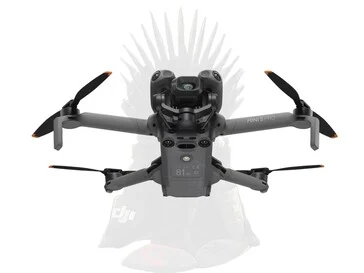
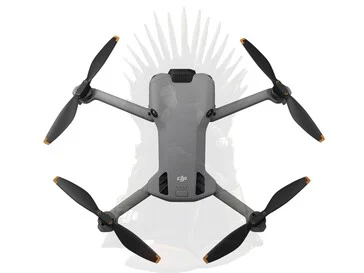
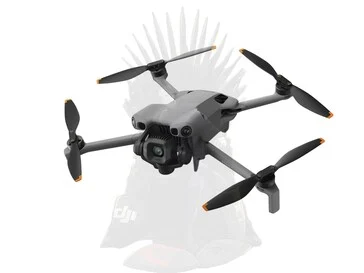
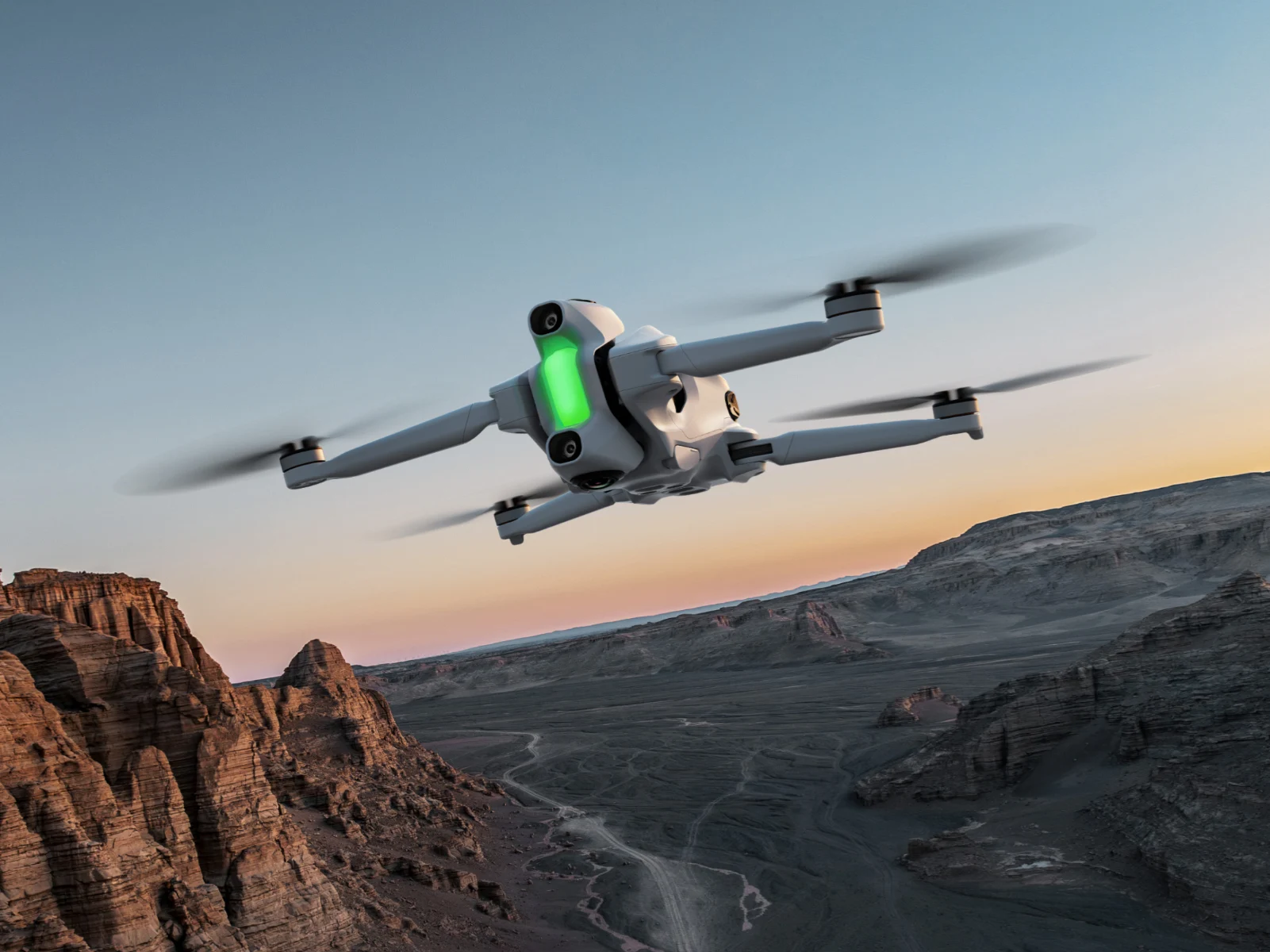
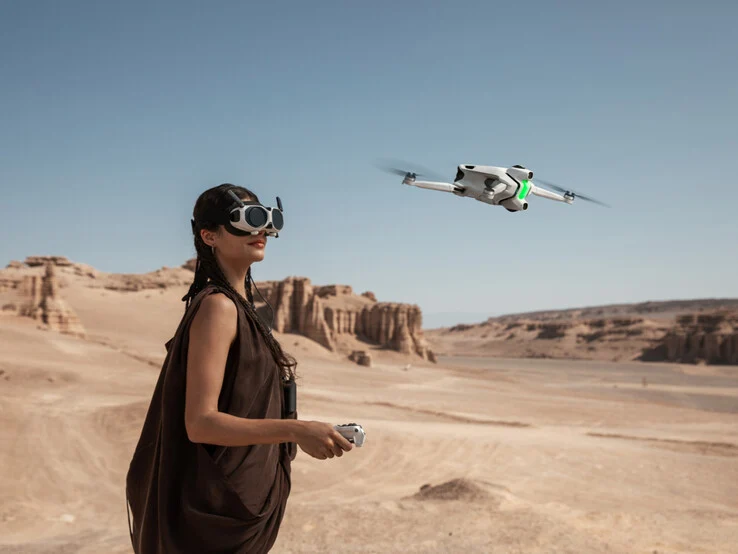
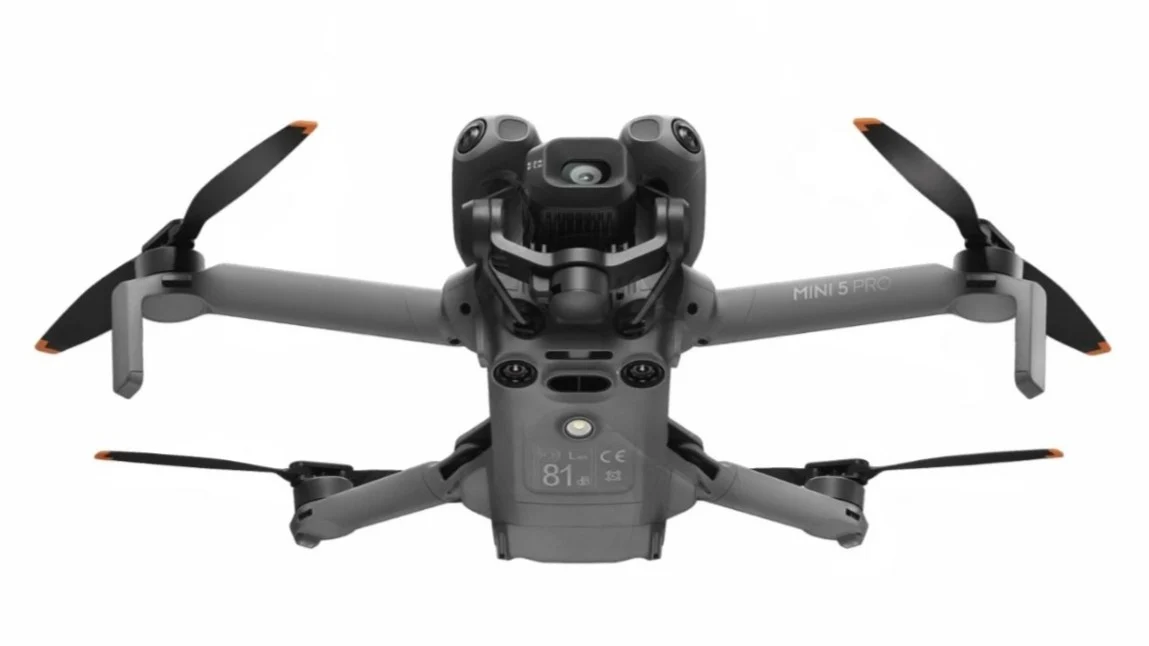
    What the upcoming DJI Mini 4 Pro successor looks like has been known for several weeks. However, there have been few official render images until now. Thanks to a recent post on X by Igor Bogdanov, we can now check that off our list. Four promotional images of the new DJI mini drone show the camera from underneath, where the official noise rating of 81 dB is also visible, matching its predecessor. The sensors located on the bottom and front are clearly shown, including new LiDAR sensors that enhance obstacle detection during nighttime.

    Uncertainty About Official Images

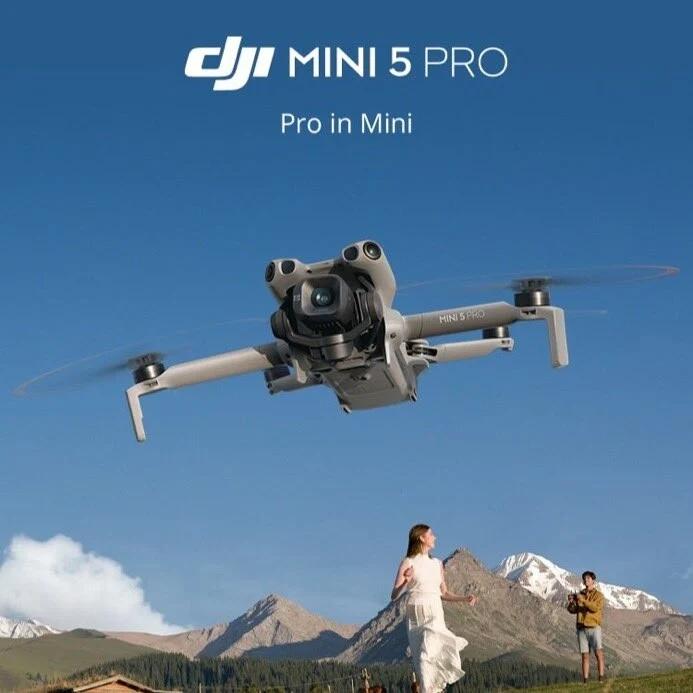
    While we are quite sure that these press photos are authentic, we can’t confirm with absolute certainty whether the promotional poster seen on X is also genuine. This poster is meant to depict the new DJI mini drone in action but is only available in a rather low resolution, making it difficult to assess its quality.

    Possible Launch Date Changes

    The original launch date was set for September 16, 2025, but it’s possible that the 1-inch camera drone could actually launch two days later or might only be available starting September 18, 2025, according to a date found in a retailer’s database. Of course, this could just be a mistake.

    Source:
    Link


  • Solid-State Battery for Drones and Robots Enters Mass Production

    Solid-State Battery for Drones and Robots Enters Mass Production

    Key Takeaways

    1. A leading battery manufacturer has moved from research and development to mass production of solid-state batteries, following industry trends.
    2. Solid-state batteries are currently too costly for mass production in electric vehicles, with major suppliers targeting 2030 for feasibility.
    3. Eve Energy plans to build a facility to produce 10 Ah solid-state cells for UAVs and humanoid robots, highlighting diverse applications.
    4. Solid-state batteries offer higher energy density (300 Wh/kg) compared to traditional lithium batteries, improving performance for drones and robots.
    5. These batteries perform better in extreme temperatures and are being produced in smaller capacities, with Eve Energy aiming for 100 MWh next year and increasing energy density to 400 Wh/kg.


    One of the leading battery manufacturers globally has shifted its solid-state battery initiatives from research and development, as well as prototyping, to the challenging stage of mass production. This move aligns with other companies in the industry that are also making similar transitions.

    Production Challenges

    Creating solid-state batteries in large quantities remains costly, which is why suppliers for Tesla, such as CATL and Panasonic, do not view them as a feasible alternative for electric vehicle batteries until around 2030. However, they believe these batteries could be excellent for other uses, like drones.

    New Factory Announcement

    Eve Energy has unveiled plans for a mass production facility to manufacture its 10 Ah cells using a sulfide-based solid electrolyte. These cells will be combined into 60 Ah packs designed to power Unmanned Aerial Vehicles (UAVs), humanoid robots similar to Tesla’s Optimus, and AI-driven Internet of Things devices.

    Advantages of Solid-State Batteries

    Solid-state batteries provide an ideal option for these applications due to their significantly higher energy density compared to existing lithium batteries that utilize liquid electrolytes. For example, Eve Energy’s solid-state cells boast an energy density of 300 Wh/kg, which is a considerable improvement over the current drones, eVTOLs, and humanoid robots that generally achieve just over 200 Wh/kg.

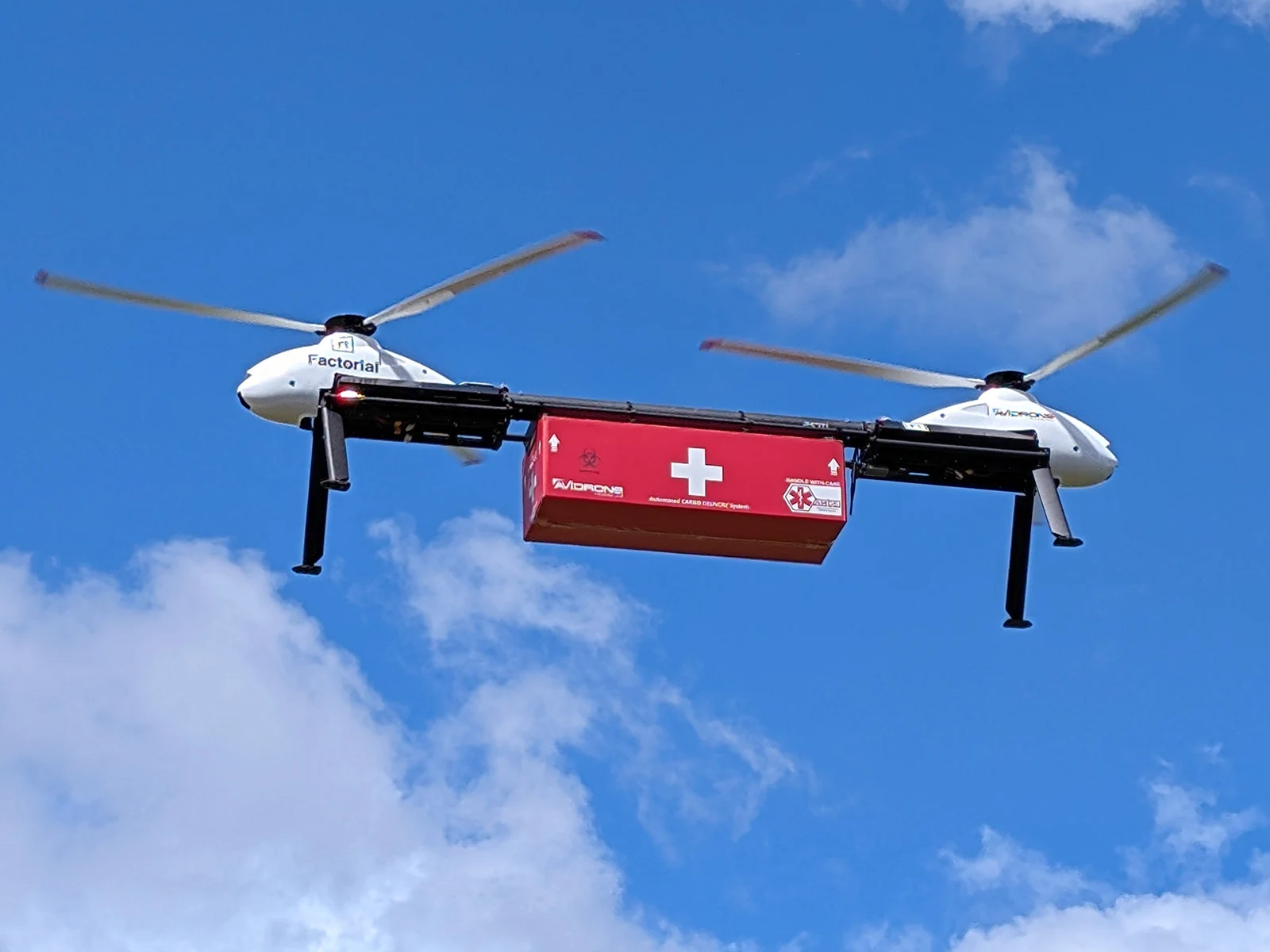
    The power-to-weight ratio is crucial for drones like the DJI Mini 4 Pro, where the battery can make up to 40% of the UAV’s total weight. Avidrone, a Canadian company, introduced its first cargo drone equipped with a solid-state battery pack from Factorial back in May, highlighting the advantages of this technology.

    Performance in Various Conditions

    Solid-state batteries not only offer more energy in the same size but also excel in extreme temperature conditions since they lack liquid electrolytes that could freeze or thicken. This, along with their outstanding thermal stability, makes them a great fit for drones and robots that must operate in diverse environments.

    Eve Energy is aiming to produce 100 MWh of solid-state batteries next year, with plans to increase energy density to 400 Wh/kg. While this production capacity might appear minor compared to Tesla’s large-scale Gigafactories, the battery packs are designed for much smaller devices. The key point is that solid-state batteries are rapidly advancing from the prototype phase to mass production.

    Source:
    Link


  • Insta360 Antigravity A1: First 8K 360 Drone Ahead of DJI Mini 5 Pro

    Insta360 Antigravity A1: First 8K 360 Drone Ahead of DJI Mini 5 Pro

    Key Takeaways

    1. Antigravity has launched its first drone, the Antigravity A1, in collaboration with Insta360.
    2. The A1 features a dual-lens camera capable of recording 8K and 360-degree videos simultaneously.
    3. The drone captures its surroundings without blind spots using image stitching technology.
    4. The A1 is compatible with Antigravity Vision FPV goggles, offering real-time 360-degree video and head tracking.
    5. Weighing 249 grams, the A1 meets C0 drone classification standards, but will not be available until January 2026.


    Antigravity, a brand new drone company that worked together with Insta360, has finally revealed its first product after teasing it at the end of last month. This official launch comes a little while after some footage of the drone leaked online, showing the device with a see-through shell.

    New Drone Specs

    The recently announced Antigravity A1 will compete with the DJI Mini 4 Pro (curr. $1,008 on Amazon) and the speculated Mini 5 Pro, featuring a more standard white or beige exterior instead. However, the Antigravity A1 is touted as the first drone able to record 8K and 360-degree videos at the same time thanks to its dual-lens camera setup.

    Innovative Technology

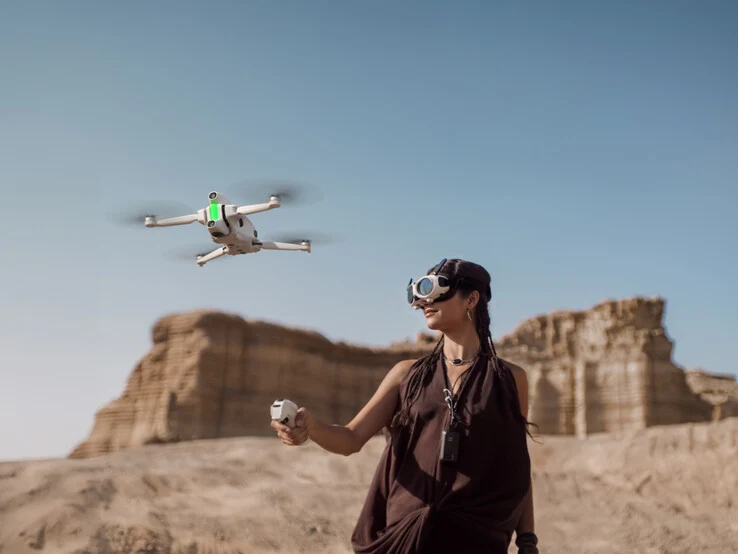
    In theory, this camera setup lets the drone capture its surroundings without any blind spots, but this is only achievable with image stitching technology. Nevertheless, Insta360 has confirmed that the A1 can work with Antigravity Vision first-person view (FPV) goggles, which we have included images of below.

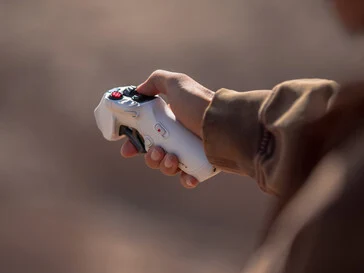
    These FPV goggles supposedly provide real-time 360-degree videos and even support head tracking. At the same time, Insta360 has developed a Grip controller that enables users to fly the A1 in one direction while looking the other way, if necessary. Furthermore, the Antigravity A1 will weigh 249 grams to comply with C0 drone classification standards. Sadly, the Antigravity A1 won’t be available until January 2026, which is after DJI is anticipated to release the Mini 5 Pro.

    Source:
    Link