Tag: Solid State Batteries

  • Samsung’s Dry Cell Breakthrough: Cheaper Solid-State Batteries Ahead

    Samsung’s Dry Cell Breakthrough: Cheaper Solid-State Batteries Ahead

    Key Takeaways

    1. Samsung plans to use the dry production technique for solid-state batteries, aiming to cut manufacturing costs in half by 2027.
    2. Competing with major players like Toyota and CATL, Samsung seeks a competitive edge through the advanced dry electrode method utilized by Tesla.
    3. The specifications of Samsung’s solid-state batteries include a 500 Wh/kg energy density, 9-minute charging time, and a range of 600 miles per charge.
    4. Samsung is focusing on innovative production techniques, such as roll pressing and fiberization, to reduce costs and improve battery efficiency.
    5. The use of a unique Teflon binder distinguishes Samsung’s dry electrode method from traditional wet methods, enhancing the battery’s performance and safety.


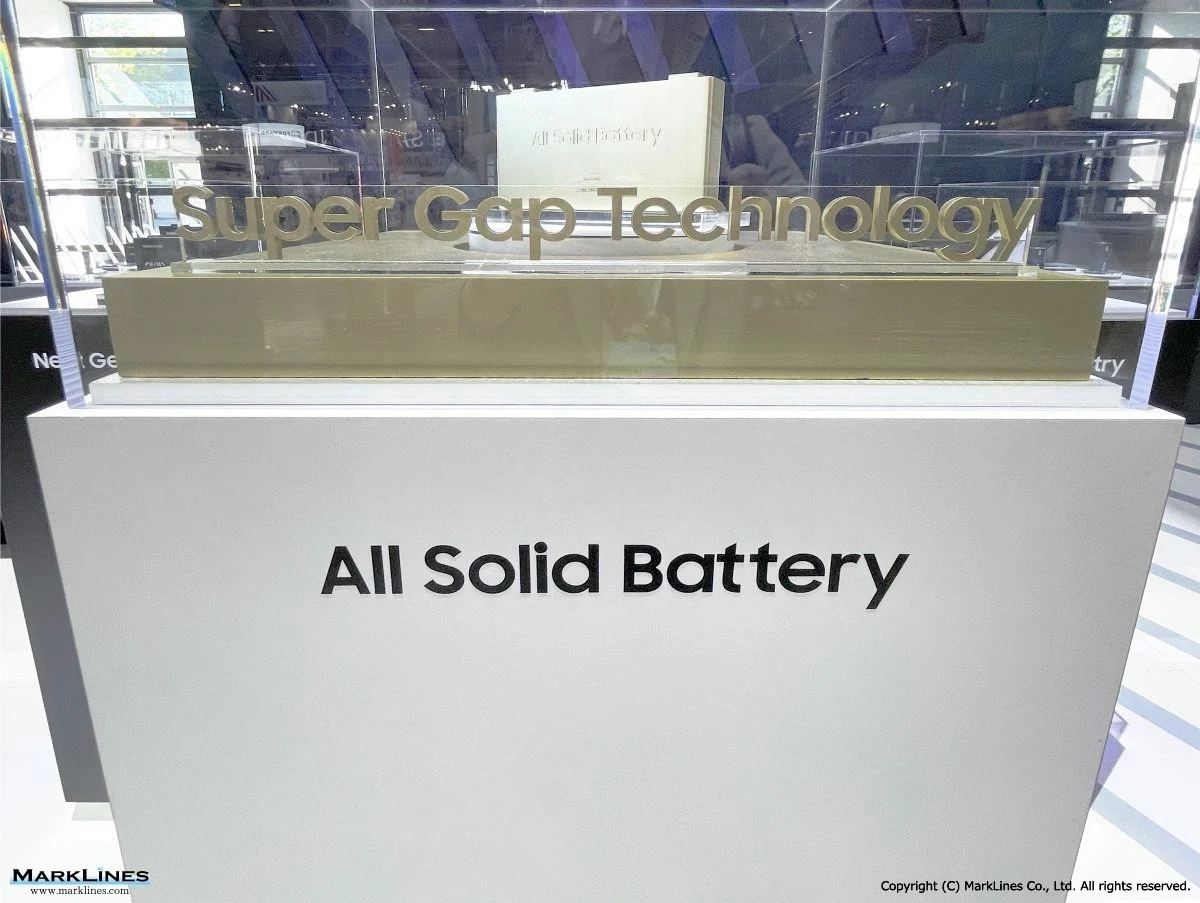
    Samsung is set to use the dry production technique praised by Tesla, which is said to cut battery expenses in half, for its future solid-state batteries.

    Aiming for Cost Reduction

    The primary aim is to tackle the major obstacle to the widespread use of solid-state batteries in electric vehicles, which is the high manufacturing costs. Samsung plans to roll out these batteries by 2027. Interestingly, both Toyota and CATL, the biggest battery producer globally, have also announced that they will begin mass production of solid-state batteries during the same year.

    Competing with Giants

    If Samsung can successfully implement the dry electrode production method currently being used by Tesla for the more affordable manufacture of the Cybertruck’s 4680 batteries, it might gain a competitive edge over Chinese companies. This would happen when the advanced battery chemistry is adopted widely in electric vehicles.

    Samsung’s solid-state battery specifications are already among the finest in the sector, achieving the technology’s potential of 500 Wh/kg energy density. Thanks to the inherent benefits of solid-state technology, Samsung hinted at a 9-minute charging time and a range of 600 miles on a single charge from a battery pack that matches the size of existing EV batteries.

    Focus on Production Costs

    More importantly, Samsung is concentrating on reducing the production costs of solid-state batteries, a factor that previously led CATL to predict they wouldn’t be ready for mass production before 2030. However, CATL has since changed its stance, recognizing the rapid advancements in the field and projecting that its own solid-state battery program will be prepared for mass production by 2027.

    Samsung is relying on two innovative production techniques to reduce the costs of its solid-state batteries. The first is roll pressing, which eliminates the need for complex sealing of the cell with the Warm Istactic Press method before applying 600 MPa of high-temperature pressure underwater to bond the electrode and electrolyte materials into a solid form.

    Introducing Fiberization Process

    Recently, Samsung has shared details about a fiberization process that it plans to implement not only in its pilot solid-state battery production line but also in its traditional battery production to significantly lower manufacturing costs.

    Samsung identifies the binder as the primary distinction between the more energy-efficient dry electrode technique and the conventional wet method, which involves coating with harmful solvents and drying in large furnaces afterward. Samsung’s Teflon binder is designed to stretch under the pressure of the roll pressing method, creating a “layer that supports the conductive material and the active material.” This results in a separation film that is stronger and more evenly distributed, preventing direct contact between electrodes and solid electrolytes, while still allowing for smooth charge flow between them.

    Tesla is working on a similar approach with its dry-cathode battery production technique, but has not yet scaled up production to replace the second-generation 4680 battery, which has a 15% higher energy density and is used in the Cybertruck, in a cost-effective manner.

    Source:
    Link

  • Sodium-Based Solid-State Batteries: Faster Charging & Higher Capacity

    Sodium-Based Solid-State Batteries: Faster Charging & Higher Capacity

    Key Takeaways

    1. Researchers at BAM are developing a sodium super-ionic conductor (NASICON) electrolyte to improve solid-state batteries beyond lithium-ion technology.
    2. Switching from graphite anodes to metallic lithium or sodium could increase energy density by up to 40%.
    3. A liquid alkali-metal anode can produce 100 times more power than graphite, but current usage requires high temperatures (250°C).
    4. NASICON materials effectively conduct ions at room temperature and tolerate potassium, but finding alternative stabilizing dopants is essential due to hafnium’s rarity and cost.
    5. Successful development of sodium-based solid-state batteries could lead to safer, faster charging, and more sustainable energy systems for everyday applications and electric vehicles.


    Researchers at the Federal Institute for Materials Research and Testing (BAM) in Germany are rethinking solid-state batteries to surpass the limits of current lithium-ion cells. Their work focuses on a new sodium super-ionic conductor (NASICON) electrolyte, which has the potential to enable quicker charging, longer lifespans, and reduced costs, all while maintaining safety.

    Advancements in Battery Technology

    Traditional lithium-ion batteries use graphite anodes, which can only hold a limited amount of ions. By switching to metallic lithium or the more affordable and abundant sodium, energy density could increase by up to 40 percent. However, solid anodes require a solid electrolyte, and the hard interface between them often creates gaps that render the battery ineffective. A partially liquid anode could address this interface issue, but it must remain stable throughout.

    Breaking New Ground with NASICON

    The team at BAM, directed by visiting researcher Gustav Graeber, has demonstrated that a liquid alkali-metal anode can produce 100 times more power than graphite. Currently, this impressive output is achievable only at around 250°C (482°F). To lower the temperature for practical use, the researchers are incorporating potassium to decrease the anode’s melting point. Unfortunately, most solid electrolytes deteriorate when in contact with potassium, leading to a new challenge for the electrolyte.

    NASICON materials are addressing this challenge effectively. They are capable of conducting ions well at room temperature and can tolerate potassium, especially when enhanced with hafnium. However, hafnium is both rare and costly. Thus, the BAM team is exploring more readily available dopants that could replicate hafnium’s stabilizing properties. The most effective combinations are already being tested and cycled in prototype sodium cells.

    Future Implications

    Should their research prove fruitful, sodium-based solid-state batteries may transition from laboratory settings to everyday applications and electric vehicles. The increased energy density would prolong usage time, while solid electrolytes would enhance overall safety. Quicker charging and a supply chain reliant on abundant sodium instead of rare lithium and cobalt would also make this technology appealing for grid storage, marking a significant yet gradual move towards more sustainable energy systems.

    Source:
    Link

  • SK On Advances Longevity of Solid-State Batteries for EVs

    SK On Advances Longevity of Solid-State Batteries for EVs

    Key Takeaways

    1. SK On is developing new solid-state battery prototypes aimed at improving resilience and lifespan compared to current electric vehicle batteries.
    2. The lifespan of electric vehicle batteries can now be extended to three times longer than the typical 100 charge cycles.
    3. A new protective layer for lithium-metal anodes was created by using a solution with lithium nitrate, enhancing battery longevity.
    4. Collaboration with Yonsei University revealed that longer curing times for protective layers can improve discharge capacity in polymer solid-state batteries.
    5. A factory for testing these innovative batteries is being built in partnership with Solid Power, expected to be completed by late 2025.


    SK On is a firm that focuses on the creation and production of electric vehicle batteries. They are currently working on two new solid-state battery prototypes that aim to be more resilient than the batteries we have today. A factory dedicated to testing these innovative batteries is under construction in partnership with Solid Power, with an anticipated completion date in the latter half of 2025.

    Improved Battery Lifespan

    Electric vehicles, like the latest Mercedes-Benz CLA, usually see their batteries lose efficiency after around 100 charge cycles. However, researchers at SK On have reportedly managed to extend that lifespan to three times longer.

    Innovative Methods

    To make this happen, the research team attempted to get rid of the protective layer on the lithium-metal anode by placing it in a solution containing lithium nitrate and other compounds. This approach inadvertently created a new, stronger protective layer.

    The development of this new layer, thanks to lithium oxide, enhances the longevity of lithium-metal batteries. SK On has shared these discoveries in the ACS Energy Letters journal (as noted by Chosun Biz).

    Collaboration with Academia

    In addition, SK On along with Yonsei University studied how the lifespan of gel polymer electrolytes correlates with their thermal stability in polymer solid-state batteries. The researchers found that a longer curing time for the cathode’s protective layer leads to a decreased discharge capacity.

    To investigate this further, they cured the protective layers of two batteries for varying lengths of time. The results showed that the battery cured for 20 minutes had a 34% drop in capacity, whereas the one cured for 60 minutes only experienced a loss of 9.1%.

    Source:
    Link

  • BYD Exec: Solid-State Battery Demo Expected by 2027

    BYD Exec: Solid-State Battery Demo Expected by 2027

    Key Takeaways

    1. Solid-state batteries are a key focus for research, especially among electric vehicle manufacturers aiming to improve range.
    2. BYD plans to start demonstration projects for solid-state batteries around 2027, with wider availability expected by 2030.
    3. CATL aims for limited production of solid-state batteries in 2027, but high-volume production may face cost challenges.
    4. BYD’s battery material selection prioritizes cost and production stability, with trial production of single cells expected by 2024.
    5. Large-scale use of solid-state batteries is anticipated to begin late in the decade, with costs expected to align with current liquid ternary batteries.


    Solid-state batteries are a key focus in the research world, particularly among electric vehicle (EV) manufacturers looking to boost the range of their vehicles. BYD’s CTO for the battery division, Sun Huajun, mentioned that the company plans to start demonstration projects for solid-state batteries by around 2027. He made this statement during a recent forum and added that these batteries might not be widely available until 2030.

    Industry Progress

    Sun highlighted that advancements in solid-state batteries are consistent among major players in the industry. For instance, CATL, the leading global battery manufacturer, announced last year that it aims to begin limited production of its solid-state battery in 2027. Nevertheless, Wu Kai, the chief scientist of CATL, pointed out that achieving high-volume production could face challenges in lowering costs effectively.

    BYD’s Strategy

    According to Sun, BYD’s selection of materials for its batteries was influenced by factors such as cost and stability of production processes. The company initiated its research on solid-state batteries back in 2016 and is expected to reach trial production of single cells ranging from 20 Ah to 60 Ah by 2024.

    Future Outlook

    While it is anticipated that large-scale use of these batteries will not occur until late in the decade, Sun reassured that their affordability should not be a concern in the long run. As more options become available, costs are expected to align with those of liquid ternary batteries.

    Source:
    Link

  • Great Wall Motors Unveils Solid-State Battery and Fast Charging

    Great Wall Motors Unveils Solid-State Battery and Fast Charging

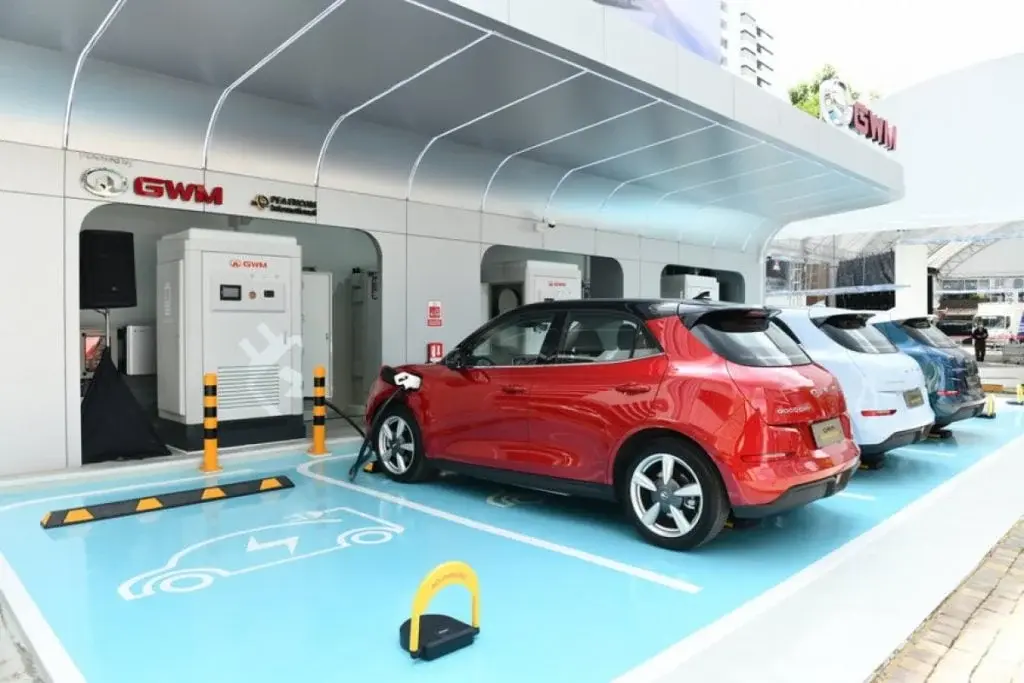
    Great Wall Motors (GWM) has made a major advancement in its solid-state battery and ultra-fast charging technologies. The Chinese automotive company has successfully created solid-state pouch cells, marking the final stage in the development of solid-state batteries. The next step involves scaling this model for commercial production on a large scale.

    Solid-State Battery Advantages

    Solid-state batteries differ from the current lithium-ion batteries by using a solid material instead of a liquid electrolyte. This results in significantly higher energy densities and faster charging times compared to lithium batteries.

    Overheating poses a serious safety risk for electric vehicles (EVs), and solid-state batteries offer improved stability in this respect. They are less likely to overheat and catch fire, issues commonly associated with lithium-ion batteries. These batteries are expected to be more reliable across a wide temperature range, including cold weather conditions. GWM is also investigating various battery chemistries alongside its solid-state battery efforts.

    Ultra-Fast Charging Developments

    GWM is also making significant strides in accelerating charging speeds through its ultra-fast charging technology. The GWM 4C supercharging battery cell can add up to 311 miles (500 km) of range in just 10 minutes of charging. This innovation has significant positive implications for long-distance EV travel, virtually eliminating the time penalty.

    GWM is also working on a 6C cell that will further reduce charging times. It is anticipated that GWM's solid-state battery and ultra-fast charging products will be released soon. These technologies could debut on the Tank 800 SUV by the end of 2024. Additionally, the GWM Lightning Cat sedan will be updated later this year and may feature the latest GWM battery technology.

  • Toyota to Reveal New Electric Concept Car at Beijing Auto Show

    Toyota to Reveal New Electric Concept Car at Beijing Auto Show

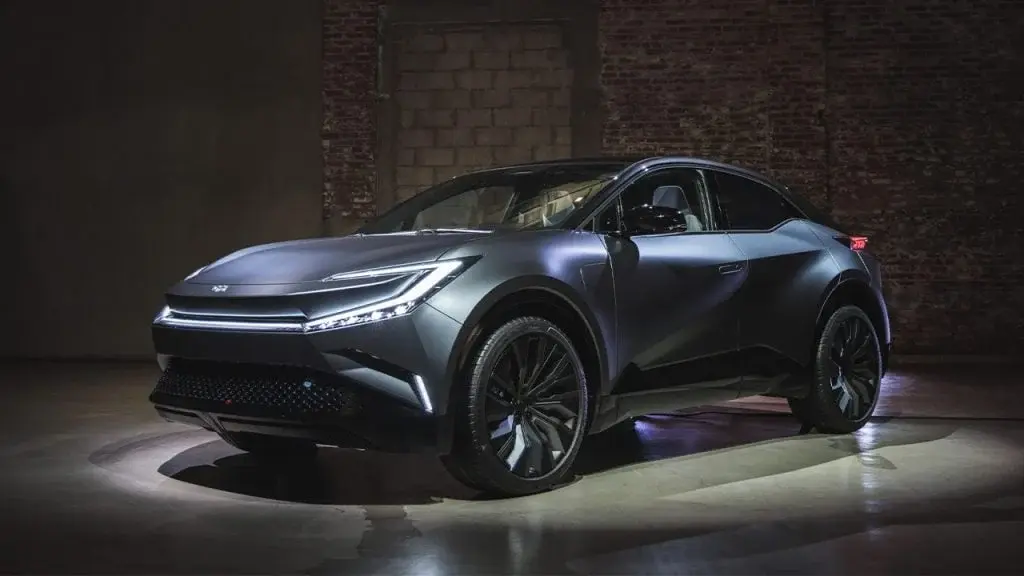
    As per the latest updates, Toyota, the well-known Japanese automaker, has exciting plans for the upcoming Beijing Auto Show. They are preparing to reveal a new electric concept car, keeping specific details confidential, which is expected to bring a fresh perspective from the company. This forthcoming vehicle will not only display Toyota's most recent design concepts but also highlight groundbreaking advancements in intelligent technology and chassis engineering.

    Toyota's Solid State Battery Initiative

    Toyota has set a target to commence mass production of solid-state batteries by 2027. Additionally, the company is strengthening its foothold in China by intensifying partnerships with significant Chinese manufacturers. This strategic move showcases Toyota's enduring dedication to collaborating with key players in the world's largest automotive market. The emphasis remains on battery innovation, with Toyota reiterating its commitment to scaling up solid-state battery production by 2027. While initial small-scale production is ongoing, this next-gen technology is anticipated to bring substantial enhancements in electric vehicle range and charging efficiency.

    Diverse Vehicle Lineup at the Beijing Auto Show

    The Beijing Auto Show won't be limited to futuristic concepts alone. Toyota is gearing up to introduce a range of vehicles, including the bZ4X ROBOTAXI, an autonomous taxi developed in partnership with Pony.ai. Enthusiasts can also anticipate the showcase of models like the GR YARIS and the Camry 2.5L dual-engine variant. The active participation of prominent EV manufacturers in the electric vehicle domain signifies progress in a crucial sector that demands attention. Increased competition is likely to drive down EV prices, facilitating broader acceptance among consumers. Furthermore, Toyota has plans to unveil the sixth generation of the iconic Supra in the upcoming year or beyond, adding another exciting element to watch out for.