Tag: Tesla 4680

  • South Korean Lab’s New Battery Tech Promises Longer Life and Energy

    South Korean Lab’s New Battery Tech Promises Longer Life and Energy

    Key Takeaways

    1. The innovative “interlocking electrode-electrolyte” (IEE) structure permanently bonds the electrode and electrolyte, enhancing stability during charging cycles.
    2. Prototype cells with the IEE design achieved a gravimetric energy density of 403.7 Wh/kg and volumetric density of 1,300 Wh/L, surpassing current battery technologies like Tesla’s 4680 cell.
    3. The IEE structure supports silicon anodes, which can hold more lithium ions but face volume change issues, thus improving their lifespan and performance.
    4. The technology is still in the laboratory stage and faces challenges in production and cost for industrial adoption.
    5. If successful, IEE technology could significantly improve battery energy capacity and longevity for various applications, including electric vehicles and consumer electronics.


    According to Advanced Science, a groundbreaking system created by researchers from South Korea is based on a unique “interlocking electrode-electrolyte” (IEE) structure. In this innovative design, the electrode and electrolyte parts are permanently bonded together. This differs from traditional layered lithium-ion cells, as the strong interlocking prevents any weakening of the structure during charging cycles.

    Laboratory Achievements

    In testing, prototype cells using the IEE structure achieved impressive results, reaching a gravimetric energy density of 403.7 Wh/kg and a volumetric density of 1,300 Wh/L. These figures surpass those of current batteries, including Tesla’s 4680 cell, which has energy densities of 241 Wh/kg and 643 Wh/L.

    Benefits of the Design

    One of the main benefits of the IEE structure is that it is ideal for silicon anodes. Theoretically, silicon can hold about ten times more lithium ions compared to graphite, but it experiences significant volume changes when charged. This issue has limited the lifespan of silicon anodes in the past. However, the solid bond in the IEE design helps stabilize the anode and manage these stresses, making silicon a more viable option for use as an active material.

    Challenges Ahead

    Even with its impressive performance data, the technology is still at the laboratory stage. The production process involves new materials, which complicates and raises costs for transferring this technology to industrial production lines. Thus, it’s likely to take several years of development before it can be used commercially.

    If IEE technology becomes widely adopted, it could greatly enhance the energy capacity and longevity of batteries. This advancement would benefit not only electric vehicles but also smartphones, laptops, and stationary storage solutions, especially as manufacturers seek to improve range, charging efficiency, and sustainability on multiple fronts.

    Source:
    Link
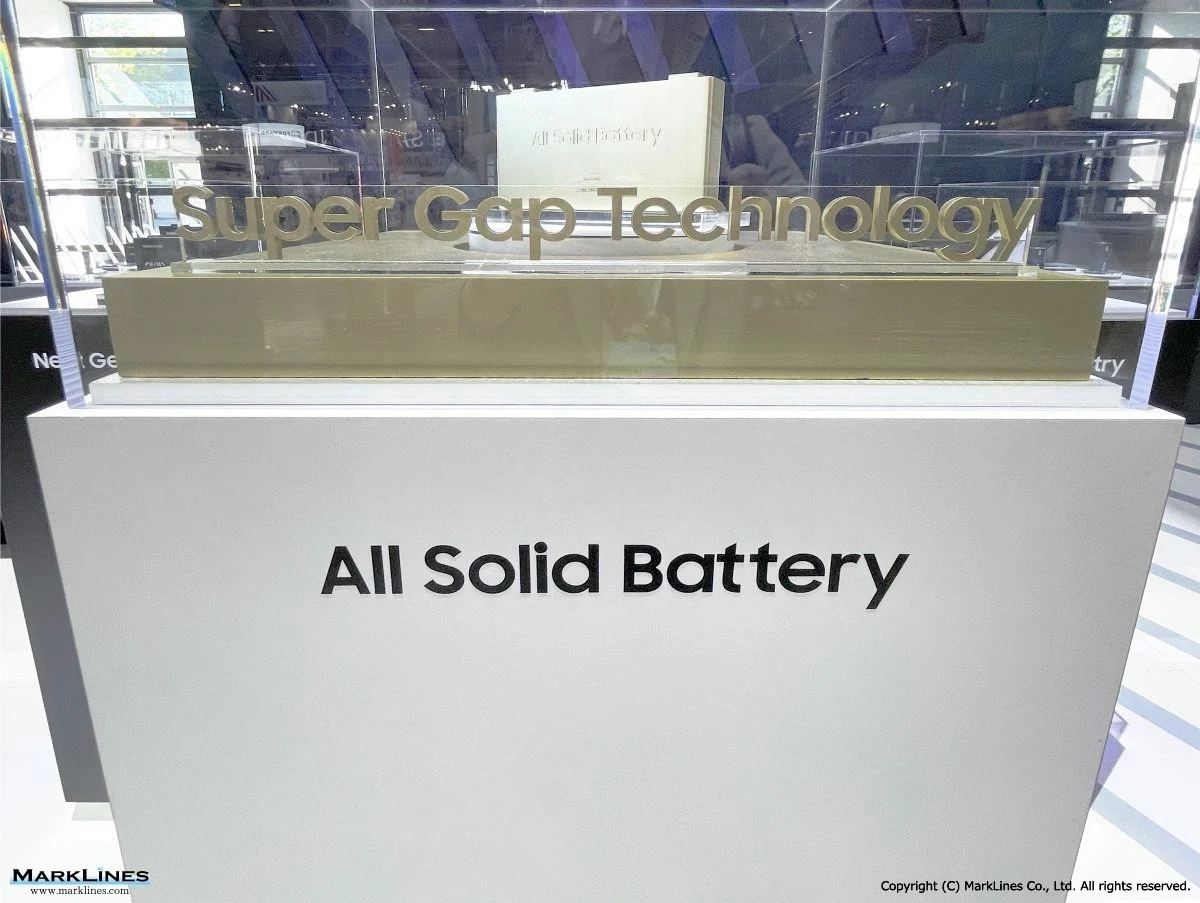


  • Samsung’s Dry Cell Breakthrough: Cheaper Solid-State Batteries Ahead

    Samsung’s Dry Cell Breakthrough: Cheaper Solid-State Batteries Ahead

    Key Takeaways

    1. Samsung plans to use the dry production technique for solid-state batteries, aiming to cut manufacturing costs in half by 2027.
    2. Competing with major players like Toyota and CATL, Samsung seeks a competitive edge through the advanced dry electrode method utilized by Tesla.
    3. The specifications of Samsung’s solid-state batteries include a 500 Wh/kg energy density, 9-minute charging time, and a range of 600 miles per charge.
    4. Samsung is focusing on innovative production techniques, such as roll pressing and fiberization, to reduce costs and improve battery efficiency.
    5. The use of a unique Teflon binder distinguishes Samsung’s dry electrode method from traditional wet methods, enhancing the battery’s performance and safety.


    Samsung is set to use the dry production technique praised by Tesla, which is said to cut battery expenses in half, for its future solid-state batteries.

    Aiming for Cost Reduction

    The primary aim is to tackle the major obstacle to the widespread use of solid-state batteries in electric vehicles, which is the high manufacturing costs. Samsung plans to roll out these batteries by 2027. Interestingly, both Toyota and CATL, the biggest battery producer globally, have also announced that they will begin mass production of solid-state batteries during the same year.

    Competing with Giants

    If Samsung can successfully implement the dry electrode production method currently being used by Tesla for the more affordable manufacture of the Cybertruck’s 4680 batteries, it might gain a competitive edge over Chinese companies. This would happen when the advanced battery chemistry is adopted widely in electric vehicles.

    Samsung’s solid-state battery specifications are already among the finest in the sector, achieving the technology’s potential of 500 Wh/kg energy density. Thanks to the inherent benefits of solid-state technology, Samsung hinted at a 9-minute charging time and a range of 600 miles on a single charge from a battery pack that matches the size of existing EV batteries.

    Focus on Production Costs

    More importantly, Samsung is concentrating on reducing the production costs of solid-state batteries, a factor that previously led CATL to predict they wouldn’t be ready for mass production before 2030. However, CATL has since changed its stance, recognizing the rapid advancements in the field and projecting that its own solid-state battery program will be prepared for mass production by 2027.

    Samsung is relying on two innovative production techniques to reduce the costs of its solid-state batteries. The first is roll pressing, which eliminates the need for complex sealing of the cell with the Warm Istactic Press method before applying 600 MPa of high-temperature pressure underwater to bond the electrode and electrolyte materials into a solid form.

    Introducing Fiberization Process

    Recently, Samsung has shared details about a fiberization process that it plans to implement not only in its pilot solid-state battery production line but also in its traditional battery production to significantly lower manufacturing costs.

    Samsung identifies the binder as the primary distinction between the more energy-efficient dry electrode technique and the conventional wet method, which involves coating with harmful solvents and drying in large furnaces afterward. Samsung’s Teflon binder is designed to stretch under the pressure of the roll pressing method, creating a “layer that supports the conductive material and the active material.” This results in a separation film that is stronger and more evenly distributed, preventing direct contact between electrodes and solid electrolytes, while still allowing for smooth charge flow between them.

    Tesla is working on a similar approach with its dry-cathode battery production technique, but has not yet scaled up production to replace the second-generation 4680 battery, which has a 15% higher energy density and is used in the Cybertruck, in a cost-effective manner.

    Source:
    Link

  • Tesla’s 4680 Battery Exclusivity Ends as China Joins the Market

    Tesla’s 4680 Battery Exclusivity Ends as China Joins the Market

    Key Takeaways

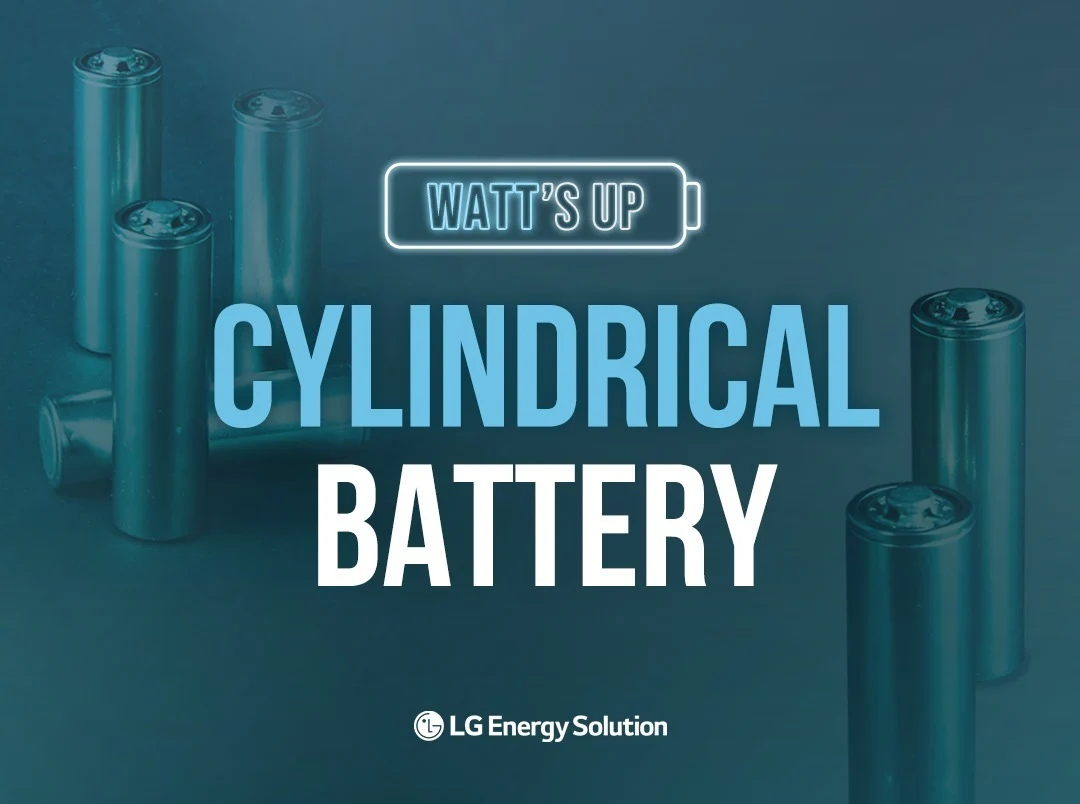
    1. LG Energy has secured a delivery agreement to supply 8 GWh of cylindrical batteries to Chery, ending Tesla’s exclusive rights to the 4680 battery series.
    2. Tesla’s 4680 battery has faced challenges, achieving only about half of the projected cost reductions and showing lower energy density compared to other suppliers’ batteries.
    3. The second generation of the 4680 battery, called Cybercell, offers a 15% increase in energy density but still struggles with slow charging speeds.
    4. Tesla claims to have reached cost parity with other suppliers for the 4680 battery, though it’s uncertain if this considers U.S. government subsidies for local production.
    5. LG is developing its own dry-cathode production method for its 46-series batteries, promising improved performance in energy density, cold weather capabilities, and charging efficiency for Chery’s premium EVs starting in 2026.


    One of Tesla’s suppliers for the cylindrical 4680 battery has recently entered into a delivery agreement with one of the biggest car manufacturers in China.

    Details of the Agreement

    According to the contract, Chery’s high-end electric vehicles will receive 8 GWh of cylindrical batteries from LG Energy, marking the end of Tesla’s exclusive rights to the 4680 battery series.

    Tesla’s Ambitious Plans

    When Elon Musk revealed the 4680 cells during Battery Day back in 2020, he highlighted their potential to be significantly cheaper while also offering a notable increase in capacity. Now, five years later, Tesla has only begun to fulfill parts of that ambitious promise.

    The 4680 battery has proven to be quite a challenge, with the CEO of CATL, the world’s leading battery company, advising Musk that he may be wasting his efforts on this concept. Musk even mentioned that Tesla might need to abandon the 4680 battery if they cannot reduce costs to compete with other suppliers like Panasonic and LG.

    Initial Challenges

    The first generation of the 4680 battery that Tesla produced and used in some Model Y vehicles faced numerous problems. It showed lower energy density and had a less favorable charging curve compared to batteries from Tesla’s other suppliers, and the anticipated savings in manufacturing costs simply did not materialize.

    Tesla achieved only about half of the projected cost reductions, which was the simpler part that came from packing more capacity into larger cells that also functioned as a chassis structure, which then affected vehicle repairability.

    New Developments

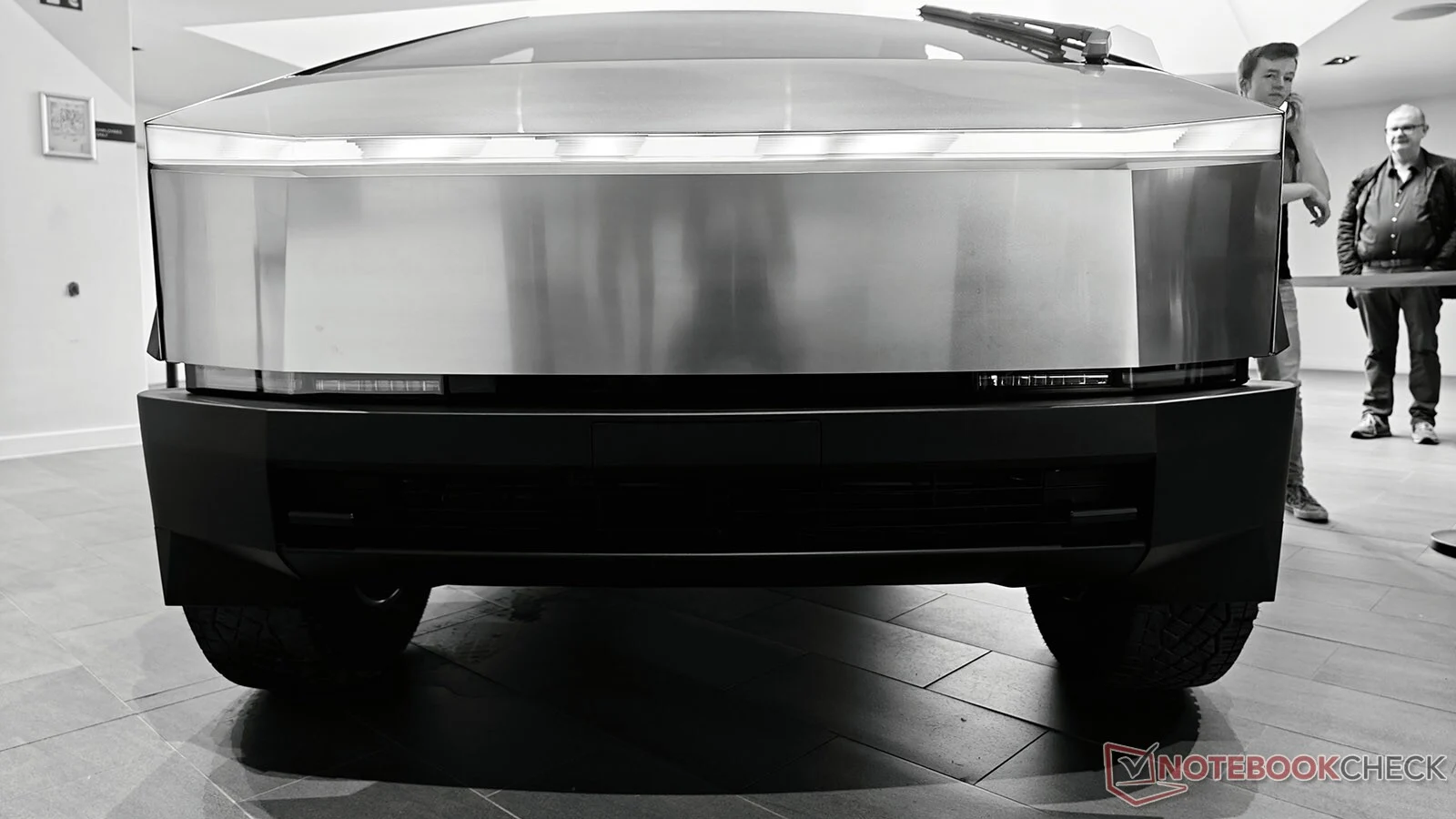
    The 4680 battery was revived for the Cybertruck in a second generation dubbed the Cybercell, which offers a 15% increase in energy density along with some additional production cost savings, but it still suffers from slow charging speeds.

    After the Cybertruck’s unveiling, Tesla fine-tuned the charging curve and introduced a dry-cathode manufacturing technique that is a key to lowering 4680 battery costs. Now, Musk asserts that Tesla has reached cost parity with cells made by its suppliers, claiming that the 4680 battery is now the most affordable option on a per kWh basis.

    Important Considerations

    However, it’s uncertain whether these cost reductions account for the substantial subsidies provided by the U.S. government for local battery production, which may face changes under the Trump administration.

    Regardless, LG is also preparing to implement a dry-cathode production method for its 46-series batteries and has signed a contract to supply these batteries to China’s leading automobile exporter.

    LG asserts that its cylindrical batteries destined for China will outperform others in energy density, cold weather capabilities, and charging efficiency. This will be put to the test, as Chery is set to begin installing these batteries in its premium EVs starting in early 2026 under a $730 million agreement that could last six years, with potential extensions for additional models.

    Source:
    Link


  • BYD vs Tesla: 4680 Battery Teardown Reveals Cybertruck Charging Issues

    BYD vs Tesla: 4680 Battery Teardown Reveals Cybertruck Charging Issues

    Key Takeaways

    1. Elon Musk removed key personnel involved in Tesla’s 4680 battery production, considering sourcing from suppliers if cost reductions weren’t met by year’s end.
    2. Tesla has developed a dry cathode production method for the 4680 battery, making it more competitive and integrating it into the Cybertruck.
    3. CATL’s chairman expressed skepticism about the success of the 4680 battery, suggesting Musk tends to overpromise timelines.
    4. A comparison of Tesla’s 4680 battery and BYD’s Blade cell revealed significant differences in thermal efficiency and resistance behavior under charging conditions.
    5. Tesla’s 4680 battery may face challenges with thermal design, impacting charging efficiency and performance in vehicles like the Cybertruck.


    When Elon Musk let go of Tesla’s battery lead, Drew Baglino, last spring, he also removed the manager for the 4680 cell production facilities at Giga Texas.

    Drew wanted to work on the 4680 battery as Elon Musk had outlined during Battery Day in 2020, aiming for a 50% cost reduction compared to Tesla’s traditional batteries.

    However, this process was taking longer than expected. Elon thought that if Tesla couldn’t achieve any cost cuts by the year’s end, it would be better to source 4680 batteries from suppliers like LG, which has a factory in Arizona that produces 4680 cells using a more advanced manufacturing method.

    Developments in Production

    Since that time, Tesla has announced it has figured out a dry cathode production method that makes the 4680 battery costs much more competitive and has begun integrating these new cells into the Cybertruck.

    Yet, according to CATL’s chairman, Robin Zeng, the 4680 battery Musk envisioned “is going to fail and never be successful.” He even reportedly demonstrated why, leaving Musk “silent.”

    Zeng believes that Musk tends to overpromise. “Maybe something needs five years. But he says two years. I definitely asked him why. He told me he wanted to motivate people,” Zeng stated.

    Battery Design Strategies

    The two largest EV battery manufacturers, CATL and BYD, prefer to make iterative upgrades to their battery designs and chemistry, always aiming for compatibility with mass production. This method has proven effective so far, even as they work on successful solid-state or sodium-ion battery projects.

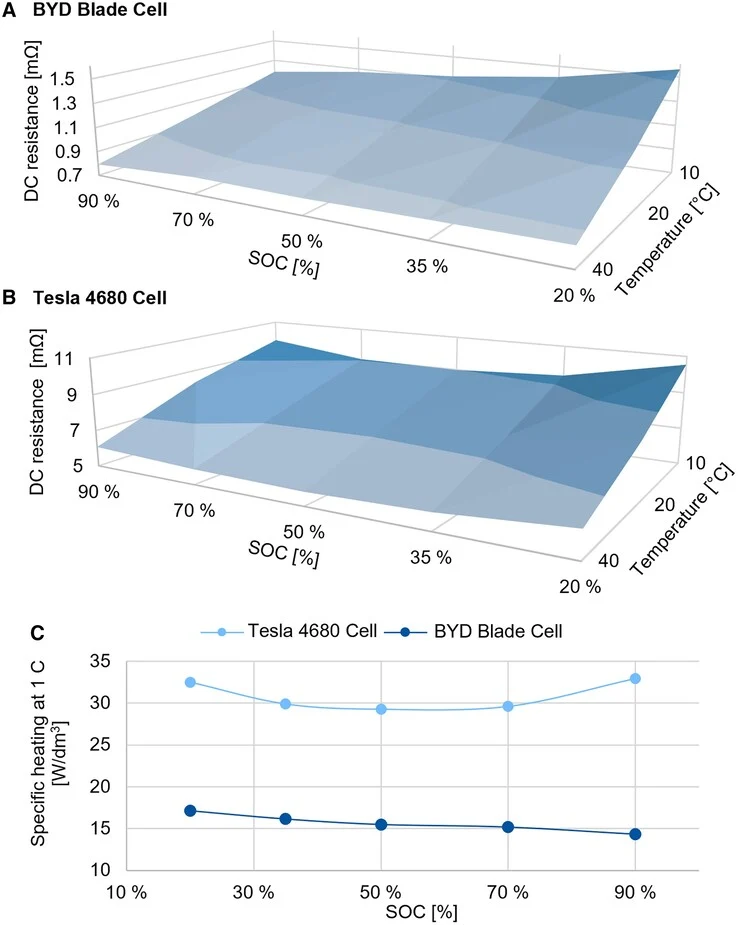
    A new teardown of a BYD Blade and a Tesla 4680 battery cell suggests that Zeng might have a valid point. Research led by Jonas Gorsch from RWTH Aachen University found that the prismatic BYD cell has double the thermal efficiency of Tesla’s 4680 battery.

    The team dissected both cells to examine their housing structures, dimensions, thermal characteristics, and the precise material makeup and costs of their electrodes, revealing some fascinating differences and similarities, including laser welding.

    Performance Comparisons

    Tesla’s 4680 battery provided an energy density of 241 Wh/kg, compared to the 160 Wh/kg of the Blade cell. This difference makes sense since the Tesla battery is nickel-based, while the BYD battery utilizes the more economical LFP chemistry.

    However, when charging current was applied, researchers observed an anomaly with Tesla’s 4680 battery cell: the resistance of the 4680 cell increases at high State of Charge (SOC) values, especially in cooler temperatures, while the BYD Blade cell’s resistance decreases with higher SOCs. This could be due to increased charge transfer resistance at the anode’s surface from high lithium concentration, as such resistances usually rise with SOC. This phenomenon requires further exploration since a rise in total cell resistance at higher SOC is unusual, given that the cathode’s charge transfer typically decreases, offsetting the anode resistance increase.

    Consequently, Tesla’s 4680 battery cell produced double the heat that needs to be dissipated per volume under the same charging load. In summary, the BYD cell is “more favorable for designing a cooling strategy for fast charging,” according to the researchers.

    This less efficient thermal design might clarify the odd charging curve of the Model Y fitted with the first version of Tesla’s 4680 battery, as well as the ongoing slow charging issues with the Cybertruck, even though it uses the next-generation cells referred to as Cybercells.

    Tesla did attempt to resolve the Cybertruck’s charging curve with an over-the-air update; however, tests at Tesla’s new 325 kW V4 Superchargers revealed little change in charging time. The thermal inefficiencies of the 4680 battery could be part of the issue, as suggested by the study.

    Get the 80A Tesla Gen 2 Wall Connector with 24′ cable on Amazon.