
Key Takeaways
1. LG Energy has secured a delivery agreement to supply 8 GWh of cylindrical batteries to Chery, ending Tesla’s exclusive rights to the 4680 battery series.
2. Tesla’s 4680 battery has faced challenges, achieving only about half of the projected cost reductions and showing lower energy density compared to other suppliers’ batteries.
3. The second generation of the 4680 battery, called Cybercell, offers a 15% increase in energy density but still struggles with slow charging speeds.
4. Tesla claims to have reached cost parity with other suppliers for the 4680 battery, though it’s uncertain if this considers U.S. government subsidies for local production.
5. LG is developing its own dry-cathode production method for its 46-series batteries, promising improved performance in energy density, cold weather capabilities, and charging efficiency for Chery’s premium EVs starting in 2026.
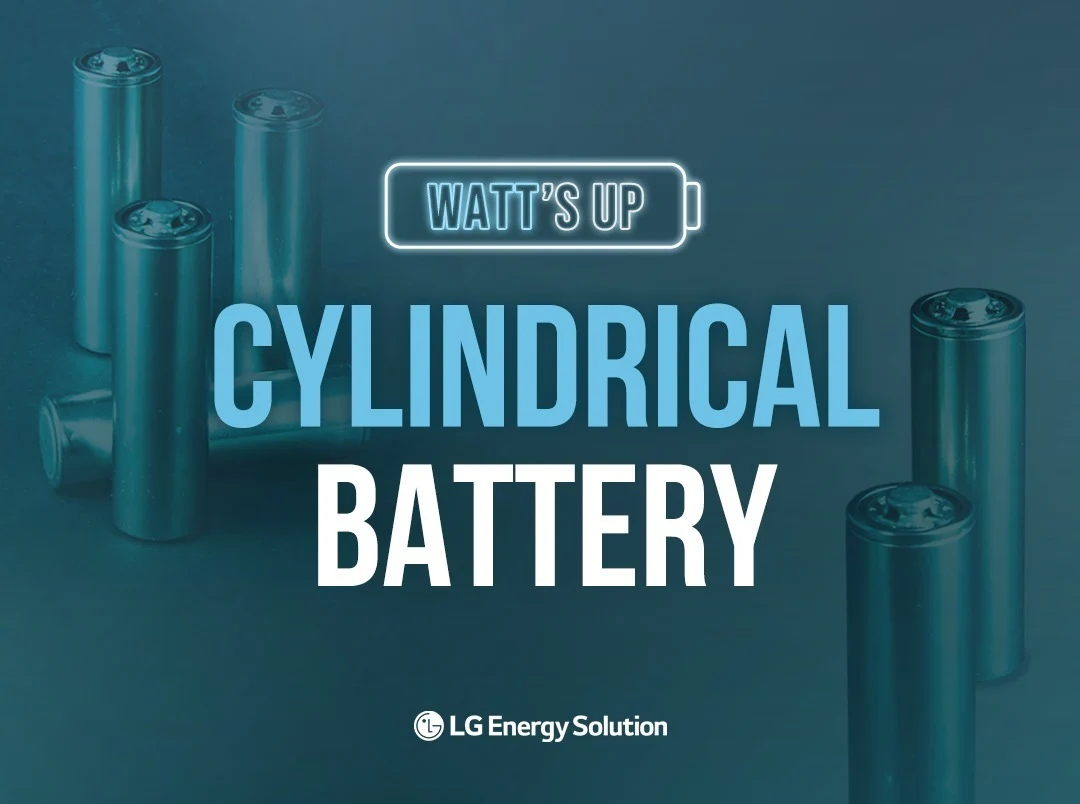
One of Tesla’s suppliers for the cylindrical 4680 battery has recently entered into a delivery agreement with one of the biggest car manufacturers in China.
Details of the Agreement
According to the contract, Chery’s high-end electric vehicles will receive 8 GWh of cylindrical batteries from LG Energy, marking the end of Tesla’s exclusive rights to the 4680 battery series.
Tesla’s Ambitious Plans
When Elon Musk revealed the 4680 cells during Battery Day back in 2020, he highlighted their potential to be significantly cheaper while also offering a notable increase in capacity. Now, five years later, Tesla has only begun to fulfill parts of that ambitious promise.
The 4680 battery has proven to be quite a challenge, with the CEO of CATL, the world’s leading battery company, advising Musk that he may be wasting his efforts on this concept. Musk even mentioned that Tesla might need to abandon the 4680 battery if they cannot reduce costs to compete with other suppliers like Panasonic and LG.
Initial Challenges
The first generation of the 4680 battery that Tesla produced and used in some Model Y vehicles faced numerous problems. It showed lower energy density and had a less favorable charging curve compared to batteries from Tesla’s other suppliers, and the anticipated savings in manufacturing costs simply did not materialize.
Tesla achieved only about half of the projected cost reductions, which was the simpler part that came from packing more capacity into larger cells that also functioned as a chassis structure, which then affected vehicle repairability.
New Developments
The 4680 battery was revived for the Cybertruck in a second generation dubbed the Cybercell, which offers a 15% increase in energy density along with some additional production cost savings, but it still suffers from slow charging speeds.
After the Cybertruck’s unveiling, Tesla fine-tuned the charging curve and introduced a dry-cathode manufacturing technique that is a key to lowering 4680 battery costs. Now, Musk asserts that Tesla has reached cost parity with cells made by its suppliers, claiming that the 4680 battery is now the most affordable option on a per kWh basis.
Important Considerations
However, it’s uncertain whether these cost reductions account for the substantial subsidies provided by the U.S. government for local battery production, which may face changes under the Trump administration.
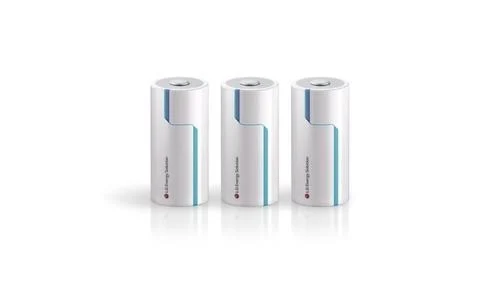
Regardless, LG is also preparing to implement a dry-cathode production method for its 46-series batteries and has signed a contract to supply these batteries to China’s leading automobile exporter.
LG asserts that its cylindrical batteries destined for China will outperform others in energy density, cold weather capabilities, and charging efficiency. This will be put to the test, as Chery is set to begin installing these batteries in its premium EVs starting in early 2026 under a $730 million agreement that could last six years, with potential extensions for additional models.
Source:
Link
Leave a Reply