
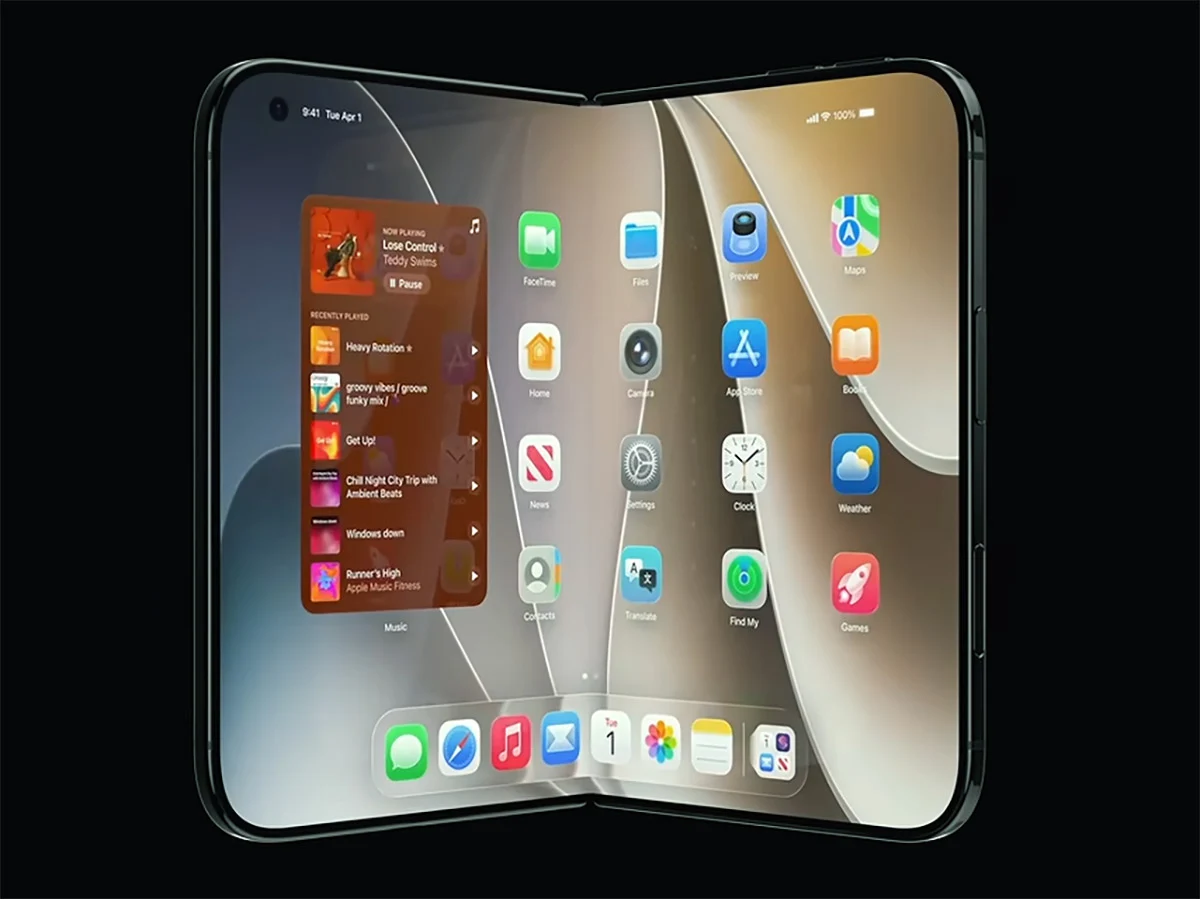
– Apple has approved Samsung Display for mass production of foldable OLED panels for the rumored iPhone Ultra, with a three-year exclusive deal.
– Apple ordered 3 million panels, positioning the iPhone Ultra as a niche, high-end device with a significant price tag.
– Samsung’s Vietnam factory has started production, reportedly exceeding Apple’s 70% yield threshold by a large margin.
– The display uses CoE technology and Samsung’s M16 organic material for improved brightness, efficiency, and longevity.
– A squeaky 3D-printed hinge issue remains, potentially delaying launch by 2-4 weeks, but a September announcement is still expected.
Samsung Display has reportedly now recieved Apple’s official blessing to begin mass production of OLED modules destined for what could be the most anticipated foldable phone in recent memory, tentatively dubbed the iPhone Ultra. The exclusive supply contract will run for three years, and, according to Korean media, Samsung has recieved an order for three million foldable panels, meaning that Apple expects the iPhone Ultra to be a niche high-end device with the respective significant price tag.
Production Details and Yield
The back-end processing line in the Vietnam factory, which Samsung tasks with foldable phone displays, has allegedly kicked off initial production as the Korean juggernaut reportedly exceeded Apple’s threshold of 70% yield with the required specifications and quality by a large margin. It would be interesting to see how high Apple has set the iPhone Ultra display bar, since the three-year exclusive foldable OLED supply deal means that no rival panel maker gets a look for the forseeable future and no other phone manufacturer can get such a panel, too.
Technological Capabilities
Apple’s foldable OLED panel allegedly deploys the modern CoE (Color filter on Encapsulation) technology, ditching the traditional polarizer layer in favor of a color filter applied directly atop the encapsulation layer, which helps trim thickness and boost its brightness. Samsung is also using its latest M16 organic material for Apple’s foldable iPhone display, promising improvements in luminance, color accuracy, longevity, and, above all, power efficiency compared to previous OLED generations. This would put it ahead of even Samsung’s own Galaxy Z Fold 7 that is currently discounted on Amazon, yet the price gap with Samsung’s foldables is also expected to be significant.
Hinge Challenges and Noise Issues
The hinge, however, apparently remains a problem. While in the initial production development stages the issue was its durability, now that has been resolved, but something else has appeared. Apple’s debut foldable reportedly uses a 3D-printed hinge module that has been generating unwanted noise after assembly. Such a squeaky hinge annoyance would hardly scream premium craftsmanship for a device expected to command a hefty premium over Apple’s iPhone Pro Max line, so it needs to be dealt with.
Launch Timelines
Still, Korean display industry insiders report that the squeaky hinge snag is a matter of refining its manufacturing as probably the most important component in a foldable phone today. The process could ultimately push the launch schedule back somewhere between two weeks and a month, but the iPhone Ultra would apparently still hit its rumored September announcement window, if not an outright release then.
Leave a Reply