Tag: Samsung Display

  • Samsung Unveils World’s Thinnest Laptop OLED Panel: 240Hz

    Samsung Unveils World’s Thinnest Laptop OLED Panel: 240Hz

    Key Takeaway

    – 20% thinner OLED panel for gaming laptops unveiled at Computex 2026
    – Thickness reduction achieved by etching TFT and encapsulation glass by over 30%
    – Proprietary techniques prevent panel warping despite slimmer design
    – Enables thinner, lighter laptops without sacrificing thermal or component space
    – Not yet in commercial production; no confirmed first adopters


    Record-breaking slim OLED panel

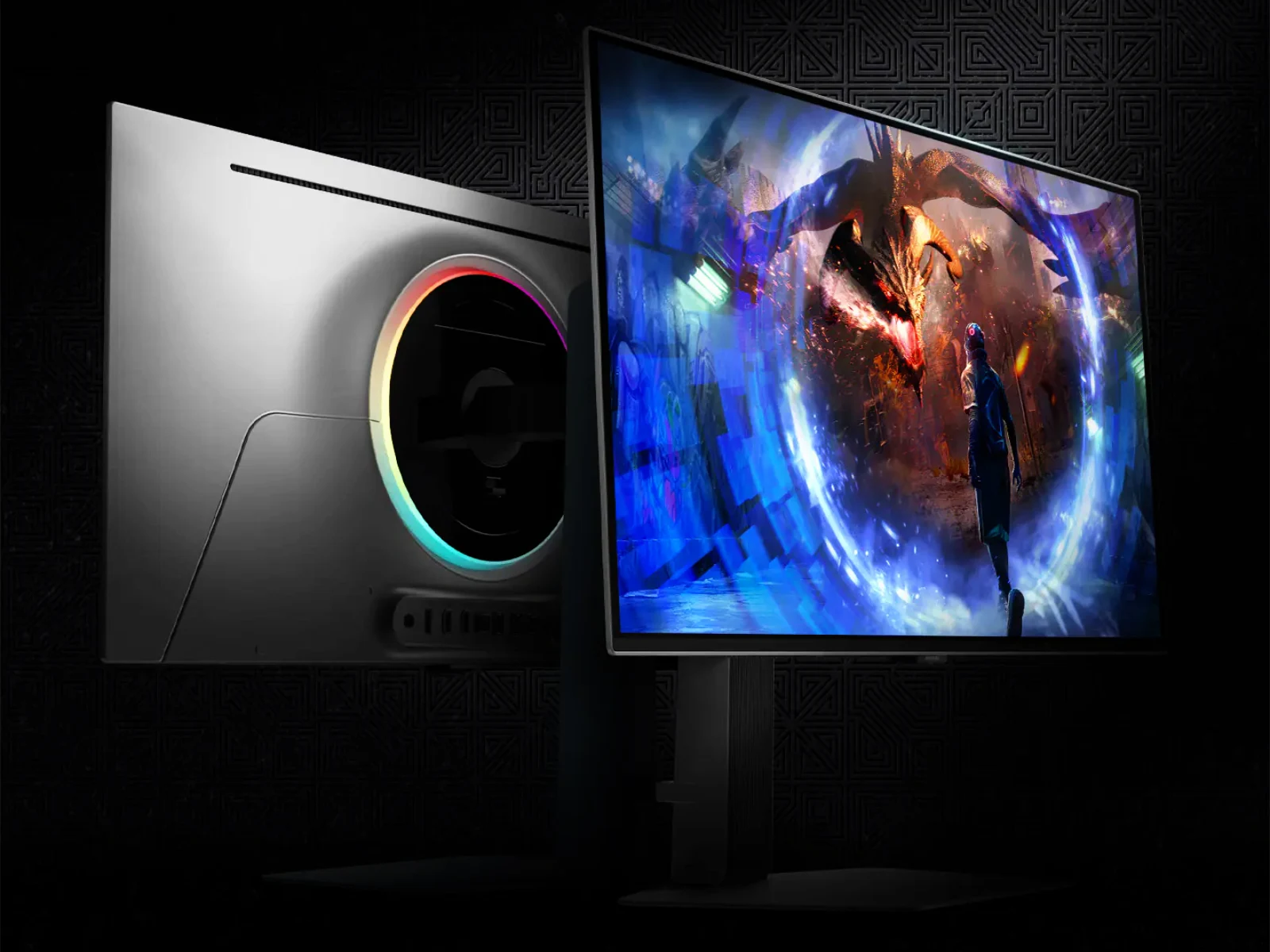
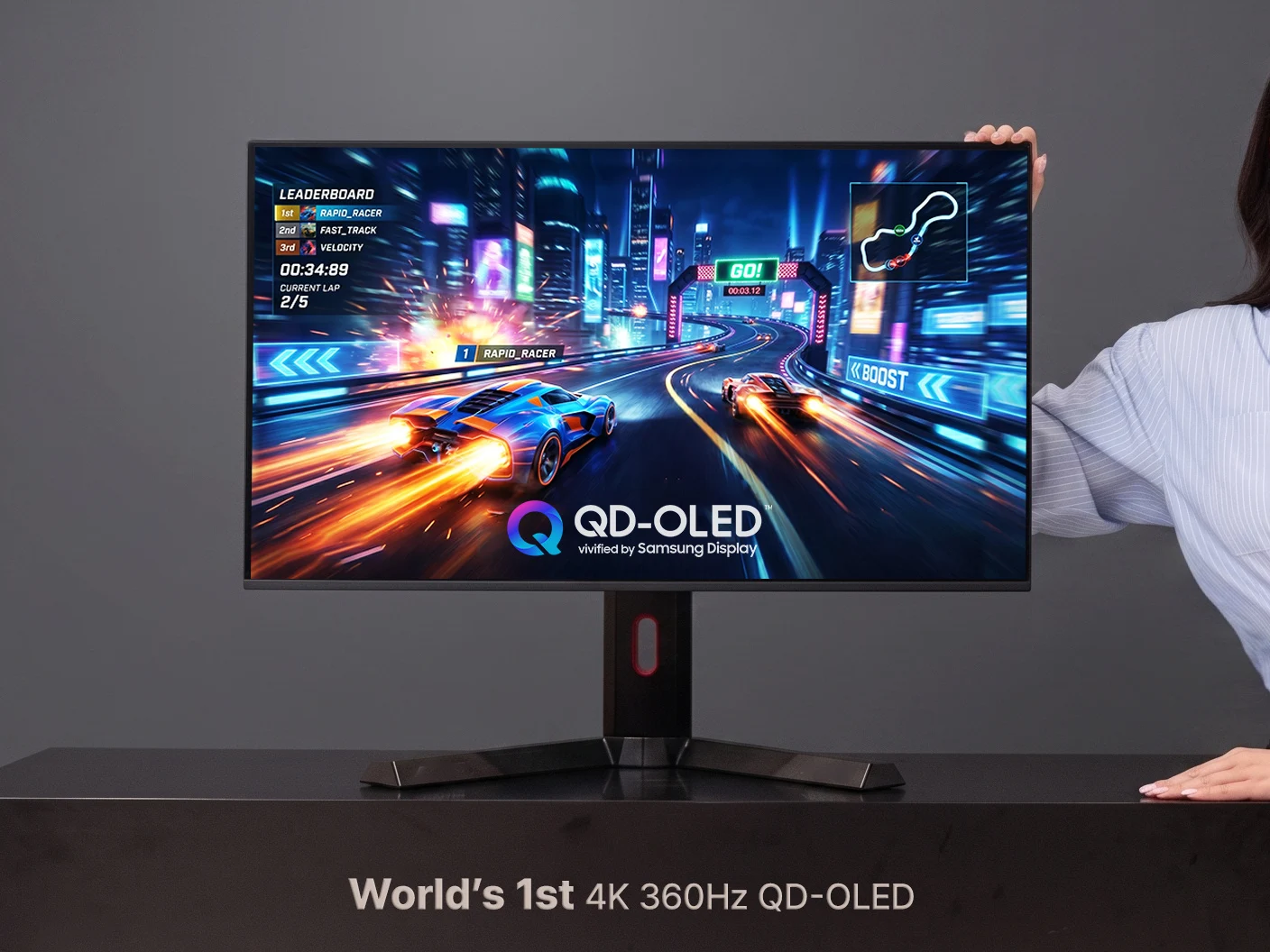
    After announcing the development of the world’s first 4K 360Hz QD-OLED, Samsung Display wants to break another record by unveiling its new “Ultra Slim” OLED panel at Computex 2026. Designed specifically for the high-performance gaming laptop market, this new technology promises to shed bulk without sacrificing the visual fidelity gamers demand. It’s a pretty big deal for folks who care about lugging around a lighter machine but still want those rich colors and deep blacks.

    How they made it so thin

    The new panel achieves a dramatic reduction in thickness, cutting the module’s outer-edge profile by more than 20% compared to Samsung’s current mass-produced displays. To reach this benchmark, Samsung engineers developed a specialized etching process that reduces the thickness of both the Thin Film Transistor (TFT) substrate glass and the encapsulation glass by over 30%. This aproach is quite innovative, and it allows them to shave off millimeters without completely redesigning the whole panel structure from scratch.

    Despite the aggressive physical reduction, Samsung has addressed the common industry challenge of panel warping, utilizing proprietary manufacturing techniques to ensure structural integrity in the thinner form factor. They’ve managed to keep the thing from bending like a wet noodle, which is often a problem when you take away too much material from a display.

    Design flexibility for manufacturers

    While portability is the primary benefit of the Ultra Slim design, Samsung emphasizes that the technology maintains premium visual standards: “The Ultra Slim panel provides device manufacturers with unprecedented design flexibility”, the company says. By reducing the footprint of the display module, manufacturers can develop thinner, lighter laptops that do not compromise on the high-end thermal management or component space required for modern gaming hardware. This means they can still pack in a proper cooling system and a powerful GPU without needing to make the chassis thicker.

    • Reduces module outer-edge profile by over 20%
    • Both TFT substrate and encapsulation glass reduced by over 30%
    • Proprietary anti-warping manufacturing techniques
    • Maintains premium visual standards for gamers

    Status and availability unclear

    It’s worth noting that while Samsung Display is showcasing the technology at Computex to demonstrate its design capabilities, the Ultra Slim panel has not yet reached the commercial manufacturing stage, and it’s unclear which new laptops might be first to utilize it. So, don’t expect to see this in the next Alienware or Razer blade right away; it’s still very much a prototype that needs to go through final testing and production scaling before hitting the streets.
    Sources

    • Samsung 4K 360Hz QD-OLED Monitor: World’s First by Samsung Display

      Samsung 4K 360Hz QD-OLED Monitor: World’s First by Samsung Display

      Key Takeaway

      – 31.5-inch QD-OLED panel with 4K resolution at 360 Hz, plus a built-in 1080p 680 Hz mode
      – Re-engineered internal driving circuitry to handle higher data load and a dual-mode resolution/refresh feature
      – First to meet VESA DisplayHDR True Black 600 standard (≥600 nits brightness with deep blacks)
      – Vertical V-Stripe subpixel layout for improved text clarity and reduced edge blur
      – Mass production targeted for H2 2026, with collaborations from ten global tech brands


      Samsung Display reveals new 31.5-inch QD-OLED monitor panel

      In a bold move, the company announced a 31.5-inch QD-OLED panel that sports 4K resolution and a whopping 360 Hz refresh rate, with plans to showcase this at Computex 2026 in June. The claim that this panel can deliver both 4K clarity and ultra-high refresh rate in one device marks a notable shift from prior compromises where users had to pick either 4K at 240Hz or lower QHD for 360Hz. This product seems to be stepping into a new territory where high resolution meets extreme speed, a combination tech enthusiasts have awaited for years.

      Engineering tweaks enable higher data throughput

      Samsung Display says the breakthrough comes from re-engineering the panel’s internal driving circuitry to accommodate the heavier data load required by 4K at 360 Hz. This technical rework purportedly optimizes how signals are processed and delivered across the panel, reducing bottlenecks that previously limited performance. The result, they claim, is sustained performance at those demanding specifications without compromising other aspects of the display’s behavior.

      Dual-mode functionality and HDR capabilities

      Another notable feature is a built-in dual-mode function that lets users drop the resolution to 1080p while ramping the refresh rate up to 680 Hz for scenarios that demand extreme motion clarity. Such a mode could be particularly appealing to competitive gamers or professional users who need ultra-fast response times in fast-paced workloads. Additionally, the panel claims to be the first monitor panel to pass the VESA DisplayHDR True Black 600 standard, achieving at least 600 nits peak brightness while maintaining deep black levels, which is a meaningful milestone for contrast-rich visuals.

      Vertical V-Stripe subpixel layout and production plans

      The panel introduces a vertical “V-Stripe” subpixel arrangement, aligning red, green, and blue subpixels in a way that’s intended to improve text legibility and minimize edge blurring. This layout change is part of Samsung Display’s broader effort to optimize both text and image quality on high-end OLED panels. Mass production is expected in the second half of 2026, and the company is already collaborating with ten global tech brands to bring these panels to market, signaling strong industry adoption in the near term.

      Sources
    • Samsung Galaxy S27 may save $5 with China-made displays

      Samsung Galaxy S27 may save $5 with China-made displays

      Key Takeaway

      – Samsung is reportedly evaluating BOE as a supplier for Galaxy S27 OLED panels to save about $5 per panel.
      – The move hinges on BOE’s ability to meet Samsung Display’s specs, with early “not-bad” evaluations and a potential RFQ process.
      – If adopted at scale, this could impact supply chain costs for Galaxy S27 without guaranteed or immediate changes to display quality.


      With the ongoing memory crisis and prices for components increasing, smartphone manufacturers are trying to find ways to save money in the production line. Samsung is one of these brands and is having to make some adjustments for its Galaxy S flagship series of phones. That seems to be the case with the Galaxy S27 at least, according to the latest information coming out of the company’s home market.

      Samsung’s OLED sourcing move and cost implications

      The report by ZDNet Korea states that Samsung is getting serious about sourcing OLED panels for its Galaxy S27 from BOE, a Chinese supplier. Reports of Samsung thinking about outsourcing its OLED panels surfaced earlier this month, but now it looks like the company is moving forward with the decision. The report states that BOE can provide OLED panels for $5 cheaper per panel than the Korean giant’s own Samsung Display division. Up till now, Samsung has used its own OLED panels for its Galaxy S flagship series, but relied on other suppliers like CSOT and BOE for the mid-range phones.

      Industry insiders and the RFI process

      Citing multiple industry insiders, the report states that Samsung has not only sent a Request for Information (RFI) to BOE, but has been evaluating its panels for a month. These panels have received a “not-bad” evaluation, which apparently Samsung deems worth considering. An RFI is typically followed by a Request for Quotation (RFQ).

      Financial impact and production plans

      The $5 saved per panel would end up being a significant amount, considering the volumes that Samsung ships. The smartphone maker is expected to leverage BOE’s B16 8th-gen IT OLED line.

      Display quality questions and future outcomes

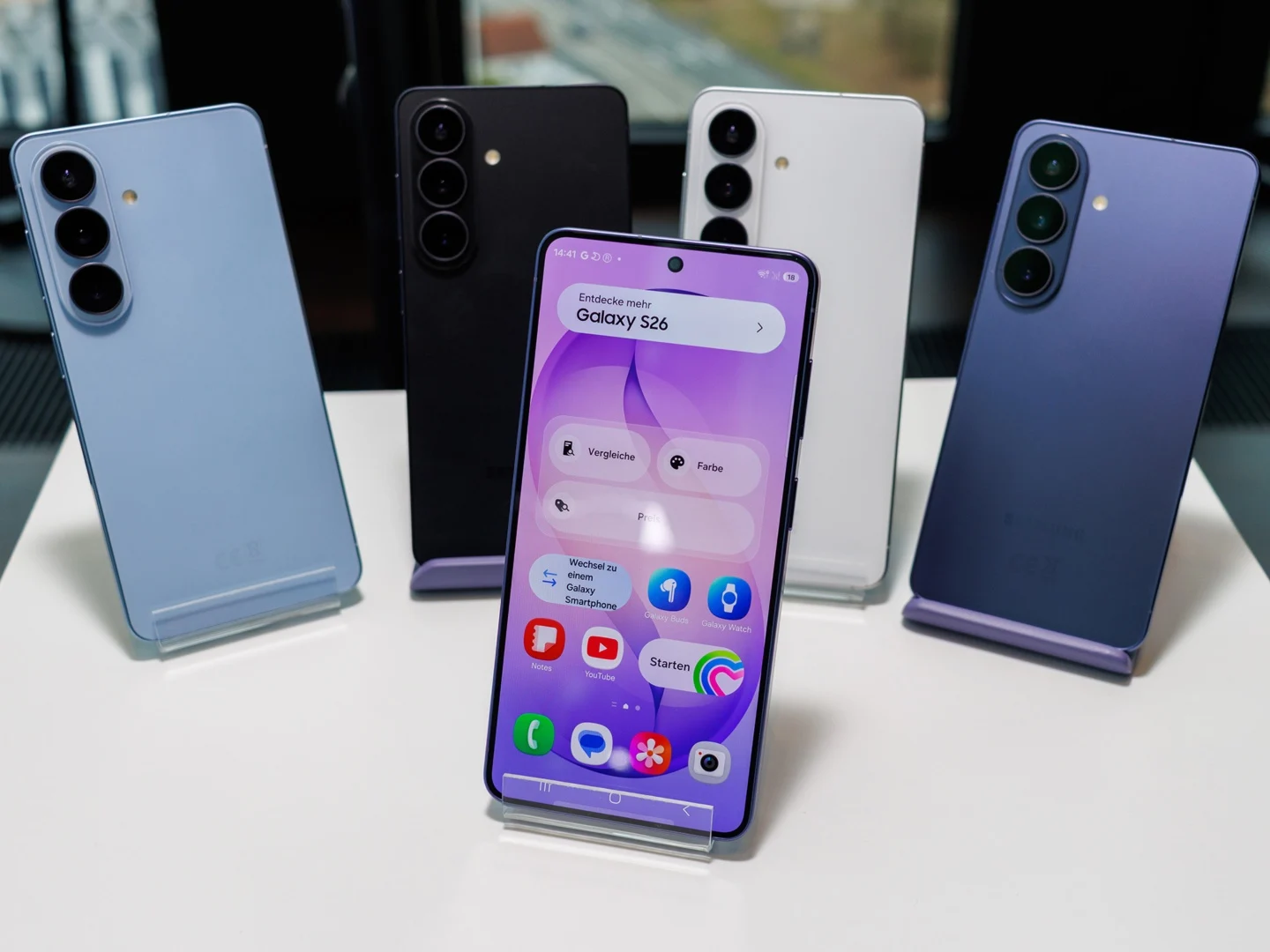
      Does this mean the Galaxy S27 models will have inferior displays to the other models in the lineup or even the Galaxy S26 (buy on Amazon)? The report mentions that since the specifications for the standard OLED panels for Galaxy S phones have remained unchanged over the past few years, BOE should not face any technical issues in meeting Samsung’s requirements. It’s too early to say if there will be any real-world compromises.

      Sources
    • New 14″ and 16″ OLED MacBook Pro Release Nears

      New 14″ and 16″ OLED MacBook Pro Release Nears

      Key Takeaway

      – OLED transition for 14″ and 16″ MacBook Pro with high manufacturing yields (over 90%, some stages at 95%), enabling faster mass production likely starting mid-2026 to early 2027.
      – Gen 8.6 Samsung OLED line supplies ~2 million panels in 2027, signaling scalable, large-format production for Apple laptops.
      – Panels use tandem two-stack OLED technology with oxide TFT backplanes and hybrid encapsulation, aiming for improved efficiency and durability; one model may introduce touchscreen (MacBook Ultra).


      Apple OLED transition for MacBook Pro on the horizon

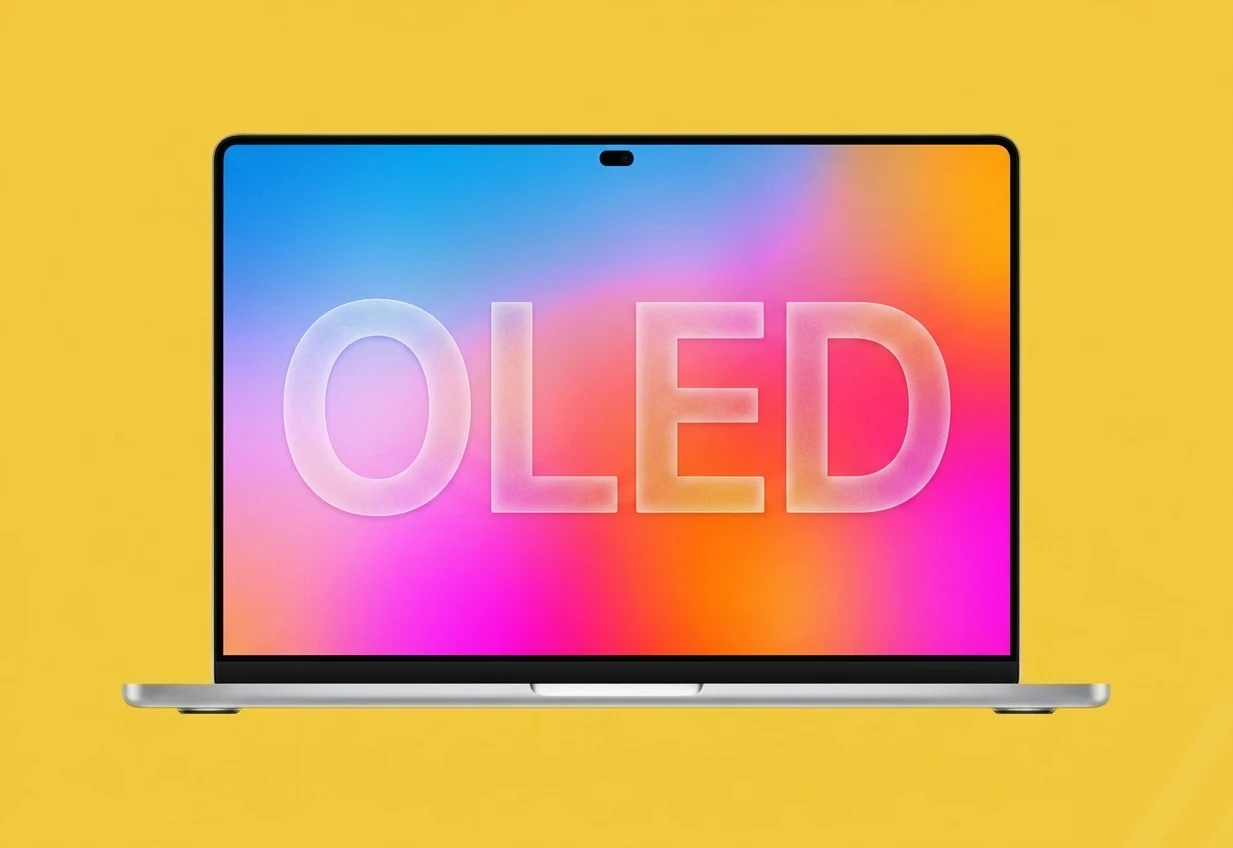
      Apple’s transition to OLED for its upcoming 14-inch and 16-inch MacBook Pro lineup has passed a critical manufacturing milestone, say the latest leaked info. The report notes Samsung Display has reportedly achieved yields exceeding 90% on its Gen 8.6 OLED production line, with some stages reaching a “golden yield” of 95%. This high efficiency signals that the technology is ready for stable, large-scale mass production, which is expected to ramp up quickly, with Samsung potentially shipping these panels as early as June 2026.

      Production readiness and timeline

      The OLED displays are destined for future 14-inch and 16-inch MacBook Pro models, with initial supply estimates totaling roughly 2 million units for the year. These panels represent a significant engineering leap over standard smartphone OLEDs. They will utilize the same “tandem two-stack” technology found in the latest iPad Pro, alongside oxide TFT backplanes for improved power efficiency and hybrid encapsulation for enhanced durability. Furthermore, reports suggest that at least one of the upcoming MacBook models will be the first to feature touchscreen capabilities (most likely the rumored MacBook Ultra).

      Launch windows and market expectations

      While initial projections pointed to a late 2026 release, industry-wide chip shortages have reportedly shifted the most likely launch window to early 2027. However, with the latest positive signals, it won’t be a surprise if Apple manages to stick to its typical fall release plans. The Elec

      Sources
    • 2028 iPhone with Advanced 4-Side Bending OLED Displays

      2028 iPhone with Advanced 4-Side Bending OLED Displays

      Key Takeaway

      1. Apple is exploring the use of IZO cathode technology for a more advanced, 4-side bending OLED panel for 2028 iPhones.
      2. LG Display is investing heavily (~$770M) in OLED infrastructure to develop this new transparent electrode tech, likely for early R&D and eventual mass production.
      3. Samsung Display is considering new factory lines to accommodate the required equipment, due to current limitations in their existing lines.

      New Developments in OLED Technology for Future iPhones

      Recently, industry insiders, like ETNews, reported that Apple is making moves to improve their display tech, especially for their next big thing. They chatting with South Korean display companies to develop a new 4-side bending OLED panel, set for release in 2028. This technology could turn the actual shape and look of future iPhones into something more flexible and sleek, offering a higher level of perfection.

      Innovations in Transparent Electrode Materials

      This new design involves curving all four edges of the screen, which is a complex engineering feat. What’s more interesting is that Apple aims to make this possible by using a new cathode material—most likely IZO (Indium Zinc Oxide). The cathode, as you may know, is a crucial part of OLEDs, letting light pass through in top-emission displays. Using a more transparent cathode should greatly enhance the display’s clarity at the curved edges, making the phone look sharper and more seamless. This isn’t just about style, it’s about tech and functionality, and Apple sure is pushing hard for it.

      Manufacturers Gear Up for the Transition

      Samsung and LG, Apple’s main OLED producers, are already preparing for this upgrade. LG seems to be ahead with a significant investment of about 770 million dollars, aiming to establish new OLED infrastructure. This investment targets the development and later mass production of these advanced panels, especially focusing on the delicate TCO sputtering equipment needed for low-damage deposition. They plan to start R&D first, then scale up production when all is ready.

      Challenges and Industry Shifts

      Meanwhile, Samsung Display is considering whether they should buy new factory lines. But their current facilities are somewhat limited—they either lack the space or the flexibility needed for the new equipment. Therefore, a new dedicated line appears more likely. Apple’s strong push to accelerate this transition, however, makes the Korean companies feel the need to spend sooner on factories so they can meet ultra-high standards set by Apple. This race to develop these flexible, transparent displays is on, and everyone is gearing up for the 2028 release date.

      Sources
    • Samsung Display’s QuantumBlack Film Cuts QD-OLED Reflectivity by 20%

      Samsung Display’s QuantumBlack Film Cuts QD-OLED Reflectivity by 20%

      Key Takeaways

      1. Samsung Display has introduced a new low-reflection film called QuantumBlack, reducing light reflection by 20% compared to previous films.
      2. QuantumBlack improves surface hardness from 2H to 3H on the pencil hardness scale, enhancing scratch resistance.
      3. This new technology will be featured in all newly launched QD-OLED monitor products this year.
      4. QD-OLED panels can achieve true black by shutting off power to individual pixels, but reflections can affect contrast.
      5. Several monitor makers, including ASUS, Gigabyte, and MSI, are already using QuantumBlack in their products.


      Samsung Display has revealed a new low-reflection film called QuantumBlack, claiming it lowers light reflection by 20% compared to its prior film. Additionally, it has improved the surface hardness from 2H to 3H on the pencil hardness scale.

      New Advancements in QD-OLED Technology

      This technology is set to be featured in all newly launched QD-OLED monitor products this year, and Samsung Display has successfully registered the trademark for the name. QD-OLED panels can achieve true black by completely shutting off power to individual pixels. However, reflections from ambient light can lessen the contrast seen on the screen, which can affect the impressive black levels that make these panels stand out from regular LCD options.

      The Evolution of Low-Reflection Film

      Samsung Display has included low-reflection film in its QD-OLED monitor range since its inception. QuantumBlack is the most recent version of this technology. A surface with a 2H rating is more likely to get scratched during common handling tasks like moving or cleaning. In contrast, the 3H rating offered by QuantumBlack, based on internal tests by Samsung Display, shows good resistance against scratches, even from fingernail contact.

      Market Adoption of QuantumBlack

      On the commercial front, several monitor makers have already introduced products utilizing this new film. ASUS has launched its version called Black Shield, while Gigabyte has named its product Obsidian Shield, and MSI’s offering is titled Dark Armor.

      Source:
      Link


    • Samsung Galaxy Z Fold 8 Set for Crease-less Display After CES 2026

      Samsung Galaxy Z Fold 8 Set for Crease-less Display After CES 2026

      Key Takeaways

      1. The foldable smartphone industry has improved with thinner and more durable devices like the Pixel 10 Pro Fold and Galaxy Z Fold7.
      2. A noticeable crease still exists on all foldable devices, distinguishing them from traditional smartphones.
      3. Samsung Display showcased innovative panels at CES 2026, including one with no visible crease.
      4. New display technology is set for mass production, with the Galaxy Z Fold8 as a potential candidate for this advancement.
      5. Samsung is working on a more flexible optical clear adhesive (OCA) layer to reduce creases in future foldable smartphones.


      The foldable smartphone industry has changed dramatically since the first Galaxy Fold was released. On one side, devices like the Pixel 10 Pro Fold and the Galaxy Z Fold7 (currently priced at $1,649 on Amazon) are now thinner and more durable compared to earlier models. On the other side, both Huawei and Samsung have started exploring tri-fold smartphones as well.

      The Ongoing Crease Challenge

      Despite the advancements, a noticeable crease still appears on all foldable devices, including clamshell designs. This crease is what sets foldables apart from traditional candybar phones. At CES 2026, Samsung Display showcased several innovative panels, one of which had no visible crease at all.

      New Technology on the Horizon

      ZDNet Korea reports that this cutting-edge technology is ready for mass production later this year. The Galaxy Z Fold8 is being eyed as the top contender for this new display tech, even though there are whispers about the iPhone Fold using similar technology. It seems Apple has stopped Samsung Display from revealing its foldable display tech prematurely.

      To make this happen, Samsung Display is believed to have altered the optical clear adhesive (OCA) layer that bonds display parts. Supposedly, a more flexible OCA layer helps to lessen creases, aiming for a smoother experience in future foldables. Samsung Electronics is set to finalize their display strategies in the upcoming quarter.

      The Future of Foldables

      As the foldable market continues to evolve, it remains exciting to see how manufacturers tackle existing challenges. The race for crease-free displays could define the next generation of smartphones, keeping consumers eagerly anticipating each new release.

      Source:
      Link


    • Apple’s 2027 Anniversary iPhone to Challenge Display Manufacturers

      Apple’s 2027 Anniversary iPhone to Challenge Display Manufacturers

      Key Takeaways

      1. By 2027, LG is expected to produce most iPhone 20 screens, shifting from Samsung’s current dominance in display production.
      2. LG Display is investing 400 billion Korean won (around $271 million) to develop new display technology for Apple’s upcoming iPhone.
      3. The iPhone 20 will feature entirely new AMOLED panels that are borderless and curved, differing from Samsung’s previous Edge panels.
      4. New production challenges include creating curved edges, thinner protective layers, and integrating components like Face ID and the camera under the display.
      5. Samsung may need to build additional factories to meet the demands of producing the new type of display required by Apple.


      From today’s view, it seems that by 2027, most iPhone 20 screens might be produced by LG. This is according to a report from the Korean media outlet Dealsite which says LG is making significant efforts to gear up for making these new displays. Typically, Samsung Display accounts for 60% of iPhone display panels, while LG Display makes up the remaining 40%. Yet, Samsung seems to be focusing mainly on creating foldable AMOLED panels for the upcoming iPhone Fold next year, as shared by an industry source with the magazine. When it comes to the anniversary iPhone, there’s a surprising lack of updates from Samsung’s suppliers.

      LG’s Major Investment

      On the flip side, LG Display is said to be putting in a massive investment of 400 billion Korean won (around $271 million) for Apple’s 2027 iPhone, which, after the iPhone 18, is expected to skip the iPhone 19 name and go straight to iPhone 20 or iPhone XX. Industry insiders note that these large investments are mainly because Apple’s display needs call for entirely new manufacturing techniques. The AMOLED panels are designed to be completely borderless and curved on all sides, which is a whole new idea compared to Samsung’s previous Edge panels.

      New Production Challenges

      The panels must have their edges curved, and the circuitry has to follow suit. Moreover, the thin-film encapsulation (TFE) method that protects against moisture and air must be much thinner. Additionally, Apple plans to seamlessly integrate all visible components, like the Face ID sensor and FaceTime camera, under the display. This plan will demand brand new production facilities from display makers. An industry expert believes that Samsung will also likely need to construct additional factories to manufacture this new type of Apple display.

      Source:
      Link


    • Samsung’s First WOLED Gaming Monitor Among Five OLED Releases Next Year

      Samsung’s First WOLED Gaming Monitor Among Five OLED Releases Next Year

      Key Takeaways

      1. Samsung Display has provided two Gen 4 QD-OLED panels for new monitor launches, both 27 inches, with one offering 4K at 240 Hz and the other 1440p at 500 Hz.
      2. Samsung Electronics plans to launch nearly five new monitors in 2026, all utilizing Gen 3 or Gen 4 QD-OLED panels, not the newer Gen 5 panels.
      3. The new gaming monitor, S27HG702WC, will feature a WOLED panel from LG Display with resolutions of 4K/165 Hz or 1080p/330 Hz using Dual Mode technology.
      4. The release schedule for Samsung’s OLED monitors in early 2026 includes specific launch weeks for each model.
      5. The S27HG702WC is expected to be similar to LG’s UltraGear OLED 32GX850A, which retails for about $799.99.


      In the past few years, Samsung Display has provided Samsung Electronics and other monitor makers with two QD-OLED panels to choose from just in time for new monitor launches. This year, for example, they delivered two Gen 4 QD-OLED panels. Both panels measure 27 inches diagonally; one offers a 4K resolution with a refresh rate of 240 Hz, while the other achieves a remarkable 500 Hz refresh rate, but at a 1440p resolution to maintain that high refresh rate.

      Upcoming Monitor Launches

      Recent reports indicate that Samsung Electronics is gearing up to launch nearly five new monitors throughout 2026. Interestingly, none of the monitors mentioned will feature the much-anticipated Gen 5 QD-OLED panels. Instead, the report highlights models like the S27FG604SC, S27HG612SC, S27HG802SC, and S32HG802SC, which will all utilize the same Gen 3 or Gen 4 QD-OLED panels as previous versions.

      The New Gaming Monitor

      Even more curious, the S27HG702WC is expected to be Samsung Electronics’ initial gaming monitor equipped with a WOLED panel sourced from LG Display. Reportedly, this panel will offer resolutions of 4K/165 Hz or 1080p/330 Hz utilizing Dual Mode technology, similar to the larger UltraGear OLED 32GX850A that LG already retails for about $799.99 on Amazon. Currently, the release schedule for Samsung Electronics’ OLED monitors in Q1 and Q2 of 2026 is as follows:

      Week 1: S27FG604SC
      Week 6: S27HG612SC
      Week 17: S27HG802SC & S32HG802SC
      Week 20: S27HG702WC

      via Lonely City Hardware, ITHome & Oxzx

      Source:
      Link


    • Apple iPhone Fold Delay to 2027; iPhone 18e and Foldable MacBook Timeline

      Apple iPhone Fold Delay to 2027; iPhone 18e and Foldable MacBook Timeline

      Key Takeaways

      1. Apple’s foldable iPhone may not launch until 2027 due to ongoing development of the hinge and display design.
      2. Panel production predictions for the foldable iPhone have been reduced from 13 million to 9 million units, with initial shipments expected to be limited to 5–7 million units.
      3. The iPhone Fold will feature a 7.58-inch internal display and a 5.38-inch external screen, with advanced display technologies for better efficiency.
      4. Apple may stagger iPhone releases starting in 2026, with the iPhone 18 lineup expected in September 2026 and base models following in spring 2027.
      5. A foldable MacBook is unlikely to be released until 2028–2029, as Apple wants to gather consumer feedback on the foldable iPhone first.


      Apple’s much-talked-about iPhone Fold might not hit the market until 2027, as reported by Japan’s Mizuho Securities and echoed by the Korean tech site, The Elec. The research suggests that Apple is still working on perfecting the hinge and display design, which makes it tough to kick off mass production by Q3 2026, meaning it likely won’t launch alongside the iPhone 18 series that September.

      Panel Production Adjustments

      Mizuho Securities has also cut its predictions for the foldable iPhone’s panel production, reducing the expected numbers from 13 million to 11 million, and now down to 9 million units. Even if Apple sticks to a 2026 production timeline, the initial shipment could be limited to 5–7 million units, which is below the total panel output. The firm estimates that the planned production volume could range from 10 million to 15 million units, depending on pricing and return rates.

      Samsung Display is expected to supply all display panels for Apple’s foldable iPhone. This is the same manufacturer that produced the Galaxy Z Fold 7, which was released earlier this year in South Korea for KRW 2.38 million ($1,700).

      Display Specs Revealed

      The report states that the Apple iPhone Fold will showcase a 7.58-inch internal display and a 5.38-inch external screen. It will incorporate CoE (Colour filter on Encapsulation) to eliminate the polariser, feature a hole-punch display design, and utilize LTPO (Low-Temperature Polycrystalline Oxide) TFT for better power efficiency.

      Previously, analyst Ming-Chi Kuo mentioned that the average cost of the iPhone Fold hinge might drop to about $70–80 per unit—around 20–35 percent lower than what was originally thought—due to design improvements and efficient manufacturing from Foxconn.

      Future iPhone Release Strategy

      Mizuho also forecasts that Apple may start to stagger iPhone releases into autumn and spring seasons beginning in 2026. The iPhone 18 lineup, set for September 2026, is anticipated to include Pro, Pro Max, Air, and Fold models, with the base iPhone 18 and budget iPhone 18e likely following in spring 2027.

      Apple’s overall iPhone shipments for 2026 are projected to be 229 million units, which is about 7 percent less than the 246 million expected in 2025. However, they are expected to rebound to 252 million units in 2027, potentially surpassing the previous record set in 2015. Mizuho also mentions that Apple is already working on new technologies for the iPhone 19 series, aligning with the 20th anniversary of the iPhone, when foldable prices are anticipated to drop.

      Foldable MacBook Timeline

      Additionally, the report indicates that Apple’s foldable MacBook, featuring an 18.9-inch flexible display, is unlikely to debut until 2028–2029, as Apple wishes to first assess consumer feedback on its foldable iPhone.

      Source:
      Link