Tag: iPhone 20

  • Apple’s 2027 Anniversary iPhone to Challenge Display Manufacturers

    Apple’s 2027 Anniversary iPhone to Challenge Display Manufacturers

    Key Takeaways

    1. By 2027, LG is expected to produce most iPhone 20 screens, shifting from Samsung’s current dominance in display production.
    2. LG Display is investing 400 billion Korean won (around $271 million) to develop new display technology for Apple’s upcoming iPhone.
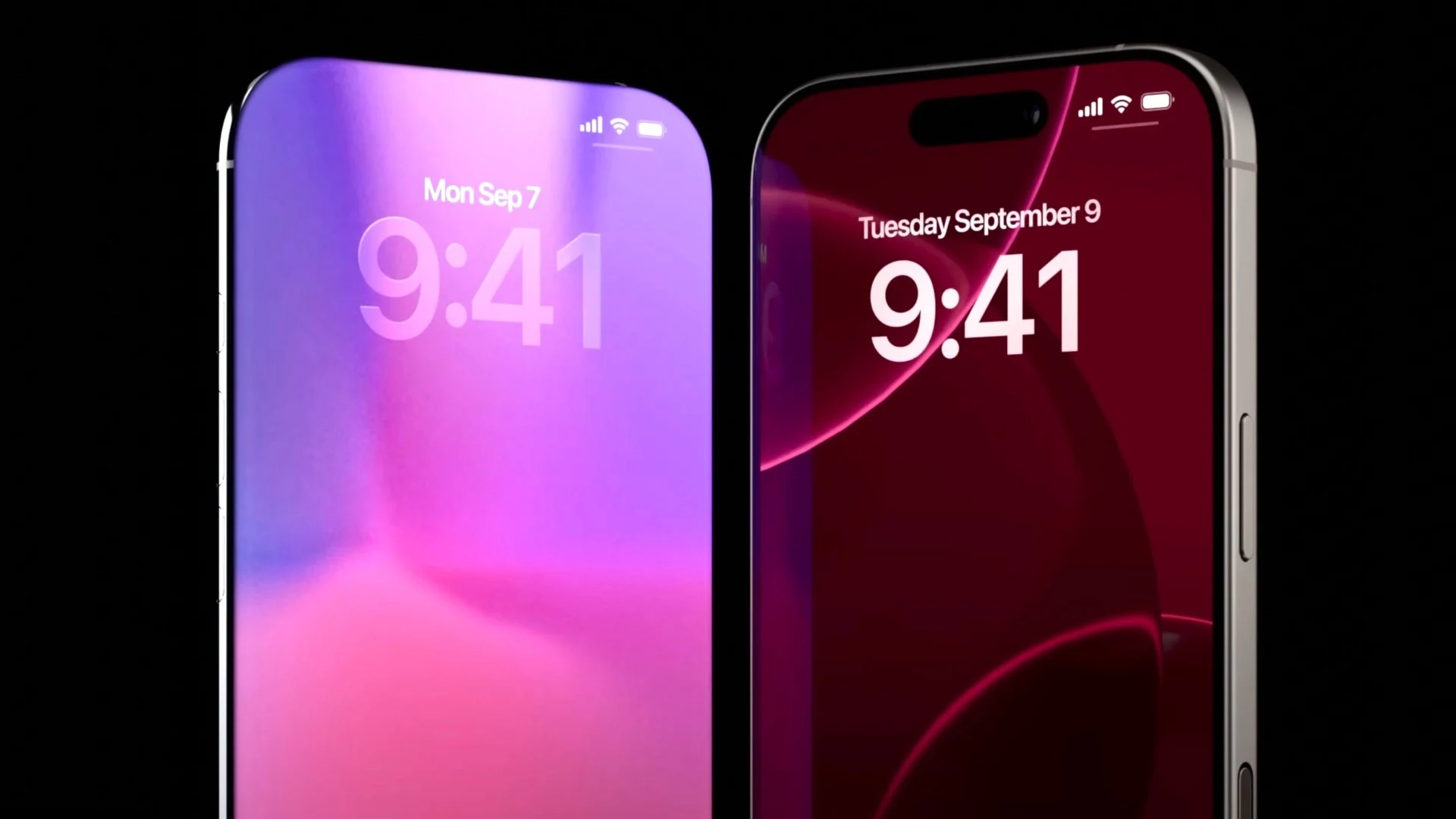
    3. The iPhone 20 will feature entirely new AMOLED panels that are borderless and curved, differing from Samsung’s previous Edge panels.
    4. New production challenges include creating curved edges, thinner protective layers, and integrating components like Face ID and the camera under the display.
    5. Samsung may need to build additional factories to meet the demands of producing the new type of display required by Apple.


    From today’s view, it seems that by 2027, most iPhone 20 screens might be produced by LG. This is according to a report from the Korean media outlet Dealsite which says LG is making significant efforts to gear up for making these new displays. Typically, Samsung Display accounts for 60% of iPhone display panels, while LG Display makes up the remaining 40%. Yet, Samsung seems to be focusing mainly on creating foldable AMOLED panels for the upcoming iPhone Fold next year, as shared by an industry source with the magazine. When it comes to the anniversary iPhone, there’s a surprising lack of updates from Samsung’s suppliers.

    LG’s Major Investment

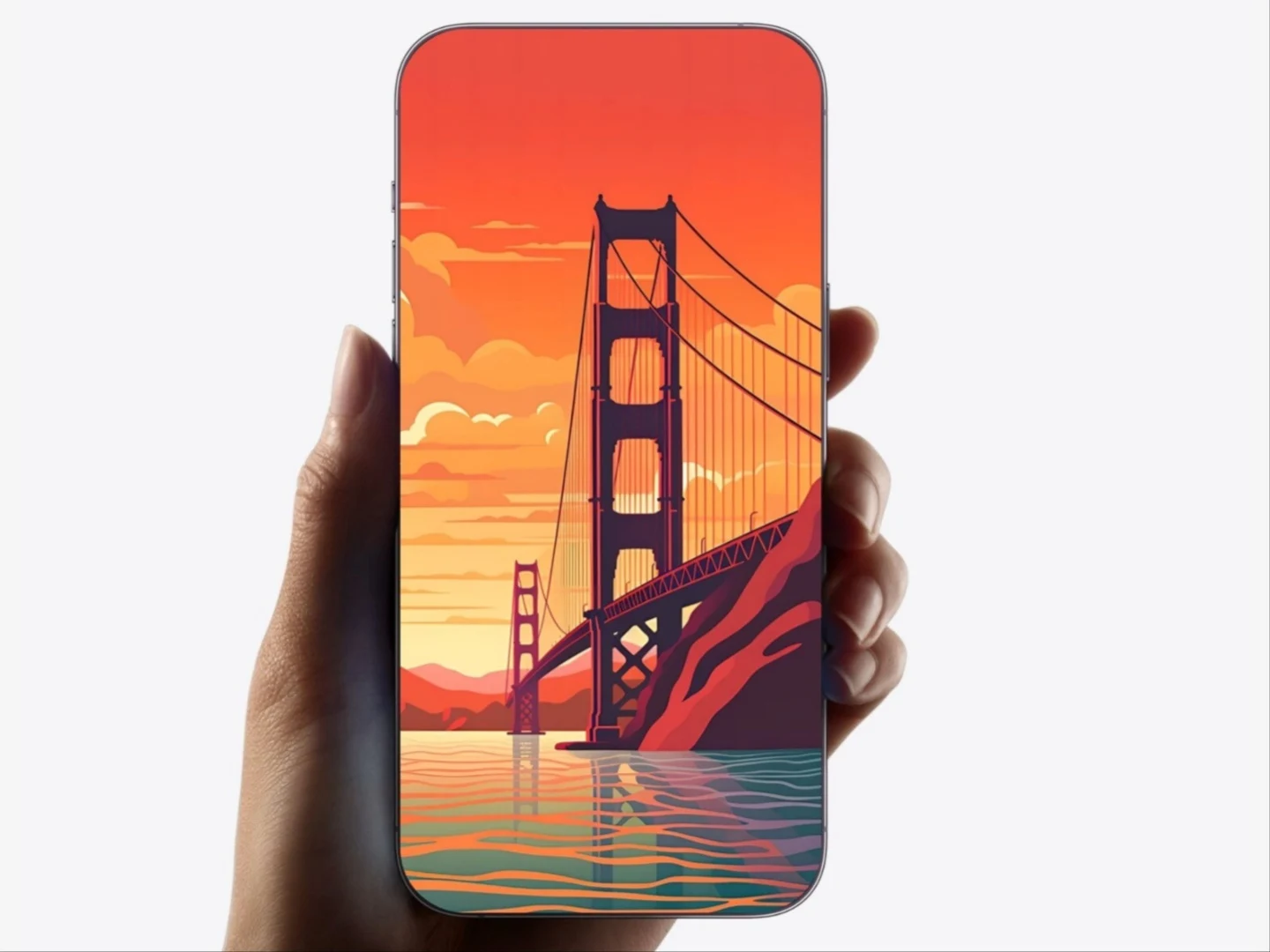
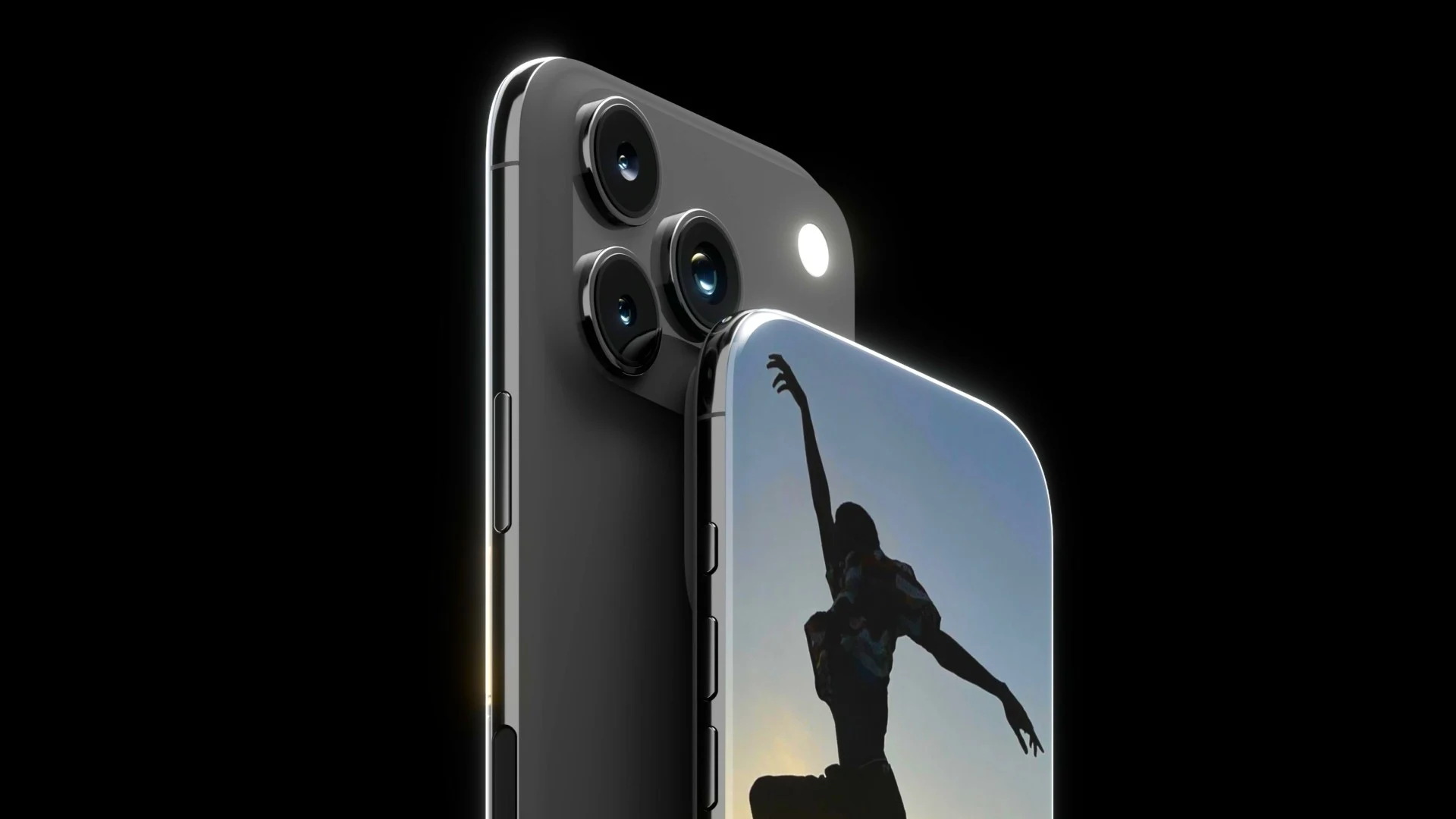
    On the flip side, LG Display is said to be putting in a massive investment of 400 billion Korean won (around $271 million) for Apple’s 2027 iPhone, which, after the iPhone 18, is expected to skip the iPhone 19 name and go straight to iPhone 20 or iPhone XX. Industry insiders note that these large investments are mainly because Apple’s display needs call for entirely new manufacturing techniques. The AMOLED panels are designed to be completely borderless and curved on all sides, which is a whole new idea compared to Samsung’s previous Edge panels.

    New Production Challenges

    The panels must have their edges curved, and the circuitry has to follow suit. Moreover, the thin-film encapsulation (TFE) method that protects against moisture and air must be much thinner. Additionally, Apple plans to seamlessly integrate all visible components, like the Face ID sensor and FaceTime camera, under the display. This plan will demand brand new production facilities from display makers. An industry expert believes that Samsung will also likely need to construct additional factories to manufacture this new type of Apple display.

    Source:
    Link


  • 2027 iPhone Could Feature Apple’s First Under-Display Front Camera

    2027 iPhone Could Feature Apple’s First Under-Display Front Camera

    Key Takeaways

    1. Apple is developing a front camera system hidden beneath the display for its 20th anniversary iPhone, aiming for a completely uninterrupted screen.
    2. LG Innotek is creating an advanced optical system to improve image quality and reduce distortion for under-display cameras.
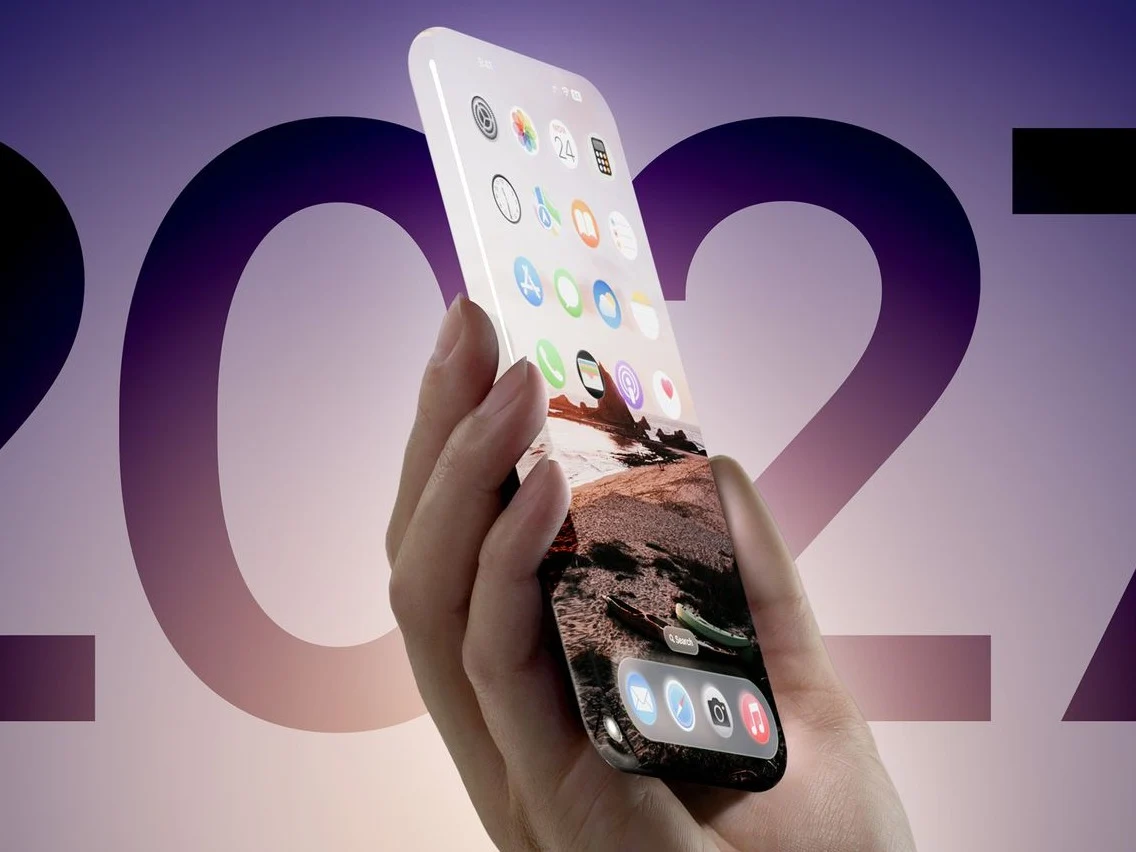
    3. The anticipated iPhone design for 2027 may feature a bezel-less screen that wraps around all sides and a 24-megapixel under-screen camera.
    4. Apple is cautious in adopting under-display technology due to concerns about image quality, focusing on a long-term solution instead.
    5. Analysts suggest that under-display Face ID could debut as early as 2026, with full camera integration expected in 2027.


    Apple is said to be working on a significant design change for its 20th anniversary iPhone, aiming to remove all visible display interruptions by placing the front camera underneath the screen. Leaks from the trusted source Digital Chat Station on Weibo, along with insights from JP Morgan, indicate that Apple is focusing on creating a front camera system hidden beneath the display, which would allow for a completely uninterrupted screen. This innovation is expected to debut in 2027, aligning with the company’s notable iPhone launch.

    Apple’s Long-standing Interest

    This isn’t Apple’s first foray into under-display technology. Many Android brands have tried this approach in recent years; however, most of these attempts suffer from lackluster image quality due to light needing to penetrate through various display layers before reaching the camera. Apple has been cautious about adopting this feature, opting instead to invest in a long-term solution that can maintain the clarity and brightness that users expect from their front cameras.

    Developments from Key Suppliers

    According to reports, LG Innotek, a primary supplier for Apple, is working on a freeform optical system that uses a combination of lens elements to minimize distortion and address light loss. This advancement would let the screen appear seamless when the camera is off while enhancing image quality when the camera is active. If successful, this could solve one of the major issues found in current under-display camera systems and provide a solid foundation for Apple’s future designs.

    It is still uncertain if LG Innotek’s technology will make it into Apple’s first foldable iPhone. However, JP Morgan has highlighted that Apple is currently testing a 24-megapixel under-screen camera for the internal display of this model, which is notably higher than the usual 4 or 8MP found in existing devices. Additionally, the 2027 iPhone is anticipated to showcase a dramatic redesign with a bezel-less screen that wraps around all four sides. In keeping with Apple’s tradition, the company might skip the “iPhone 19” name entirely, reminiscent of the iPhone X launch for the tenth anniversary in 2017.

    A New Era for iPhone

    Integrating this design with an under-display camera and Face ID would signify a major visual upgrade for the iPhone, resulting in a smooth panel free of any visible sensors or cutouts. As with many forthcoming Apple innovations, the timeline may evolve based on development progress. Analysts speculate that under-display Face ID might arrive as soon as 2026 with the iPhone 18 Pro models, followed by full camera integration the following year. Given Apple’s typical preference for reliability and maturity over early adoption, it’s likely the company will wait until image quality and display consistency align with its high production standards.

    Weibo, MacRumors’

    Source:
    Link


  • iPhone 20: A New Standard in Smartphone Design

    iPhone 20: A New Standard in Smartphone Design

    Key Takeaways

    1. The iPhone 20, marking the 20th anniversary in 2027, is expected to be named instead of following the iPhone 19 pattern.
    2. The iPhone 20 may feature solid state buttons that use haptic technology instead of physical presses.
    3. Mass production of the iPhone 20 with new button technology is set to begin, including haptic feedback for various controls.
    4. Apple plans to use AI-powered sound compensation algorithms for accurate haptic feedback without mechanical parts, enhancing design and durability.
    5. If successful, the iPhone 20’s innovations could influence other smartphone manufacturers and set a new industry standard for design.


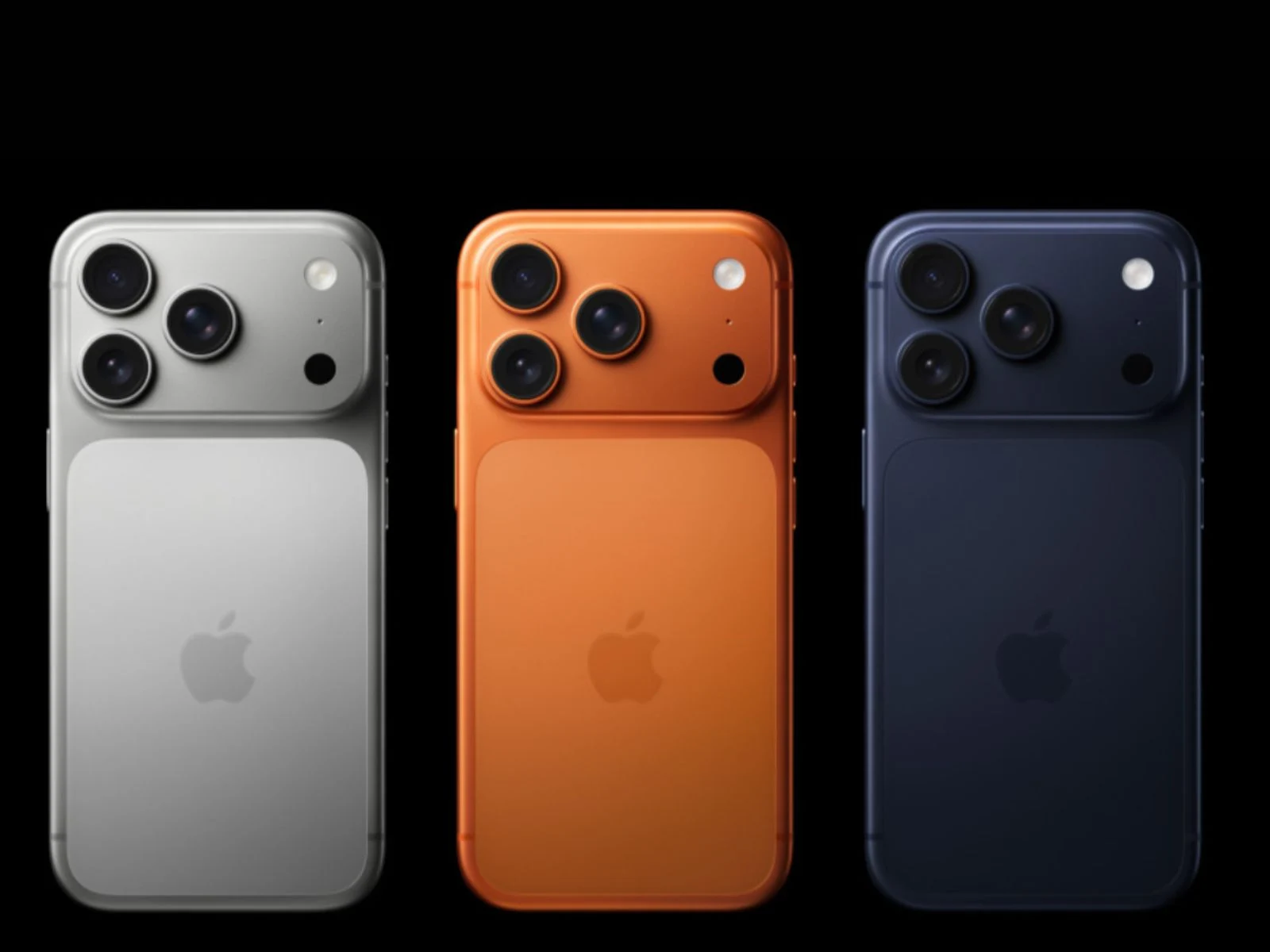
    Apple is set to mark the 20th year of the iPhone in 2027, which is expected to bring significant changes to that year’s model. Although it could have been called the iPhone 19, many believe Apple will follow the same naming pattern it used for the iPhone X and instead name the anniversary model the iPhone 20. Notably, the iPhone 20 is rumored to be entirely devoid of buttons, potentially establishing a new benchmark for smartphones.

    Design Expectations

    Originally, Apple was rumored to introduce solid state buttons with the iPhone 15 Pro, but that plan did not materialize. Now, four years later with the iPhone 20, the company appears ready to finally implement this concept and deliver a major redesign for the 20th anniversary iPhone. Unlike traditional smartphone buttons, solid state buttons won’t have a physical press. Instead, users will receive feedback through haptic technology. This information reportedly comes from the well-known leaker Setsuna Digital (also known as Instant Digital) through Weibo, translated from Chinese.

    Production Plans

    According to the leaker, the verification process for this technology has been finalized, and mass production is set to commence with the iPhone 20 in 2027. This update will incorporate haptic feedback for the volume controls, Side button, Action button, and Camera Control. The leaker also mentioned that the Camera Control will be streamlined with the iPhone 18 by keeping just the pressure sensing layer. Subsequently, with the iPhone 20, this will transition to piezoelectric ceramics to provide localized vibration feedback.

    Technological Innovations

    To achieve accurate haptic feedback on these buttons, Apple is reportedly planning to utilize vibrations emitted from the back or frame of the device, combined with AI-powered sound compensation algorithms. A significant advantage of this approach is the elimination of mechanical wear and tear, given that there won’t be any moving parts. Additionally, it will allow for a seamless design, resulting in a sleeker, glass-like appearance.

    If Apple proceeds with this plan for the iPhone 20, it could influence other manufacturers to follow suit, similar to past trends where Apple has led the way with new technologies. As more brands adopt similar features, it could eventually set a new industry standard, although it may initially be limited to high-end models. This would represent a substantial design evolution for smartphones, especially following the advent of foldable devices.


    Source:
    Link


  • Apple’s Future: iPhone Fold, iPhone 20, and iPhone Flip Designs

    Apple’s Future: iPhone Fold, iPhone 20, and iPhone Flip Designs

    Key Takeaways

    1. Apple may name its anniversary model the iPhone 20, following the iPhone 18 series in 2026.
    2. The first iPhone Fold is expected to launch in 2026, featuring a creasing-resistant LTPO OLED display and advanced camera technology.
    3. The iPhone Flip, a clamshell-style phone, is anticipated to release after the iPhone 20, focusing on a compact and lightweight design.
    4. The iPhone Flip’s exterior display will primarily show notifications and status updates, with a potential four-curved housing design.
    5. Current rumors about Apple’s upcoming devices should be viewed cautiously, as plans may change over time.


    It’s always thrilling to ponder what Apple has planned for the future, even though only Tim Cook and his close team truly knows what lies ahead for 2026 and further. Some analysts suggest that Apple might use the name iPhone 20 for the anniversary model set for 2027, following the iPhone 18 series in 2026 and early 2027. There are more details about the rumored features of the expected iPhone 20 available, but that’s not the only new thing Apple seems to be working on. If the current rumors are accurate, fans of foldable phones can get excited for Apple’s first iPhone Fold and iPhone Flip.

    Bold Claims About iPhone Fold

    A blogger from South Korea has made some daring statements regarding the anticipated features of the first iPhone Fold, which is set for 2026, although there have been some recent talks about possible delays. This foldable device, which resembles the Samsung Galaxy Z Fold 7, is reportedly going to feature an LTPO OLED display similar to the iPad Mini and will be especially resistant to creasing. Additionally, a hole-free camera and Face ID technology are expected to be included in the iPhone Fold, which was previously dismissed by other analysts for the iPhone 18.

    A New Direction with iPhone Flip

    The excitement could ramp up again in the year after the 20th anniversary of the iPhone, as Apple seems ready to join the clamshell trend with the launch of its first flip-phone style iPhone. It might be named the iPhone Flip, and this vertically foldable model is designed to be a particularly small and lightweight fashion item, possibly taking over the role of Apple’s struggling iPhone Air.

    The outside display will mainly serve to show incoming notifications and status updates, and Apple is likely to choose a four-curved housing design for this model. All these forecasts should be taken with a grain of salt. Even if the current information is accurate, many things could change in the months and years ahead.

    Source:
    Link


  • Apple to Skip iPhone 19, Launch iPhone 20 in 2027

    Apple to Skip iPhone 19, Launch iPhone 20 in 2027

    Key Takeaways

    1. Apple plans to skip the iPhone 19 and launch the iPhone 20 in 2027 to celebrate the iPhone’s 20th anniversary.
    2. The iPhone 18e and iPhone 20 will be released in the first half of 2027, followed by various iPhone 20 models and a second-generation iPhone Fold in the latter half.
    3. A significant redesign is expected for the iPhone 20 series, featuring a thinner, curved glass design and under-display Face ID and camera sensors.
    4. The change in Apple’s launch cycle may temporarily reduce iPhone display panel demand by around 20 million units in 2026.
    5. The standard model will return with the iPhone 20 series, helping to restore overall panel demand, while total iPhone panel shipments are expected to exceed 250 million in 2027.


    Apple is said to be planning to skip the iPhone 19 and jump straight to the iPhone 20 for its lineup in 2027, as per Omdia’s Senior Researcher, Heo Moo-Yeol.

    Upcoming iPhone Models

    During a conference in Seoul on October 22, Heo indicated that Apple aims to unveil the iPhone 18e and iPhone 20 in the first half of 2027. This will be followed in the latter half by the iPhone 20 Air, iPhone 20 Pro, iPhone 20 Pro Max, and the second-generation iPhone Fold.

    Apple has usually kept its iPhone naming in order, like with the iPhone 16 and iPhone 17. However, Heo announced that the company is set to leap forward to the iPhone 20. Although he didn’t specify why, analysts believe this might celebrate the iPhone’s 20th anniversary, marking two decades since the first model’s launch in 2007.

    Historical Context

    In 2017, Apple took a similar step by bypassing the iPhone 9 to launch the iPhone X, celebrating the 10th anniversary of the original iPhone.

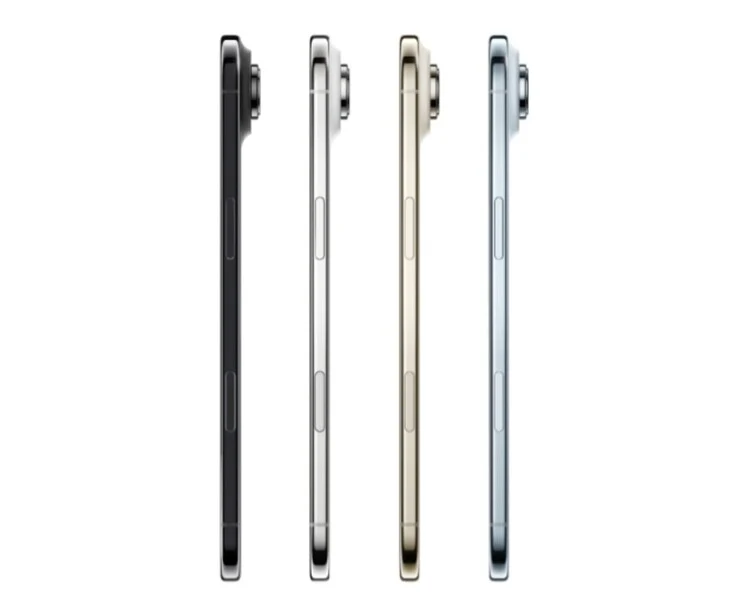
    There are rumors that Apple is planning a significant redesign for its 2027 models to align with the iPhone’s 20th anniversary. The special edition is speculated to come with a thinner, curved glass design that features under-display Face ID and front camera sensors, resulting in a nearly flawless display. This would be the most considerable visual change since the iPhone X, which introduced the notch and OLED screen back in 2017.

    Market Impact

    Omdia predicts that this change in Apple’s launch cycle will cause a temporary drop in iPhone display panel demand by around 20 million units in 2026, as the iPhone 18 lineup will not include the standard model. Nevertheless, according to Apple’s updated production plans, the base iPhone 18, or whatever name it eventually has, is now likely to be released in early 2027, fitting with the company’s new staggered launch strategy. For next year, Apple is expected to release only the Air, Pro, Pro Max, and Fold versions. While Heo mentioned an “Air” model, recent reports have suggested that Apple is reducing production due to a decline in global smartphone demand, which makes introducing a new sub-variant less probable.

    Heo mentioned that the standard model will be back with the iPhone 20 series in 2027, which should help restore overall panel demand to its usual levels. The first foldable iPhone, expected in 2026, is anticipated to ship over 8 million units in its first year. Even with this temporary decline, Apple’s total iPhone panel shipments—which are around 245 million units this year—are forecasted to stabilize and exceed 250 million once the company’s dual-launch strategy takes hold in 2027.

    Source:
    Link