Tag: Samsung Display

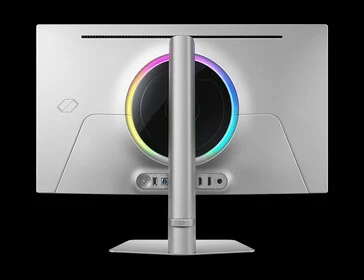
  • Samsung to Launch 24.5-Inch QD-OLED Monitors for Gaming

    Samsung to Launch 24.5-Inch QD-OLED Monitors for Gaming

    Key Takeaways

    1. Samsung Display launched two new QD-OLED panel types in 2023, primarily in 27-inch size.
    2. The 4K and 240 Hz model is currently recognized as a Gen 4 QD-OLED option.
    3. Samsung Display has not produced QD-OLED panels smaller than 27 inches, but a potential 24.5-inch model may be on the way.
    4. Upcoming QD-OLED panels could feature 1440p resolution and 240 Hz refresh rate.
    5. Details about future QD-OLED options remain unclear, with no specifications confirmed yet.


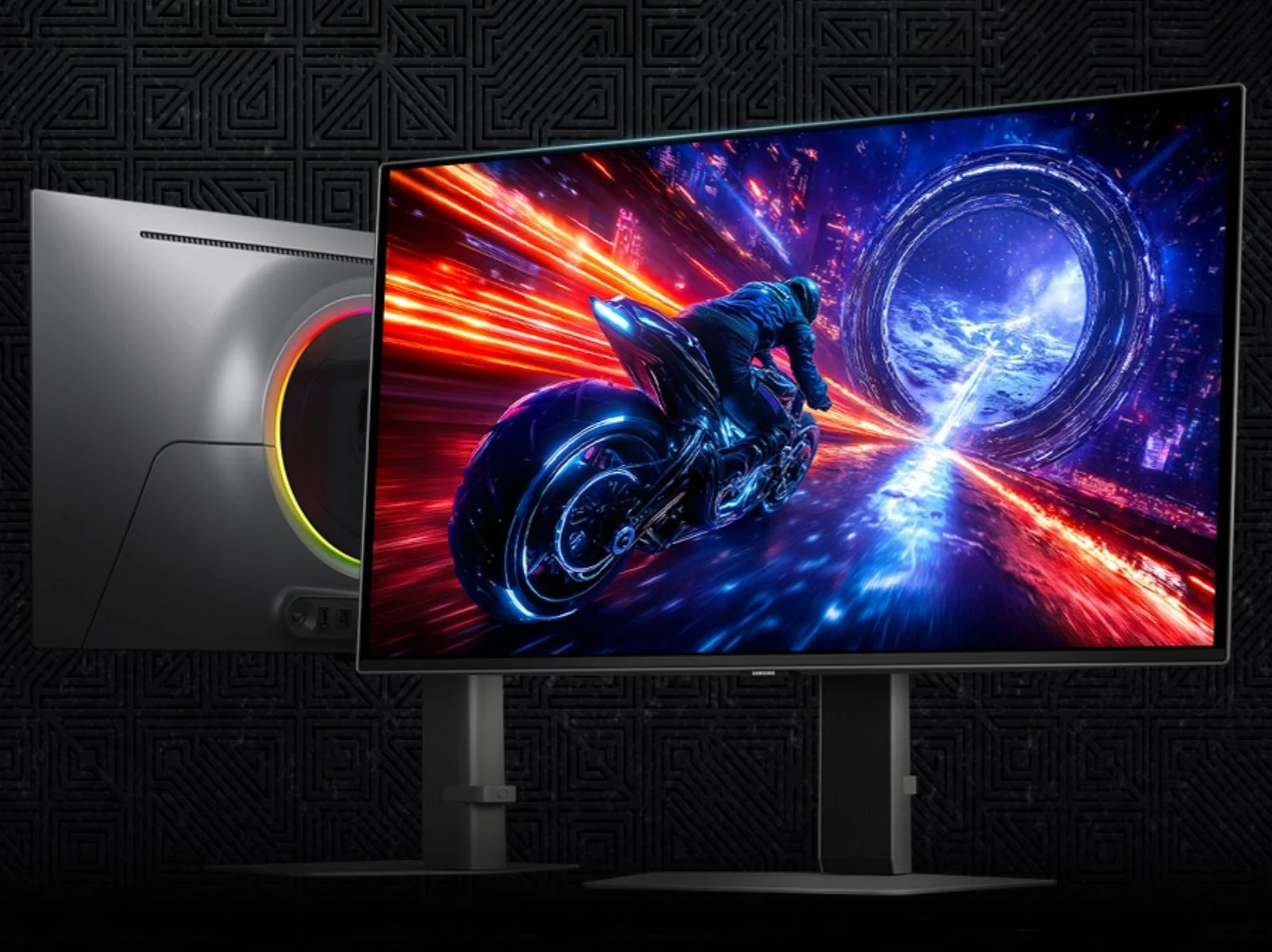
    Earlier this year, Samsung Display launched two new QD-OLED panel types that gaming monitor makers have been slowly incorporating over the past few months. Usually, Samsung Display hints at upcoming QD-OLED panels later in the year. However, leaker Lonely City Hardware has reportedly obtained information about a new QD-OLED option that’s on the way.

    Recap of Current Options

    In 2023, Samsung Display only revealed 27-inch panels. Currently, only the 4K and 240 Hz model, which supports recent products like the ROG Swift OLED PG27UCDM (currently priced at $1,099.99 on Amazon), is recognized as a Gen 4 QD-OLED option. On the other hand, the 1440p and 500 Hz model featured in several recent gaming monitors is deemed a generation behind.

    Size Availability and Future Prospects

    As of now, Samsung Display has not offered anything smaller than 27 inches for its QD-OLED panels. Instead, they provide options in 32-inch, 34-inch, and 49-inch sizes across various QD-OLED generations. Lonely City Hardware suggests that one of Samsung’s upcoming QD-OLED panels might actually be a 24.5-inch model.

    The leaker mentioned on Weibo that this new option could be launched next year. As of now, they haven’t shared any specifications. However, they believe Samsung Display might opt for a 1440p resolution combined with a 240 Hz refresh rate, similar to some Gen 3 QD-OLED panels seen in monitors like the Gigabyte MO27Q2. It remains unclear whether Samsung intends to release multiple new QD-OLED options.

    Source:
    Link


  • Samsung Galaxy Z Fold 7 to Endure 500,000 Folds or More

    Samsung Galaxy Z Fold 7 to Endure 500,000 Folds or More

    Key Takeaways

    1. The Galaxy Z Fold7 has a durability rating of 500,000 folds compared to the Z Fold6’s 200,000 folds.
    2. Independent tests by Bureau Veritas confirmed the Z Fold7’s durability after 500,000 folds with no damage observed.
    3. The display features “Ultra Thin Glass” that is 50% thicker and uses more flexible adhesive for improved impact resistance.
    4. The Z Fold7 has an IP48 certification, making it waterproof and resistant to larger dust particles.
    5. The device is built with Advanced Armor Aluminum and Corning Gorilla Glass Victus 2 for enhanced scratch and drop resistance.


    While Samsung claims the Galaxy Z Fold6 can handle “only” 200,000 folds, the Galaxy Z Fold7 boasts a much higher durability of 500,000 folds, according to Samsung Display.

    Testing Methodology

    To confirm this claim, an independent certification agency, Bureau Veritas, conducted tests by folding and unfolding the flagship device 500,000 times at a stable room temperature of 25°C over 13 days. Remarkably, no damage was observed. This figure translates to a lifespan of around ten years, based on the assumption that users typically open and close their phones about 100 times daily. To achieve this extended durability, Samsung has completely revamped the display’s structure.

    Improved Design Features

    The top layer of the display now uses “Ultra Thin Glass” that is 50% thicker than what is found in the Galaxy Z Fold6. The various components of the OLED panel are bonded with a more flexible adhesive, aiming to enhance the display’s impact resistance by four times. Moreover, a thin titanium plate reinforces the back of the screen, and the newly designed hinge is also said to play a role in increasing the device’s lifespan.

    Enhanced Durability Standards

    The Samsung Galaxy Z Fold7 holds an IP48 certification, making it fully waterproof, although it only protects against larger dust particles and sand grains. Its frame is constructed from a sturdier material known as Advanced Armor Aluminum, while both the back and secondary display are safeguarded from scratches by Corning Gorilla Glass Victus 2. Finally, the glass of the display is further strengthened with ceramic to provide better resistance against drops.

    Source:
    Link


  • Samsung Unveils 1.4-Inch XR Micro-OLED Panel: 5,000 PPI, 15,000 Nits

    Samsung Unveils 1.4-Inch XR Micro-OLED Panel: 5,000 PPI, 15,000 Nits

    Key Takeaways

    1. Samsung Display revealed new RGB OLEDoS panels aimed at improving extended-reality headsets, exceeding the previous 5,000-nit prototype.
    2. The standout 1.4-inch screen features a remarkable 5,000 PPI, peak brightness of 15,000 nits, 120 Hz refresh rates, and covers 99% of the DCI-P3 color gamut.
    3. A new variant with 4,200 PPI has achieved a record brightness of 20,000 nits, doubling the brightness of earlier models.
    4. The micro-OLED technology used enhances efficiency and color vibrancy by eliminating the white-OLED-plus-filter layering seen in current displays.
    5. Despite advancements, true-RGB micro-OLED remains costly to produce, with commercial headsets still using Sony’s 4K technology for the time being.


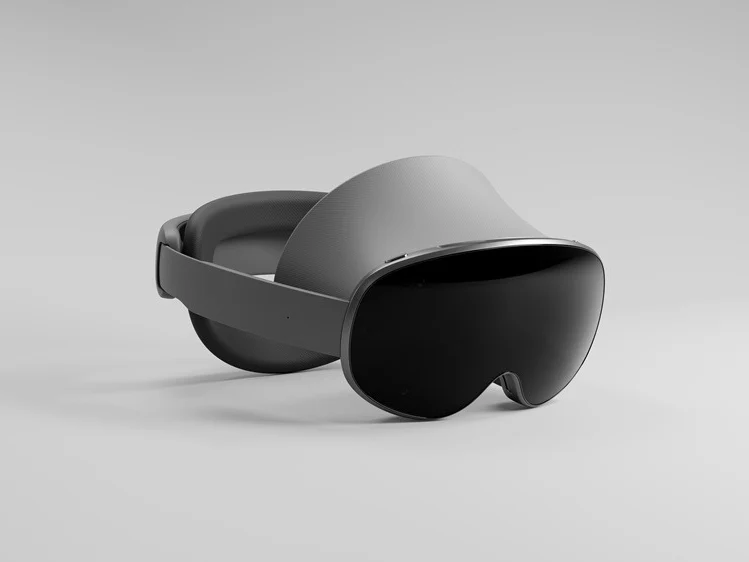
    Samsung Display recently showcased a new line of RGB OLEDoS panels at Display Week 2025, aimed at enhancing the experience of extended-reality headsets. Their latest plans extend past the 5,000-nit prototype introduced last year, highlighting a vision that combines ultra-high pixel density with outstanding brightness.

    Impressive Display Features

    The star of the show was a compact 1.4-inch screen boasting an incredible 5,000 PPI, which offers more pixels than an 8K television in a space similar to that of a smartwatch. Despite its small size, this screen achieves a peak brightness of 15,000 nits, supports 120 Hz refresh rates, and covers 99 percent of the DCI-P3 color gamut—specifications tailored for the high demands of mixed-reality eyewear, rather than traditional living-room televisions.

    New Brightness Levels

    Additionally, Samsung unveiled a variant with 4,200 PPI that elevates brightness to an astonishing 20,000 nits, setting a new record for RGB OLEDoS panels. Previous models were limited to 5,000 nits in 2024 and reached 10,000 nits at CES 2025, meaning that this latest prototype has doubled the brightness achieved just five months ago.

    Both screen types utilize direct-emission red, green, and blue sub-pixels on a silicon backplane. This method—commonly referred to as micro-OLED or OLEDoS—eliminates the white-OLED-plus-filter layering used in current displays from Apple and Sony, enhancing efficiency, color vibrancy, and overall brightness. The advancements for Samsung stem from their acquisition of eMagin in 2023, featuring sample resolutions of 3,888 × 3,888 and a native 5K option, each fully covering the DCI-P3 color space.

    Context for Brightness

    However, simply citing brightness figures lacks significance without context. Modern pancake optics tend to waste about 90 percent of incoming light, and low-persistence techniques, designed to minimize motion blur, further reduce the perceived brightness. A 5,000-nit micro-OLED might deliver around 100 nits to the viewer’s eye, while Samsung’s 15,000- and 20,000-nit displays could increase that to approximately 300–400 nits. This could allow manufacturers to shorten duty cycles, enhancing motion clarity without diminishing brightness.

    Despite these impressive advancements, true-RGB micro-OLED remains expensive to produce, leading Samsung to classify the new displays as research and development units. Commercial headsets set to launch later this year will continue to depend on Sony’s upgraded 4K micro-OLED technology. Nevertheless, Samsung’s prototypes indicate that the potential for higher XR image quality is advancing rapidly, even if material costs may rise.

    Source:
    Link

  • Galaxy Z Fold 7 Paving the Way for Apple’s iPhone Fold Display

    Galaxy Z Fold 7 Paving the Way for Apple’s iPhone Fold Display

    Key Takeaways

    1. Apple is developing its first foldable iPhone, informally called the iPhone Fold, with Samsung supplying the display.
    2. Samsung has created a new folding display technology that meets Apple’s strict requirements for thickness and performance.
    3. The Galaxy Z Fold 7 features a thinner design due to the integration of the touch sensor into the display, reducing thickness by 19%.
    4. There are conflicting reports about the Galaxy Z Fold 7’s thickness, with measurements ranging from 8.2 mm to 8.9 mm when closed.
    5. The collaboration between Apple and Samsung could lead to significant advancements in foldable display technology in the smartphone market.


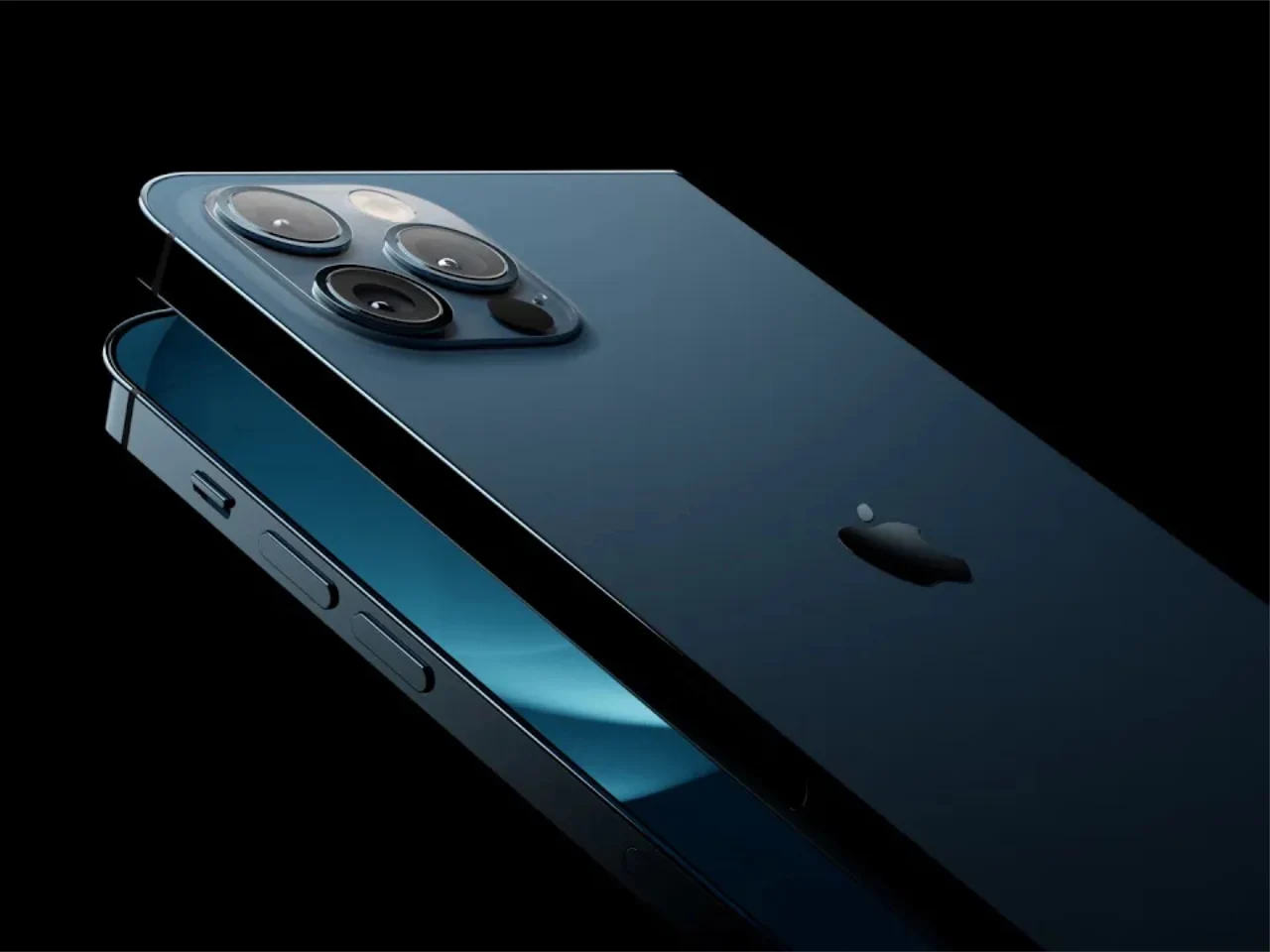
    Apple is reportedly developing its first foldable iPhone, informally called the iPhone Fold. It’s also noted that Samsung will provide the display for this device. A recent leak indicates that the South Korean smartphone company has discovered a method to reduce the thickness of the folding display to align with Apple’s criteria, which is why the new Fold 7 is expected to be as thin as it supposedly is.

    Leak Details from Naver Blog

    The newest information comes from ‘yeux1122’ on the Naver blog (translated from Korean to English), claiming that the folding display for Apple’s iPhone Fold has not been used in any existing Samsung phone. The leak mentions that the display complies with Apple’s demands for thickness, power-to-weight ratio, brightness, and more. It was previously reported that Apple delayed the release of a foldable device until it could minimize the visibility of the crease, and recent updates suggest that Samsung has managed to accomplish this. Now, it appears that Samsung has met other necessary specifications as well.

    Impact on Galaxy Z Fold 7

    Although the leaker claims this new display technology hasn’t been used in any current Samsung models, they suggest this is why the upcoming Galaxy Z Fold 7 has a notably thinner profile compared to its predecessor. This reduction in thickness has been achieved by integrating the touch sensor into the display rather than having it as a separate layer on top. This change is said to have decreased the thickness by 19%.

    Moreover, advancements in processes and the improvement of components have resulted in enhanced color accuracy, peak brightness, and normal brightness levels. These features are believed to meet Apple’s requirements for its inaugural foldable iPhone.

    Contradictory Information on Thickness

    Recently, it was claimed that the Samsung Galaxy Z Fold 7 will be the thinnest foldable phone available, yet there have been differing opinions on this matter. Techmaniacs reported that the Z Fold 7 would measure just 8.2 mm thick when closed, surpassing the Oppo Find N5 by 0.7 mm. Conversely, well-known leaker Ice Universe stated that the Z Fold 7 would actually match the Find N5’s thickness at 8.9 mm when it is closed.

    In summary, as Apple moves closer to releasing its foldable iPhone, the collaboration with Samsung could lead to significant advancements in display technology, setting a new standard in the smartphone market.

    Source:
    Link

  • Samsung’s Unique Foldable Smartphone Design Approved in the US

    Samsung’s Unique Foldable Smartphone Design Approved in the US

    Key Takeaways

    1. Samsung Display often showcases innovative concepts at major events like CES and MWC, but many do not reach mass production.
    2. The company hinted at new foldable screens supporting the upcoming Galaxy Z Fold6 and its initial consumer tri-fold.
    3. Samsung Display received design approval for a new foldable device that can fold both inward and outward, combining features from existing foldables.
    4. The latest design differs from the previous Flex In N Out concept presented in 2023, featuring an exposed screen area beneath a triple camera setup.
    5. While the new design’s mass production is uncertain, there is potential for a working model to be showcased at future trade shows.


    Samsung Display, which is part of Samsung Electronics, frequently showcases ideas at events like the Consumer Electronics Show (CES) and the Mobile World Congress (MWC). For example, at MWC 2025, they displayed several new innovations, such as the Flex Gaming and the Flexible Briefcase.

    Concept vs. Reality

    Usually, these ideas remain just that and don’t make it to mass production. However, it appears that Samsung Display also hinted at foldable screens that will support Samsung’s initial consumer tri-fold and the next version of the Galaxy Z Fold6 (currently priced at $1,099 – renewed on Amazon).

    New Foldable Form Factor

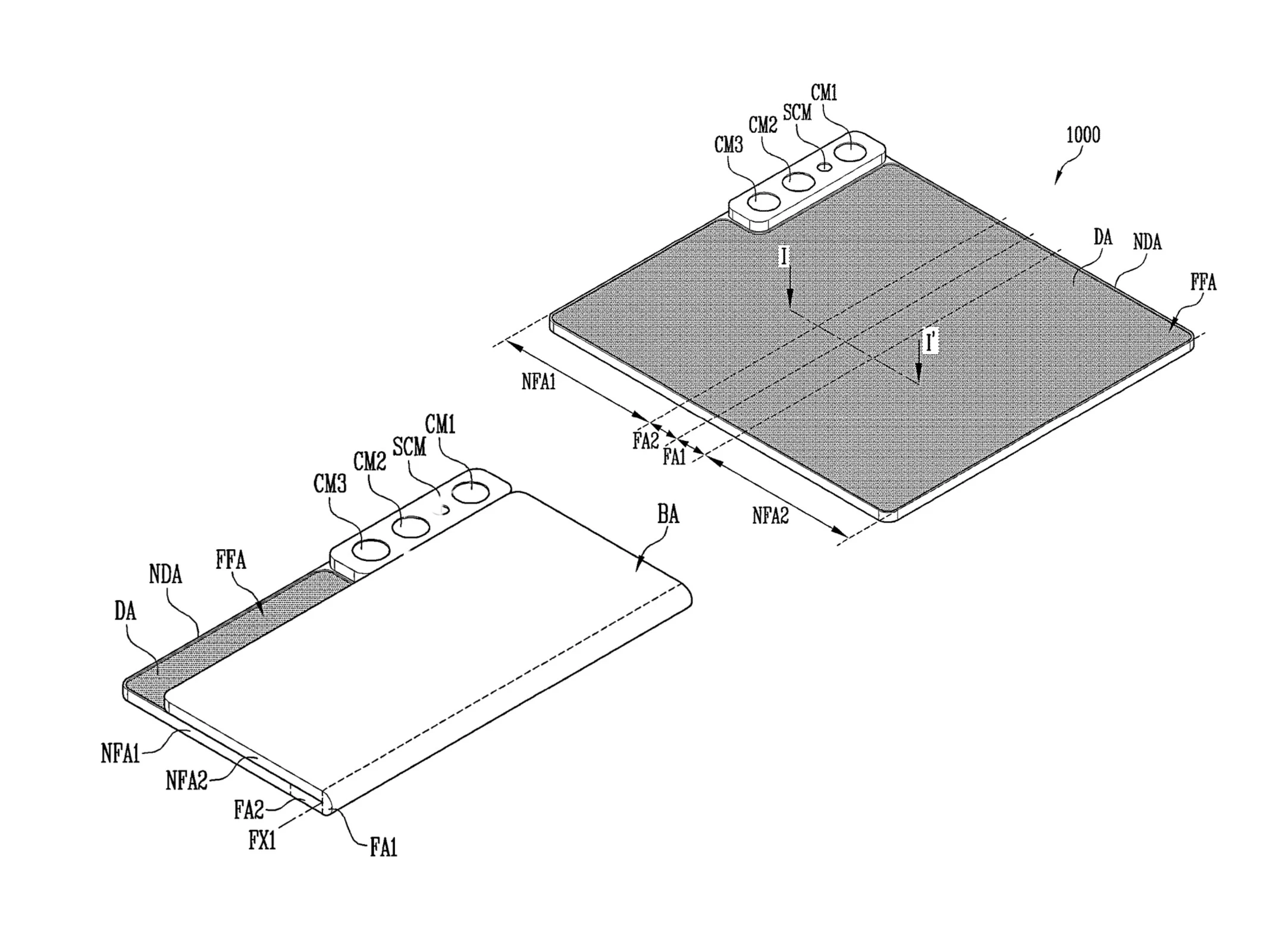
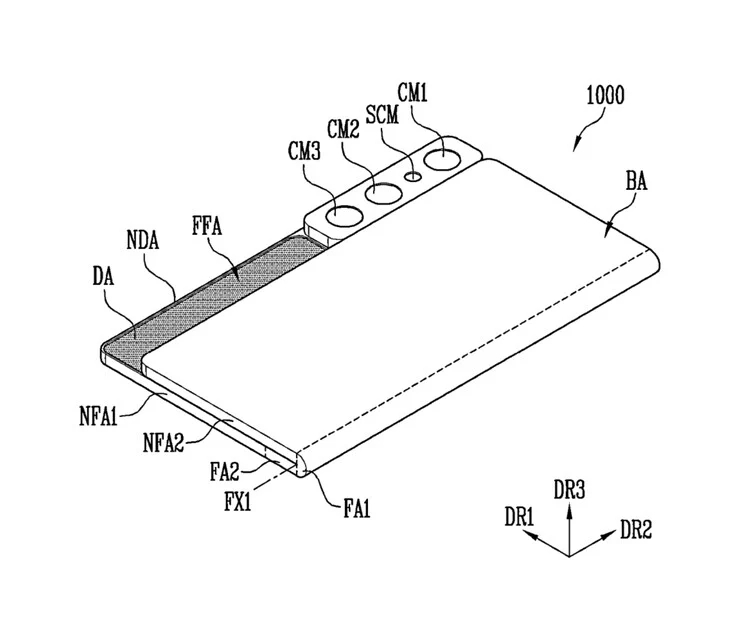
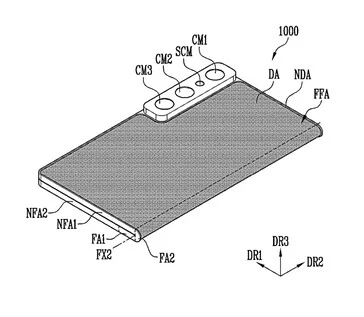
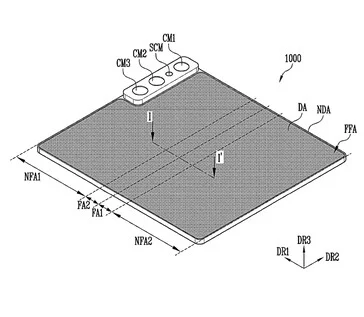
    Recently, the company has gotten design approval from the United States Patent & Trademark Office (USPTO) for a completely new foldable design. According to the patent sketches below, this design allows the screen to fold both inward and outward, unlike current consumer foldables that only fold one way. This means the concept merges features of the Galaxy Z Fold with those of the Huawei Mate Xs or Mate Xs 2 into a single device.

    A Shift in Design

    The patented design is different from the Flex In N Out that Samsung Display presented at CES 2023, which was over two years ago. To summarize, the Flex In N Out appeared like a standard foldable that could fold both ways. In contrast, Samsung Display’s latest idea leaves part of its screen exposed beneath a theoretical triple camera setup. While the likelihood of this design becoming a reality is low, there is a possibility that Samsung Display could showcase a working model at a future trade show, similar to how they did this year with the Flex Gaming.

    Source:
    Link


  • Apple’s iPhone Fold: A Rival to Galaxy Z Fold and Pixel Foldables

    Apple’s iPhone Fold: A Rival to Galaxy Z Fold and Pixel Foldables

    Key Takeaways

    1. The upcoming foldable phone, called the iPhone Fold, is expected to be released in autumn and will feature a 5.5-inch cover display that expands to 7.8 inches.
    2. The iPhone Fold will have a unique 4:3 aspect ratio for its foldable screen, aimed at improving compatibility with iPad software.
    3. Apple is considering a starting price between $2,000 and $2,500 for the iPhone Fold.
    4. The device is reportedly being developed in collaboration with Samsung Display to feature a nearly invisible crease in the display.
    5. The case design of the iPhone Fold is expected to be made from titanium alloy for added durability.


    Rumors about Apple’s upcoming foldable phone are beginning to circulate. Scheduled for release next autumn, the device, dubbed the iPhone Fold, is anticipated to feature a 5.5-inch cover display similar to the iPhone 13 mini from a few years back. When opened, it is said to expand to 7.8 inches, positioning it between the sizes of the Galaxy Z Fold6 and the Pixel 9 Pro Fold (currently priced at $1,099.99 for a refurbished unit on Amazon).

    Display and Design Features

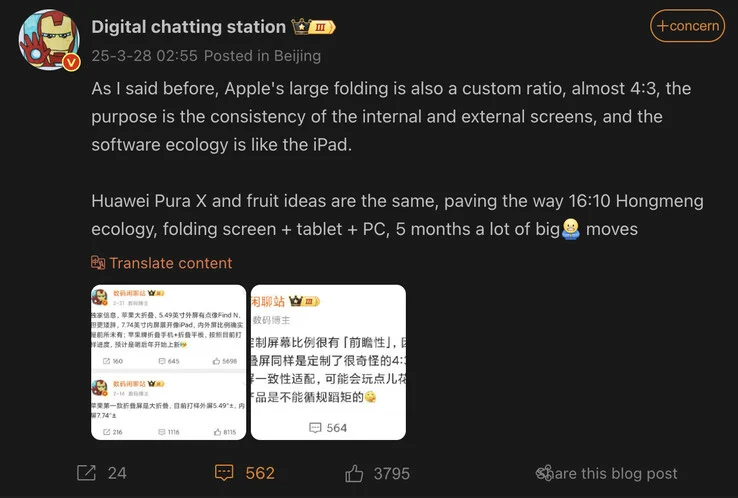
    As per Digital Chat Station, the foldable screen is expected to maintain an almost 4:3 aspect ratio, differing from the 5:4 or 1:1 ratios found in other models. The leak on Weibo indicates that this choice of aspect ratio is intended to enhance compatibility with software designed for the iPad. It’s worth noting that all iPads, except for the iPad mini, feature a 4:3 aspect ratio, including the latest 11-inch and 13-inch iPad Pro models.

    Pricing and Specifications

    However, there are no indications that the iPhone Fold will utilize iPadOS. Presently, Apple is believed to be contemplating a starting price range of $2,000 to $2,500 for the US market. To justify this relatively steep price, the company is purportedly collaborating with Samsung Display to develop a nearly invisible crease in the display, complemented by a case design made from titanium alloy.

    Source:
    Link


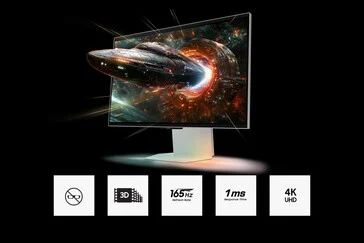
  • Samsung Launches First 4K OLED 240Hz Glasses-Free Odyssey 3D Monitor

    Samsung Launches First 4K OLED 240Hz Glasses-Free Odyssey 3D Monitor

    Key Takeaways

    1. Pricing and Availability: The 27-inch Odyssey OLED G8 is priced at $1,150, and the 32-inch version is $1,360, initially released in South Korea.

    2. High Demand: There are significant pre-orders for the Odyssey G8, prompting Samsung Display to plan increased production levels.

    3. Future Products: Samsung will introduce more affordable OLED gaming monitors later this year, alongside the premium Odyssey G8 and the 27-inch QHD G6 with a 500 Hz refresh rate.

    4. 3D Technology: The new Odyssey 3D model allows for glasses-free 3D content using eye-tracking technology, with compatible games and AI-converted videos available.

    5. New Widescreen Monitor: Samsung launched the 37-inch Viewfinity S8 with 4K resolution, HDR10 support, and a KVM switch, though US pricing and availability are not yet disclosed.


    Samsung has shared the pricing details and availability for its groundbreaking 4K OLED monitor that supports an impressive 240 Hz refresh rate.

    Pricing Information

    This monitor is part of the 2025 OLED gaming monitor line revealed at CES 2025. The Odyssey OLED G8 is priced at around $1,150 for the 27-inch size and $1,360 for the 32-inch version, with its initial release taking place in South Korea.

    Demand and Production Plans

    According to Samsung Display, there has already been a significant number of pre-orders for the 240 Hz Odyssey G8, and they are planning to increase production levels to satisfy the unexpectedly high demand.

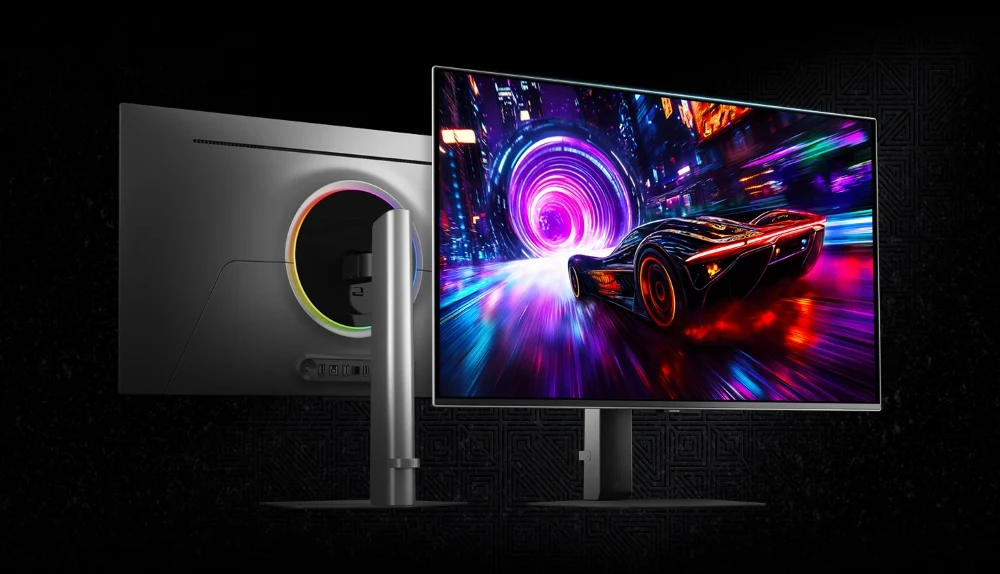
    The Odyssey OLED G8 features support for AMD FreeSync Premium Pro and Nvidia G-Sync, along with a sleek design that includes Samsung’s Core Lighting+ edge LED strip, adding to its aesthetic appeal.

    Future Launches and Models

    While the 2025 Odyssey G8 and its upcoming 27-inch QHD G6 counterpart, which boasts a record-breaking 500 Hz refresh rate, are premium products, Samsung Display mentioned that it will introduce more affordable OLED gaming monitors later this year.

    In addition to the Odyssey G8, Samsung has also unveiled its 2025 Odyssey 3D model today. This model enables users to experience 3D content without needing special glasses, thanks to its eye-tracking technology and custom lenticular lens. Users can access compatible games like Nexon’s The First Berserker: Khazan, set to launch on March 28, as well as AI-converted 3D videos through Samsung’s Reality Hub app.

    3D Effects and Recommendations

    Samsung warns that the 3D effects might differ based on the specific game and the performance of the graphics card, recommending the Nvidia RTX 3080 or better to achieve the optimal 3D experience.

    Another exciting addition to the Odyssey gaming monitor lineup is the 49-inch G9 series. The new Odyssey G91F Dual QHD model is priced at around $990 and features a 1000R curve designed for immersive gameplay. It provides a refresh rate of 144Hz and a response time of 1ms, with DisplayHDR 600 and HDR10+ certifications to enhance color and contrast for a better gaming experience.

    New Widescreen Monitor

    Lastly, Samsung has introduced its largest 16:9 widescreen monitor yet. The 37-inch Viewfinity S8 (S80UD) model offers a native 4K resolution, supports HDR10 wide color gamut, and includes a KVM switch alongside a USB-C hub capable of 90 W charging speeds.

    While Samsung has yet to disclose the pricing and availability for its new 2025 Odyssey or Viewfinity monitors in the US, the global launch announcement today suggests that a US release may be imminent.

    Source:
    Link


  • Samsung Showcases Foldable Display Upgrades for Galaxy Z Fold 2025

    Samsung Showcases Foldable Display Upgrades for Galaxy Z Fold 2025

    Key Takeaways

    1. Samsung Display showcased new concept gadgets at MWC 2025, including Flex Gaming and a tri-fold Galaxy Z Flip.
    2. A new foldable screen was introduced, designed for book-style devices, with improved crease concealment compared to previous models.
    3. Samsung Display typically presents concepts, but hints suggest they demonstrated the new foldable panel using the Galaxy Z Fold Special Edition.
    4. The Galaxy Z Fold7 is anticipated to launch in about four months, indicating that design and hardware finalization is underway.
    5. The Galaxy Z Fold Special Edition may serve as a testing ground for the Galaxy Z Fold7, promising a less noticeable display crease.


    Samsung Display has showcased a range of concept gadgets this week at MWC 2025. To recap, we have covered the Flex Gaming, Flexible Briefcase, Flex G, and even a tri-fold variant of the Galaxy Z Flip. While these remain as concepts for the moment, Samsung’s display arm might have hinted at what to expect from the Galaxy Z Fold7.

    New Foldable Panel

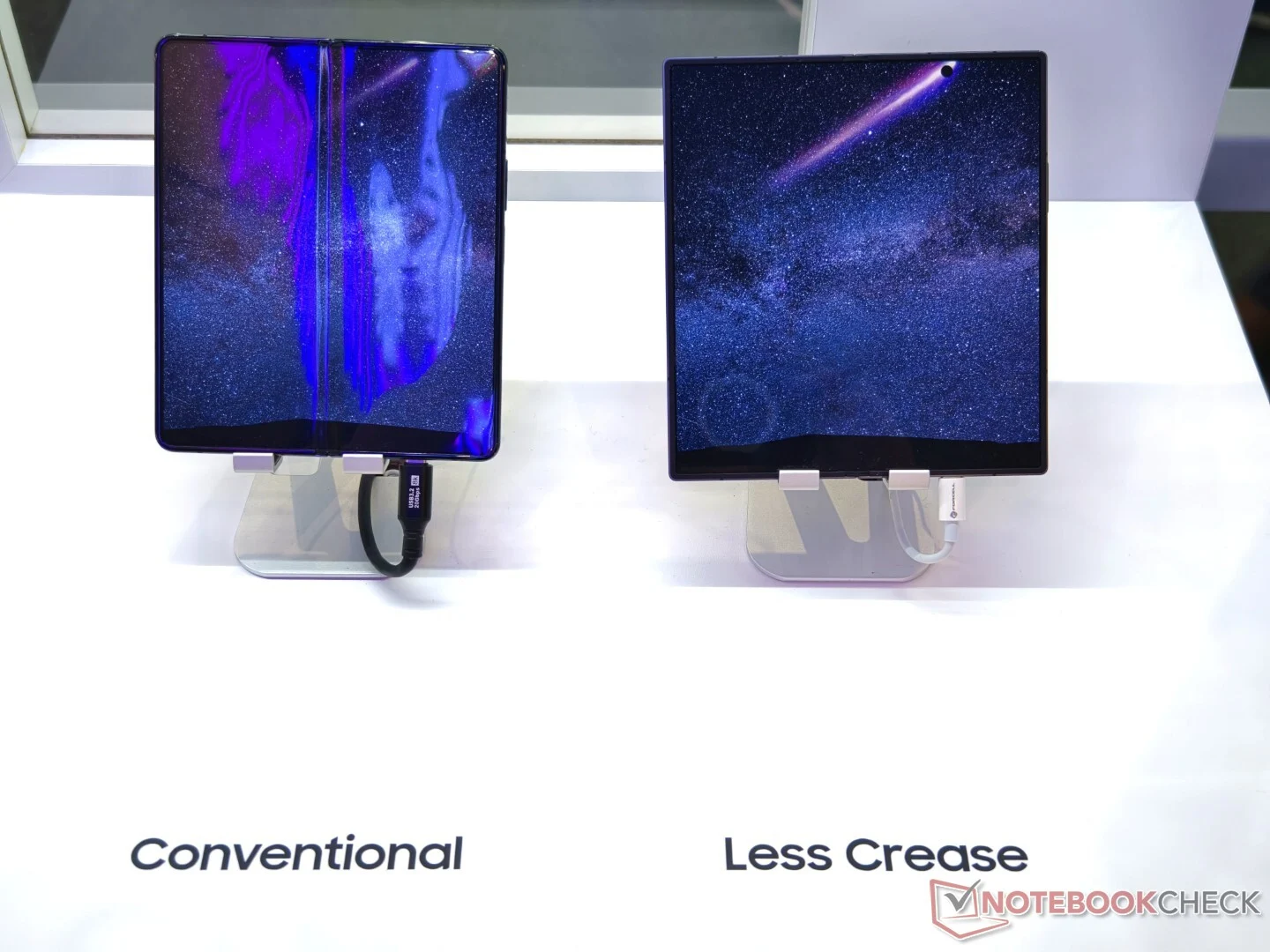
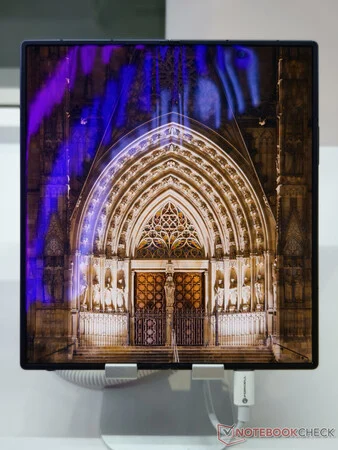
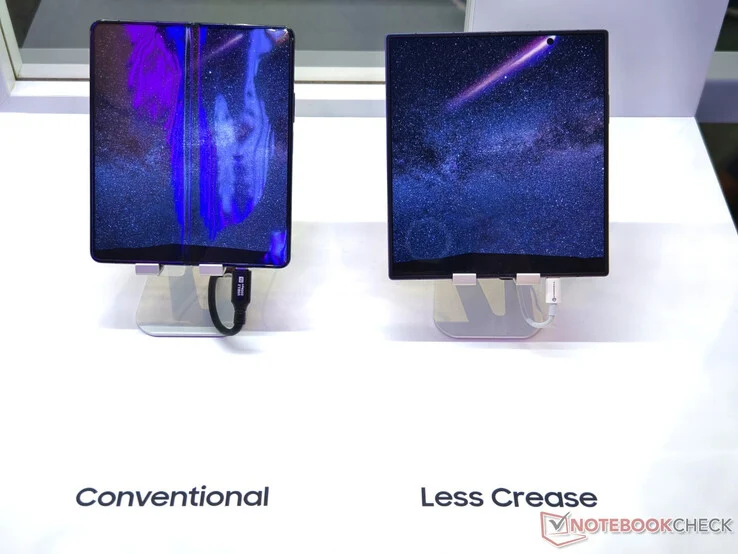
    In particular, Samsung Display introduced a new foldable screen aimed at book-style devices during this year’s Mobile World Congress, a fact that we have highlighted below. Even though Samsung Display hasn’t shared any additional information, the foldable screen seems to do a significantly better job of concealing its crease compared to what appears to be the Galaxy Z Fold4 or Galaxy Z Fold5 (currently priced at $785 – renewed on Amazon).

    Trade Show Insights

    Normally, Samsung Display only showcases concepts at such events. However, there are some hints suggesting that they might have used the Galaxy Z Fold Special Edition to demonstrate their new foldable panel, which is limited to sales in China and South Korea. For instance, the device lacks Under-Display Camera (UDC) technology. Its antenna lines perfectly match those of the Special Edition, along with its bezels, corner radius, bottom speaker, microphone hole, and the grey frame visible in additional images released by Android Central.

    Upcoming Release

    The Galaxy Z Fold7 is said to be around four months away from its launch. In simpler terms, Samsung should have finalized its design and hardware by now. All things considered, it seems like the Galaxy Z Fold Special Edition will act as a testing ground for the Galaxy Z Fold7, which is expected to feature a significantly less noticeable display crease compared to its immediate predecessor.

    Source:
    Link


  • Samsung Flexible Briefcase: A Foldable Laptop at MWC 2025

    Samsung Flexible Briefcase: A Foldable Laptop at MWC 2025

    Key Takeaways

    1. Samsung Display showcased innovative foldable devices at MWC 2025, including the Asymmetric Flip and Flex Gaming concept.
    2. The Flexible Briefcase features a briefcase-like design with built-in power and volume controls but is not available for hands-on experience.
    3. The Flexible Briefcase has an 18.1-inch QD-OLED screen when opened, inspired by the Flex Note introduced in 2022.
    4. The display has a 4.5 R folding radius and a native resolution of 2,000 x 2,664 pixels with a pixel density of 184 PPI.
    5. It remains uncertain if the large display will be used in future foldable laptops by manufacturers, including Samsung Electronics.


    Samsung Display showcased several unique foldable devices at MWC 2025. Among these was the Asymmetric Flip, along with the Flex Gaming concept. Additionally, a new version of the Flex G was presented, potentially laying the groundwork for Samsung’s upcoming Galaxy G Fold.

    Unique Design

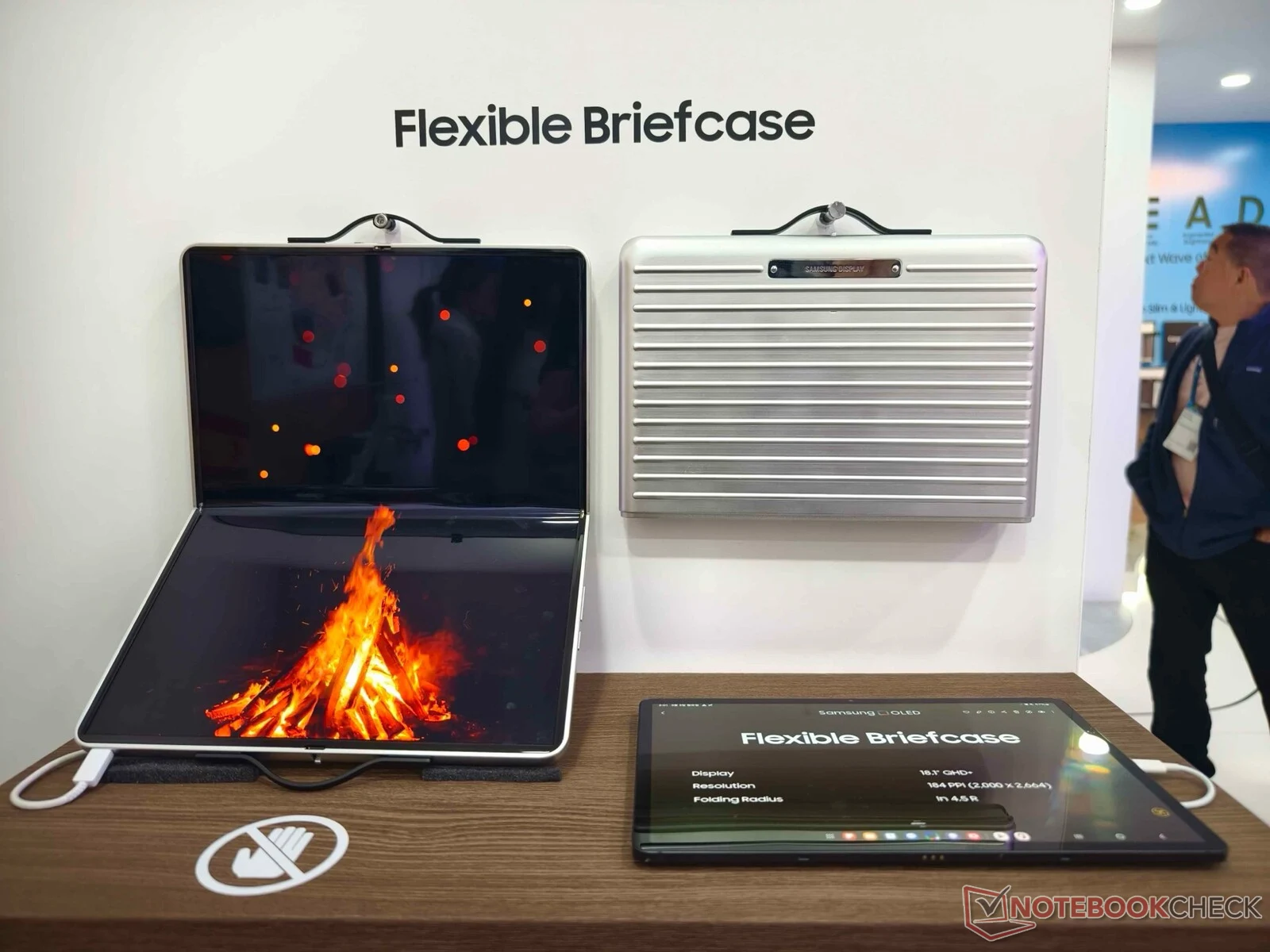
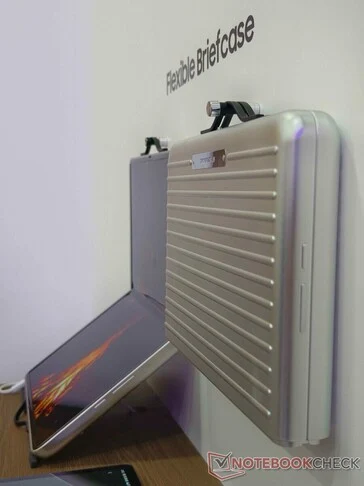
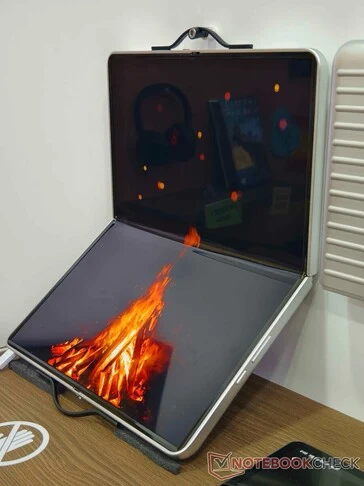
    Undoubtedly, the Flexible Briefcase stands out as the most peculiar among them. True to its name, its design resembles a briefcase, complete with two handles that come together when the device is closed. This briefcase-like structure also seems to function as the device’s casing, featuring built-in power and volume controls.

    Limited Access

    Unfortunately, Samsung Display is not permitting attendees to get a hands-on feel for the Flexible Briefcase. Instead, they’ve shared some specifications about the display, including an impressive 18.1-inch QD-OLED screen when fully opened. This design takes inspiration from the Flex Note, which was publicly introduced by Samsung Display in 2022.

    Remarkable Features

    The sizable display boasts a 4.5 R folding radius; however, Samsung has not included this detail in its retail offerings like the Galaxy Z Fold6 (currently priced at $1,519 on Amazon). Nevertheless, it features a native resolution of 2,000 x 2,664 pixels, which results in a pixel density of 184 PPI, just below the 212 PPI of Samsung’s Galaxy Book4 Ultra. It remains unclear if any manufacturers will utilize this expansive display in future foldable laptops, particularly Samsung Electronics.

    Source:
    Link


  • Samsung Unveils Unique Foldable Gaming Handheld at MWC 2025

    Samsung Unveils Unique Foldable Gaming Handheld at MWC 2025

    Key Takeaways

    1. Samsung has launched new Galaxy S25 models, including the S25, S25 Plus, and S25 Ultra, with the Ultra priced at $1,219.99 on Amazon.
    2. The company is set to introduce its first tri-fold device, which may change perceptions of its product lineup.
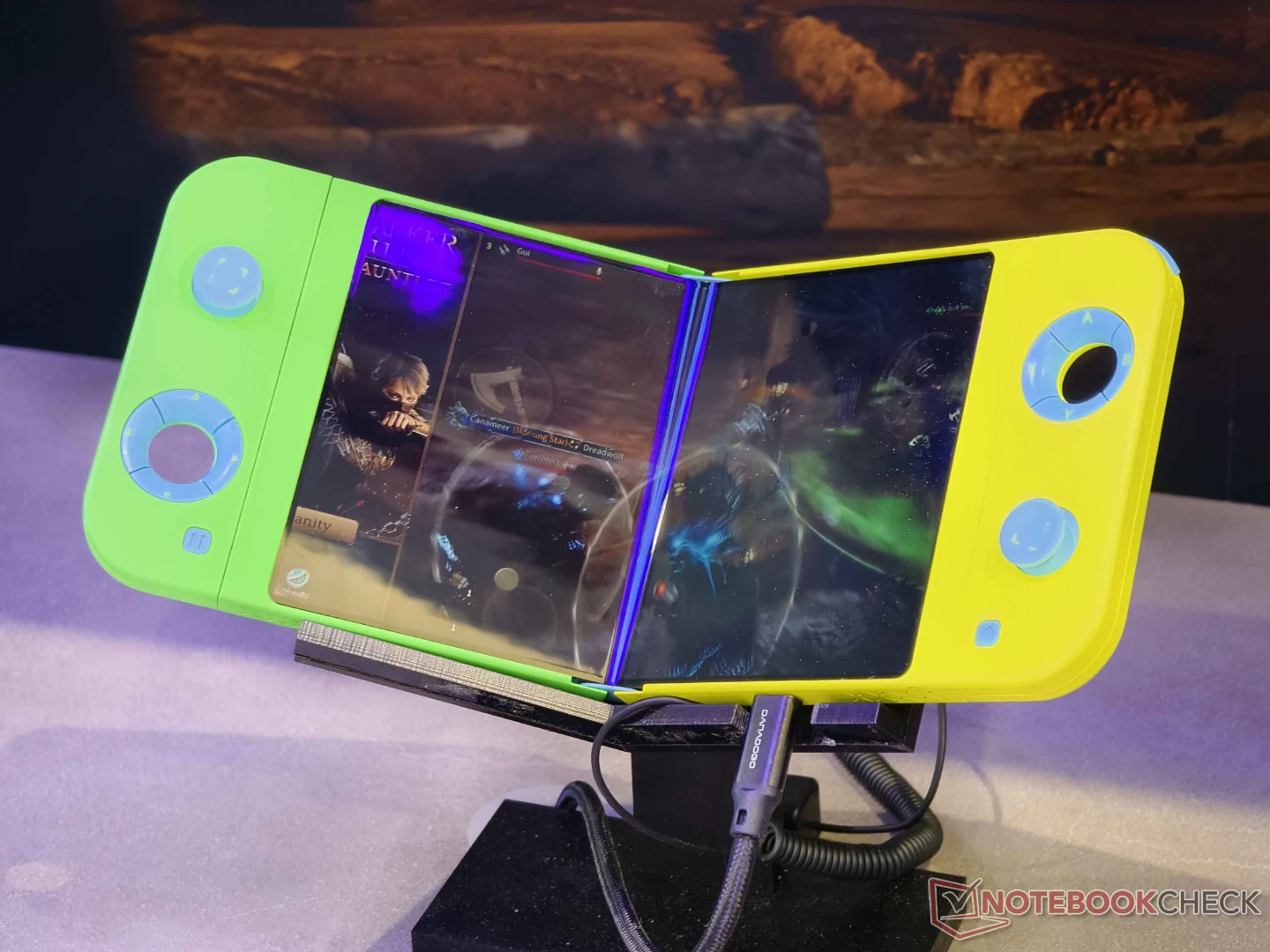
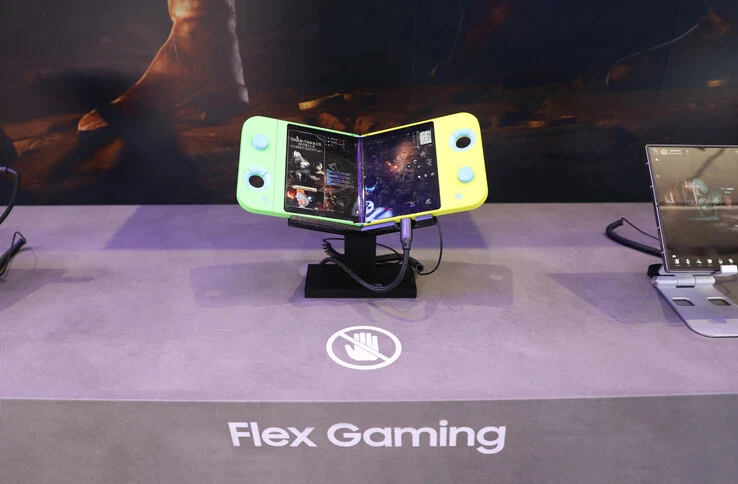
    3. At MWC 2025, Samsung Display showcased innovative designs, including a foldable gaming handheld called the Flex Gaming.
    4. The Flex Gaming features a 7.2-inch foldable display and is currently being demonstrated with a life simulation game, inZOI.
    5. Rumors suggest a partnership between Samsung and Valve to support SteamOS for ARM chipsets, enhancing the Flex Gaming’s capabilities.


    Samsung has been busy launching a variety of new gadgets, prominently featuring its latest Galaxy S25, Galaxy S25 Plus, and Galaxy S25 Ultra (currently priced at $1,219.99 on Amazon). Some might say that the brand’s recent product lineup feels a bit predictable, but this might change soon with the introduction of its first tri-fold device.

    Innovations at MWC 2025

    In a different vein, Samsung Display is making strides with innovative designs, many of which it has displayed in Barcelona during MWC 2025. Notably, the company has just unveiled its foldable gaming handheld, a little over three months after receiving design approval in the US from the United States Patent and Trademark Office (USPTO).

    The Flex Gaming Device

    To sum it up, the patent published in November aligns with what Samsung Display now refers to as the Flex Gaming. Interestingly, the display division used this name for an earlier concept that had a completely different look. Nonetheless, there are whispers that the spirit of the Flex Gaming might eventually lead to a product available for purchase.

    So far, Samsung Display has disclosed that the Flex Gaming features a 7.2-inch foldable display. This concept is currently being shown off while running inZOI, a life simulation game set to launch on Windows later this month. This suggests that the Flex Gaming could serve as a handheld device with PC-level capabilities, with rumors indicating that Samsung and Valve may be partnering to bring SteamOS support for ARM chipsets. Sadly, additional information remains a mystery at this time.

    Source:
    Link