Tag: Tesla

  • Samsung Galaxy XR Launches in UK with Multiple Deals

    Samsung Galaxy XR Launches in UK with Multiple Deals

    Key Takeaway

    – Galaxy XR headset launches in the UK for £1,699, with pre-orders open now and shipping from July 8.
    – Launch promotions include 30% off accessories (case or controllers) until Sept 30, and £100 off via PayPal code PAYPALXR until July 7.
    – Specs: Snapdragon XR2+ Gen 2, dual Micro-OLED displays (3,552 x 3,840 per eye), 16GB RAM, 256GB storage, with a separate tethered battery offering ~2 hours of use.


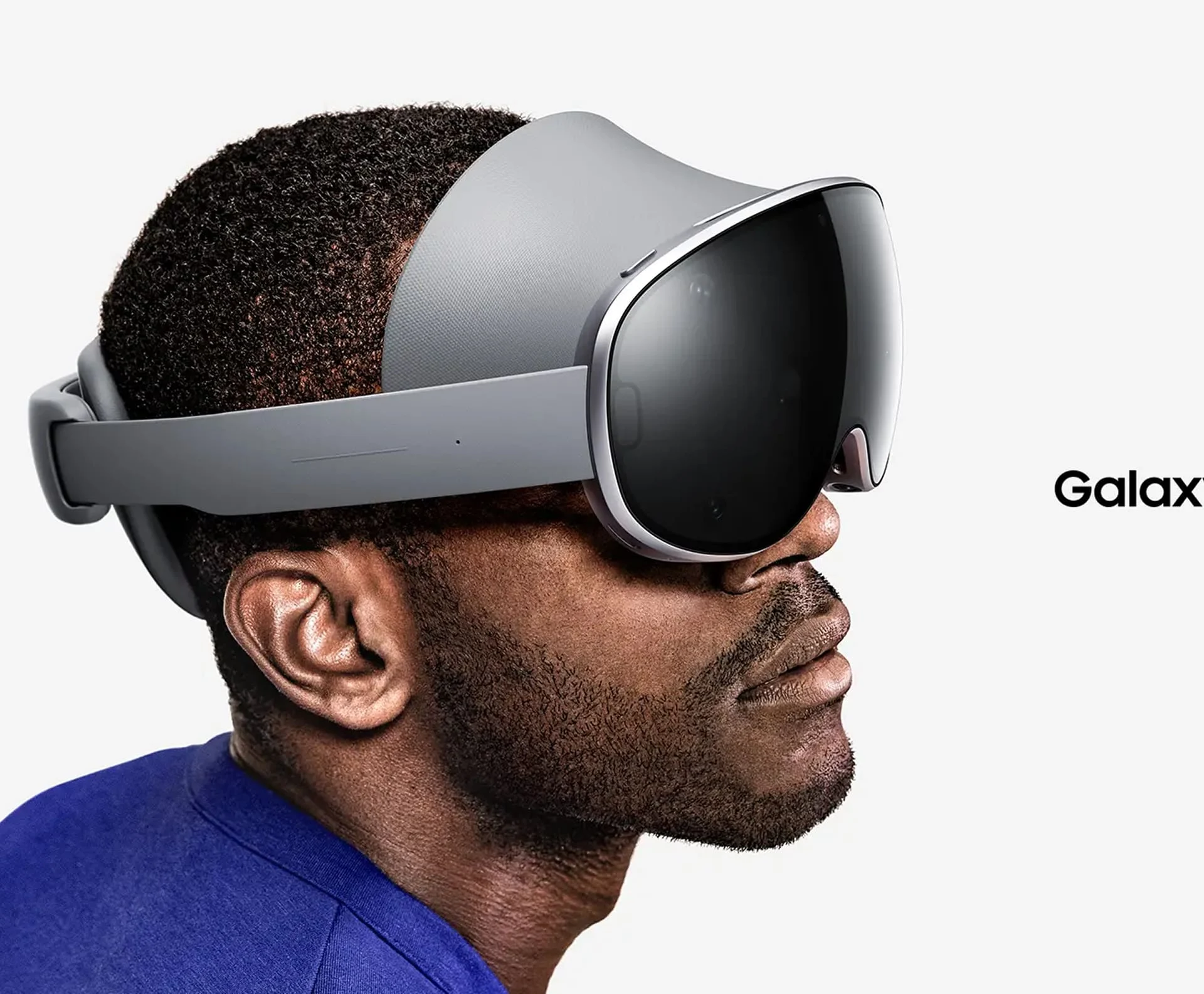
    Samsung launched the Galaxy XR headset in October last year, but it has been exclusive to South Korea and the US until now. The device is finally coming to the UK, and Samsung has already started taking pre-orders. If you want to pick one, it will cost you £1,699, with shipping expected to start on July 8. For this release, Samsung is only offering a single Silver Shadow color option. The official Galaxy XR Travel Case and Galaxy XR Controllers are also available, priced at £249 each.

    Promotions and Discounts Available

    Samsung is running several launch promotions on its UK online store to help reduce the cost. Buying either the travel case or the controllers alongside the headset knocks 30% off the price of that accessory, an offer that runs until September 30. Additionally, you can save £100 on your Galaxy XR purchase if you pay through PayPal using the code PAYPALXR until July 7, or get 10% off the headset if you purchase it alongside any Galaxy smartphone. Buying the headset will also net you 10% off on a Galaxy Watch or Galaxy Buds.

    Core Specifications and Hardware

    Powered by Qualcomm’s Snapdragon XR2+ Gen 2, the headset runs the new Android XR operating system. It has dual Micro-OLED displays, delivering 3,552 x 3,840 resolution to each eye, along with a suite of cameras for full-color passthrough, hand tracking, and eye tracking. You also get 16GB RAM and 256GB storage. In order to lighten the load on your head, the battery is instead packed inside a separate tethered pack which will provide about two hours of general use per charge.
    Sources
  • Deal: 3.2K OLED Lenovo Laptop, Core Ultra 9, RTX 5060

    Key Takeaway

    – Lenovo Yoga Pro 9i Aura Edition with RTX 5060 is discounted to $1,699 (23% off $2,199 MSRP)
    – Features a 16-inch 3200×2000 OLED display with 120Hz refresh and 1,600 nits peak HDR brightness
    – Includes Intel Core Ultra 9 285H, 32GB soldered DDR5 RAM, 1TB SSD, and WiFi 7
    – Strengths: high performance, accurate colors, aluminum chassis, and good speakers
    – Weaknesses: PWM flickering, soldered RAM, and loud fans in performance mode


    Get the full lowdown on this deal

    The vast majority of PC users wont be able to afford a maxed-out ThinkPad P16 Gen 3, which doesnt mean that decent high-end laptops have to cost more than $2,000. In fact, many users with multimedia workloads could probably be very happy with a machine such as the currently discounted Lenovo Yoga Pro 9.

    Pricing and specification details

    Fittingly, the American electronics retailer Best Buy has marked down the Yoga Pro 9i Aura Edition with the Intel Core Ultra 9 285H and soldered 32GB DDR5 RAM as well as an Nvidia GeForce RTX 5060 graphics card to $1,699 including free store pickup where stock permits. This configuration carries an official MSRP of $2,199, so this discount amounts to $500 or 23% relative to that.

    What this screen can really do

    As for the aforementioned multimedia workloads, this 16-inch laptop sports a fantastic tandem OLED display with 3200 x 2000 pixels, a 120Hz refresh rate and very high peak HDR brightness of 1,600 nits according to the manufacturer. A 1TB SSD and WiFi 7 module are also onboard, as are two Thunderbolt 4 ports, HDMI 2.1 and an SD card reader.

    Our testing shows mixed results

    We tested two different model variants of the Lenovo Yoga Pro 9i 16 G10 Aura Edition, which is why prospective buyers should make sure to read our review of the RTX 5060 version as well as the RTX 5070 SKU. The former has the same GPU as the notebook thats on sale here, while the latter was equipped with the same Intel processor and OLED display. Our hands-on video is also worth checking out.

    What we liked and what we didn’t

    Overall, the 16-inch Yoga Pro 9 impressed us with its high performance, and an excellent screen with accurate colors. We also liked the aluminum chassis and speakers, the same applies to the input devices. However, the OLED panel shows the usual PWM flickering, the RAM is soldered and the laptop can get quite loud in performance mode. None of this changes the fact that the Lenovo Yoga Pro 9i G10 Aura Edition is a well-rounded multimedia machine thats arguably worth considering in the sub-$2,000 price segment.

    • Processor: Intel Core Ultra 9 285H
    • RAM: 32GB soldered DDR5
    • GPU: Nvidia GeForce RTX 5060
    • Display: 16-inch tandem OLED, 3200×2000, 120Hz, 1600 nits HDR peak
    • Storage: 1TB SSD
    • Ports: 2x Thunderbolt 4, HDMI 2.1, SD card reader
    • Wireless: WiFi 7
    • Original MSRP: $2,199
    • Sale price: $1,699 at Best Buy
    • Discount: $500 (23% off)
    Sources
    • Acer Launches 14-Inch Business Laptop with Intel Panther Lake

      Acer Launches 14-Inch Business Laptop with Intel Panther Lake

      Key Takeaway

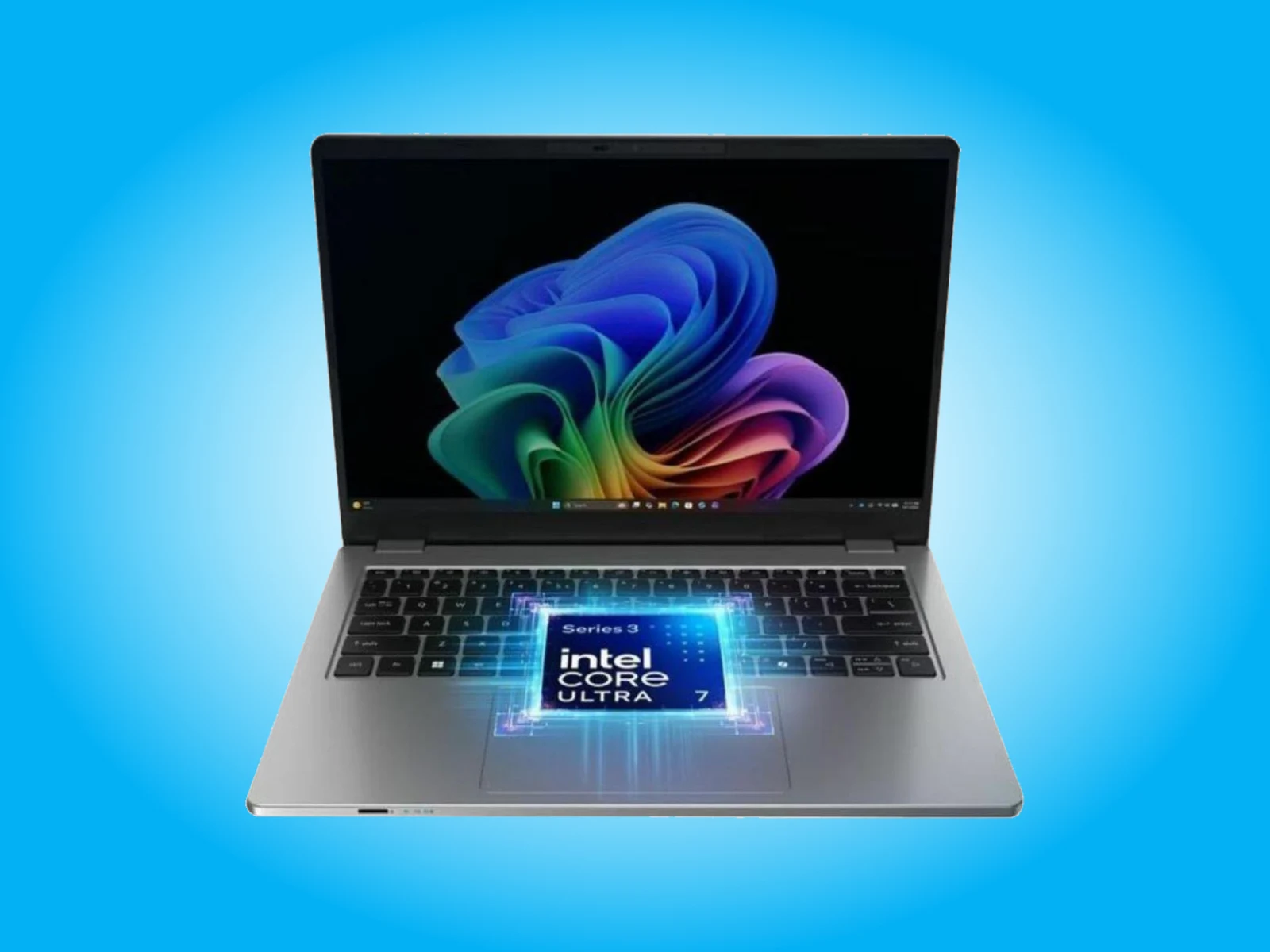
      – Acer’s TravelMate P2 14 AI Intel is now available in North America, starting at $1,699 officially.
      – It is already selling for significantly less at retailers like Newegg ($1,535) and PC Canada (CAD 2,011.99).
      – The base configuration includes a Core Ultra 5 322, 16 GB RAM, 512 GB SSD, and a 1200p matte display.
      – A 16-inch model and more premium TravelMate P4 AI options are expected to follow.


      New Acer Laptop Now on Sale

      Acer has began selling one of its current 14-inch business portable computers in North America. For the time being, only the TravelMate P2 14 AI Intel version is available to buy. This new model replaces previous 14-inch notebooks, according to the company, and it should eventually be joined by a bigger 16-inch alternative plus more premium TravelMate P4 AI options that were announced back in March.

      Pricing and Specifications Details

      At first Acer did not disclose how much any of these devices would cost. Today the firms website confirms the TravelMate P2 14 officially starts at $1,699 in the United States and CAD 2,290 up in Canada. However the laptop is already available for much less from several different retailers online, making it a more attractive option for buisness users.

      Discounts Available Now

      For instance, PC Canada is selling the TravelMate P2 14 at a CAD 278 discount. Priced at CAD 2,011.99 currently, this configuration contains a Core Ultra 5 322 processor, 16 GB of RAM, a 512 GB SSD and a 1200p matte IPS display. Meanwhile in the US the exact same configuration has dropped to as low as $1,535 when purchased from Newegg, which is a significant saving.

      Where To Purchase

      At the time of writting the TravelMate P2 14 can be picked up from Beach Audio and Walmart for $1,557 and $1,634 respectively in the US. Please see our launch article and Acer’s website for additional details on specifications and avalibility in other regions.

      • Core Ultra 5 322 processor
      • 16 GB of RAM
      • 512 GB SSD
      • 1200p matte IPS display
    • Audeze Launches MM-520 Planar Open Headphones for Producers

      Audeze Launches MM-520 Planar Open Headphones for Producers

      Key Takeaway

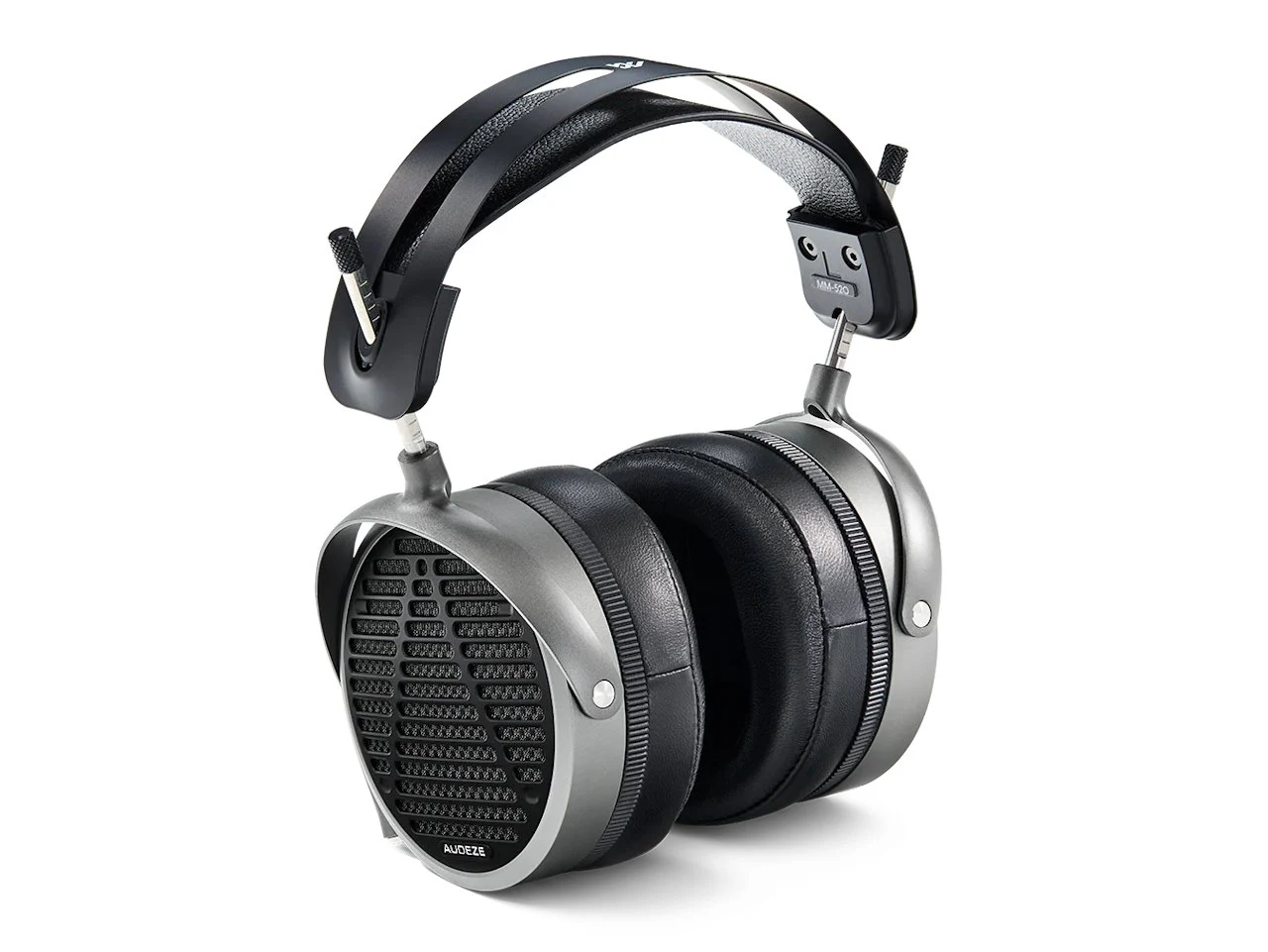
      – Flagship open-ear monitoring headphones with planar magnetic drivers for low distortion
      – Utilizes SLAM technology to enhance low-frequency bass response
      – Frequency range of 5 Hz to 50 kHz with <0.1% THD at 100dB SPL – User-replaceable memory foam earpads with magnetic mounts – Priced at $1,699.


      New Audeze MM-520 Flagship Headphone Released

      Audeze has droped the MM-520, there latest flagship monitoring headphone. These are designd for accurate sound reproduction in an open-ear design what provides a wide soundstage. The headphones utilize the company’s latest planar driver technologies to handle the latest high resolution music mixes, giving you better detail in your audio.

      Planar Driver and SLAM Technology Details

      Planar headphones vibrate an ultra-thin, flat transducer rather then convenional cone drivers, with the goal of reducing distortion. They incorporate the company’s Symmetric Linear Acoustic Modulator (SLAM) technology to enhance low bass reproduction. This is important for getting that deep and precise bass response that professionals need.

      Frequency Range and Power Handling Specifications

      The MM-520 are able to cover a frequency range of 5 Hz to 50 kHz with a total harmonic distortion less than 0.1% (at 100dB SPL, 1 kHz) as a result, while handling a maximum input of 5-watts to produce sounds as loud as 130 dB SPL. That means you can mix at high volumes without any unwanted noise or distorion.

      Physical Features and Accessories Included

      The 555 g (19.6 oz.) headphones come with memory foam earpads that can be replaced by the user thanks to their magnetic mounts. They come with a 2.5 m (8.2 ft.) headphone cable, 3.5 mm to 6.3 mm adaptor, a travel case, and a soft carry bag. This bundle gives you everything you need for studio use or on the go.

      Pricing and Availability Information

      The MM-520 monitoring headphones are priced at $1,699 and can be purchased from the Audeze website. Readers can also look for them to arrive in the Audeze store on Amazon. Additional details and updates are available through Audeze, and also Audeze on Facebook for social media followers.


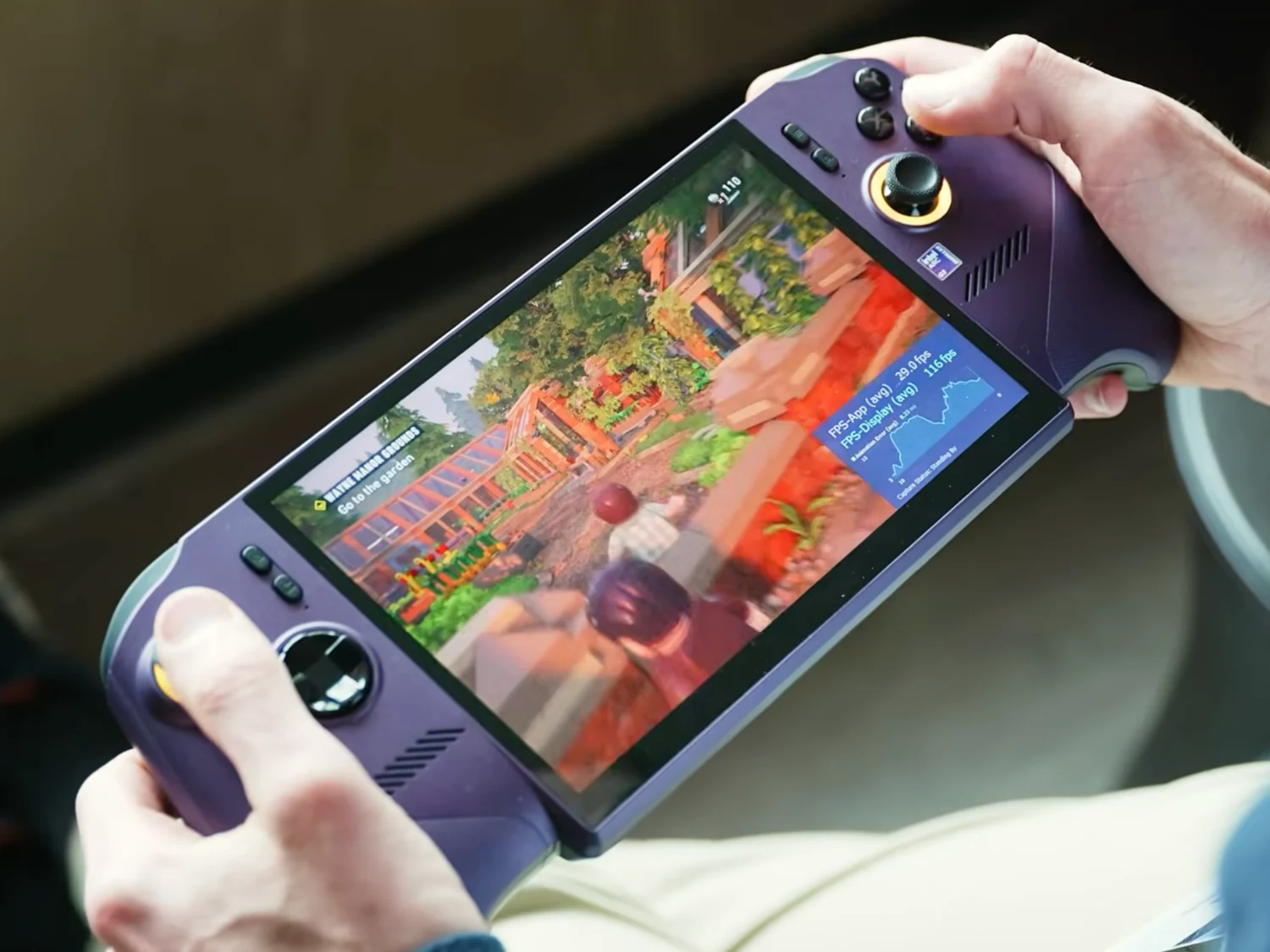
    • MSI Claw 8 EX AI+ Handheld Listed on Best Buy at $899 with 1TB

      MSI Claw 8 EX AI+ Handheld Listed on Best Buy at $899 with 1TB

      Key Takeaway

      – MSI’s Claw 8 EX AI+ CG3EM is listed at $1,699.99 on Best Buy, higher than the earlier ~$1,500 estimate.
      – It features Intel’s new Arc G3 Extreme chip (Panther Lake) with a 14-core CPU and 12-core Arc B390 iGPU.
      – The device includes 32 GB RAM, 1 TB NVMe SSD, an 8-inch 1200p 120 Hz display, and an 80 Wh battery.
      – Connectivity offers Wi-Fi 7, Bluetooth 6.0, two Thunderbolt 4.0 ports, a microSD slot, and a 3.5 mm jack.
      – The listing shows no confirmed release date or reviews, suggesting imminent but not yet live availability.


      MSI’s New Gaming Handheld Price Leaks Online

      MSI’s latest gaming handheld has just shown up on Best Buy ahead of any formal sale date, giving us the clearest picture yet of what the Claw 8 EX AI+ CG3EM will actually cost — and it is higher than earlier estimates suggested.

      Pricing and Configuration Details Confirmed

      The listing prices the device at $1,699.99, coming in above the ~$1,500 figure that had been making rounds prior to launch. The Best Buy page also confirms one previously unspecified detail: storage. The unit listed is the CG3EM-024US variant, which ships with a 1 TB NVMe SSD alongside 32 GB of RAM.

      • Price: $1,699.99
      • Storage: 1 TB NVMe SSD
      • Memory: 32 GB RAM
      • Model variant: CG3EM-024US

      Arc G3 Chip and Performance Specifications

      For those catching up, the Claw 8 EX AI+ CG3EM is MSI’s first handheld built around Intel’s new Arc G3 Extreme chip — part of the Panther Lake family unveiled on May 30. The processor packs a 14-core CPU (2P + 8E + 4LPE) and a 12-core Arc B390 iGPU with Xe3 architecture which brings multi-frame generation support that wasn’t possible on earlier Claw hardware.

      Display, Battery and Connectivity Features

      The 8-inch display runs at 1920×1200 with variable refresh rate up to 120 Hz, and a 80 Wh battery handles power duties. Connectivity includes Wi-Fi 7, Bluetooth 6.0, two Thunderbolt 4.0 ports, a microSD slot, and a 3.5 mm jack. The hole thing weighs in at 785 g.

      Market Positioning and Release Timing

      MSI joins Acer and OneXPlayer as one of the first OEMs to ship Arc G3-powered hardware. The Best Buy listing shows no confirmed ship date yet and carries no reviews, which could only mean that availability is imminent but not live. MSI has not officially announced pricing.

      Sources
    • Tesla Cybertruck Wade Mode test after sinking; vehicle recovered from lake

      Tesla Cybertruck Wade Mode test after sinking; vehicle recovered from lake

      Key Takeaway

      – Wade Mode allowed the Cybertruck to traverse shallow water, but the vehicle reportedly exceeded its stated 32-inch wading depth, leading to water ingress and immobilization.
      – The incident resulted in a recovered vehicle, arrests for the driver on park/water-safety violations, and no injuries to passengers.
      – Public reaction is mixed, with skepticism about Wade Mode’s real-world practicality and view of the feature as largely marketing.


      Elon Musk’s Cybertruck makes headlines again with an unusual test in Texas

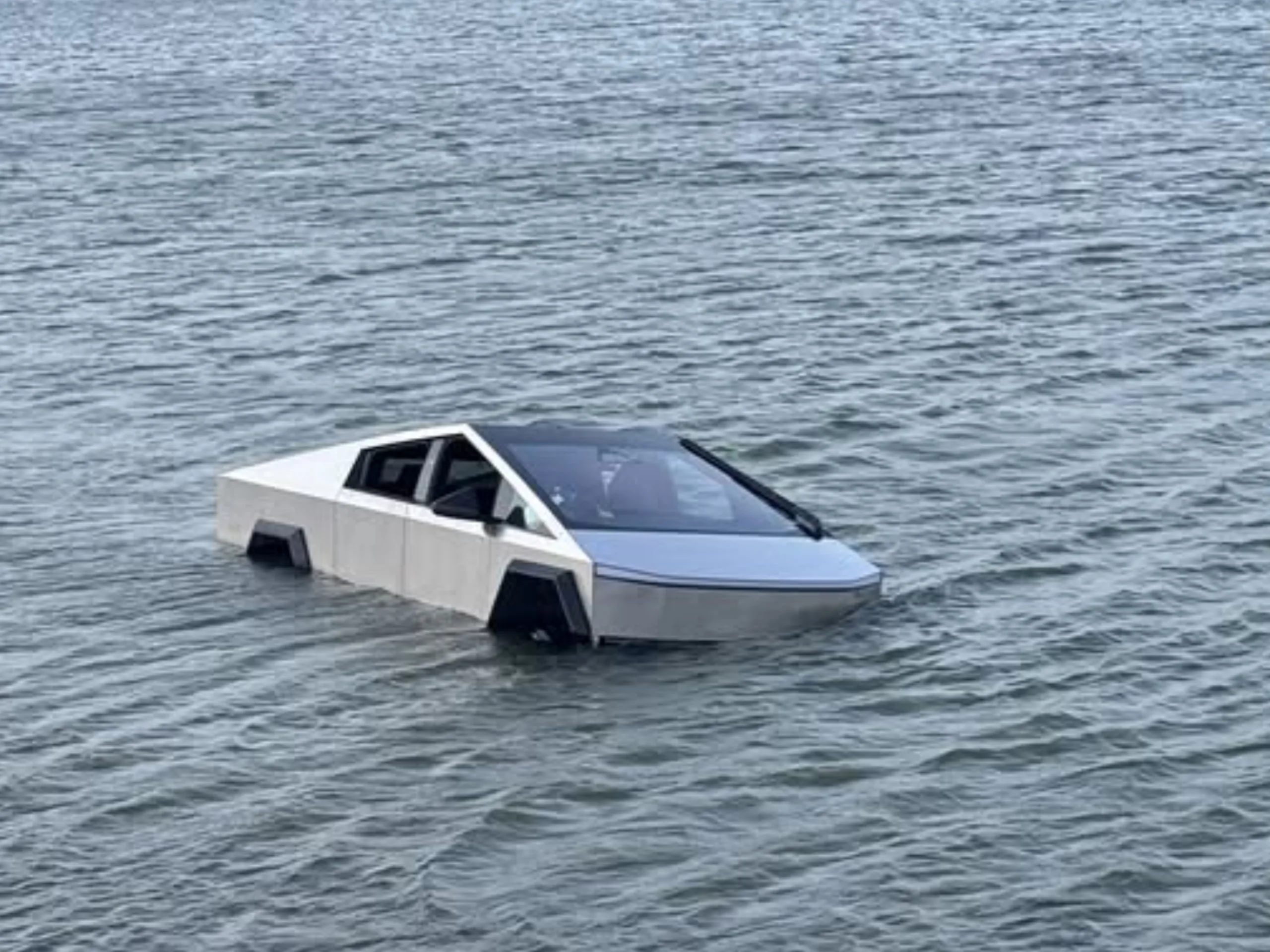
      Elon Musk’s Cybertruck continues to grab attention, this time not for sales numbers but for an odd incident in Texas. A man drove a Cybertruck into Grapevine Lake to test its “Wade Mode,” yet apparently misjudged how deep the water really was. The electric pickup filled with water, became immobile, and had to be retrieved by emergency responders, according to a recent Facebook post from the Grapevine Police Department. There were other people in the vehicle, but everyone involved reportedly escaped unharmed.

      What Wade Mode is supposed to do and what happened

      The so-called “Wade Mode” is a specialized Cybertruck function that Tesla says allows the vehicle to travel slowly through shallow water with the suspension raised. The maximum wading depth is listed as around 32 inches. From the available photos, it seems the driver did not venture far into the lake, but tried to move along the shoreline. Nevertheless, the Cybertruck’s maximum wading depth seems to have been exceeded on one side. The driver believes water entered the charging port and caused steering failure, though official technical details have not been confirmed yet.

      Public reaction and aftermath

      On social media, many people are shaking their heads at the driver’s decision. After the vehicle was recovered, police reportedly arrested the driver, who now faces charges for operating a vehicle in a restricted park or lake area, in addition to several water safety equipment violations. Simultaneously, numerous commenters on Facebook and Reddit criticize the Cybertruck itself, arguing that Wade Mode is more of a marketing gimmick with limited practical use in the real world.

      Sources
    • Tesla Model Y Gains New Colors and Safety Features Amid Old Hue Retirement

      Tesla Model Y Gains New Colors and Safety Features Amid Old Hue Retirement

      Key Takeaway

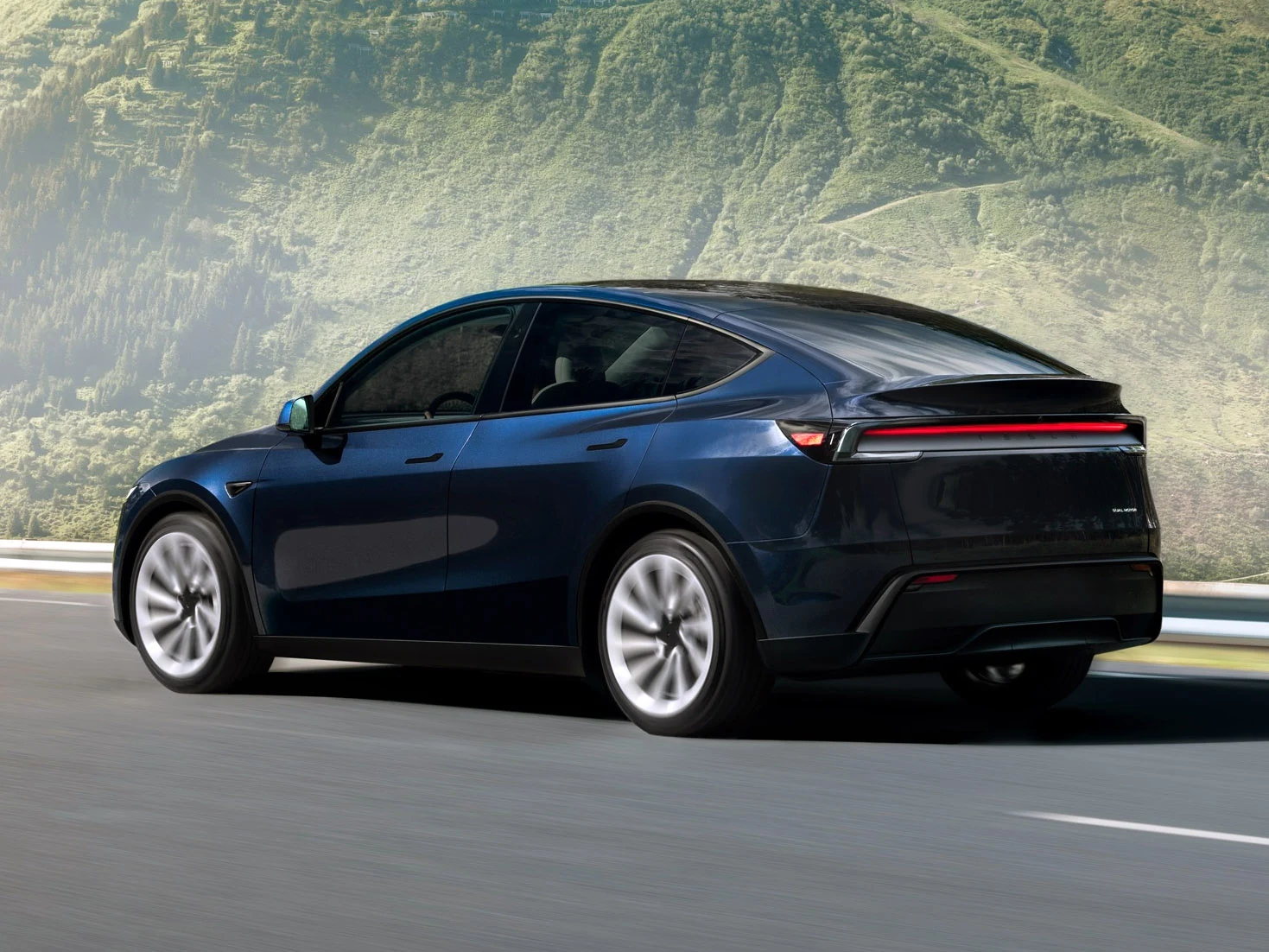
      1. Tesla has discontinued the Deep Blue Metallic color for the Model Y and Model 3 in the US, replacing it with Marine Blue (for Premium trims) and Frost Blue Metallic (for Performance trims).
      2. Marine Blue is a deeper, more intense shade available in North America for the first time, while Frost Blue Metallic is now exclusive to high-performance trims, inheriting it from older models.
      3. The Model Y produced after November 12, 2025, became the first vehicle to pass the NHTSA’s expanded Advanced Driver Assistance Systems (ADAS) criteria, indicating a significant safety milestone.

      Tesla Discontinues Deep Blue Metallic for US Models

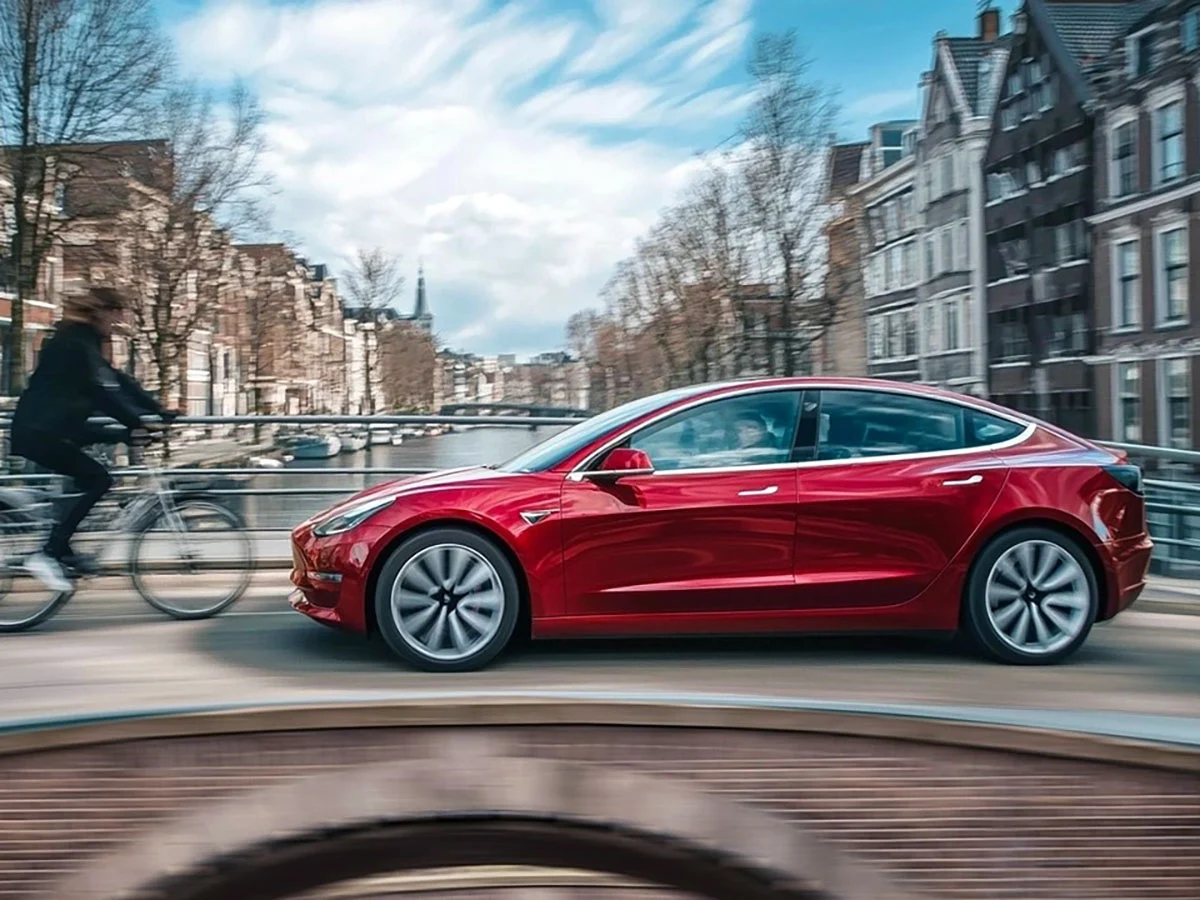
      Tesla has decided to stop offering the Deep Blue Metallic color for the Model Y and Model 3 in the United States. This hue, which has been an option since 2017 and a favorite among many, is now retired. It was once amongst the most popular paid choices on Tesla’s configurator, but now buyers must choose differently. The move marks a shift in Tesla’s color lineup and reflects changing preferences and options available for their vehicles.

      New Blue Shades Available for Different Trims

      Replacing Deep Blue, customers are now presented with two different shades of blue depending on the trim level. The Marine Blue, a darker shade arriving from international markets like Europe and Asia-Pacific, is now available for the Premium AWD and RWD versions. Meanwhile, Frost Blue Metallic, a lighter, icy hue, is now exclusive to Performance models of both the Model 3 and Model Y. The latter hue first appeared last year during facelift updates and has a visual appeal that suits Tesla’s high-performance trims.

      Details on New Blue Options and Pricing

      • Marine Blue: Originates from Tesla’s global markets, previously available outside North America.
      • Availability: First time in the US and Canada, costs $1,000 as an upgrade.
      • Frost Blue Metallic: Debuted on Model X and Model S, retained for Model 3 and Y Performance trims.

      The Marine Blue option offers a richer, more intense blue that’s close to black with a metallic finish, providing a more striking look compared to the now-discontinued Deep Blue. The Frost Blue, on the other hand, imparts a lighter, more airy feel, which aligns with the visual identity of the higher-end Performance trims. Interestingly, some enthusiasts lament that the Marine Blue isn’t available on Performance versions, as Frost Blue is often seen as a less aggressive hue, favoring aesthetics over sportiness.

      Model Y Achieves a Major Safety Milestone

      Post November 12, 2025 production, Tesla’s Model Y has become the first vehicle to meet the National Highway Traffic Safety Administration’s (NHTSA) newly expanded Advanced Driver Assistance Systems standards. It achieved a perfect score by passing all eight criteria, which includes four newly introduced categories such as pedestrian automatic emergency braking, lane keeping assistance, blind spot warning, and blind spot intervention. These enhancements go beyond the original four ADAS tests the vehicle already excelled at, representing a significant upgrade in safety technology.

      Industry Impact and Future Outlook

      This feat is notable because Tesla’s relationship with NHTSA has sometimes been turbulent, making this safety accolade a landmark achievement. Competitors are now eager to meet or exceed similar standards, though whether they will succeed remains to be seen. NHTSA’s administrator, Jonathan Morrison, highlighted that “by successfully passing these new tests, the 2026 Tesla Model Y demonstrates the lifesaving potential of driver assistance technologies and sets a high bar for the industry,” emphasizing that such advancements could shape future vehicle safety benchmarks.


      Sources

    • Tesla retrofits HW3 cars with AI4 computer and exterior cameras for Robotaxi service

      Tesla retrofits HW3 cars with AI4 computer and exterior cameras for Robotaxi service

      Key Takeaway

      1. Hardware 3 will never be capable of achieving Full Self-Driving (FSD) without supervision due to memory bandwidth limitations.
      2. Tesla is offering HW3 owners the option to upgrade to AI4 hardware, which involves significant retrofitting including new cameras and the computer.
      3. Future software updates (FSD v14) will be available for HW3 vehicles, but full unsupervised FSD remains unattainable on this hardware.
      4. Tesla plans to upgrade the AI4 platform’s memory, potentially addressing previous limitations, with an AI4 Plus revision increasing RAM and compute power.
      5. The upgrade process may involve micro-factories in urban areas and could be costly or partially subsidized, depending on Tesla’s policies.

      Elon Musk admits HW3 won’t ever do unsupervised Full Self-Driving

      During Tesla’s Q1 2026 earnings call, Elon Musk finally acknowledged that Hardware 3 (HW3) will never be capable of running Full Self-Driving (FSD) without human supervision. The issue isn’t about processing power alone, but mainly due to the limitations imposed by memory bandwidth. That means no over-the-air update can fix this fundamental bottleneck, which makes HW3 obsolete for certain advanced features.

      Memory bandwidth issues and company promises

      Musk made a striking statement claiming HW3 “simply does not have the capability to achieve FSD unsupervised,” attributing this failure to the bottleneck of memory bandwidth. It is interesting because Tesla had previously assured owners that software updates would unlock full autonomy on existing hardware. As recent as October 2025, company executives still suggested that running FSD 14 Lite on HW3 cars could be a solution, but this now appears more like wishful thinking than reality.

      Options for HW3 owners and possible upgrades

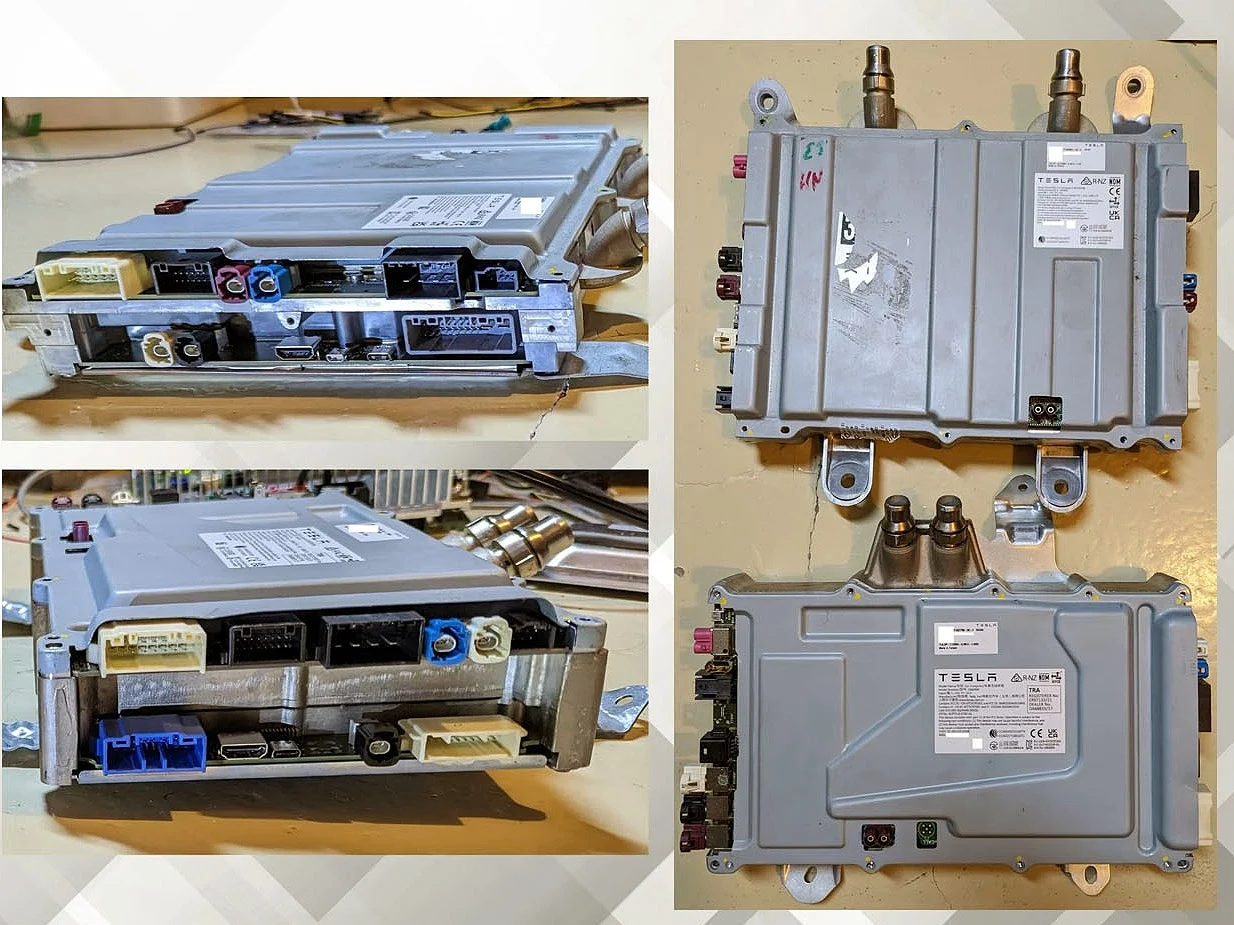
      For owners who paid for FSD but now cannot access the most advanced features, Tesla is offering two main options: a discounted trade-in for an AI4 vehicle or a full replacement of both the computer and the camera kit. This upgrade requires significant vehicle disassembly because it includes new cameras and a more powerful AI4 computer. Musk confirmed upgrades will involve both new hardware components, making the process more complex than a simple software update.

      Retrofitting process and Tesla’s innovative solutions

      The upgrade process could potentially overwhelm Tesla’s existing Service Centers, so Musk mentioned the exploration of “micro-factories” situated in major urban areas to handle these retrofits. This rapid, focused approach aims to accelerate upgrades without delaying service for other customers. From a financial perspective, Musk pointed out that upgrading older cars can eventually turn these vehicles into part of Tesla’s Robotaxi fleet, transforming a PR challenge into new revenue streams.

      Cost uncertainty and upcoming software updates

      It’s not yet clear whether the hardware upgrades will be free or paid, as Musk only noted that Tesla will offer a way to upgrade the computer in the car. Tesla’s advice has been to consider purchasing a newer model with some form of discount, but the specific costs remain uncertain for now. Nonetheless, HW3 owners are not completely left out, as they will receive some software support.

      Software updates for HW3 vehicles

      Tesla’s head of Autopilot, Ashok Elluswamy, confirmed that a new FSD v14 branch will be released for HW3 cars by late June. This version will include features now running on AI4 hardware, offering some hope for owners stuck on older software versions. Even if full autonomous driving remains unattainable for HW3, this demonstrates commitment from Tesla to provide ongoing software enhancements.

      Memory upgrades for the AI4 platform

      Tesla is also planning an upgrade for the AI4 platform itself, introducing an AI4 Plus revision that doubles its RAM from 16GB to 32GB per chip. This will increase total system memory to 64GB and deliver about a 10% improvement in compute capabilities. Ironically, since memory bandwidth had been a death knell for HW3, Tesla aims to preemptively boost AI4’s memory headroom to avoid similar issues down the road. Whether this upgrade will be a straightforward chip swap or a more complex process is still not clear.


      Sources

    • Tesla FSD Europe Costs €99/Month, Different from US Version

      Tesla FSD Europe Costs €99/Month, Different from US Version

      Key Takeaway

      1. The RDW has approved Tesla’s FSD (Supervised) system for the Netherlands, opening the door for potential EU-wide deployment.
      2. The European version of FSD requires stricter pre-market approval, leading to a distinct and more regulated software setup compared to the US.
      3. Tesla plans to monetize FSD in Europe through subscriptions (€99/month) and one-time purchases (€7,500), potentially boosting recurring revenue amid market challenges.
      4. The European FSD system mandates drivers remain attentive with eye-tracking sensors, and hands must be ready to take over at any time.
      5. Approval for the Netherlands is immediate, with documentation submitted for broader EU approval; full deployment across Europe depends on further regulation.

      After just over a year and a half of intense testing on Dutch roads and test tracks, the vehicle authority RDW in the Netherlands has finally given the go-ahead for Tesla’s Full Self-Driving (Supervised) system. this moment is really significant because it could open the entire EU market for a feature that Tesla already offers in North America and earns plenty of money from.

      Financial Impact and Market Opportunities

      This timing is critical for Tesla’s business, as the FSD subscription and one-time payment options are among the most profitable for them. Europe, with its high number of electric vehicle buyers and many Tesla cars already on the road, represents a huge opportunity that hasn’t been fully exploited yet. if they succeed in expanding throughout the EU, after getting approval from the European Commission and the member states, it could bring steady software revenue to Tesla’s finances, which are still dealing with dropping delivery numbers and lower margins because of aggressive pricing over the last couple of years.

      Differences Between US and European Versions

      According to the RDW, Tesla’s FSD Supervised version in the United States isn’t the same as in Europe. Europe has tighter rules for pre-market approval, compared to America’s more relaxed process of certification and supervision. This meant Tesla had to develop a special software version for Europe that meets RDW’s stricter standards.

      Impacts for Tesla Drivers in the Netherlands

      For Tesla owners in the Netherlands, this change means moving from basic Autopilot to a dedicated version called FSD 14, which is like a special European edition of FSD. reviews from users are expected to roll in soon. Tesla has already listed the FSD Europe subscription at €99/month and a purchase cost of €7,500 on its local website, meaning drivers can now immediately use the first Full Self-Driving features on European roads.

      System Features and Driver Requirements

      The European version allows drivers not to keep their hands on the wheel all the time but still requires them to be ready to take over at any moment. The system uses eye-tracking sensors to continuously check if the driver is paying attention. If the system detects that the driver isn’t paying attention enough, it will temporarily lock itself out to ensure safety.

      Future Plans and EU-Wide Deployment

      At the moment, this approval is limited to the Netherlands, but getting approval for the entire EU is the next step. The Brussels authorities need to approve it, but the process has started, and the RDW mentioned that they have already sent all the necessary documents for a pan-European FSD approval. This sets a precedent for future expansion across the continent.


      Sources

    • Musk Proposes Terafab 2nm Foundry for SpaceX and Tesla AI Chips

      Musk Proposes Terafab 2nm Foundry for SpaceX and Tesla AI Chips

      Key Takeaways

      1. Terafab Chip Foundry Ambition: Elon Musk’s Terafab aims to be a major player in semiconductor production, targeting one terawatt of computing power annually through collaboration among Tesla, SpaceX, and xAI.

      2. Dependence on Established Manufacturers: Tesla currently relies on TSMC and Samsung for chips, highlighting the challenge of entering a market dominated by established companies with decades of expertise.

      3. Financial Concerns: Tesla’s budgeting and financial projections are uncertain, with a projected $25 billion cost for Terafab and a history of missed targets, such as in the 4680 battery cell program.

      4. Complexity of Chip Manufacturing: The challenges of chip production are significantly greater than those of battery manufacturing, raising doubts about Musk’s ability to overcome engineering and financial obstacles.

      5. Long-term Outlook: The success of the Terafab initiative and its impact on Tesla and SpaceX will take considerable time to materialize, given the complexities involved in modern semiconductor production.


      Elon Musk has unveiled yet another ambitious project just before the SpaceX IPO, all while Tesla’s stock has dropped 16% since the start of this year.

      Terafab Chip Foundry

      He referred to the Terafab chip foundry as “the most epic chip-building exercise in history by far,” aiming to link the fortunes of SpaceX and Tesla ahead of their IPO. This collaboration among Tesla, SpaceX, and xAI aims to generate one terawatt of computing power each year, streamlining all aspects of semiconductor production including logic, memory, packaging, and testing.

      Challenges Ahead

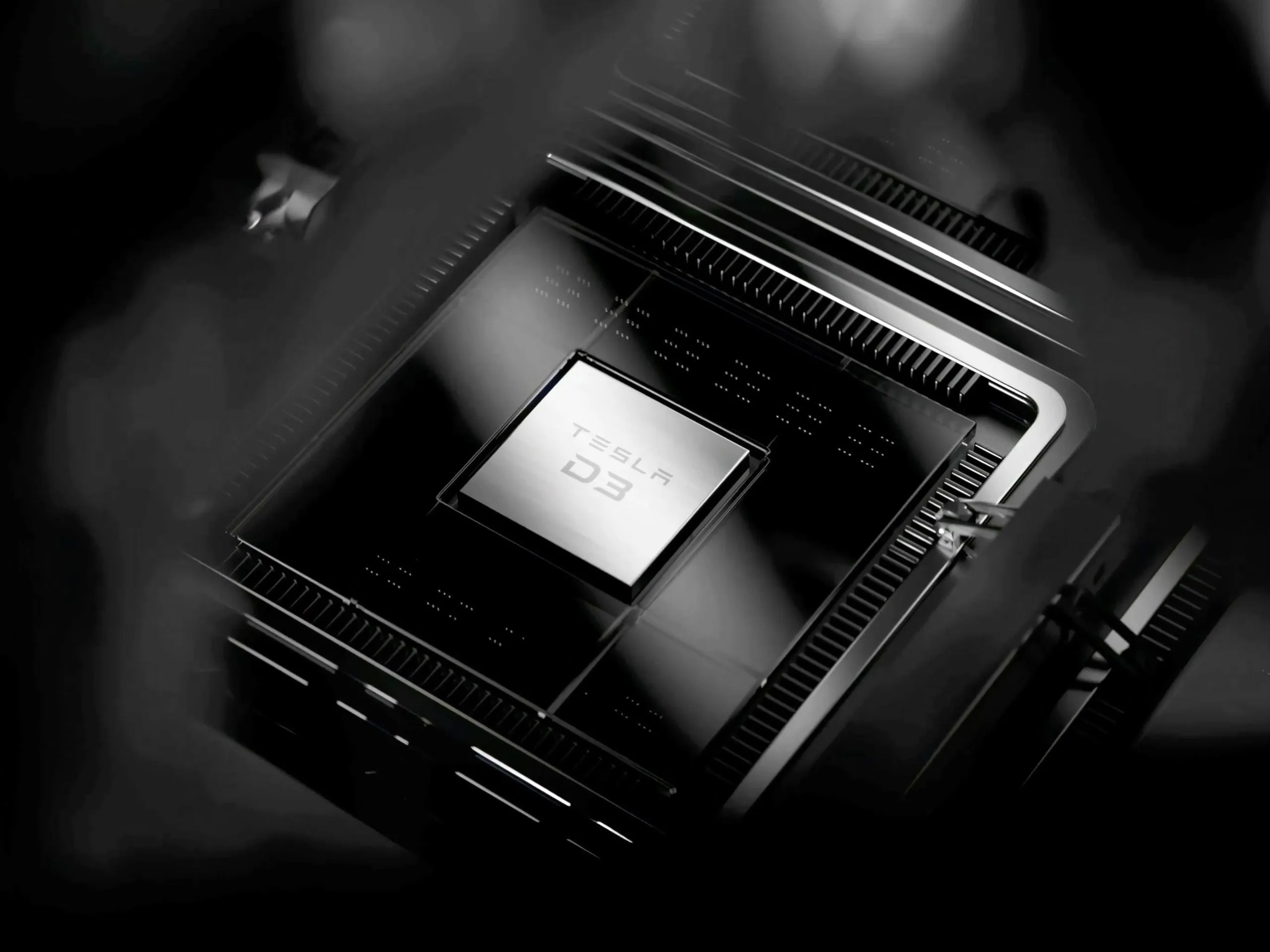
      Currently, Tesla depends on TSMC and Samsung for its chips, while the Terafab is aiming for the cutting-edge 2 nm process technology. This announcement carries a hefty dose of confidence, as TSMC has invested decades and hundreds of billions of dollars to reach this level, developing expertise and supply relationships that cannot be quickly replicated.

      Tesla lacks a solid foundation in semiconductor manufacturing, and the necessary machinery has a waitlist spanning multiple years. Musk dreams of launching 100 million tons of solar energy capture devices into space each year to power AI satellites, with Optimus robots alone needing 100–200 GW of chips, and satellite arrays requiring terawatts that surpass the combined output of all current and future chip manufacturers up to 2030.

      Financial Uncertainties

      The financial aspects are also unclear, with Tesla’s budget of $20 billion this year being its largest ever, despite making less than $4 billion in profit in 2025. The Terafab facility is expected to cost $25 billion, not including the usual overruns that seem to accompany Musk’s grand visions. A notable example is Tesla’s 4680 battery cell program; Musk had promised 10 GWh of production within a year of Battery Day in 2020, along with a 50% cost reduction. In reality, Tesla is currently reaching only about 2% of that initial volume target, and the 4680 battery continues to face issues with pricing and performance, such as the slow charging curve of the Cybertruck.

      The Road Ahead

      Manufacturing chips is far more complicated than producing battery cells, so whether Musk can navigate the substantial engineering and financial obstacles of modern semiconductor production will determine the success of this initiative. This is a challenge that has defeated many seasoned players, so while the Terafab and orbital data centers may represent a promising future, it will take a considerable amount of time to fulfill Musk’s ambitious declarations.

      Source:
      Link