
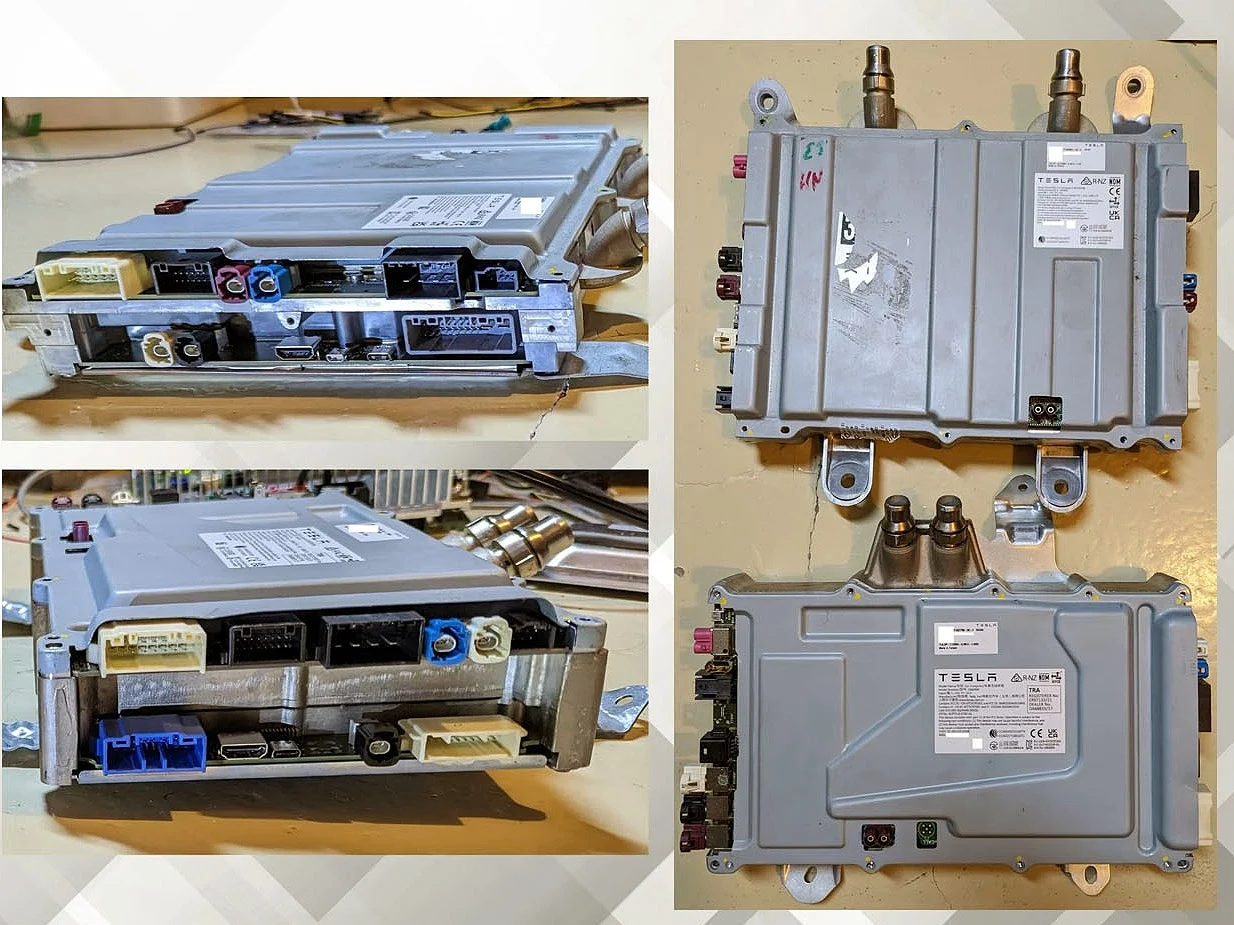
1. Hardware 3 will never be capable of achieving Full Self-Driving (FSD) without supervision due to memory bandwidth limitations.
2. Tesla is offering HW3 owners the option to upgrade to AI4 hardware, which involves significant retrofitting including new cameras and the computer.
3. Future software updates (FSD v14) will be available for HW3 vehicles, but full unsupervised FSD remains unattainable on this hardware.
4. Tesla plans to upgrade the AI4 platform’s memory, potentially addressing previous limitations, with an AI4 Plus revision increasing RAM and compute power.
5. The upgrade process may involve micro-factories in urban areas and could be costly or partially subsidized, depending on Tesla’s policies.
Elon Musk admits HW3 won’t ever do unsupervised Full Self-Driving
During Tesla’s Q1 2026 earnings call, Elon Musk finally acknowledged that Hardware 3 (HW3) will never be capable of running Full Self-Driving (FSD) without human supervision. The issue isn’t about processing power alone, but mainly due to the limitations imposed by memory bandwidth. That means no over-the-air update can fix this fundamental bottleneck, which makes HW3 obsolete for certain advanced features.
Memory bandwidth issues and company promises
Musk made a striking statement claiming HW3 “simply does not have the capability to achieve FSD unsupervised,” attributing this failure to the bottleneck of memory bandwidth. It is interesting because Tesla had previously assured owners that software updates would unlock full autonomy on existing hardware. As recent as October 2025, company executives still suggested that running FSD 14 Lite on HW3 cars could be a solution, but this now appears more like wishful thinking than reality.
Options for HW3 owners and possible upgrades
For owners who paid for FSD but now cannot access the most advanced features, Tesla is offering two main options: a discounted trade-in for an AI4 vehicle or a full replacement of both the computer and the camera kit. This upgrade requires significant vehicle disassembly because it includes new cameras and a more powerful AI4 computer. Musk confirmed upgrades will involve both new hardware components, making the process more complex than a simple software update.
Retrofitting process and Tesla’s innovative solutions
The upgrade process could potentially overwhelm Tesla’s existing Service Centers, so Musk mentioned the exploration of “micro-factories” situated in major urban areas to handle these retrofits. This rapid, focused approach aims to accelerate upgrades without delaying service for other customers. From a financial perspective, Musk pointed out that upgrading older cars can eventually turn these vehicles into part of Tesla’s Robotaxi fleet, transforming a PR challenge into new revenue streams.
Cost uncertainty and upcoming software updates
It’s not yet clear whether the hardware upgrades will be free or paid, as Musk only noted that Tesla will offer a way to upgrade the computer in the car. Tesla’s advice has been to consider purchasing a newer model with some form of discount, but the specific costs remain uncertain for now. Nonetheless, HW3 owners are not completely left out, as they will receive some software support.
Software updates for HW3 vehicles
Tesla’s head of Autopilot, Ashok Elluswamy, confirmed that a new FSD v14 branch will be released for HW3 cars by late June. This version will include features now running on AI4 hardware, offering some hope for owners stuck on older software versions. Even if full autonomous driving remains unattainable for HW3, this demonstrates commitment from Tesla to provide ongoing software enhancements.
Memory upgrades for the AI4 platform
Tesla is also planning an upgrade for the AI4 platform itself, introducing an AI4 Plus revision that doubles its RAM from 16GB to 32GB per chip. This will increase total system memory to 64GB and deliver about a 10% improvement in compute capabilities. Ironically, since memory bandwidth had been a death knell for HW3, Tesla aims to preemptively boost AI4’s memory headroom to avoid similar issues down the road. Whether this upgrade will be a straightforward chip swap or a more complex process is still not clear.