Tag: Tesla

  • Tesla Moves 4680 Battery Supply from Cybertruck to Model Y

    Tesla Moves 4680 Battery Supply from Cybertruck to Model Y

    Key Takeaways

    1. Tesla plans to use its own 4680 batteries in the 2026 Model Y after previous issues with energy density and repairability.
    2. The company is shifting focus to improve the 4680 battery’s performance and has faced challenges with low sales of the Cybertruck.
    3. Tesla aims to produce 4680 batteries more cheaply using a dry electrode method, but they still have thermal inefficiency compared to Panasonic’s 2170 cells.
    4. The new approach allows for individual cell repairs by integrating 4680 cells into non-structural battery packs, improving repairability.
    5. Specific Model Y versions equipped with 4680 batteries are yet to be announced, raising curiosity about their charging performance.


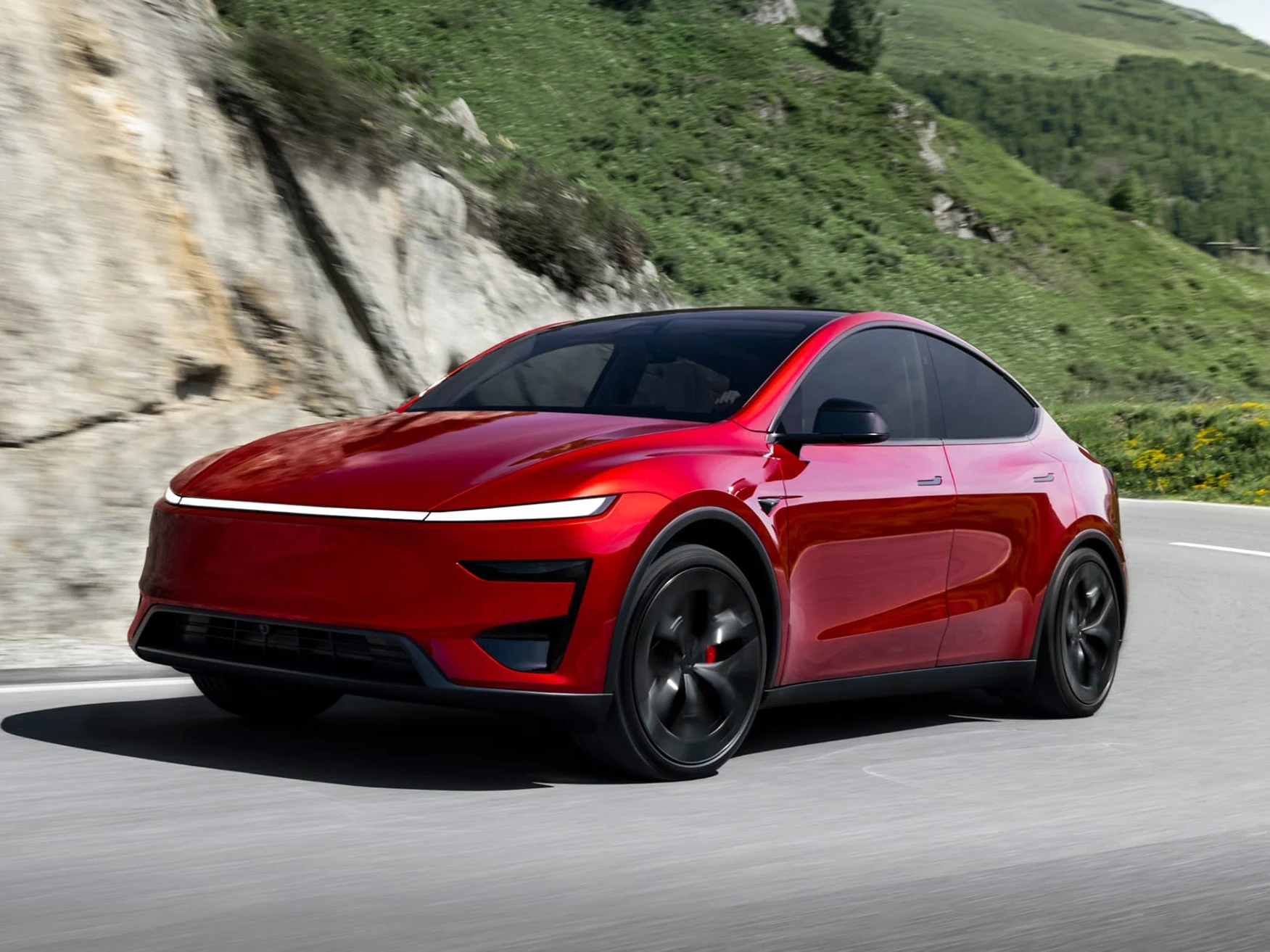
    Tesla is once again planning to use its own 4680 batteries in the 2026 Model Y. The first attempt at this didn’t go very well, as the initial structural battery pack that was integrated into the chassis was not able to be repaired. Additionally, the first generation of 4680 batteries had low energy density and a poor charging curve.

    New Developments

    Due to these issues, Tesla decided against using 4680 cells in the Model Y and instead focused on creating a second version of the battery that would have better energy density for the Cybertruck. However, the electric pickup hasn’t been selling well, leaving Tesla in a tough spot. They even had to stop production on two of their other premium models, the S and X, which saw a 50% drop in sales in 2025.

    Elon Musk hinted during the Q4 earnings call that the Cybertruck might be remodeled as an autonomous vehicle for work. Meanwhile, Tesla might have enough production capacity for the 4680 batteries, made using the more affordable dry electrode method, to begin fitting “some Model Ys with our 4680 cells.” The company blames supply chain issues due to tariffs for this change.

    Performance Concerns

    While Tesla may be able to produce the 4680 batteries more cheaply now, they still suffer from thermal inefficiency and a less favorable charging curve compared to Panasonic’s 2170 cells. This could leave potential buyers feeling uncertain about the news of the 4680 batteries returning to the Model Y lineup.

    On the bright side, there are some positives regarding the switch back to Tesla’s own 4680 cells, even if they are not as good as the 2170 packs in long-range Model Y versions. According to Tesla’s CFO, their engineers are working on resolving supply issues by incorporating 4680 cells into non-structural battery packs.

    Repairability Improvement

    This means that Tesla is now placing 4680 cells into the trays of the 2170 pack housing, which could allow for repairs by replacing only the individual cells that fail. Earlier, Tesla utilized a cell-to-pack method where the large 4680 battery was part of the Model Y’s structure, using a large amount of adhesive that made it impossible to remove individual cells. This setup meant that the entire battery would need to be replaced once it failed.

    Tesla hasn’t disclosed which specific versions of the Model Y will come equipped with 4680 batteries, but curious customers will find out shortly and will likely test the charging curve to see if Tesla has remedied the previous charging speed problems seen in the Cybertruck and the first generation of Model Y 4680 cells.

    Source:
    Link


  • Musk’s Optimus Outperforms Chinese Robots with Helix 02 Platform

    Musk’s Optimus Outperforms Chinese Robots with Helix 02 Platform

    Key Takeaways

    1. Tesla is shifting focus from luxury cars to developing Optimus humanoid robots, discontinuing the Model X and Model S production.
    2. Elon Musk believes Optimus will outperform competing Chinese robots in cognition and hand design, despite China’s lead in mass production and AI capabilities.
    3. China sold 18,000 humanoid robots last year, showcasing advanced factory task performance, while Tesla has yet to launch Optimus.
    4. Competitors like Figure AI are advancing robot technology with dexterous hands that can perform complex tasks, increasing pressure on Tesla.
    5. If successful, Tesla aims to produce one million Optimus robots per year, potentially lowering costs to around $30,000 each, while competitors face high production costs.


    Tesla is taking a big leap into “physical AI” by stopping the production of its luxury Model X and Model S cars to focus on making Optimus humanoid robots instead.

    Tesla’s Ambition

    During Tesla’s Q4 investor call, Elon Musk mentioned that only robots from China can rival Optimus, but he believes Optimus has the edge in many areas. When questioned about whether Optimus can compete with impressive Chinese robots like those from Ubtech or XPeng, which are already in mass production, Musk suggested that “Optimus will be much more capable than any robot that we are aware of under development in China.”

    Competitive Landscape

    Musk pointed to Optimus’s superior cognition and hand design as its strengths, though he recognized that Chinese companies excel in AI-driven awareness and large-scale production, which are also essential for humanoid robots. China is currently ahead in the field, boasting over $400 million in sales and an impressive fleet of 18,000 humanoid robots sold just last year. Their robots can perform complex factory tasks, while Tesla has yet to launch the Optimus robot, despite Musk’s claims of its potential capabilities.

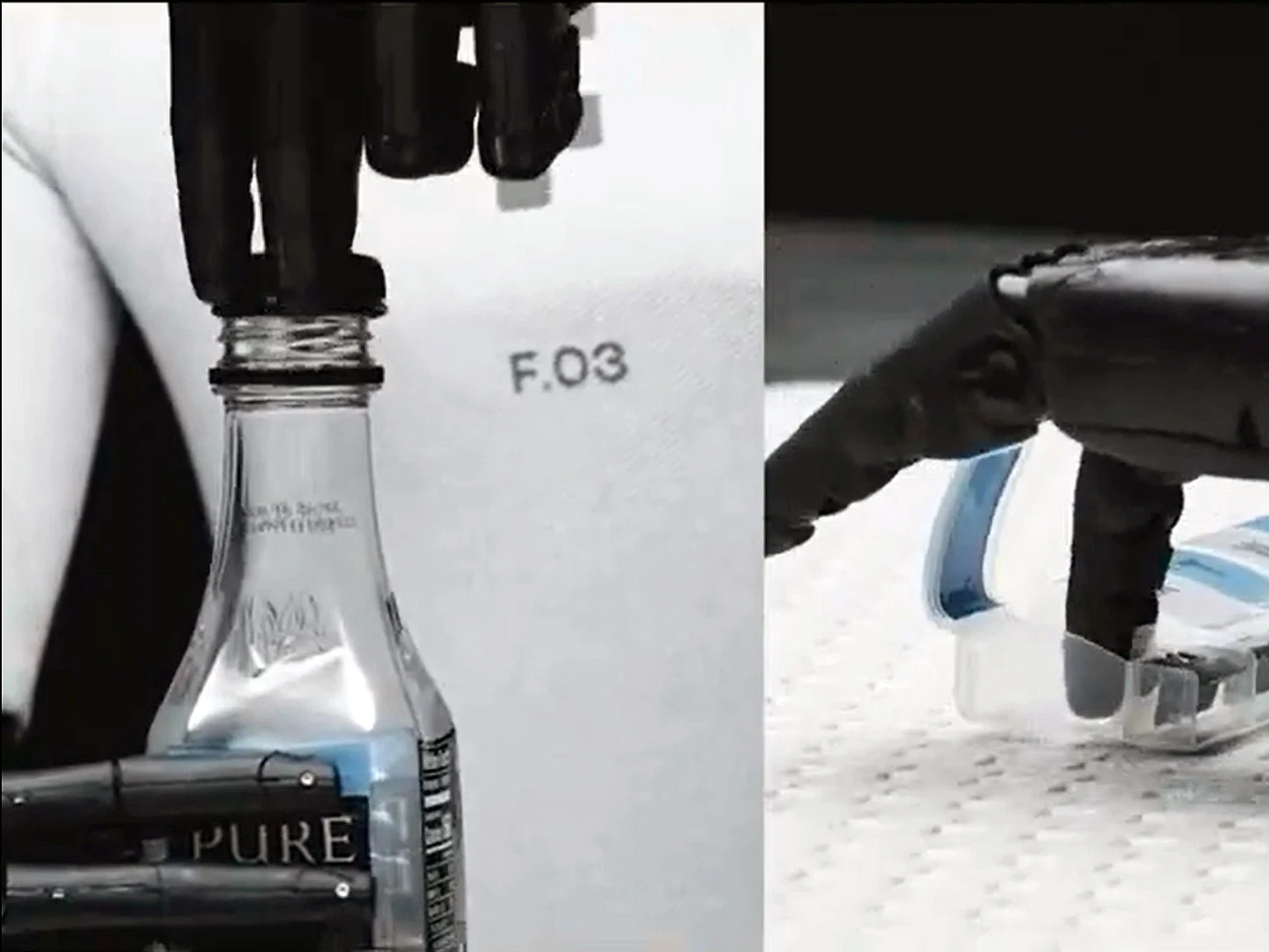
    Moreover, there are other humanoid robots that display impressive hand dexterity, and they aren’t solely from China. Figure AI’s robots, equipped with the new Helix 02 full-body autonomy platform, not only have the strength to exert force but also the finesse to open tricky bottle caps and extract small items from boxes with ease.

    Innovative Technology

    The Helix 02 robot hand includes tactile sensors and cameras in its palm, allowing it to “extract individual pills, dispense precise syringe volumes, and separate small, irregular objects from clutter despite self‑occlusion,” according to Figure AI. It appears that Tesla will face significant competition when Optimus finally enters mass production, both from within China and beyond. Whether Tesla can meet its ambitious goal of producing one million humanoid robots per year remains uncertain.

    If successful, this could lead to lowering the cost of each Optimus unit to around $30,000, as Musk has often mentioned. On the other hand, Boston Dynamics is discovering that its Atlas humanoid robots might be too costly to substitute for skilled workers at Hyundai’s factories, despite efforts to bring the cost down to $130,000 from the current $300,000 by 2030.

    Source:
    Link


  • Tesla Ends Model S/X as Sales Drop 50%: No 400-Mile or 1,000 HP EV

    Tesla Ends Model S/X as Sales Drop 50%: No 400-Mile or 1,000 HP EV

    Key Takeaways

    1. Tesla is discontinuing the Model X and Model S due to tough competition and declining sales.
    2. New competitors, like the Volvo EX60, offer similar or better features at lower prices.
    3. The Model S is priced higher than rivals such as the Lucid Air, despite lacking some comfort features.
    4. Tesla is pivoting towards more affordable electric cars, focusing on mid-range models like the Model Y and Model 3.
    5. The future of the Cybertruck is uncertain, with plans to potentially market it as a fully autonomous work vehicle.


    Tesla is currently encountering tough rivals in the high-end electric vehicle market, leading the company to pivot towards offering more affordable electric cars. This shift involves discontinuing its well-known Model X and Model S models just months after their recent updates.

    New Competition on the Block

    Take the new Volvo EX60 as an example; it’s a 2-ton SUV capable of traveling 400 miles on a single charge, which is comparable to Tesla’s longest-range Model S sedan. However, it comes at 30% less cost than the Model X, while boasting a modern 800V powertrain and a more upscale interior.

    Challenges for the Model S

    The Model S itself faces a similar issue, being priced 20% higher than competitors like the Lucid Air Touring, even though its specifications are quite alike and it lacks some comfort features. As it becomes clearer that Tesla struggles to compete on price in the premium EV market, the decision to phase out both the Model X and Model S has been made.

    Tesla plans to halt production of the Model S and Model X by June 2026, but it will continue to provide support to their owners. Elon Musk mentioned some vague “shift to an autonomous future” as the reason for discontinuing these models, but the truth is, their sales simply aren’t strong. Over the past year, sales of the Model S and Model X have dropped by 50%, and Tesla’s “other” vehicle category in sales has always been quite small.

    Concerns with Current Offerings

    Similar to the Cybertruck, these vehicles are priced over $100,000 but feature an outdated powertrain, slow charging times, and an interior that doesn’t meet expectations for this price range. Features like falcon wing doors or a 1,000 HP tri-motor setup haven’t been enough to save them from poor sales.

    Tesla is also considering the future of the Cybertruck, which is performing even worse than the Model X or Model S. After trying to introduce it in markets like the UAE, Tesla is now contemplating whether to promote it as a fully autonomous work vehicle. Musk commented, “We will transition the Cybertruck line to just a fully autonomous line. There’s a lot of cargo that needs to move locally within a city, and an autonomous Cybertruck could be very useful for that.”

    The Future of Tesla’s Offerings

    In essence, Tesla seems uncertain about the role of the Cybertruck as well, leading to the decision to cut all premium vehicles from its retail offerings. Initially, Tesla focused on luxury electric cars, but it appears there’s no longer a market for them, at least not for Tesla’s versions. The company seems to be shifting towards selling only mid-range models like the Model Y and Model 3. As for the Fremont factory, where the Model S and Model X were produced, it will likely transition to producing Optimus and solar assemblies instead.

    Source:
    Link


  • Cheapest Tesla Launches at $29K with Compromises

    Cheapest Tesla Launches at $29K with Compromises

    Key Takeaways

    1. Tesla has launched a new base Model 3, priced at approximately $25,800 after subsidies, to boost declining sales.
    2. The new Model 3 Standard features a smaller battery, resulting in a reduced range of 382 km compared to the European model’s 534 km.
    3. This budget Model 3 includes basic features like black cloth seats and manual adjustments, omitting some comforts and infotainment options.
    4. The Model 3 Standard is now the most affordable Tesla globally, even cheaper than the starting price in China.
    5. Tesla may expand this budget model’s availability in China to compete with affordable local EVs from brands like BYD.


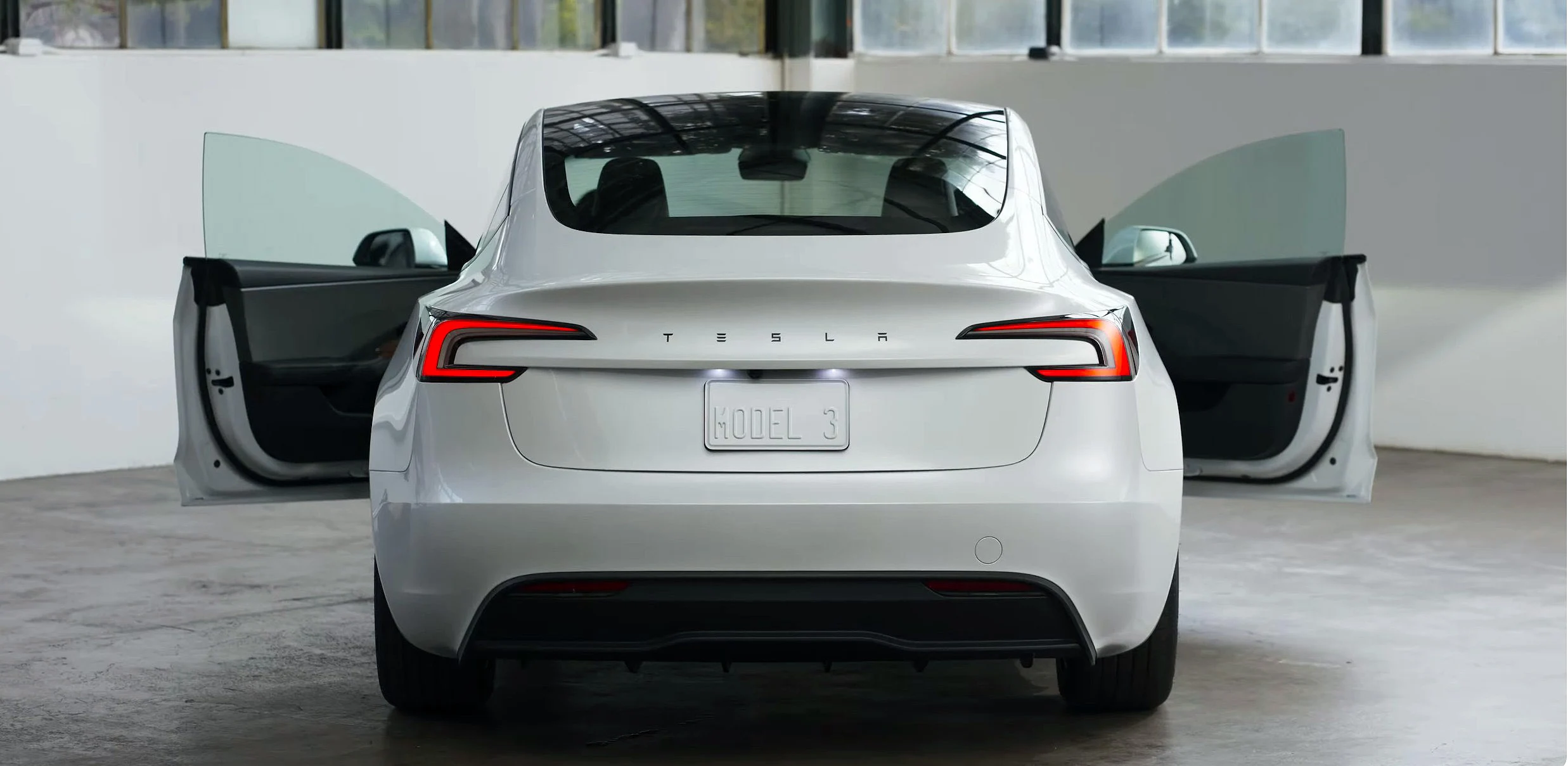
    Tesla appears to be starting a new approach to budget vehicle pricing in an effort to boost its declining sales. They’ve launched a new base Model 3, which is now the least expensive in the world, costing about $25,800 after applicable subsidies.

    New Features and Compromises

    The latest Model 3 Standard offers a range of features and design adjustments that have made it possible for Tesla to hit a price point that was previously associated with the much-discussed Model 2, which never came to be.

    The 2026 Model 3 Standard that was recently introduced in Korea has a price of 42 million won, which is roughly $29,000. Additionally, with the help of government EV subsidies, the already low price of the Model 3 is further reduced, putting it close to the rumored price range of the mass-market Tesla Model 2.

    Comparison with Other Markets

    This new Model 3 Standard is now the most affordable Tesla available, as even in China, the starting price for the Model 3 Standard is around $33,770. Interestingly, the new Korean Model 3 is also produced in the Shanghai Gigafactory and then shipped out.

    A glance at the vehicle’s specifications reveals how Tesla managed to set this attractive price. The Korean Model 3 Standard is equipped with a smaller battery. While the cheapest Model 3 Standard in Europe offers a range of 534 km, the $29,000 version in Korea provides only 382 km on the same WLTP cycle. The acceleration remains the same at 6.2 seconds for 0-62 mph, suggesting that Tesla has crafted a new budget version of the Model 3 specifically for the Asian market. The anticipated affordable Model 2 was expected to have a 54 kWh battery and a range of 250 miles, which aligns perfectly with the new base Model 3 specs.

    Additional Compromises

    Beyond the smaller battery, the new Model 3 has other trade-offs. It features only black cloth seats and comes with just one set of 18″ wheels. There are no front seat ventilation or rear seat heating options, and seat and steering wheel adjustments are manual, using levers. Even basic infotainment features, like a radio, have been removed, raising questions about the price difference compared to the next trim level.

    Since the vehicle is manufactured in Shanghai, it’s likely that Tesla will introduce this budget model in China too, potentially at an even lower price to compete against the growing number of affordable Chinese EVs from companies such as BYD. Tesla is set to announce its earnings on Wednesday, January 28, after the market closes, and Elon Musk may reveal more details regarding this new budget pricing strategy during the announcement.

    Source:
    Link


  • Elon Musk’s Tesla Robots: Household Helpers Coming in 2027

    Elon Musk’s Tesla Robots: Household Helpers Coming in 2027

    Key Takeaways

    1. Elon Musk announced that the Optimus robot will be available for private buyers by late 2027.
    2. The current version of Optimus is used in Tesla’s factories for simple tasks, with improvements in speed and dexterity in the latest model.
    3. Optimus is expected to handle more complex tasks in factories by 2026, but home availability by 2027 is uncertain due to safety standards.
    4. Tesla aims to keep the price of Optimus below $30,000, but the exact cost is still unclear.
    5. Public reaction is mixed, with skepticism on platforms like Reddit and increased investor optimism reflected in Tesla’s stock price.


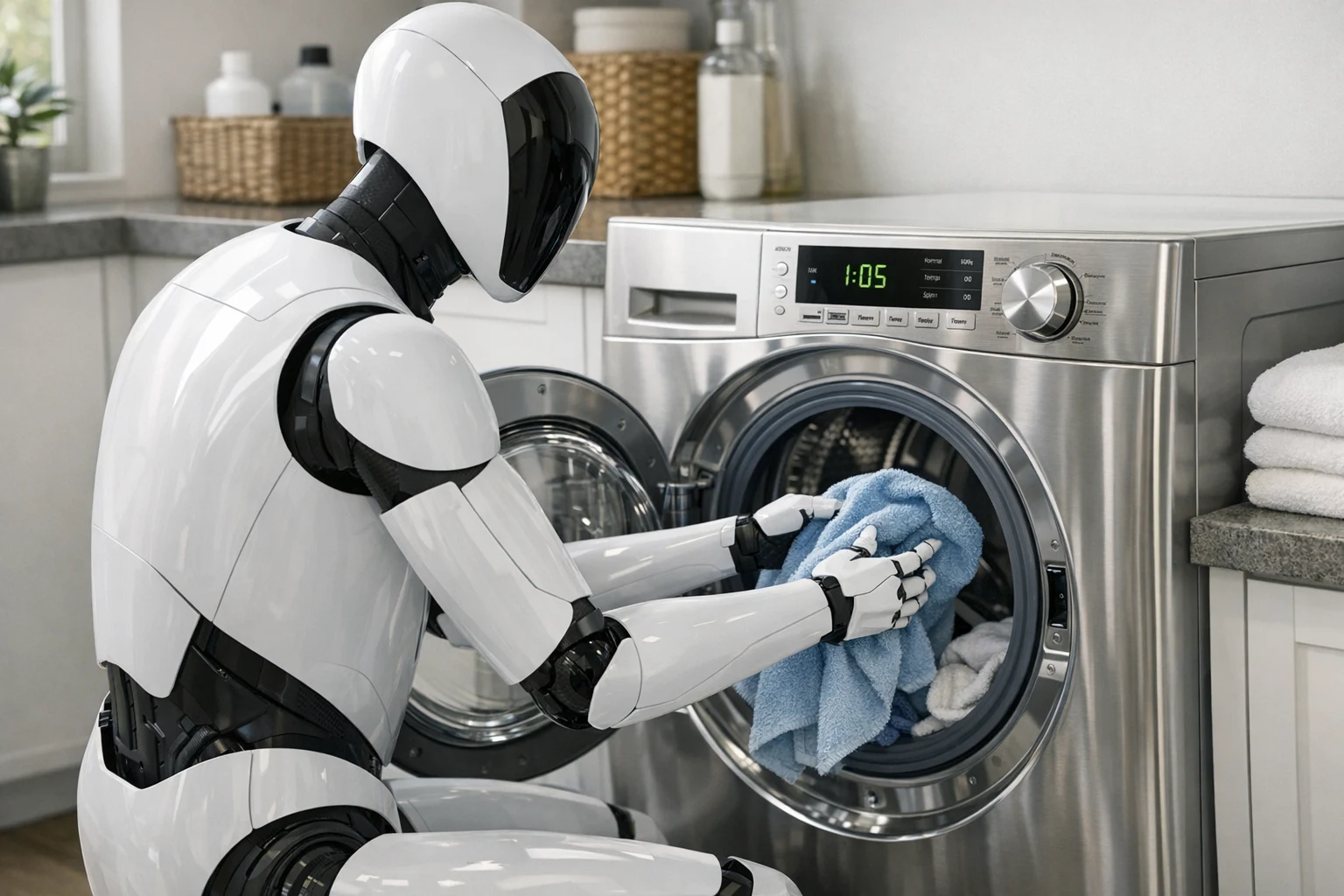
    A mechanical helper that can clean, do laundry, or serve food is a wish for many people, but even with great progress in robots, it still seems far away. Yet, a recent statement by Elon Musk has made the concept of home robots feel closer to being real. While speaking at the World Economic Forum in Davos, the CEO of Tesla announced that the Optimus robot will be available for private buyers starting in late 2027.

    Advances in Optimus

    Optimus is currently being used in Tesla’s factories, where it manages simple sorting and transporting tasks. The second version of this humanoid robot, revealed in December, is lighter and quicker, with more skillful hands. This development suggests that Optimus could take on more complicated jobs in the future, possibly making it useful in private residences. Elon Musk seems to agree with this perspective.

    Future Tasks and Pricing

    Musk mentioned that the Tesla robot is expected to start managing more intricate tasks at the company’s car factories in 2026. However, whether Optimus will really be available for homes by 2027 is still in doubt. Tesla has established strict safety standards that need to be satisfied before this can happen. Regarding the cost, it’s still unclear. Tesla has previously indicated it hopes to keep the price below $30,000.

    Public Reaction

    On Reddit, Musk’s announcement has faced doubt. Many people are skeptical that Optimus will actually be for sale to private buyers in 2027, citing previous commitments that did not come true – like full self-driving capabilities, robotaxis, or the new Roadster. On the other hand, investors seem to be more hopeful. Following this news, Tesla’s stock has seen an increase.

    Bloomberg (Paywall)

    Source:
    Link


  • Tesla Lowers FSD Price to $49/Month as Autopilot Compromise

    Tesla Lowers FSD Price to $49/Month as Autopilot Compromise

    Key Takeaways

    1. Tesla allows Enhanced Autopilot (EAP) customers to upgrade to Full Self-Driving (FSD) for $2,000 or subscribe at a 50% discount.
    2. The monthly subscription fee for EAP customers is now $49, down from the standard $99 for FSD.
    3. Tesla has eliminated the free Autopilot feature, requiring payment for any driver-assist services beyond basic Traffic-Aware Cruise Control (TACC).
    4. Future FSD subscription plans may include different pricing tiers, with unsupervised FSD available at a higher rate for newer models.
    5. Tesla is expected to introduce an FSD 14 Lite version for older vehicles that lack some unsupervised features.


    Tesla is giving a break to those who bought the Enhanced Autopilot (EAP) package, allowing them to upgrade to the Full Self-Driving (FSD) for $2,000 and offering a 50% discount on the monthly subscription fee.

    This decision follows Tesla’s shift to a subscription-only model for its self-driving software, discontinuing the long-standing free Autopilot feature. Now, to access any driver-assist service that goes beyond the basic Traffic-Aware Cruise Control (TACC), customers will need to pay.

    Changes in Autopilot Access

    After Tesla took Autopilot off the free services list, it acknowledged that there are customers who had already paid for the Enhanced version of its basic driver-assist software. In addition to the standard Autosteer and TACC, EAP includes features like Navigate-on-Autopilot, Auto Lane Change, Summon, and Autopark. Those who purchased EAP can either upgrade to the full FSD for $2,000 or subscribe to FSD monthly at half price.

    The new subscription price for these EAP customers is now $49 per month, compared to the regular $99. This lower fee could attract many Tesla owners to consider using FSD if it were available to everyone. However, Tesla’s new model, which eliminates the free Autopilot and aims to push owners towards a monthly payment for any substantial driver-assist service, seems rather confusing. Furthermore, Tesla plans to roll out different pricing tiers.

    Future Subscription Plans

    Musk has stated that a higher subscription fee will be required for access to the unsupervised version of the FSD software, which is currently used by the Model Y robotaxis. This version is distinct from the supervised FSD available to Tesla owners, as it does not require a human driver, allowing passengers to engage in other activities besides driving.

    However, this option will not be available for HW3 vehicles that come with the older FSD computer and camera systems. Instead, Tesla is expected to introduce an FSD 14 Lite version for these vehicles, which will lack some of the unsupervised features. Essentially, Tesla may offer a multi-tier FSD pricing model to account for various driver-assist hardware, purchase, and subscription choices it has introduced over the years.

    Pricing for Different Models

    Tesla could set a basic subscription price of $49 per month for owners of older vehicles equipped with HW3 kits. Meanwhile, owners of the newer 2026 Model Y may have the choice to pay $99 per month for supervised FSD or potentially $199 per month for unsupervised FSD, which would allow them to include their vehicles in Tesla’s Robotaxi program or simply relax on long trips without driving.

    Tesla seems to be gearing up to highlight future FSD subscription earnings to persuade investors that its high stock valuation can continue, even as sales are declining. It remains unclear how much they will charge for the unsupervised version of the FSD software.

    Source:
    Link


  • Tesla Ends Free Autopilot and Raises FSD Subscription Price

    Tesla Ends Free Autopilot and Raises FSD Subscription Price

    Key Takeaways

    1. Tesla has removed the free Autopilot feature and now charges $99 per month for the Autosteer function.
    2. New Tesla vehicles come with a basic Traffic-Aware Cruise Control but may lead to unexpected braking incidents.
    3. Elon Musk is promoting FSD subscriptions to boost future revenue, especially before a challenging sales meeting.
    4. After February 14, the FSD purchase option will be removed, leaving only the subscription model for new FSD features.
    5. The subscription model may pose risks, as Tesla could take years to profit, and customers might switch brands or use FSD only when necessary.


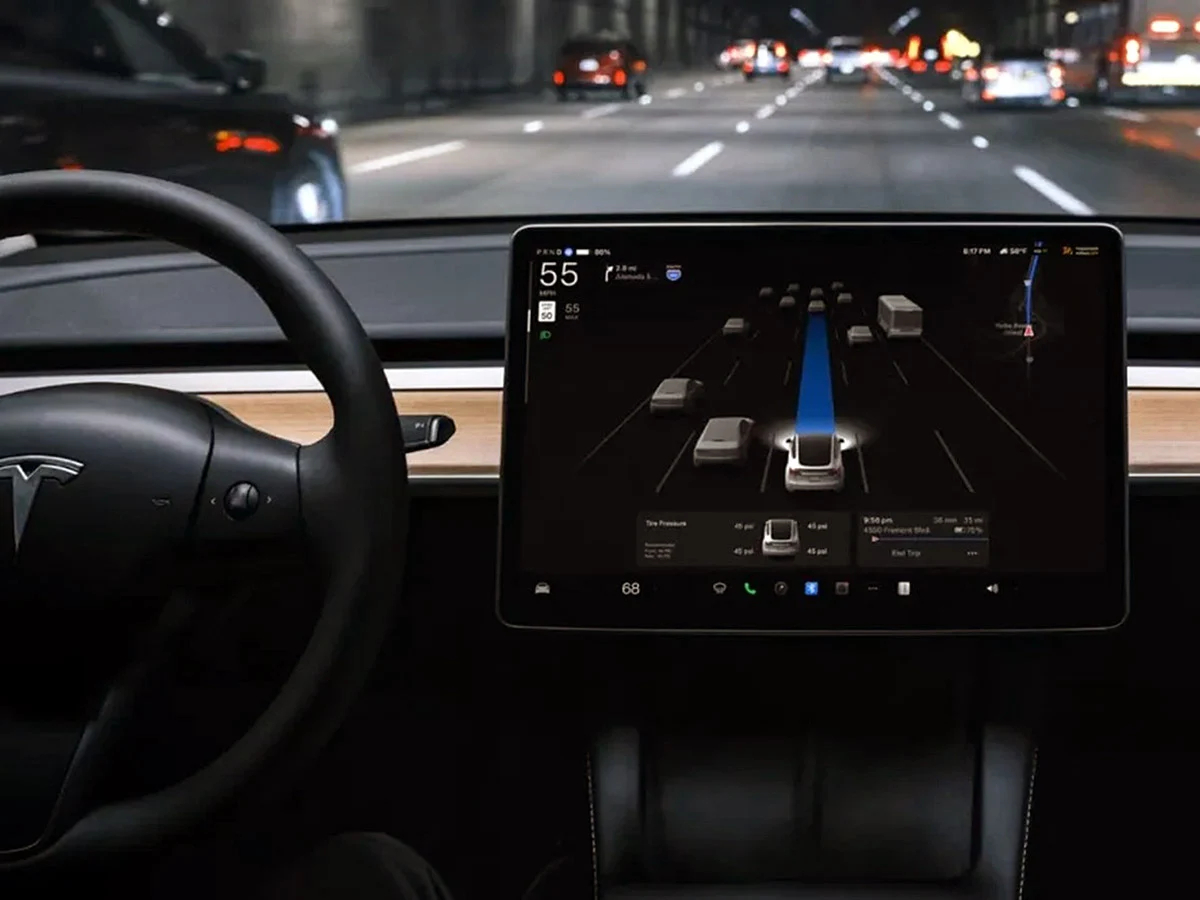
    The free Autopilot feature that Tesla has been providing with its cars for some time is no longer available. Tesla is putting all its chips on future revenue from FSD subscriptions and has removed the Autopilot option from the free driver-assist features.

    New Features and Pricing

    Now, all new Tesla vehicles come equipped with a basic speed adjustment feature called Traffic-Aware Cruise Control, which can lead to unexpected braking incidents. This means that customers will need to pay $99 per month if they want the Autosteer function, which was previously included at no charge.

    In comparison, a RAV4, which is priced about twenty thousand dollars less than the Premium Model Y, includes Toyota’s Safety Sense. This package offers a wide range of driver-assist features, such as autosteer, plus pedestrian and road sign detection.

    Future Revenue Strategy

    Elon Musk, who is set to face a challenging Q4 sales and 2025 revenue results meeting on January 28, might be trying to soften the blow of potential bad operating income news by promoting future earnings. Tesla has recently launched fully unsupervised Model Y robotaxi operations in Austin, eliminating the need for a safety monitor in the vehicle. This announcement comes just before the quarterly results meeting, and now Musk has mentioned that owners will have to pay more for this new type of driver-assist software than what they currently pay for the FSD (Supervised) option. “The huge value jump is when you can relax and use your phone or even sleep during the ride,” Musk states.

    Until February 14, Tesla will still offer the $8,000 FSD purchase option along with the $99/month subscription plan. However, after Valentine’s Day, those wishing to use FSD will only have the subscription option, which could increase in price when the FSD (Unsupervised) version becomes available for newer Teslas equipped with the HW4 computer.

    Potential Risks

    This clear attempt to boost revenue could backfire, as Tesla may require seven years to begin profiting from a subscription compared to a one-time purchase at current rates. Many Tesla owners might choose to switch brands or vehicles within that time frame, or they might opt to pay for FSD only when they need it for longer trips. Therefore, it’s uncertain whether this subscription-only approach will be beneficial for Tesla after the planned FSD price hike.

    Source:
    Link


  • First Unattended Model Y Robotaxi Rides: Passengers Can’t Take Control

    First Unattended Model Y Robotaxi Rides: Passengers Can’t Take Control

    Key Takeaways

    1. Tesla is launching unsupervised rides in Model Y robotaxis, starting in Austin and San Francisco.
    2. The unsupervised FSD software is different from the supervised version available to regular Tesla owners, with plans to merge them later this year.
    3. Texas’s lack of clear regulations on self-driving cars allows Tesla to operate without a safety monitor in the vehicle initially.
    4. Passengers cannot touch the steering wheel during rides; if they do, the vehicle will stop.
    5. Tesla is collaborating with insurers to offer lower premiums for rides using its FSD software compared to human-driven trips.


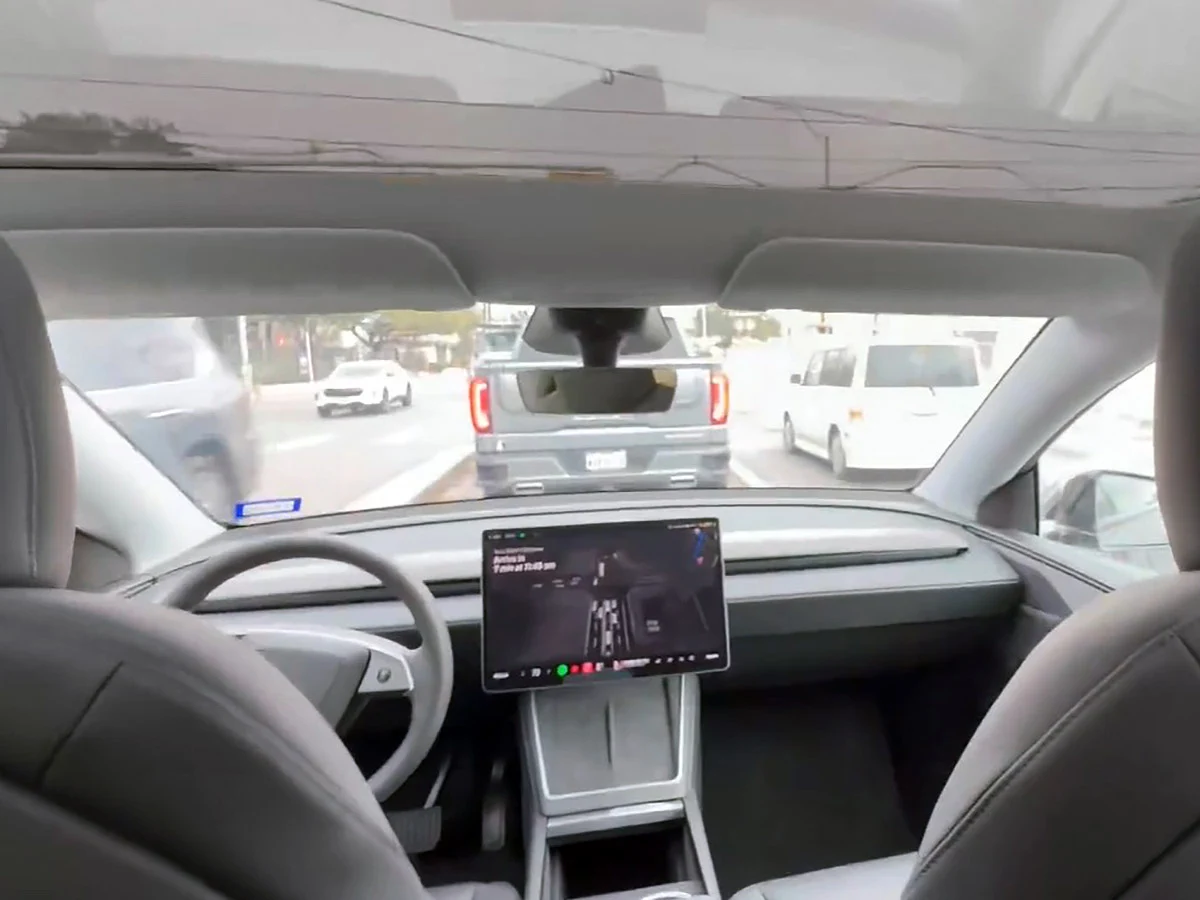
    Tesla is taking a bold step by launching truly unsupervised rides in its Model Y robotaxis on the Robotaxi platform for the first time.

    Unsupervised FSD Software

    The fully autonomous Model Y robotaxis are operating in cities such as Austin and San Francisco. These vehicles use a special software version that Tesla refers to as unsupervised FSD, distinguishing it from the supervised model that is accessible to regular Tesla owners. While plans to merge the two software branches are set for later this year, allowing 2026 Model Y owners equipped with HW4 to rent out their cars and generate some income, currently, the unsupervised rides are exclusively available in Austin.

    Texas Laws and Ride-Sharing

    Texas does not have any clear regulations regarding self-driving cars, which is why Tesla is rolling out ride-sharing services without a safety monitor in the passenger seat in this state first. At the beginning, there will be a combination of both unsupervised and supervised rides, but as time goes by, the company plans to increase the proportion of fully autonomous trips where only passengers are present in the vehicle.

    Safety Measures and Insurance

    Tesla is extremely confident in the safety of its FSD technology, to the point where passengers are not permitted to touch the steering wheel of the Model Y or take control of the vehicle. If someone touches the wheel too many times, the Model Y robotaxi will simply pull over and stop. Moreover, Tesla has shared its FSD safety data with external insurers like Lemonade, which is introducing a specialized insurance product for autonomous vehicles. This product offers 50% lower premiums for every mile driven using Tesla’s FSD software instead of by a human driver.

    Source:
    Link


  • Tesla Insurance Discounts: 50% Off with FSD Driving

    Tesla Insurance Discounts: 50% Off with FSD Driving

    Key Takeaways

    1. Tesla’s Full Self-Driving (FSD) system has a significantly lower collision rate compared to the U.S. average and other driving methods.
    2. FSD leads to seven times fewer major accidents and five times fewer incidents on highways than basic Autopilot or no driver-assist features.
    3. Lemonade, an AI-driven insurance provider, is launching an insurance product specifically for autonomous vehicles, citing Tesla’s FSD safety record.
    4. Lemonade’s analysis shows a 50% reduction in average insurance premiums for miles driven with Tesla’s FSD compared to human drivers.
    5. The new Lemonade Autonomous Car insurance will start on January 26 in Arizona, with plans for expansion to Oregon.


    According to Tesla’s own Full Self-Driving (Supervised) Vehicle Safety Report, when the FSD driver-assist system is active, the rate of collisions—both major and minor—is significantly lower than the U.S. average.

    Safety Comparison

    The FSD system is also safer compared to driving a Tesla using basic Autopilot or without any driver-assist features, as per the same data. Tesla asserts that the FSD system leads to seven times fewer major or minor accidents, and five times fewer incidents on highways.

    To put it in perspective, there is one major collision for every five million miles driven with FSD, while the U.S. average stands at one collision for every 699,000 miles for all types of vehicles, which includes both electric and internal combustion engine cars. Although some question the accuracy of these claims and the NHTSA is looking into accidents involving Tesla’s driver-assist features, insurance companies are starting to notice these trends.

    New Insurance Initiative

    Lemonade, an insurance provider that describes itself as powered by AI, credits Tesla’s FSD safety record for its decision to launch an insurance product aimed at autonomous vehicles. This new offering is touted as a “first-of-its-kind” insurance solution tailored specifically for self-driving cars.

    As per Lemonade’s AI-driven analysis, the accident rate drops considerably when Tesla’s FSD is in control compared to human drivers. This safety advantage has enabled Lemonade to cut its average insurance premium by 50% for miles driven with FSD.

    Collaboration with Tesla

    Lemonade states that its pay-per-mile insurance model has provided an edge that traditional insurers lack: advanced technology for gathering extensive real-world driving data, allowing for accurate and adaptable pricing. They have introduced this new Autonomous Car insurance in partnership with Tesla, utilizing the latest undisclosed FSD safety metrics.

    Tesla has been working to incorporate its impressive FSD safety statistics into its insurance offerings, but this marks the first occasion where a third-party insurer is slashing premiums by half for FSD miles with a product focused on autonomous vehicles. It will be interesting to see if Tesla will use Lemonade’s insurance for its upcoming driverless Cybercab, which won’t have pedals or a steering wheel, once it becomes part of the Robotaxi fleet in 2026.

    The Lemonade Autonomous Car insurance will launch on January 26, starting in Arizona and then expanding to Oregon. Tesla drivers can receive quotes for their new FSD-dependent premiums in just a few seconds via the app or the online platform.

    Source:
    Link


  • Tesla Ends Free FSD Transfer, Impacts HW3 and AI4 Subscription Prices

    Tesla Ends Free FSD Transfer, Impacts HW3 and AI4 Subscription Prices

    Key Takeaways

    1. Tesla’s free Full Self-Driving (FSD) transfer promotion will end on February 14, affecting Model Y owners who previously benefited from transferring FSD to new vehicles.
    2. Starting February 15, Tesla will no longer sell FSD outright for $8,000, shifting to a subscription model with a monthly fee of $99 for new and existing owners.
    3. The subscription model presents challenges for Tesla as vehicle sales decline, pushing the company to seek new revenue streams in a weak EV market.
    4. New Model Y owners wishing to join the Robotaxi fleet will need to pay for FSD subscription and give Tesla 20% of their earnings from ride-sharing.
    5. Future pricing for FSD subscriptions remains uncertain, with potential tiered pricing based on vehicle capabilities and whether owners choose to participate in the Robotaxi platform.


    Tesla’s well-liked free FSD transfer promotion will be ending after February 14, as stated by Elon Musk, who has been quite open about the situation recently.

    Changes for Model Y Owners

    Previously, owners of the Model Y who bought the Full Self-Driving (FSD) feature outright at its various prices over the years (currently set at $8,000) could transfer this highly sought-after feature to a new Model Y or any other Tesla vehicle they purchased. The free FSD transfer had almost become a regular offer, with Tesla frequently extending it, having only a couple of quarters in the last two years where it wasn’t available as a purchase incentive.

    Subscription Model Introduction

    Instead of continuing to sell the FSD option for $8,000, Tesla will cease all sales starting February 15. Moving forward, the only way for existing and future Tesla owners who haven’t purchased FSD will be to subscribe and pay the monthly fee set by Tesla. The current subscription price for FSD is $99 per month. This means that for those who bought it outright, it would take around eight years to recover their investment, which is about the lifespan of their Model Y. However, they could have transferred it to a new Model Y under the free transfer deal, or whatever Tesla provides at that time, allowing them to utilize it for years without any additional costs.

    Revenue Challenges for Tesla

    This situation is not ideal for Tesla, especially since their vehicle sales are on the decline, and they need to find ways to generate revenue in a somewhat weak EV market. Moreover, Tesla is preparing to roll out the unsupervised FSD version that will operate its robotaxis through an over-the-air update. This would enable owners of the 2026 Model Y to add their vehicles to the Robotaxi ride-share fleet whenever they choose and earn money when they aren’t using their cars.

    This additional revenue opportunity could be thrilling for many Tesla vehicle owners. However, it poses a challenge for those who already purchased FSD outright, as they can continue to benefit from it for many years. After February 14, new Model Y owners who wish to contribute their vehicles to the Robotaxi fleet will not only have to pay for a monthly or yearly subscription for FSD (Unsupervised), but they will also need to give Tesla about 20% of their revenue for managing the ride-share platform and processing payments. In essence, Tesla will halt the sale of FSD 14 just as their Robotaxi service goes public, aiming to boost revenue through this more profitable subscription-only model.

    Future Pricing Uncertainty

    It’s uncertain whether the monthly fee for FSD will stay the same or if Tesla will introduce a tiered subscription model. There might be one price for the upcoming simplified FSD 14 Lite for HW3 vehicles and a different price for the complete FSD available on newer models equipped with HW4. Those who don’t want to list their vehicles on the Robotaxi platform could stick with a less expensive version of FSD (Supervised), while those looking to profit as robotaxis may face higher costs for the unsupervised edition, and so forth.

    Source:
    Link