Tag: Model X

  • Musk Considers Merging Tesla, Starlink, and xAI for IPO Delay

    Musk Considers Merging Tesla, Starlink, and xAI for IPO Delay

    Key Takeaways

    1. Tesla’s stock declined despite a small earnings increase, indicating investor concerns about the company’s performance.
    2. Elon Musk is shifting Tesla’s focus from cars to autonomous driving, robotaxis, and humanoid robots, while discontinuing certain vehicle models.
    3. Reports suggest Musk is considering a merger of Tesla, SpaceX, and xAI, which could create operational synergies.
    4. A merger could enhance Tesla’s valuation and address current negative sentiment due to declining profits and increased competition.
    5. Recent legal filings hint at the possibility of integrating SpaceX, Tesla, and xAI into one publicly traded company.


    The small earnings increase did not assure investors that everything is fine with Elon Musk’s vehicle company, leading to a decline in Tesla’s stock after the announcement amid ongoing selling pressure.

    Shifting Focus Away from Cars

    Musk’s attempts to transform Tesla into a “physical AI” entity, focusing on autonomous driving subscriptions, robotaxis, and the Optimus humanoid, stand in stark contrast to the news that Tesla is struggling to compete in the high-end EV market. The company has decided to discontinue the Model X and Model S, while also contemplating the future of the Cybertruck.

    Potential Merger News

    However, following the drop in Tesla’s stock, recent news might boost the share price instead. Reports from both Bloomberg and Reuters suggest that Elon Musk is thinking about merging Tesla, SpaceX, and xAI into a single entity. It is said that he is considering a merger between SpaceX and xAI through a stock exchange, which could create various synergies like orbital data centers, or simply integrate SpaceX into Tesla without pursuing a separate IPO.

    Positive Implications for Tesla

    This move would be beneficial, especially since SpaceX is rumored to be preparing for a $50 billion IPO at a valuation of $1.5 trillion. Such a merger would transform Tesla into a company that encompasses space, AI, and robotics, rather than just being an automaker, which could enhance its future valuation. It might also alleviate the current negative sentiment resulting from decreasing profits and limited growth opportunities. Even though Tesla leads in autonomous vehicles and humanoid robots, competition is intensifying, and Musk’s ambitious growth plans may not materialize as expected in the coming years.

    A merger involving SpaceX and Tesla, along with xAI as a bonus, could surely address these challenges. Alternatively, this could simply be a strategic rumor, but recent legal filings by the SpaceX CFO in Nevada, which include the term “merger sub,” could indicate that Musk is at least contemplating the integration of SpaceX, Tesla, and xAI into a single publicly traded company.


    Source:
    Link


  • Tesla Ends Model S/X as Sales Drop 50%: No 400-Mile or 1,000 HP EV

    Tesla Ends Model S/X as Sales Drop 50%: No 400-Mile or 1,000 HP EV

    Key Takeaways

    1. Tesla is discontinuing the Model X and Model S due to tough competition and declining sales.
    2. New competitors, like the Volvo EX60, offer similar or better features at lower prices.
    3. The Model S is priced higher than rivals such as the Lucid Air, despite lacking some comfort features.
    4. Tesla is pivoting towards more affordable electric cars, focusing on mid-range models like the Model Y and Model 3.
    5. The future of the Cybertruck is uncertain, with plans to potentially market it as a fully autonomous work vehicle.


    Tesla is currently encountering tough rivals in the high-end electric vehicle market, leading the company to pivot towards offering more affordable electric cars. This shift involves discontinuing its well-known Model X and Model S models just months after their recent updates.

    New Competition on the Block

    Take the new Volvo EX60 as an example; it’s a 2-ton SUV capable of traveling 400 miles on a single charge, which is comparable to Tesla’s longest-range Model S sedan. However, it comes at 30% less cost than the Model X, while boasting a modern 800V powertrain and a more upscale interior.

    Challenges for the Model S

    The Model S itself faces a similar issue, being priced 20% higher than competitors like the Lucid Air Touring, even though its specifications are quite alike and it lacks some comfort features. As it becomes clearer that Tesla struggles to compete on price in the premium EV market, the decision to phase out both the Model X and Model S has been made.

    Tesla plans to halt production of the Model S and Model X by June 2026, but it will continue to provide support to their owners. Elon Musk mentioned some vague “shift to an autonomous future” as the reason for discontinuing these models, but the truth is, their sales simply aren’t strong. Over the past year, sales of the Model S and Model X have dropped by 50%, and Tesla’s “other” vehicle category in sales has always been quite small.

    Concerns with Current Offerings

    Similar to the Cybertruck, these vehicles are priced over $100,000 but feature an outdated powertrain, slow charging times, and an interior that doesn’t meet expectations for this price range. Features like falcon wing doors or a 1,000 HP tri-motor setup haven’t been enough to save them from poor sales.

    Tesla is also considering the future of the Cybertruck, which is performing even worse than the Model X or Model S. After trying to introduce it in markets like the UAE, Tesla is now contemplating whether to promote it as a fully autonomous work vehicle. Musk commented, “We will transition the Cybertruck line to just a fully autonomous line. There’s a lot of cargo that needs to move locally within a city, and an autonomous Cybertruck could be very useful for that.”

    The Future of Tesla’s Offerings

    In essence, Tesla seems uncertain about the role of the Cybertruck as well, leading to the decision to cut all premium vehicles from its retail offerings. Initially, Tesla focused on luxury electric cars, but it appears there’s no longer a market for them, at least not for Tesla’s versions. The company seems to be shifting towards selling only mid-range models like the Model Y and Model 3. As for the Fremont factory, where the Model S and Model X were produced, it will likely transition to producing Optimus and solar assemblies instead.

    Source:
    Link


  • Envision Launches Highly Efficient Two-Blade Wind Turbine

    Envision Launches Highly Efficient Two-Blade Wind Turbine

    Key Takeaways

    1. The energy shift demands ongoing innovation for improved efficiency, leading to lower costs and better performance in renewable technologies.
    2. Envision’s two-blade onshore wind turbine achieved a 99.3% availability rate and a mean time between trips of 2,444 hours after 500 days of testing.
    3. The turbine features a modular design and high-speed DFIG technology, overcoming technical challenges like high system vibration and load imbalance.
    4. Details on the turbine’s generation capacity remain undisclosed, but Envision is considering ramping up production for commercial deployment.
    5. Two-blade turbine designs require less material, potentially reducing manufacturing and installation costs, with modular deployment being a key advantage.


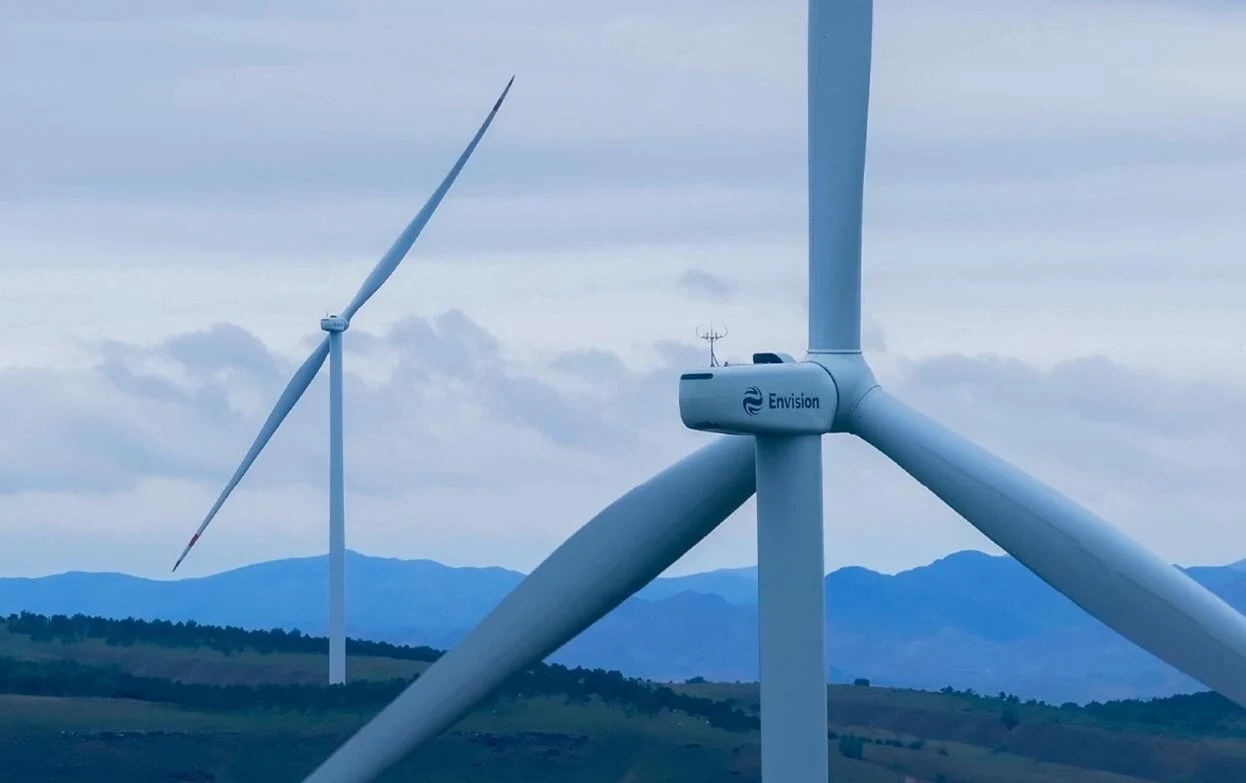
    The energy shift has created a continuous need for innovation to improve efficiency. This has pushed technology boundaries, leading to lower costs and better performance, like increased energy density. Recently, the Chinese firm Envision has unveiled its two-blade onshore wind turbine, which has been under wraps for 500 days of testing.

    Technical Challenges Overcome

    According to Envision, reaching this milestone involved tackling several technical issues. After 500 days of reliable operation, the company reported impressive outcomes, such as a 99.3% availability rate, a mean time between trips (MTBT) of 2,444 hours, and 3,048 equivalent full-load hours each year. “Field performance shows that our two-blade turbine matches the performance of traditional three-blade ones at the same site,” the company stated in a press release.

    Details About the Turbine Model

    The turbine belongs to the Model X onshore series, boasting a modular design and high-speed DFIG (Doubly-Fed Induction Generator) technology that enhances stability. Lou Yimin, Senior Vice President and Chief Product Officer at Envision, noted that significant challenges for this model included high system vibration and load imbalance, which the team managed to resolve. The company has been developing a two-blade wind turbine since 2012, paving the way for this groundbreaking achievement.

    Future Plans and Manufacturing Capacity

    However, some specifics, like the turbine’s generation capacity, were not disclosed, and it remains uncertain whether the company intends to ramp up production for this model. Nevertheless, Envision hinted at this possibility, stating that “all parameters were systematically planned, tested, and validated to ensure technological maturity and readiness for commercial deployment.”

    Many companies have attempted and some have experimented with two-blade turbines. The significance of this development lies in the fact that these designs require substantially less material, potentially lowering manufacturing and installation expenses due to having fewer parts to handle. Envision emphasized that modular deployment is one of its key advantages.

    Source:
    Link


  • Tesla China Halts US-Made Model S and X Orders Due to Tariffs

    Tesla China Halts US-Made Model S and X Orders Due to Tariffs

    Key Takeaways

    1. Elon Musk warns that Tesla will face repercussions from new US tariffs despite ties with the president.
    2. Tesla has halted orders for the Model S and Model X in China, affecting customers who must import these vehicles.
    3. The shipping process for Model S and Model X can take up to eight months for Chinese buyers.
    4. American goods face an 84 percent import duty due to China’s retaliatory tariffs, raising prices for Tesla’s high-end models.
    5. Model S and Model X accounted for less than 4 percent of Tesla’s sales last quarter, suggesting limited short-term impact from halted orders.


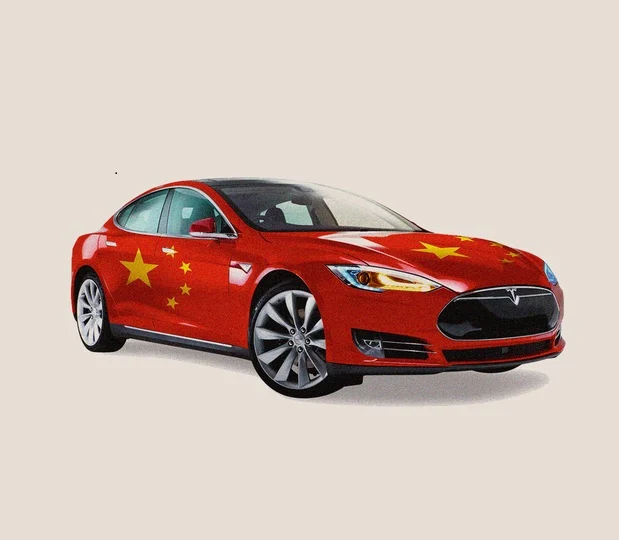
    Tesla CEO Elon Musk has expressed concerns that his company, despite its close ties to the president, will still face the repercussions of the new tariffs set by the current US government. This warning seems to be coming true, as Tesla’s operations in China have halted orders for the Model S and Model X.

    Impact on Chinese Customers

    Customers in China wishing to buy Tesla’s two most expensive electric vehicles must import them from the United States, making them susceptible to the ongoing trade tensions between the two countries. The shipping process for the Model S and Model X can take as long as eight months for buyers in China. Unfortunately, even those willing to endure the long wait can no longer place orders, as Tesla has replaced the “Order Now” buttons on these models’ websites with “View Now.” In contrast, the Model 3 and Model Y are still available for purchase, as they are produced in Shanghai.

    Tariffs and Sales

    As a result of China’s retaliatory tariffs, American goods now face a staggering 84 percent import duty. Adding these extra costs to the already high prices of the Model S and Model X could render them unaffordable for a lot of Chinese consumers. Nevertheless, it’s worth noting that these two models accounted for less than 4 percent of Tesla’s sales in the previous quarter, suggesting that the automaker may not experience significant short-term effects from this halt in orders from China.

    Tesla’s operations in China are currently navigating a complex landscape, balancing tariffs and supply issues while trying to maintain a foothold in one of the world’s largest electric vehicle markets.

    Source:
    Link

  • Tesla Provides Lifetime Free Supercharging for Powerful Vehicles

    Tesla Provides Lifetime Free Supercharging for Powerful Vehicles

    When Tesla launched free lifetime Supercharging for the Model S, it quickly became a hit, even though its charging network was just starting out.

    Years later, those Model S vehicles that include free lifetime Supercharging still fetch higher prices in the resale market. This is true despite the fact that early models, particularly those made before 2016, had a known design flaw in the battery housing that caused failures.

    Battery Replacement Boosts Value

    If the battery was swapped out under warranty, or by the previous owner, and the valve issue was fixed, the Model S with free charging became even more desirable. The same applies to the Model X, which was sold with transferable free Supercharging until March 2017.

    Fresh Incentives for Sales

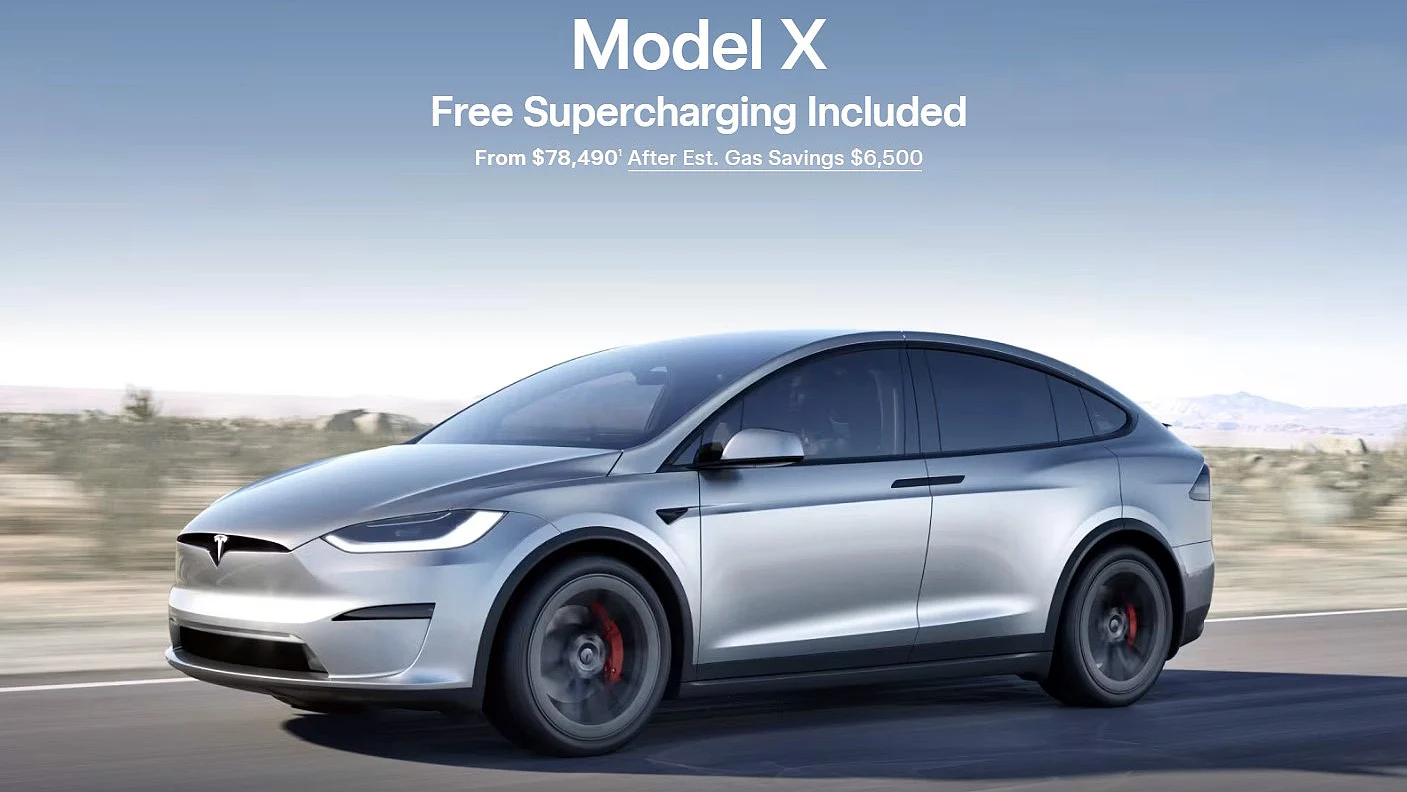
    Tesla is currently looking to attract buyers in America and Europe for its pricier high-performance models, the Model S and Model X, by offering the same free Supercharging incentive to boost sales. Given that the Model S and Model X make up a small portion of Tesla’s total sales, they’re not losing a lot with this offer. Additionally, the price of the Model X has been raised, putting it above the federal tax credit limit. Elon Musk likely understands that the Trump administration might eliminate the EV tax credit program, similar to what happened with the national EV charging network, so Tesla could be adjusting its incentives accordingly.

    Changes to the Offer

    However, the free lifetime Supercharging deal for the Model S and Model X isn’t exactly the same as the initial offer. The original deal was transferable, while the current offer has specific terms:

    Customers who buy or lease a new Model S can enjoy free Supercharging as long as they own the vehicle. This offer is linked to the Tesla account and can’t be transferred to a different vehicle, person, or order, even if ownership changes. Used cars, business orders, and vehicles used for commercial purposes (like rideshares or deliveries) are not eligible. Owners are still responsible for Supercharger fees, including idle and congestion charges, if they apply. This promotion can be combined with other offers, but Tesla has the right to revoke free Supercharging if there are excessive charges or unpaid fees. The promotion may change or end at any time.

    In essence, while the free lifetime Supercharging for the Model S or Model X lasts as long as the buyer owns the vehicle—potentially up to 20 years—it is linked to the buyer’s Tesla account and cannot be passed on to the next owner. This keeps the resale value of the car elevated for a longer time.

    Recent Trends in Offers

    Tesla has applied this new approach to all its free lifetime Supercharging offers recently, including the one for the Cybertruck, as well as limited-time promotions used to clear out inventory in the last two quarters.

    Source:
    Link

  • Tesla Launches Affordable Cybertruck Eligible for $7,500 Tax Credit

    Tesla Launches Affordable Cybertruck Eligible for $7,500 Tax Credit

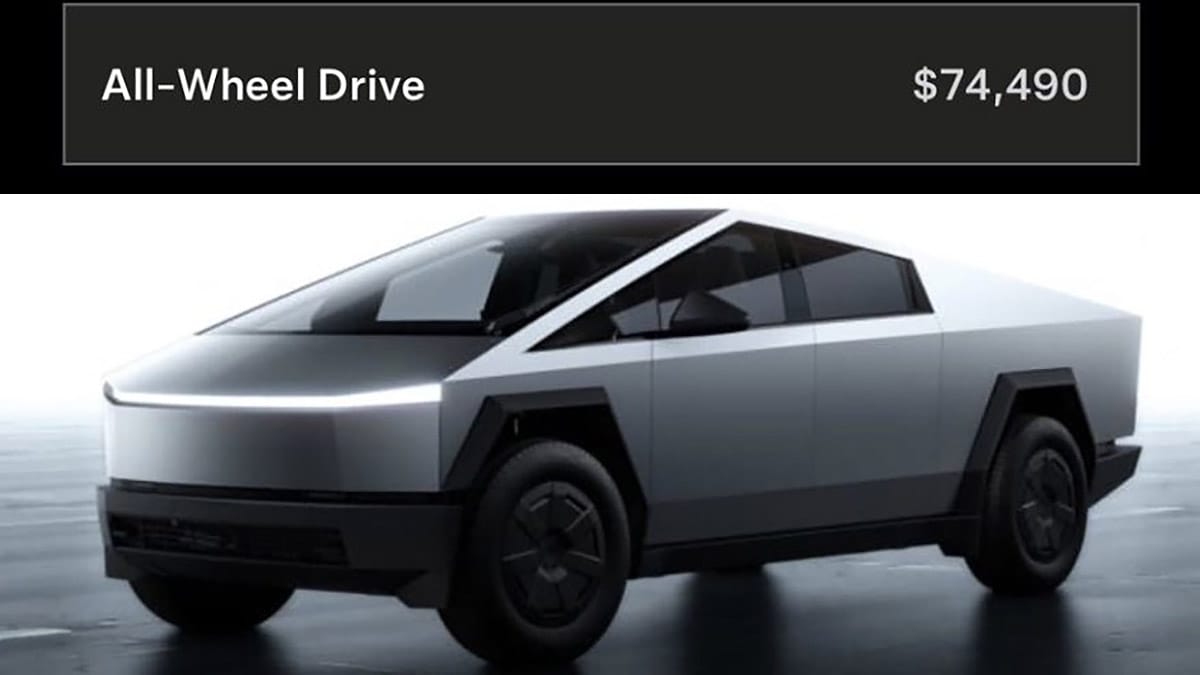
    The Cybertruck’s pricing has now aligned with the Model X in the US, as Tesla begins to send out order invitations for its non-Foundation Series models, just like they said would happen in Q4.

    New Pricing for Cybertruck

    For reservation holders who didn’t choose the high-end Foundation Series trim, the starting price for the AWD Cybertruck is $79,990. This is a significant change for those looking to get their hands on Tesla’s latest electric pickup.

    Additionally, it appears that the Cybertruck qualifies for a $7,500 commercial vehicle tax credit from the government, unlike other Tesla models which are available for point-of-sale dealer deductions.

    Production Increase at Giga Texas

    Tesla has been increasing production of the Cybertruck at Giga Texas, with drone footage showing large parking areas filled with these custom electric trucks. It seems the Cybertruck is now set to make a real impact on Tesla’s shipment figures for Q4, following the Foundation Series units produced last quarter that slightly exceeded analyst expectations.

    What Tesla is offering now to early reservation holders is pretty much the same dual-motor AWD or tri-motor Cyberbeast they’ve been selling up until now, but without the exclusive $20,000 Foundation Series package. This means the Cybertruck AWD can be had for just $79,990 instead of the previous price of around $100,000, while the Cyberbeast is priced just under $100,000.

    Will Fans Convert Reservations?

    It is still unclear if fans of the Cybertruck will actually go ahead and make a purchase, especially since the Foundation Series package includes a wide range of upgrades and accessories, as well as the Cybertruck’s Full Self-Driving option, which is valued at $7,000 for reservation holders.

    At the new price of $79,990, the Cybertruck should also be eligible for the federal point-of-sale tax savings similar to the Model X, not just the commercial tax credit the IRS currently has it listed under. Tesla just revealed these more affordable trims, so it might not be long before the tax credit list is updated for individual buyers, which could lower the price to $72,490 and boost sales.

    Tesla also plans to roll out an even cheaper RWD version next year, likely when they start manufacturing all Cybertrucks using the cost-effective 4680 batteries produced via the dry cathode method, which they expect to achieve by July.

    Sawyer Merritt (X)


    Image 1
    Image 1
    Image 1