Tag: SpaceX

  • SpaceX preps Gen4 Starlink dish, Mini with battery for IPO

    SpaceX preps Gen4 Starlink dish, Mini with battery for IPO

    Key Takeaway

    – Two new, slimmer Starlink dish terminals (Standard and Mini) confirmed in production by Elon Musk.
    – Firmware data suggests a “Rugged” variant of the Mini dish is in development.
    – Next-gen Mini may include a built-in battery for true off-grid operation.


    SpaceX’s New Starlink Dish Designs Spotted

    SpaceX will have more to show for its record-breaking IPO, it seems, as the next Starlink dish generation firmware has been unearthed, and Elon Musk is confirming that there will indeed be new Standard and Mini kits coming. The discovery of new firmware strings has been a big giveaway, plus Musk’s own public display of the hardware leaves little room for doubt about there being upcoming product releases.

    Thinner and More Travel-Friendly Terminals

    SpaceX is gearing up to release two new Starlink dish terminals that are thinner and more travel-friendly than their predecessors, with one of them rumored to go fully off-grid with its own battery. Elon Musk has never been shy about using a product demo to double as a PR event, and his latest appearance for a SpaceX AI satellite briefing was no different. This particular presentation gave a clear view of the new hardware even though Musk didn’t say much about it.

    Details from the Briefing and Teardown Expert

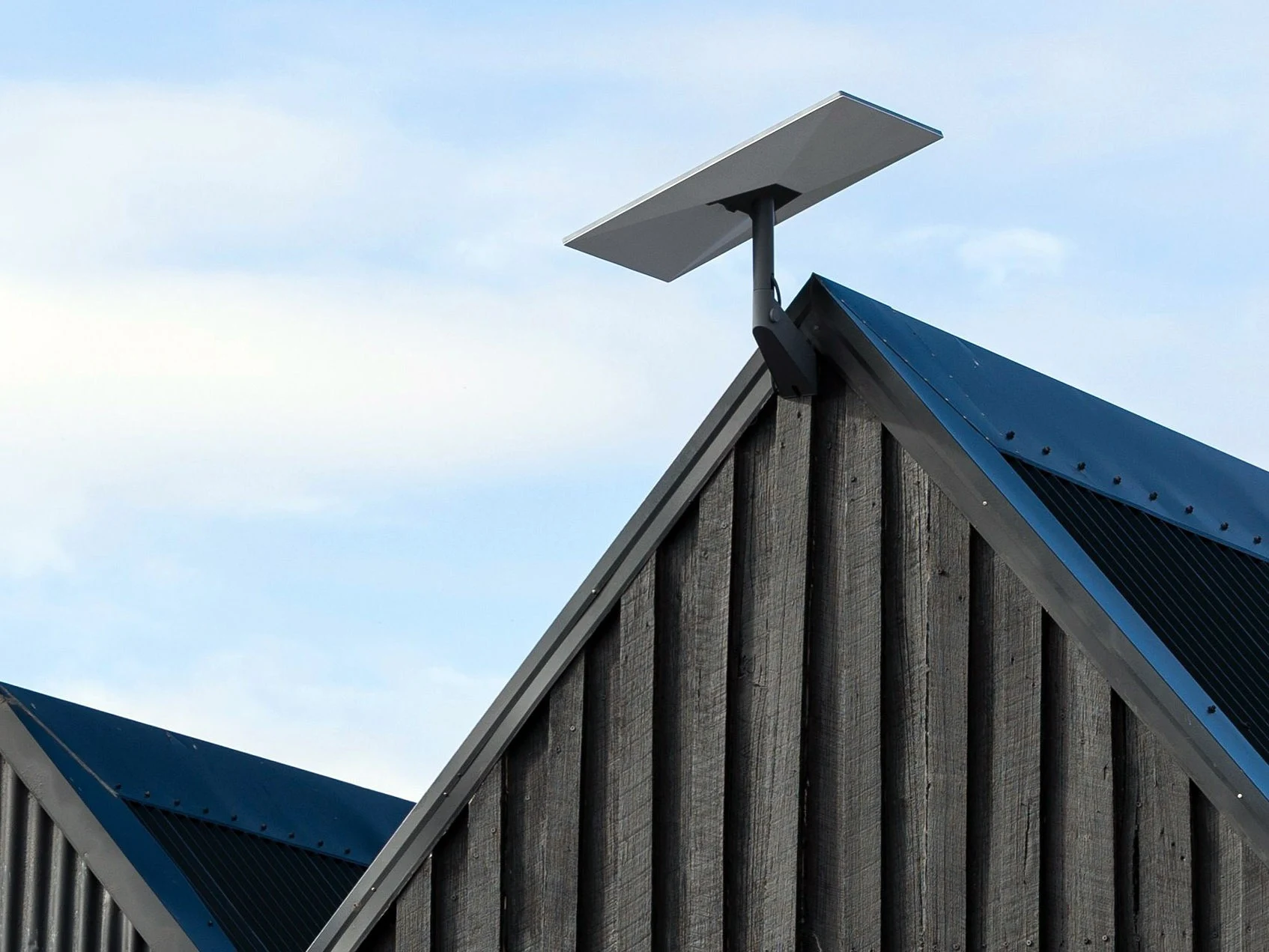
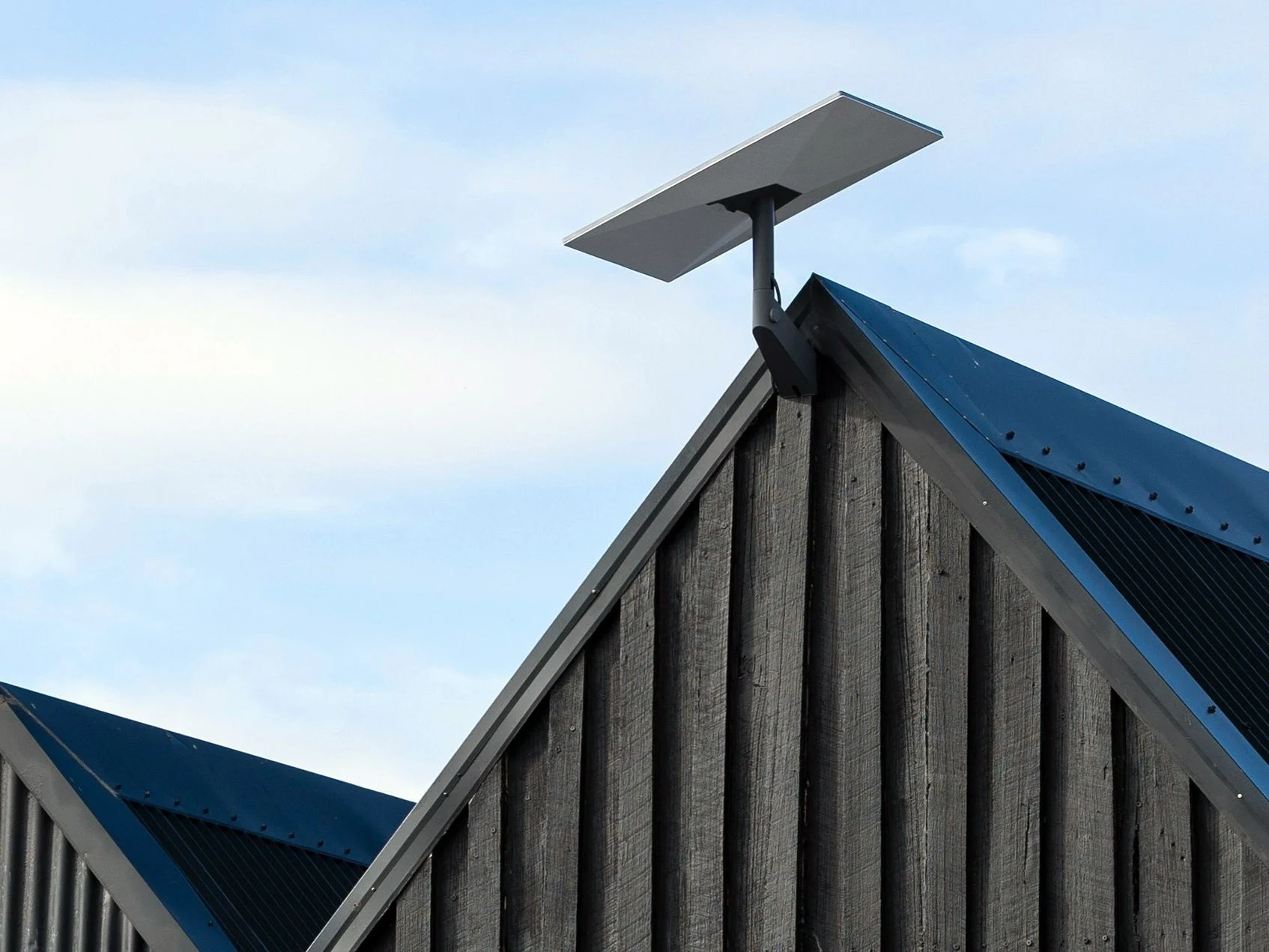
    Sitting conspicuously on the table in front of him were two brand-new Starlink dishes that he confirmed are “the new Starlink terminals, which we make in much higher volume than the current terminals.” That was pretty much the extent of Musk’s commentary, but the hardware did plenty of talking on its own, as both units looked noticeably slimmer and more compact than the existing Standard and Mini dishes currently on sale. The slimming of the new Standard dish had already been telegraphed by the Ukrainian Starlink teardown expert Oleg Kutkov, who spotted a new “rev5” board string in the latest Starlink firmware, alongside multiple “prod” variants suggesting active production.

    Successor to the Current V4 Standard

    The current V4 Standard, introduced in late 2023, appears to be getting a proper successor that shrinks toward Mini territory in terms of footprint. This means the new standard dish will be much more compact then the old model which makes it easier to transport or store. Even more intriguing is what Kutkov also found in said firmware: a MINI1_RUGGED_PROD1 device string, pointing to a tougher variant of the Mini dish. Separately, a University of Victoria research team identified firmware code referencing PowerSource_BATTERY, PowerSource_USBC, and DishBatteryStats, which are fields to monitor state of charge and active charging.

    Battery-Powered Mini Variant

    The current Mini that is available on Amazon for $360 requires an external power supply or third-party battery pack, so a version with a self-contained power source would be welcome news for field deployment, emergencies, and anyone who wants truly untethered satellite Internet without carrying a tangle of adapters. Having a built-in battery would certainly make the kit more appealing for people who need connectivity in remote locations without access to mains electricity.

    Launch Timing and Speculation

    SpaceX has not officially confirmed specs or pricing for either model, but with Musk showcasing them on camera and confirming they are already in production, a launch may be timed to coincide with or follow the long-anticipated SpaceX IPO. The lack of official details hasn’t stopped excitement however, as these new terminals represent a big step forward in terms of portability and ruggedness.
    Sources
  • SpaceX Starlink Satellite Anomaly: ISS and Artemis II Safety

    SpaceX Starlink Satellite Anomaly: ISS and Artemis II Safety

    Key Takeaway

    1. Multiple Starlink satellites have experienced anomalies, including communication loss and debris generation, raising concerns about recurring spacecraft malfunctions.
    2. The recent incident at 560 km altitude does not pose a risk to the ISS or upcoming NASA missions, as the satellite will deorbit gradually and safely.
    3. Despite ongoing issues, SpaceX continues to expand its Starlink constellation, emphasizing its passive deorbiting design and tracking capabilities to mitigate long-term space debris impacts.

    SpaceX’s Ongoing Satellite Anomalies

    It appears that SpaceX’s satellite network is facing some sort of recurring issues, as reports indicate that on March 29, the Starlink 34343 satellite had a strange anomaly. The sat experienced total communication loss while orbiting 560 km above earths surface. This probably means it is in a sort of zombie state, where its receiver cant get commands or fire thrusters anymore, slowly surrendering to atmospheric drag and heading towards deorbit.

    Previous Incidents and Their Impact

    This makes it the second time in just over three months that a Starlink satellite has broken down causing debris to be scattered in orbit. The first malfunction occurred on December 17, involving satellite 35956. That satellite vented its propulsion tank which led to a 4 km orbital decay and released a handful of debris at 418 km altitude. At that time, SpaceX called it an anomaly and assured investigations were ongoing, but no further details were shared since then.

    Risk Assessment and Spacecraft Safety

    SpaceX states that their latest analysis suggests no risks are posed to the International Space Station or NASA’s Artemis II mission. The station orbits much lower at roughly 400 km while the orbiting satellite is at 560 km. So, the crossing risk mainly exists during the satellites’ final descent, which may be decades away, affording NASA, SpaceX, and US Space Force enough time to track and intervene if necessary. Their design is to passively deorbit these “zombie” satellites ensuring they burn up upon reentry without cluttering the graveyard orbit.

    Growing Satellite Network and Transparency Concerns

    Currently, more than 9,500 Starlink satellites operate, making up around 65% of all functioning satellites in orbit which keeps expanding. The December incident sharply reignited debates about transparency and international notification protocols for space debris. Despite these concerns, SpaceX hasn’t disclosed the root cause for any of the malfunctions publicly, although they are prompt in announcing mishaps. Interestingly, after confirming the March anomaly, SpaceX launched 29 new Starlink satellites, contrasting the previous incident where they paused launches for two weeks.

    Sources
  • SpaceX Boosts Starlink Internet Speeds Ahead of Spring IPO

    SpaceX Boosts Starlink Internet Speeds Ahead of Spring IPO

    Key Takeaways

    1. SpaceX is seeking more spectrum access from the FCC to boost Starlink upload speeds significantly beyond the current 10-30 Mbps.

    2. The company aims to operate in additional frequency bands (13.75-14.0 GHz and 14.5-14.8 GHz) to achieve symmetrical download and upload speeds, providing services comparable to fiber optics.

    3. SpaceX argues that current regulatory rules hinder satellite operations and favor older systems, despite competition concerns from companies like Viasat regarding potential interference.

    4. The request for increased spectrum access coincides with SpaceX’s plans to file for an IPO, potentially raising over $75 billion and attracting public investors with improved Starlink services.

    5. SpaceX’s IPO could be the largest ever, valued at approximately $1.75 trillion, with enhanced upload speeds seen as an appealing factor for investors.


    SpaceX is trying to boost the upload speeds of its Starlink dishes by asking the FCC for more spectrum access. This move could increase the uplink speeds significantly from the current 10-30 Mbps.

    Expanding Frequency Bands

    The company is looking for waivers to operate in additional frequency bands within the 13.75 – 14.0 GHz and 14.5 – 14.8 GHz ranges. SpaceX is appealing to the FCC by highlighting its goal for symmetrical download and upload speeds. This would provide rural consumers and businesses in America with a service that is similar to fiber optics but from space.

    Regulatory Challenges

    In a filing made during the week of March 16, SpaceX claimed that the existing regulatory rules “shackle next-generation satellite operations,” which it argues favors outdated geostationary systems at the cost of millions of broadband users. Meanwhile, competition has been fierce, with Viasat arguing that SpaceX’s quest for increased transmission power poses an unacceptable risk of interference. However, the FCC has so far approved all of SpaceX’s requests.

    SpaceX had previously been given clearance to operate across five frequencies, with potential speeds reaching gigabit levels when the larger V3 satellites are launched. Nonetheless, Starlink’s upload speeds have consistently fallen short compared to download rates. This has been a major irritation for video creators, remote workers, and anyone who does more than just watch content from their satellite.

    IPO Timing and Market Impact

    The spectrum request comes at a crucial time for SpaceX. Reports suggest that the company intends to file its initial public offering (IPO) prospectus with regulators soon, potentially this week or the next. Analysts estimate that SpaceX could aim to raise over $75 billion. The prediction platform Kalshi has seen more than $950,000 wagered on when the IPO announcement will occur, and it now suggests a higher chance that it may happen shortly. Enhanced Starlink service with better and more equal upload speeds could serve as an attractive pitch to public investors. SpaceX’s IPO could possibly become the largest ever, valued at around $1.75 trillion.

    Get the Standard Kit on Amazon

    FCC via PCMag & Kalshi

    Source:
    Link


  • Musk Proposes Terafab 2nm Foundry for SpaceX and Tesla AI Chips

    Musk Proposes Terafab 2nm Foundry for SpaceX and Tesla AI Chips

    Key Takeaways

    1. Terafab Chip Foundry Ambition: Elon Musk’s Terafab aims to be a major player in semiconductor production, targeting one terawatt of computing power annually through collaboration among Tesla, SpaceX, and xAI.

    2. Dependence on Established Manufacturers: Tesla currently relies on TSMC and Samsung for chips, highlighting the challenge of entering a market dominated by established companies with decades of expertise.

    3. Financial Concerns: Tesla’s budgeting and financial projections are uncertain, with a projected $25 billion cost for Terafab and a history of missed targets, such as in the 4680 battery cell program.

    4. Complexity of Chip Manufacturing: The challenges of chip production are significantly greater than those of battery manufacturing, raising doubts about Musk’s ability to overcome engineering and financial obstacles.

    5. Long-term Outlook: The success of the Terafab initiative and its impact on Tesla and SpaceX will take considerable time to materialize, given the complexities involved in modern semiconductor production.


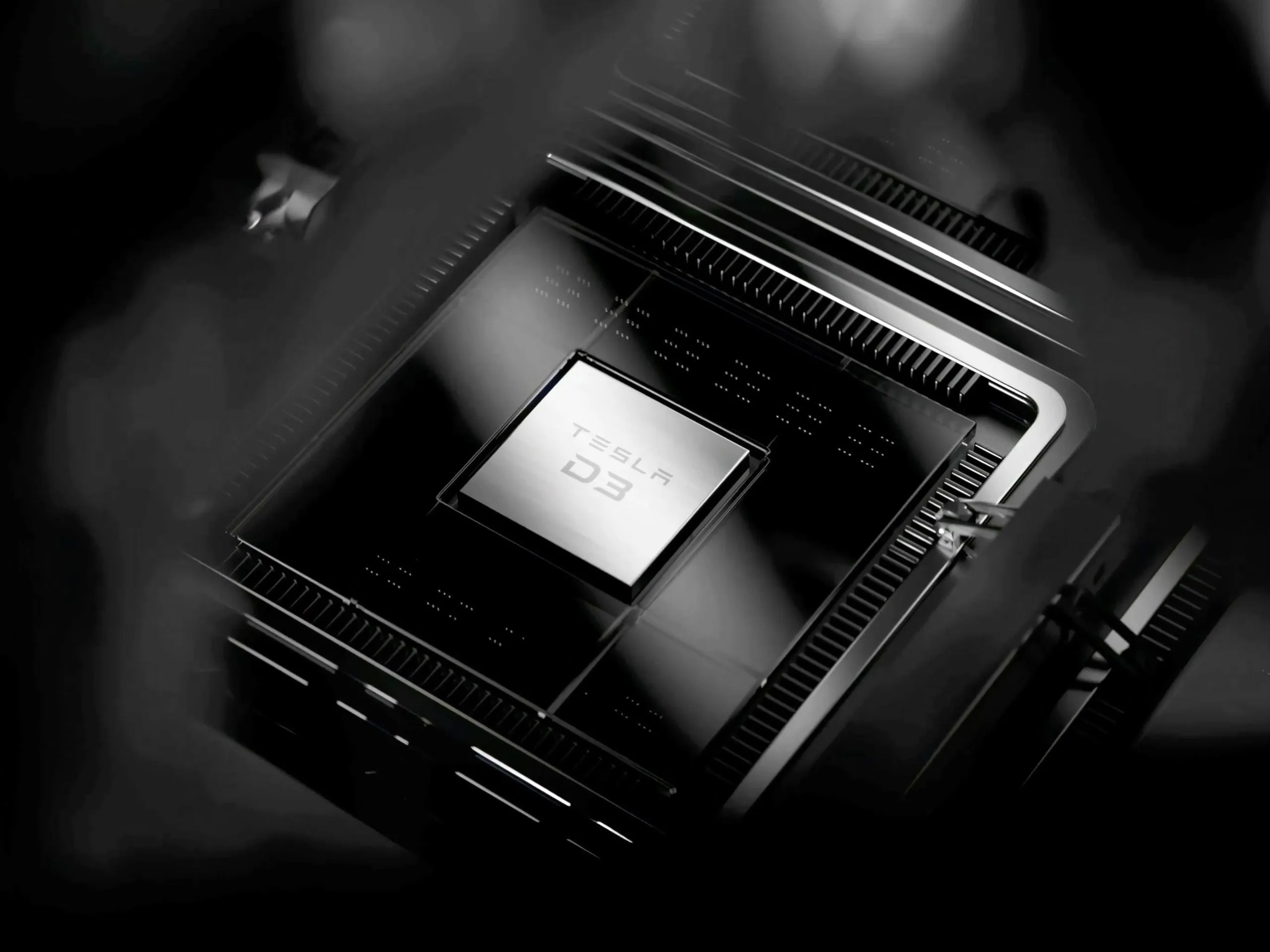
    Elon Musk has unveiled yet another ambitious project just before the SpaceX IPO, all while Tesla’s stock has dropped 16% since the start of this year.

    Terafab Chip Foundry

    He referred to the Terafab chip foundry as “the most epic chip-building exercise in history by far,” aiming to link the fortunes of SpaceX and Tesla ahead of their IPO. This collaboration among Tesla, SpaceX, and xAI aims to generate one terawatt of computing power each year, streamlining all aspects of semiconductor production including logic, memory, packaging, and testing.

    Challenges Ahead

    Currently, Tesla depends on TSMC and Samsung for its chips, while the Terafab is aiming for the cutting-edge 2 nm process technology. This announcement carries a hefty dose of confidence, as TSMC has invested decades and hundreds of billions of dollars to reach this level, developing expertise and supply relationships that cannot be quickly replicated.

    Tesla lacks a solid foundation in semiconductor manufacturing, and the necessary machinery has a waitlist spanning multiple years. Musk dreams of launching 100 million tons of solar energy capture devices into space each year to power AI satellites, with Optimus robots alone needing 100–200 GW of chips, and satellite arrays requiring terawatts that surpass the combined output of all current and future chip manufacturers up to 2030.

    Financial Uncertainties

    The financial aspects are also unclear, with Tesla’s budget of $20 billion this year being its largest ever, despite making less than $4 billion in profit in 2025. The Terafab facility is expected to cost $25 billion, not including the usual overruns that seem to accompany Musk’s grand visions. A notable example is Tesla’s 4680 battery cell program; Musk had promised 10 GWh of production within a year of Battery Day in 2020, along with a 50% cost reduction. In reality, Tesla is currently reaching only about 2% of that initial volume target, and the 4680 battery continues to face issues with pricing and performance, such as the slow charging curve of the Cybertruck.

    The Road Ahead

    Manufacturing chips is far more complicated than producing battery cells, so whether Musk can navigate the substantial engineering and financial obstacles of modern semiconductor production will determine the success of this initiative. This is a challenge that has defeated many seasoned players, so while the Terafab and orbital data centers may represent a promising future, it will take a considerable amount of time to fulfill Musk’s ambitious declarations.

    Source:
    Link


  • SpaceX Discontinues Mobile Access for Affordable Starlink Plan

    SpaceX Discontinues Mobile Access for Affordable Starlink Plan

    Key Takeaways

    1. SpaceX has limited its Standby Mode plan, requiring users to be stationary for internet connectivity.
    2. Users now receive a “Starlink Disabled while moving” message if they attempt to use the service while traveling.
    3. To access internet while on the move, users must switch to the $50 per month Roam plan.
    4. A speed limit of 160 kilometers per hour has been imposed for standard Roam and Priority plans in motion.
    5. Pilots will need to switch to more expensive dedicated aviation plans for in-flight internet access, costing between $250 to $1,000 per month.


    SpaceX has made changes to its Standby Mode plan, limiting connectivity for users while they are on the move. This affordable option, which costs $5 a month, used to let customers keep their devices active and enjoy unlimited data at speeds up to 500Kbps, all while pausing more expensive services.

    New Restrictions Implemented

    Recently, users have been facing a message saying “Starlink Disabled while moving” in the mobile app. This indicates that the service now needs users to be stationary to function. Consequently, those who want to use the internet while traveling are required to switch to the Roam plan, which costs $50 per month, in order to restore their internet access when they are driving.

    User Reactions

    A Facebook user mentioned that “too many people abused it, so they had to lock it down,” reflecting a sentiment echoed in the past with other offerings. Additionally, a Reddit user expressed their frustration, stating that “it was the best overall plan for emergency use on roads, it’s still usable, but lost a major plus being able to use [while] moving.” SpaceX has updated its support documents to specify that “pausing your service with Standby Mode is not intended for in-motion use.”

    Speed Limit Imposed

    Furthermore, SpaceX has introduced a speed restriction of 160 kilometers per hour for its standard Roam and Priority plans when used in motion. This limit effectively stops small aircraft from accessing consumer-grade satellite internet while in flight.

    Pilots and aviation enthusiasts who previously relied on these plans for real-time weather updates will now have to switch to dedicated aviation plans. These plans are significantly more expensive, ranging from $250 to $1,000 per month, based on the maximum flight speed of the aircraft they operate.

    Source:
    Link


  • SpaceX Reduces Starlink Residential Plan Price to $39/Month

    SpaceX Reduces Starlink Residential Plan Price to $39/Month

    Key Takeaways

    1. Starlink has reduced its Residential plan price to $39/month for the first six months, providing download speeds up to 100 Mbps.
    2. The promotional discount is available until March 31 and applies only to new service lines; customers risk losing the deal if they switch or terminate their service.
    3. In certain areas, Starlink is offering the Residential Kit for free, eliminating initial costs for new customers.
    4. Elon Musk insists the price drop is not in response to Amazon’s Kuiper constellation but aims to make satellite Internet more affordable.
    5. With the new pricing and increased bandwidth capacity, Starlink is positioning itself to compete effectively with local Internet service providers.


    Starlink has lowered the initial price of its Residential plan to only $39/month for the basic level, which provides download speeds of up to 100 Mbps.

    This price is just one dollar below the previous lowest price for a Starlink plan, and this offer will last for the first six months of the subscription for the Residential plan. The promotional discount for the Starlink satellite Internet plan will be available until March 31 and applies exclusively to one new service line.

    Important Conditions

    Starlink warns that customers who switch their plan, terminate their service, or face suspension will lose the promotional pricing. The new rate of $39/month is currently offered in certain areas across the US.

    In many locations where the new pricing is accessible, Starlink is also providing the Residential Kit for free, which normally costs $349 on Amazon, as a $0/month rental. Although users must return the dish if they cancel their promotional service, this effectively eliminates the initial costs associated with becoming a Starlink customer. At just $39/month, it begins to compete with traditional broadband providers.

    SpaceX’s Strategy

    Elon Musk recently rejected the idea that SpaceX is reducing Starlink hardware and plan prices in response to Amazon’s upcoming Kuiper constellation expansions. Instead, he claims the goal is to make satellite Internet more affordable for those who otherwise wouldn’t have access.

    Moreover, SpaceX is quickly launching satellites, with over 9,700 already in orbit, suggesting that the Starlink offer isn’t simply a reaction to Kuiper. With the upcoming IPO, SpaceX needs as many Starlink subscribers as possible to present to its underwriters, as Starlink is now the primary revenue source for SpaceX.

    Competing with Local Providers

    At just $39/month and with no initial equipment fees, Starlink now competes with local Internet service providers. This promotion appears to align with a significant increase in its bandwidth capacity, as SpaceX aims to attract customers for the numerous new satellites it is launching at an astonishing rate. Recently, they renamed their direct-to-cell service for carriers like T-Mobile to Starlink Mobile, suggesting ambitions to develop a standalone 5G network, utilizing space-based cell towers to provide global coverage, even in polar regions.

    Source:
    Link


  • Musk Shifts Focus from Mars Colonization to Feasible Projects

    Musk Shifts Focus from Mars Colonization to Feasible Projects

    Key Takeaways

    1. Elon Musk has shifted his focus from Mars to creating a base on the Moon, deeming it more feasible in the near future.
    2. The change in priorities comes as SpaceX prepares for an initial public offering (IPO) to fund its projects, including the xAI initiative.
    3. A major $4 billion contract from NASA for the second manned Moon mission underscores the importance of this shift in focus.
    4. The Starship 3 rocket may not be ready for a Mars mission in 2026, prompting Musk to reconsider timelines for Mars colonization.
    5. Musk now suggests that a Moon base is a more realistic target compared to the ambitious goal of colonizing Mars within the next two decades.


    Last January, Elon Musk described returning to the Moon instead of heading straight to Mars as just a “distraction.” However, with the reality of a Mars mission set to kick off in 2026, he has reconsidered and reintroduced the Moon into his plans.

    Shifting Priorities

    Musk expressed that establishing a city on Mars won’t be feasible within the next two decades. Therefore, SpaceX’s focus will shift to creating a base on the Moon, which is now Musk’s priority for the future of space exploration. This change in direction is a significant turnaround for the SpaceX colonization plan, which has mostly been theoretical since the Starship 3 rocket hasn’t even completed its first flight.

    Financial Strategy

    This change comes at a time when an initial public offering (IPO) is expected, which Musk hopes to use to fund his costly xAI project. He recently combined SpaceX with xAI, pointing to potential but unrealized advantages such as orbital data centers. This merger consolidates his ownership and ties the financial fate of his struggling AI project to the more profitable SpaceX, which benefits from Starlink revenue and NASA contracts.

    One major contract includes the second manned mission to the Moon, for which NASA awarded SpaceX $4 billion. This might shed light on Musk’s sudden shift in focus towards something much nearer than Mars. Just a few months ago, he asserted that SpaceX could launch the first Starship 3 mission to Mars in 2026, as the optimal conditions for such a venture are rare and only occur about every two years, so he didn’t want to wait until 2028.

    Future Prospects

    However, the Starship 3 rocket may not be prepared in time for the initial cargo test to Mars in 2026. Even if the mission were possible, it would require a significant investment from SpaceX, which Musk might have realized could deter investors due to the uncertain return on investment. Thus, he likely sees the IPO funds as essential.

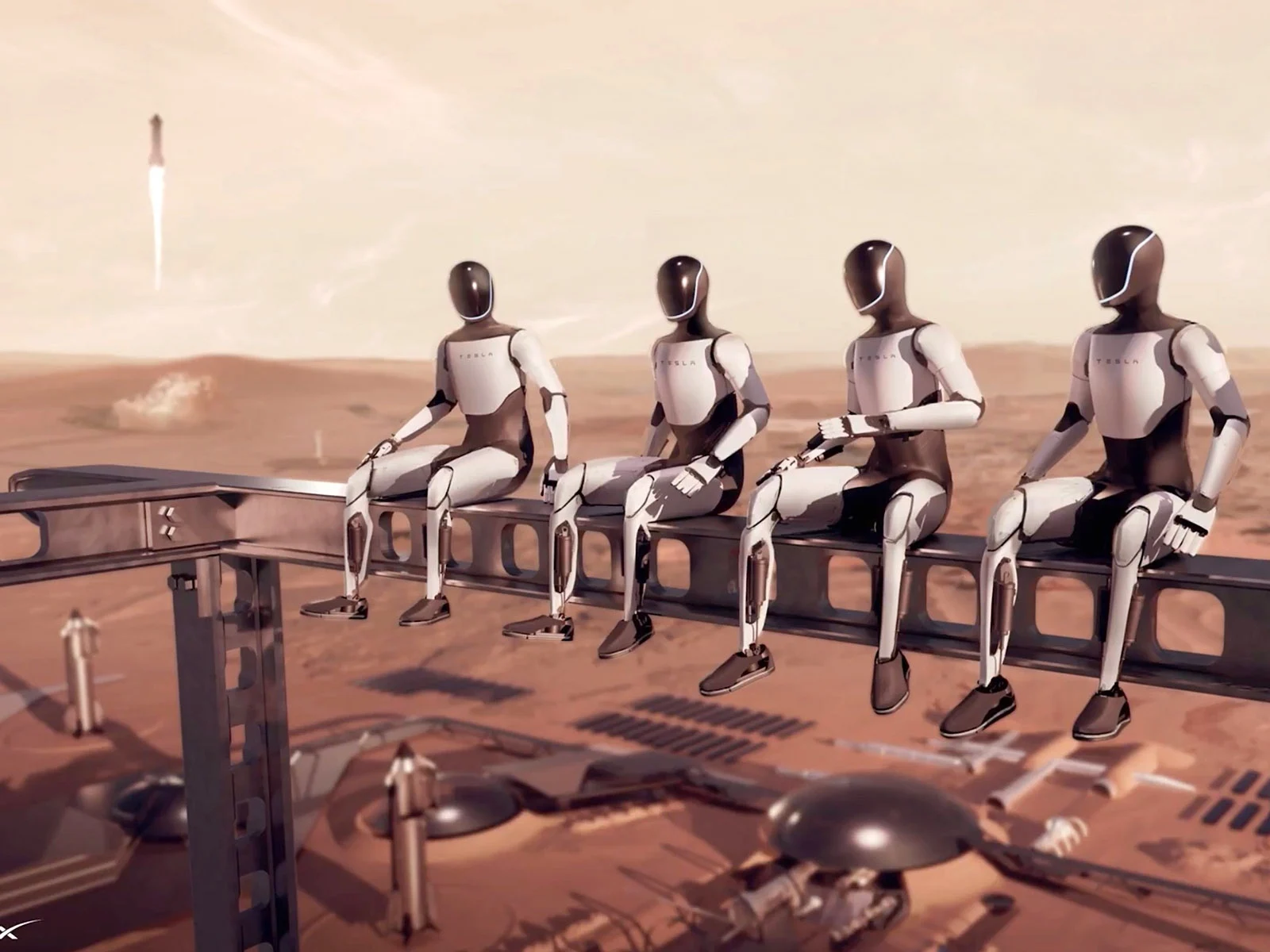
    Musk has mentioned that SpaceX might still aim to initiate the Mars project in “5 to 7 years,” but given his history of making bold promises and then changing timelines, a basic Moon base seems like a much more realistic target than the idea of colonizing Mars with Optimus robots.

    Source:
    Link


  • Elon Musk Plans Starlink Phone with Satellite Connectivity Features

    Elon Musk Plans Starlink Phone with Satellite Connectivity Features

    Key Takeaways

    1. SpaceX is testing smartphone connectivity to its Starlink satellite network, enabling text messaging and potential web browsing and phone calls without traditional networks.
    2. The company is developing its own smartphone, called the “Starlink phone,” with no release date or specific features announced yet.
    3. Elon Musk claims the Starlink phone will be designed from scratch to enhance AI efficiency and support AI applications directly on the device.
    4. The phone aims to attract more users to Starlink, which generates about 80% of SpaceX’s revenue.
    5. The success of the Starlink phone will depend on its pricing and the ability to offer global internet access without roaming fees, especially for frequent travelers.


    SpaceX is testing the ability to connect smartphones to its Starlink satellite network. In the United States, a test involved iPhones used on the T-Mobile network, allowing them to send and receive texts through Starlink satellites. The idea is that this system can also facilitate web browsing and phone calls without needing a traditional cellular network.

    Development of a New Device

    As reported by Reuters from three different sources, SpaceX is in the process of creating its own smartphone. At this point, there are no specifics available about when the “Starlink phone” might be released or what features it might include. Elon Musk, the CEO of SpaceX, has stated that this smartphone will be quite different from current models and will be engineered from scratch to maximize AI efficiency per watt, enabling AI applications to run directly on the device.

    Aiming for New Users

    The Starlink phone is expected to attract more users to Elon Musk’s satellite service, especially considering that Starlink generates about 80% of SpaceX’s overall revenue, as noted by Reuters. For those who travel often, a Starlink phone could be enticing if the company can provide a plan that offers global internet access without extra roaming fees. Nevertheless, since using a phone abroad has become quite easy and affordable due to eSIM options, the success of such a device will likely hinge on its pricing.

    Source:
    Link


  • SpaceX and Tesla Compete for Efficient Solar Panels for Energy

    SpaceX and Tesla Compete for Efficient Solar Panels for Energy

    Key Takeaways

    1. Tesla and SpaceX are securing high-efficiency solar panels by visiting Chinese manufacturers, boosting their stock prices significantly.
    2. SpaceX is focusing on heterojunction technology for solar cells, indicating a commitment to high-quality supplies.
    3. SpaceX plans to launch one million satellites powered by solar energy to create an AI data center in space.
    4. The AI satellites aim to generate 100 gigawatts of compute capacity annually with minimal maintenance, relying solely on solar power.
    5. Tesla is preparing to install 200 GW of solar capacity in the US and has launched a complete energy generation kit, increasing their need for solar panels.


    Two of Elon Musk’s leading businesses, valued at over $2.5 trillion combined, are making moves to obtain a large supply of high-efficiency solar panels.

    Tesla and SpaceX representatives have been visiting Chinese solar panel manufacturers to check out their factories and place orders, which has caused their stock prices to rise by as much as 10% on the Hong Kong stock market. “The SpaceX group is mainly looking at photovoltaic equipment makers and has placed an order with a top local heterojunction equipment producer,” according to sources in the solar industry.

    Focus on Heterojunction Technology

    The heterojunction interface is crucial for high-efficiency solar cells, indicating that SpaceX is clearly aiming to secure the best supplies available. It’s still under wraps which local solar company has landed the SpaceX deal, but shares of Junda climbed by over 10%.

    SpaceX has also recently requested permission from the FCC to launch as many as one million satellites, creating what they call the Orbital Data Center system. In simpler terms, they want to deploy AI computing power into space, taking advantage of all the benefits this brings.

    Solar-Powered Satellites

    The AI data center satellites will be continuously powered by solar energy, eliminating the need for energy storage and other components found on Earth. SpaceX claims that “if we launch 1 million tonnes of satellites generating 100 kW of compute power per tonne, this would provide 100 gigawatts of AI compute capacity each year, with very little ongoing operational or maintenance requirements.” This project will require a vast number of high-efficiency solar panels, which SpaceX is currently working to secure. They might plan to test some AI data center satellites during the upcoming Starship 3 rocket launch, which will also carry the large Starlink V3 satellites into space.

    Meanwhile, Tesla’s team has been examining photovoltaic production plants, as they plan to install 200 GW of capacity in the US in the coming years. They recently launched their first complete energy generation kit that includes their solar panel, inverter, and a Powerwall 3 storage system, meaning they will need a large quantity of panels.

    Source:
    Link


  • SpaceX Plans Orbital Data Center with Satellites in Busy Orbit

    SpaceX Plans Orbital Data Center with Satellites in Busy Orbit

    Key Takeaways

    1. SpaceX is seeking FCC approval to launch up to one million satellites for its xAI project, aiming to create an Orbital Data Center system.
    2. The satellites will be positioned between 500 and 2000 km above Earth to avoid conflicts and manage orbital traffic.
    3. They will utilize various hardware for specific functions and communicate through optical links, similar to the Starlink network.
    4. The smaller satellites are designed to enhance AI computing capabilities and harness solar energy, reducing the load on traditional power grids.
    5. SpaceX claims that launching these satellites could add 100 gigawatts of AI compute capacity annually with minimal ongoing maintenance.


    Just as suggested by Elon Musk, SpaceX might be preparing to send satellites into orbit to create a data center for its xAI project and has submitted a request to the FCC for a constellation permit.

    Potential Launch Details

    If this concept goes ahead, the satellites will be positioned in crowded orbits between 500 and 2000 km above the Earth. Recently, SpaceX experienced the loss of a rogue satellite and reassured astronauts that its “current trajectory will place it below the ISS,” essentially acknowledging that the “anomaly on satellite 35956” caused it to move uncontrollably through space before reentering Earth’s atmosphere and burning up.

    Constellation Plans

    SpaceX is now seeking permission to launch a constellation of up to one million satellites to create an Orbital Data Center system. They emphasize that the satellites will be positioned to “deconflict” in case of control problems that might arise between them or from competing orbital data center systems.

    The satellites in the data center will utilize different hardware based on their specific location and function, with communication established through optical links, similar to the satellites in SpaceX’s Starlink network, which provides fast internet service using a $350 standard dish.

    Smaller Satellites, Big Impact

    These Orbital Data Center satellites will be significantly smaller, and SpaceX aims to leverage their unique positioning for enhanced AI computing capabilities. This approach could harness solar energy and alleviate some of the pressure on the terrestrial grid caused by traditional AI data centers. However, challenges related to latency, cooling, space traffic management, debris control, and other problems associated with crowding in Low Earth Orbit (LEO) will still persist.

    SpaceX stated, “launching 1 million tonnes per year of satellites generating 100 kW of compute power per tonne would add 100 gigawatts of AI compute capacity annually, with minimal ongoing operational or maintenance needs.”

    FCC via PCMag

    Source:
    Link