Tag: FCC

  • Samsung Next-Gen Foldables & Smartwatches Hinted at FCC

    Samsung Next-Gen Foldables & Smartwatches Hinted at FCC

    Key Takeaway

    – Samsung Galaxy Z Flip 8 and Z Fold 8 Ultra have received FCC certification.
    – Galaxy Watch 9 (40mm and 44mm) and Watch Ultra 2 also certified.
    – Model numbers indicate device types: F9xx = Fold, F7xx = Flip, LXX = Watch.
    – FCC certification suggests a launch is on schedule for July Unpacked event.
    – Galaxy Z Fold 8 “wide” and Watch 9 Classic are absent from FCC listings, casting doubt on US availability.


    According to a recent FCC listing in the US, the official database of electronic devices approved by the Federal Communications Commission, several of Samsung’s next-gen foldable phones and smartwatches have obtained the necessary certification required for commercial launch. These include:

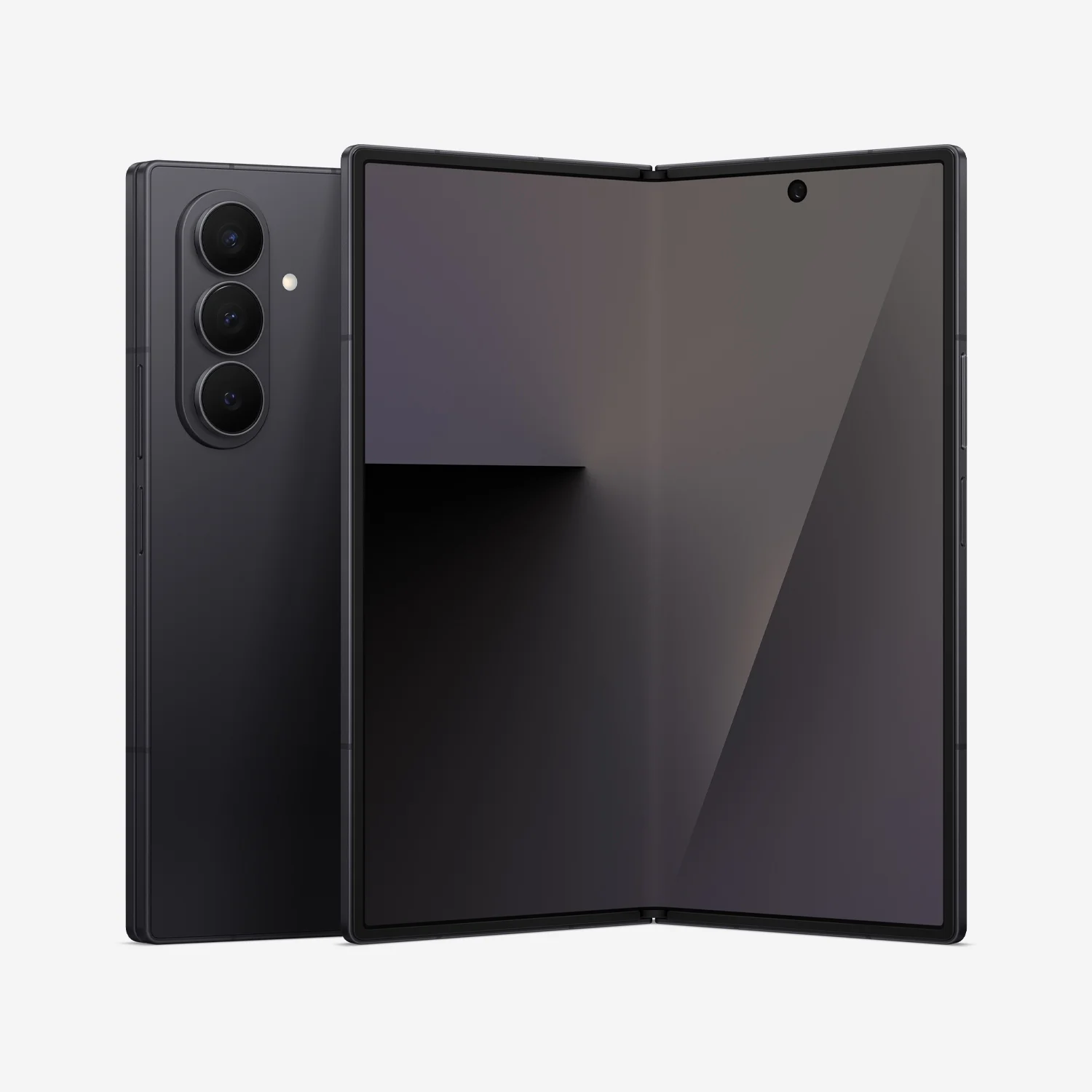
    • SM-F776U: Anticipated to launch as the Galaxy Z Flip 8.
    • SM-F976U: Anticipated to launch as the Galaxy Z Fold 8 Ultra, the successor to the Galaxy Z Fold 7.
    • SM-L340 and SM-L345: Likely the 40mm Galaxy Watch 9, in Wi-Fi and cellular versions, respectively.
    • SM-L350 and SM-L355: Likely the 44mm Galaxy Watch 9, in Wi-Fi and cellular versions, respectively.
    • SM-L715: Likely the cellular variant of the Galaxy Watch Ultra 2.

    How these model numbers are deciphered

    For readers who are wondering how the aforementioned devices are inferred from the model numbering, Phonearena provides a good overview. For example, Samsung’s book-style Fold phones typically use SM-F9xx numbers, while the Flip phones typically use SM-F7xx numbers. As for the Samsung Galaxy Watches, these have used model numbers beginning with SM-LXX for several generations now.

    What the FCC listing indicates about launch timeline

    Electronic devices only make it into FCC records when they are approaching commercial launch, so these filings suggest Samsung’s launch is proceeding on schedule. Notably absent from FCC listings, however, are the SM-F971U (Galaxy Z Fold 8 “wide” foldable) and the SM-L510/SM-L515 (Galaxy Watch 9 Classic). While this doesn’t rule out a US launch, it does cast some doubt on their availability alongside the core Fold and Flip lines. Either way, clarity is expected at Samsung’s Unpacked launch event on July 22 in London.

    Sources
  • Samsung Galaxy Z Flip 8 Gets Satellite, Loses UWB

    Samsung Galaxy Z Flip 8 Gets Satellite, Loses UWB

    Key Takeaway

    – Launch expected end of July alongside Galaxy Z Fold8 and Watch Ultra 2
    – US model (SM-F776U) uses Snapdragon 8 Elite Gen 5 for Galaxy; Europe may get Exynos 2600
    – FCC certification confirms Wi-Fi 7, Bluetooth, NFC, wireless charging, and satellite connectivity (NB-NTN B255)
    – No ultra-wideband (UWB) support on the US model, unlike some previous Galaxy Z Flip variants


    Anticipated Launch and Certification

    The Samsung Galaxy Z Flip8 is rumored too be officialy unveiled at the end of July, alongside the Galaxy Z Fold8, the Galaxy Z Fold8 Wide and the Galaxy Watch Ultra 2. The smallest of these three foldable smartphones has now been certified by the FCC, which is a necessary step before it can be sold in the US market.

    US Model Specifications

    The US model carries the model number SM-F776U, and its expected to be equiped with the Qualcomm Snapdragon 8 Elite Gen 5 for Galaxy. Some rumors suggest the European Galaxy Z Flip8 will instead use a Samsung Exynos 2600, which could mean the smartphone would be slightly less powerfull. The FCC certification confirms the US model supports Wi-Fi 7 (802.11be) including the 6 GHz channel, Bluetooth and NFC.

    Charging and Connectivity Features

    Wireless charging and wireless power share are also possible on this device. The integrated 5G modem supports NB-NTN B255, a network band used for communicating with a satellite network. This feature was previously available on the Galaxy Z Flip7, but it was limited to a few regions including the US.

    Missing Ultra-Wideband

    A noticeable absence is the ultra-wideband (UWB) chip. On the Galaxy Z Flip7, only the model sold in South Korea came equiped with UWB, while the Galaxy Z Fold7 was shipped globaly with a UWB chip. Among other uses, UWB allows finding a Galaxy Smart Tag2 more easily by displaying the direction and distance of the tracker.

  • Sennheiser Teases Momentum 5 Wireless Headphones Preview

    Sennheiser Teases Momentum 5 Wireless Headphones Preview

    Key Takeaway

    – Sony expands premium line with two new options: 1000X The Collexion for a 10-year celebration and a refreshed WH-1000XM6 with a new version at $398.
    – Sennheiser teases a new over-ear rival, likely Momentum 5 Wireless, signaling a successor to Momentum 4 Wireless.
    – Momentum 5 Wireless is expected to feature 47 mm dynamic drivers and more hardware buttons, with potential concurrent release of Momentum True Wireless 5.


    Sony has just updated premium headphone line with two new options. On the one hand, 1000X The Collexion serves to celebrate ten years of the 1000X series. On the other hand, Sony refreshed the existing WH-1000XM6 with a new version of its own (curr. $398 on Amazon).

    Introduction to the Latest Premium Headphones

    Sony unveils fresh additions to its premium lineup, marking milestones and refreshing a staple model. The Collexion edition highlights a decade of the 1000X family, while the XM6 refresh promises updated tech and features. Pricing and specs are noted where stated, with the $398 figure referenced for the XM6 variant. This paragraph trades a slightly informal tone while presenting core facts to set the scene.

    What We Know About The Collexion

    The Collexion model is positioned as a commemorative release from Sony, designed to celebrate ten years of the 1000X line. Details include a focus on premium build quality and potential refinements to sound tuning and comfort. As with many anniversary editions, expect subtle design nods and perhaps limited branding elements that distinguish it from standard iterations.

    Meanwhile, the Sony Collexion stands as a ceremonial addition that nods to the lineage of the 1000X series. The emphasis appears to be on branding and milestone celebration rather than a radical hardware overhaul, though minor upgrades could accompany the update. Buyers should watch for any bundled accessories or firmware tweaks that often accompany special editions.

    WH-1000XM6 Refresh

    Sony also refreshed the WH-1000XM6 with a new version of its own, maintaining competitive stance in the high-end over-ear market. The current price point mentioned is $398 on Amazon, signaling a potential price adjustment or regional variation. The update likely brings software improvements and marginal hardware tweaks rather than a full redesign.

    The XM6 refresh is described as an evolution rather than a revolution, with expectations of continued active noise cancellation leadership and improved codecs or processing power. This paragraph keeps the reader informed about the general trajectory of Sony’s flagship model while noting the cited price reference as a key data point.

    Market Movement from Competitors

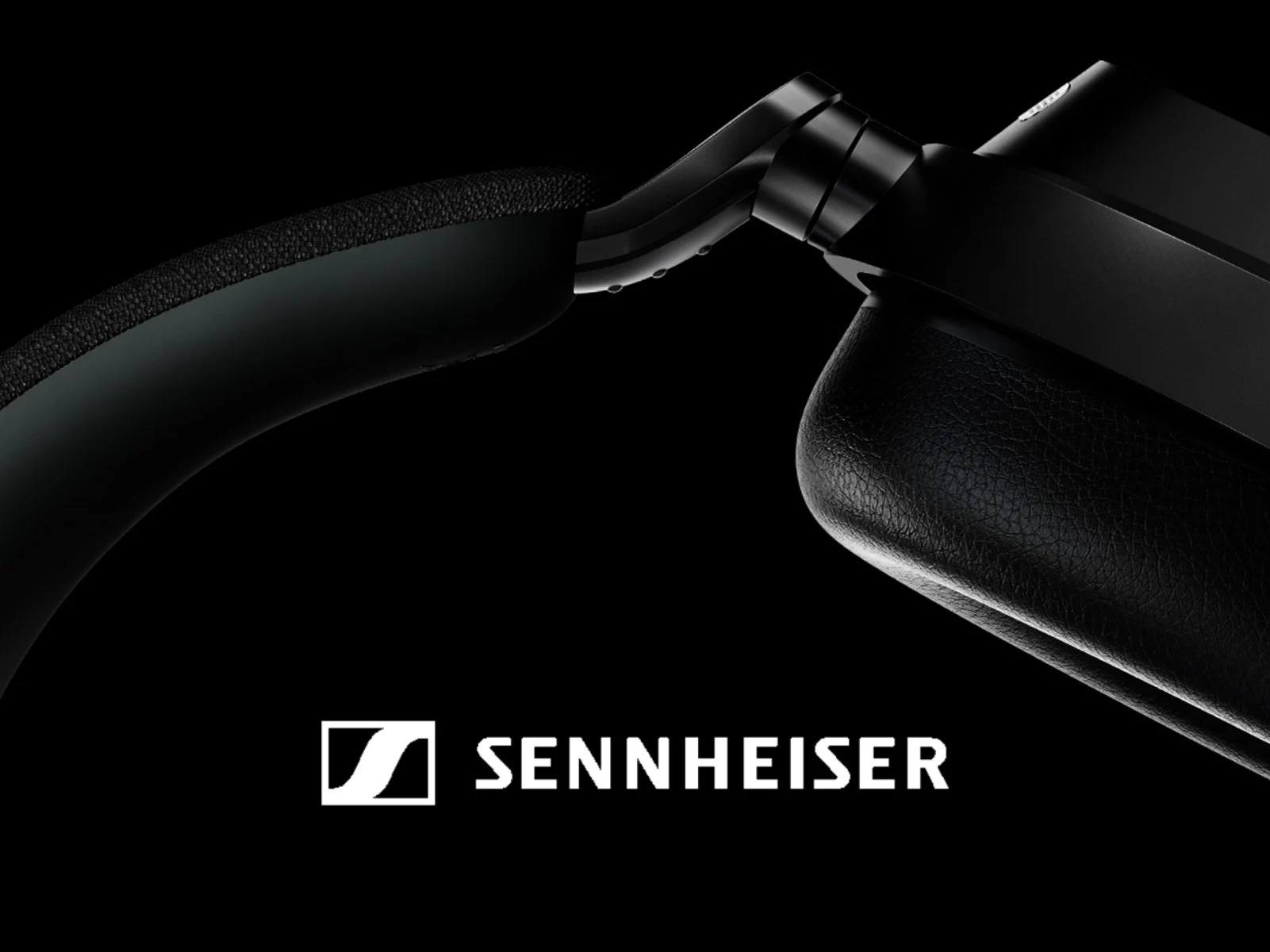
    Sennheiser is preparing to unveil a competitor, with teasing hints that “the legend continues.” The company has released only a close-up image so far, showing design lineage with the Momentum line, specifically referencing the Momentum 4 Wireless aesthetics. As momentum builds, fans speculate about a Momentum 5 Wireless release.

    Leakers suggest the Momentum 5 Wireless will sport 47 mm dynamic drivers and an expanded button array, signaling a hardware bump over its predecessor. There is also chatter that the Momentum True Wireless 5 could arrive in parallel, though timing remains uncertain. This shift indicates Sennheiser’s intent to refresh both over-ear and true wireless lines in tandem if possible.

    What to Expect Next

    Sennheiser’s FCC submissions and ongoing rumors point to a notable update cycle that could reshape the competitive landscape in premium headphones. The momentum around the Momentum 5 Wireless suggests continued emphasis on driver size and control layout, potentially paired with improved ANC and battery life. Keep an eye on official disclosures for final specs and availability.

    The rumor mill currently highlights a synchronized launch path for Momentum 5 Wireless and Momentum True Wireless 5, though whether they debut together remains to be seen. If both arrive with a cohesive feature set, Sennheiser could present a compelling paired ecosystem to challenge Sony’s refreshed XM6 line.

  • FCC Grants Update Waiver for TP-Link, DJI, and Other Foreign Devices

    FCC Grants Update Waiver for TP-Link, DJI, and Other Foreign Devices

    Key Takeaway

    1. The FCC has extended the deadline for firmware and software updates for certain foreign-made routers and drones in the U.S. until January 1, 2029, citing public safety reasons.
    2. The extension applies mainly to devices from companies like TP-Link, Huawei, and DJI, amidst ongoing concerns over national security risks associated with foreign-made technology.
    3. The U.S. government has added foreign-made consumer routers and drones to a “Covered List” due to perceived security threats, limiting the import of newer DJI drones and similar devices.
    4. Companies like TP-Link are actively contesting these restrictions, emphasizing investments in U.S. manufacturing, while DJI is challenging the rules in court and advocating for its products’ importance.

    Recent Updates on Device Support Extentions

    If you are a user or fan of TP-Link’s Archer series, Asus’s latest Wi-Fi gear, Huawei’s 5G CPE units, or drones made by DJI, especially those made abroad or in China, then good news just came your way. The FCC has decided to relax its previously strict ban and now extend the support deadlines for millions of existing devices. And this includes some of the current Wi-Fi 7 routers in the USA.

    Extended Software Support Timeline

    Instead of ending support in early 2027, the FCC’s Office of Engineering and Technology (OET) announced last Friday that all those “foreign-made” devices, including routers and drones, will continue to get vital updates until January 1, 2029. This means they will still get security patches to fix vulnerabilities, bug fixes, and updates to keep the network running smoothly. The decision was influenced by the Consumer Technology Association, which manages CES, asking the FCC to extend support period citing public safety concerns.

    Rationale Behind the Decision

    The official statement from the OET said that “special circumstances warrant a deviation from the general rules” and that extending this support helps serve the public interest better. They also pointed out that keeping the support period limited but extended allows them to review and possibly change these rules in future. The waiver was even allowed to include some bigger changes, as long as they protect consumers and safety.

    Why These Restrictions Exist

    The main reason for the restrictions is national security. Both the White House and the FCC have added foreign-made consumer routers and drones to the “Covered List” because these devices are believed to represent risks to U.S. networks and infrastructure. Since then, newer DJI drones and drones from similar companies have been banned from import into the US. Under certain conditions, some companies can get short-term permissions called conditional approvals, usually for special reasons, from security agencies like the Department of Defense or Homeland Security.

    How Major Brands Are Affected

    At the moment, only a handful of devices from companies such as Netgear and Amazon have been approved to operate. However, giant firms like TP-Link and DJI haven’t yet met the high standards needed for approval. TP-Link is actively trying to stay in the U.S. market, claiming to have invested hundreds of millions of dollars in manufacturing and R&D of its routers here, aligning with FCC’s policies.

    Legal Challenges and Industry Response

    Meanwhile, DJI is fighting the rules in court. The company encourages loyal customers across America to file comments supporting its products and emphasizing their importance, from daily use to emergency services. This ongoing legal battle and regulatory environment highlight the tension between security concerns and the interests of tech companies and consumers alike.

    Sources
  • SpaceX Boosts Starlink Internet Speeds Ahead of Spring IPO

    SpaceX Boosts Starlink Internet Speeds Ahead of Spring IPO

    Key Takeaways

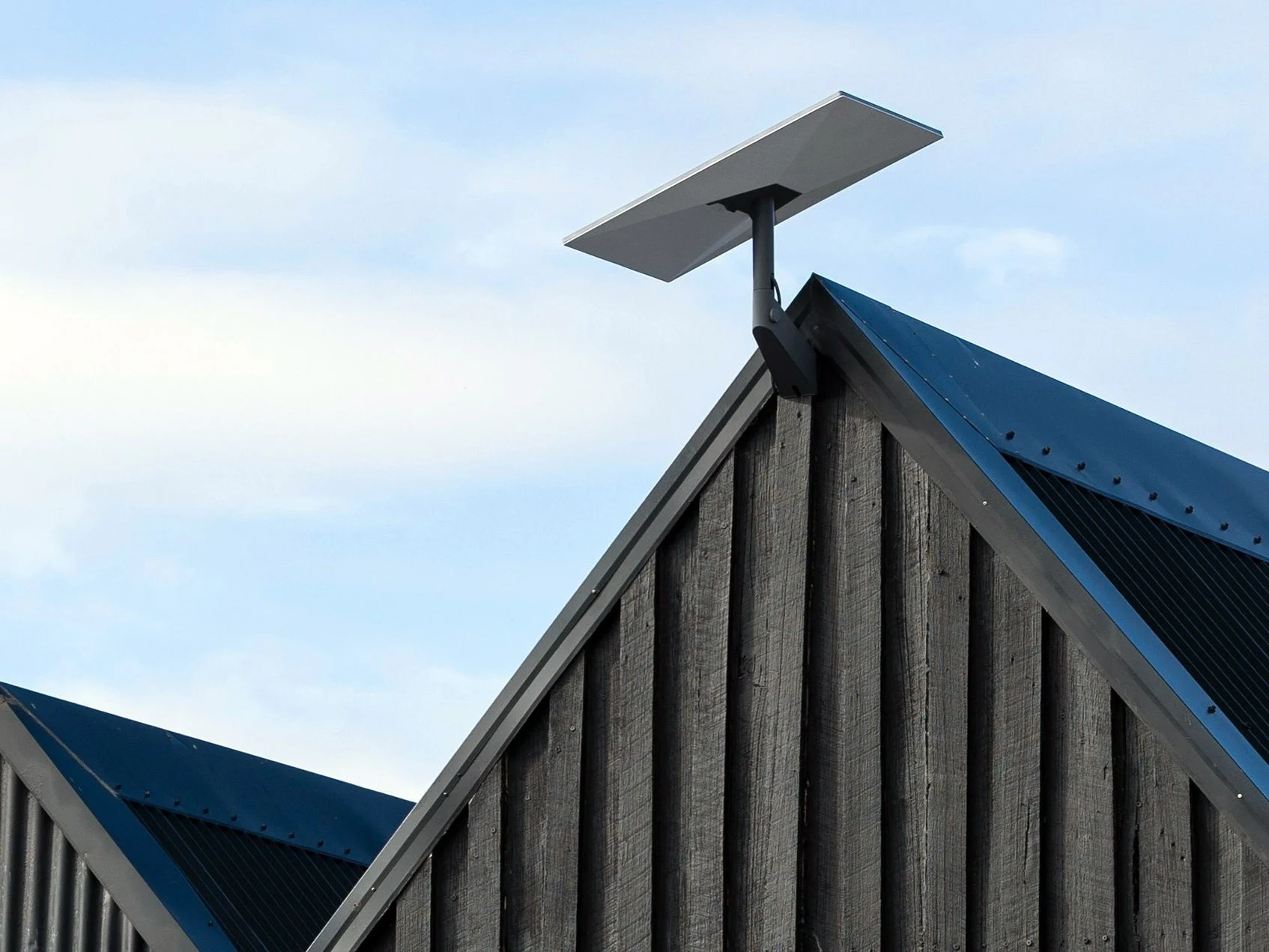
    1. SpaceX is seeking more spectrum access from the FCC to boost Starlink upload speeds significantly beyond the current 10-30 Mbps.

    2. The company aims to operate in additional frequency bands (13.75-14.0 GHz and 14.5-14.8 GHz) to achieve symmetrical download and upload speeds, providing services comparable to fiber optics.

    3. SpaceX argues that current regulatory rules hinder satellite operations and favor older systems, despite competition concerns from companies like Viasat regarding potential interference.

    4. The request for increased spectrum access coincides with SpaceX’s plans to file for an IPO, potentially raising over $75 billion and attracting public investors with improved Starlink services.

    5. SpaceX’s IPO could be the largest ever, valued at approximately $1.75 trillion, with enhanced upload speeds seen as an appealing factor for investors.


    SpaceX is trying to boost the upload speeds of its Starlink dishes by asking the FCC for more spectrum access. This move could increase the uplink speeds significantly from the current 10-30 Mbps.

    Expanding Frequency Bands

    The company is looking for waivers to operate in additional frequency bands within the 13.75 – 14.0 GHz and 14.5 – 14.8 GHz ranges. SpaceX is appealing to the FCC by highlighting its goal for symmetrical download and upload speeds. This would provide rural consumers and businesses in America with a service that is similar to fiber optics but from space.

    Regulatory Challenges

    In a filing made during the week of March 16, SpaceX claimed that the existing regulatory rules “shackle next-generation satellite operations,” which it argues favors outdated geostationary systems at the cost of millions of broadband users. Meanwhile, competition has been fierce, with Viasat arguing that SpaceX’s quest for increased transmission power poses an unacceptable risk of interference. However, the FCC has so far approved all of SpaceX’s requests.

    SpaceX had previously been given clearance to operate across five frequencies, with potential speeds reaching gigabit levels when the larger V3 satellites are launched. Nonetheless, Starlink’s upload speeds have consistently fallen short compared to download rates. This has been a major irritation for video creators, remote workers, and anyone who does more than just watch content from their satellite.

    IPO Timing and Market Impact

    The spectrum request comes at a crucial time for SpaceX. Reports suggest that the company intends to file its initial public offering (IPO) prospectus with regulators soon, potentially this week or the next. Analysts estimate that SpaceX could aim to raise over $75 billion. The prediction platform Kalshi has seen more than $950,000 wagered on when the IPO announcement will occur, and it now suggests a higher chance that it may happen shortly. Enhanced Starlink service with better and more equal upload speeds could serve as an attractive pitch to public investors. SpaceX’s IPO could possibly become the largest ever, valued at around $1.75 trillion.

    Get the Standard Kit on Amazon

    FCC via PCMag & Kalshi

    Source:
    Link


  • Cordless Phones: Enhancing Disaster Relief Efforts

    Cordless Phones: Enhancing Disaster Relief Efforts

    Key Takeaways

    1. Cordless landlines are considered outdated, but their regulated frequencies are still relevant and under consideration by the FCC.
    2. A petition was submitted to the FCC to reclassify neglected VHF Low Band frequencies (46 MHz and 49 MHz) for public use.
    3. The FCC has removed the 46 MHz frequency from its current classification, marking a potential change in access to these frequencies.
    4. VHF radio waves can penetrate obstacles like forests and hills, making them useful for personal and emergency communications during disasters.
    5. The petition is being revised to include the 49 MHz frequency, which is still used in older baby monitors, for potential public access.


    Cordless landlines used to be seen as old-fashioned technology, replaced mainly by cell phones for both work and personal communication. Yet, the frequencies that the FCC assigned to these outdated devices are still regulated by the government. A petition was submitted to the FCC last year to highlight this issue, and recent filings from the FCC indicate that there may be a chance to reclassify these neglected frequencies. At the moment, the main public two-way radio spectrum in the US is located in the UHF (Ultra High Frequency) band, specifically between 462.5500 MHz and 467.7250 MHz. In contrast, the VHF (Very High Frequency) Low Band frequencies, which were used by old cordless phones—46 MHz and 49 MHz—are hardly utilized at all.

    A Step Forward

    Recently, the FCC has taken a significant step by adopting a Direct Final Rule that removes the 46 MHz frequency from its current classification. Although this change does not guarantee availability for GMRS and FRS use, it marks the initial move towards making it accessible to the public. The petition argues that these VHF Low Band frequencies could greatly improve personal and emergency communications. Because VHF radio waves are longer, they can easily penetrate thick forests and navigate over hills, which would be essential during natural disasters. However, since the 49 MHz frequency, which is also frequently used in older baby monitors, hasn’t been reclassified yet, the petition is being revised to urge the FCC to consider making both frequencies available for public use.

  • Amazfit Active 3 Leak: Bigger Battery for New Smartwatch

    Amazfit Active 3 Leak: Bigger Battery for New Smartwatch

    Key Takeaways

    1. The Amazfit Active 3 Premium smartwatch has been spotted in the Zepp app code and FCC filings, indicating its upcoming release.
    2. The device is identified as model A2559 and features Bluetooth 5.3 and a 500 mAh battery.
    3. The battery capacity is larger than the Amazfit Active 2, which has a 270 mAh battery, providing longer usage time.
    4. The packaging suggests the smartwatch will be available globally, with multiple languages and certification marks.
    5. The exact launch date for the Amazfit Active 3 Premium is still unknown, but fans hope it will be released in the coming months.


    The Amazfit Active 3 Premium smartwatch has been seen again. Even though the company hasn’t officially confirmed this device, it was recently found in the code of the Zepp app version 10.0.5.

    New Discoveries in the Filing

    Now, the Amazfit Active 3 Premium has made another appearance, this time in a filing with the Federal Communications Commission (FCC) in the United States. The documents mention it as model A2559, and a sketch of the product’s packaging (see screenshot below) verifies the name “Amazfit Active 3 Premium.”

    Key Features and Specs

    This sketch also shows that the Amazfit Active 3 Premium will have Bluetooth 5.3 and a 500 mAh battery. To give some context, the 2025 Active 2 Round and Premium models feature a 270 mAh battery, which offers about 10 days of usage under normal conditions. The newer Active Max currently costs $169.99 on Amazon and has a bigger 658 mAh battery, boasting an impressive estimated runtime of 25 days.

    The packaging for the Amazfit Active 3 Premium shows multiple languages and certification marks, indicating it will be released globally. As is typical, the Active 3 Premium will also include a strap and a charging puck. It’s still unclear when the Amazfit Active 3 Premium smartwatch will actually be launched, but some fans are hoping it will happen within the next few months.

    FCC, Gadgets & Wearables

    Source:
    Link


  • New DJI Osmo Pocket 4 Pro Leak Hints at Global Release

    New DJI Osmo Pocket 4 Pro Leak Hints at Global Release

    Key Takeaways

    1. DJI has not officially announced the Osmo Pocket 4, despite its FCC certification six months ago.
    2. The Osmo Pocket 4 Pro is expected to launch in spring, following the Osmo Pocket 4 release.
    3. The design of the Osmo Pocket 4 Pro remains undisclosed, with images withheld until June 2026.
    4. The Osmo Pocket 4 Pro will feature a 1,545 mAh battery, an upgrade from the Osmo Pocket 3’s 1,300 mAh battery, but the same as the Osmo Pocket 4.
    5. The FCC certification indicates a worldwide launch for the Osmo Pocket 4 Pro is likely.


    For context, the Osmo Pocket 4 hasn’t been announced by DJI yet, even tho it got FCC certification nearly six months ago. So, the introduction of the Osmo Pocket 4 Pro doesn’t mean DJI will be launching this new vlogging camera any time soon. Right now, DJI is anticipated to launch the Osmo Pocket 4 Pro in the spring, following the Osmo Pocket 4 release.

    Details About The Osmo Pocket 4 Pro

    The FCC hasn’t disclosed the design of the Osmo Pocket 4 Pro yet. Instead, they have decided to withhold any images until the end of June 2026. In the meantime, it has been confirmed by the FCC that the Osmo Pocket 4 Pro will use a battery with a capacity of 1,545 mAh (7.7 V). This is a significant improvement from the 1,300 mAh battery found in the Osmo Pocket 3, although it is equal to the battery in the Osmo Pocket 4. Regardless, the FCC’s certification pretty much guarantees that DJI will launch the Osmo Pocket 4 Pro worldwide.

    Conclusion

    The information from the FCC via The New Camera suggests that excitement is building for the release of the Osmo Pocket 4 Pro, but we still have to wait for more details about its design and features.

    Source:
    Link


  • SpaceX Secures Pentagon Contract for Starlink 5G Network

    SpaceX Secures Pentagon Contract for Starlink 5G Network

    Key Takeaways

    1. SpaceX has secured all military launches for the U.S. Space System Command, receiving contracts worth $739 million without competition.
    2. The Pentagon values SpaceX for its unmatched capabilities in carrying out multiple mission launches efficiently and cost-effectively.
    3. The FCC has granted SpaceX permission to launch an additional 15,000 satellites, doubling its previous approval, enhancing Starlink’s competitive position in the 5G market.
    4. Upgrades for Starlink’s V2 satellites and the approval of new orbital shells aim to improve network coverage and speed.
    5. Federal regulators support SpaceX’s plans for a Starlink Mobile 5G carrier, which could operate independently of traditional cellular networks.


    Elon Musk’s ventures, including Tesla and SpaceX, are increasingly gaining favor with the federal government. The Pentagon has selected SpaceX to handle military launches, awarding contracts worth $739 million, without facing any real competition.

    Military Launches Secured

    SpaceX has essentially secured all military launches for the Space System Command for the coming years. These tasks range from advanced missile warning systems and tracking to new reconnaissance satellites for the U.S. Intelligence Community.

    The task orders given to SpaceX for our mission partners, SDA and NRO, shows how much we value being efficient and cost-effective in our Phase 3 Lane 1 strategy to deliver space capabilities to the military quickly and at a good price for U.S. taxpayers.

    Unmatched Capabilities

    The Pentagon appears to believe that SpaceX’s ability to carry out four distinct mission launches, which are set to start at the end of 2026 and extend into 2028, is unparalleled for the cost involved.

    In a similar vein, the FCC has granted SpaceX a new permit to launch an additional 15,000 satellites, which sets the stage for Starlink to compete with major 5G carriers like T-Mobile and Verizon, offering gigabit satellite Internet speeds.

    SpaceX already had approval for 7,500 additional satellites, and the FCC has now doubled that number, claiming that this “authorization is a game-changer for enabling next-generation services.” Elon Musk has indicated that SpaceX plans to file for an IPO by 2026, meaning easing regulatory hurdles will be a positive sign for potential investors.

    Starlink Expansion

    Not only does the FCC now permit a total of 19,400 Starlink satellites in orbit, but it has also approved upgrades for the V2 satellites in the constellation with “advanced form factors and cutting-edge technology.” Older regulations on overlapping beam coverage and capacity are being removed to facilitate the V3 satellite launches, aimed at enhancing Starlink’s gigabit-speed network.

    Following an issue with a rogue satellite that lost maneuverability, SpaceX announced it would lower its satellite constellation’s orbit as a precaution. The FCC has approved new orbital shells in the altitude range of 340-485 km to optimize the spacing of the new satellites for better coverage and faster network speeds.

    Future of Starlink Mobile

    In conclusion, federal regulators have endorsed SpaceX’s ambition for a Starlink Mobile 5G carrier that operates independently of terrestrial cellular networks, both in the U.S. and internationally, thus “paving the way for next-generation mobile services.”

    Elon Musk has recently stated that federal contracts make up only a small part of SpaceX’s revenue, with most income coming from Starlink connectivity sales. It seems the government is facilitating a major expansion of Starlink service capacity by stepping aside.

    Source:
    Link


  • DJI Avata 360: 25% Battery Upgrade Before Global Release

    DJI Avata 360: 25% Battery Upgrade Before Global Release

    Key Takeaways

    1. DJI’s new drone, the Avata 360, offers a full 360-degree camera view without needing built-in landing gear.
    2. The Avata 360 can rotate its camera 90° for forward-facing recording, eliminating the need for image combination from multiple sensors.
    3. The new drone features a 38.67 Wh battery, providing a 22% increase in energy capacity compared to the Avata 2.
    4. The Avata 360 is expected to include dual 1/1.1-inch CMOS cameras for 8K video recording and 360° capture.
    5. The official name for the new model has been confirmed as DJI Avata 360 by the FCC.


    More information regarding DJI’s first consumer drone that offers a full 360-degree view has surfaced online, primarily coming from the Federal Communications Commission (FCC) in the United States. Over three months ago, there were whispers about DJI working on an alternative to the Antigravity A1, but it wasn’t until early November that clear images of the Avata 360 became available.

    New Features and Design

    Recently, additional details emerged suggesting that the Avata 360 might not require the Antigravity A1’s built-in landing gear. Essentially, the Avata 360 can rotate its camera by 90° to record footage facing forward without the need to combine images from two different sensors as seen with the Antigravity A1. The latest data from the FCC also indicates that DJI’s upcoming drone is set to have a significant battery enhancement compared to the current Avata 2, which is priced at $619 on Amazon.

    Battery Specifications

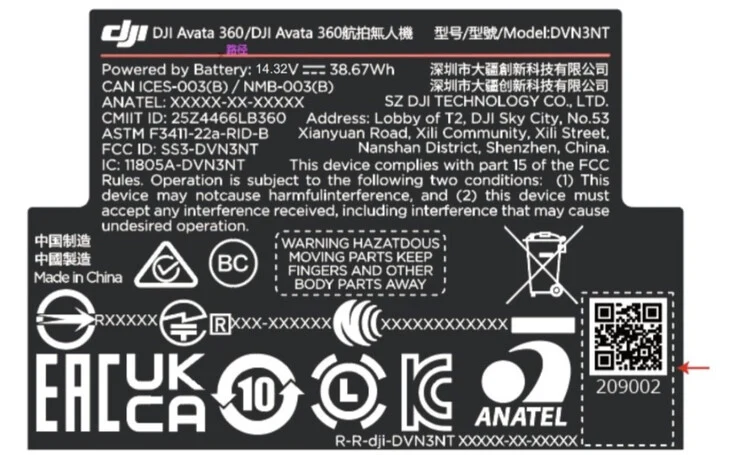
    For reference, DJI currently provides the Avata 2 with a 31.7 Wh battery (14.76 V), while its predecessor has a 35.71 Wh (14.76 V) battery. In contrast, the FCC has disclosed that DJI has chosen a 38.67 Wh (14.32 V) battery for the Avata 360, marking an approximate 22% increase in energy capacity over the Avata 2. Additionally, due to the differences in voltage, the battery capacity will actually expand by about 26%. Interestingly, the FCC has also confirmed that the official name for this model will be DJI Avata 360. Based on the latest rumors, the Avata 360 is expected to feature dual 1/1.1-inch CMOS cameras, allowing it to record 8K videos and capture in 360° format.


    Source:
    Link