Tag: FCC

  • SpaceX Plans Starlink Upgrade for Gigabit Internet Speeds

    SpaceX Plans Starlink Upgrade for Gigabit Internet Speeds

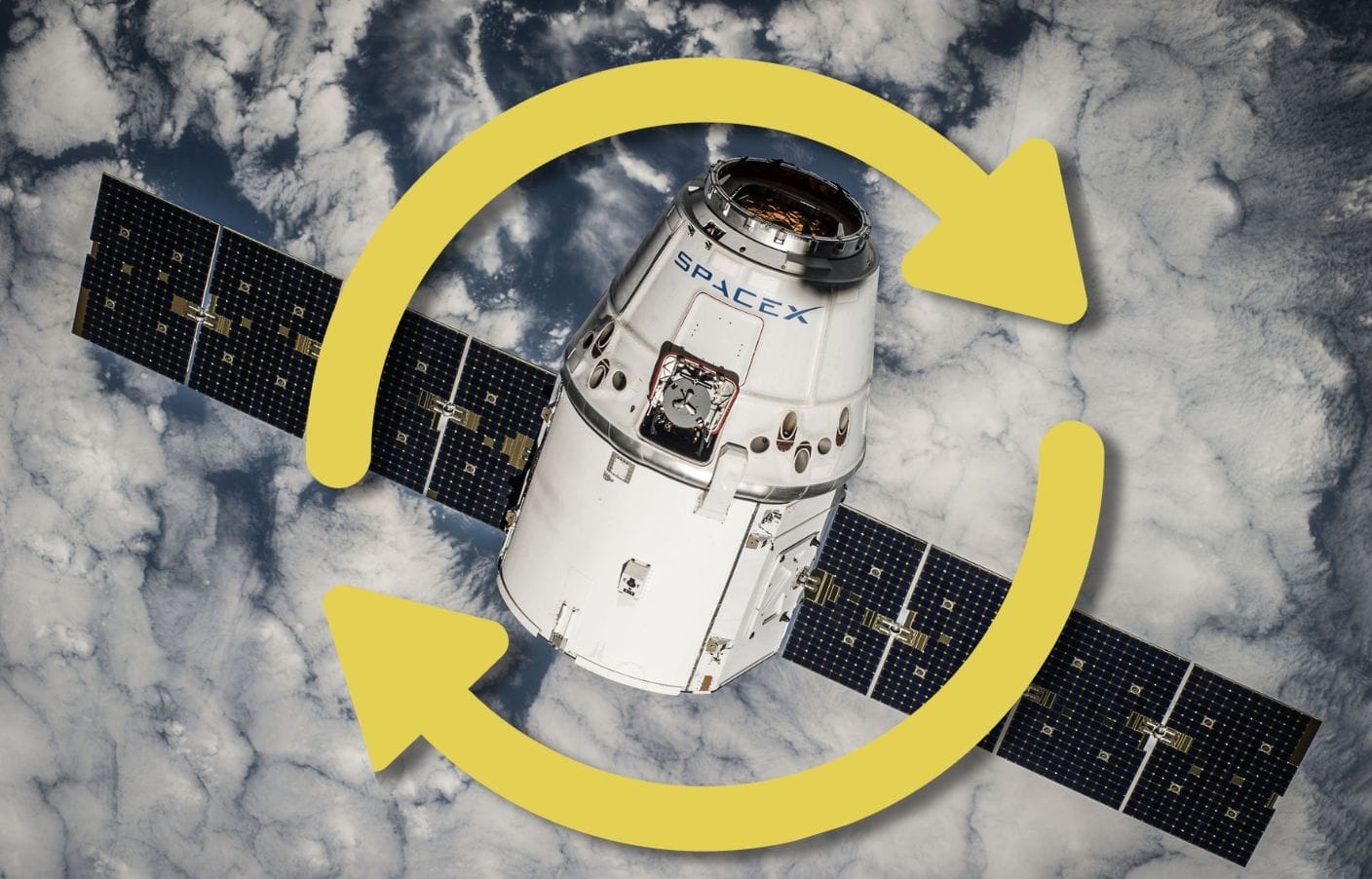
    On October 11, 2024, SpaceX made a formal request to the FCC to modify several aspects of the Starlink Network. These modifications are part of SpaceX’s Gen2 NGSO satellite system, which the company says will introduce a range of enhancements. Specifically, the upgraded network aims to provide gigabit service to its customers. Additional improvements include reduced latency, widespread mobile connectivity, and adjustments to the network to accommodate the rising demand from users.

    Proposed Satellite Adjustments

    To boost the performance of the network, SpaceX is seeking to lower the altitude of three groups of satellites by approximately 8.5 percent from their current nominal height. SpaceX asserts that this adjustment will enhance space sustainability by decreasing the chances of collisions and shortening the time required for the post-mission disposal of Gen2 satellites. In simpler terms, this means that the satellites will have a lower risk of crashing into other objects and will disintegrate in the atmosphere more quickly once they reach the end of their operational life. The transition to a lower orbit will also facilitate the deployment of more satellites in the future, which is crucial given the growing demand for services, particularly in remote regions. Furthermore, SpaceX is looking to modify the number of satellites in each group to maximize coverage.

    Changes to Elevation Angles

    Along with lowering the nominal altitude, SpaceX is proposing a shift in the minimum elevation angle from 25 degrees to 20 degrees. This adjustment would extend the communication time between satellites and ground stations by allowing satellites to keep in touch even when they are closer to the horizon. Despite this potential benefit, there are worries that the lower altitude may interfere with other satellite systems, although SpaceX has provided evidence to counter these concerns.

    In conclusion, there are numerous reservations regarding these proposed modifications, and various stakeholders are opposed to them. Companies like Amazon, along with astronomers and regulatory bodies, have legitimate reasons for their opposition to SpaceX’s plans. For further information on the proposed changes, the full filing is available below.

    FCC filing via Ars Technica and Pixabay.

  • Xiaomi Redmi Note 14 Pro 5G: Global Release with 12GB RAM

    Xiaomi Redmi Note 14 Pro 5G: Global Release with 12GB RAM

    Xiaomi has just introduced the Redmi Note 14 series in China, but it looks like the situation might change soon and perhaps even sooner than what earlier rumors suggested. Currently, the Redmi Note 14 series includes the Redmi Note 14, Redmi Note 14 Pro, and the Redmi Note 14 Pro Plus.

    New Developments

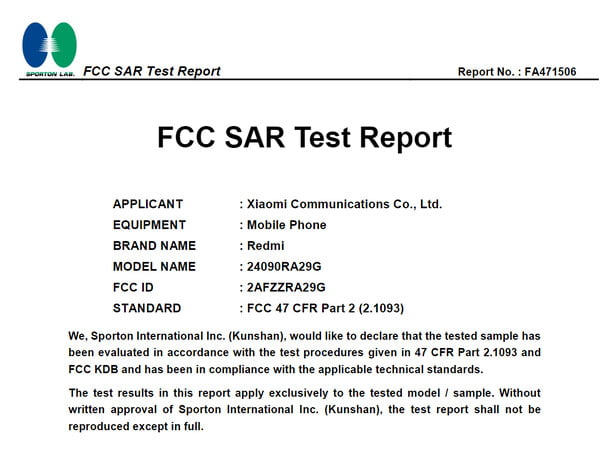
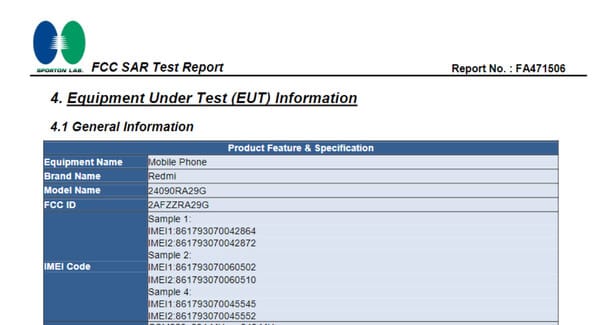
    Recently, the Redmi Note 14 Pro 5G was seen along with a 4G version on the Federal Communication Commission’s (FCC) public database. It’s important to mention that the FCC identifies the device with its model number, 24090RA29G, rather than its retail name. Still, this model number has been previously connected to the retail name Redmi Note 14 Pro 5G.

    Expected Differences

    There are rumors that the global version of the phone will have some differences compared to the Chinese model in a significant way. As mentioned before, Xiaomi is likely to use different camera hardware for the global version to align it with the current Redmi Note 13 Pro 5G (priced at $276 on Amazon). While the exact timeline for the global release of the Redmi Note 14 5G phones is still unclear, it seems that they will first appear in India before being available in other regions.


    Image 1
    Image 1
    Image 1
  • Xiaomi Redmi Note 14 Pro 4G Leak: Global Release Expected Soon

    Xiaomi Redmi Note 14 Pro 4G Leak: Global Release Expected Soon

    Barely any time has passed since Xiaomi unveiled the Redmi Note 14 series, but it seems the company is moving quickly to refresh its 4G model, similar to what they did earlier in the year with the Redmi Note 13 series.

    Global Release on the Horizon

    So far, Xiaomi has only introduced the Redmi Note 14, Redmi Note 14 Pro 5G, and Redmi Note 14 Pro Plus in China. However, there are signs that a global launch is being planned. The Redmi Note 14 Pro 5G has recently been approved by the Federal Communications Commission (FCC) in the United States.

    New 4G Model Details

    In addition, Xiaomi seems to have registered a 4G version with the same regulatory body. As is common, the FCC does not mention the specific name of the device. Instead, it lists the model number ‘24116RACCG’, indicating that we might see a global release in November 2024.

    Specifications and Features

    The model 24116RACCG will only work with 4G connectivity, hinting that Xiaomi wants to create a successor to the Redmi Note 13 Pro 4G, which currently costs $215.52 on Amazon. The FCC also released a document showing that the 24116RACCG will feature a 6.67-inch pOLED display with a resolution of 1080p and a hefty 5,500 mAh battery. As depicted in the image below, the device is expected to come in three memory options, with a maximum of 12 GB of RAM and 512 GB of storage. Sadly, there hasn’t been any news about the design of the Redmi Note 14 Pro 4G yet.

    FCC via GSMArena & YTECHB


    Image 1
    Image 1
  • DJI Mavic 4 Battery Upgrade Leaked: Mavic 3 Pro Comparison

    DJI Mavic 4 Battery Upgrade Leaked: Mavic 3 Pro Comparison

    It is common knowledge that DJI is gearing up to launch the Air 3S after recently unveiling the Neo, which is currently priced at $199.99 on Amazon. New information, however, implies that DJI is also in the process of developing a next-generation series of Mavic drones.

    Mavic 4 Developments

    To summarize, the Mavic 4 has made appearances in various images over the past few months. Although DJI hasn’t officially acknowledged anything yet, it seems that the company has filed documents for the same drone with the Federal Communications Commission (FCC). Sadly, the documents from the regulatory body do not specifically mention the Mavic 4 by name.

    Model Identification

    Instead, DJI has tried to hide the identity of the device they are working on by using model numbers rather than retail names. Nevertheless, the FCC has verified that ‘JV31’ and ‘JV32’ refer to the same device, which also looks like a drone in one sketch. It is likely that these represent ‘Cine’ and ‘Pro’ versions of the Mavic 4, as suggested by leaker Jasper Ellens.

    Battery Specifications

    Additionally, the FCC has indicated that the Mavic 4 could come equipped with a much larger battery compared to both the Mavic 3 and Mavic 3 Pro. According to the first image below, both ‘JV31’ and ‘JV32’ have 99.5 Wh batteries (14.76V/6,471 mAh). Therefore, we can expect the Mavic 4 to provide better flight durations than the Mavic 3 or Mavic 3 Pro, which reach maximum times of 46 minutes and 43 minutes, respectively, using a 77 Wh (15.4V/5,000 mAh) battery.

    FCC via DroneXL & @jasperellens


    Image 1
    Image 1
    Image 1
    Image 1
  • DJI Air 3S Leak: Larger Battery and Features Revealed Before Launch

    DJI Air 3S Leak: Larger Battery and Features Revealed Before Launch

    DJI’s upcoming Air series drone is nearly confirmed, even though the company hasn’t officially mentioned plans to replace the Air 2S or Air 3. The drone has been identified in the public database of the Federal Communication Commission (FCC). While getting FCC certification doesn’t guarantee a product launch, it has frequently indicated future releases for DJI in recent times.

    New Drone Details

    Recently, DJI launched a lightweight 135 g drone named the Neo, currently priced at $199 on Amazon. There are indications that DJI might also be working on an update related to first-person view (FPV) for this new compact drone, with further details available in a separate article. In contrast, the FCC certification has focused on the Air 3S, and notably, it mentions the drone by name even before its official announcement.

    Battery and Features

    The FCC has also disclosed that the Air 3S will come equipped with a new battery that has a capacity of 4,276 mAh (62.5 Wh). This means that the Air 3S will have a larger battery compared to the Air 3. However, a 25 mAh increase in capacity is not likely to significantly enhance battery life between these two models. According to recent speculation, DJI may introduce some camera upgrades with the Air 3S, including a new 1-inch type camera sensor. The company is anticipated to unveil the Air 3S sometime in late September or early October.

    FCC via @JasperEllens, @MauroTandoi & @Quadro_News


    Image 1
    Image 1