– Starlink ends free dish offers; introduces monthly rental fees for Standard ($10/month) and Mini hardware.
– New hardware rental means subscribers never own the dish and must return it if they cancel service.
– SpaceX valuation exceeds $2 trillion post-IPO; shareholders now demand consistent financial results.
– Upcoming Gen 4 Standard and Mini dishes feature improved portability, built-in battery, and support for gigabit V3 satellites.
– Rental fees applied globally to Starlink’s 12M+ subscribers, generating significant recurring revenue.
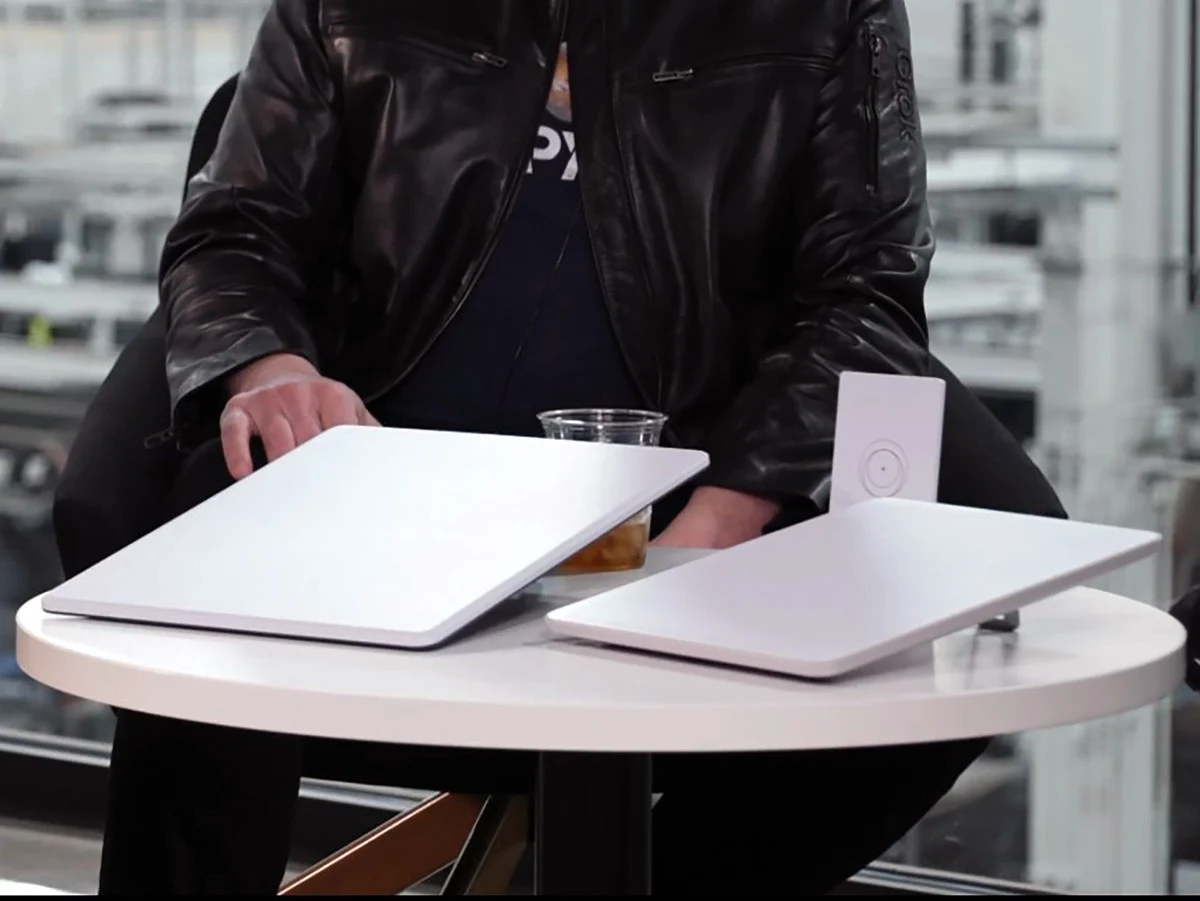
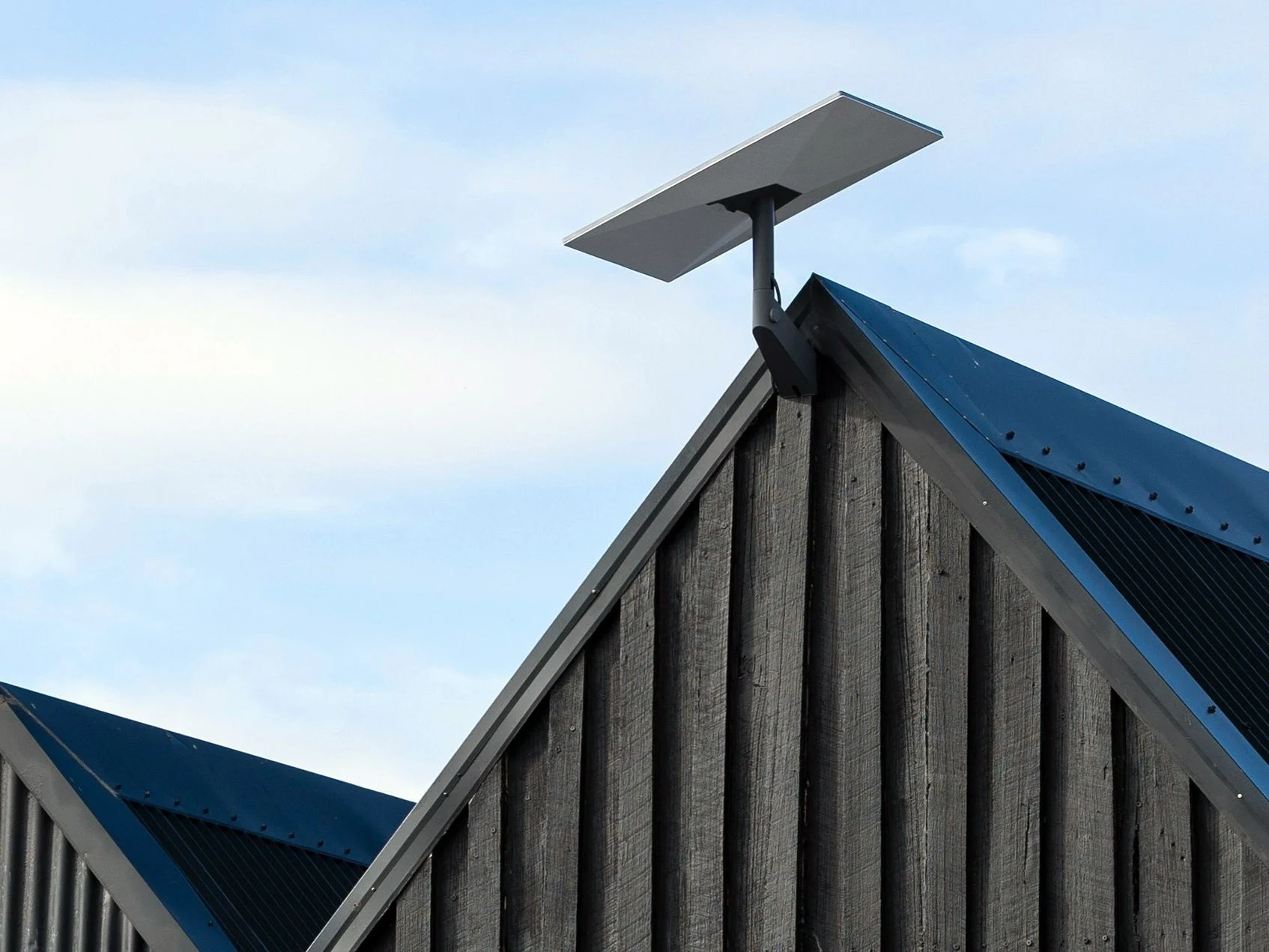
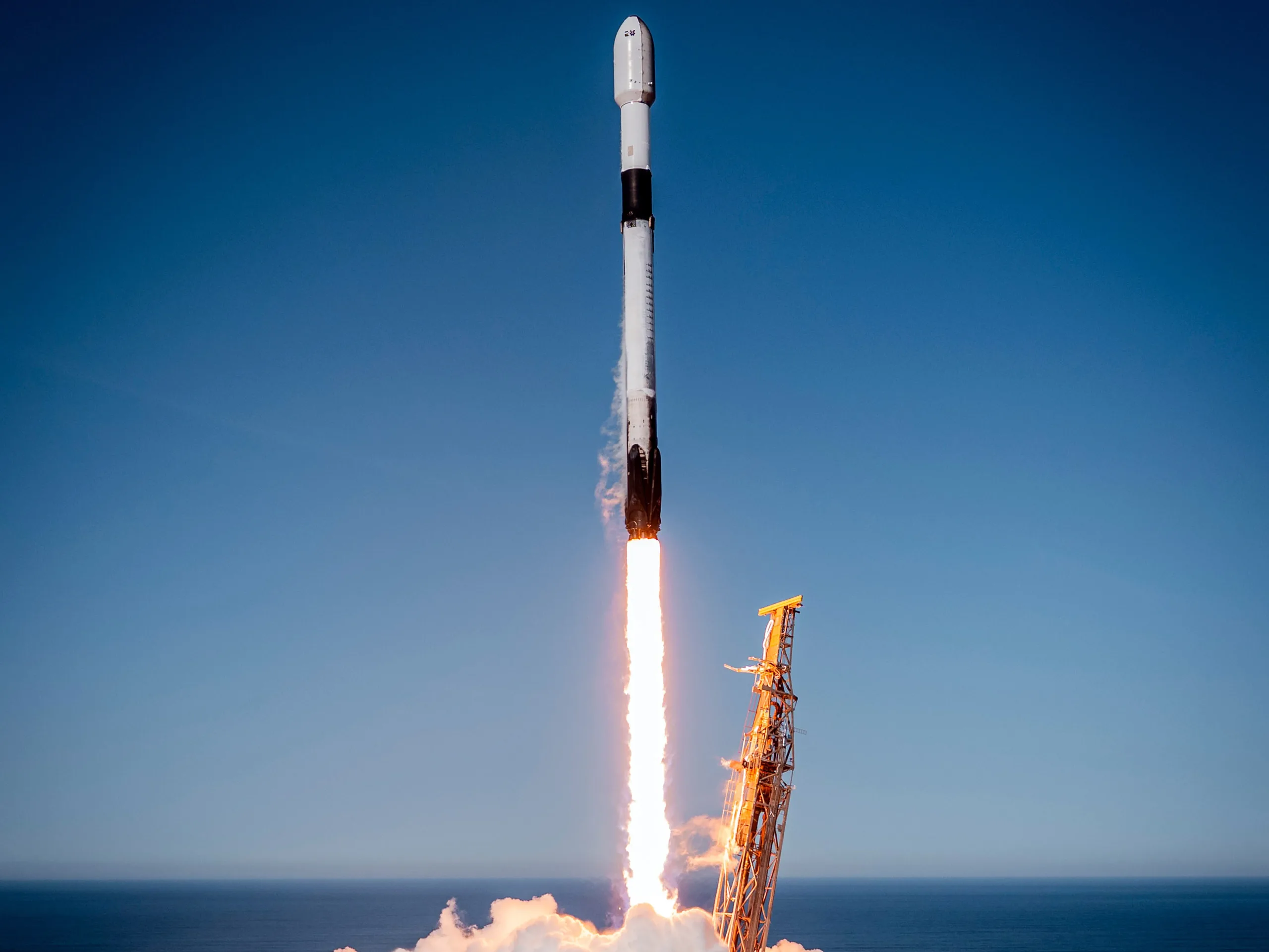
The SpaceX IPO came and went, and there would soon be new Starlink Standard and Mini dish hardware to go with it that will, however, no longer be offered free of charge. The next Starlink dish generation is said to be more portable thanks to a more compact Standard Kit design and a built-in battery for the Mini dish.
The Valuation and Financial Demands
The SpaceX valuation is now north of $2 trillion as of Friday close, and the company’s newly minted shareholders will all be demanding financial results. The free Standard and Mini dish deal that Starlink has been offering for a good while now to amass as many customers as possible for all the growth charts in the IPO prospects is no more.
New Hardware Charges
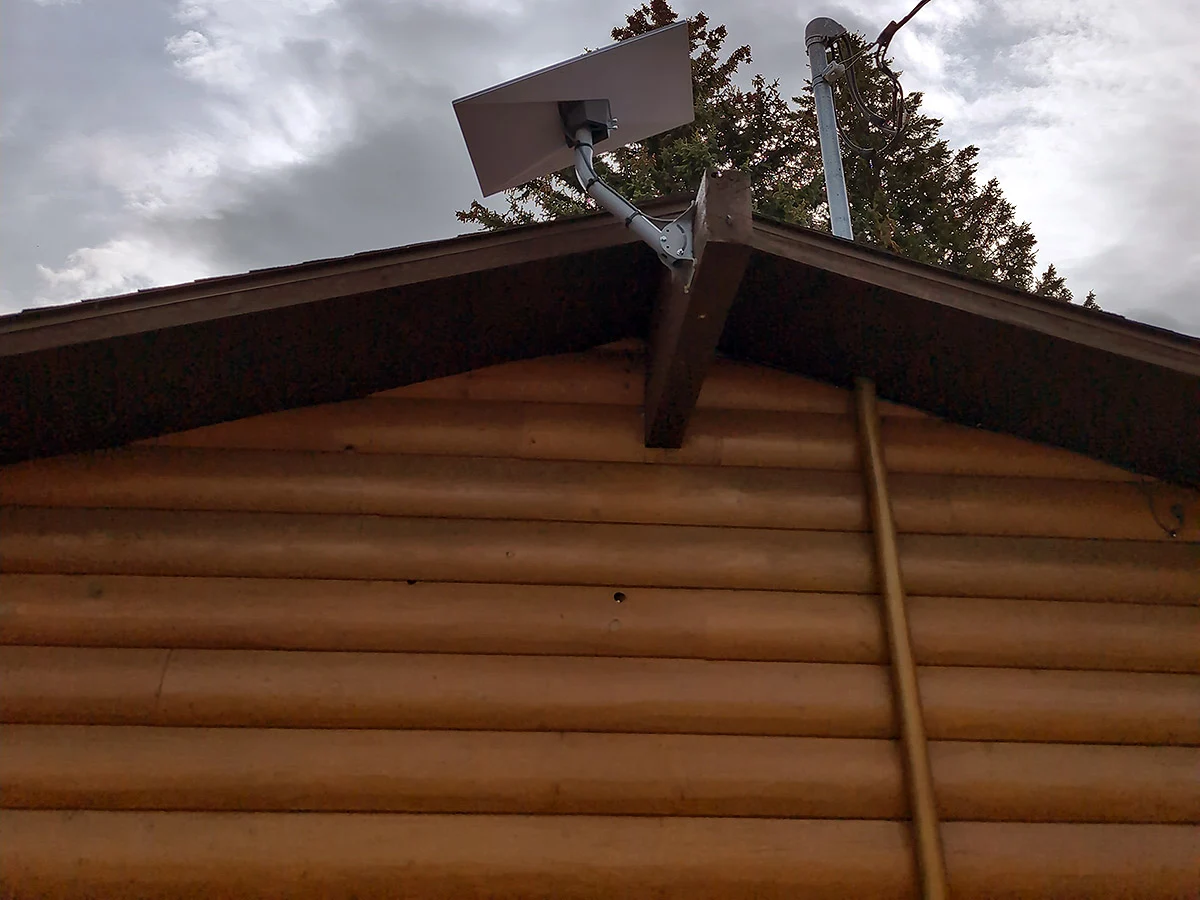
Instead of offering a Starlink Standard dish as a free rental with a Residential plan, Starlink is now charging $10/month for the kit in the form of a “monthly kit fee” or a “hardware rental.”
Needless to say, this new Starlink monthly payment can exceed the price of the dish itself over the course of time, and the subscriber still wouldn’t own it and would have to return it if they cancel their service.
Discontinued Perks for Max Plan
Not only that, but the free Starlink Mini dish perk that went with the $130/month Residential Max plan at full speed has been discontinued, too. Not only would Max plan subscribers have to shell out $140/month because of the new “kit fee” now, but they would also have to buy their own Mini dish in case they want their satellite Internet to be portable at times of need for the duration of the contract.
The new hardware kit rental fee is global and would represent a good chunk of monthly change for SpaceX given Starlink’s 12 million subscribers and counting.
Upcoming Hardware Generation
On the other hand, SpaceX might be preparing the ground for the upcoming hardware generation upgrade. The Starlink Standard Gen 4 kit may be more portable and support more features, including the new gigabit-speed constellation that will come with the launch of Starlink’s V3 satellites later this year.
The Mini dish could also get a travel-friendly upgrade in the form of its own built-in battery and USB-C charging and might support faster Starlink satellite Internet speeds, so the rental fee would be a reflection of the new features upgrade.