Key Takeaways
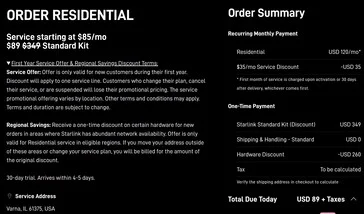
1. Starlink launched a new $80/month Residential Lite satellite Internet plan across the United States, targeting several Eastern states.
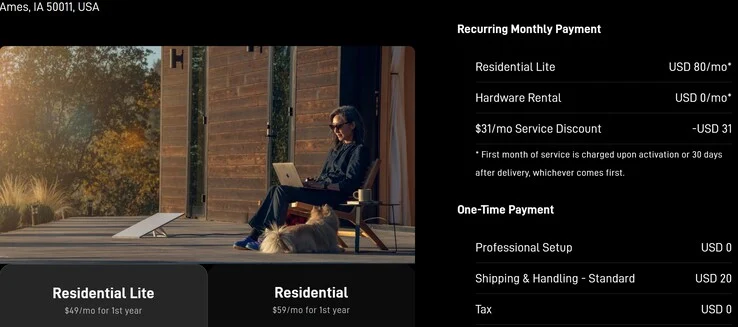
2. The Residential Lite plan is one-third cheaper than the standard Residential plan and offers typical peak speeds of 200 Mbps.
3. Download speeds for the Residential Lite plan range from 80 to 200 Mbps, with upload speeds up to 35 Mbps, depending on network load.
4. Coverage for the Residential Lite plan has expanded significantly, allowing more users in the US to access this affordable satellite Internet option.
5. Current subscribers of the standard $120/month plan in newly added regions can switch to the Lite option if they do not need speeds over 400 Mbps.
Starlink has recently launched its $80/month Residential Lite satellite Internet plan throughout the United States, extending its coverage to several Eastern states.
Affordable Option
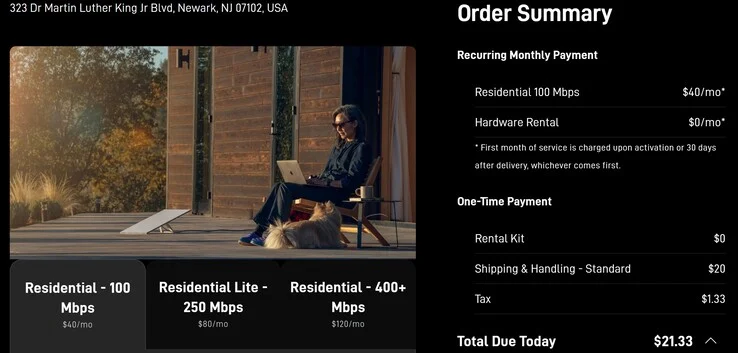
This new plan is one-third less expensive than the standard Residential plan that comes with the same Standard Kit, and it boasts typical peak speeds of 200 Mbps. While Starlink does offer a cheaper $40 Internet plan, this option is restricted to certain areas without congestion fees, and it has a cap of 100 Mbps for downloads.
Speed Capabilities
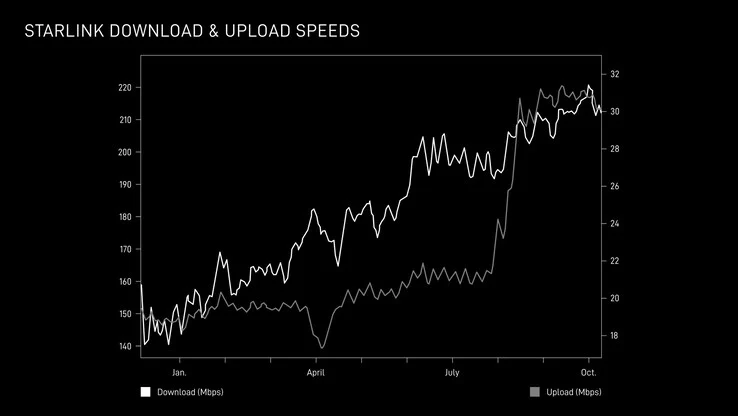
According to Starlink, the Residential Lite plan can deliver typical download speeds ranging from 80 to 200 Mbps, depending on the network load, with upload speeds reaching up to 35 Mbps. Initially available only in the Western and Central regions of the US, a significant portion of the East was left out of this more affordable plan which still provides commendable Internet speeds.
Greater Accessibility
Now, however, the areas without Starlink’s Residential Lite coverage have significantly decreased, allowing most users in the US to benefit from this budget-friendly satellite Internet plan. Nonetheless, regions with high congestion fees remain off-limits for this plan, as Starlink has a surplus of customers in those areas, exceeding what their network can support.
For those who are already subscribed to the standard $120/month Residential plan in the newly added Eastern regions, there is now an opportunity to switch to the more economical Lite option, provided they do not require the 400+ Mbps speeds that come with the more expensive Starlink Residential plan.
Source:
Link