Tag: satellite internet

  • Starlink Shifts $10/month Plan Users to $5 Standby Mode

    Starlink Shifts $10/month Plan Users to $5 Standby Mode

    Key Takeaways

    1. The $10/month Starlink Roam plan is being eliminated, which offered 100 Mbps download speed and 10 GB of full-speed data.
    2. Users of the $10 plan will be switched to a new $5 Standby Mode, which offers unlimited low-speed Internet at 1 Mbps.
    3. The Standby Mode previously was a free feature, but has now been changed to a paid service.
    4. Starlink has also removed the $40/month plan and shifted it to the Roam category for select users before eliminating it entirely.
    5. The new least expensive Starlink plan will be the $50/month basic roaming plan, offering 100 GB of data and unlimited low-speed Internet thereafter.


    Starting off, the $10/month option for Starlink’s full-speed satellite Internet plan is being eliminated. This plan is the most affordable way to access Starlink, offering a top download speed of 100 Mbps while roaming.

    Introduction of the $10/month Plan

    The Starlink Roam plan, priced at $10 per month, was launched less than a year ago. It was initially designed to assist Mini dish users who needed satellite Internet intermittently as a backup in areas lacking cellular service. This plan includes 10 GB of full-speed data, and after that, users would pay $2 per GB. Many users found this to be sufficient, so they chose not to upgrade to the more expensive $50/month Roam tier.

    Changes to User Plans

    Starlink is now alerting users of the $10 plan that they will be transferred to the $5 Standby Mode. This change is based on their usage patterns, suggesting this new option would meet their needs.

    The Standby Mode isn’t a real plan, however. It was previously a free service where Starlink users had no data limit but could pause and resume their service after the end of their contract. Now, Starlink has transformed the free Pause feature into a $5/month Standby Mode, claiming it will provide unlimited low-speed data during this period.

    Limitations of the New Standby Mode

    Unfortunately, the low-speed Internet offered during Standby Mode is quite slow, with download speeds at just 1 Mbps and upload speeds at 0.5 Mbps. This speed is only adequate for checking emails occasionally. Starlink will combine the $10/month Roam plan with its 10 GB of full-speed data into the $5 Standby Mode, which will offer unlimited 1 Mbps data. This change will take place 30 days after the subscribers are notified.

    Additionally, Starlink has also recently removed the $40/month plan, which was its least expensive Residential option, and shifted it to the Roam category but only for select users. Eventually, this plan was eliminated altogether, and Starlink has doubled the basic data allowance for the $50/month roaming plan while reducing the Mini dish price by 20% as compensation.

    In any event, within the next month, the least expensive Starlink satellite Internet plan will no longer be the $10 Roam option that includes 10 GB of full-speed data. Instead, it will be the $50/month basic roaming plan that provides 100 GB and unlimited low-speed Internet thereafter.

    Source:
    Link



  • TeraWave Offers 6-Terabit Satellite Internet to Compete with Starlink

    TeraWave Offers 6-Terabit Satellite Internet to Compete with Starlink

    Key Takeaways

    1. Target Market: TeraWave focuses on approximately 100,000 enterprise, data center, and government clients needing reliable and high-capacity internet.

    2. Advanced Technology: The system uses a network of 5,408 satellites in low and medium Earth orbit, featuring high-speed connections and optical links for efficient data transfer.

    3. Planned Rollout: Blue Origin aims to launch the TeraWave constellation by the end of 2027, but has not provided pricing or customer commitments.

    4. Competition: TeraWave enters a competitive market with rivals like SpaceX’s Starlink and Amazon’s Kuiper, both targeting similar enterprise and government segments.

    5. Operational Challenges: Blue Origin faces significant challenges in manufacturing, launching, and maintaining thousands of satellites with precise optical link operations.


    Jeff Bezo’s Blue Origin has unveiled TeraWave, a satellite internet system intended to deliver up to 6 Tbps of symmetrical bandwidth, specifically targeting enterprise, data center, and government clients. In contrast to Starlink, which caters to millions of individual consumers, TeraWave is focused on a much narrower clientele.

    Targeting a Select Market

    Blue Origin claims the network will cater to about 100,000 customers worldwide, concentrating on organizations that need consistent throughput and predictable performance for large-scale operations. The company stated, “This network will service tens of thousands of enterprise, data center, and government users who require reliable connectivity for critical operations.”

    Advanced Satellite Technology

    TeraWave is based on a multi-orbit arrangement of 5,408 satellites distributed across low Earth orbit and medium Earth orbit. The majority of these satellites operate in low Earth orbit, connecting to ground terminals through radio frequency links that Blue Origin asserts can achieve speeds of up to 144 Gbps. A smaller cluster of 128 satellites in medium Earth orbit serves as a high-capacity backbone, utilizing optical links to transfer data at terabit scale between the satellites and ground infrastructure.

    The optical links, which depend on laser-based communication instead of conventional radio waves, are central to TeraWave’s ambitious capacity. Optical inter-satellite links can transmit large amounts of data with lower latency and less interference, yet they require precise alignment and stable operating conditions.

    Future Deployment Plans

    Blue Origin plans to commence the rollout of the TeraWave constellation around the end of 2027. Nevertheless, the company has not disclosed any pricing information or initial customer commitments, leaving it uncertain how quickly enterprise clients will gain access to the highest-capacity links once the launches start.

    TeraWave is stepping into a competitive field filled with powerful rivals. Elon Musk’s SpaceX is continually expanding Starlink, which now includes services designed for government and military applications through Starshield. In addition, Amazon is developing its own low Earth orbit network under the Kuiper initiative, with enterprise-grade terminals already revealed. Meanwhile, Blue Origin must overcome the hurdle of executing a complicated satellite program without the operational advantage that SpaceX currently has.

    Challenges Ahead

    Producing thousands of satellites, launching them on time, and ensuring dependable optical links across various orbits will put the company’s manufacturing and launch capabilities to the test.

    Source:
    Link


  • Starlink 100 GB Roam Plan: Free Unlimited Low-Speed Data

    Starlink 100 GB Roam Plan: Free Unlimited Low-Speed Data

    Key Takeaways

    1. Starlink’s Roam plan data limit increased from 50 GB to 100 GB for $50 per month, with some locations offering it for $40.
    2. The Starlink Mini dish is now being shipped for free to customers on the Standard plan tier.
    3. The new Roam plan allows unlimited low-speed data (1 MBps) after reaching the 100 GB cap, supporting basic tasks.
    4. Compared to the previous policy, users will no longer lose service after hitting the data limit; alerts will be provided at 80 GB and 100 GB.
    5. Starlink’s unlimited plan is priced at $165 per month, making the Roam plan a more affordable option for casual travelers.


    Starlink has announced that it will be increasing the data limit for its most affordable Roam plan, raising the monthly cap from 50 GB to 100 GB.

    Details on the Roam Plan

    This basic Roam plan is designed for users who only need occasional access and comes with the Starlink Mini dish, which is currently available at a discount on Amazon. The new 100 GB option will still cost $50 per month, but in certain locations, Starlink is offering it for just $40 per month, making it the lowest price for satellite internet at the moment.

    Free Dish for Customers

    Additionally, SpaceX has started shipping the Starlink Mini dish for free to customers on the Standard plan tier, providing them with a way to stay connected while traveling. With the increased data cap and the added Mini dish, the basic Roam plan is likely to attract more casual travelers, especially considering that the unlimited plan, which operates at full speed, is priced at a hefty $165 per month.

    New Features After Data Cap

    The new 100 GB Roam plan will also offer unlimited data even after reaching the cap, but at a reduced speed of 1 MBps. In comparison, the Starlink Mini dish can achieve download speeds of up to 100 Mbps. Starlink has a similar feature known as Standby Mode, which incurs a $5/month fee but allows for unlimited low-speed data while the dish is not in use. According to Starlink, if users go over the data limit on the Roam 100 GB plan, they will be switched to low-speed unlimited data. This low-speed service supports basic tasks like emails, calls, and texts, but activities needing higher speeds—such as streaming video or large downloads—will be restricted.

    This update is a significant improvement compared to the previous policy, where service would be cut off after hitting the data limit, following warnings sent at 80% and 100% usage. With the new quasi-unlimited Roam plan, users will receive alerts at 80 GB and 100 GB of data use.

    Source:
    Link


  • Amazon Leo Develops Ground Network to Compete with Starlink

    Amazon Leo Develops Ground Network to Compete with Starlink

    Key Takeaways

    1. Amazon Leo plans to establish over 300 ground stations to improve internet speeds globally, competing with Starlink.
    2. The ground stations will consist of five satellite dishes in remote areas, facilitating data exchange with fiber networks.
    3. Amazon Leo’s services will integrate with AWS, allowing users to access cloud environments and third-party providers.
    4. The service aims to offer internet speeds of 1Gbps, 400Mbps, and 100Mbps, with latency under 50 milliseconds.
    5. Currently, Amazon Leo has around 150 satellites and will face challenges in achieving global coverage, unlike SpaceX’s established Starlink network.


    Amazon Leo is getting ready to establish more than 300 ground stations to enhance internet speeds around the world, aiming to compete head-on with Starlink. This announcement was made during AWS re:Invent last week, where the company detailed its plans to produce millions of dishes for both consumers and businesses to access its satellite internet service.

    Gateway Stations Under Development

    The firm is focusing on the backend operations to create a network of gateway stations that will transmit data between the Leo satellites and local fiber networks. During a presentation at AWS re:Invent, networking engineer Nick Matthews mentioned that these ground stations will feature five satellite dishes located in remote regions. A slide he shared indicated that the company is planning over 300 such gateways, similar to Starlink’s ground stations that manage data flow between satellites in orbit. These ground stations will facilitate data exchange with a facility known as a Point of Presence, which is linked directly to fiber internet networks.

    Integration with AWS Services

    Amazon’s team highlighted that these ground facilities can integrate with the AWS service, which is a leading cloud provider serving major companies like Netflix and Twitch. This setup means that an Amazon Leo customer could utilize the satellite internet service to access an AWS cloud environment or connect to third-party cloud providers via a private network interconnect. This development is set to provide superior internet service for both individual consumers and business users of Amazon Leo, especially with the recent launch of a select beta program for enterprise clients.

    Internet Speed and Latency Plans

    The company plans to offer internet speeds of 1Gbps, 400Mbps, and 100Mbps through three different user terminal types. However, Matthews mentioned that Leo will feature a latency of under 50 milliseconds, which is slightly higher than Starlink’s latency of around 30ms. An Amazon executive had previously stated that Leo intends to launch in the first quarter, but the road ahead is challenging due to SpaceX’s established presence. Amazon must deploy hundreds more satellites before it can deliver a reliable internet service, and a slide from the presentation revealed that Leo won’t provide global coverage right away.

    At this time, Amazon Leo has a constellation of approximately 150 satellites, while SpaceX’s Starlink boasts over 9,000 satellites and serves more than 8 million customers worldwide. SpaceX also disclosed in July that it operates more than 100 gateway sites across the United States, which include a total of over 1,500 antennas catering to 2 million users in the country.

    Source:
    Link


  • Amazon Unveils Starlink Competitor with 1 Gbps Satellite Internet

    Amazon Unveils Starlink Competitor with 1 Gbps Satellite Internet

    Key Takeaways

    1. Amazon has launched the Leo Ultra antenna for satellite internet, targeting government and business clients, currently in private preview with a commercial launch planned for next year.
    2. The Leo Ultra boasts impressive performance, with download speeds of up to 1Gbps and upload speeds of 400Mbps, significantly outperforming previous models.
    3. Compared to competitors like Starlink, which offers lower speeds, the Leo Ultra presents a strong competitive edge, particularly with its private networking services.
    4. The new antenna allows direct connections to AWS and other cloud services, minimizing reliance on the public internet and enhancing security.
    5. Amazon is working with SATCOM Security to improve the security of satellite internet connections, addressing vulnerabilities found in existing systems.


    Amazon has introduced the Leo Ultra this week, marking the debut of its antenna designed for satellite internet services, specifically tailored for government and business clients. This hardware is launching in a private preview phase, with plans for a wider commercial launch expected sometime next year. Although the company has yet to reveal pricing or availability information, this update offers a first look at the new antenna’s design and specifications, which measures 20 inches by 30 inches.

    Impressive Performance Specs

    According to Amazon, the Leo Ultra is touted as “the fastest customer terminal in production,” boasting download speeds of up to 1Gbps and upload speeds of 400Mbps simultaneously. These speeds are a substantial improvement compared to the smaller 11-inch Pro antenna, which can manage up to 400 Mbps download, and the 7-inch-square Nano that can handle up to 100Mbps.

    Competitive Edge

    When making a comparison, the Starlink Performance Kit offers download speeds of up to 400Mbps, which is around half of what Amazon claims for the new antenna. SpaceX has indicated that their V3 satellite will eventually support a total download bandwidth of 1Tbps, with gigabit speeds available to Starlink users by next year. Nonetheless, Amazon’s Leo Ultra could provide significant advantages through its private networking services, setting it apart from existing satellite internet systems.

    You can establish direct connections with AWS and other cloud services, allowing users to avoid the public internet. This method could reduce risks, especially after researchers from UC San Diego and the University of Maryland recently identified serious security weaknesses in unencrypted GEO satellite links.

    Security Features

    Amazon, along with SATCOM Security, is making strides towards enhancing the security of satellite internet connections.

    Source:
    Link


  • Starlink Launches Affordable 200 Mbps Internet Plan Nationwide

    Starlink Launches Affordable 200 Mbps Internet Plan Nationwide

    Key Takeaways

    1. Starlink launched a new $80/month Residential Lite satellite Internet plan across the United States, targeting several Eastern states.
    2. The Residential Lite plan is one-third cheaper than the standard Residential plan and offers typical peak speeds of 200 Mbps.
    3. Download speeds for the Residential Lite plan range from 80 to 200 Mbps, with upload speeds up to 35 Mbps, depending on network load.
    4. Coverage for the Residential Lite plan has expanded significantly, allowing more users in the US to access this affordable satellite Internet option.
    5. Current subscribers of the standard $120/month plan in newly added regions can switch to the Lite option if they do not need speeds over 400 Mbps.


    Starlink has recently launched its $80/month Residential Lite satellite Internet plan throughout the United States, extending its coverage to several Eastern states.

    Affordable Option

    This new plan is one-third less expensive than the standard Residential plan that comes with the same Standard Kit, and it boasts typical peak speeds of 200 Mbps. While Starlink does offer a cheaper $40 Internet plan, this option is restricted to certain areas without congestion fees, and it has a cap of 100 Mbps for downloads.

    Speed Capabilities

    According to Starlink, the Residential Lite plan can deliver typical download speeds ranging from 80 to 200 Mbps, depending on the network load, with upload speeds reaching up to 35 Mbps. Initially available only in the Western and Central regions of the US, a significant portion of the East was left out of this more affordable plan which still provides commendable Internet speeds.

    Greater Accessibility

    Now, however, the areas without Starlink’s Residential Lite coverage have significantly decreased, allowing most users in the US to benefit from this budget-friendly satellite Internet plan. Nonetheless, regions with high congestion fees remain off-limits for this plan, as Starlink has a surplus of customers in those areas, exceeding what their network can support.

    For those who are already subscribed to the standard $120/month Residential plan in the newly added Eastern regions, there is now an opportunity to switch to the more economical Lite option, provided they do not require the 400+ Mbps speeds that come with the more expensive Starlink Residential plan.

    Source:
    Link


  • Starlink Lowers Mini Dish Price to All-Time Low with No Fine Print

    Starlink Lowers Mini Dish Price to All-Time Low with No Fine Print

    Key Takeaways

    1. The Starlink Mini dish was initially expected to be priced at half the cost of the Standard Kit but launched at $599, higher than the Standard Kit’s reduced price of $279.
    2. Production challenges led to the Mini dish’s higher launch price and delayed availability, causing supply to not meet initial demand.
    3. Starlink has since offered multiple price reductions, bringing the Standard Kit down to $349 and offering the Mini dish for free with a Roam plan in certain regions.
    4. The current price for the Starlink Mini dish is $229, making it $250 cheaper than its original launch price and the best deal available.
    5. The Mini dish can be set up quickly, provides satellite Internet speeds up to 100 Mbps, and is ideal for travel, functioning in remote locations.


    When Elon Musk first talked about the mobile Starlink Mini dish, he said it could fit into a backpack and provide satellite Internet while on the move. He hinted it would be priced at half of the Standard Kit, which is currently reduced to $279 on Amazon but was originally $599.

    Price Surprise

    However, the Mini dish actually launched at a staggering $599, which was more expensive than the Standard Kit, whose price had dropped by $100 in the meantime. While it includes a built-in router, the higher cost was largely due to the production challenges that resulted in supply not meeting the initial demand for several months.

    Frequent Discounts

    Since then, Starlink has lowered the prices of both the Standard and Mini kits multiple times. The bigger dish, intended for residential service, is now priced at $349, and in some parts of the US where satellite Internet users are still few, it’s even available for free.

    In addition, SpaceX started offering the Starlink Mini dish for free to customers on the Residential plan, first in Australia in September, then bringing this attractive offer to the US and Canada in October. The catch was that customers also needed to sign up for a Roam plan, which Starlink was offering at a discounted rate of 50%.

    Best Deal Yet

    Currently, Starlink has further reduced the Mini dish price to just $229, and this deal is open to anyone in the US. This represents the best offer yet for the Starlink Mini dish, costing $250 less than what customers were paying just three months ago.

    The Starlink Mini dish can be set up in just minutes and delivers satellite Internet download speeds of up to 100 Mbps. Its main advantage is its compact size, making it perfect for travel, with numerous accounts of it providing vital Internet access in extremely remote locations like Alaska or the Amazon rainforest.

    The price for the Standard Kit has also been decreased to $279 when purchased with the Roam plan, down from $349, but it doesn’t compare to the convenience that the Mini dish provides for just $229.

    Source:
    Link


  • Starlink Mini Price Cut: Up to 40% Off in US and Canada

    Starlink Mini Price Cut: Up to 40% Off in US and Canada

    Key Takeaways

    1. Starlink Mini satellite internet kit is now discounted to $299 in the US (down from $499) and CAD $399 in Canada (down from CAD $599).
    2. The device is portable and ideal for travelers, campers, and outdoor enthusiasts needing internet access.
    3. To use Starlink Mini, customers must subscribe to the Starlink Roam plan, costing around $150/month in the US and CAD $189 in Canada.
    4. The free “pause” feature has been replaced with a new Standby Mode for $5/month, limiting speeds to about 0.5 Mbps.
    5. The Starlink Mini includes a built-in Wi-Fi router, is easy to set up in under 10 minutes, and is available for purchase on SpaceX’s website and at major retailers.


    SpaceX has rolled out new discounts for its Starlink Mini satellite internet kit, targeting customers in the US and Canada. This small, portable device is perfect for people who travel, go camping, or enjoy outdoor activities and need internet access away from traditional connections.

    Pricing Details

    In the United States, the Starlink Mini can now be purchased for $299, reduced from its original price of $499. For customers in Canada, the kit is available for CAD $399, down from CAD $599. This promotion is a repeat of a similar price reduction earlier this year, as SpaceX continues to promote its portable internet solutions.

    Subscription Plans

    To use the Starlink Mini at various locations, you need a Starlink Roam plan. In the US, the Unlimited Roam plan is priced at around $150 a month, while Canadian users will pay CAD $189. There’s also a more affordable plan that offers limited data usage.

    Policy Changes

    Recently, the satellite internet service owned by Musk has made some changes to its policies. The free “pause” feature is being replaced with a new Standby Mode, which costs $5 monthly. In this mode, internet speeds are limited to about 0.5 Mbps, which is sufficient for simple browsing and sending messages.

    The Starlink Mini is designed to fit easily in a backpack and includes a built-in Wi-Fi router. Users can set it up in less than 10 minutes. The kit is now available for purchase on SpaceX’s website and at major retailers like Best Buy and Home Depot.

    Source:
    Link


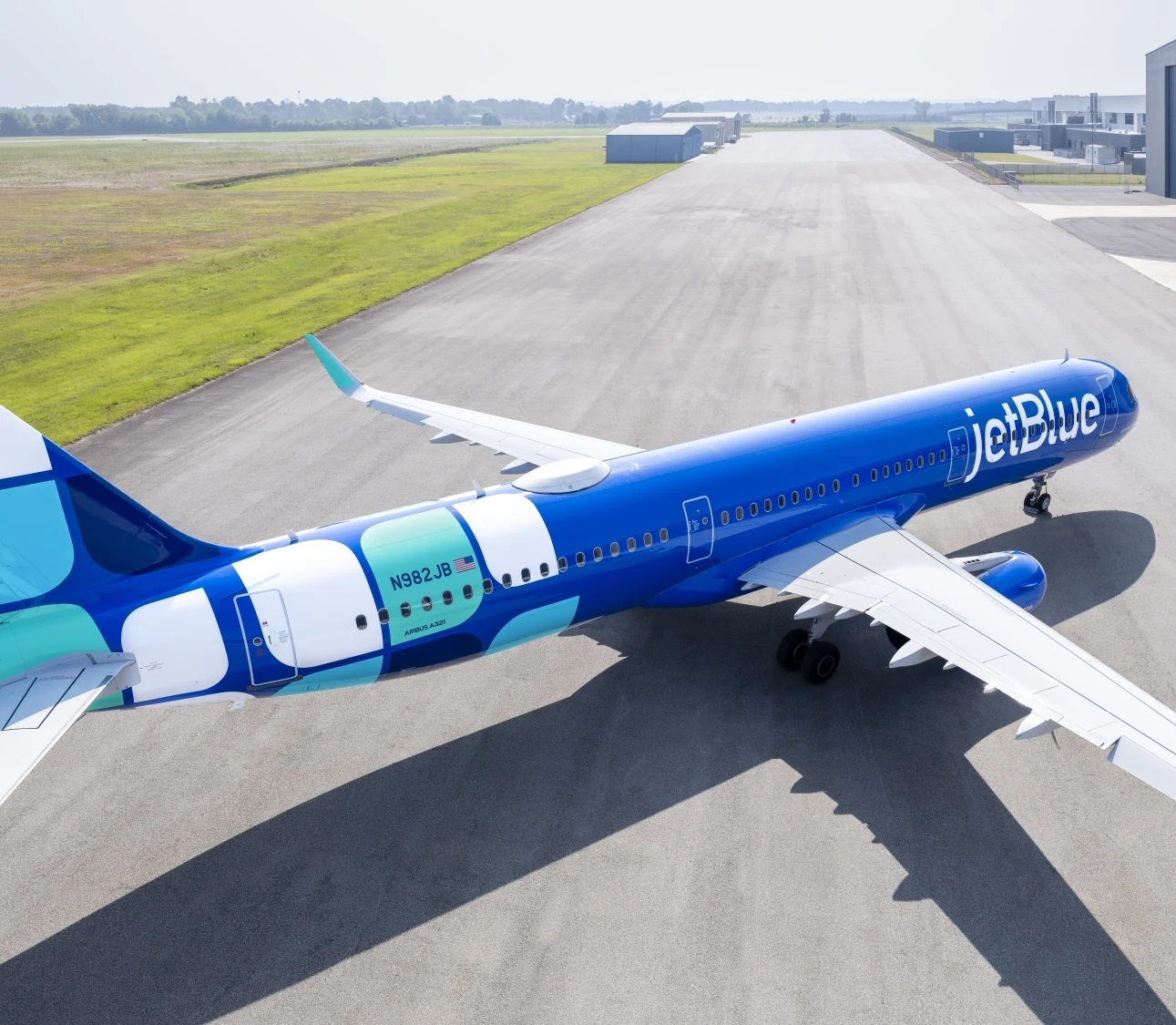
  • JetBlue Chooses Amazon Project Kuiper for Free In-Flight Wi-Fi

    JetBlue Chooses Amazon Project Kuiper for Free In-Flight Wi-Fi

    Key Takeaways

    1. Amazon’s Project Kuiper will provide complimentary in-flight Wi-Fi for JetBlue passengers, enhancing connectivity.
    2. The system employs low-Earth orbit (LEO) satellite technology for high-speed internet access globally, with speeds up to 1 Gbps.
    3. JetBlue’s transition from Viasat to Project Kuiper is expected to improve reliability and speed of internet service on flights.
    4. Amazon has launched over 100 satellites and plans to deploy a total of 3,200 satellites for the Project Kuiper network.
    5. The partnership with JetBlue is separate from Amazon’s collaboration with Airbus to integrate Kuiper’s technology into aircraft manufacturing.


    Amazon’s satellite internet service, known as Project Kuiper, is set to take to the skies as it has inked a deal to offer complimentary in-flight Wi-Fi for JetBlue passengers.

    Enhanced Connectivity

    This competitor to Starlink employs low-Earth orbit (LEO) satellite tech to deliver high-speed internet access globally. The system is crafted to function smoothly not just for homes, schools, hospitals, and businesses but also for various modes of transport, including vehicles, ships, and airplanes, especially in areas without traditional network coverage.

    JetBlue has been relying on Viasat for free internet service since 2013. However, the introduction of Project Kuiper is anticipated to improve both reliability and speed. With Kuiper, JetBlue travelers can expect download speeds reaching up to 1 gigabit per second. The first planes will receive the necessary equipment in 2027, with a complete rollout scheduled for 2028.

    Strategic Partnerships

    The agreement that Amazon has made with JetBlue is distinct from the one with Airbus, which aims to incorporate Kuiper’s connectivity solutions directly into aircraft manufacturing.

    Amazon has already launched more than 100 satellites for Project Kuiper and is progressively expanding its network ahead of the commercial launch. This technology features satellites orbiting the Earth at altitudes ranging from 340 to 1,200 miles, which enables quicker speeds and reduced latency.

    Future Plans

    The company intends to deploy over 3,200 satellites in total. Nevertheless, its network is still behind SpaceX’s Starlink, which currently operates over 8,000 satellites in space.

    Source:
    Link


  • First Gigabit Starlink Dish: Tougher Against Rocket Vibrations

    First Gigabit Starlink Dish: Tougher Against Rocket Vibrations

    Key Takeaways

    1. SpaceX is launching a new Starlink satellite dish for moving vehicles, priced at $1,999, which is its most durable and fastest model yet.
    2. The dish offers gigabit download speeds and can withstand harsh conditions, including drops, hail, and military-grade shocks.
    3. Videos show the dish’s resilience, including tests on a Cybertruck and during rocket landings.
    4. The Performance Kit will enable gigabit Internet speeds in remote areas, with service plan upgrades expected in 2026 without new hardware.
    5. Monthly Internet service plans for the dish range from $65 for 50 GB to $540 for 2 TB of data.


    SpaceX is launching a new Starlink satellite Internet dish designed for use in moving cars and boats, which is claimed to be its most durable and fastest model to date.

    Pricing and Specifications

    This new dish comes in at a price of $1,999, offering superior robustness and gigabit download speeds, a notable upgrade from the $350 Starlink Mini dish which is also intended for mobile connectivity. The Performance Kit is backed by a generous 3-year warranty, with SpaceX stating it can last up to 10 years even under tough conditions. These harsh situations include drops from a height of one meter, hailstones measuring up to 1.25 inches in diameter, and snow with a density of 100 kg/m3. It is also built to withstand military-grade shocks and vibrations from various vehicles, including those used in construction, agriculture, and on the ground or sea.

    Surviving Tough Conditions

    SpaceX has published several videos demonstrating the resilience of the Starlink Performance Kit. In these clips, the dish endures the vibrations from a rocket landing and is shown mounted on a Cybertruck navigating through rough terrain, highlighting its capabilities.

    The new dish is the first in the Starlink lineup to support gigabit Internet speeds. Customers who purchase this dish will benefit from faster download rates once SpaceX activates its gigabit network, which will be powered by its V3 satellites—each as large as a Boeing 737 when extended.

    Future Enhancements and Plans

    According to SpaceX, “Starlink is focused on making network enhancements which will enable gigabit speeds starting in the most remote places on Earth with the Performance Kit.” The company promises that service plan upgrades will become available in 2026 without the need for any hardware changes. Currently, the kit can deliver satellite Internet speeds exceeding 400 Mbps.

    As for the cost, the new Starlink Performance dish is priced at $2,049, which includes shipping and handling. Local Internet service plans for this dish start at $65 per month for 50 GB and can go as high as $540 per month for 2 TB of data.

    Source:
    Link