
Key Takeaways
1. Amazon’s Project Kuiper will provide complimentary in-flight Wi-Fi for JetBlue passengers, enhancing connectivity.
2. The system employs low-Earth orbit (LEO) satellite technology for high-speed internet access globally, with speeds up to 1 Gbps.
3. JetBlue’s transition from Viasat to Project Kuiper is expected to improve reliability and speed of internet service on flights.
4. Amazon has launched over 100 satellites and plans to deploy a total of 3,200 satellites for the Project Kuiper network.
5. The partnership with JetBlue is separate from Amazon’s collaboration with Airbus to integrate Kuiper’s technology into aircraft manufacturing.
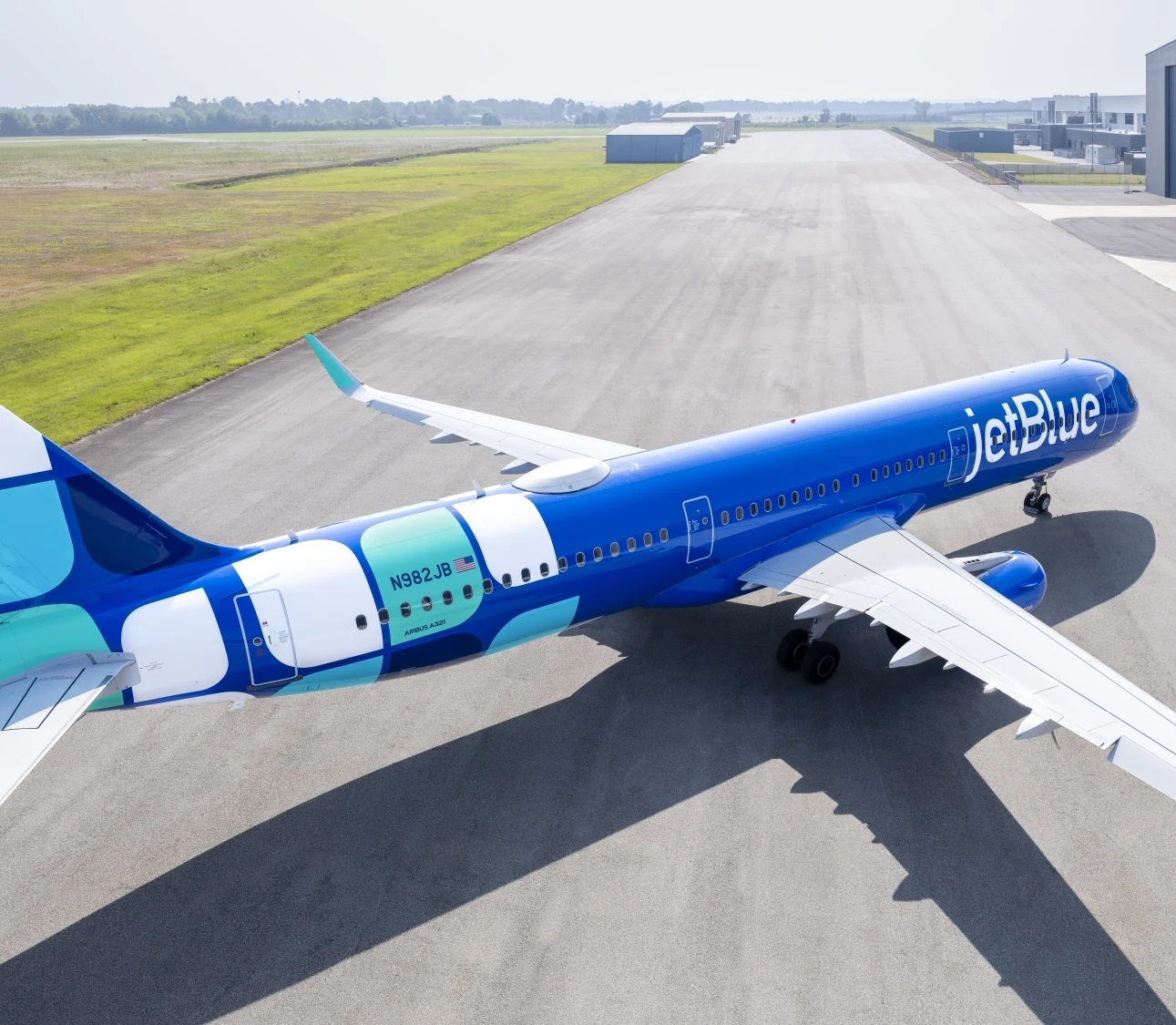
Amazon’s satellite internet service, known as Project Kuiper, is set to take to the skies as it has inked a deal to offer complimentary in-flight Wi-Fi for JetBlue passengers.
Enhanced Connectivity
This competitor to Starlink employs low-Earth orbit (LEO) satellite tech to deliver high-speed internet access globally. The system is crafted to function smoothly not just for homes, schools, hospitals, and businesses but also for various modes of transport, including vehicles, ships, and airplanes, especially in areas without traditional network coverage.
JetBlue has been relying on Viasat for free internet service since 2013. However, the introduction of Project Kuiper is anticipated to improve both reliability and speed. With Kuiper, JetBlue travelers can expect download speeds reaching up to 1 gigabit per second. The first planes will receive the necessary equipment in 2027, with a complete rollout scheduled for 2028.
Strategic Partnerships
The agreement that Amazon has made with JetBlue is distinct from the one with Airbus, which aims to incorporate Kuiper’s connectivity solutions directly into aircraft manufacturing.
Amazon has already launched more than 100 satellites for Project Kuiper and is progressively expanding its network ahead of the commercial launch. This technology features satellites orbiting the Earth at altitudes ranging from 340 to 1,200 miles, which enables quicker speeds and reduced latency.
Future Plans
The company intends to deploy over 3,200 satellites in total. Nevertheless, its network is still behind SpaceX’s Starlink, which currently operates over 8,000 satellites in space.
Source:
Link
Leave a Reply