
Tag: Amazon Leo

  • Starlink Mobile Faces Amazon’s Globalstar Purchase Before SpaceX IPO

    Starlink Mobile Faces Amazon’s Globalstar Purchase Before SpaceX IPO

    Key Takeaway

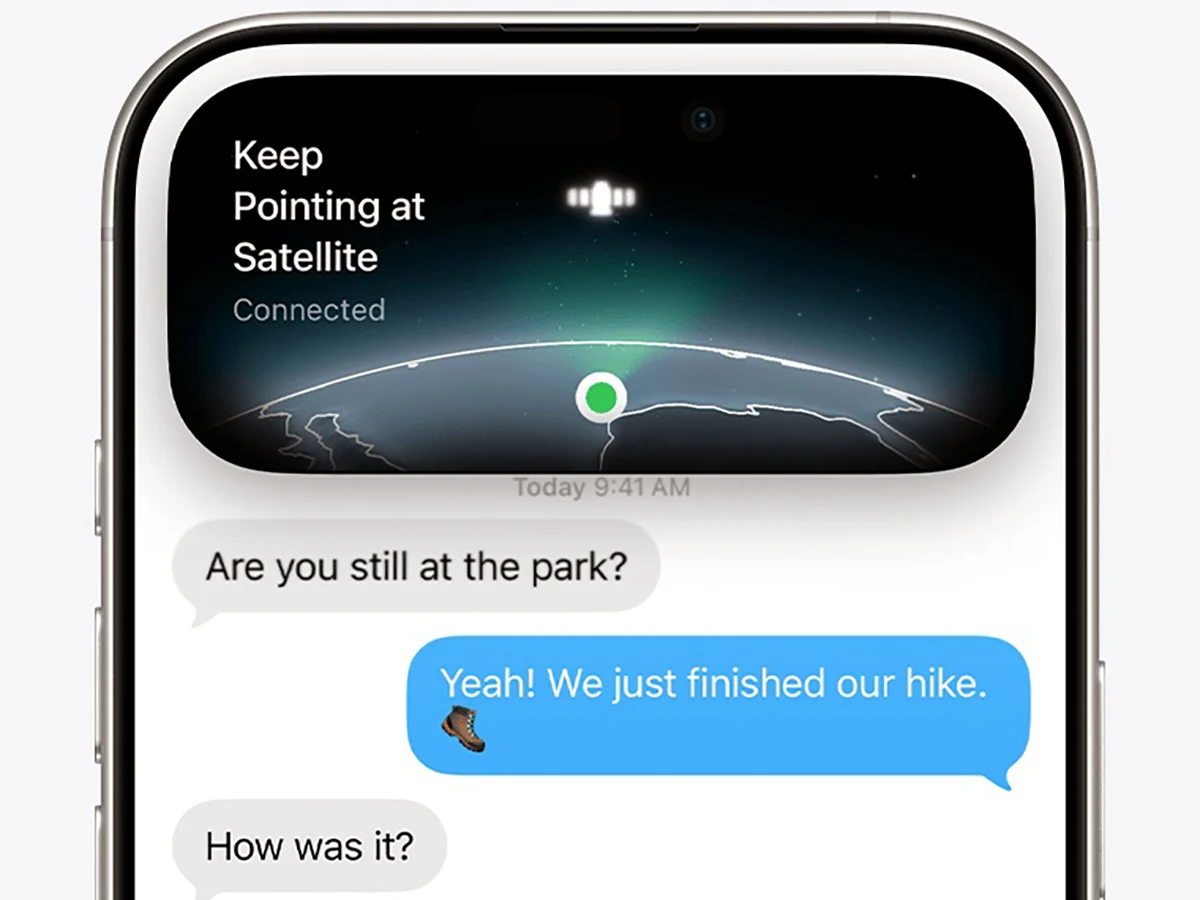
    1. Amazon acquired Globalstar, integrating its satellite constellation into Amazon Leo’s low-earth orbit network, with plans to support features like emergency texting and Find My on iPhone and wearables.
    2. The acquisition grants Amazon significant spectrum licenses and regulatory approvals, accelerating its satellite deployment plans with an $11.57 billion investment.
    3. Starting in 2028, Amazon Leo aims to deploy a next-generation direct-to-device satellite system capable of delivering voice, data, and messaging directly to standard cell phones without extra hardware.
    4. The complete Amazon Leo network will include thousands of satellites, supporting hundreds of millions of users globally, with a target launch in 2027, pending regulatory approval.
    5. Amazon’s efforts, leveraging Globalstar’s spectrum and Apple’s user base, set to challenge current satellite broadband providers like SpaceX’s Starlink.

    Amazon’s Big Move in Satellite Communications

    Amazon just announced that they bought the satellite service provider Globalstar, which is kinda a big deal. This company is the same one that Apple invested (yeah, a lot!) of 1.5 billion dollars to help power its Emergency SOS feature through satellite networks like the iPhone 14. So, this acquisition is a serious step for Amazon to expand it’s satellite capabilities and beef up their tech.

    Integration into Amazon Leo Network

    With this acquisition, Globalstar’s constellation, which is basically a bunch of orbiting satellites, will be merged into Amazon’s Leo low-earth orbit network. And, the partnership that Apple already has will stay too. Amazon Leo is now going to keep providing satellite features for supported iPhones and wearables, like the Apple Watch Ultra 3, which is currently on sale with 100 dollars off, making it more accessible for a wider consumers. These features include emergency texting, messages, the Find My service, and roadside assistance, promising access to hundreds of millions of users around the world.

    The Financial and Regulatory Scoop

    • What Amazon gains from all this are Globalstar’s spectrum licenses, which are like special permissions to use certain radio frequencies worldwide. These licenses usually take a long time to get, so acquiring them gives Amazon a head start. The cost for this big package is $11.57 billion, which sounds like alot but is still less than what SpaceX paid for similar spectrum rights — $16 billion for Dish spectrum to launch Starlink Mobile 5G service to cell phones.

    In 2028, Amazon is planning to launch its own next-gen satellite system called D2D, which will be able to send voice, data, and messages directly to ordinary phones without needing any extra hardware, unlike Starlink Mobile. They say this new system will be much more efficient spectrum-wise than older systems, and it shows that Amazon has serious plans to challenge current big players like T-Satellite’s service through T-Mobile, powered by Starlink.

    Future plans for Satellite Connectivity

    The complete Amazon Leo network will include thousands of satellites, supporting hundreds of millions of customer devices all around the globe. The deal is expected to close in 2027 once it gets all the necessary government approvals, something that shareholders already approved. This move in satellite tech clearly indicates Amazon’s ambitions to rival SpaceX’s Starlink in satellite broadband and direct-to-cell services, potentially reshaping how connectivity works worldwide.
    Sources
  • Amazon Leo Develops Ground Network to Compete with Starlink

    Amazon Leo Develops Ground Network to Compete with Starlink

    Key Takeaways

    1. Amazon Leo plans to establish over 300 ground stations to improve internet speeds globally, competing with Starlink.
    2. The ground stations will consist of five satellite dishes in remote areas, facilitating data exchange with fiber networks.
    3. Amazon Leo’s services will integrate with AWS, allowing users to access cloud environments and third-party providers.
    4. The service aims to offer internet speeds of 1Gbps, 400Mbps, and 100Mbps, with latency under 50 milliseconds.
    5. Currently, Amazon Leo has around 150 satellites and will face challenges in achieving global coverage, unlike SpaceX’s established Starlink network.


    Amazon Leo is getting ready to establish more than 300 ground stations to enhance internet speeds around the world, aiming to compete head-on with Starlink. This announcement was made during AWS re:Invent last week, where the company detailed its plans to produce millions of dishes for both consumers and businesses to access its satellite internet service.

    Gateway Stations Under Development

    The firm is focusing on the backend operations to create a network of gateway stations that will transmit data between the Leo satellites and local fiber networks. During a presentation at AWS re:Invent, networking engineer Nick Matthews mentioned that these ground stations will feature five satellite dishes located in remote regions. A slide he shared indicated that the company is planning over 300 such gateways, similar to Starlink’s ground stations that manage data flow between satellites in orbit. These ground stations will facilitate data exchange with a facility known as a Point of Presence, which is linked directly to fiber internet networks.

    Integration with AWS Services

    Amazon’s team highlighted that these ground facilities can integrate with the AWS service, which is a leading cloud provider serving major companies like Netflix and Twitch. This setup means that an Amazon Leo customer could utilize the satellite internet service to access an AWS cloud environment or connect to third-party cloud providers via a private network interconnect. This development is set to provide superior internet service for both individual consumers and business users of Amazon Leo, especially with the recent launch of a select beta program for enterprise clients.

    Internet Speed and Latency Plans

    The company plans to offer internet speeds of 1Gbps, 400Mbps, and 100Mbps through three different user terminal types. However, Matthews mentioned that Leo will feature a latency of under 50 milliseconds, which is slightly higher than Starlink’s latency of around 30ms. An Amazon executive had previously stated that Leo intends to launch in the first quarter, but the road ahead is challenging due to SpaceX’s established presence. Amazon must deploy hundreds more satellites before it can deliver a reliable internet service, and a slide from the presentation revealed that Leo won’t provide global coverage right away.

    At this time, Amazon Leo has a constellation of approximately 150 satellites, while SpaceX’s Starlink boasts over 9,000 satellites and serves more than 8 million customers worldwide. SpaceX also disclosed in July that it operates more than 100 gateway sites across the United States, which include a total of over 1,500 antennas catering to 2 million users in the country.

    Source:
    Link


  • SpaceX Launches Starlink on Amazon Amid Musk-Bezos Rivalry

    SpaceX Launches Starlink on Amazon Amid Musk-Bezos Rivalry

    Key Takeaways

    1. SpaceX is now allowing Amazon to sell Starlink services, despite their rivalry.
    2. Amazon has launched Leo Ultra, a competing satellite service aimed at business customers.
    3. Customers can purchase Starlink accessories directly from the Starlink website, with Prime shipping options.
    4. The collaboration is notable given the ongoing public feud between Elon Musk and Jeff Bezos.
    5. SpaceX is shifting its sales strategy to include Amazon, expanding its reach to a larger customer base.


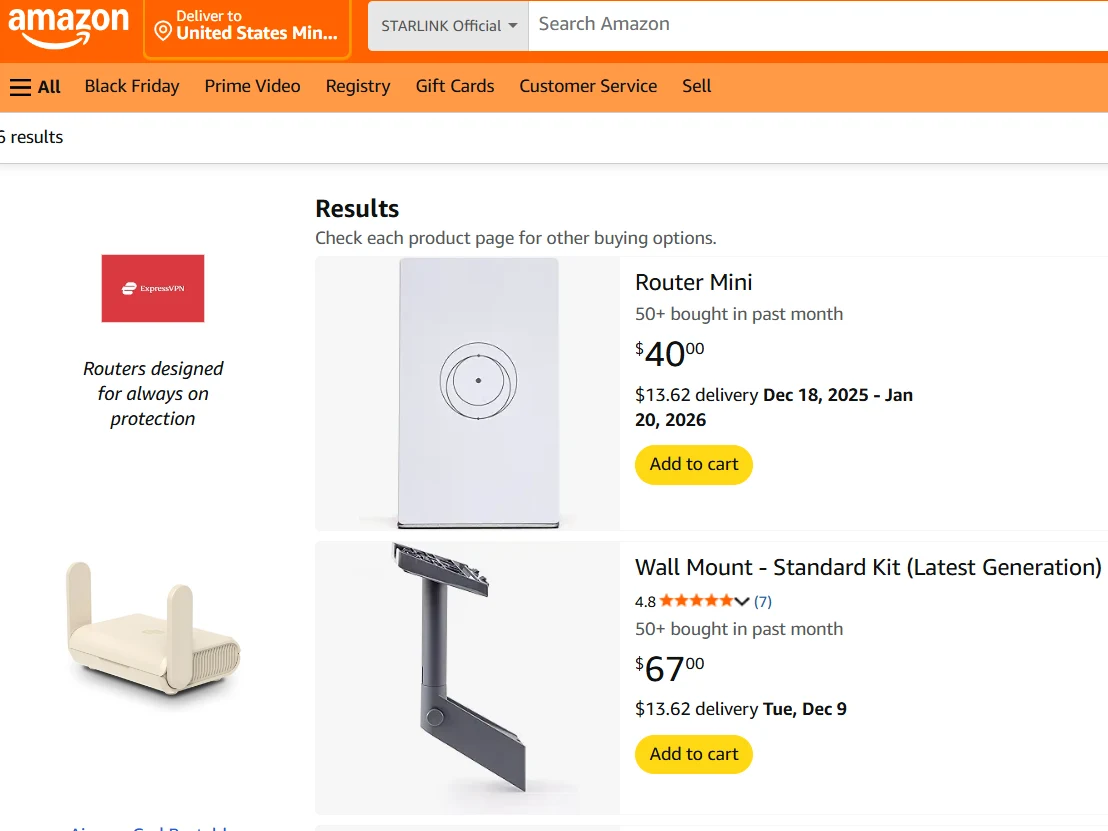
    In an unexpected decision, SpaceX is broadening its Starlink sales by including Amazon, even though there’s a well-known rivalry between the two firms. This development arrives just as Amazon has unveiled Leo Ultra, a new high-performance option for its rival satellite service aimed at business customers seeking gigabit internet speeds. While SpaceX initially remained silent regarding the new listings, an update on Starlink.com revealed that Amazon is now an authorized retailer for the satellite internet service in the US, joining major retailers like Best Buy, Home Depot, and Walmart.

    New Accessibility for Starlink Accessories

    Customers can now buy certain Starlink accessories, including the Wi-Fi router, directly from the site, with many items eligible for Prime overnight or one-day shipping. A review site called DISHYTech first discovered the official Starlink store earlier this month, indicating that it seems to function through Virtual Supply. This distributor, based in Oregon, offers a range of consumer electronics to large retailers and has previously sold the standard Starlink dish, which hints that additional inventory could be added in the future.

    Tensions Between Musk and Bezos

    This collaboration is particularly intriguing as SpaceX CEO Elon Musk has had a public feud with Amazon founder Jeff Bezos for several years. Back in 2019, Musk claimed that Bezos mimicked Starlink after Amazon sought FCC approval for its own competing satellite internet service, now known as Amazon Leo. The conflict intensified in 2021 during a regulatory disagreement over the second-generation Starlink network, when Musk ridiculed Bezos for resigning as CEO, tweeting, “Turns out Besos [sic] retired in order to pursue a full-time job filing lawsuits against SpaceX.”

    Shift in Sales Strategy

    Until recently, SpaceX had avoided using Amazon to market Starlink and preferred third-party sellers or its own website. The company has become increasingly aggressive in promoting its satellite internet service in the US with various discounts and lower monthly rates, and this new storefront now positions its products right in front of Amazon’s vast customer base.

    Starlink’s expansion into Amazon’s marketplace opens up new opportunities for both companies, despite the ongoing tensions.

    Source:
    Link