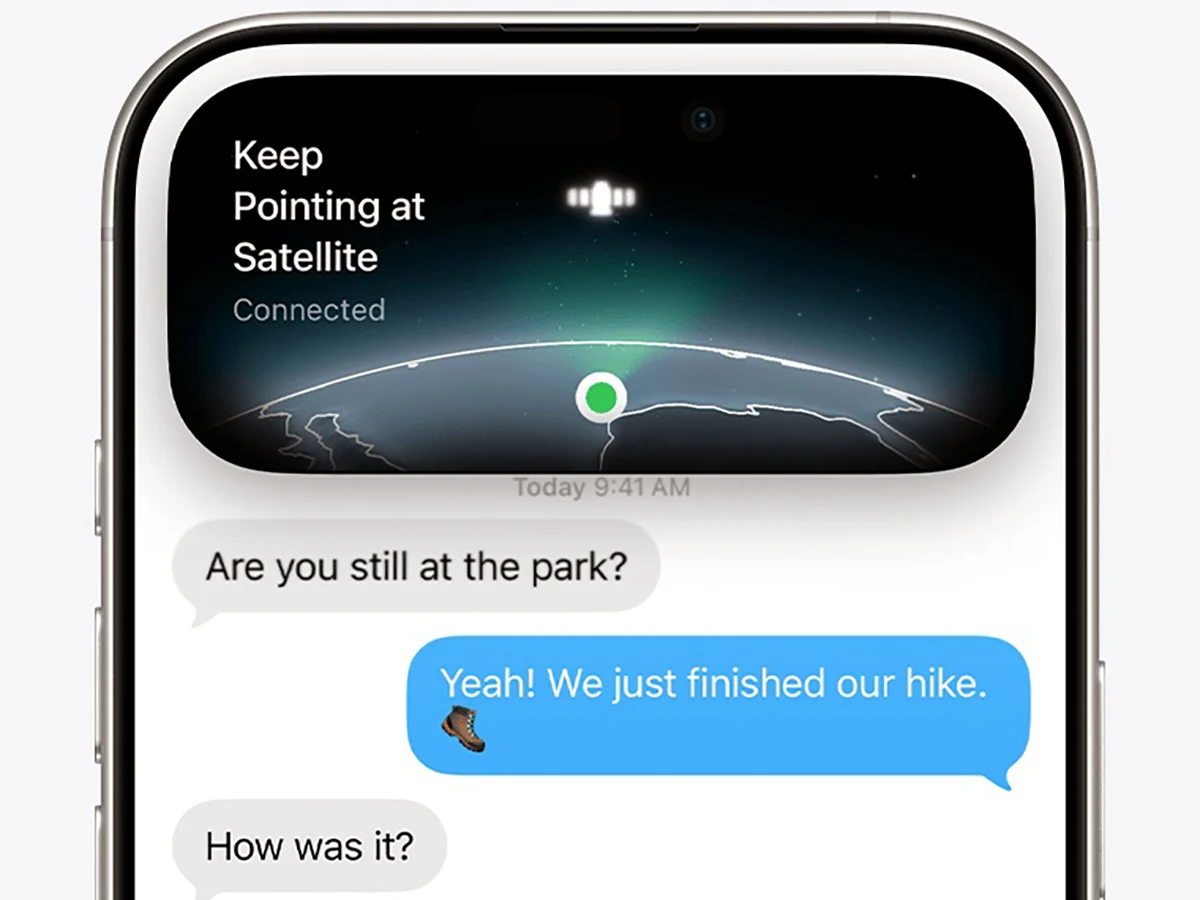
1. Amazon acquired Globalstar, integrating its satellite constellation into Amazon Leo’s low-earth orbit network, with plans to support features like emergency texting and Find My on iPhone and wearables.
2. The acquisition grants Amazon significant spectrum licenses and regulatory approvals, accelerating its satellite deployment plans with an $11.57 billion investment.
3. Starting in 2028, Amazon Leo aims to deploy a next-generation direct-to-device satellite system capable of delivering voice, data, and messaging directly to standard cell phones without extra hardware.
4. The complete Amazon Leo network will include thousands of satellites, supporting hundreds of millions of users globally, with a target launch in 2027, pending regulatory approval.
5. Amazon’s efforts, leveraging Globalstar’s spectrum and Apple’s user base, set to challenge current satellite broadband providers like SpaceX’s Starlink.
Amazon’s Big Move in Satellite Communications
Amazon just announced that they bought the satellite service provider Globalstar, which is kinda a big deal. This company is the same one that Apple invested (yeah, a lot!) of 1.5 billion dollars to help power its Emergency SOS feature through satellite networks like the iPhone 14. So, this acquisition is a serious step for Amazon to expand it’s satellite capabilities and beef up their tech.
Integration into Amazon Leo Network
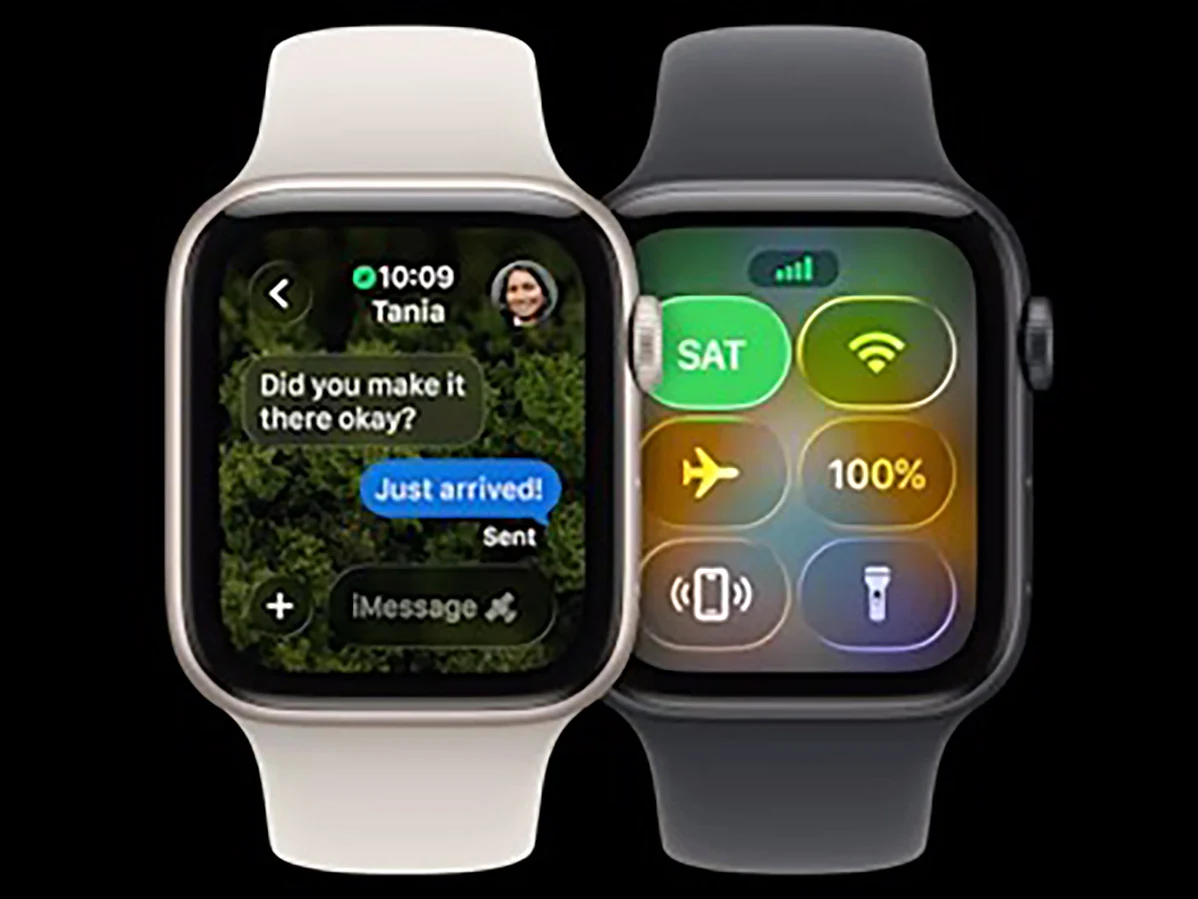
With this acquisition, Globalstar’s constellation, which is basically a bunch of orbiting satellites, will be merged into Amazon’s Leo low-earth orbit network. And, the partnership that Apple already has will stay too. Amazon Leo is now going to keep providing satellite features for supported iPhones and wearables, like the Apple Watch Ultra 3, which is currently on sale with 100 dollars off, making it more accessible for a wider consumers. These features include emergency texting, messages, the Find My service, and roadside assistance, promising access to hundreds of millions of users around the world.
The Financial and Regulatory Scoop
- What Amazon gains from all this are Globalstar’s spectrum licenses, which are like special permissions to use certain radio frequencies worldwide. These licenses usually take a long time to get, so acquiring them gives Amazon a head start. The cost for this big package is $11.57 billion, which sounds like alot but is still less than what SpaceX paid for similar spectrum rights — $16 billion for Dish spectrum to launch Starlink Mobile 5G service to cell phones.
In 2028, Amazon is planning to launch its own next-gen satellite system called D2D, which will be able to send voice, data, and messages directly to ordinary phones without needing any extra hardware, unlike Starlink Mobile. They say this new system will be much more efficient spectrum-wise than older systems, and it shows that Amazon has serious plans to challenge current big players like T-Satellite’s service through T-Mobile, powered by Starlink.
Future plans for Satellite Connectivity
The complete Amazon Leo network will include thousands of satellites, supporting hundreds of millions of customer devices all around the globe. The deal is expected to close in 2027 once it gets all the necessary government approvals, something that shareholders already approved. This move in satellite tech clearly indicates Amazon’s ambitions to rival SpaceX’s Starlink in satellite broadband and direct-to-cell services, potentially reshaping how connectivity works worldwide.