
Key Takeaways
1. SpaceX is seeking FCC approval to launch up to one million satellites for its xAI project, aiming to create an Orbital Data Center system.
2. The satellites will be positioned between 500 and 2000 km above Earth to avoid conflicts and manage orbital traffic.
3. They will utilize various hardware for specific functions and communicate through optical links, similar to the Starlink network.
4. The smaller satellites are designed to enhance AI computing capabilities and harness solar energy, reducing the load on traditional power grids.
5. SpaceX claims that launching these satellites could add 100 gigawatts of AI compute capacity annually with minimal ongoing maintenance.
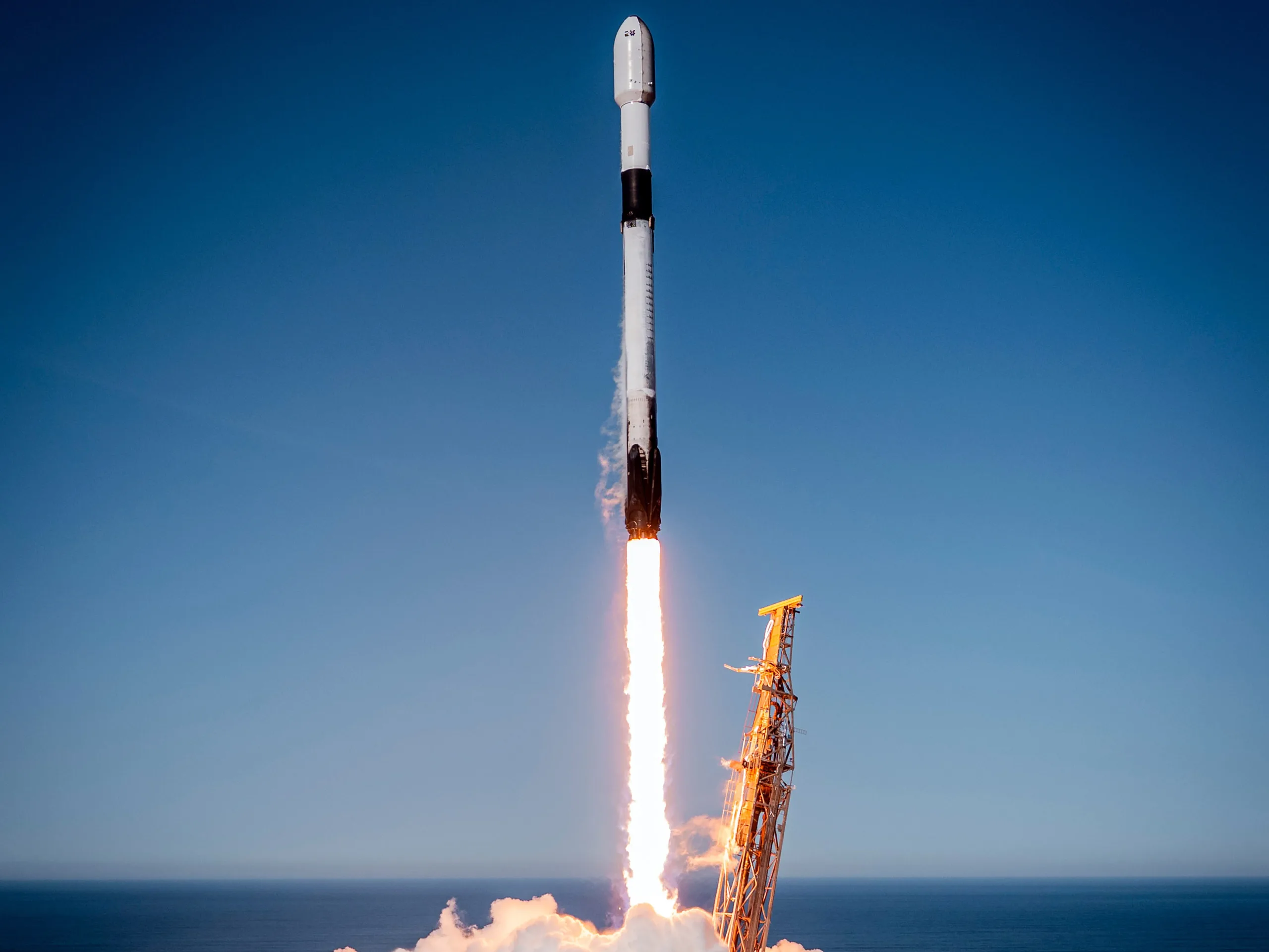
Just as suggested by Elon Musk, SpaceX might be preparing to send satellites into orbit to create a data center for its xAI project and has submitted a request to the FCC for a constellation permit.
Potential Launch Details
If this concept goes ahead, the satellites will be positioned in crowded orbits between 500 and 2000 km above the Earth. Recently, SpaceX experienced the loss of a rogue satellite and reassured astronauts that its “current trajectory will place it below the ISS,” essentially acknowledging that the “anomaly on satellite 35956” caused it to move uncontrollably through space before reentering Earth’s atmosphere and burning up.
Constellation Plans
SpaceX is now seeking permission to launch a constellation of up to one million satellites to create an Orbital Data Center system. They emphasize that the satellites will be positioned to “deconflict” in case of control problems that might arise between them or from competing orbital data center systems.
The satellites in the data center will utilize different hardware based on their specific location and function, with communication established through optical links, similar to the satellites in SpaceX’s Starlink network, which provides fast internet service using a $350 standard dish.
Smaller Satellites, Big Impact
These Orbital Data Center satellites will be significantly smaller, and SpaceX aims to leverage their unique positioning for enhanced AI computing capabilities. This approach could harness solar energy and alleviate some of the pressure on the terrestrial grid caused by traditional AI data centers. However, challenges related to latency, cooling, space traffic management, debris control, and other problems associated with crowding in Low Earth Orbit (LEO) will still persist.
SpaceX stated, “launching 1 million tonnes per year of satellites generating 100 kW of compute power per tonne would add 100 gigawatts of AI compute capacity annually, with minimal ongoing operational or maintenance needs.”
FCC via PCMag
Source:
Link