Tag: Elon Musk

  • Samsung Expands Portfolio with Elon Musk Partnership

    Samsung Expands Portfolio with Elon Musk Partnership

    Key Takeaway

    – Samsung is developing fourth-generation Neuralink brain chips on a 4nm process.
    – Production has started, with initial shipments expected by first half of 2027.
    – Mass production of the chips is slated to begin by the end of 2027.
    – Samsung has replaced TSMC as the supplier for Neuralink’s next-generation chips.
    – Elon Musk’s collaboration with Samsung is ongoing, previously including Tesla’s Full Self-Driving chips.


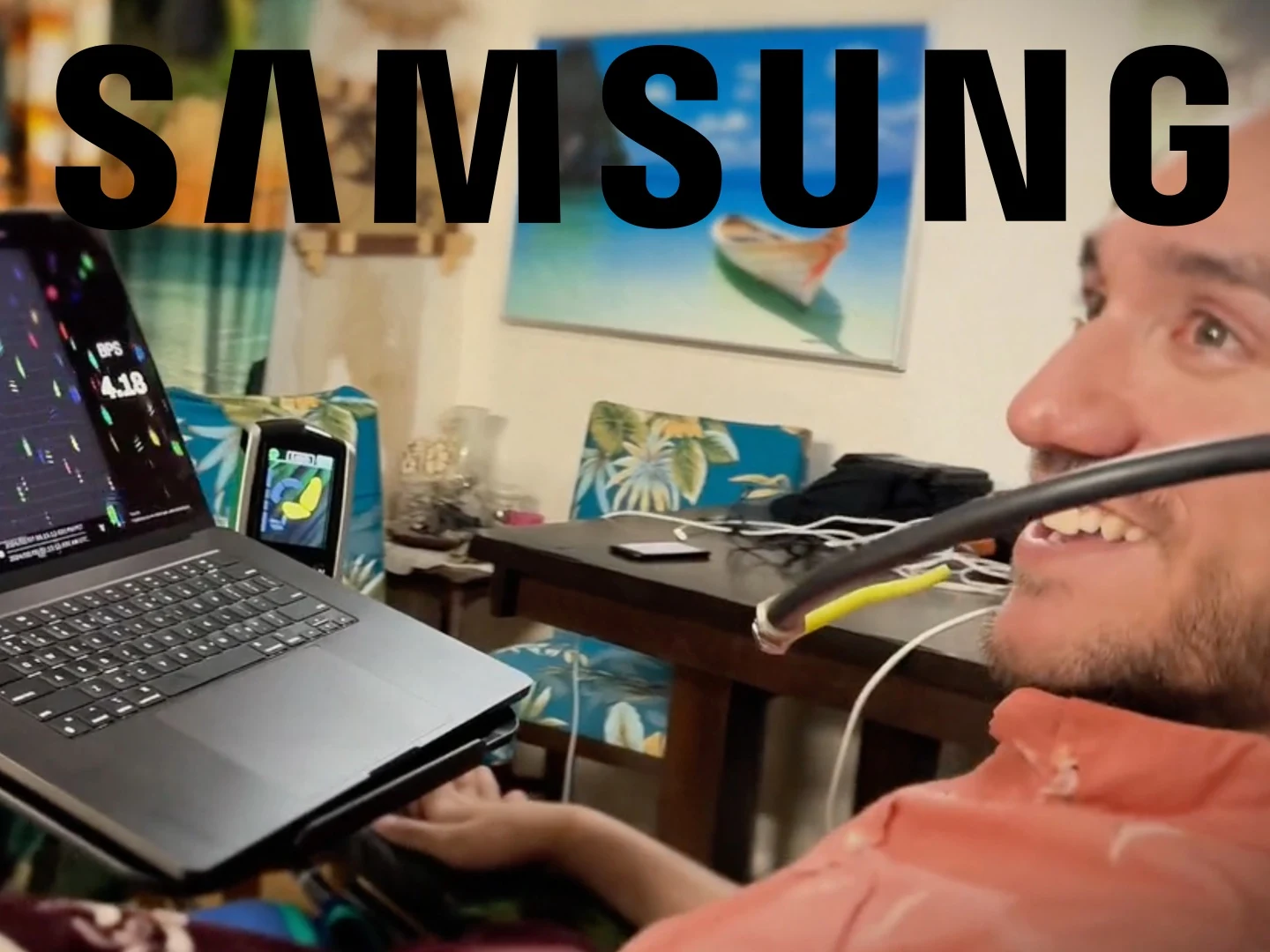
    Samsung makes chips for smartphones, smartwatches, memory, storage, and even self-driving cars. Elon Musk seems to be liking Samsung’s innovations and, according to a new report, has recruited the Korean giant to make brain chips for his Neuralink BCI (Brain Computer Interface) company.

    Its a new partnership for brain chips

    The information comes from a Korean publication, Hankyung, citing industry sources. It claims that Samsung has been developing the fourth-generation Neuralink chips since the end of last year and has now started producing these chips, based on a 4nm process. Samsung Foundry is expected to start shipping in the first half of 2027, and if everything goes according to plan, mass production will start by the end of 2027.

    Previous collaborations and supplier changes

    Elon Musk and Samsung have been working together for a few years now. Samsung has been developing chips for Tesla’s Full Self-Driving (FSD) systems, and that seems to have been a fruitful partnership. Till the third generation of Neuralink chips, TSMC was the main supplier for the BCI company. However, it is unclear if Neuralink will continue to source chips from TSMC as well for its upcoming generation of chips.
    Sources
  • SpaceX Reduces Starlink Residential Plan Price to $39/Month

    SpaceX Reduces Starlink Residential Plan Price to $39/Month

    Key Takeaways

    1. Starlink has reduced its Residential plan price to $39/month for the first six months, providing download speeds up to 100 Mbps.
    2. The promotional discount is available until March 31 and applies only to new service lines; customers risk losing the deal if they switch or terminate their service.
    3. In certain areas, Starlink is offering the Residential Kit for free, eliminating initial costs for new customers.
    4. Elon Musk insists the price drop is not in response to Amazon’s Kuiper constellation but aims to make satellite Internet more affordable.
    5. With the new pricing and increased bandwidth capacity, Starlink is positioning itself to compete effectively with local Internet service providers.


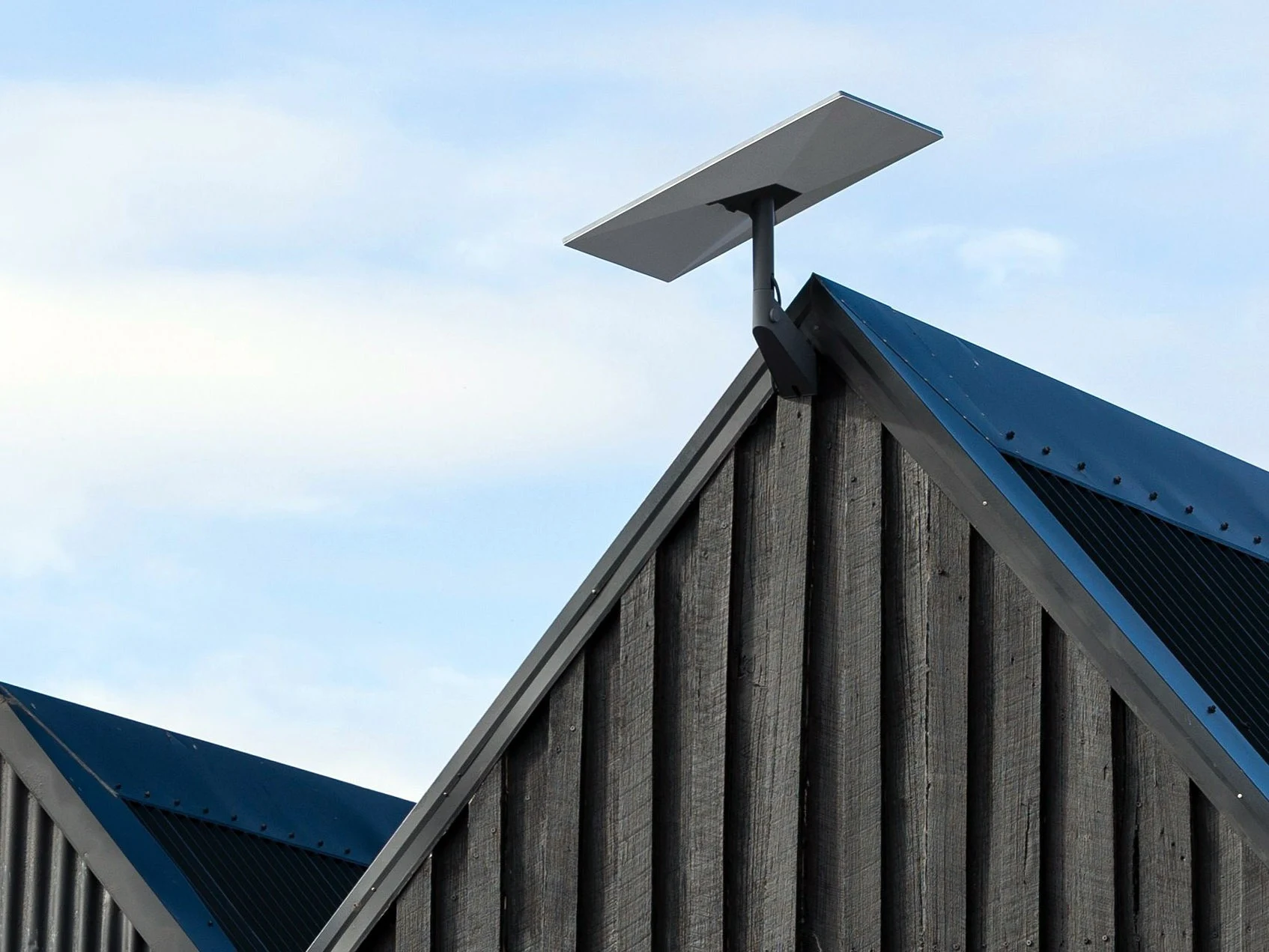
    Starlink has lowered the initial price of its Residential plan to only $39/month for the basic level, which provides download speeds of up to 100 Mbps.

    This price is just one dollar below the previous lowest price for a Starlink plan, and this offer will last for the first six months of the subscription for the Residential plan. The promotional discount for the Starlink satellite Internet plan will be available until March 31 and applies exclusively to one new service line.

    Important Conditions

    Starlink warns that customers who switch their plan, terminate their service, or face suspension will lose the promotional pricing. The new rate of $39/month is currently offered in certain areas across the US.

    In many locations where the new pricing is accessible, Starlink is also providing the Residential Kit for free, which normally costs $349 on Amazon, as a $0/month rental. Although users must return the dish if they cancel their promotional service, this effectively eliminates the initial costs associated with becoming a Starlink customer. At just $39/month, it begins to compete with traditional broadband providers.

    SpaceX’s Strategy

    Elon Musk recently rejected the idea that SpaceX is reducing Starlink hardware and plan prices in response to Amazon’s upcoming Kuiper constellation expansions. Instead, he claims the goal is to make satellite Internet more affordable for those who otherwise wouldn’t have access.

    Moreover, SpaceX is quickly launching satellites, with over 9,700 already in orbit, suggesting that the Starlink offer isn’t simply a reaction to Kuiper. With the upcoming IPO, SpaceX needs as many Starlink subscribers as possible to present to its underwriters, as Starlink is now the primary revenue source for SpaceX.

    Competing with Local Providers

    At just $39/month and with no initial equipment fees, Starlink now competes with local Internet service providers. This promotion appears to align with a significant increase in its bandwidth capacity, as SpaceX aims to attract customers for the numerous new satellites it is launching at an astonishing rate. Recently, they renamed their direct-to-cell service for carriers like T-Mobile to Starlink Mobile, suggesting ambitions to develop a standalone 5G network, utilizing space-based cell towers to provide global coverage, even in polar regions.

    Source:
    Link


  • Tesla’s Optimus Robot: Elon Musk’s Pipe Dream Revealed

    Tesla’s Optimus Robot: Elon Musk’s Pipe Dream Revealed

    Key Takeaways

    1. Tesla’s Optimus robot is still under development and not currently in use for production in factories, contrary to previous claims by Elon Musk.
    2. There are only a few prototypes of Optimus, with some requiring teleoperation instead of being fully autonomous.
    3. Musk faces backlash on social media, with accusations of misrepresentation and dishonesty regarding the robot’s capabilities and timeline.
    4. The upcoming Optimus Gen 3, expected in Q1 2026, aims for large-scale production but may face delays due to supply chain challenges.
    5. Uncertainty remains about whether the third generation of the robot will meet expectations and achieve significant advancements.


    Until recently, Elon Musk had stated that Tesla’s Optimus robot was already in use at the company’s factories and could be available for private buyers by 2027. Nevertheless, this now seems to be quite the opposite. Contrary to previous claims, no Optimus units are currently doing any productive work in Tesla’s facilities. Musk confirmed in the recent earnings call that the robot is still under development and is being trained – “it’s more so that the robot can learn,” he explained – rather than actually helping in production.

    New Perspective on Past Claims

    This revelation sheds a different light on earlier predictions from 2024 and 2025, which discussed fully autonomous robots and the expectation of thousands of units by the end of 2025. In fact, only a few prototypes are in existence now, and some depend on teleoperation, which means they are controlled from afar instead of being fully autonomous. On Reddit, Elon Musk is encountering significant backlash. Many users label him as a “liar” and a “fraud,” accusing him of intentionally misrepresenting facts. One commenter, u/Real-Technician83, noted: “He has learned that lies pump the stock more than admitting them later drops the value.”

    The Future of Optimus

    Optimus Gen 3, which is set for a Q1 2026 release, could represent a significant shift. Tesla claims this new version will be the first one made with large-scale production in mind, including a revamped hand system and the capability to learn from observation, voice commands, or video inputs. However, production might not kick off until late 2026, and a long ramp-up period would be necessary due to the establishment of a completely new supply chain. Given the recent developments, it remains uncertain if this third generation will achieve the much-anticipated breakthrough that many have been eagerly waiting for.

    Tesla via YouTube

    Source:
    Link


  • Elon Musk’s Tesla Robots: Household Helpers Coming in 2027

    Elon Musk’s Tesla Robots: Household Helpers Coming in 2027

    Key Takeaways

    1. Elon Musk announced that the Optimus robot will be available for private buyers by late 2027.
    2. The current version of Optimus is used in Tesla’s factories for simple tasks, with improvements in speed and dexterity in the latest model.
    3. Optimus is expected to handle more complex tasks in factories by 2026, but home availability by 2027 is uncertain due to safety standards.
    4. Tesla aims to keep the price of Optimus below $30,000, but the exact cost is still unclear.
    5. Public reaction is mixed, with skepticism on platforms like Reddit and increased investor optimism reflected in Tesla’s stock price.


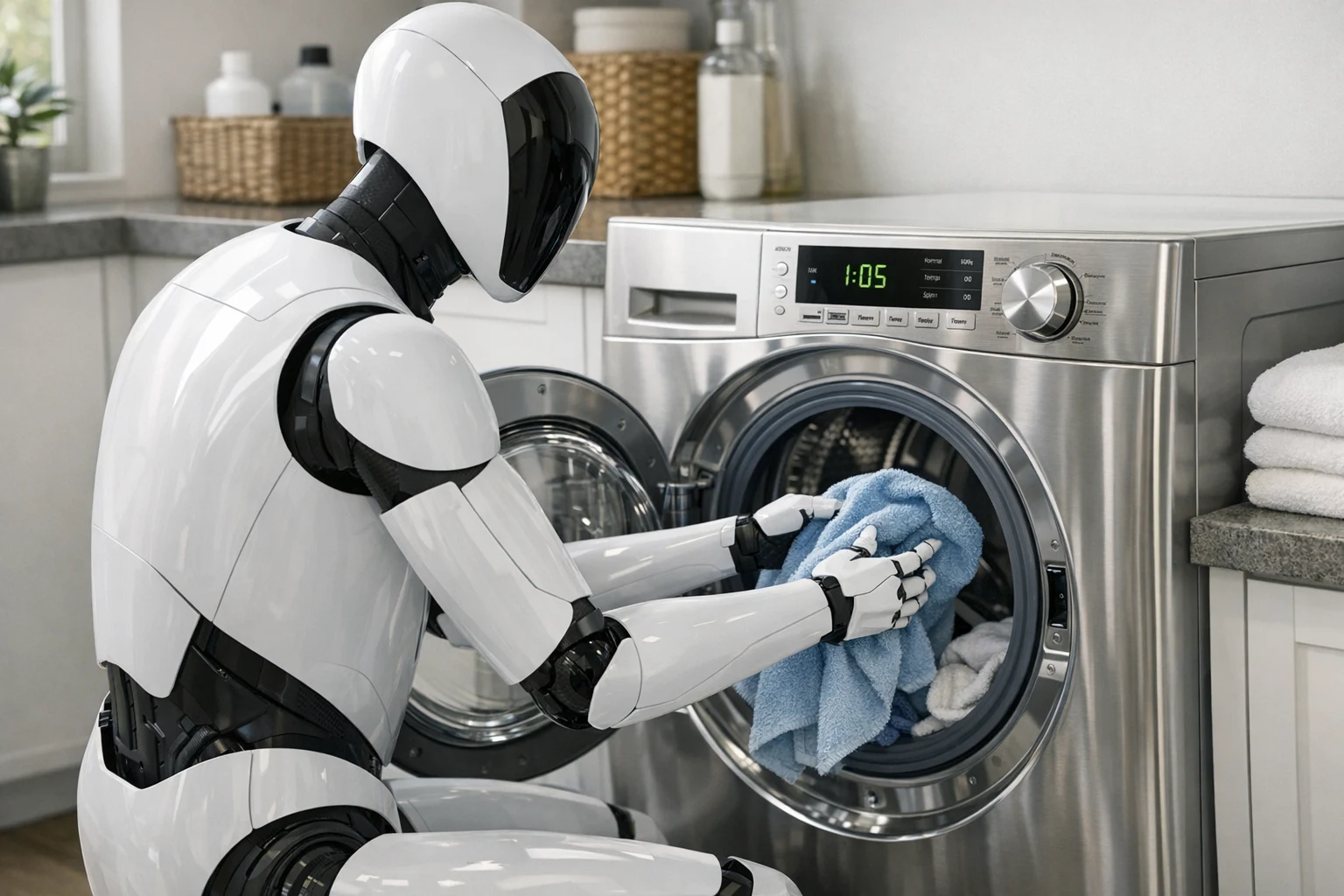
    A mechanical helper that can clean, do laundry, or serve food is a wish for many people, but even with great progress in robots, it still seems far away. Yet, a recent statement by Elon Musk has made the concept of home robots feel closer to being real. While speaking at the World Economic Forum in Davos, the CEO of Tesla announced that the Optimus robot will be available for private buyers starting in late 2027.

    Advances in Optimus

    Optimus is currently being used in Tesla’s factories, where it manages simple sorting and transporting tasks. The second version of this humanoid robot, revealed in December, is lighter and quicker, with more skillful hands. This development suggests that Optimus could take on more complicated jobs in the future, possibly making it useful in private residences. Elon Musk seems to agree with this perspective.

    Future Tasks and Pricing

    Musk mentioned that the Tesla robot is expected to start managing more intricate tasks at the company’s car factories in 2026. However, whether Optimus will really be available for homes by 2027 is still in doubt. Tesla has established strict safety standards that need to be satisfied before this can happen. Regarding the cost, it’s still unclear. Tesla has previously indicated it hopes to keep the price below $30,000.

    Public Reaction

    On Reddit, Musk’s announcement has faced doubt. Many people are skeptical that Optimus will actually be for sale to private buyers in 2027, citing previous commitments that did not come true – like full self-driving capabilities, robotaxis, or the new Roadster. On the other hand, investors seem to be more hopeful. Following this news, Tesla’s stock has seen an increase.

    Bloomberg (Paywall)

    Source:
    Link


  • Tesla FSD Enables Phone Use While Driving and Gift Subscriptions

    Tesla FSD Enables Phone Use While Driving and Gift Subscriptions

    Key Takeaways

    1. Tesla is offering a free trial of the FSD 14 upgrade for newer vehicles with HW4/AI4 hardware until January 8, 2026.
    2. Owners of older HW3 vehicles will receive a Lite version of FSD 14, but they will miss the free trial unless gifted an FSD subscription.
    3. Tesla has introduced FSD gift subscriptions, priced at $113, allowing friends or family to buy the upgrade for HW3 owners.
    4. The latest updates allow drivers to use their phones under certain safe conditions, reflecting a shift towards less supervised driving.
    5. Tesla’s FSD is evolving towards unsupervised driving, with recent updates allowing for more relaxed driver engagement in low-risk scenarios.


    Tesla has recently embraced the festive season by offering the FSD 14 upgrade to owners of newer vehicles equipped with the latest HW4/AI4 hardware and cameras.

    Time-Sensitive Offer

    This special offer will end after the holidays on January 8, 2026. Owners who received the offer at the end of November have a window of 40 days to try FSD for free. However, this promotion is exclusive to those with newer Tesla models, leaving many owners of older HW3 vehicles without access since their cars can’t support the newest FSD update.

    Future Options for HW3 Owners

    Tesla has indicated that it will provide a version of FSD 14 Lite for HW3 vehicles, rather than upgrading them to HW4 computers as Elon Musk initially suggested. Unfortunately, by the time this lite version arrives, the free FSD trial offer is likely to be over.

    Nevertheless, HW3 vehicle owners will still have an opportunity to try FSD for free after January 8, but only if someone generously gifts them an FSD gift card. For the first time, Tesla is now providing FSD gift subscriptions, allowing friends or family members to purchase this upgrade for $113, which is higher than the regular $99 subscription price to cover future sales tax.

    A New Way To Experience FSD

    This initiative is a great way for someone to get introduced to FSD, as it allows a month of Full Self-Driving (Supervised) for the recipient to test and consider whether they want to keep using it.

    FSD is gradually becoming less “supervised” officially. Now, drivers can use their phones if the road conditions are suitable, similar to Mercedes’ L3 autonomy in specific areas. With the latest FSD 14.2.1 update, many users have noticed that their vehicle allows them to text for an extended period before prompting them to pay attention. Elon Musk confirmed this new feature, stating it depends “on context of surrounding traffic,” meaning it is permitted only in scenarios that the AI assesses as low risk. While people have been texting and doing other things while on FSD for some time now, Tesla is now formalizing this behavior as it moves closer to providing unsupervised FSD for newer cars.

    Source:
    Link


  • Linux Founder Claims Elon Musk Lacks Tech Company Skills

    Linux Founder Claims Elon Musk Lacks Tech Company Skills

    Key Takeaways

    1. Linus Torvalds is known for his blunt and controversial opinions, previously criticizing Nvidia harshly.
    2. In an interview, Torvalds rejected the idea of measuring developer efficiency by lines of code, calling it “simply incompetent.”
    3. He stated that anyone who believes in this metric is “simply too stupid to work in a tech company.”
    4. Torvalds was unaware his criticism was linked to Elon Musk but later affirmed his stance upon realizing it.
    5. The tech community largely supported Torvalds’ comments, expressing skepticism towards Musk’s approach to software development.


    Linus Torvalds, the creator of the Linux OS, is well-known for his straightforward and often harsh manner. He has stirred up controversies before, notably when he labeled Nvidia as “the worst company” he had ever dealt with, even adding a middle finger gesture for emphasis. Recently, the open-source pioneer has turned his criticism towards Elon Musk, albeit initially without realizing it.

    Interview Insights

    During a chat on the YouTube channel Linus Tech Tips, the discussion was supposed to center around the future of software creation. At one moment, the topic of evaluating developer efficiency by counting the number of lines of code instead of considering code quality, organization, or maintainability came up. Torvalds quickly dismissed this idea as “simply incompetent.”

    The seasoned expert remarked that anyone who holds such a perspective is “simply too stupid to work in a tech company.” At that point, Torvalds was unaware that this metric was reportedly associated with Elon Musk. When he learned about this, he didn’t retract his statements — rather, he reaffirmed his stance, stating, “apparently I was spot on.”

    Community Reaction

    Torvalds’ remarks received a lot of support in the comments section of YouTube and on Reddit, especially from programmers and fans of open source. Numerous users showed doubt towards Elon Musk, perceiving him more as a performer than a genuine tech innovator. One user, u/kraven48, summed it up plainly: “Even a freshman in college could tell you that using the number of lines of code as a metric is stupid.”

    Source:
    Link


  • China Introduces 5-Second EV Acceleration Rule for Safety

    China Introduces 5-Second EV Acceleration Rule for Safety

    Key Takeaways

    1. Chinese officials clarified that a proposed acceleration limit for new electric vehicles (EVs) is misinterpreted; it may only be a default setting that can be adjusted by drivers.
    2. The five-second acceleration limit aims to enhance safety for inexperienced drivers by reducing the risk of loss of control due to high torque during initial acceleration.
    3. Many electric cars, like the Tesla Model 3 Performance and Model S, can accelerate from 0-60 mph in under five seconds, making high performance more accessible.
    4. Additional proposed measures in EV legislation include preventing accidental pedal presses, disabling media functions at high speeds, and improving battery safety standards.
    5. The draft legislation is still open for public discussion and could lead to the first regulations controlling the power output of EVs from a standstill.


    While Elon Musk is getting ready to showcase a Roadster 2 that can accelerate in less than a second, China is considering ways to manage the immense power and torque that come with electric vehicles.

    Clarifying Misunderstandings

    Chinese officials attempted to clear up the confusion surrounding rumors that they will cap all new electric cars to a 0-60 mph time of at least five seconds, similar to traditional internal combustion engine (ICE) vehicles. They stated that the language used in their draft legislation proposal has been misinterpreted.

    That said, they did confirm the possibility of a five-second acceleration limit becoming standard, but only as a default setting when the electric vehicle is first started. Drivers will have the ability to adjust this setting later to access the full power of their electric cars if they choose to do so.

    Aiming for Safety

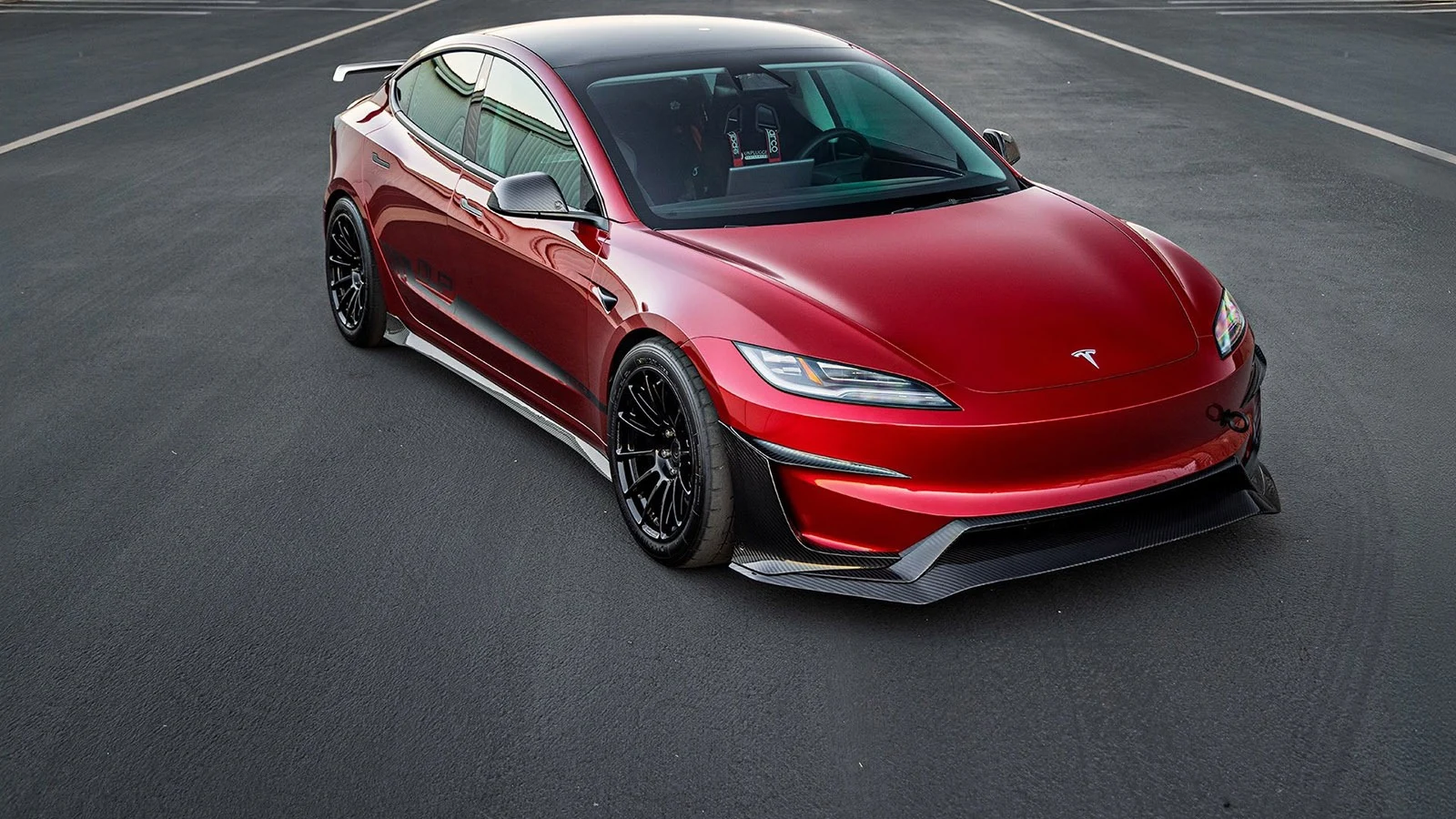
    The intention behind this rule is to reduce accidents and fatalities resulting from inexperienced drivers who may struggle with the high torque that electric vehicles deliver, leading to loss of control during initial acceleration. Numerous electric cars can achieve 0-60 mph in under five seconds. For instance, the Tesla Model 3 Performance can accomplish this in less than three seconds, while the Model S can do it in just two.

    These acceleration figures are alarmingly close to those of supercars powered by ICE, yet they come at a much lower price, making high-performance electric vehicles accessible to drivers who may not possess the skills to manage such speed.

    Additional Proposals

    Other measures in the proposed EV legislation include preventing accidental pedal presses, disabling media functions at higher speeds, and enhancing battery safety standards. The draft is still open for public discussion and could pave the way for the first regulations that control the power output of electric vehicles, at least from a standstill.


    Source:
    Link


  • Elon Musk’s Plan to Dim the Sun and Combat Climate Change

    Elon Musk’s Plan to Dim the Sun and Combat Climate Change

    Key Takeaways

    1. Elon Musk is exploring the idea of dimming the sun to combat climate change using AI-operated satellites as a sunshade.
    2. The concept is similar to Solar Radiation Management (SRM), which aims to cool the Earth by reflecting sunlight.
    3. The satellites could be launched by SpaceX and operated by AI from Musk’s company xAI to monitor solar radiation and temperature.
    4. Experts warn of potential dangers, including unpredictable side effects like altered rainfall patterns and impacts on agriculture.
    5. Concerns about “termination shock” highlight risks of rapidly rising temperatures if the satellite program were to stop suddenly.


    Tech tycoon Elon Musk is well-known for his out-of-the-box thinking. His recent announcement about launching a marketplace on his messaging platform, X, where users can purchase usernames for exorbitant amounts, is just one example. But that idea seems pretty tame compared to his latest one. On November 3, Musk shared on X that he’s contemplating the notion of dimming the sun as a solution to climate change.

    A Bold Plan

    The strategy involves sending a fleet of AI-operated satellites into space. Musk stated, “A large solar-powered AI satellite constellation would be able to prevent global warming by making tiny adjustments in how much solar energy reached Earth.” The goal is to have these satellites—possibly numbering in the hundreds or thousands—act as a gigantic sunshade to intentionally reduce sunlight and thereby cool the planet.

    Similar Concepts

    This idea resembles what’s known as Solar Radiation Management (SRM), a technique aimed at cooling the Earth by reflecting or blocking some sunlight. Musk could potentially design and launch these satellites via his aerospace firm, SpaceX. Once in orbit, the operation would probably be overseen by an AI system that employs self-learning algorithms to continually assess solar radiation and global temperature data. This AI might come from xAI, Musk’s own artificial intelligence venture.

    Potential Hazards

    It’s still uncertain how serious Musk is about this proposal, but recognizing the potential dangers is crucial—especially if it is grounded in the SRM strategy. Experts from the Columbia Climate School caution that while modifying solar radiation may provide short-term cooling benefits, it could also lead to unpredictable side effects. These could include alterations in global rainfall patterns, harm to the ozone layer, and adverse effects on agricultural production.

    The Risk of Termination Shock

    Another significant worry is the phenomenon known as “termination shock.” If such a program were to abruptly stop—be it due to technical issues or political disagreements—the artificially lowered temperatures could spike back up quickly. Research from NOAA and Indiana University indicates that global temperatures could increase significantly in just a few years.

    On X, the responses have largely been critical or sarcastic, with some users likening Musk to villains from comic books. One user quipped, “Mr. Burns had the same idea,” referencing a character from The Simpsons. Others expressed worries about the concentration of power and control, asking: “If people can’t agree on simple matters, how can they effectively manage the global climate?” Some also raised questions about the security of such a system, pondering: “Who exactly controls the thermostat?”

    Source:
    Link


  • Elon Musk Purchases Inventory as Cybertruck Sales Slow Down

    Elon Musk Purchases Inventory as Cybertruck Sales Slow Down

    Key Takeaways

    1. Tesla’s Cybertruck sales have significantly disappointed, with only about 5,000 sold in Q1 2025, far below the 300,000 annual target.
    2. Elon Musk’s businesses, SpaceX and xAI, have purchased several hundred unsold Cybertrucks, raising skepticism about the true motive behind the acquisitions.
    3. A large number of unsold Cybertrucks are accumulating at Tesla’s Austin factory, despite recent price reductions failing to boost sales.
    4. The Cybertrucks bought by SpaceX and xAI are being deployed at various company sites, possibly to replace older vehicles or for employee use.
    5. Critics question whether the purchases by Musk’s companies will effectively address weak demand for the Cybertruck in the long term.


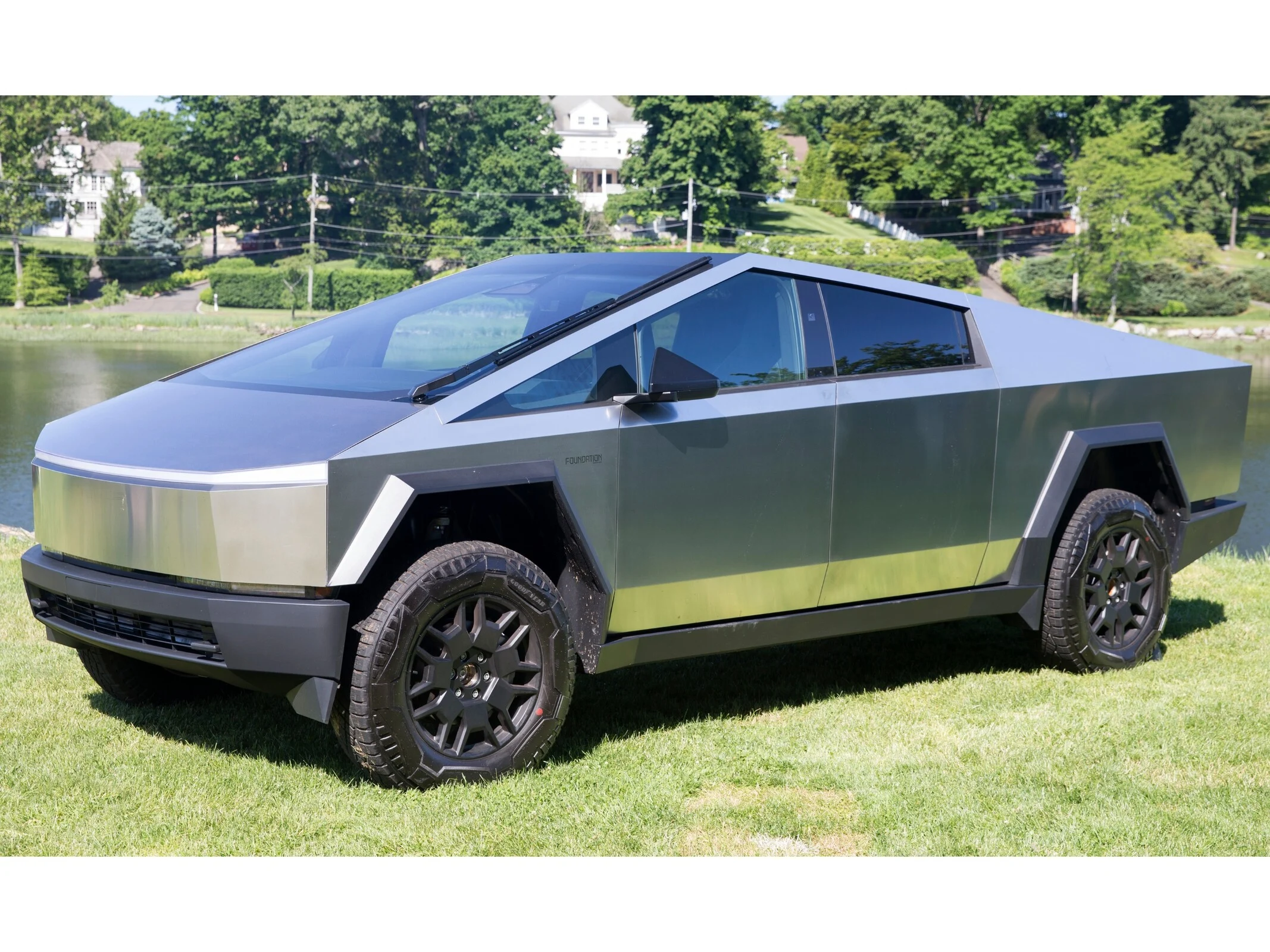
    Tesla faces challenges: The Cybertruck, once seen as a revolutionary project, is increasingly turning into a headache for the automaker. Recent reports show that sales of the Cybertruck have significantly disappointed, leading Elon Musk to seemingly buy up the unsold stock of this advanced electric vehicle through his own businesses. As stated by Electrek, SpaceX and xAI have recently acquired several hundred units of the Cybertruck. While the company claims this strategy is part of a shift from gas-powered vehicles to electric ones, skeptics suspect the real aim is to clear out unsold inventory and boost sales numbers, which currently don’t reflect well for the American car manufacturer.

    Sales Expectations vs. Reality

    Tesla initially estimated that it could sell up to 300,000 Cybertrucks annually. However, the actual number sold in the first quarter of 2025 is estimated to be only around 5,000. Reports indicate that a large number of unsold Cybertrucks are accumulating at Tesla’s Austin factory. Even significant reductions in price have not led to a lasting improvement in sales.

    Deployment of Cybertrucks

    The Cybertrucks bought by SpaceX and xAI are being deployed across various sites, including Starbase in Boca Chica, the Starlink manufacturing facility in Bastrop, and xAI locations. Observations from the YouTube channel NASASpaceflight confirm that multiple Cybertrucks have been relocated to the Starbase site recently. A YouTube video hints that these vehicles are meant to replace older company cars, although there are some who speculate that they may be given to employees.

    The conclusion: Elon Musk seems to be trying to tackle the weak demand for Cybertrucks from the inside. While supporters view this as a sensible move towards electrifying the fleet, critics argue it’s merely a superficial fix. Whether the purchases by SpaceX and xAI will alleviate the strain on Tesla in the future is still uncertain. For the moment, though, the electric vehicle company can at least find some relief.


    Source:
    Link


  • Tesla Model Y Standard Price and Specs Revealed Before Launch

    Tesla Model Y Standard Price and Specs Revealed Before Launch

    Key Takeaways

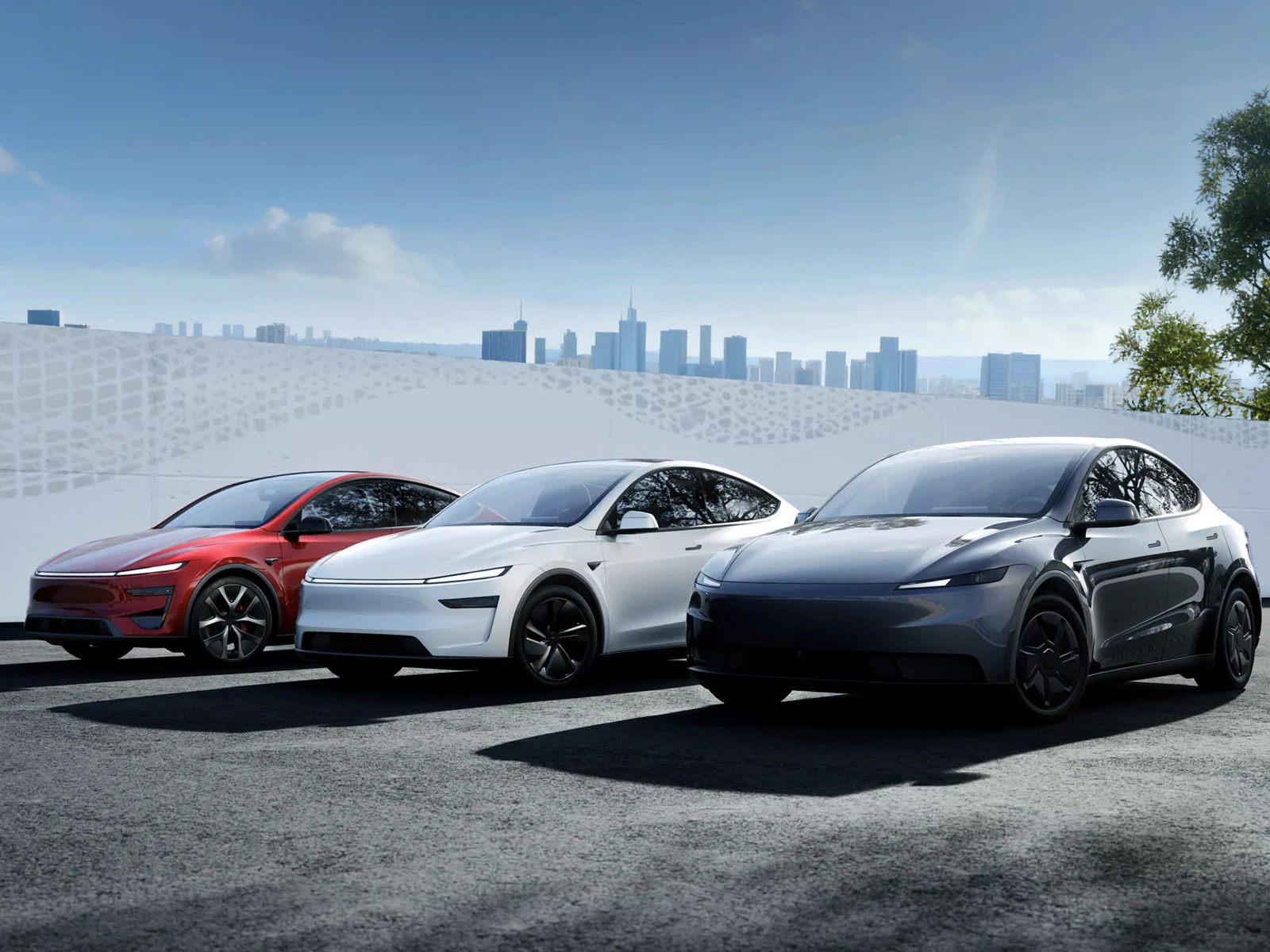
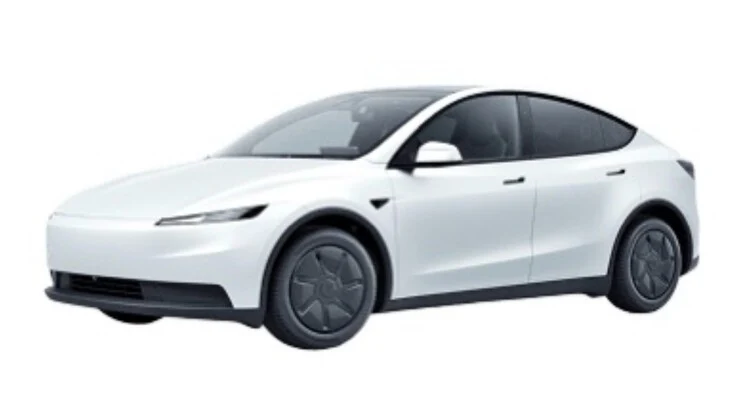
    1. Elon Musk revealed that the upcoming budget-friendly Tesla is a simplified version of the Model Y, possibly named Model Y Standard.
    2. The Model Y Standard is expected to be priced at $39,990, but this may be a placeholder as it lacks several premium features found in the current Model Y.
    3. Key specifications removed from the Model Y Standard include a hood light bar, glass roof, electric folding mirrors, and upgraded interior features.
    4. Tesla’s strategy of offering simplified models has had mixed results, as seen with the Cybertruck RWD trim that failed to attract buyers despite a lower price.
    5. To increase demand for the Model Y Standard, Tesla may need to lower the price to around $35,000 to offset the loss of tax credits and boost Q4 sales.


    At the recent quarterly earnings call, Elon Musk let slip that the much-anticipated budget-friendly Tesla is actually “a Model Y, let the cat out of the bag there.” He did, however, emphasize that this version is still a “singing and dancing” Model Y, packed with all the features that its avid followers have come to expect.

    Leaked Specifications

    The less expensive Model Y has seemingly been unveiled in the website’s code just prior to the teased release on October 7, showcasing much of its specifications and price details.

    This new, affordable Model Y is likely going to be named Model Y Standard, which means that social media debates could easily abbreviate it as Model Y S. This name would fit neatly just under the existing Model Y trim levels available in the US, as well as the larger six-seater Model Y L that is offered in China.

    Pricing Insights

    The advertised price of the Model Y Standard is set at $39,990, although this figure might just be a placeholder, considering that the current cheapest RWD version costs around $5,000 more. With several design features and interior options stripped away from the Model Y Standard, it’s uncertain whether it will see significant demand if Tesla sticks to a $40,000 price tag.

    Notably, this version lacks a hood light bar, glass roof, and electric folding mirrors, and the suspension system has been downgraded. Inside, Tesla has opted for a basic interior with textile seats, manual rear seating, a standard steering wheel, and air vents, while the HEPA filter has been exchanged for a less expensive particulate filter. There are no rear screens or central console storage, and even the clothing hooks have been removed. However, the matrix headlights, which enable automatic high beams, and the front bumper camera for FSD 14 are still included.

    Market Strategy

    Tesla has already been delivering such simplified models in other countries like Mexico, and they made a similar decision with the Cybertruck RWD trim in the US. Unfortunately, despite being priced $10,000 lower, the Cybertruck’s cloth seats and absence of air suspension didn’t appeal to many buyers, leading to its quiet phase-out.

    To make the Model Y Standard appealing, Tesla will need to set its price at least $7,500 lower, the amount of the lost tax credit, aiming for around the $35,000 range if they want to boost sales numbers for Q4.

    Source:
    Link