
Key Takeaways
1. Chinese officials clarified that a proposed acceleration limit for new electric vehicles (EVs) is misinterpreted; it may only be a default setting that can be adjusted by drivers.
2. The five-second acceleration limit aims to enhance safety for inexperienced drivers by reducing the risk of loss of control due to high torque during initial acceleration.
3. Many electric cars, like the Tesla Model 3 Performance and Model S, can accelerate from 0-60 mph in under five seconds, making high performance more accessible.
4. Additional proposed measures in EV legislation include preventing accidental pedal presses, disabling media functions at high speeds, and improving battery safety standards.
5. The draft legislation is still open for public discussion and could lead to the first regulations controlling the power output of EVs from a standstill.
While Elon Musk is getting ready to showcase a Roadster 2 that can accelerate in less than a second, China is considering ways to manage the immense power and torque that come with electric vehicles.
Clarifying Misunderstandings
Chinese officials attempted to clear up the confusion surrounding rumors that they will cap all new electric cars to a 0-60 mph time of at least five seconds, similar to traditional internal combustion engine (ICE) vehicles. They stated that the language used in their draft legislation proposal has been misinterpreted.
That said, they did confirm the possibility of a five-second acceleration limit becoming standard, but only as a default setting when the electric vehicle is first started. Drivers will have the ability to adjust this setting later to access the full power of their electric cars if they choose to do so.
Aiming for Safety
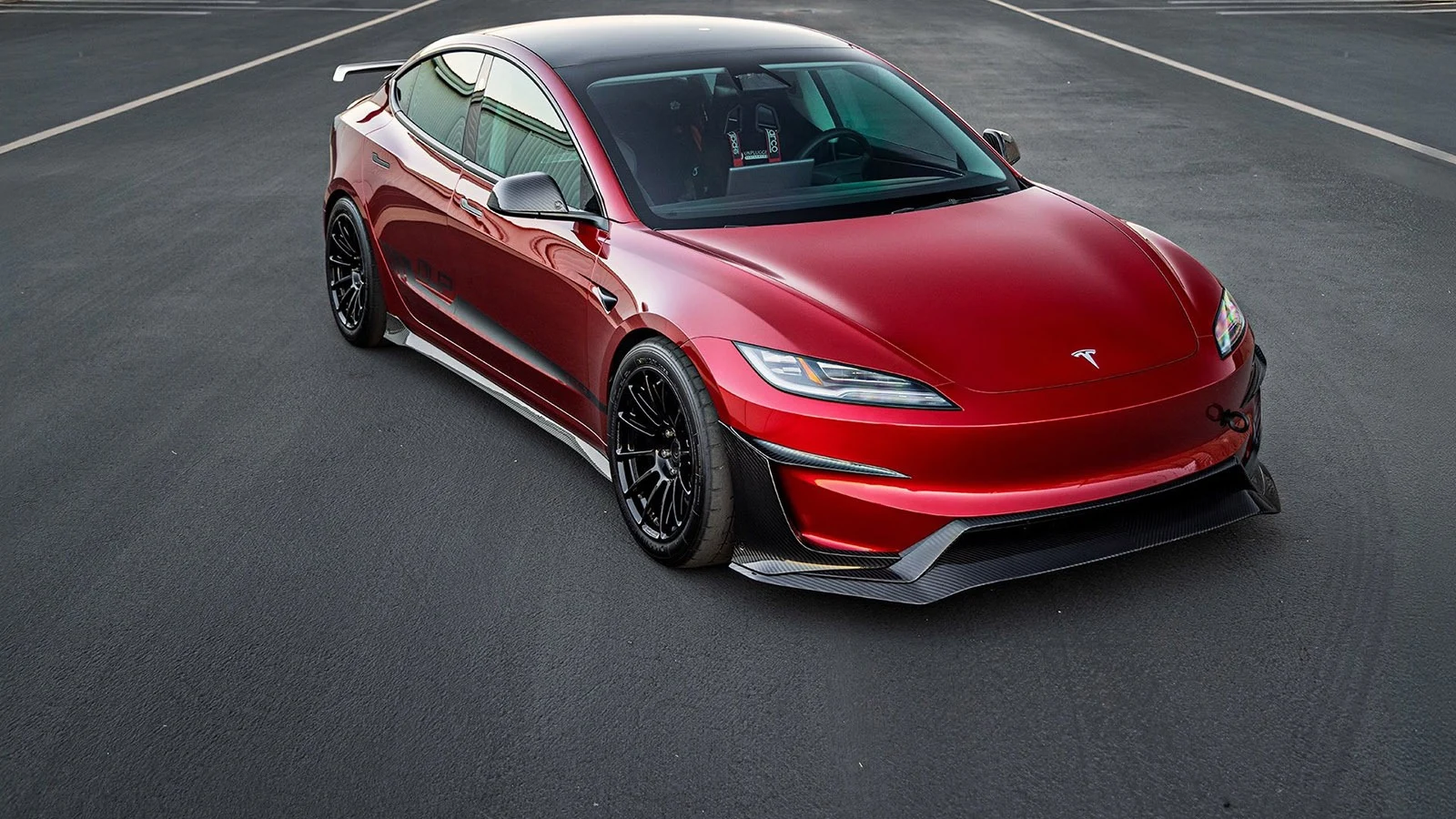
The intention behind this rule is to reduce accidents and fatalities resulting from inexperienced drivers who may struggle with the high torque that electric vehicles deliver, leading to loss of control during initial acceleration. Numerous electric cars can achieve 0-60 mph in under five seconds. For instance, the Tesla Model 3 Performance can accomplish this in less than three seconds, while the Model S can do it in just two.
These acceleration figures are alarmingly close to those of supercars powered by ICE, yet they come at a much lower price, making high-performance electric vehicles accessible to drivers who may not possess the skills to manage such speed.
Additional Proposals
Other measures in the proposed EV legislation include preventing accidental pedal presses, disabling media functions at higher speeds, and enhancing battery safety standards. The draft is still open for public discussion and could pave the way for the first regulations that control the power output of electric vehicles, at least from a standstill.
Source:
Link