
Key Takeaways
1. Cordless landlines are considered outdated, but their regulated frequencies are still relevant and under consideration by the FCC.
2. A petition was submitted to the FCC to reclassify neglected VHF Low Band frequencies (46 MHz and 49 MHz) for public use.
3. The FCC has removed the 46 MHz frequency from its current classification, marking a potential change in access to these frequencies.
4. VHF radio waves can penetrate obstacles like forests and hills, making them useful for personal and emergency communications during disasters.
5. The petition is being revised to include the 49 MHz frequency, which is still used in older baby monitors, for potential public access.
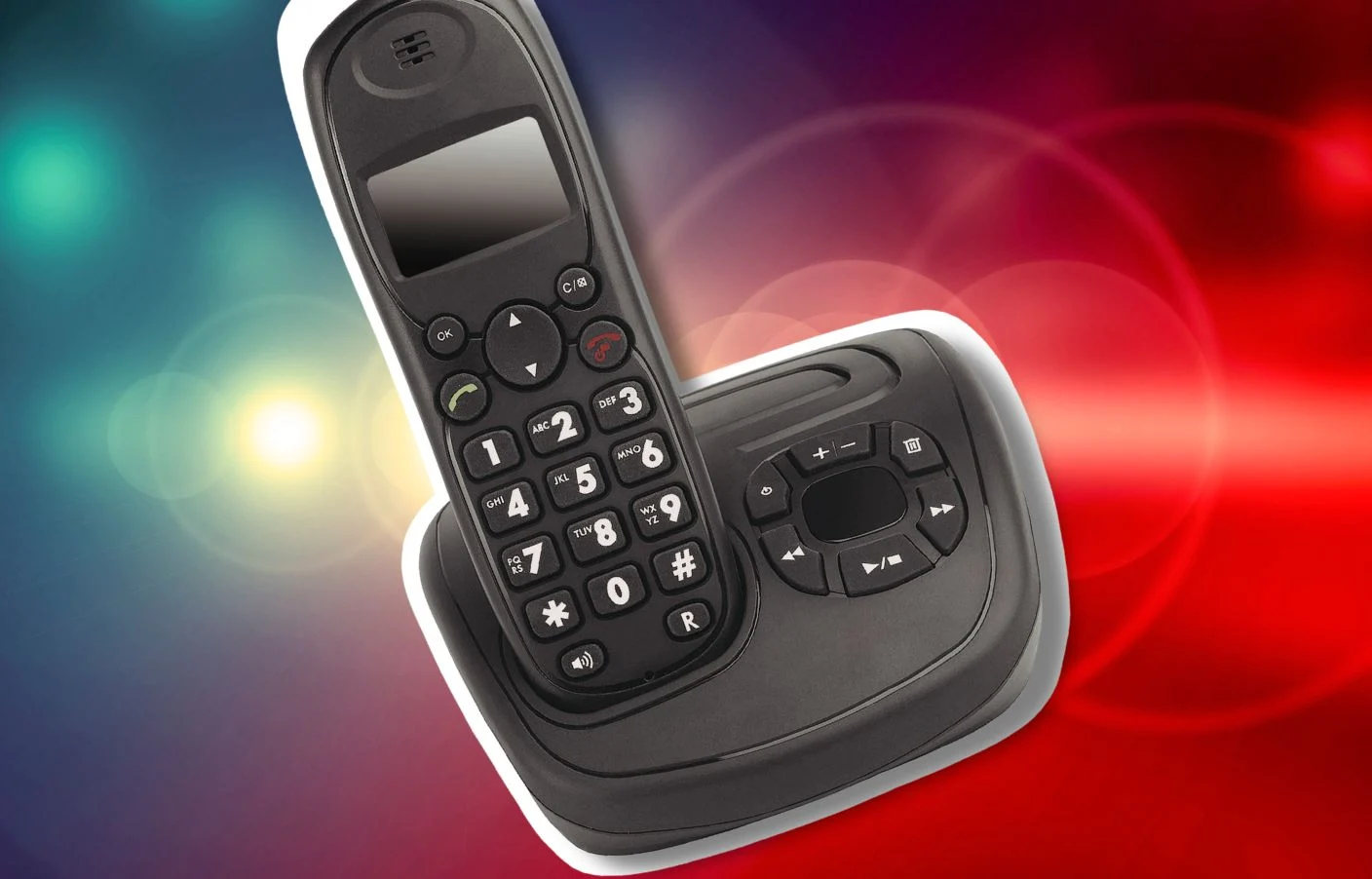
Cordless landlines used to be seen as old-fashioned technology, replaced mainly by cell phones for both work and personal communication. Yet, the frequencies that the FCC assigned to these outdated devices are still regulated by the government. A petition was submitted to the FCC last year to highlight this issue, and recent filings from the FCC indicate that there may be a chance to reclassify these neglected frequencies. At the moment, the main public two-way radio spectrum in the US is located in the UHF (Ultra High Frequency) band, specifically between 462.5500 MHz and 467.7250 MHz. In contrast, the VHF (Very High Frequency) Low Band frequencies, which were used by old cordless phones—46 MHz and 49 MHz—are hardly utilized at all.
A Step Forward
Recently, the FCC has taken a significant step by adopting a Direct Final Rule that removes the 46 MHz frequency from its current classification. Although this change does not guarantee availability for GMRS and FRS use, it marks the initial move towards making it accessible to the public. The petition argues that these VHF Low Band frequencies could greatly improve personal and emergency communications. Because VHF radio waves are longer, they can easily penetrate thick forests and navigate over hills, which would be essential during natural disasters. However, since the 49 MHz frequency, which is also frequently used in older baby monitors, hasn’t been reclassified yet, the petition is being revised to urge the FCC to consider making both frequencies available for public use.