Tag: national security

  • FCC Grants Update Waiver for TP-Link, DJI, and Other Foreign Devices

    FCC Grants Update Waiver for TP-Link, DJI, and Other Foreign Devices

    Key Takeaway

    1. The FCC has extended the deadline for firmware and software updates for certain foreign-made routers and drones in the U.S. until January 1, 2029, citing public safety reasons.
    2. The extension applies mainly to devices from companies like TP-Link, Huawei, and DJI, amidst ongoing concerns over national security risks associated with foreign-made technology.
    3. The U.S. government has added foreign-made consumer routers and drones to a “Covered List” due to perceived security threats, limiting the import of newer DJI drones and similar devices.
    4. Companies like TP-Link are actively contesting these restrictions, emphasizing investments in U.S. manufacturing, while DJI is challenging the rules in court and advocating for its products’ importance.

    Recent Updates on Device Support Extentions

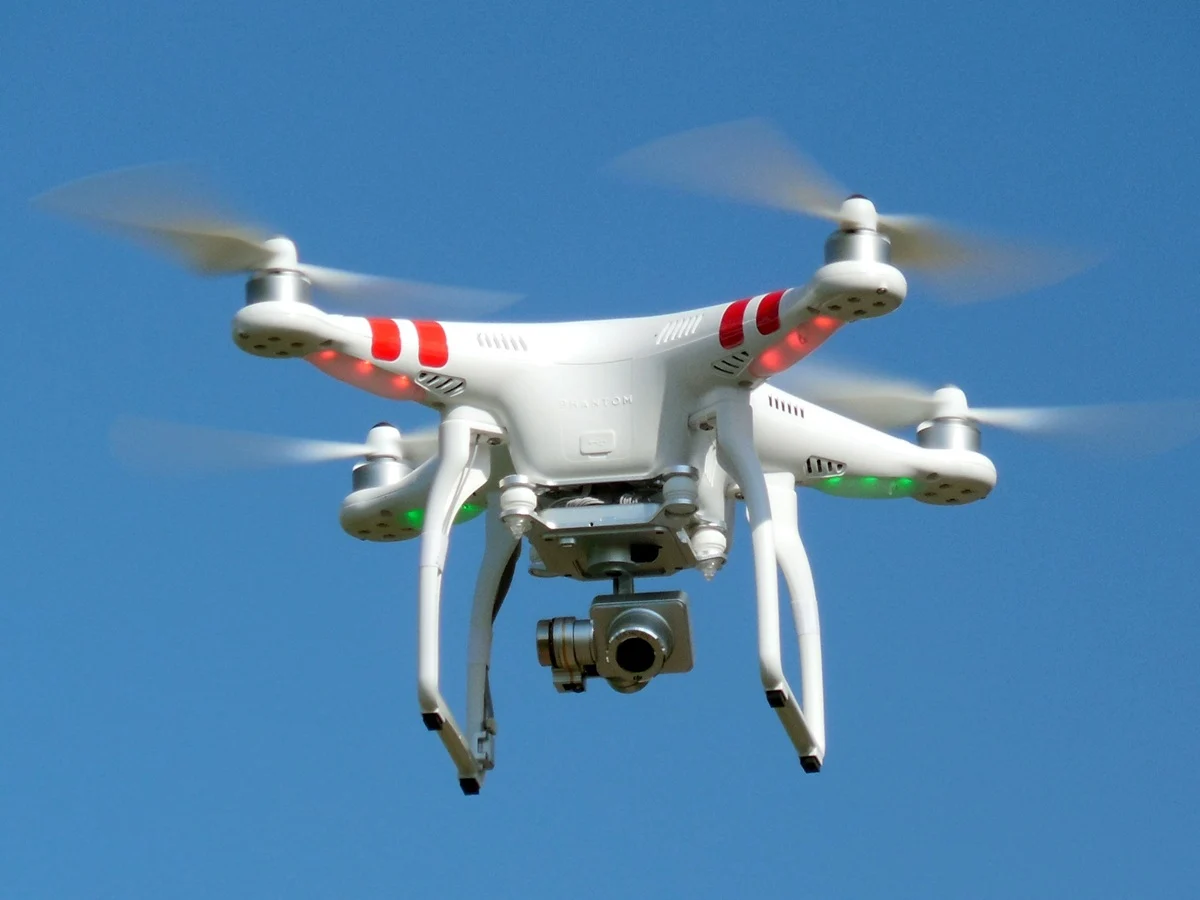
    If you are a user or fan of TP-Link’s Archer series, Asus’s latest Wi-Fi gear, Huawei’s 5G CPE units, or drones made by DJI, especially those made abroad or in China, then good news just came your way. The FCC has decided to relax its previously strict ban and now extend the support deadlines for millions of existing devices. And this includes some of the current Wi-Fi 7 routers in the USA.

    Extended Software Support Timeline

    Instead of ending support in early 2027, the FCC’s Office of Engineering and Technology (OET) announced last Friday that all those “foreign-made” devices, including routers and drones, will continue to get vital updates until January 1, 2029. This means they will still get security patches to fix vulnerabilities, bug fixes, and updates to keep the network running smoothly. The decision was influenced by the Consumer Technology Association, which manages CES, asking the FCC to extend support period citing public safety concerns.

    Rationale Behind the Decision

    The official statement from the OET said that “special circumstances warrant a deviation from the general rules” and that extending this support helps serve the public interest better. They also pointed out that keeping the support period limited but extended allows them to review and possibly change these rules in future. The waiver was even allowed to include some bigger changes, as long as they protect consumers and safety.

    Why These Restrictions Exist

    The main reason for the restrictions is national security. Both the White House and the FCC have added foreign-made consumer routers and drones to the “Covered List” because these devices are believed to represent risks to U.S. networks and infrastructure. Since then, newer DJI drones and drones from similar companies have been banned from import into the US. Under certain conditions, some companies can get short-term permissions called conditional approvals, usually for special reasons, from security agencies like the Department of Defense or Homeland Security.

    How Major Brands Are Affected

    At the moment, only a handful of devices from companies such as Netgear and Amazon have been approved to operate. However, giant firms like TP-Link and DJI haven’t yet met the high standards needed for approval. TP-Link is actively trying to stay in the U.S. market, claiming to have invested hundreds of millions of dollars in manufacturing and R&D of its routers here, aligning with FCC’s policies.

    Legal Challenges and Industry Response

    Meanwhile, DJI is fighting the rules in court. The company encourages loyal customers across America to file comments supporting its products and emphasizing their importance, from daily use to emergency services. This ongoing legal battle and regulatory environment highlight the tension between security concerns and the interests of tech companies and consumers alike.

    Sources
  • DJI Sues FCC Amid Escalating Drone War to Protect US Sales

    DJI Sues FCC Amid Escalating Drone War to Protect US Sales

    Key Takeaways

    1. DJI has requested a review from the US Court of Appeals for the Ninth Circuit against the FCC’s decision to add it to the Covered List.
    2. The FCC’s Covered List identifies communication devices deemed a national security risk, impacting new equipment approvals for DJI products in the US.
    3. DJI argues that the FCC overstepped its authority, claiming the decision harms its business by blocking new model approvals.
    4. Current DJI products will still function, but future product availability may be limited if DJI remains on the Covered List.
    5. The legal challenge by DJI escalates the dispute to federal court, where the court will assess the FCC’s actions and their compliance with relevant laws.


    DJI has submitted a request for a review to the US Court of Appeals for the Ninth Circuit, contesting the decision made by the Federal Communications Commission (FCC) to add DJI to its Covered List. This action prevents new equipment approvals related to DJI products and parts within the United States.

    What is the Covered List?

    The FCC’s Covered List is an official registry of communication devices and services that are considered to present “an unacceptable risk” to the national security of the US, as per the Secure Networks Act guidelines.

    In December 2025, the FCC revealed its plans to enhance the Covered List by including specific foreign unmanned aircraft systems (UAS) and key components moving forward. This means that drones that had already been authorized for use prior would not be affected, but any new authorizations might face barriers.

    DJI’s Legal Argument

    DJI argues that the FCC has exceeded its authority and contends that the decision to put DJI on the Covered List is damaging its business. The firm claims this decision obstructs the necessary approvals for importing, marketing, and selling new models and components.

    The company has also reassured its customers that current DJI products should function as usual, while cautioning that the future availability of new products may be impacted if they remain on the Covered List.

    Current Situation and Next Steps

    The FCC’s action against foreign-made drones was initiated around late December 2025, when it added foreign drones and components, including those from DJI, to the Covered List, citing concerns over national security. The agency indicated there may be an exceptions process involving defense agencies for approvals.

    Various news sources now indicate that DJI’s legal challenge represents an escalation, bringing the dispute into federal court as the company aims to reverse its designation on the Covered List.

    This petition sets the stage for litigation, where the court will evaluate if the FCC’s actions regarding the Covered List expansion and its implications for DJI adhered to the relevant laws and procedures. Meanwhile, the FCC’s Covered List framework continues to be in effect, and the restrictions on new authorizations remain a significant challenge for DJI’s product availability in the US market.

    Source:
    Link


  • US AI Chip Export Rules Raise Concerns and Global Tensions

    US AI Chip Export Rules Raise Concerns and Global Tensions

    The United States has rolled out new regulations regarding the export of advanced AI chips. This move seeks to safeguard national security while ensuring that the US remains at the forefront of AI technology. The regulations classify different countries based on their ties with the US and establish different access levels to American AI innovations.

    Classification of Nations

    The new guidelines create a three-tier system for countries:
    Tier 1 consists of close partners like the UK, Japan, and the Netherlands, which can access US AI technologies without restrictions.
    Tier 2 includes countries such as Singapore and Israel, which are subject to export limits and licensing to ensure that security is not jeopardized during trade.
    Tier 3 comprises nations like China, Russia, and Iran, which are completely prohibited from obtaining advanced AI technologies due to security issues.

    Main Aspects of the Regulations

    These new rules set limits on exports using a Total Processing Performance (TPP) standard. For instance, AI chips like Nvidia’s H100 GPUs are restricted from reaching Tier 3 countries. However, US cloud service providers, including Amazon Web Services, Microsoft, and Google, are granted exemptions, enabling them to operate globally under certain stringent conditions.

    The purpose of these restrictions is to prevent adversarial nations from using AI chips for military improvements, surveillance, or cyber warfare. By protecting its technological advantage, the US aims to maintain its leadership in global AI and ensure national security.

    Worldwide Effects

    Manufacturers like Nvidia are likely to face difficulties, with major revenue declines anticipated in the restricted markets. On the other hand, US cloud service providers could see an uptick in benefits from these exemptions, enhancing their international footprint. There are worries about these regulations leading to fragmented global supply chains, which could negatively affect consumer markets, particularly gaming.

    With a 120-day period for public comments, the upcoming Trump administration has a chance to adjust the new framework. Analysts forecast ongoing stringent measures against China, but they also anticipate some flexibility in how these rules are implemented, aiming to balance economic growth with security requirements.

  • Trump Supports TikTok at First Rally Post-US Elections

    Trump Supports TikTok at First Rally Post-US Elections

    As per a report from Reuters, President-elect Donald Trump has expressed that the US should "start thinking" about keeping TikTok "around for a while." This statement marks the most significant support for the Chinese social media app to date. TikTok is currently struggling due to a new law enacted by the Biden administration that will lead to its ban in the US beginning in January.

    TikTok’s Legal Challenge

    Earlier this month, TikTok’s attempt to challenge a new US law that is set to take effect in January was unsuccessful, as a federal appeals court denied its request to postpone the ban. The platform had sought an emergency injunction for a delay until the Trump administration takes office and the Supreme Court could hear the case.

    Supreme Court’s Decision

    The Supreme Court did agree to hear the case but stated it would not prevent the law from being enforced starting January 19, 2025. This law, known as the Protecting Americans from Foreign Adversary Controlled Applications Act, deems TikTok a risk to National Security. According to this law’s provisions, TikTok must either sell itself to a new owner in the US or face a ban.

    "I think we need to start considering, because, you know, we did go on TikTok, and it was a great response with billions of views, billions and billions of views," Trump said while speaking to the audience at AmericaFest. "They showed me a chart, and it was a record, and it was really beautiful to see, and as I looked at it, I thought, ‘Maybe we should keep this thing around for a little while,’" he further remarked.

    Source: Link

  • Meta’s Llama Now Available for U.S. National Security Agencies

    Meta’s Llama Now Available for U.S. National Security Agencies

    Meta has decided to offer its open-source LLM (Large Language Model) Llama to U.S. government agencies and various contractors involved in national security initiatives.

    Partnerships for National Security

    The firm revealed its collaboration with a range of companies including Accenture Federal Services, Amazon Web Services, Anduril, Booz Allen, Databricks, Deloitte, IBM, Leidos, Lockheed Martin, Microsoft, Oracle, Palantir, Scale AI, and Snowflake to facilitate this effort.

    Oracle plans to utilize Llama for integrating aircraft maintenance documentation to identify possible issues. Meanwhile, Scale AI is crafting a specialized model based on the LLM to assist missions of national security teams. Lockheed Martin aims to employ Llama to enhance coding processes and data analysis, thereby improving their operational efficiency.

    Hosting and Applications

    Amazon Web Services (AWS) and Microsoft Azure will provide hosting for Llama to be used in various government applications. Additionally, IBM intends to incorporate Llama within its watsnox solution designed for national security agencies. Meta asserts that these advancements will promote “the prosperity and security of the United States.” They are also positioned to help set U.S. open-source benchmarks in the global competition for AI dominance.

    The organization emphasizes that “it is beneficial for both America and the broader democratic community for American open-source models to thrive and outshine those from China and other regions.” Recently, the news outlet Reuters reported that China had developed a tailored AI model based on an older version of the Llama 13B LLM, aimed at potential military uses.

    Meta’s strategy underscores its commitment to maintaining leadership in the critical field of AI technology.

  • US Considers RISC-V Tech to Challenge China: Tech War Update

    US Considers RISC-V Tech to Challenge China: Tech War Update

    The ongoing technology competition between the United States and China has entered a new phase with the advent of RISC-V, an open-source chip technology. China's increasing focus on RISC-V as an alternative to lessen dependence on foreign technologies has prompted the US Department of Commerce to scrutinize this development and consider countermeasures against China's utilization of RISC-V chips.

    Chinese Embrace of RISC-V

    RISC-V, renowned for its adaptability and suitability for specialized chips in areas like AI and mobile devices, has gained significant traction in recent years. China's swift adoption of RISC-V is evident, with over 300 Chinese companies embracing the technology, and major tech players such as Alibaba, Huawei, and Tencent investing in RISC-V-based chips. This concerted push by Chinese entities underscores the strategic importance of RISC-V in the ongoing tech race between the two global superpowers.

    US Concerns and Responses

    The increased scrutiny from the US is driven by worries over the implications of China's growing dominance in RISC-V. Lawmakers have called on the Biden administration to act to prevent China from leveraging RISC-V for its benefit, citing potential risks to US national security and economic concerns. The Commerce Department's review seeks to evaluate these concerns and explore potential actions to address them.

    Implications of Google's Move

    Google's recent choice to eliminate RISC-V support from the Android kernel has further fueled tensions surrounding the technology. While this decision might hinder RISC-V chip vendors targeting Android systems, analysts suggest that developers could potentially reinstate RISC-V support with additional effort. Nonetheless, the fallout from Google's move underscores the broader impacts of the US-China tech rivalry on global innovation and supply chains.

    However, curbing China's access to RISC-V technology poses a significant challenge for US policymakers. The relocation of RISC-V International to Switzerland in 2020 was a strategic maneuver aimed at shielding the organization from geopolitical pressures and constraining US regulatory options. Imposing restrictions on RISC-V could disrupt the global supply chain and impede US firms' involvement in international RISC-V initiatives.

    As the Commerce Department grapples with these complexities, it must delicately balance protecting national security interests with maintaining the competitiveness of US companies in the global market. The outcome of this review will not only shape the future trajectory of RISC-V technology but also impact the broader dynamics of the US-China tech rivalry.

  • US Reviews National Security Implications of China’s RISC-V Chip

    US Reviews National Security Implications of China’s RISC-V Chip

    To address national security concerns, the US Department of Commerce is currently conducting a comprehensive assessment of China's involvement in the open-source RISC-V chip technology sector. RISC-V, viewed as a rising alternative to proprietary technologies like those from Arm Holdings, has gained significant traction due to its versatility, being utilized in a wide range of applications from smartphone chips to cutting-edge AI processors.

    Escalating Competition Over Chip Technology

    With major Chinese tech entities, including Alibaba Group Holding, embracing RISC-V, the strategic rivalry between the US and China in advanced chip technology has heightened. This competition has spurred 18 US lawmakers to call on the Biden administration to prevent China from establishing dominance in RISC-V technology.

    Commerce Department's Evaluation and Caution

    In response to these concerns, the Commerce Department has affirmed its dedication to assessing potential risks and considering appropriate actions within its purview. However, the department is also treading cautiously to ensure that its actions do not impede the involvement of US companies in international collaborations related to RISC-V technology.

    Geopolitical Implications of Technological Rivalry

    The scrutiny of China's position in the RISC-V technology landscape by the Commerce Department underscores the broader geopolitical implications of technological competition. Notably, China's military research institute, the PLA's Academy of Military Sciences, has integrated open-source RISC-V technology into patents for high-performance chips aimed at enhancing reliability in cloud computing and smart vehicles.

    While RISC-V has not yet eclipsed the dominance of x86 and Arm architectures, its cost-effectiveness, customizability, and energy efficiency have made it appealing to chipmakers and OEMs. However, with China's increasing adoption of RISC-V, backed by substantial government support, concerns have arisen regarding its potential impact on US technological leadership and national security interests.

    As the Commerce Department's review unfolds, the conclusions drawn are expected to play a pivotal role in shaping the trajectory of US-China technological competition and influencing policies pertaining to the transfer of advanced chip technologies.

  • Nvidia CEO predicts 10 to 20-year journey for US to achieve semiconductor independence

    Nvidia CEO predicts 10 to 20-year journey for US to achieve semiconductor independence

    Nvidia CEO Jensen Huang recently spoke at The New York Times' DealBook conference, providing insights into the challenges faced by the United States in achieving semiconductor supply chain independence. Huang highlighted the complexity of the task, stating that it could take anywhere from 10 to 20 years due to the global interconnectivity of chip production.

    One of the key points Huang made was that Nvidia's products heavily rely on components sourced globally, dispelling the idea that the company has exclusive dependency on Taiwan, where critical elements are manufactured. This poses a potential obstacle for the Biden administration's goal of reshoring chip-making industries to the US, despite bipartisan efforts and legislative initiatives.

    Huang also addressed concerns about national security, acknowledging the US government's export restrictions on Nvidia. He emphasized the delicate balance between business operations and security imperatives. Despite these challenges, major players in the semiconductor industry, including Taiwan Semiconductor Manufacturing Co (TSMC), Samsung Electronics, and Intel, are actively planning expansions in the US. Europe is also working towards strengthening local semiconductor manufacturing to reduce reliance on global supply chains.

    Interestingly, Huang reiterated Nvidia's commitment to China, despite the export restrictions imposed by the US government. The company is actively developing products for the Chinese market that comply with US regulations, aiming to navigate the regulatory landscape without triggering restrictions.

    However, Huang warned of unintended consequences arising from export restrictions. He noted that approximately 50 Chinese companies are now developing technology to compete with Nvidia's offerings. To address regulatory challenges, Nvidia is working on new chips that comply with the latest export restriction rules, with plans to resume business in China once regulatory compliance is achieved.

    In navigating this complex landscape, Huang stressed the importance of finding a balance between conducting business with various entities and addressing national security concerns.

  • An Overview of the Journey Towards US Chip Independence

    An Overview of the Journey Towards US Chip Independence

    The Importance of Semiconductor Manufacturing in a Technology-Driven World

    In today’s technology-driven world, the production and control of semiconductor chips have become increasingly vital. Jensen Huang, the CEO of Nvidia, a leading player in the semiconductor industry, recently emphasized the significant amount of time the United States may need to achieve self-reliance in chip manufacturing. According to Huang, the US could be a decade or two away from reaching this crucial milestone.

    The Global Significance of Semiconductors

    The semiconductor industry is a complex and globally interconnected web, with significant components originating from various parts of the world, notably Taiwan. The current geopolitical climate, marked by tensions in US-China relations, has intensified the focus on semiconductor production. To address this, the US government has been making efforts to bolster domestic manufacturing capabilities. President Biden’s visit to a new Taiwanese chip-making plant in Arizona is a clear example of these efforts, reflecting a growing desire to mitigate reliance on foreign production.

    A Global Movement Towards Localization

    However, the shift towards domestic production is not exclusive to the United States. Europe, too, is striving to localize semiconductor manufacturing. This global movement signifies a departure from decades of globalization that distributed production across the world, creating vulnerability through concentrated production hubs in places like Taiwan and South Korea.

    The National Security Factor

    The strategic importance of the semiconductor industry goes beyond economic factors; it also extends to national security. This is evident in the US government’s recent export restrictions on high-end artificial intelligence processors to China, impacting companies like Nvidia. These restrictions are part of broader efforts to safeguard national security and maintain technological competitiveness.

    Balancing Regulatory Compliance and Market Presence

    Jensen Huang’s comments also shed light on the delicate balance that companies like Nvidia must maintain. While adhering to US regulations, they also need to sustain their market presence in China, which happens to be the world’s largest chip market. Adapting to regulatory changes and developing new, compliant products are crucial for these companies to continue their global operations.

    In conclusion, the production and control of semiconductor chips have become increasingly important in today’s technology-driven world. Achieving self-reliance in chip manufacturing is a significant goal for countries like the United States and Europe. Moreover, the strategic importance of the semiconductor industry extends beyond economic factors, encompassing national security considerations. Companies like Nvidia face the challenge of balancing regulatory compliance and maintaining their market presence in the face of evolving geopolitical dynamics. As the world becomes more dependent on technology, the semiconductor industry will continue to play a crucial role in shaping the global landscape.