Tag: TikTok

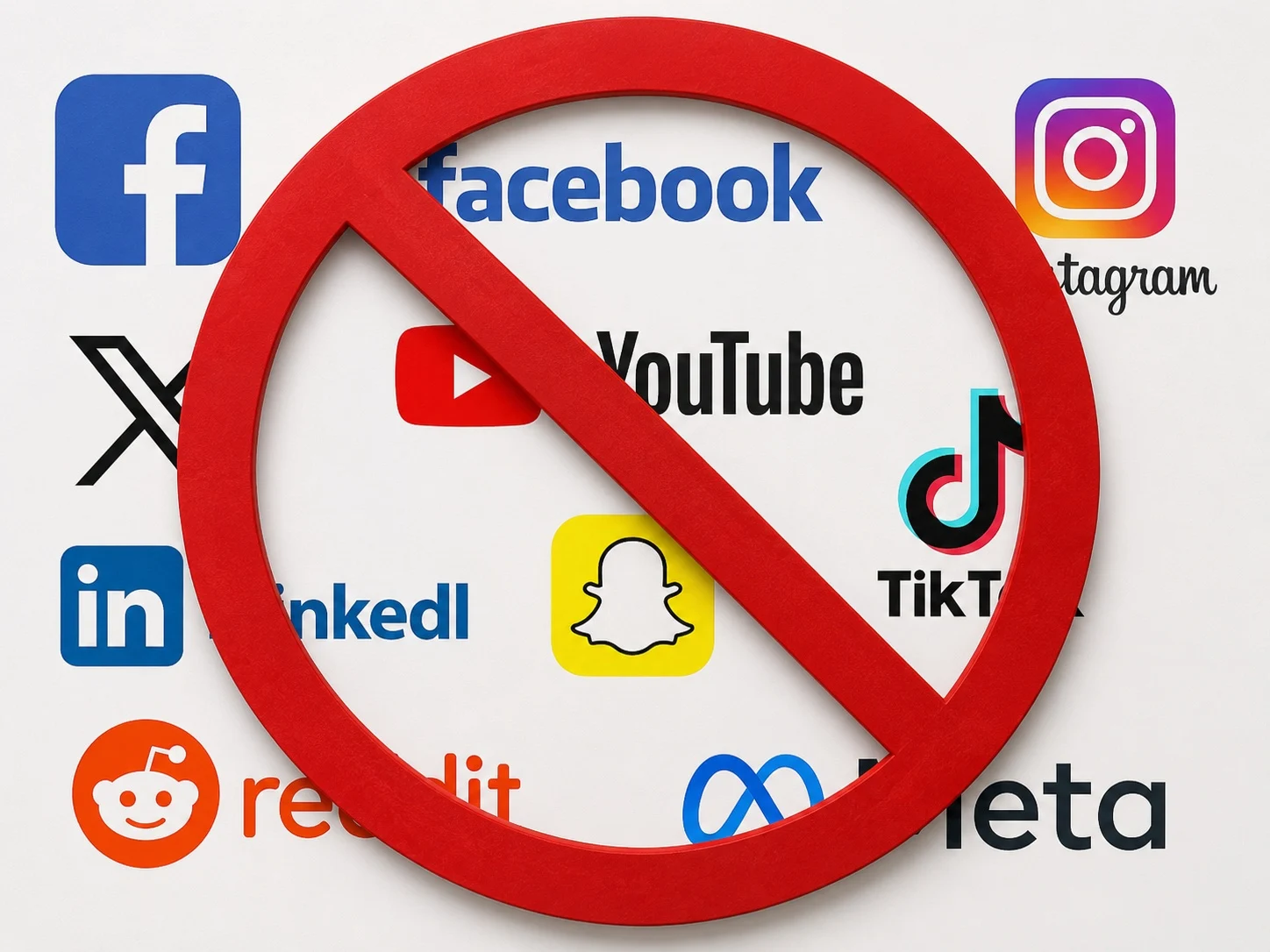
  • Social Media Ban for Under-16s in UK

    Social Media Ban for Under-16s in UK

    Key Takeaway

    – Australia’s social media ban for under-16s has been in place for over six months, with mixed results.
    – The UK plans to introduce a similar ban from March 2027, plus measures like overnight curfews.
    – Critics highlight enforcement difficulties; one study found over 60% of Australian children still use social media despite the ban.
    – The ban’s effectiveness remains debated, balancing protection with practical challenges of circumvention.


    Just Over Six Months Ago, Australia Implimented a Nationwide Social Media Ban for Under-16s

    All affected children and teenagers are legally barred from creating or holding accounts on TikTok, Instagram, Facebook, Snapchat, X (formerly Twitter), YouTube, Reddit, Threads, Twitch and Kick. Messaging apps (such as WhatsApp), dedicated gaming servers (such as Roblox) and educational services are generally exempt from the blanket ban. The groundbreaking law caught the attention of international lawmakers and ignited conversations on youth mental health and online safety around the world. This is a huge step forward for digital safety, although their are debates about its effectivness so far.

    Now, the UK is Seeking to Emulate Australia in Introducing a Social Media Ban for Under-16s

    This is expected to come into force sometime from March 2027. Labelling it a “landmark government move to give kids their childhood back,” the government is also considering an overnight curfew and measures to stem endless scrolling among under-18s. Banned social media services will include Snapchat, TikTok, YouTube, Instagram, Facebook and X, with a complete list of affected platforms to be published in the coming months. Either way, officials have stated that the ban will extend to services designed for social interaction that let users share content.

    However, Their Are Questions Surrounding the Efficacy of Such a Ban

    Six months on, the reaction to Australia’s social media ban has been mixed. Proponents argue that the measure gives young people a certain degree of protection online and encourages them to pursue screen-free activities, while critics argue that many tech-savvy teenagers are still circumventing the ban and enforcing restrictions are proving difficult in reality. One study in particular found that more than 60% of Australian children still use social media despite the ban. This raises serious doubts about weather any legislative move can truly protect young users without significant technological enforcement.

    UK Government, The Guardian, Molly Rose Foundation

    The conversation is likely to continue evolving as more data becomes avaliable. Its important to note that the Molly Rose Foundation has been actively involved in these discussions, advocating for stronger protections. The Guardian provides a comprehensive overview of the topic, including the challenges and potential benefits of such a sweeping policy. Only time will tell if the UK can succeed where Australia has faced statistical setbacks, but the intention to give childhood back to children remians strong.
  • TikTok Uninstalls Surge in US Amid Privacy and Censorship Fears

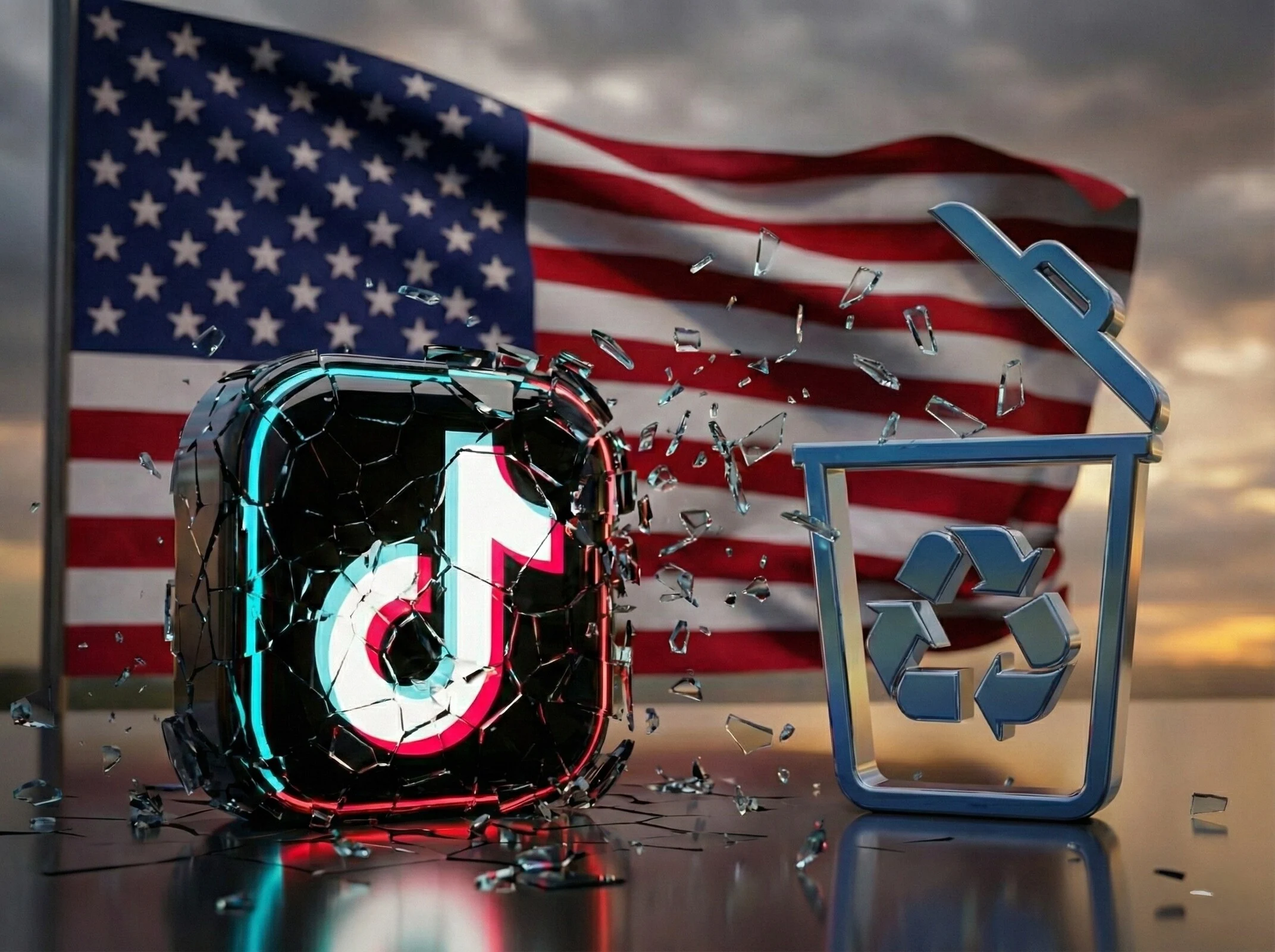
    TikTok Uninstalls Surge in US Amid Privacy and Censorship Fears

    Key Takeaways

    1. TikTok has experienced a 150% increase in daily app deletions in the U.S. following a change in ownership.
    2. Users are concerned about new privacy policies that allow collection of sensitive information, raising fears of censorship.
    3. TikTok USA assures users that discussions on sensitive topics will continue despite concerns about censorship.
    4. Technical issues, including a significant data center outage, have negatively affected user experience and accessibility.
    5. Rival apps like UpScrolled and Skylight Social have seen increased downloads as users seek alternatives to TikTok.


    TikTok is facing a significant drop in users across the United States. Recent data from Sensor Tower indicates that daily app deletions have surged by nearly 150% within the first five days following the change in ownership compared to the earlier quarter. Users have pointed to a mix of technical issues and worries about privacy, along with the political views of the new operators, as major factors driving this trend.

    New Policies Cause Concern

    The latest updates to TikTok’s terms of service and privacy policies have sparked criticism, especially regarding sections that permit the collection of sensitive information like ethnicity, sexual orientation, and immigration status. Although these provisions have been in the guidelines since August 2024, they are seen as indicative of the new owners’ political ideology. Many users and content creators are anxious that the app might face more censorship moving forward. In response to these concerns, TikTok USA has denied any plans for censorship, assuring users that discussions on sensitive topics, including US Immigration and Customs Enforcement (ICE) and the Jeffrey Epstein controversy, will still be allowed on the platform.

    Technical Issues Worsen User Experience

    Compounding the situation are technical glitches that have impacted the algorithm and uploading features. A data center outage on January 25 left numerous users unable to access TikTok for more than 24 hours. As a result, rival apps like UpScrolled and Skylight Social experienced a significant uptick in downloads. Even with the large number of uninstalls, active engagement with the app in the US has remained relatively consistent, indicating that the main user demographic is still showing loyalty for the time being.

    Source:
    Link


  • TikTok to Sell US Operations to American Investor Group

    TikTok to Sell US Operations to American Investor Group

    Key Takeaways

    1. ByteDance has finalized a deal to keep TikTok operational in the US by creating a new entity, TikTok USDS Joint Venture LLC.
    2. The new structure allows TikTok’s US operations to be managed independently from ByteDance starting January 22.
    3. The joint venture has agreements with three main investors: Oracle, Silver Lake, and MGX, with MGX indicating some non-American ownership.
    4. The ownership breakdown includes Oracle, Silver Lake, and MGX owning about 45%, ByteDance owning 19.9%, and affiliates of ByteDance investors owning roughly 30.1%.
    5. TikTok plans to retrain its algorithm using American user data to avoid external content manipulation, though details on implementation remain unclear.


    TikTok users in the US can now feel a sense of relief, as ByteDance has finalized a deal that ensures the app will remain operational in the nation. According to CNBC, ByteDance has decided to place TikTok’s US operations under a new framework that gives majority control to a group of investors led by American companies.

    New Structure for US Operations

    Shou Zi Chew, TikTok’s CEO, shared with employees that the US sector of the company will be managed by a newly created entity called TikTok USDS Joint Venture LLC. This arrangement enables TikTok to serve its 170 million users in the US while officially disconnecting its American operations from ByteDance’s direct oversight. The new agreement is scheduled to commence on January 22, just one day before the expiration of an executive order that halted the enforcement of the Protecting Americans from Foreign Adversary Controlled Applications Act.

    Investor Agreements

    In his internal communication, Chew noted that the joint venture has secured agreements with three managing investors: Oracle, the private equity firm Silver Lake, and the investment firm MGX based in Abu Dhabi. While this group of investors is often referred to as US-led, MGX’s involvement indicates that the ownership is not entirely American. Nevertheless, this is largely the same coalition that US officials previously showed willingness to approve during earlier talks that were hindered by political and regulatory concerns.

    Ownership Breakdown

    According to the reported ownership details, Oracle, Silver Lake, and MGX will collectively possess around 45% of the new US entity. Affiliates of current ByteDance investors are expected to own roughly 30.1%, while ByteDance itself will keep a 19.9% share. The company will also function under a new board structure, comprising seven directors, with a majority anticipated to be US citizens.

    One of the most delicate aspects of the negotiations has consistently been TikTok’s algorithm. US officials have long maintained that oversight of the recommendation system could enable indirect influence over the content presented to users. In his message to staff, Chew indicated that the new US entity will retrain the algorithm utilizing American user data to ensure that the content feed is not subject to external manipulation. How this retraining will be implemented in reality, and the degree to which it will be independent from ByteDance’s global systems, is still unclear.

    Source:
    Link


  • ByteDance Launches New Global Game Platform to Compete with Steam

    ByteDance Launches New Global Game Platform to Compete with Steam

    Key Takeaways

    1. ByteDance is developing a global game distribution platform called GameTop to compete with Steam, focusing on user-generated content and social features.

    2. The company is actively recruiting talent for GameTop, emphasizing user growth strategies and collaboration across teams to enhance user engagement.

    3. There is confusion with an existing app named GameTop on the Google Play Store, developed by Pylon Games, which is unrelated to ByteDance’s initiative.

    4. ByteDance’s gaming division has undergone restructuring, shifting to a more practical approach that emphasizes efficient product creation and high-quality games.

    5. ByteDance is working on multiple new games across various genres, incorporating AI innovations and maintaining a strong presence in the Chinese market with successful titles.


    ByteDance is said to be working on a new global game distribution platform called GameTop, which aims to rival major players like Steam. This initiative represents a major strategic growth for the TikTok parent company’s gaming sector, expanding beyond China and emphasizing user-generated content, social elements, and tools for developers.

    New Talent Recruitment

    As reported by the Chinese tech news site Tech Planet, ByteDance has begun to seek new talent for GameTop. The platform is being described as an international game distribution service that will provide tailored gaming experiences, tools for user-generated content (UGC), and a social hub for players to engage with each other.

    Job ads indicate that the user operations team for GameTop will focus on increasing user growth, activation, retention, and re-engagement. The company intends to implement player segmentation, level systems, rewards, and badges to enhance user activity and involvement. Collaboration across teams dealing with content, product, and monetization will be essential for the platform’s growth.

    Existing App Confusion

    There is already an app named GameTop available on the Google Play Store, which features over 200 offline mini-games and some basic social features. However, this app is developed by a different entity, Pylon Games, and its relation to ByteDance’s initiative remains uncertain.

    The development of GameTop comes at a time when ByteDance’s gaming business is undergoing substantial changes. Following a major restructuring in April 2024 and the appointment of Zhang Yunfan, a former executive from Perfect World, to head the gaming division, ByteDance has shifted from a “high-investment, high-profile” strategy to a more practical “big publishing, small in-house development” approach. Under Zhang’s guidance, the company has streamlined its internal resources, merging teams from Moonton, Nuverse, and UGC-focused segments while emphasizing efficient product creation, high product quality, and refined operations.

    Upcoming Releases

    Currently, ByteDance’s studios are working on multiple new games, spanning genres such as shooters, card games, and action titles. Internal studios like Jiangnan and Zero36 are also exploring AI-driven innovations, integrating generative technology with gameplay mechanics. In China, the company continues to have a strong presence through local titles. Nuverse’s release of Hatsune Miku: Colorful Stage! has shown steady performance, while Codename: Atom, a social-first platform developed by Jiangnan Studio and aimed at competing with games like Party Animals or Eggy Party, is now in cautious testing.

    If executed, GameTop would represent ByteDance’s most ambitious effort to date in the global game distribution arena—combining game publishing, UGC, and social infrastructure in a model that clearly takes inspiration from Steam while incorporating the mobile-first and creator-focused essence that ByteDance is recognized for.

    Source:
    Link


  • OpenAI to Launch AI-Driven TikTok Clone Soon

    OpenAI to Launch AI-Driven TikTok Clone Soon

    Key Takeaways

    1. OpenAI is entering the short video market, competing with TikTok, Instagram Reels, and YouTube Shorts, focusing on AI-generated content.
    2. The platform will use OpenAI’s Sora 2 video generation model, allowing video lengths of up to ten seconds and featuring user-uploaded images.
    3. The app will include features like Remix, enabling users to modify content created by others.
    4. Copyright issues may arise as the app can generate copyrighted material, requiring owners to opt out to prevent their work from being used.
    5. Future developments will enhance Sora’s capabilities, and OpenAI may adopt an invite-only strategy to manage access and create interest.


    Wired has discovered that OpenAI is looking to dive into the short video scene, going head-to-head with platforms like TikTok, Instagram Reels, and YouTube Shorts. But there’s a big twist with OpenAI’s approach: it will focus solely on AI-generated content, which takes away much of the work involved in creating videos. This could be a great opportunity for prompt engineers.

    Initial Features

    At the start, the new platform will utilize OpenAI’s Sora 2 video generation model, keeping video lengths to a maximum of ten seconds. Users will be able to upload their own image to the app through a verification tool. Key features found in TikTok and Reels, like Remix, will also be included, allowing users to alter content made by others.

    Copyright Issues

    Interestingly, the app will have the ability to create copyrighted material. For copyright owners, this means they will have to actively opt out to prevent their work from appearing on the platform. This could cause a lot of trouble for creators and companies at first, as there may be significant uncertainty regarding what content is allowed.

    Future Developments

    By focusing exclusively on AI-generated videos, OpenAI can enhance future versions of Sora. The content will stay within the app, potentially reducing the need for popular tools like CapCut from ByteDance. It’s still unclear if this will truly affect the crowded short video landscape.

    OpenAI hasn’t made any official statements yet, but now that the news is out, it won’t be long before they do. Considering the massive computing power needed for AI video creation, OpenAI might adopt an invite-only strategy to create buzz and limit access to a few markets.

    Source:
    Link


  • TikTok Avoids Ban as ByteDance and Xi Agree on US Operations

    TikTok Avoids Ban as ByteDance and Xi Agree on US Operations

    Key Takeaways

    1. TikTok has avoided a ban in the US by allowing ByteDance to give up control over its American operations, algorithms, and user data.
    2. The “Protecting Americans from Foreign Adversary Controlled Applications Act” increased pressure on TikTok, citing national security concerns.
    3. TikTok’s US operations will be transferred to a joint venture mainly owned by American individuals, with ByteDance holding less than 20% ownership.
    4. Oracle will oversee TikTok’s security in the US, managing user data and content moderation decisions within American facilities.
    5. This change allows for greater access by security agencies to user activities and gives President Trump potential oversight of politically targeted advertisements on the platform.


    TikTok has dodged a ban in the United States after ByteDance, its parent company, agreed to give up control over its American operations, algorithms, and user data. This decision comes after a deal between Chinese leader Xi and former President Trump was reached on the issue.

    Background of the Situation

    The pressure on TikTok increased when President Biden enacted the “Protecting Americans from Foreign Adversary Controlled Applications Act” (H.R. 7521) in April 2024, which aimed to force the app out of the US market. The main concern was that the foreign ownership and control of the app posed a threat to national security because of how user data could be accessed.

    Following a series of appeals and extensions, President Trump issued an executive order on September 25, 2025, prolonging the potential ban for an additional 120 days. He received confirmation that it was possible for TikTok’s US operations to be transferred, which would allow the process to proceed smoothly.

    Details of the Divestiture

    The plan involves transferring TikTok’s US operations to a joint venture primarily owned and managed by American individuals. ByteDance can keep less than 20% ownership, while unnamed investors will hold the rest.

    Oracle has been selected to oversee the security of TikTok in the United States. Moreover, all algorithms, code, and decisions regarding content moderation will fall under American oversight. User data will also be stored in facilities located within the US, which will be managed by Oracle.

    Implications for User Privacy and Control

    This divestiture marks a significant moment, as it transforms the only widely used foreign social media platform in the US to one that is under American control. This change will allow security agencies to have complete access to user activities, similar to how the NSA can monitor communications from US cellular companies. It could also provide President Trump the power to review any algorithms linked to politically targeted advertisements on TikTok in the US market.

    Source:
    Link


  • TikTok Creating US-Only Version of the App: Report

    TikTok Creating US-Only Version of the App: Report

    Key Takeaways

    1. TikTok is developing a US-specific version of its app, called “M2,” in response to US legislation regarding foreign-controlled applications.
    2. American users will need to download this new version to continue using TikTok, with a transition period lasting until March 2026.
    3. The new app aims to comply with US legal standards while allowing ByteDance to retain control in other areas, particularly regarding algorithms.
    4. A law requires TikTok to divest its US operations by January 19, 2025, or face a ban, with previous delays from President Trump.
    5. The new app could facilitate a sale of TikTok’s American business without transferring the algorithm, potentially satisfying US regulations and keeping the platform operational.


    According to a fresh report from The Information, TikTok is working on a version of its app specifically for the US as it approaches a potential agreement with an American partner.

    Response to Legislation

    This move comes as a direct reaction to the “Protecting Americans from Foreign Adversary Controlled Applications Act.” Internally, this initiative is referred to as “M2” and is expected to launch in early September. Once it becomes available, American users will need to download this new version of the app to keep using TikTok, with a transition phase lasting until March 2026.

    Details of the New App

    The exact ways that this US-only version will be different are still unclear, but it’s assumed that TikTok’s parent company, ByteDance, is trying to keep full control in other areas while complying with US legal standards. These standards involve restrictions on foreign ownership and governance of the platform’s algorithms.

    News about this new application comes after President Trump announced he has a buyer ready for TikTok, described as a group of “very wealthy people.” The suggested deal would allow a collection of non-Chinese investors, including Oracle, to take a majority share in TikTok’s American business, with ByteDance keeping a minority share.

    Legislative Timeline

    A law signed by President Biden mandates the platform to divest by January 19, 2025, or face a ban in the US. President Trump has delayed this required sale three times. Any agreement still requires approval from the Chinese authorities, who have firmly stated that TikTok’s algorithm cannot be sold along with the app.

    This new app might be a solution that enables a sale without granting full access to the algorithm, which could satisfy US regulations while detaching the American operations from the main app.

    Future Outlook

    While there are not enough details to predict exactly how everything will play out, there are several indicators that suggest a resolution is on the horizon that allows TikTok to remain available in the US.

    With President Trump indicating that a buying group is nearly approved and TikTok preparing a distinct US access point, which is set to launch around the same time the current executive order extension expires, it seems a deal is becoming more likely.

    If the new version can maintain the engaging aspects of the current algorithm, it could lead to a favorable outcome for everyone involved.

    Source:
    Link

  • Free Roblox Game Reaches 5 Million Concurrent Players, Beats Steam

    Free Roblox Game Reaches 5 Million Concurrent Players, Beats Steam

    Key Takeaways

    1. Record Popularity: Grow A Garden became the most popular game on Roblox, reaching over 5 million concurrent players, far surpassing popular games on Steam like Counter-Strike 2.

    2. Teen Creator: The game was created by a teenager in just three days, highlighting the potential for individual creators to achieve massive success.

    3. Gameplay Appeal: Players enjoy the simple mechanics of planting and harvesting crops, along with features like co-op mode and pet companions, contributing to its popularity.

    4. Mixed Reviews: While many players appreciate the game’s relaxing nature and progression system, some criticize its repetitiveness and question its long-term popularity.

    5. Viral Success: The game’s rise is attributed to viral trends on TikTok and Roblox’s accessibility, proving that simple ideas can become major hits in the gaming world.


    What started as a simple farming game has turned into the most popular title on Roblox, now surpassing any game on Steam. Grow A Garden debuted on March 25, 2025, and according to RoMonitorStats, it hit an incredible peak of more than 5 million players online at the same time on May 17. For some perspective: even Counter-Strike 2 never managed to exceed 1.8 million concurrent players, as reported by SteamDB, and Dota 2 is even further behind.

    A Teen’s Vision

    Interestingly, Grow A Garden was initially a solo endeavor by a teenager and was created in just three days. Its swift rise in popularity is likely fueled by viral success on TikTok and the easy access that Roblox offers. In less than two months, the game has accumulated over 2.1 billion visits, with upwards of 1.17 million players marking it as a favorite. It also boasts an impressive approval rating, with 93.6% positive feedback.

    Gameplay Mechanics

    The gameplay is delightfully straightforward: players plant flowers and veggies, harvest them, and sell their crops—the rarer the plant, the higher the profit. In addition to the usual cycle of collecting and upgrading, the game distinguishes itself with its relaxed co-op mode, the ability to grow pet companions, and its charmingly simple visuals.

    Mixed Reactions

    Despite the massive excitement, opinions are divided. On Reddit, many players commend the game’s soothing nature, which, when paired with an engaging progression system and the fact that plants can grow even when offline, is viewed as a major reason for its success. Critics, nonetheless, highlight its repetitive aspects, raise concerns regarding the potential use of bots, and are baffled by the popularity of a title that is only slightly more complex than a basic Tycoon game. Some compare it to a simplified version of Stardew Valley, while others believe the buzz will fade quickly. Nevertheless, Grow A Garden demonstrates that even the most basic ideas can become viral sensations on Roblox. Whether it can maintain its lead over time is still uncertain.

    Source:
    Link

  • More Americans Support TikTok as Sale Deadline Nears

    More Americans Support TikTok as Sale Deadline Nears

    Key Takeaways

    1. Public sentiment towards a potential TikTok ban in the US has shifted, with only 34% supporting the ban, down from 50% in 2023.
    2. Opposition to the ban has risen to 32%, compared to 22% two years ago.
    3. Support for the ban among Republican and Republican-leaning individuals has dropped from 60% to 30%.
    4. Only 12% of TikTok users support the ban, while 45% of non-users do.
    5. The perception of TikTok as a national security threat has decreased from 59% to 49%.


    The future of TikTok in the United States has been unclear for some time, with a deadline for a potential sale looming in the coming weeks. Despite the ongoing uncertainty, public sentiment appears to have shifted regarding the app’s potential ban, according to a new study. As of March 2025, more Americans are now against the ban compared to two years prior. The research also indicated that a larger number of Republican and Republican-leaning individuals now support dropping the TikTok ban.

    Study Insights

    This study, carried out by Pew Research Center, surveyed over 5,000 adults in the US from February 24 to March 5. It revealed that only 34% of those surveyed backed the TikTok ban, a significant drop from 50% in 2023, when a similar survey was held. The findings also highlighted that opposition to the ban has risen, with 32% now against it, up from 22% two years ago. In 2023, 60% of Republican and Republican-leaning respondents were in favor of the ban, but that figure has now fallen to 30%. Nevertheless, Republicans still exhibit a higher tendency to support the ban compared to Democrats, the research indicated.

    User Perspectives

    Among TikTok users, only 12% supported the ban, whereas 45% of non-users were in favor of it. Additionally, the percentage of Americans considering TikTok a national security threat has declined from 59% to 49%.

    As the deadline for TikTok’s sale approaches in less than two weeks, ByteDance has been requested to divest the app to an American firm by April 5 to keep operating in the US. However, the Chinese company appears uninterested in pursuing that sale. Historically, companies like Microsoft, Perplexity AI, and Oracle have expressed interest in acquiring TikTok.

    In conclusion, the findings from Pew Research Center highlight a significant shift in public opinion regarding TikTok’s future in the US, as well as the ongoing uncertainty surrounding its ownership.

    Source:
    Link

  • Trump Signs Executive Order Pausing TikTok Ban Enforcement

    Trump Signs Executive Order Pausing TikTok Ban Enforcement

    On the day he was inaugurated, President Trump signed several Executive Orders. One of these orders puts a temporary hold on enforcing the TikTok ban for a duration of 75 days.

    New Legislation to Protect Data

    The Protecting Americans from Foreign Adversary Controlled Applications Act was passed with bipartisan support in Congress. Its purpose is to safeguard the personal information of U.S. citizens from being collected by ByteDance, TikTok’s parent company, and potentially misused by the Chinese government, which could pose a threat to American security.

    Instructions for Law Enforcement

    During this 75-day period, the US Attorney General has been directed not to enforce the Act. The Department of Justice is barred from taking any measures against entities for not complying with the Act. This includes actions related to distributing or maintaining foreign adversary-controlled applications as defined by the law.

    No Penalties for Violators

    Entities that violate the Act during this time frame are also shielded from penalties. Following this guidance, even after the specified period ends, the Department of Justice will refrain from enforcing the Act or imposing penalties on any entity for actions taken during the designated period or before the signing of this order, particularly from January 19, 2025, until the order was signed.

    As for what President Trump might do beyond the 75 days to protect TikTok, it remains uncertain since any changes to federal laws typically require congressional action. Meanwhile, access to the TikTok app and its services might still be restricted or inconsistent due to compliance with the law by various companies, like the Google Play store.

    Source:
    Link