
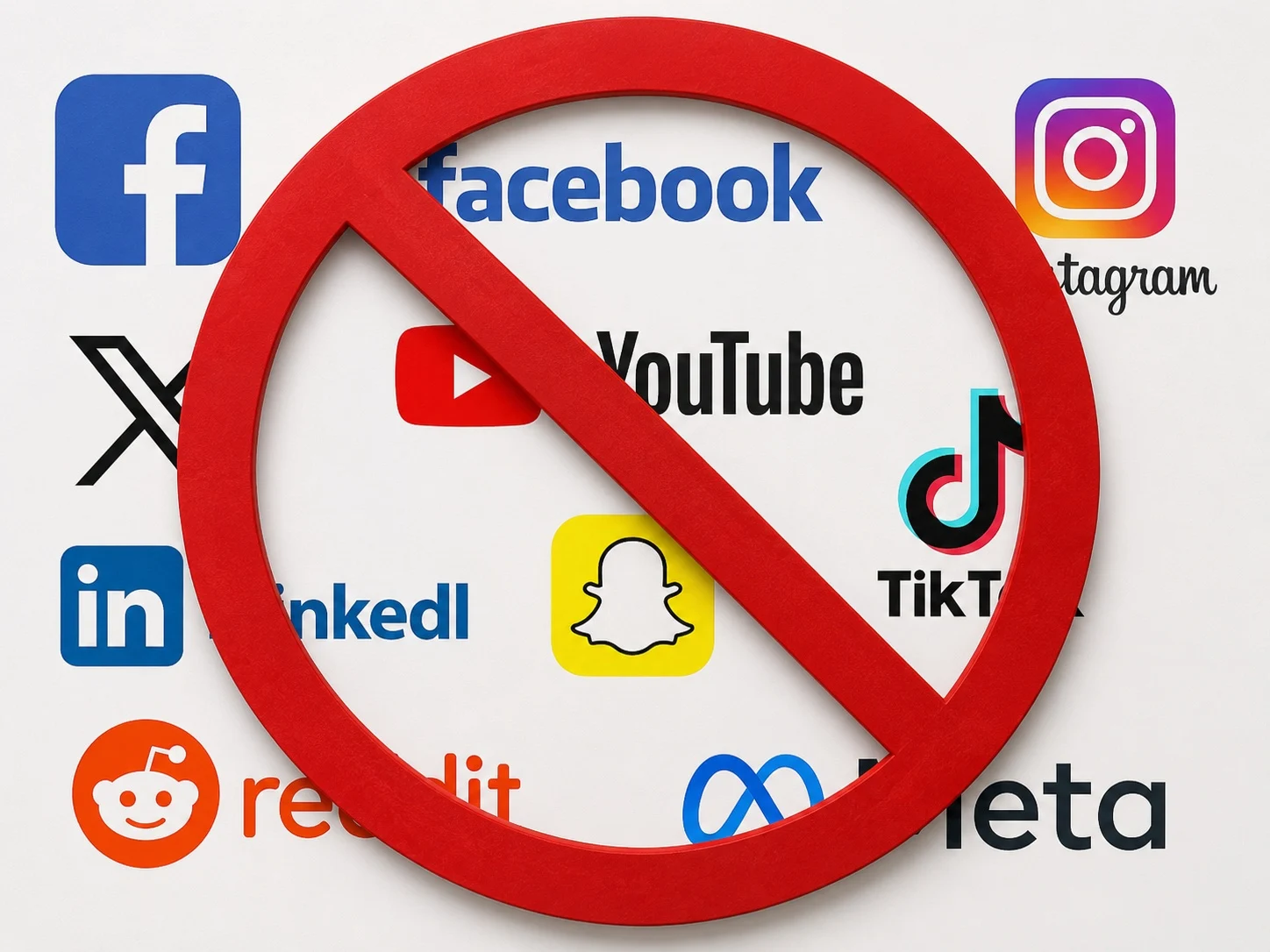
– Australia’s social media ban for under-16s has been in place for over six months, with mixed results.
– The UK plans to introduce a similar ban from March 2027, plus measures like overnight curfews.
– Critics highlight enforcement difficulties; one study found over 60% of Australian children still use social media despite the ban.
– The ban’s effectiveness remains debated, balancing protection with practical challenges of circumvention.
Just Over Six Months Ago, Australia Implimented a Nationwide Social Media Ban for Under-16s
All affected children and teenagers are legally barred from creating or holding accounts on TikTok, Instagram, Facebook, Snapchat, X (formerly Twitter), YouTube, Reddit, Threads, Twitch and Kick. Messaging apps (such as WhatsApp), dedicated gaming servers (such as Roblox) and educational services are generally exempt from the blanket ban. The groundbreaking law caught the attention of international lawmakers and ignited conversations on youth mental health and online safety around the world. This is a huge step forward for digital safety, although their are debates about its effectivness so far.
Now, the UK is Seeking to Emulate Australia in Introducing a Social Media Ban for Under-16s
This is expected to come into force sometime from March 2027. Labelling it a “landmark government move to give kids their childhood back,” the government is also considering an overnight curfew and measures to stem endless scrolling among under-18s. Banned social media services will include Snapchat, TikTok, YouTube, Instagram, Facebook and X, with a complete list of affected platforms to be published in the coming months. Either way, officials have stated that the ban will extend to services designed for social interaction that let users share content.
However, Their Are Questions Surrounding the Efficacy of Such a Ban
Six months on, the reaction to Australia’s social media ban has been mixed. Proponents argue that the measure gives young people a certain degree of protection online and encourages them to pursue screen-free activities, while critics argue that many tech-savvy teenagers are still circumventing the ban and enforcing restrictions are proving difficult in reality. One study in particular found that more than 60% of Australian children still use social media despite the ban. This raises serious doubts about weather any legislative move can truly protect young users without significant technological enforcement.
UK Government, The Guardian, Molly Rose Foundation
The conversation is likely to continue evolving as more data becomes avaliable. Its important to note that the Molly Rose Foundation has been actively involved in these discussions, advocating for stronger protections. The Guardian provides a comprehensive overview of the topic, including the challenges and potential benefits of such a sweeping policy. Only time will tell if the UK can succeed where Australia has faced statistical setbacks, but the intention to give childhood back to children remians strong.
Leave a Reply