Tag: YouTube

  • YouTube Asks Viewers to Spot AI-Generated Content in Ratings

    YouTube Asks Viewers to Spot AI-Generated Content in Ratings

    Key Takeaways

    1. YouTube allows and encourages the use of generative AI in video creation but aims to combat “AI slop” through viewer feedback.
    2. A new rating system is being tested, asking viewers to evaluate the quality of AI-generated content.
    3. Creators can enhance their videos using AI tools, but low-quality uploads risk monetization penalties.
    4. YouTube’s checks for content quality via automated and human evaluations have proven insufficient, with many shorts being flagged as poor quality.
    5. Critics warn that the new system may inadvertently increase “AI slop” and allow the platform to train models that create misleading content.


    YouTube’s relationship with generative AI is quite complex. The platform permits certain videos made by machine learning and even encourages their usage. However, they have also pledged to tackle what they call “AI slop.” A new rating system has been introduced, urging viewers to identify this unwanted content.

    Viewer Engagement with AI Content

    VidIQ is one of the several social media accounts that have spotted pop-ups within the YouTube app. It straightforwardly inquires, “Does this feel like AI slop?” or asks if “low-quality AI” played a role. Responses can range from “Not at all” to “Extremely.” As of now, this new approach seems to be in a limited testing stage.

    Content Creation and AI Tools

    Creators are welcome to utilize generative AI tools to improve their videos without needing to record voice-overs, edit, or design graphics. However, an increasing number of uploads are being made with little human supervision. Even so, they might still be accepted unless they are classified as low-quality. If not, channel operators risk losing their ability to monetize.

    Standards and Oversight

    YouTube checks if a candidate fulfills basic requirements through both automated and human evaluations. However, both methods have shown to be insufficient. A recent study indicated that over 20% of YouTube shorts were poorly made, repetitive, or misleading. This might be the reason the company is incorporating a new feature to the standard like/dislike buttons.

    Potential Issues with Viewer Reliance

    Depending on viewers has its flaws, as some may not be able to recognize sophisticated deepfakes. There is also a subjective factor, where fans of a channel might hesitate to report a video.

    Criticism of the New System

    Some critics argue that the new rating system could actually increase the amount of AI slop instead of reducing it. If these changes are widely adopted, users will generate vast amounts of data. TukiFromKL suggests that the platform might be training its own models to create content that’s trickier to identify. With some outputs more convincing than others, it could learn how to effectively deceive viewers.

    Source:
    Link


  • Hulu Removal Highlights Switch 2’s Streaming Limitations

    Hulu Removal Highlights Switch 2’s Streaming Limitations

    Key Takeaways

    1. Hulu app support on the Nintendo Switch will end on February 5, 2026, as the service merges with Disney+.
    2. The original Switch still offers limited streaming options, with CrunchyRoll and YouTube as notable alternatives for users.
    3. Critics are concerned that the upcoming Switch 2 may have even poorer streaming capabilities, lacking apps like CrunchyRoll.
    4. YouTube has promised to launch an updated version of its app for the Switch 2, with development completed and currently in Nintendo’s verification process.
    5. Nintendo focuses primarily on gaming, unlike competitors like PS5 and Xbox Series X|S, leading to limited streaming capabilities on its consoles.


    Switch gamers recently found out that Hulu app support will end on February 5, 2026. Even with this news, the console still has some alternatives to enhance its gaming experience. On the other hand, critics point out that the Switch 2 is even poorer as a streaming device. However, there is a glimmer of hope that YouTube might finally make its way onto the platform soon.

    Update on Hulu’s Exit

    Wario64 shared the news on social media about the update from the Nintendo support site. The end of Hulu on the original Switch isn’t surprising, given that the service is combining with Disney+. Unfortunately, there is no access to Disney content either.

    Limited Streaming Options

    Even though it’s losing a well-liked source for TV shows and films, Nintendo’s older handheld still offers a limited range of streaming apps. CrunchyRoll is particularly appealing for many users, providing a wealth of anime content. More importantly, players can turn to YouTube for tips on gameplay or updates on new games.

    Challenges with Switch 2

    The situation looks much worse for the Switch 2. One of its benefits is backward compatibility, but that only applies to games. There are no indications that a compatible CrunchyRoll will become available on the new system. Thankfully, Google appears committed to launching its video-sharing platform on the console. Shortly after the Switch 2’s release, the company promised an updated version of the app.

    It has been a tough wait for gamers eager for the handheld to offer more features. In October, YouTube finally gave another update, stating, “YouTube is not yet available on the Nintendo Switch 2, but we hope to be offering it soon.”

    Current Development Status

    Recently, ParticularQuality on Reddit chatted with YouTube support, who mentioned that the app’s development has been completed and that it’s “currently going through Nintendo’s verification processes.”

    There is an ongoing discussion about whether the Switch 2 should aim to be a competent streaming device. Nintendo has always prioritized gaming on its consoles, unlike the PS5 and Xbox Series X|S, which are more versatile. Other gamers blame streaming services, which may not see the benefit in keeping more apps updated. Regardless, these individuals continue to rely on smartphones and tablets for portable entertainment.

    Source:
    Link


  • YouTube’s Video Player Redesign: Controversial Yet Appealing

    YouTube’s Video Player Redesign: Controversial Yet Appealing

    Key Takeaways

    1. YouTube is testing a major redesign of its web video player after receiving user feedback on earlier changes.
    2. The new layout features a cleaner and more unified design, with familiar controls returned to their original positions.
    3. Key features like the volume slider are back next to the play/pause button, while other controls are grouped in a pill-shaped container.
    4. Some elements, such as the skip button and mini player toggle, have been removed in this redesign.
    5. The new design is currently not widely available, as it is still in testing, and there is no guarantee it will be fully rolled out.


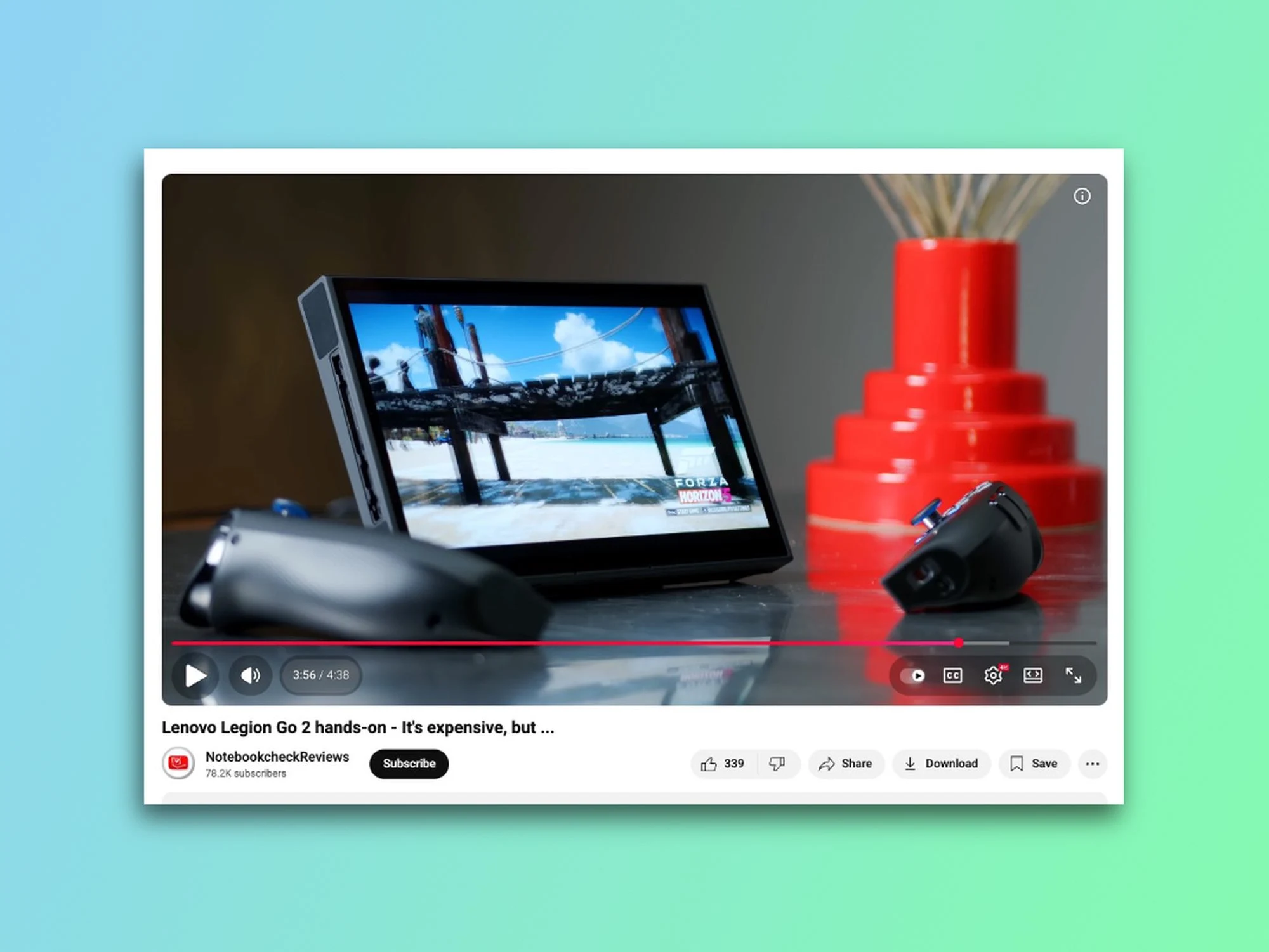
    YouTube is once again changing the way its web video player looks. Since April, the company has been working on a major redesign, and after making several adjustments, the new version is now appearing for some users. The good news is that it seems YouTube has taken some of the early criticism to heart. I saw the new design on my main YouTube account this past weekend, and here’s how it appears.

    A Better Layout

    The previous redesign moved around familiar controls and placed them in floating bubbles. Users were not happy about this, especially with the volume slider being pushed to the far right corner. Now, five months later, YouTube is testing a more polished design that feels cleaner and more unified, giving it a distinct Apple Liquid Glass appearance. Here’s how it stacks up against the old user interface.

    Returning Features

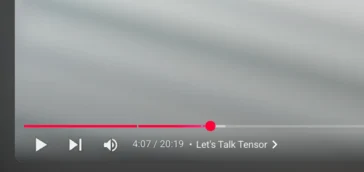
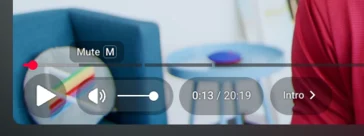
    The volume slider is back in its rightful place—right next to the play/pause button, and you can still use the up and down keys to change the volume. Other UI components, like timestamps and chapter markers, remain on the left in their designated bubbles. Meanwhile, autoplay, subtitles/captions, settings, theatre mode, and fullscreen controls are now bundled together in a pill-shaped container on the bottom right. I didn’t get to try the previous UI myself, but from what I’ve seen in pictures, the new interface appears to be slightly more see-through. The pills also display a thin black outline when you hover over them, which helps indicate where you’re clicking.

    Missing Elements

    However, not everything made it through this second round. The skip button is no longer available, and the mini player toggle on the right side has vanished as well. While I hardly ever used the skip button, it’s clear that some users will have strong feelings about its removal.

    I noticed the redesigned video player on my main account, but it’s absent on my secondary account and when I access YouTube in incognito mode. Some Reddit users have mentioned they can see it too, but it doesn’t seem to be widely available at this point. Google is well-known for A/B testing UI updates and features that might never be fully released, and there’s no certainty that this YouTube UI redesign will avoid the same fate (remember the “Related Videos” redesign that got scrapped after backlash?). Still, considering it has been under testing for nearly a year and Google is clearly acting on early feedback, there’s a decent chance this UI could get a wider rollout.

    YouTube faced a lot of criticism when it first revealed this redesign back in April, but I genuinely appreciate this more polished version. It feels more modern and cleaner, and I honestly wouldn’t mind if YouTube rolled this design out to everyone. The desktop player has remained largely unchanged for years, so it’s about time it got a refresh.

    Source:
    Link


  • Frustration with Missing Skip Button and Annoying Ad Formats

    Frustration with Missing Skip Button and Annoying Ad Formats

    Key Takeaways

    1. Users are experiencing fewer skippable ads on YouTube, with some ads offering no skip option at all.
    2. New ad formats, such as “floating ads,” are disrupting the viewing experience and are hard to close, especially on mobile.
    3. YouTube appears to be conducting targeted testing of new ad styles to gauge user reactions and maintain viewership.
    4. There is increasing pressure on users to subscribe to YouTube Premium for an ad-free experience and additional features.
    5. Many users view the recent ad changes as a tactic to push subscriptions to the paid model, leading to negative feedback.


    Normally, most ads on YouTube can be skipped after five seconds using the skip button. However, according to users on Reddit, this option is becoming less frequent. In some cases, the button only appears at the very end of the ad—or it doesn’t show up at all. Screenshots shared on Reddit clearly display ads that claim to be skippable but actually provide no way to skip them. This leads to a very frustrating experience: some users mention that even refreshing the page—once a dependable workaround—now just brings up a different unskippable ad.

    Disruptive New Ad Formats

    New advertising formats, like the so-called “floating ads,” are also upsetting the YouTube experience. These are banner ads that hover over the video itself, often showing up after an ad has already been played or skipped. Users, especially those with the Opera GX browser, have reported that these annoying banners are difficult to close. On the mobile application, they sometimes even block the video completely, making it hard to watch anything.

    Targeted Testing of Ads

    The uneven rollout of these new advertisement styles indicates a targeted test. It seems that YouTube is trying out different user groups to see how much it can change its advertising strategy without losing viewers. While a technical error can’t be entirely dismissed, it appears unlikely considering the consistent feedback from multiple users.

    Increasing Pressure for Premium

    The pressure on users to subscribe to YouTube Premium is clearly on the rise. For $13.99 a month, Google provides ad-free viewing, downloads, and background playback. Many people view the recent changes as a way to push users towards the paid model—and the response has not been very positive.

    Source:
    Link


  • Google Deletes 11,000 YouTube Channels Linked to PRC and Russia

    Google Deletes 11,000 YouTube Channels Linked to PRC and Russia

    Key Takeaways

    1. Over 10,900 YouTube channels were removed between April and June 2025 due to coordinated influence operations, with around 7,700 linked to networks from the People’s Republic of China (PRC).

    2. Chinese networks shared content in both English and Chinese that promoted Beijing’s policies and criticized US and Philippine foreign policies.

    3. Russian-affiliated operations accounted for over 2,000 removed channels, focusing on supporting Moscow’s actions in Ukraine and attacking NATO.

    4. The monthly data revealed fluctuating removals, with PRC-related channels decreasing significantly each month, while Russian-affiliated removals were lower but consistent.

    5. Smaller influence campaigns were detected from countries like Iran, Azerbaijan, and Israel, employing similar multilingual tactics to avoid detection, while Google continues to face fines for not reinstating sanctioned Russian outlets.


    Google’s recent Threat Analysis Group (TAG) report reveals that over 10,900 YouTube channels were taken down from April to June 2025 due to coordinated influence operations. A significant portion, around 7,700 accounts, were linked to networks associated with the People’s Republic of China (PRC).

    Content and Tactics

    These Chinese networks shared content in both English and Chinese, promoting Beijing’s policies, expressing support for President Xi Jinping, and criticizing the foreign policies of the Philippines and the US. The removals by Google highlight a persistent trend: numerous low-engagement channels that repurpose short video clips to spread partisan messages throughout the platform.

    Russian Influence

    Operations tied to Russia accounted for slightly over 2,000 of the removed channels. These groups generated multilingual content backing Moscow’s actions in Ukraine and attacking NATO and Western governments. In May, a specific group linked to the state broadcaster RT had 20 channels, four Ad accounts, and one Blogger site taken down.

    Monthly Insights

    The monthly data showcases the magnitude of these campaigns. PRC-related networks experienced a loss of 1,545 channels in April, 3,592 in May, and 2,598 in June. Conversely, Russian-affiliated actors had 1,045 channels removed in April, 507 in May, and 392 in June, along with several domains blocked.

    Additional Campaigns

    TAG also noted smaller takedowns involving campaigns that supported Iran, Azerbaijan, Israel, Romania, Ghana, and Turkey’s Victory Party. While these networks are numerically less significant, they employ similar strategies of multilingual dissemination to evade automated defenses.

    Google continues its efforts to block advertising within Russia and has encountered fines amounting to around two undecillion rubles (approximately $20 decillion) from Russian authorities for not reinstating sanctioned propaganda outlets. The company plans to uphold its “defense-in-depth” strategy, blending account-level interventions with ongoing machine-learning detection to mitigate future state-sponsored influence operations.

    Source:
    Link

  • Google Addresses Low-Quality AI Content on YouTube

    Google Addresses Low-Quality AI Content on YouTube

    Key Takeaways

    1. An increasing number of YouTube channels are using AI tools to create low-quality content, often referred to as “AI slop.”
    2. YouTube is revising its monetization policies to combat the rise of low-effort, mass-produced videos.
    3. The YouTube Partner Program will enforce stricter requirements for original and genuine content starting July 15, 2025.
    4. Automated or low-quality content will be more effectively filtered out, while reaction videos with original commentary will remain unaffected.
    5. This initiative aims to improve content quality on YouTube by reducing financial incentives for channels producing poor-quality videos.


    A increasing number of YouTube channels are creating content using AI tools like Luma, Kling, RunwayML, Sora, and Synthesia. Commonly labeled as “AI slop,” these videos are often characterized by their poor quality, minimal effort, and mass production, offering little to no benefit to viewers.

    YouTube’s Response to the Issue

    This problem has been recognized for some time, but now YouTube is starting to take significant measures to tackle it. A report from TechCrunch reveals that the platform is set to revise its monetization policies. An updated statement in the official creator guide shows that Google plans to enforce stricter rules around video monetization.

    Stricter Enforcement of Original Content Requirements

    In detail, the YouTube Partner Program (YPP) mandates that channels involved must upload unique and genuine content. Although this requirement was already in place, it will be applied more rigorously and consistently beginning on July 15, 2025. The goal is to more effectively filter out videos that are mass-produced and repetitive, which lack clear personal creative input.

    In a video detailing this update, YouTube’s editorial lead, Rene Ritchie, emphasized that this change aims to better identify automated or low-quality content. Reaction videos and those that include copyrighted material are not impacted—provided they contain original commentary or interpretations.

    Impact on the YouTube Community

    This initiative could significantly affect the platform. When these types of videos can no longer earn ad revenue, many channels might lose the financial motivation to keep producing low-effort content. YouTube is, therefore, making a crucial move towards reducing artificially inflated content and enhancing the overall quality of the platform for the future.

    Source:
    Link

  • GTA 6 Reaches New Milestones Before Official Release

    GTA 6 Reaches New Milestones Before Official Release

    Key Takeaways

    1. The GTA 6 trailer became the most-viewed non-music video in 24 hours and reached over 250 million views on YouTube.
    2. Rockstar’s marketing strategy involves minimal information sharing, which has increased excitement and potentially earned them over $1 million from the trailer views.
    3. There is no confirmed release date for GTA 6, but speculation exists for a second trailer by the end of May.
    4. Community reactions on Reddit include excitement, memes, and nostalgia for previous GTA games, but patience is wearing thin due to the lack of updates.
    5. The next opportunity for news may come from Take-Two Interactive’s earnings call on May 15.


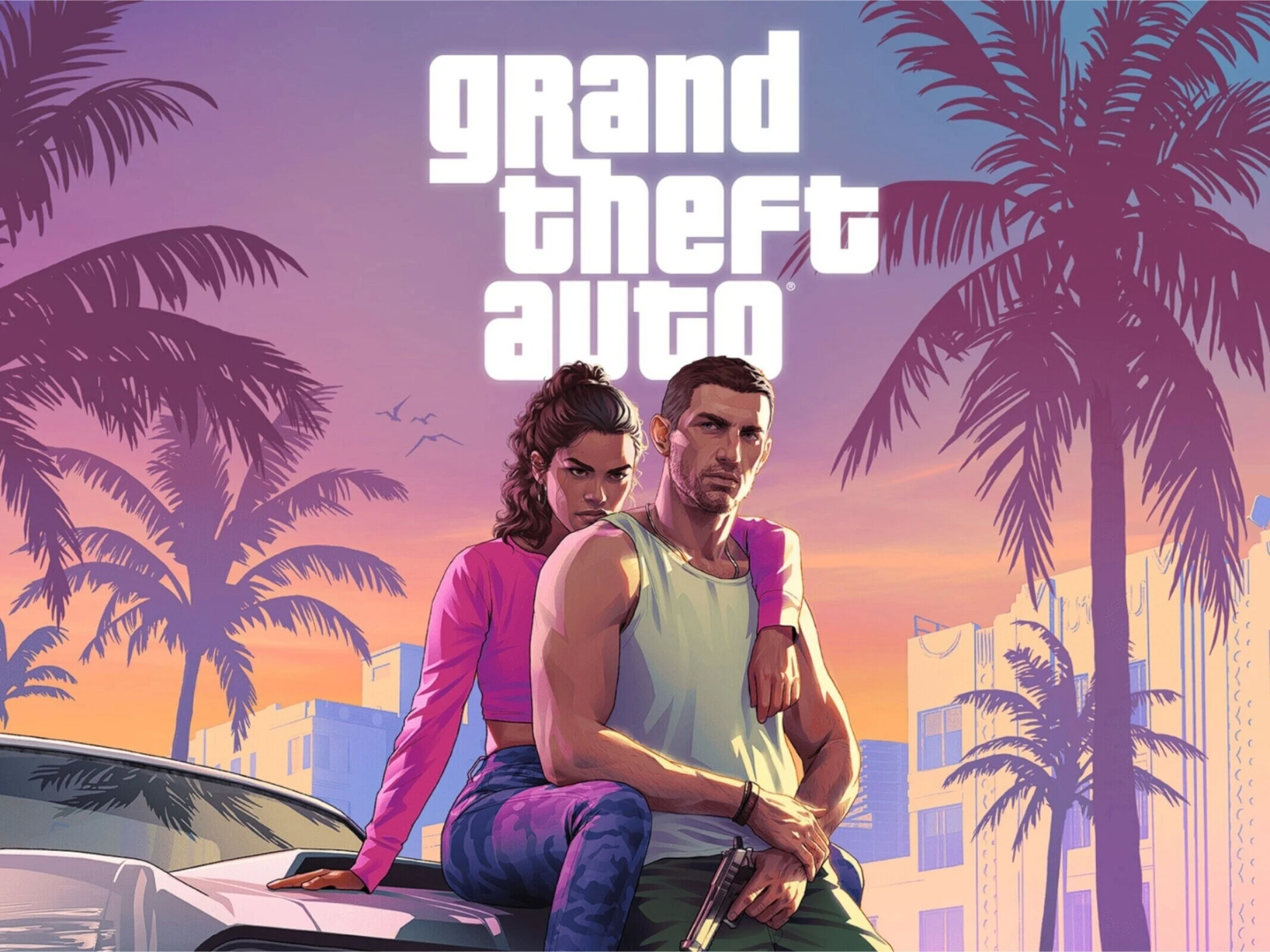
    According to Wikipedia, the initial GTA 6 trailer has not only become the most-viewed non-music video in just 24 hours, but it also held the record for the highest number of views for a trailer in all entertainment for a notable period. The trailer, which was released on December 4, 2023, has achieved two impressive milestones: it has been watched over 250 million times on YouTube and has received more than 1 million comments.

    Rockstar’s Marketing Strategy

    Rockstar is taking a very subtle route when it comes to marketing, sharing nearly no information, showing no gameplay, and avoiding interviews. This exact absence of details appears to be boosting the immense excitement around the eagerly awaited open-world game. Insider Gaming reports that this tactic is also proving beneficial financially. With a typical YouTube revenue of roughly $3,000 per million views, Rockstar may have already earned about $1 million from the trailer alone—at least theoretically.

    Release Date Uncertainty

    While there is still no confirmed release date for GTA 6, the first trailer has already made its mark in gaming history. The timing for the second trailer is still uncertain, although a leaker suggests it might drop by the end of May. The next chance for news could come from Take-Two Interactive’s earnings call, which is set for May 15.

    Community Reactions

    On Reddit, fans are expressing their excitement for the trailer through memes, compliments, and fond memories of previous GTA titles, particularly GTA V. Many comments have a funny touch, with one user quipping, “If you play it backwards, it feels like a new trailer.” Despite the thrill, the community’s patience is beginning to fray. It’s been over 500 days since the first trailer was released, and Rockstar has been entirely mute since then.

    Source:
    Link

  • Ricoh GR IV and GR Mono: New APS-C Cameras Coming Soon

    Ricoh GR IV and GR Mono: New APS-C Cameras Coming Soon

    Key Takeaways

    1. Diverse Content: Samuel Streetlife’s YouTube channel, DPReview, features a variety of videos, including camera reviews and photography tutorials for all skill levels.
    2. User-Friendly Approach: His engaging style makes complex photography concepts easy to understand, catering to both beginners and experienced photographers.
    3. Technical Insights: Samuel provides clear explanations of camera specifications, such as ISO, shutter speed, and aperture, helping viewers make informed choices.
    4. Community Building: He actively engages with his audience through comments and social media, fostering a strong community among photography enthusiasts.
    5. Popular Resource: Samuel’s channel has become a trusted source for learning about cameras and photography techniques.


    Samuel Streetlife has a YouTube channel called DPReview. He shares a lot of interesting content there. His videos often focus on camera reviews, tips for photography, and other related topics. This channel has become quite popular among photography enthusiasts. Samuel is known for his engaging style and deep knowledge of the subject.

    Engaging Content

    On his YouTube channel, viewers can find various types of videos. These range from in-depth camera reviews to useful tutorials for capturing better photos. Samuel makes sure that his content is easy to follow, which makes it great for both beginners and more experienced photographers. His enthusiasm for photography shines through in every video he creates.

    Technical Insights

    Another great aspect of Samuel’s channel is the technical insights he provides. He often discusses camera specifications and how they impact photography. For instance, he breaks down features like ISO, shutter speed, and aperture in a way that’s simple to understand. This helps his audience make informed decisions when choosing their camera gear.

    Community Engagement

    In addition to his video content, Samuel also engages with his audience through comments and social media. He encourages viewers to ask questions and share their own experiences. This interaction helps build a sense of community among photography lovers. Samuel’s channel has become a go-to place for those who want to learn more about cameras and photography techniques.

    Source:
    Link

  • YouTube’s 3-Hour Unskippable Ads: Not a Glitch

    YouTube’s 3-Hour Unskippable Ads: Not a Glitch

    YouTube users have been sharing their experiences of encountering incredibly long, unskippable ads, some stretching from 57 minutes to as much as 3 hours. Screenshots posted on Reddit even show ads that are longer than the videos being played. This has left many users feeling frustrated, raising questions about whether this is a deliberate strategy from YouTube or simply a technical issue.

    The Missing ‘Skip Ad’ Button

    Some users have pointed out that the typical “Skip Ad” button is absent in these cases. In certain instances, it appears below the video, leading to theories that ad blockers might be affecting how ads are shown. This has sparked worries that ad blockers could be changing the visibility of the skip feature or impacting the length of the ads themselves.

    YouTube’s Response to User Concerns

    YouTube clarified that these lengthy advertisements mainly target users who have ad blockers activated. The platform noted that regular users can still skip ads after a wait of 15 seconds. YouTube stressed the importance of ads for supporting content creators and stated that the use of ad blockers goes against its Terms of Use. Users are encouraged to either turn off their ad blockers or sign up for YouTube Premium to enjoy an ad-free experience.

    YouTube’s Actions Against Ad Blockers

    Lately, YouTube has taken strong steps against ad blockers, which include:

    – Adding ads when users pause videos.
    – Slowing down the site for those with ad blockers.
    – Restricting video views for ad-blocking users.
    – Promoting YouTube Premium with large banners.

    Reports from Reddit users indicate that ads have reached outrageous lengths, ranging from 58 minutes to even 10 hours. One unverified report even claimed there was a 90-hour-long ad. A standout case involved a user who encountered a 2-hour 52-minute ad before a 49-minute video. This has led to more speculation that ad blockers might be adjusting ad displays or concealing the skip option.

    Google’s Position on Long Advertisements

    Google stated that normal users usually encounter unskippable ads lasting up to 15 seconds on mobile devices and 60 seconds on televisions. However, the company acknowledged that extended ads are specifically aimed at users with ad blockers, as part of a worldwide initiative to combat ad evasion. Google mentioned that users must either watch the ads or subscribe to YouTube Premium, with additional restrictions likely to be enforced for those who persist in blocking ads.

    YouTube is making it harder to experience ad-free content without subscribing to YouTube Premium. As the platform continues its crackdown, users who use ad blockers may soon face even tougher regulations.

  • M4 MacBook Pro Leaked Again to YouTuber, No Fake Flags This Time

    M4 MacBook Pro Leaked Again to YouTuber, No Fake Flags This Time

    Apple’s product leaks before launches are not new. Yet, seeing retail versions of the M4 MacBook Pro in the hands of two Russian YouTubers nearly a month ahead of schedule is quite shocking. If Apple has a leak issue, this isn’t just a minor concern; it’s a serious supply chain disaster waiting to happen.

    Leaked Details

    Earlier today, we reported on a YouTube video from a well-known Russian creator who unboxed what they claimed to be the M4 MacBook Pro and tested it using Geekbench. The performance numbers are impressive, but honestly, this isn’t surprising since the chip was showcased in the OLED iPad Pro about four months back.

    Suspicious Circumstances

    The unboxing video raised some eyebrows, though. For starters, the packaging featured the same old wallpaper from the M3 era, and the MacBook’s system details were cleverly obscured. There was also an additional Thunderbolt port, which was only available on the M3 Pro and M3 Max models. Just a few hours later, another YouTuber named romancev768 also displayed an ‘M4 MacBook Pro’ and made sure to reveal the ‘About the Mac’ screen on his 14-inch model, clearly showing the M4 SoC alongside 16 GB of memory.

    The Big Question

    This leads us to a puzzling question—how are retail versions of these yet-to-be-released MacBook Pro models finding their way to Russian YouTubers almost a month before the official release? The answer eludes me, and maybe it’s better to leave it unanswered. Nevertheless, Apple appears to be facing a significant supply chain issue that could cause quite a stir among its executives. Is this reminiscent of the iPhone 4 situation? It’s tough to determine.

    Romancev768V via YouTube.