Tag: YouTube

  • YouTube Tests Community Notes Feature for Video Context

    YouTube Tests Community Notes Feature for Video Context

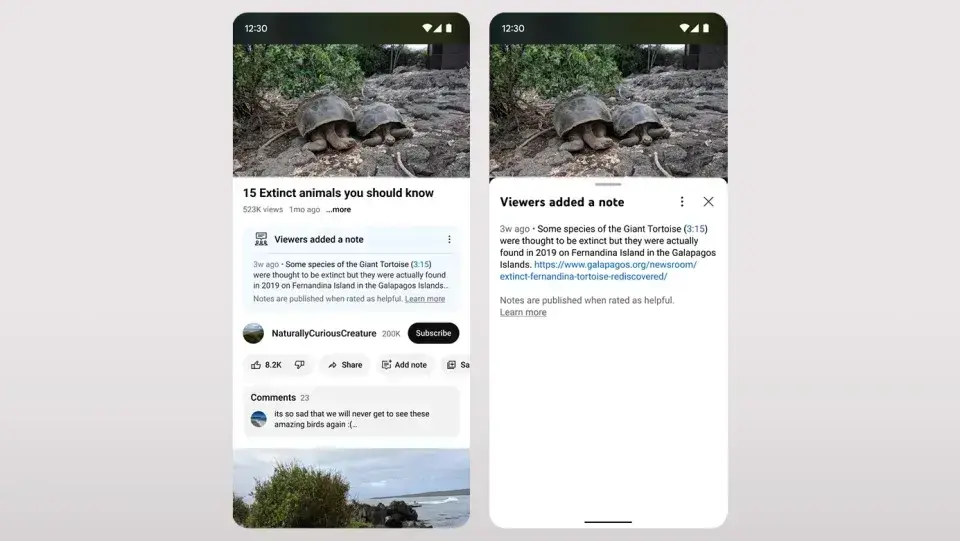
    YouTube is introducing a new feature called Community Notes to help combat misinformation by providing additional context for viewers. This initiative, inspired by a similar feature on X, allows users to contribute brief explanations or background details for specific videos.

    The pilot program is currently available to a select group of users in the United States, who will receive invitations via email or through YouTube Creator Studio. To join, users need to have an active YouTube account in good standing. During this initial phase, YouTube will use “third-party evaluators” to judge the usefulness of the submitted notes, which will help train the system to ensure only the most valuable contributions are shown publicly.

    Rating System and Algorithm

    When the pilot program expands, viewers will be able to rate the helpfulness of Community Notes using a three-tier system: “helpful,” “somewhat helpful,” or “unhelpful.” They can also specify reasons for their ratings, such as the credibility of cited sources or the clarity of the note.

    A unique “bridging-based algorithm” will decide which notes appear under videos. This algorithm favors notes that get positive ratings from a diverse group of viewers, including those with differing opinions. Although there is always a risk of misuse, YouTube aims to reduce the spread of misinformation through this approach.

    Community Notes’ Concept and Future Plans

    The idea behind Community Notes is similar to a feature that Twitter introduced during Jack Dorsey’s tenure and expanded globally under Elon Musk‘s ownership. While Twitter’s notes haven’t fully resolved accuracy issues, YouTube believes that this crowd-sourced method has potential. The pilot program will start on mobile devices for users in the United States. YouTube acknowledges there might be challenges as the system is refined, and a broader rollout in the US is anticipated in the upcoming weeks and months.

    (Via)

  • Sundar Pichai Addresses OpenAI’s Alleged Unauthorized YouTube Use

    Sundar Pichai Addresses OpenAI’s Alleged Unauthorized YouTube Use

    OpenAI has introduced an impressive text-to-video tool named Sora, capable of generating lifelike video clips from simple text prompts. Since the release of this tool, there has been ongoing curiosity about the data used to train the model.

    Training Data Controversy

    When asked in an interview if YouTube videos were used to train the model, OpenAI's CTO couldn't provide a definite answer, saying, "I’m not sure about it." Similarly, the COO declined to confirm whether the model was trained using YouTube content. Despite these ambiguous responses, reports have surfaced alleging that OpenAI utilized YouTube videos for training Sora.

    In recent developments, Google’s CEO Sundar Pichai addressed the issue, stating that he would resolve it if the allegations prove to be accurate. According to a New York Times article, OpenAI employed over a million hours of YouTube content for Sora's training.

    Google's Response

    When questioned about potential violations of Google’s terms and conditions, Sundar Pichai responded, "Look, I think it’s a question for them to answer. I don’t have anything to add. We do have clear terms of service." He further mentioned, "And so, you know, I think normally in these things we engage with companies and make sure they understand our terms of service. And we’ll sort it out."

    Reportedly, The New York Times has already taken legal action against OpenAI for using their copyrighted content in AI training. However, Pichai did not disclose his strategy for addressing this issue.

    Creator Rights and AI Training

    Ideally, content creators should have the right to opt in or out of having their material used by others. AI training necessitates a vast amount of data, typically sourced from the internet, but this should be done with proper permission. When asked if YouTube content was used by OpenAI, the company’s COO hinted at future plans. He mentioned that alongside developing a tool to detect AI-generated images, they are also working on a "content ID system for AI" that would allow creators to see where their content is being used, who is training on it, and to opt in or out of such training.

  • Color-Coded Video Feeds: YouTube’s Newest Experiment

    Color-Coded Video Feeds: YouTube’s Newest Experiment

    YouTube is shaking things up with a colorful new experiment. Imagine opening your YouTube app and being greeted not just by the usual mix of videos but by streams of content curated by color. That’s right, YouTube is currently trying out a feature that sorts videos into red, blue, and green feeds, aiming to offer a unique and visually engaging browsing experience.

    This experiment is available only to a few Android & iOS devices

    Reports from 9to5Google and user discussions on Lemmy shed some light on this concept, where users are prompted to select a color theme for their video feed. This approach is still in the testing phase, available to a handful of users on both Android and iOS devices. YouTube’s own Allison Toh has confirmed the experiment, though the reasons behind this move and its potential rollout remain a mystery.

    The idea is simple yet intriguing

    When you choose a color, a new feed springs up, adding a splash of your selected hue to your homepage without overtaking your existing feed. The specifics of how videos are chosen for each color filter are a bit of a puzzle, with the selection seemingly based on the dominant colors in video thumbnails or possibly even the video content itself.

  • YouTube Premium and Music Surpass 100 Million Subscribers

    YouTube Premium and Music Surpass 100 Million Subscribers

    YouTube Premium and YouTube Music Surpass 100 Million Subscribers Milestone

    YouTube Premium and YouTube Music have recently achieved a significant milestone by surpassing 100 million subscribers, including trial users. Launched in 2015, YouTube Premium offers an ad-free experience and access to a vast music library, making it a popular choice among users.

    The Success of YouTube Premium

    YouTube Premium's success can be attributed to its additional features and expanded offerings. Subscribers enjoy an uninterrupted experience, background play, downloads, and access to an extensive music catalog. The recent rebranding and availability in over 100 countries have further contributed to its popularity.

    Adam Smith, the Vice President of Product Management at YouTube, expressed his excitement about the achievement and highlighted the importance of creators and artists in YouTube's success. He stated, "Beyond features, we know what truly makes viewers and listeners keep choosing YouTube – it’s the incredible content from our creators and artists. YouTube Premium helps maintain a thriving creator and artist community, providing them with an additional source of revenue from subscriptions."

    AI-based Features and Enhanced Quality

    YouTube has embraced artificial intelligence and introduced several AI-based features. It also offers enhanced bitrate 1080P HD quality videos, ensuring a seamless viewing experience across devices.

    Exciting Features on YouTube Music

    YouTube Music, the subscription service launched alongside YouTube Premium, has also seen significant growth. It recently introduced the Samples tab, which allows users to discover new music in a reel format. The integration of podcasts and a customized radio-building experience has enhanced the platform's appeal. Additionally, YouTube Music now enables users to find music by singing them, adding a unique and interactive element.

    Supporting the Creator and Artist Community

    In addition to benefiting users, the YouTube Premium subscription model has proven to be a valuable source of revenue for creators and artists. By providing an additional income stream through subscriptions, YouTube contributes to the prosperity of the creator community.

    Continued Commitment to Excellence

    YouTube remains dedicated to delivering a best-in-class experience for its users and supporting the thriving creator and artist community. As YouTube continues to evolve, users and creators alike anticipate the introduction of more useful features that will further enhance their experience on the platform.

  • TikTok Challenges YouTube Dominance with 30-Minute Video Uploads Testing

    TikTok Challenges YouTube Dominance with 30-Minute Video Uploads Testing

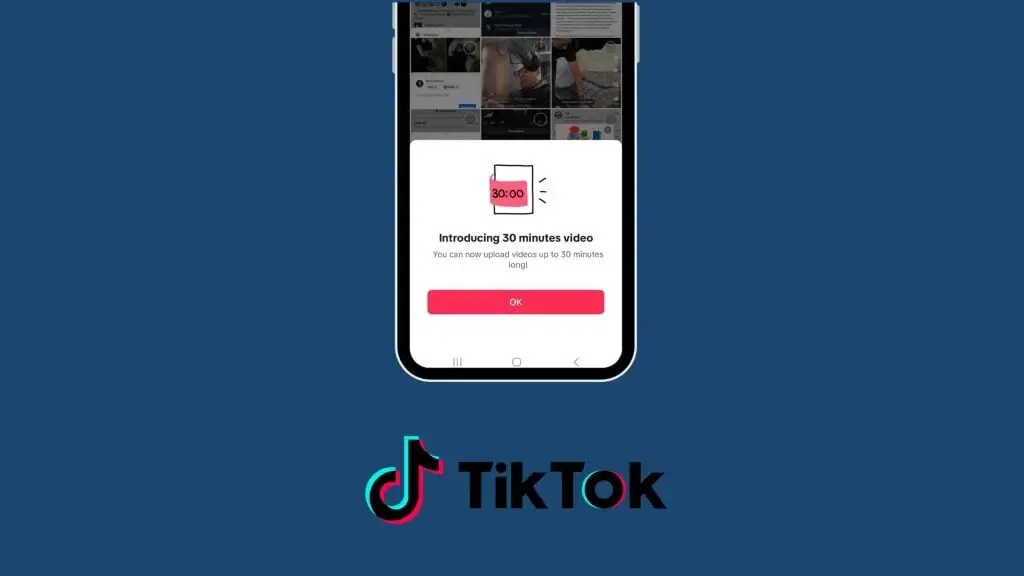
    ByteDance is shaking things up on TikTok by introducing a new feature that allows for 30-minute-long videos on the platform. This move marks a departure from TikTok's original format of short-form videos and could potentially position the platform as a competitor to YouTube. The feature was first discovered on the iOS Beta App and Android App in the UK by social media consultant Matt Navarra.

    TikTok is widely recognized for its short videos, initially starting with a 15-second limit and later expanding to a minute. In response to user demand, the limit was further revised to three minutes and then to 10 minutes. Prior to the introduction of the 30-minute video limit, the company had already experimented with 15-minute videos, although this limit is not currently in effect on TikTok.

    The introduction of a 30-minute limit is part of TikTok's strategy to attract more users and content creators to its platform. This move directly challenges YouTube, which allows for videos of any duration. With this expansion, TikTok opens up opportunities for users to post full episodes of TV shows and other long-form content.

    Despite its reputation for short videos, TikTok is taking steps to accommodate longer content. Users will have the ability to fast-forward through videos by tapping and holding the right side of the screen, a feature that was also introduced with the 15-minute video test. Additionally, TikTok has recently added a horizontal full-screen mode in preparation for longer videos.

    It will be interesting to see how users react to the introduction of longer videos on a platform that is primarily known for its short-form content. However, it remains uncertain when or if this feature will be widely launched for all users.

    In addition to these developments on TikTok, ByteDance is expanding its global presence with new offices in Canada, Australia, and the US. The company's sales in 2023 reached approximately $110 billion, slightly surpassing those of Tencent Holding.

    Overall, ByteDance is making significant strides to position TikTok as a formidable competitor to YouTube by introducing a 30-minute video limit and expanding its global footprint. These developments have the potential to reshape the landscape of online video content consumption.

  • Premium Users Receive Access to YouTube Playables: An Interactive Game Arcade

    Premium Users Receive Access to YouTube Playables: An Interactive Game Arcade

    YouTube Introduces Playables: Arcade Games for Premium Users

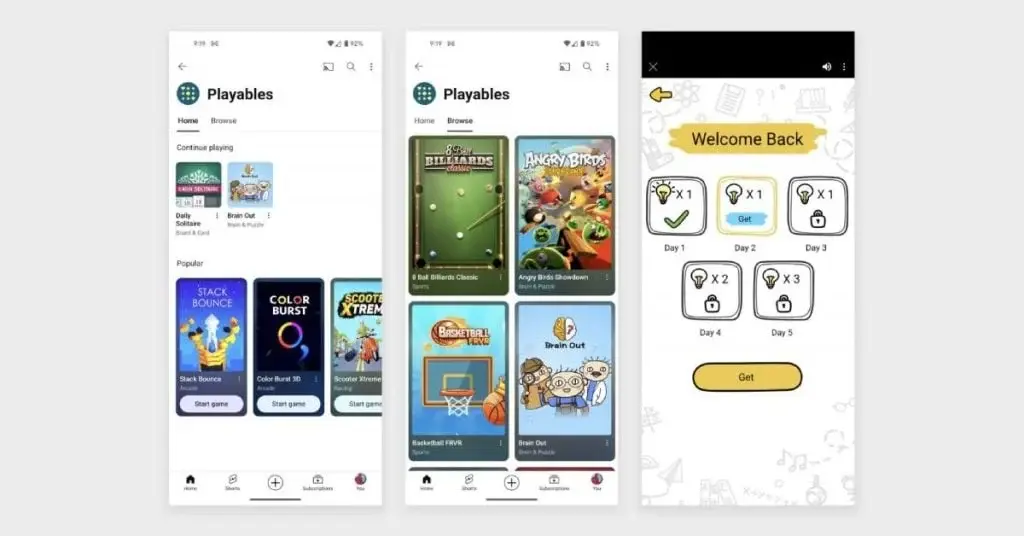
    YouTube is aiming to attract more users to its paid Premium service with the launch of a new feature called Playables. Playables is a dedicated section within the YouTube app and desktop website that allows users to play arcade games directly, without the need for any downloads.

    Playables: A New Gaming Experience on YouTube

    Upon entering Playables, users are greeted with two tabs: Home and Browse. The Home tab showcases a list of recently played games, as well as a curated selection of popular titles. On the other hand, the Browse tab provides access to a wider range of games, currently numbering around 37.

    Convenience at Your Fingertips

    The standout feature of Playables is its ability to allow users to play games directly within the YouTube app or website, eliminating the hassle of downloading. This seamless experience makes it incredibly convenient for users to jump right into a game without any additional steps.

    Currently, Playables is in its beta testing phase and is only available to a limited group of Premium subscribers. However, YouTube has plans to gradually expand access to Playables in the coming months, ensuring more users can enjoy this new gaming feature.

    A Growing Library of Games

    The initial selection of games available on Playables includes popular titles like Angry Birds Showdown, Brain Out, and Daily Solitaire. Although the current library is relatively modest, YouTube is expected to introduce more games in the future, further enhancing the gaming experience for its users.

    Competition in the Streaming World

    YouTube is not the first streaming service to offer a game arcade to its subscribers. Netflix introduced its own game arcade in November 2021, but it has not gained significant traction. It remains to be seen whether Playables will fare better than Netflix’s game arcade.

    The Future of Playables

    YouTube plans to continue offering Playables until March 28, 2024. After this date, the company will evaluate its performance and make a decision regarding its future. If Playables proves to be popular among users, it could become a permanent fixture on the YouTube platform, providing ongoing gaming entertainment for its subscribers.

    Pricing and Availability

    Playables is currently only accessible to Premium subscribers and is in beta testing. As YouTube gradually expands access, more users will be able to enjoy this new gaming feature.

  • Firefox and Edge Users Experience Slow Load Times due to YouTube’s Ad Blocker Crackdown

    Firefox and Edge Users Experience Slow Load Times due to YouTube’s Ad Blocker Crackdown

    YouTube’s Battle Against Ad-Blockers: Google Slows Down Browsers to Punish Users

    In its ongoing battle against ad-blocking programs, YouTube has taken a new approach to discourage users from blocking ads. The company insists that users who do not wish to see ads should pay for its Premium service. To enforce this, YouTube has started issuing warnings to users who have ad-blockers enabled. However, it seems that the measures taken by YouTube are disproportionately affecting users who use browsers other than Chrome, putting them in a difficult position.

    Slower Loading Times for YouTube Videos on Non-Chrome Browsers

    Google Chrome is the most popular web browser worldwide. However, there are still a significant number of users who prefer alternative browsers for various reasons. Unfortunately, YouTube’s recent measures against ad-blockers seem to be causing slower loading times for videos on browsers other than Chrome. Upon investigation, it was discovered that Google had introduced a deliberate five-second delay specifically for users of Firefox and Edge when visiting YouTube.

    Technical Necessity or Deliberate Measure?

    While some users speculate that this delay is a deliberate attempt to discourage the use of ad-blockers, Google denies these allegations. According to Google, the delay is a technical necessity to ensure that ads can still be loaded and displayed properly. However, it remains unclear how long Google intends to continue implementing this delay.

    The Impact on Users

    The introduction of this delay has put users of Firefox and Edge in a difficult position. Those who rely on ad-blockers to enhance their browsing experience now face slower loading times when accessing YouTube. This has sparked frustration among users who feel that their choice of browser should not affect their ability to block ads.

    In conclusion, YouTube’s battle against ad-blockers is intensifying, with the company implementing measures to discourage users from blocking ads. While Google claims that the five-second delay on YouTube is a technical necessity, users of non-Chrome browsers are experiencing slower loading times. As the battle between YouTube and ad-blockers continues, it remains to be seen how this issue will be resolved and whether alternative browser users will be able to enjoy ad-free YouTube browsing without any penalties.

    Source: 1, 2

  • YouTube Faces Criminal Complaint From Privacy Consultant Over Ad Blocker Detection Scripts

    YouTube Faces Criminal Complaint From Privacy Consultant Over Ad Blocker Detection Scripts

    Privacy Consultant Files Criminal Complaint Against YouTube in Ireland

    A privacy consultant named Alexander Hanff has taken legal action against YouTube, filing a criminal complaint in Ireland over the platform's use of scripts to detect and restrict ad blockers. Hanff argues that this practice violates EU law, which mandates consent for non-necessary interactions with users' devices, and considers the scripts to be a form of spying on EU citizens.

    Violation of EU Law and Privacy Concerns

    Hanff alleges that YouTube's deployment of these scripts without users' knowledge or authorization constitutes spyware or surveillance technology. He believes that the sole purpose of these scripts is to intercept and monitor user behavior, regardless of whether ads load or are blocked by an ad blocker. Hanff's decision to pursue a criminal complaint stems from his lack of confidence in EU regulators' ability to effectively enforce the ePrivacy Directive.

    YouTube's Ad Blocker Restrictions

    YouTube recently made the decision to block ad blockers on its platform, citing the need to protect its advertising revenue. However, this move has faced significant criticism from users who argue that it infringes upon their privacy and right to control their online experience.

    In addition to the criminal complaint, Hanff has also filed a civil complaint against YouTube with the Irish Data Protection Commission. This regulatory authority is currently investigating the matter, further highlighting the seriousness of the allegations made against YouTube.

    The outcome of these legal actions remains uncertain, but they serve as a reminder of the ongoing debate surrounding online privacy and the responsibilities of tech companies. As users become increasingly aware of the ways in which their data is collected and utilized, the need for transparent and ethical practices in the digital realm becomes more evident.

  • YouTube Music Users Now Have the Ability to Add Podcasts through RSS Feeds

    YouTube Music Users Now Have the Ability to Add Podcasts through RSS Feeds

    YouTube Music (YTM) is introducing a new feature that has the potential to revolutionize the podcasting industry. With Google Podcasts set to be discontinued in 2024, YTM is taking the lead by offering a seamless transition for podcast creators and their audience.

    The key change lies in YTM’s new capability to add podcasts via RSS feeds, a feature that is currently being rolled out on Android and web platforms. This is a significant development because, up until now, podcasters had to upload video versions of their episodes on YTM, which required additional effort and may have discouraged some creators.

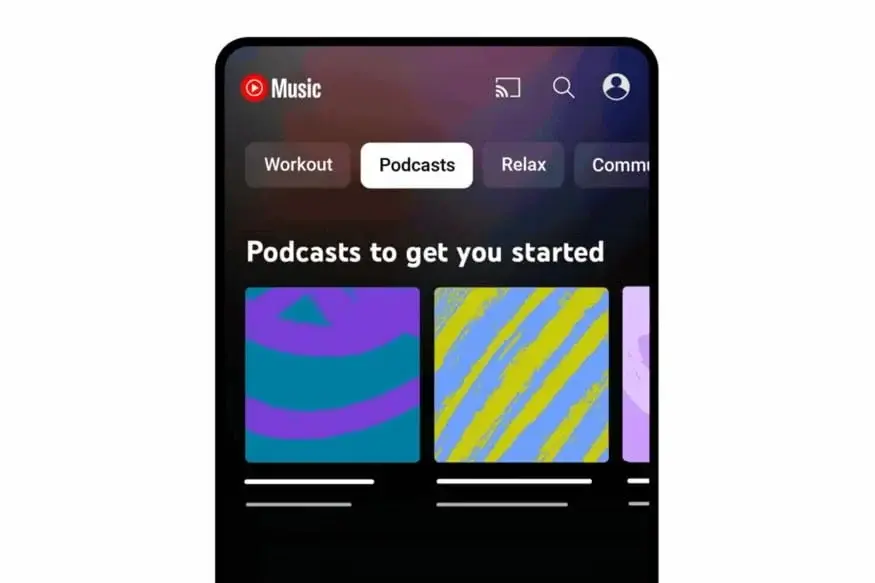
    The implementation of this feature is user-friendly. Users can simply visit the Library tab and tap on the Podcasts filter to access the “Add podcast” option. They can then explore popular podcasts on YouTube or add shows using an RSS feed. Once added, these podcasts will appear alongside other content in the user’s library, marked with an RSS icon for easy identification. This streamlined approach not only simplifies the process but also opens the door for a wider range of podcast content on YTM.

    Although this feature is still in its early stages and not widely available yet, it is expected to gain more traction in the near future. The transition from video uploads to the simplicity of RSS is particularly advantageous for podcasters and is likely to improve content discovery on the platform.

    Furthermore, YTM is developing a “simple migration tool” to facilitate the transfer of existing Google Podcasts subscriptions to YTM. This thoughtful gesture ensures a smooth transition for dedicated podcast listeners. YTM’s expansion into podcasting doesn’t stop there. The platform is also testing several user-friendly features, including the ability to create custom playlist art using generative AI, support for Apple HomePod, and a redesigned overflow menu. This makes YTM a comprehensive platform for both music and podcast enthusiasts. Stay tuned for more updates!

  • Soon you can engage in a conversation about the video you’ve just watched with YouTube’s generative AI

    Soon you can engage in a conversation about the video you’ve just watched with YouTube’s generative AI

    YouTube Introduces AI-Powered Features to Enhance User Engagement

    In an effort to improve user engagement and content comprehension on its platform, YouTube is currently testing two new AI-powered features: comment topics and a conversational AI tool. These features are currently in the experimental phase and are being made available to a limited number of YouTube Premium members.

    Comment Topics Tool Simplifies Navigation and Interaction

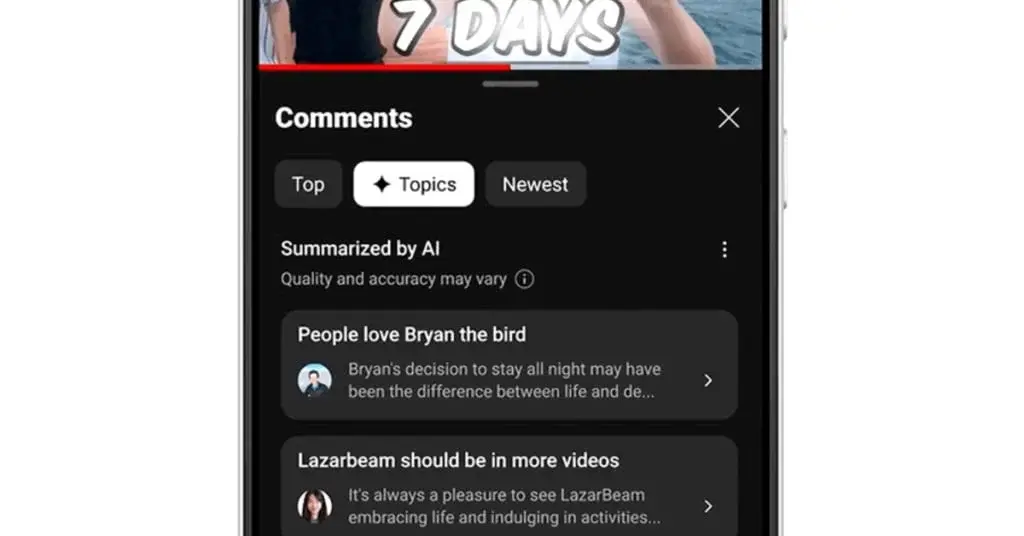
    The comment topics tool is designed to make it easier for viewers and creators to navigate lengthy comment sections. By utilizing AI, YouTube automatically identifies and organizes comments into relevant themes or topics. This allows viewers to quickly locate specific discussions, while creators can effortlessly engage with their audience on specific aspects of their content.

    Creators also have the option to remove comment topics by deleting individual comments associated with that topic. It is important to note that comment topics are only generated for published comments and do not include blocked or under review comments. Currently, this feature is limited to a select few English-language videos that have extensive comment sections.

    Conversational AI Tool Enhances User Experience

    In addition to the comment topics tool, YouTube is also testing a conversational AI tool. This tool aims to further enhance user experience by providing more personalized and relevant recommendations. By analyzing user interactions and preferences, the conversational AI tool can suggest videos, channels, and topics that align with a user’s interests.

    Through these AI-powered features, YouTube is striving to create a more engaging and user-friendly platform. By simplifying comment navigation and providing personalized recommendations, YouTube aims to improve content comprehension and increase user satisfaction.

    Pricing and Availability

    As mentioned earlier, the comment topics and conversational AI features are currently in the experimental phase and are only available to a limited number of YouTube Premium members. It is unclear when these features will be rolled out to a wider audience. YouTube has not provided any specific pricing details for these features, as they are still being tested and evaluated.

    Overall, YouTube’s introduction of these AI-powered features demonstrates its commitment to enhancing user engagement and improving the overall user experience on its platform. As these features continue to be refined and tested, YouTube users can look forward to a more streamlined and personalized viewing experience.