Tag: SpaceX

  • Musk Considers Merging Tesla, Starlink, and xAI for IPO Delay

    Musk Considers Merging Tesla, Starlink, and xAI for IPO Delay

    Key Takeaways

    1. Tesla’s stock declined despite a small earnings increase, indicating investor concerns about the company’s performance.
    2. Elon Musk is shifting Tesla’s focus from cars to autonomous driving, robotaxis, and humanoid robots, while discontinuing certain vehicle models.
    3. Reports suggest Musk is considering a merger of Tesla, SpaceX, and xAI, which could create operational synergies.
    4. A merger could enhance Tesla’s valuation and address current negative sentiment due to declining profits and increased competition.
    5. Recent legal filings hint at the possibility of integrating SpaceX, Tesla, and xAI into one publicly traded company.


    The small earnings increase did not assure investors that everything is fine with Elon Musk’s vehicle company, leading to a decline in Tesla’s stock after the announcement amid ongoing selling pressure.

    Shifting Focus Away from Cars

    Musk’s attempts to transform Tesla into a “physical AI” entity, focusing on autonomous driving subscriptions, robotaxis, and the Optimus humanoid, stand in stark contrast to the news that Tesla is struggling to compete in the high-end EV market. The company has decided to discontinue the Model X and Model S, while also contemplating the future of the Cybertruck.

    Potential Merger News

    However, following the drop in Tesla’s stock, recent news might boost the share price instead. Reports from both Bloomberg and Reuters suggest that Elon Musk is thinking about merging Tesla, SpaceX, and xAI into a single entity. It is said that he is considering a merger between SpaceX and xAI through a stock exchange, which could create various synergies like orbital data centers, or simply integrate SpaceX into Tesla without pursuing a separate IPO.

    Positive Implications for Tesla

    This move would be beneficial, especially since SpaceX is rumored to be preparing for a $50 billion IPO at a valuation of $1.5 trillion. Such a merger would transform Tesla into a company that encompasses space, AI, and robotics, rather than just being an automaker, which could enhance its future valuation. It might also alleviate the current negative sentiment resulting from decreasing profits and limited growth opportunities. Even though Tesla leads in autonomous vehicles and humanoid robots, competition is intensifying, and Musk’s ambitious growth plans may not materialize as expected in the coming years.

    A merger involving SpaceX and Tesla, along with xAI as a bonus, could surely address these challenges. Alternatively, this could simply be a strategic rumor, but recent legal filings by the SpaceX CFO in Nevada, which include the term “merger sub,” could indicate that Musk is at least contemplating the integration of SpaceX, Tesla, and xAI into a single publicly traded company.


    Source:
    Link



  • SpaceX Secures Pentagon Contract for Starlink 5G Network

    SpaceX Secures Pentagon Contract for Starlink 5G Network

    Key Takeaways

    1. SpaceX has secured all military launches for the U.S. Space System Command, receiving contracts worth $739 million without competition.
    2. The Pentagon values SpaceX for its unmatched capabilities in carrying out multiple mission launches efficiently and cost-effectively.
    3. The FCC has granted SpaceX permission to launch an additional 15,000 satellites, doubling its previous approval, enhancing Starlink’s competitive position in the 5G market.
    4. Upgrades for Starlink’s V2 satellites and the approval of new orbital shells aim to improve network coverage and speed.
    5. Federal regulators support SpaceX’s plans for a Starlink Mobile 5G carrier, which could operate independently of traditional cellular networks.


    Elon Musk’s ventures, including Tesla and SpaceX, are increasingly gaining favor with the federal government. The Pentagon has selected SpaceX to handle military launches, awarding contracts worth $739 million, without facing any real competition.

    Military Launches Secured

    SpaceX has essentially secured all military launches for the Space System Command for the coming years. These tasks range from advanced missile warning systems and tracking to new reconnaissance satellites for the U.S. Intelligence Community.

    The task orders given to SpaceX for our mission partners, SDA and NRO, shows how much we value being efficient and cost-effective in our Phase 3 Lane 1 strategy to deliver space capabilities to the military quickly and at a good price for U.S. taxpayers.

    Unmatched Capabilities

    The Pentagon appears to believe that SpaceX’s ability to carry out four distinct mission launches, which are set to start at the end of 2026 and extend into 2028, is unparalleled for the cost involved.

    In a similar vein, the FCC has granted SpaceX a new permit to launch an additional 15,000 satellites, which sets the stage for Starlink to compete with major 5G carriers like T-Mobile and Verizon, offering gigabit satellite Internet speeds.

    SpaceX already had approval for 7,500 additional satellites, and the FCC has now doubled that number, claiming that this “authorization is a game-changer for enabling next-generation services.” Elon Musk has indicated that SpaceX plans to file for an IPO by 2026, meaning easing regulatory hurdles will be a positive sign for potential investors.

    Starlink Expansion

    Not only does the FCC now permit a total of 19,400 Starlink satellites in orbit, but it has also approved upgrades for the V2 satellites in the constellation with “advanced form factors and cutting-edge technology.” Older regulations on overlapping beam coverage and capacity are being removed to facilitate the V3 satellite launches, aimed at enhancing Starlink’s gigabit-speed network.

    Following an issue with a rogue satellite that lost maneuverability, SpaceX announced it would lower its satellite constellation’s orbit as a precaution. The FCC has approved new orbital shells in the altitude range of 340-485 km to optimize the spacing of the new satellites for better coverage and faster network speeds.

    Future of Starlink Mobile

    In conclusion, federal regulators have endorsed SpaceX’s ambition for a Starlink Mobile 5G carrier that operates independently of terrestrial cellular networks, both in the U.S. and internationally, thus “paving the way for next-generation mobile services.”

    Elon Musk has recently stated that federal contracts make up only a small part of SpaceX’s revenue, with most income coming from Starlink connectivity sales. It seems the government is facilitating a major expansion of Starlink service capacity by stepping aside.

    Source:
    Link


  • Starlink in Russia’s Target: New Anti-Satellite Weapon Threatens Space

    Starlink in Russia’s Target: New Anti-Satellite Weapon Threatens Space

    Key Takeaways

    1. Starlink provides crucial intelligence support to Ukrainian forces, challenging Russian military operations in Ukraine.

    2. Russia is reportedly developing a new weapon intended to disable Starlink satellites by scattering small pellets in orbit.

    3. The proposed weapon could have catastrophic consequences, potentially disabling multiple satellites simultaneously and being difficult to detect.

    4. The unintended effects of this weapon might create long-term dangers in orbit, impacting not only Starlink but also other satellites and space travel.

    5. Analysts have mixed opinions on the threat, with some viewing it as a reckless idea and others recognizing it as a credible danger aligned with Russia’s strategic interests.


    Starlink has been a constant challenge for Russian military operations in Ukraine, offering Ukrainian forces a crucial edge in intelligence. Reports from two NATO countries indicate that Russia is working on a new weapon designed to disable Elon Musk’s Starlink satellites. This information was initially revealed by the Associated Press.

    Potential Devastation

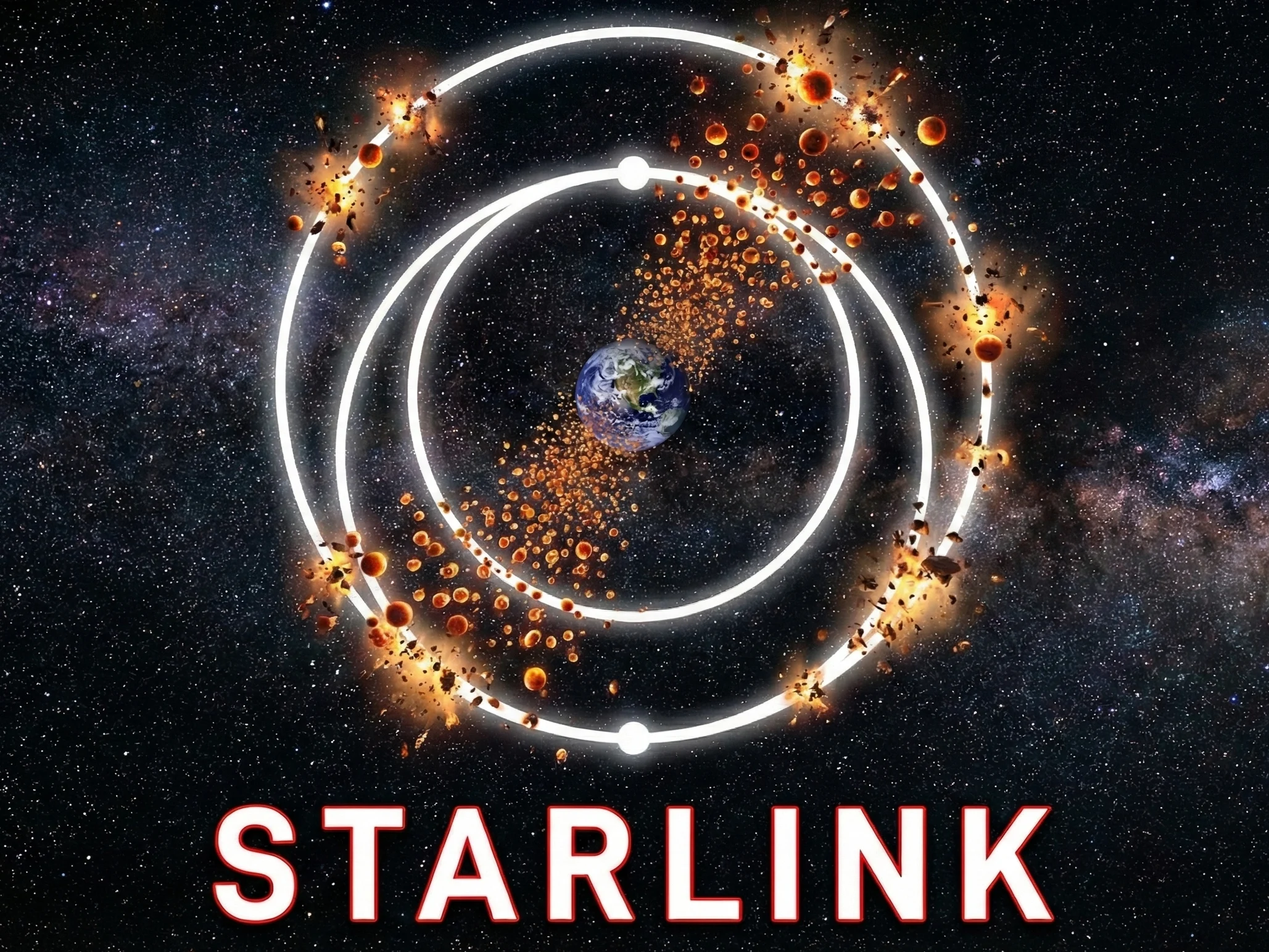
    The consequences of this weapon could be catastrophic. It aims to scatter hundreds of thousands of minuscule pellets within the orbits of the satellites. Such an attack could disable multiple Starlink satellites simultaneously. Because of their small size, these pellets would be difficult to spot on radar, making it impossible to confirm whether Starlink satellites were affected by such an assault.

    Long-Term Impacts

    Nevertheless, the unintended consequences of deploying this weapon could be far more severe than the harm to the Starlink network itself. Orbiting at roughly 340 miles above Earth, SpaceX satellites are positioned higher than manned space stations like the ISS. Numerous research satellites operate at lower altitudes. As these tiny projectiles gradually descend, they could render these orbits dangerous for an extended time, potentially hindering space travel as we currently understand it.

    Varied Perspectives

    Analysts hold differing views about this threat. Some characterize the initiative as a hazardous thought experiment. Given that Russia has heavily invested in its own space programs, the idea of deploying a reckless weapon that could render the orbital environment unusable for all appears nonsensical.

    On the other hand, figures like the commander of the Canadian Space Division see this as a credible danger. In light of prior reports regarding Russia’s plans for nuclear weaponry in space, this type of system seems to align with the broader strategy of the country. Russia perceives Starlink as a significant threat, as it plays a vital role in Ukrainian communication and targeting efforts.

    Source:
    Link


  • Starlink Satellite Avoids ISS Collision Amid SpaceX’s 15,000 Network

    Starlink Satellite Avoids ISS Collision Amid SpaceX’s 15,000 Network

    Key Takeaways

    1. SpaceX’s Starlink network has experienced its first anomaly, causing a satellite to vent its propulsion tank and become uncontrollable space debris.
    2. The specific cause of the anomaly on satellite 35956 is still unknown, but it poses no immediate risk to the International Space Station (ISS).
    3. The uncontrollable satellite is expected to remain in its current state for several weeks before disintegrating in Earth’s atmosphere.
    4. SpaceX plans to launch even more satellites, aiming for a cellular network in space, which raises safety concerns about future incidents.
    5. The rapid expansion of Starlink, with plans for 15,000 additional satellites, may lead to more frequent and hazardous situations in space.


    With the Starlink satellite network now having over 9,000 units performing complex orbital dances in space, it was only a matter of time before something went wrong.

    SpaceX has announced the first “anomaly” involving a Starlink satellite, which caused it to vent its argon propulsion tank and spiral uncontrollably through the cosmos. This incident has transformed the satellite into space debris, or as Starlink describes it, “the release of a small number of trackable low relative velocity objects.” This situation may signal future challenges as SpaceX aims to launch even more satellites, aspiring to create a cellular network in space that offers true 5G connectivity with speeds reaching up to 100 Mbps for standard phones such as the Samsung Galaxy S25 Ultra.

    Cause of the Anomaly

    Currently, SpaceX has not determined what led to the “anomaly on satellite 35956,” which sounds like it could be a plot point from a science fiction story. However, they have reassured worried astronauts by mentioning that the satellite is on a course that won’t interfere with the International Space Station’s orbit.

    The statement that the “satellite’s current trajectory will place it below the ISS, posing no risk to the orbiting lab or its crew” seems purely coincidental. The satellite is expected to remain uncontrollable for several weeks before it descends into Earth’s atmosphere to disintegrate.

    Future Implications

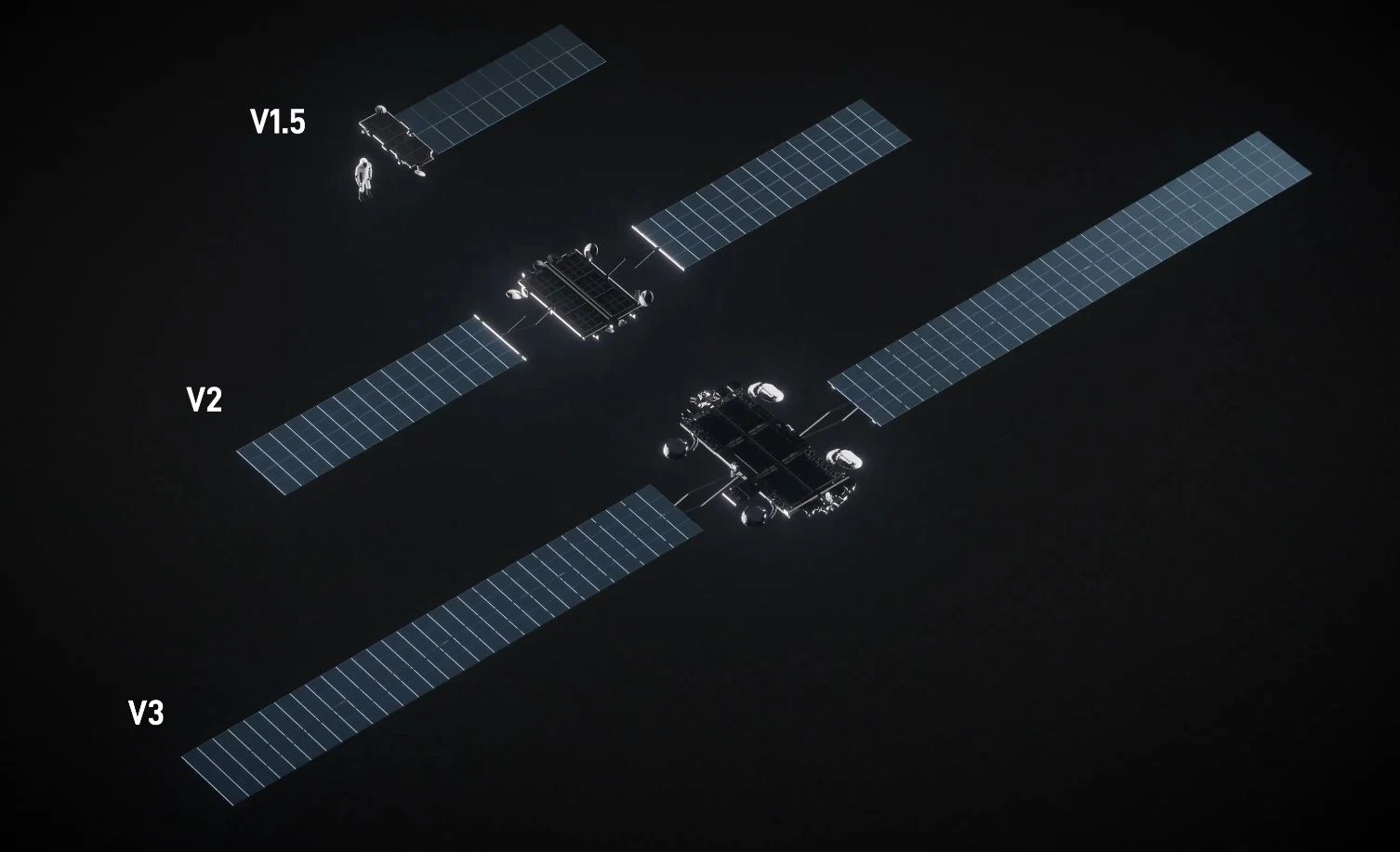
    SpaceX engineers are looking into the issue, yet with the current administration’s plans to establish a new alternative to the ISS and Starlink seeking approval to deploy 15,000 V3 satellites—each the size of a Boeing 737 when fully deployed—such incidents are likely to become more frequent and potentially hazardous.

    Starlink’s rapid expansion continues, raising concerns about the safety of both the satellites and the missions that rely on them.

    Source:
    Link


  • SpaceX Discontinues $40 Starlink Plan in the US

    SpaceX Discontinues $40 Starlink Plan in the US

    Key Takeaways

    1. SpaceX launched a $40/month Starlink plan offering 100Mbps speeds, but it has since disappeared from their website and app.
    2. Users reported the plan’s unavailability on Reddit, highlighting issues with reverting back to the cheaper option after upgrades.
    3. The plan had limited availability in select US areas, likely due to high demand exceeding network capacity.
    4. Customers are now required to choose the regular Residential plan at $120/month for speeds over 400Mbps, or the $80/month Residential Lite plan for up to 250Mbps.
    5. The $40 Residential plan is still available in Australia and Canada, and there is hope it may return to the US market.


    SpaceX recently introduced its most affordable Starlink plan in select areas of the US last month, but this offering has since vanished from both its website and app. Priced at $40 per month, this residential plan limited download speeds to 100Mbps and was notable for being cheaper compared to other plans.

    Disappearance of the Plan

    Starlink users in the US have reported on Reddit that the 100Mbps Residential option is no longer accessible on Starlink’s website or app. One user recounted their situation, saying, “I upgraded because I was having a lot of family over for Thanksgiving and now I can’t go back to the 40 dollar a month option.” We also observed earlier this week that the plan was no longer available for new customers in certain areas of Nebraska where it was previously on offer. Customers also noticed it was available in parts of Illinois and Nevada before it was withdrawn.

    Limited Availability

    The 100Mbps plan had limited reach, appearing only in a few locations where Starlink likely had extra network capacity. Some users think that the rush from both new and existing subscribers to grab the deal might have led to Starlink hitting capacity in those areas. The plan was appealing due to its low price while limiting speeds to 100Mbps.

    Now, US customers must opt for the regular Residential plan, which typically costs $120 a month and promises speeds exceeding 400Mbps. The Residential Lite plan is still available in most suburban and rural areas across the US for $80 per month, with download speeds of up to 250Mbps.

    International Offers

    Interestingly, Starlink continues to provide the $40 Residential plan for users in Australia and Canada. The official customer support site still references the 100Mbps option. If you were eager to try out the Residential 100Mbps plan, it might be wise to keep checking Starlink’s website, as it could potentially return.

    Source:
    Link


  • Starlink Launches $89 Dish at Kiosk with $100 Service Credit

    Starlink Launches $89 Dish at Kiosk with $100 Service Credit

    Key Takeaways

    1. SpaceX is expanding Starlink satellite Internet availability through major retailers and online platforms like Amazon.
    2. Dedicated Starlink stores are being established in underserved areas, offering free satellite dishes and plans starting at $40 per month.
    3. Innovative self-service kiosks and vending machines are being introduced, selling discounted equipment and providing rental options.
    4. Customers can purchase Starlink equipment at a low price, with incentives like a $100 credit for activating service within a week.
    5. SpaceX aims to enhance its revenue from Starlink as it prepares for a major upgrade to gigabit speeds with new satellites.


    SpaceX is expanding its reach by offering its Starlink satellite Internet service wherever possible. Following the initial launch of the Starlink Standard Kit in major retailers like Home Depot, Best Buy, Costco, and Walmart, the company has also made it available online through Amazon.

    New Retail Strategies

    SpaceX is now establishing dedicated Starlink stores in areas that lack sufficient Internet service, where there is still a high demand. In these locations, SpaceX is giving away satellite dishes for free or providing Internet plans starting at just $40 per month. However, the sales team is not stopping there; they’ve introduced self-service kiosks to provide discounted equipment and subscription incentives.

    Innovative Vending Machines

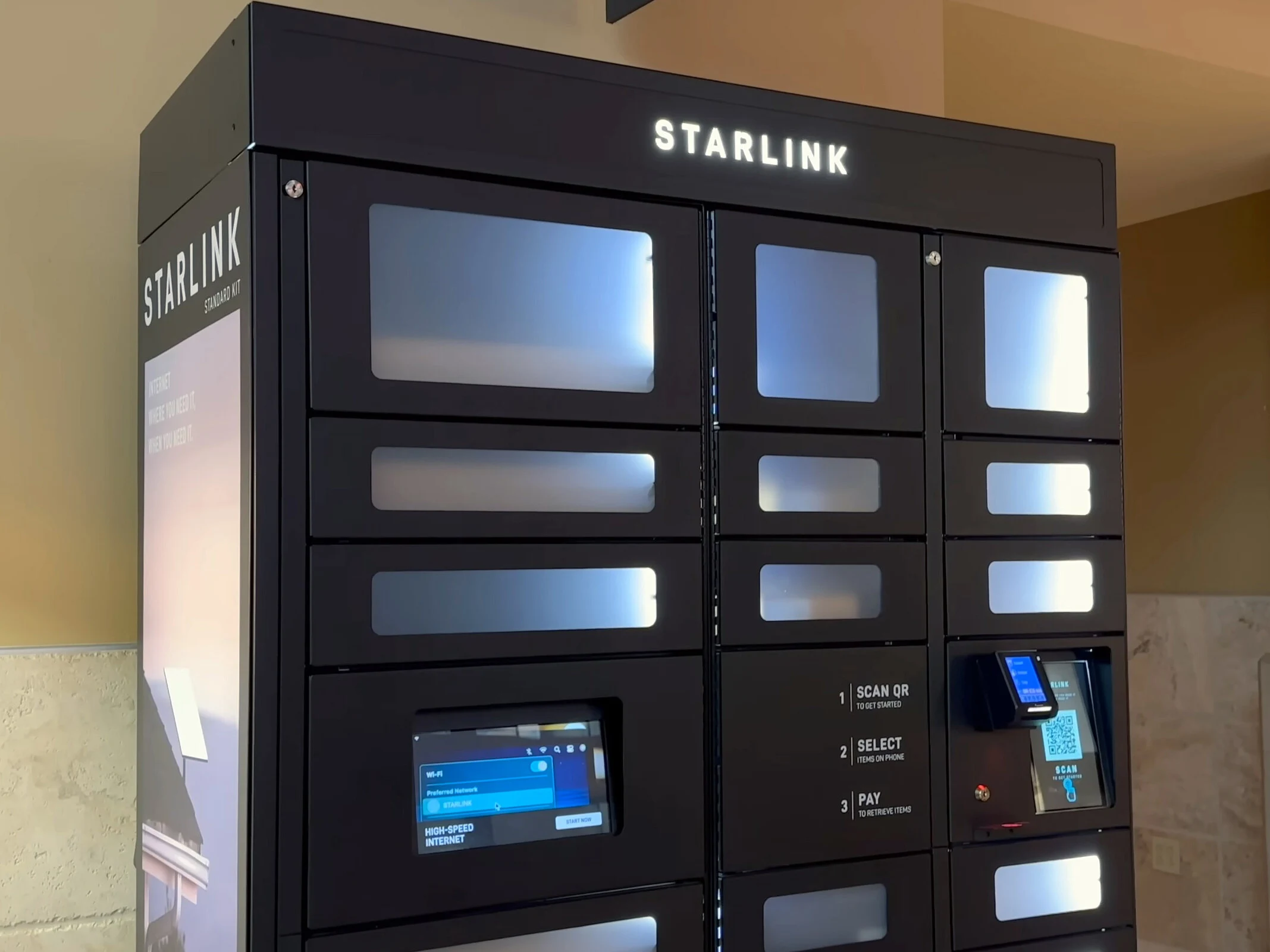
    Recently, a Starlink vending machine was discovered at the Jordan Creek Mall in Des Moines, Iowa. This location wasn’t listed in the recent store announcements from Starlink, but it’s in an area that benefits from their services, allowing free rental of the dish. The self-service kiosk sells a Standard Kit for only $89, which is the lowest price ever offered for the Starlink dish, and customers keep the equipment instead of renting it for free as the website suggests. Additionally, those who activate their Starlink satellite Internet equipment from the machine—which also sells mounts and routers—will earn a $100 credit towards their service if they do so within a week.

    The Customer Experience

    This effectively makes the Starlink dish essentially free, similar to how it would be if ordered from the website in the same area, but without the need to return it after the service ends, unlike the free rental option. Customers can enjoy the retail experience of seeing and handling the product without dealing with annoying sales questions. They simply purchase a dish and set it up to get it at no cost.

    It remains uncertain whether this new method of purchasing Starlink satellite Internet through retail and kiosks will appeal to consumers, but the sales team is clearly exploring all possible options. Elon Musk recently mentioned that a significant portion of SpaceX’s revenue is derived from the Starlink segment. The satellite Internet network is set to receive a major upgrade to gigabit speeds, contingent upon SpaceX successfully launching the massive Starship 3 rocket to position the new high-capacity V3 satellites into orbit.

    Source:
    Link


  • SpaceX Launches Starlink on Amazon Amid Musk-Bezos Rivalry

    SpaceX Launches Starlink on Amazon Amid Musk-Bezos Rivalry

    Key Takeaways

    1. SpaceX is now allowing Amazon to sell Starlink services, despite their rivalry.
    2. Amazon has launched Leo Ultra, a competing satellite service aimed at business customers.
    3. Customers can purchase Starlink accessories directly from the Starlink website, with Prime shipping options.
    4. The collaboration is notable given the ongoing public feud between Elon Musk and Jeff Bezos.
    5. SpaceX is shifting its sales strategy to include Amazon, expanding its reach to a larger customer base.


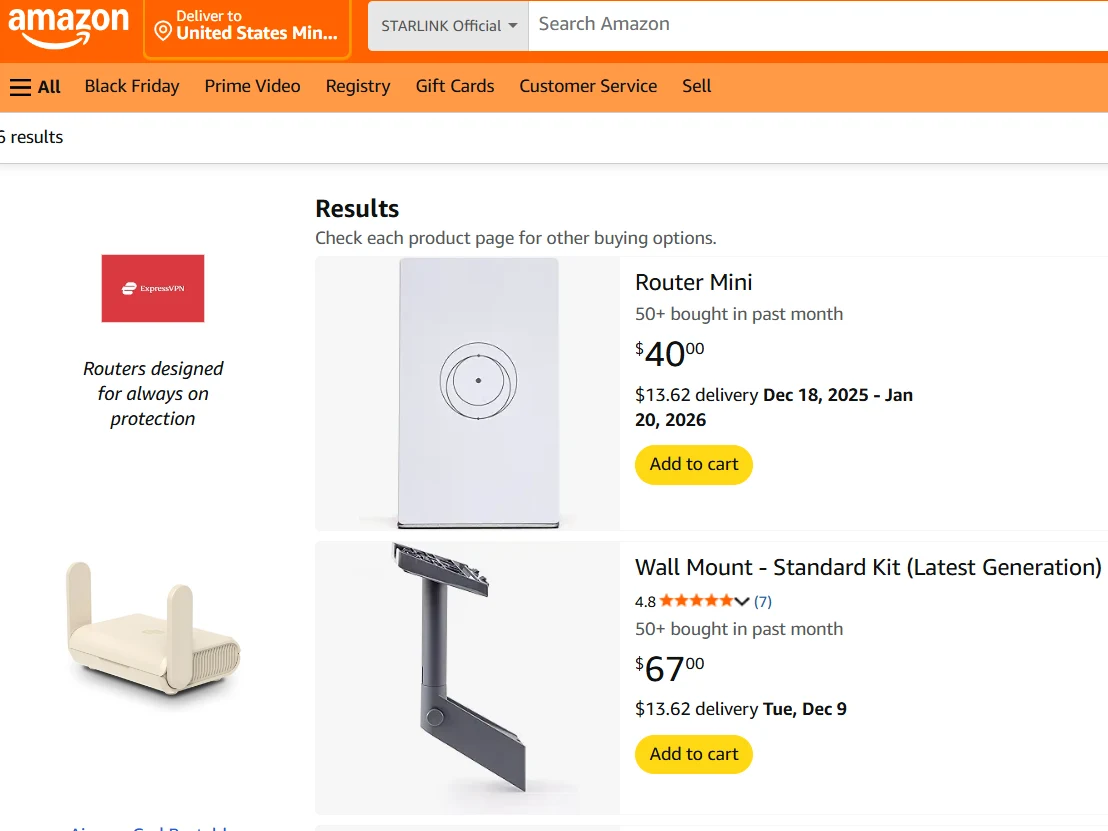
    In an unexpected decision, SpaceX is broadening its Starlink sales by including Amazon, even though there’s a well-known rivalry between the two firms. This development arrives just as Amazon has unveiled Leo Ultra, a new high-performance option for its rival satellite service aimed at business customers seeking gigabit internet speeds. While SpaceX initially remained silent regarding the new listings, an update on Starlink.com revealed that Amazon is now an authorized retailer for the satellite internet service in the US, joining major retailers like Best Buy, Home Depot, and Walmart.

    New Accessibility for Starlink Accessories

    Customers can now buy certain Starlink accessories, including the Wi-Fi router, directly from the site, with many items eligible for Prime overnight or one-day shipping. A review site called DISHYTech first discovered the official Starlink store earlier this month, indicating that it seems to function through Virtual Supply. This distributor, based in Oregon, offers a range of consumer electronics to large retailers and has previously sold the standard Starlink dish, which hints that additional inventory could be added in the future.

    Tensions Between Musk and Bezos

    This collaboration is particularly intriguing as SpaceX CEO Elon Musk has had a public feud with Amazon founder Jeff Bezos for several years. Back in 2019, Musk claimed that Bezos mimicked Starlink after Amazon sought FCC approval for its own competing satellite internet service, now known as Amazon Leo. The conflict intensified in 2021 during a regulatory disagreement over the second-generation Starlink network, when Musk ridiculed Bezos for resigning as CEO, tweeting, “Turns out Besos [sic] retired in order to pursue a full-time job filing lawsuits against SpaceX.”

    Shift in Sales Strategy

    Until recently, SpaceX had avoided using Amazon to market Starlink and preferred third-party sellers or its own website. The company has become increasingly aggressive in promoting its satellite internet service in the US with various discounts and lower monthly rates, and this new storefront now positions its products right in front of Amazon’s vast customer base.

    Starlink’s expansion into Amazon’s marketplace opens up new opportunities for both companies, despite the ongoing tensions.

    Source:
    Link


  • Elon Musk Announces SpaceX Plans for Orbital Data Centers

    Elon Musk Announces SpaceX Plans for Orbital Data Centers

    Key Takeaways

    1. Major tech leaders, including Elon Musk, are exploring the possibility of data centers in space to meet increasing computing power demands driven by AI.

    2. SpaceX plans to utilize its Starlink V3 satellites, equipped with fast laser communication links, to establish cloud computing services in orbit.

    3. Advantages of space-based data centers include abundant solar energy and reduced environmental impact compared to terrestrial facilities.

    4. Significant challenges remain, including high costs and technical complexities associated with building and powering orbital data centers.

    5. SpaceX’s Starlink V3 satellites promise much higher capacity than competitors, potentially giving the company a competitive edge in this emerging market.


    As AI continues to drive the global need for computing power, major players in the tech world are now looking up to the stars for solutions. The concept of data centers in space — once thought to be just a theory — is starting to gain real traction. After notable interest from figures like Jeff Bezos of Amazon and Eric Schmidt, the former CEO of Google, Elon Musk has revealed that SpaceX is investigating the possibility of orbital data centers, leveraging the advanced Starlink V3 satellites as their base.

    SpaceX’s Ambition

    Musk shared on social media that SpaceX is committed to developing data centers in space, implying that the upcoming Starlink V3 satellites, each designed with fast laser communication links, could render this idea feasible. “SpaceX will be doing this,” Musk stated, hinting at a plan to turn Starlink’s worldwide internet service into a crucial framework for cloud computing in orbit.

    Advantages and Challenges

    The potential benefits are evident: solar energy is plentiful and free in space, which removes many of the land and environmental issues associated with terrestrial data centers. However, some critics point out that the expenses and technical challenges involved in creating and energizing such large orbital facilities are still significant obstacles.

    SpaceX’s Starlink V3 satellites are a major advancement in terms of capacity. While the existing Starlink V2 minis can reach around 100 Gbps, the V3 models are projected to provide up to 1 Tbps each. In comparison, Boeing’s Viasat-3 — another satellite in the same capacity range — took nearly ten years and hundreds of millions of dollars to bring to fruition. SpaceX plans to launch 60 high-capacity Starlink V3 satellites with each Starship mission, aiming for as early as 2026.

    A Competitive Edge

    Experts like Caleb Henry from Quilty Space believe that the scale and effectiveness of Starlink V3 launches could position SpaceX well ahead in this new market. “Nothing else in the rest of the satellite industry comes close to that amount of capacity,” Henry remarked.

    Despite the skepticism, SpaceX has a track record of turning doubt into achievement. Starlink, which was once regarded as overly ambitious, now provides broadband access to millions around the globe. If Musk can apply the same innovative approach and economic strategy to computing infrastructure, the vision of space-based data centers could transition from a distant fantasy to a working reality.

    Source:
    Link


  • Apple and SpaceX Discuss Deeper Starlink iPhone Integration

    Apple and SpaceX Discuss Deeper Starlink iPhone Integration

    Key Takeaways

    1. Apple and SpaceX have reportedly restarted discussions about integrating Starlink satellite connectivity into iPhones.
    2. Previous satellite initiatives, such as Apple’s Emergency SOS with Globalstar, have paved the way for more ambitious direct-to-device capabilities.
    3. Challenges include technical modifications to devices, firmware updates, and agreements with carriers to prevent interference.
    4. A partnership could significantly change the competitive landscape for satellite services and impact existing providers like Globalstar and AST SpaceMobile.
    5. The situation remains unverified, and while regulatory approvals lend credibility, the complexity of integration and commercial arrangements will determine the partnership’s success.


    Apple and SpaceX might have restarted discussions about a closer partnership, according to a recent report from Fierce Network. The report suggests that talks regarding the integration of Starlink-style satellite connectivity into iPhones have begun again. This would complicate Apple’s previous satellite deals and follows a series of technical and regulatory actions that make such inclusion feasible.

    Background of the Talks

    These discussions are built on past events. WCCFTech highlighted that Apple introduced basic satellite Emergency SOS through Globalstar with the iPhone 14. Since that launch, regulators and service providers have begun allowing more ambitious direct-to-device initiatives. The FCC has approved limited direct-to-cell tests for SpaceX and its carrier partners. Additionally, iOS 18.3 has started to include early tests for Starlink compatibility on iPhones, while EchoStar’s spectrum arrangements have redefined the competitive landscape. These elements contribute to why experts now consider an Apple/SpaceX partnership as a legitimate possibility rather than just speculation.

    Factors Influencing the Partnership

    The renewed interest appears to be connected to EchoStar’s notable spectrum activities and SpaceX’s efforts to broaden Starlink’s direct-to-device presence. If Apple were to incorporate Starlink into its future devices, it would represent a significant strategic victory for SpaceX and a considerable change for Apple users, particularly those in remote or disaster-stricken locations who require dependable backup connectivity.

    Challenges Ahead

    Nevertheless, there are considerable technical and commercial challenges to overcome. For phones to have Starlink connectivity, it would necessitate modifications to antenna and RF design, updates to firmware and iOS, and agreements with carriers to prevent interference with ground-based networks. Apple would also need to determine the commercial conditions and their impacts: would satellite data incur separate charges, be included with AppleCare, or be limited to emergency uses only? These types of details can hinder even the most straightforward engineering collaborations.

    Industry Implications

    The potential industry implications are significant. Shifting away from Globalstar or adding Starlink as an alternative option would alter the beneficiaries of Apple’s satellite strategy. Direct-to-device specialists and competitors like AST SpaceMobile might find their competitive landscape changing, and service providers will be considering how satellite features at the handset level will interact with their existing network strategies. Regulators will also be observing the situation closely, as spectrum utilization, cross-border routing, and national security issues are all critical factors.

    For the moment, the situation remains unverified: The Information and other media outlets have explored the strategic opportunities as well. If Apple and SpaceX manage to finalize an agreement, it could change how devices maintain connectivity in difficult-to-access areas and which satellite providers receive priority access to smartphone ecosystems.

    Until Apple or SpaceX makes a public announcement, it’s wise to treat this as an evolving situation, which is still noteworthy. The recent regulatory approvals and successful proof-of-concept trials lend credibility to the idea of renewed discussions. However, the complexity of integration and commercial arrangements will ultimately decide if this partnership becomes a game-changer or remains just another rumor in the industry.

    Source:
    Link


  • SpaceX Offers Free Starlink Mini Kits in US and Canada – Conditions Apply

    SpaceX Offers Free Starlink Mini Kits in US and Canada – Conditions Apply

    Key Takeaways

    1. Eligible long-term Starlink Residential users in the US and Canada can claim a complimentary Starlink Mini Kit through a promotional email until October 22nd.
    2. The Starlink Mini dish is provided on a rental basis, requiring a $5 monthly fee ($7 in Canada), and must be returned if service is canceled.
    3. The promotional email also offers a 50% discount on Roam plans, with the Roam Unlimited plan costing $82.5 and the Mini Roam costing $25.
    4. The Starlink Mini Kit is compact, designed for travel, with features like built-in dual-band Wi-Fi and download speeds up to 250 Mbps.
    5. For those ineligible for the free offer, the Mini Kit is available for purchase at a reduced price of $299, following a 40% price cut.


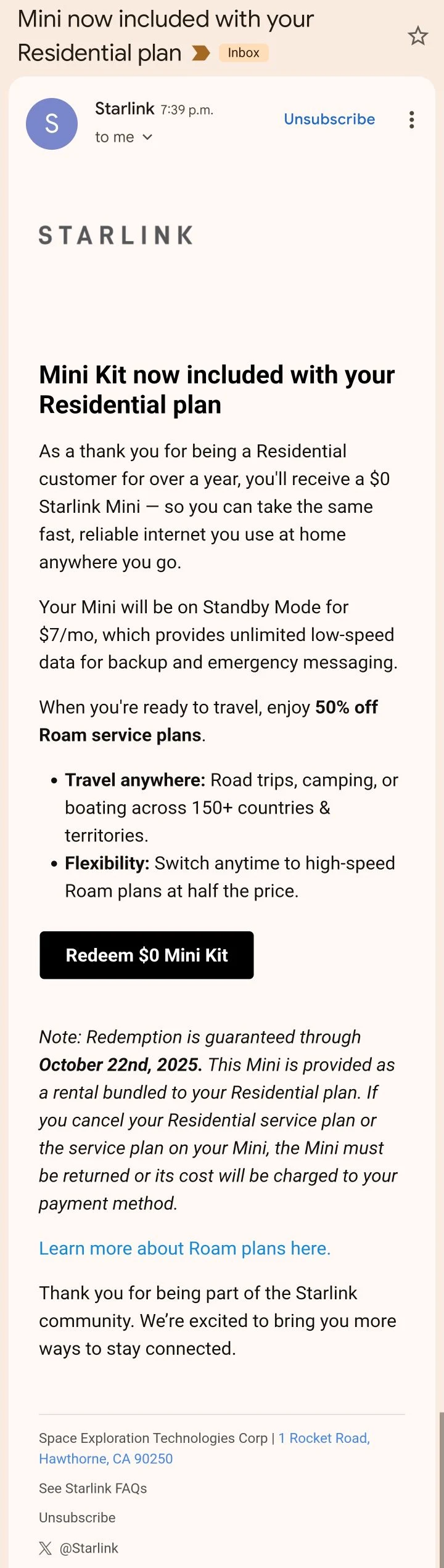
    If you’ve been using Starlink Residential for over a year, you may be eligible for a complimentary Starlink Mini Kit. This comes from a recent promotional email that SpaceX is sending to long-term users in the US and Canada.

    Claiming Your Free Kit

    Residential subscribers who have received this email can get a Starlink Mini dish at no charge. To claim it, simply click the “Redeem $0 Mini Kit” button in the email, confirm your order, and the dish will be sent to your address. SpaceX has specified that the redemption link is active until October 22nd. Moreover, the email highlights a 50% discount on Roam plans, meaning the Roam Unlimited plan will cost only $82.5, while the Mini Roam will be just $25. Normally, these plans are priced at $165 and $50, respectively. It’s not clear whether this discounted price applies only for the initial months or is a long-term benefit for qualifying Residential users.

    Important Conditions

    However, there are some conditions attached to this offer. First, the Starlink Mini that you receive will be in Standby Mode, meaning even if you do not activate a service plan, you still need to pay a $5 monthly fee ($7 for Canada). Even more crucially, the dish is not technically “free” as it is provided on a rental basis. SpaceX has stated that “the Mini must be returned” if you cancel your Residential or Roam service plan at any time, or else its cost will be charged to your payment method.

    A Strategic Move

    While this offer may seem generous at first glance, it’s also a clever tactic by SpaceX to generate ongoing revenue and encourage the use of its Roam service.

    If you often travel to isolated areas and have been eyeing the Mini Kit, this is a pretty good offer—and the 50% off on Roam plans is particularly appealing. The dish is compact enough to fit in a backpack and can easily be mounted on your vehicle for travel. It features built-in dual-band Wi-Fi, with download speeds of up to 250 Mbps and upload speeds reaching 25 Mbps as promised by SpaceX.

    For those who don’t meet the eligibility criteria for the free offer, you can still purchase the Mini Kit at a reduced price. Starlink has recently cut the price of the portable dish by 40%, lowering it to $299 on Starlink.com and other online stores.

    Source:
    Link