
Key Takeaways
1. Major tech leaders, including Elon Musk, are exploring the possibility of data centers in space to meet increasing computing power demands driven by AI.
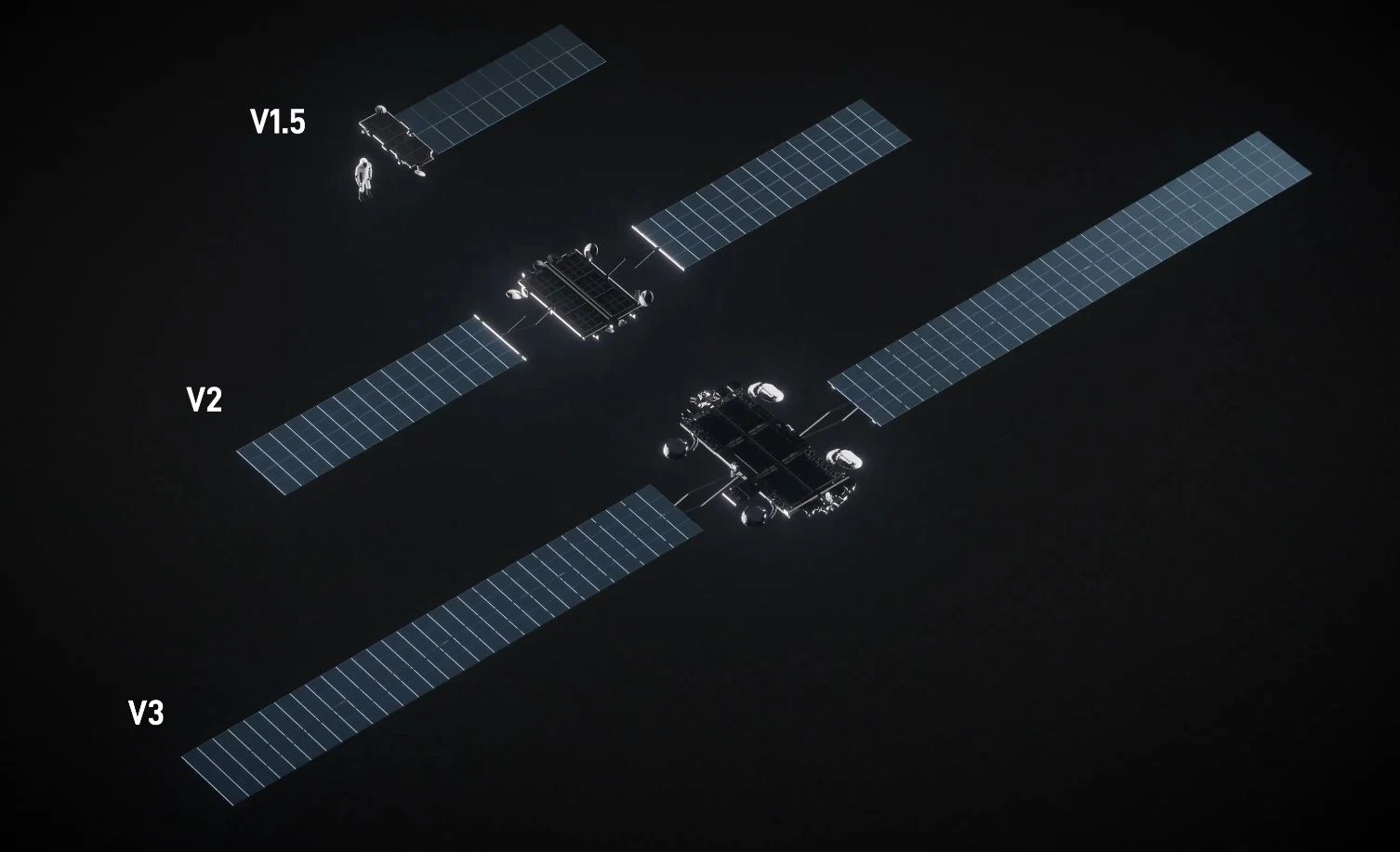
2. SpaceX plans to utilize its Starlink V3 satellites, equipped with fast laser communication links, to establish cloud computing services in orbit.
3. Advantages of space-based data centers include abundant solar energy and reduced environmental impact compared to terrestrial facilities.
4. Significant challenges remain, including high costs and technical complexities associated with building and powering orbital data centers.
5. SpaceX’s Starlink V3 satellites promise much higher capacity than competitors, potentially giving the company a competitive edge in this emerging market.
As AI continues to drive the global need for computing power, major players in the tech world are now looking up to the stars for solutions. The concept of data centers in space — once thought to be just a theory — is starting to gain real traction. After notable interest from figures like Jeff Bezos of Amazon and Eric Schmidt, the former CEO of Google, Elon Musk has revealed that SpaceX is investigating the possibility of orbital data centers, leveraging the advanced Starlink V3 satellites as their base.
SpaceX’s Ambition
Musk shared on social media that SpaceX is committed to developing data centers in space, implying that the upcoming Starlink V3 satellites, each designed with fast laser communication links, could render this idea feasible. “SpaceX will be doing this,” Musk stated, hinting at a plan to turn Starlink’s worldwide internet service into a crucial framework for cloud computing in orbit.
Advantages and Challenges
The potential benefits are evident: solar energy is plentiful and free in space, which removes many of the land and environmental issues associated with terrestrial data centers. However, some critics point out that the expenses and technical challenges involved in creating and energizing such large orbital facilities are still significant obstacles.
SpaceX’s Starlink V3 satellites are a major advancement in terms of capacity. While the existing Starlink V2 minis can reach around 100 Gbps, the V3 models are projected to provide up to 1 Tbps each. In comparison, Boeing’s Viasat-3 — another satellite in the same capacity range — took nearly ten years and hundreds of millions of dollars to bring to fruition. SpaceX plans to launch 60 high-capacity Starlink V3 satellites with each Starship mission, aiming for as early as 2026.
A Competitive Edge
Experts like Caleb Henry from Quilty Space believe that the scale and effectiveness of Starlink V3 launches could position SpaceX well ahead in this new market. “Nothing else in the rest of the satellite industry comes close to that amount of capacity,” Henry remarked.
Despite the skepticism, SpaceX has a track record of turning doubt into achievement. Starlink, which was once regarded as overly ambitious, now provides broadband access to millions around the globe. If Musk can apply the same innovative approach and economic strategy to computing infrastructure, the vision of space-based data centers could transition from a distant fantasy to a working reality.
Source:
Link