Tag: SpaceX

  • SpaceX Plans Starlink Upgrade for Gigabit Internet Speeds

    SpaceX Plans Starlink Upgrade for Gigabit Internet Speeds

    On October 11, 2024, SpaceX made a formal request to the FCC to modify several aspects of the Starlink Network. These modifications are part of SpaceX’s Gen2 NGSO satellite system, which the company says will introduce a range of enhancements. Specifically, the upgraded network aims to provide gigabit service to its customers. Additional improvements include reduced latency, widespread mobile connectivity, and adjustments to the network to accommodate the rising demand from users.

    Proposed Satellite Adjustments

    To boost the performance of the network, SpaceX is seeking to lower the altitude of three groups of satellites by approximately 8.5 percent from their current nominal height. SpaceX asserts that this adjustment will enhance space sustainability by decreasing the chances of collisions and shortening the time required for the post-mission disposal of Gen2 satellites. In simpler terms, this means that the satellites will have a lower risk of crashing into other objects and will disintegrate in the atmosphere more quickly once they reach the end of their operational life. The transition to a lower orbit will also facilitate the deployment of more satellites in the future, which is crucial given the growing demand for services, particularly in remote regions. Furthermore, SpaceX is looking to modify the number of satellites in each group to maximize coverage.

    Changes to Elevation Angles

    Along with lowering the nominal altitude, SpaceX is proposing a shift in the minimum elevation angle from 25 degrees to 20 degrees. This adjustment would extend the communication time between satellites and ground stations by allowing satellites to keep in touch even when they are closer to the horizon. Despite this potential benefit, there are worries that the lower altitude may interfere with other satellite systems, although SpaceX has provided evidence to counter these concerns.

    In conclusion, there are numerous reservations regarding these proposed modifications, and various stakeholders are opposed to them. Companies like Amazon, along with astronomers and regulatory bodies, have legitimate reasons for their opposition to SpaceX’s plans. For further information on the proposed changes, the full filing is available below.

    FCC filing via Ars Technica and Pixabay.
  • Free Starlink Internet & Tesla Superchargers for Hurricane Relief

    Free Starlink Internet & Tesla Superchargers for Hurricane Relief

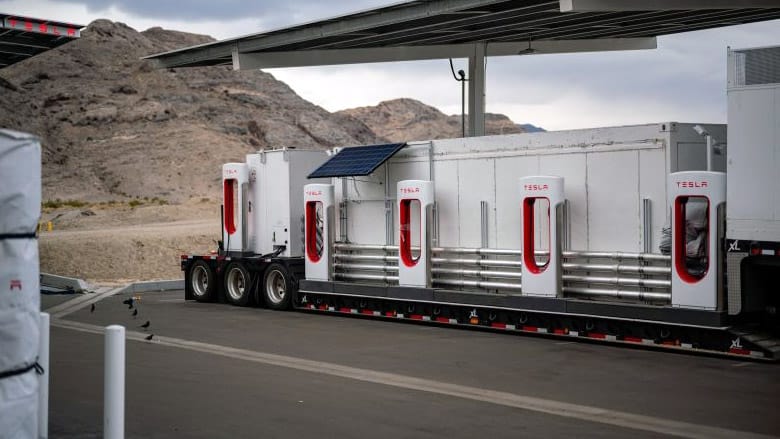
    Tesla is set to deploy mobile Superchargers in areas that require them to assist electric vehicle owners following Hurricane Milton, which is predicted to make landfall on Wednesday.

    Free Starlink Internet Access

    Moreover, SpaceX has revealed that it will offer 30 days of complimentary Starlink satellite Internet service for its customers located in regions impacted by the recent landfall along Florida’s coast, as well as in the Carolinas, Virginias, and Georgia.

    Emergency Alerts

    In response to Hurricane Helene, SpaceX has also received approval to send out emergency alerts through Starlink’s direct-to-cell satellites. They mentioned that they will attempt to send text messages whenever necessary. However, this service is currently limited to T-Mobile customers.

    Tesla’s mobile Superchargers are an intriguing development. The company began using them after previous hurricanes and also temporarily increased the range for select vehicle models. Additionally, they have been sending them to busy Supercharger sites that often see high traffic and long wait times.

    Dual Purpose of Mobile Megapack Chargers

    According to Tesla’s previous battery chief, Drew Baglino, the mobile Megapack Chargers serve two main functions: they offer extra capacity during holidays and special events like solar eclipses or rocket launches, while also aiding emergency services during evacuations or power shortages.

    Tesla’s charging infrastructure team has confirmed that they will make sure there are functional Supercharger stations available before Hurricane Milton arrives. After the hurricane makes landfall, the team is committed to restoration efforts and is ready to deploy mobile Superchargers powered by Megapacks in areas where charging access is significantly affected.

    How Mobile Superchargers Work

    The mobile Superchargers consist of units placed on flatbed trucks alongside large Megapack batteries. During peak demand periods, Tesla’s team moves them closer to Supercharger stations and uses the infrastructure to charge the Megapacks overnight. This way, they can provide additional charging options to electric vehicle owners during the busiest parts of the day.

    A similar plan will be activated when Hurricane Milton strikes, with Tesla positioning mobile Superchargers where they’re most needed. Tesla continues to recommend that owners with home charging options, like the Universal Wall Connector EV Charger, charge their vehicles to full capacity, ensuring they’re prepared for any power outages that may occur.

  • SpaceX Unveils Starlink’s Revolutionary Space ‘Cellphone Towers’

    SpaceX Unveils Starlink’s Revolutionary Space ‘Cellphone Towers’

    The Evolution of Internet Connectivity: Elon Musk’s Starlink Initiative

    SpaceX, under the leadership of Elon Musk, has unveiled the deployment of 21 fresh Starlink satellites. While this development might be anticipated given Musk’s direct involvement, these satellites represent a distinct agenda – challenging established mobile network giants. This initiative is part of Musk’s grand venture, currently undergoing testing, aimed at transforming the landscape of internet accessibility.

    Redefining Connectivity in the Digital Age

    Launched a few years back, Starlink’s primary goal is to offer viable internet solutions to underserved territories via satellites encircling the Earth. Nonetheless, this service necessitates antennas and associated equipment to relay the signal to devices, hence falling short of being an optimal choice for certain users. Enter Starlink’s groundbreaking innovation – the inception of the inaugural ‘cellphone towers in space,’ specifically engineered for compatibility with smartphones.

    Unleashing the Capabilities of Starlink’s Satellites

    These fresh satellites, boasting speeds reaching up to 7 Mbps, are poised to cater to select locales like North America, aimed at fulfilling tasks reliant on lower internet speeds, such as transmitting textual messages. Although this might appear limited in comparison to the initial commitments of economical limitless internet access and voice calls, it’s crucial to acknowledge that Starlink is in its formative phase, teeming with the promise of substantial evolution.

    Envisioning Global Mobile Connectivity

    Musk has highlighted that these satellites will pave the way for universal mobile phone connectivity. Nevertheless, there exists a notable bandwidth constraint, with each signal beam supporting a mere 7 Mbps and encompassing a vast geographical scope. Musk elucidated that while this solution serves as a boon for regions devoid of cellular coverage, it does not pose a direct threat to existing terrestrial cellular networks.

    In essence, Elon Musk’s Starlink initiative is poised to redefine the domain of internet accessibility. Introducing ‘cellphone towers in space,’ the service aspires to furnish a more convenient and access-friendly alternative for users, especially in marginalized regions. Although bandwidth constraints persist, this marks only the initial phase for Starlink, promising monumental strides in the days to come.