
Key Takeaways
1. Tesla and SpaceX are securing high-efficiency solar panels by visiting Chinese manufacturers, boosting their stock prices significantly.
2. SpaceX is focusing on heterojunction technology for solar cells, indicating a commitment to high-quality supplies.
3. SpaceX plans to launch one million satellites powered by solar energy to create an AI data center in space.
4. The AI satellites aim to generate 100 gigawatts of compute capacity annually with minimal maintenance, relying solely on solar power.
5. Tesla is preparing to install 200 GW of solar capacity in the US and has launched a complete energy generation kit, increasing their need for solar panels.
Two of Elon Musk’s leading businesses, valued at over $2.5 trillion combined, are making moves to obtain a large supply of high-efficiency solar panels.
Tesla and SpaceX representatives have been visiting Chinese solar panel manufacturers to check out their factories and place orders, which has caused their stock prices to rise by as much as 10% on the Hong Kong stock market. “The SpaceX group is mainly looking at photovoltaic equipment makers and has placed an order with a top local heterojunction equipment producer,” according to sources in the solar industry.
Focus on Heterojunction Technology
The heterojunction interface is crucial for high-efficiency solar cells, indicating that SpaceX is clearly aiming to secure the best supplies available. It’s still under wraps which local solar company has landed the SpaceX deal, but shares of Junda climbed by over 10%.
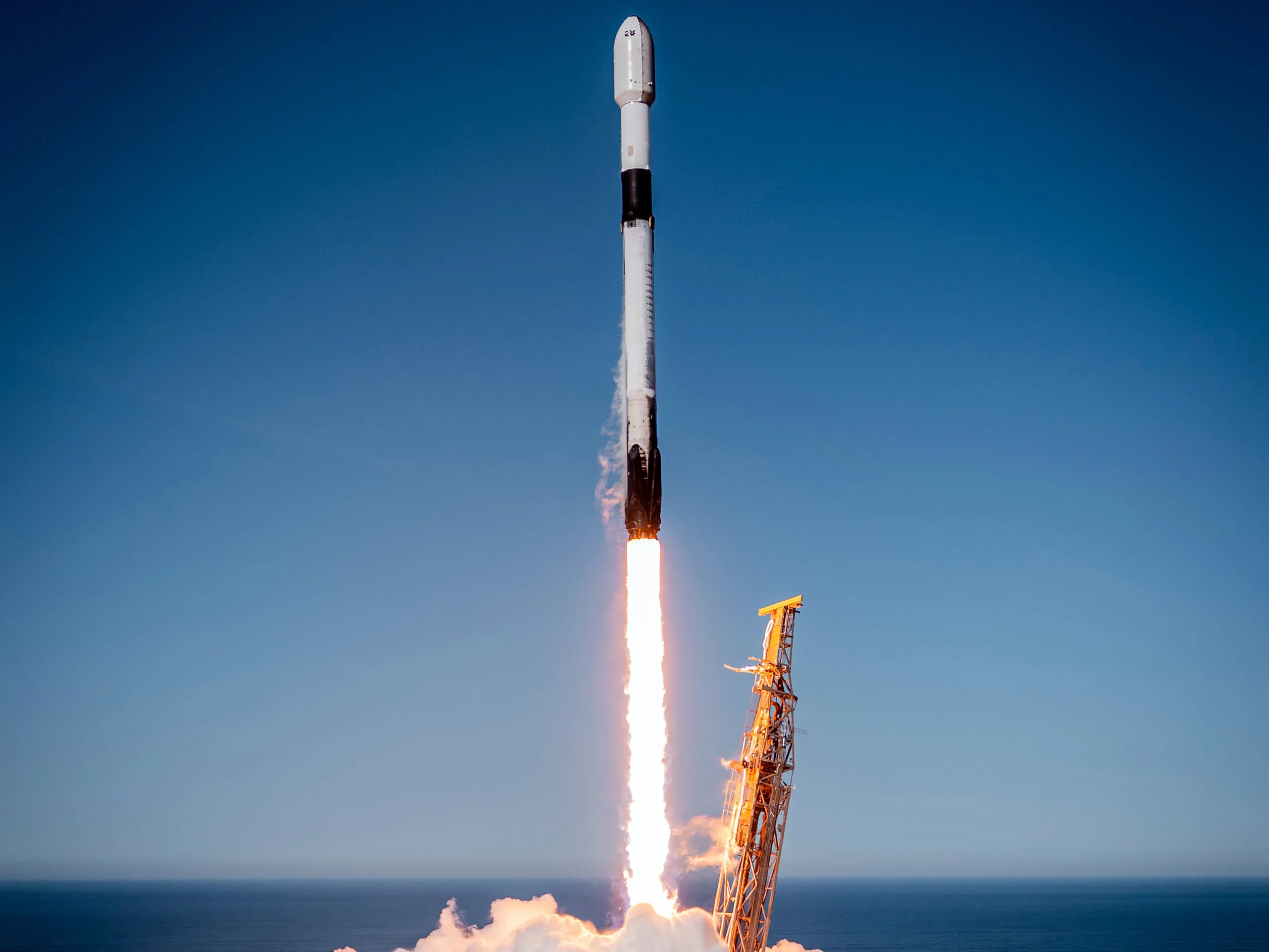
SpaceX has also recently requested permission from the FCC to launch as many as one million satellites, creating what they call the Orbital Data Center system. In simpler terms, they want to deploy AI computing power into space, taking advantage of all the benefits this brings.
Solar-Powered Satellites
The AI data center satellites will be continuously powered by solar energy, eliminating the need for energy storage and other components found on Earth. SpaceX claims that “if we launch 1 million tonnes of satellites generating 100 kW of compute power per tonne, this would provide 100 gigawatts of AI compute capacity each year, with very little ongoing operational or maintenance requirements.” This project will require a vast number of high-efficiency solar panels, which SpaceX is currently working to secure. They might plan to test some AI data center satellites during the upcoming Starship 3 rocket launch, which will also carry the large Starlink V3 satellites into space.
Meanwhile, Tesla’s team has been examining photovoltaic production plants, as they plan to install 200 GW of capacity in the US in the coming years. They recently launched their first complete energy generation kit that includes their solar panel, inverter, and a Powerwall 3 storage system, meaning they will need a large quantity of panels.
Source:
Link
Leave a Reply