
Key Takeaways
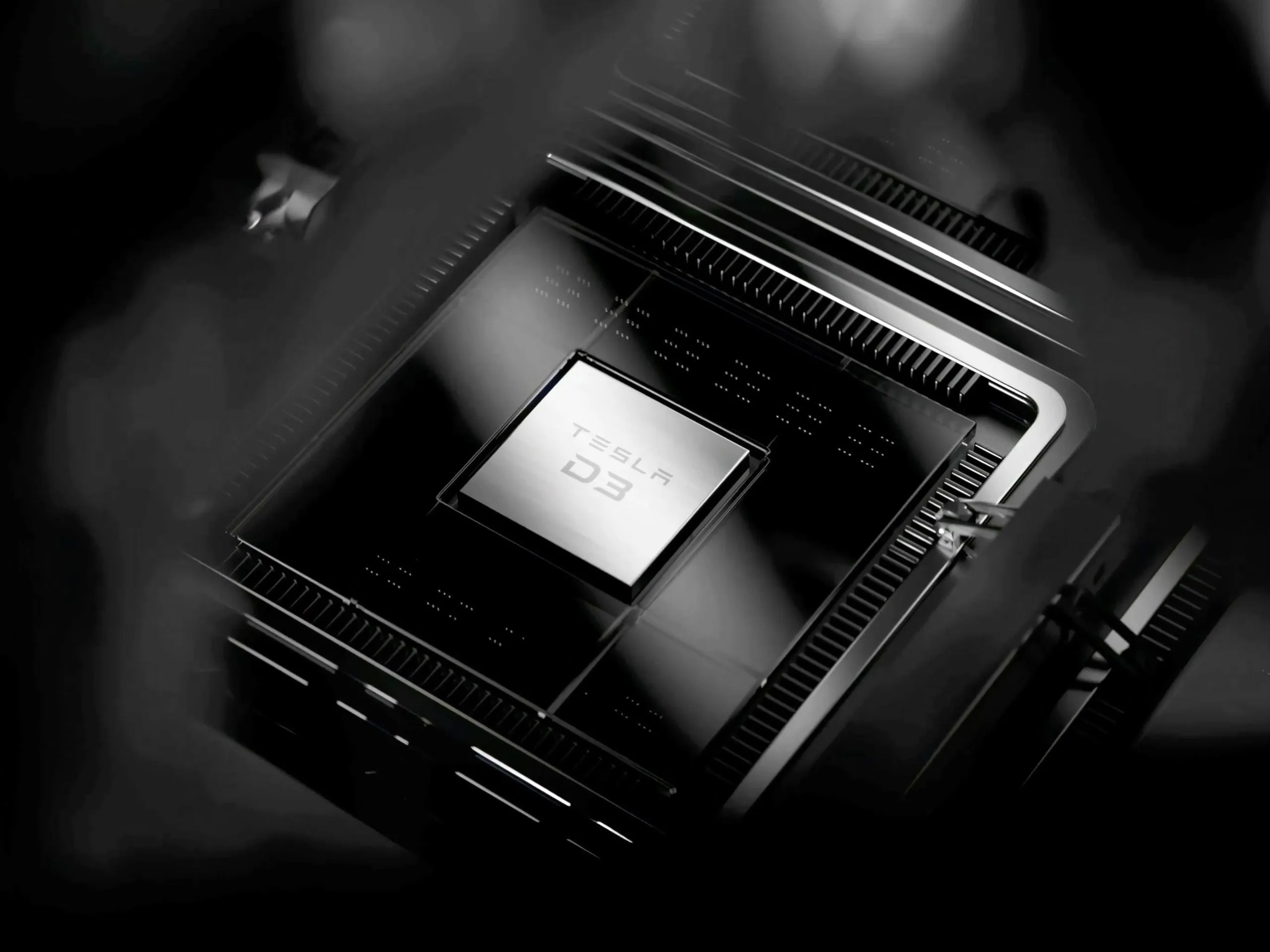
1. Terafab Chip Foundry Ambition: Elon Musk’s Terafab aims to be a major player in semiconductor production, targeting one terawatt of computing power annually through collaboration among Tesla, SpaceX, and xAI.
2. Dependence on Established Manufacturers: Tesla currently relies on TSMC and Samsung for chips, highlighting the challenge of entering a market dominated by established companies with decades of expertise.
3. Financial Concerns: Tesla’s budgeting and financial projections are uncertain, with a projected $25 billion cost for Terafab and a history of missed targets, such as in the 4680 battery cell program.
4. Complexity of Chip Manufacturing: The challenges of chip production are significantly greater than those of battery manufacturing, raising doubts about Musk’s ability to overcome engineering and financial obstacles.
5. Long-term Outlook: The success of the Terafab initiative and its impact on Tesla and SpaceX will take considerable time to materialize, given the complexities involved in modern semiconductor production.
Elon Musk has unveiled yet another ambitious project just before the SpaceX IPO, all while Tesla’s stock has dropped 16% since the start of this year.
Terafab Chip Foundry
He referred to the Terafab chip foundry as “the most epic chip-building exercise in history by far,” aiming to link the fortunes of SpaceX and Tesla ahead of their IPO. This collaboration among Tesla, SpaceX, and xAI aims to generate one terawatt of computing power each year, streamlining all aspects of semiconductor production including logic, memory, packaging, and testing.
Challenges Ahead
Currently, Tesla depends on TSMC and Samsung for its chips, while the Terafab is aiming for the cutting-edge 2 nm process technology. This announcement carries a hefty dose of confidence, as TSMC has invested decades and hundreds of billions of dollars to reach this level, developing expertise and supply relationships that cannot be quickly replicated.
Tesla lacks a solid foundation in semiconductor manufacturing, and the necessary machinery has a waitlist spanning multiple years. Musk dreams of launching 100 million tons of solar energy capture devices into space each year to power AI satellites, with Optimus robots alone needing 100–200 GW of chips, and satellite arrays requiring terawatts that surpass the combined output of all current and future chip manufacturers up to 2030.
Financial Uncertainties
The financial aspects are also unclear, with Tesla’s budget of $20 billion this year being its largest ever, despite making less than $4 billion in profit in 2025. The Terafab facility is expected to cost $25 billion, not including the usual overruns that seem to accompany Musk’s grand visions. A notable example is Tesla’s 4680 battery cell program; Musk had promised 10 GWh of production within a year of Battery Day in 2020, along with a 50% cost reduction. In reality, Tesla is currently reaching only about 2% of that initial volume target, and the 4680 battery continues to face issues with pricing and performance, such as the slow charging curve of the Cybertruck.
The Road Ahead
Manufacturing chips is far more complicated than producing battery cells, so whether Musk can navigate the substantial engineering and financial obstacles of modern semiconductor production will determine the success of this initiative. This is a challenge that has defeated many seasoned players, so while the Terafab and orbital data centers may represent a promising future, it will take a considerable amount of time to fulfill Musk’s ambitious declarations.
Source:
Link