Key Takeaways
1. Tesla is discontinuing the Model X and Model S due to tough competition and declining sales.
2. New competitors, like the Volvo EX60, offer similar or better features at lower prices.
3. The Model S is priced higher than rivals such as the Lucid Air, despite lacking some comfort features.
4. Tesla is pivoting towards more affordable electric cars, focusing on mid-range models like the Model Y and Model 3.
5. The future of the Cybertruck is uncertain, with plans to potentially market it as a fully autonomous work vehicle.
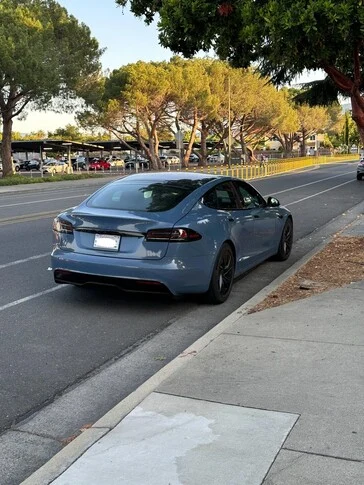
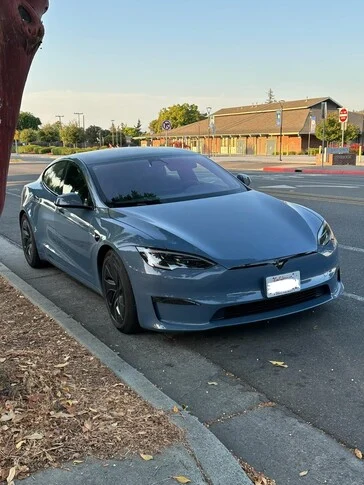
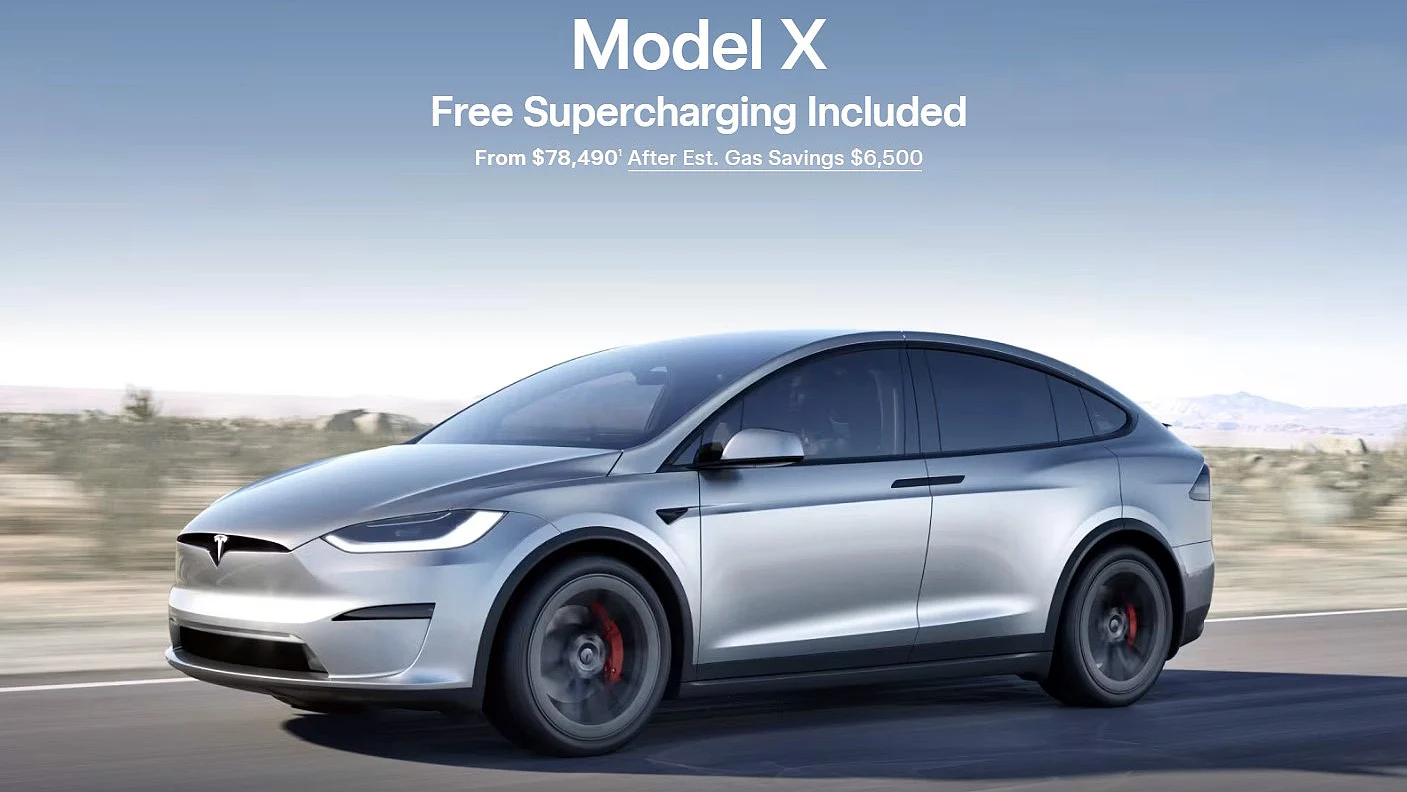
Tesla is currently encountering tough rivals in the high-end electric vehicle market, leading the company to pivot towards offering more affordable electric cars. This shift involves discontinuing its well-known Model X and Model S models just months after their recent updates.
New Competition on the Block
Take the new Volvo EX60 as an example; it’s a 2-ton SUV capable of traveling 400 miles on a single charge, which is comparable to Tesla’s longest-range Model S sedan. However, it comes at 30% less cost than the Model X, while boasting a modern 800V powertrain and a more upscale interior.
Challenges for the Model S
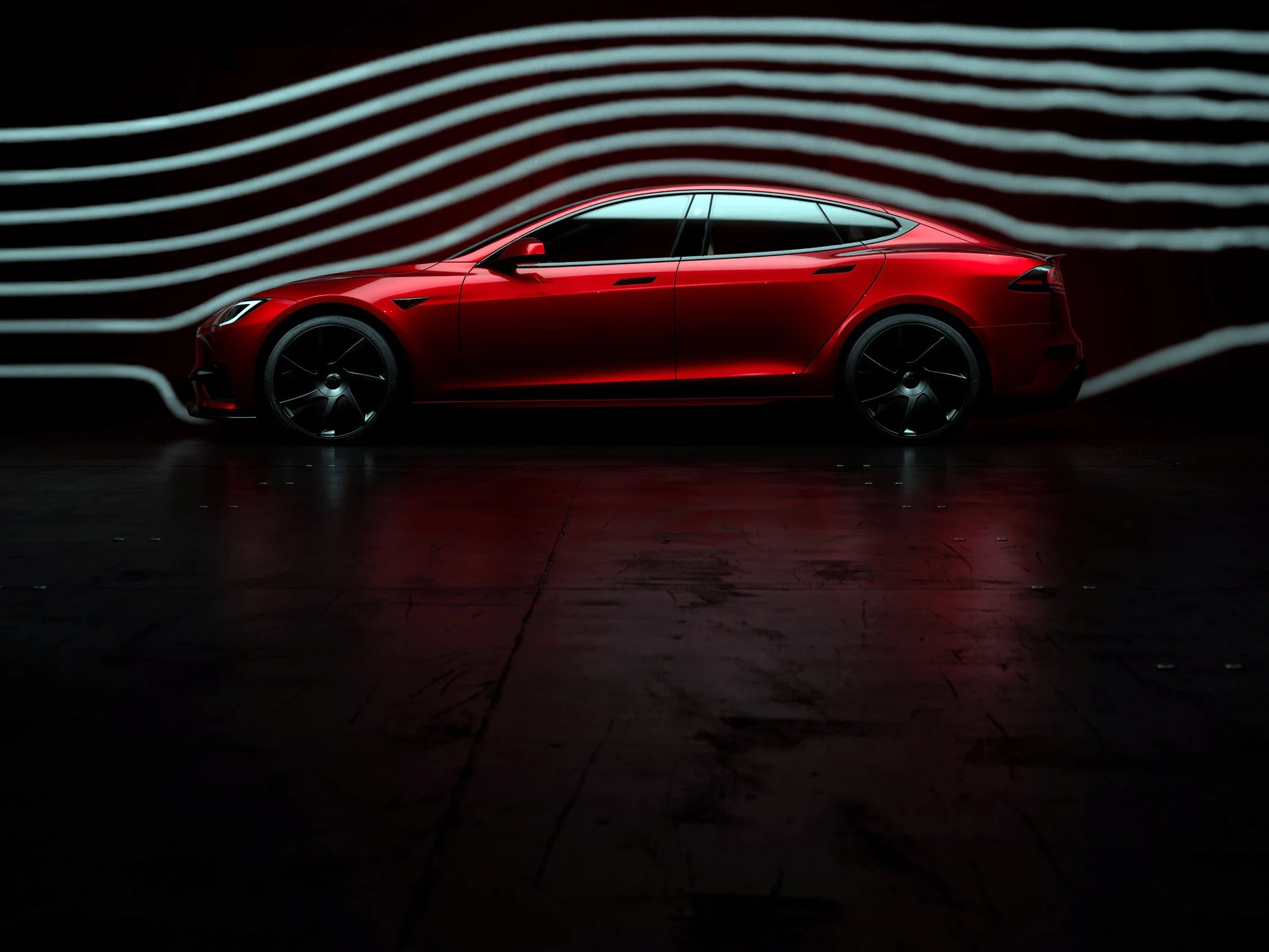
The Model S itself faces a similar issue, being priced 20% higher than competitors like the Lucid Air Touring, even though its specifications are quite alike and it lacks some comfort features. As it becomes clearer that Tesla struggles to compete on price in the premium EV market, the decision to phase out both the Model X and Model S has been made.
Tesla plans to halt production of the Model S and Model X by June 2026, but it will continue to provide support to their owners. Elon Musk mentioned some vague “shift to an autonomous future” as the reason for discontinuing these models, but the truth is, their sales simply aren’t strong. Over the past year, sales of the Model S and Model X have dropped by 50%, and Tesla’s “other” vehicle category in sales has always been quite small.
Concerns with Current Offerings
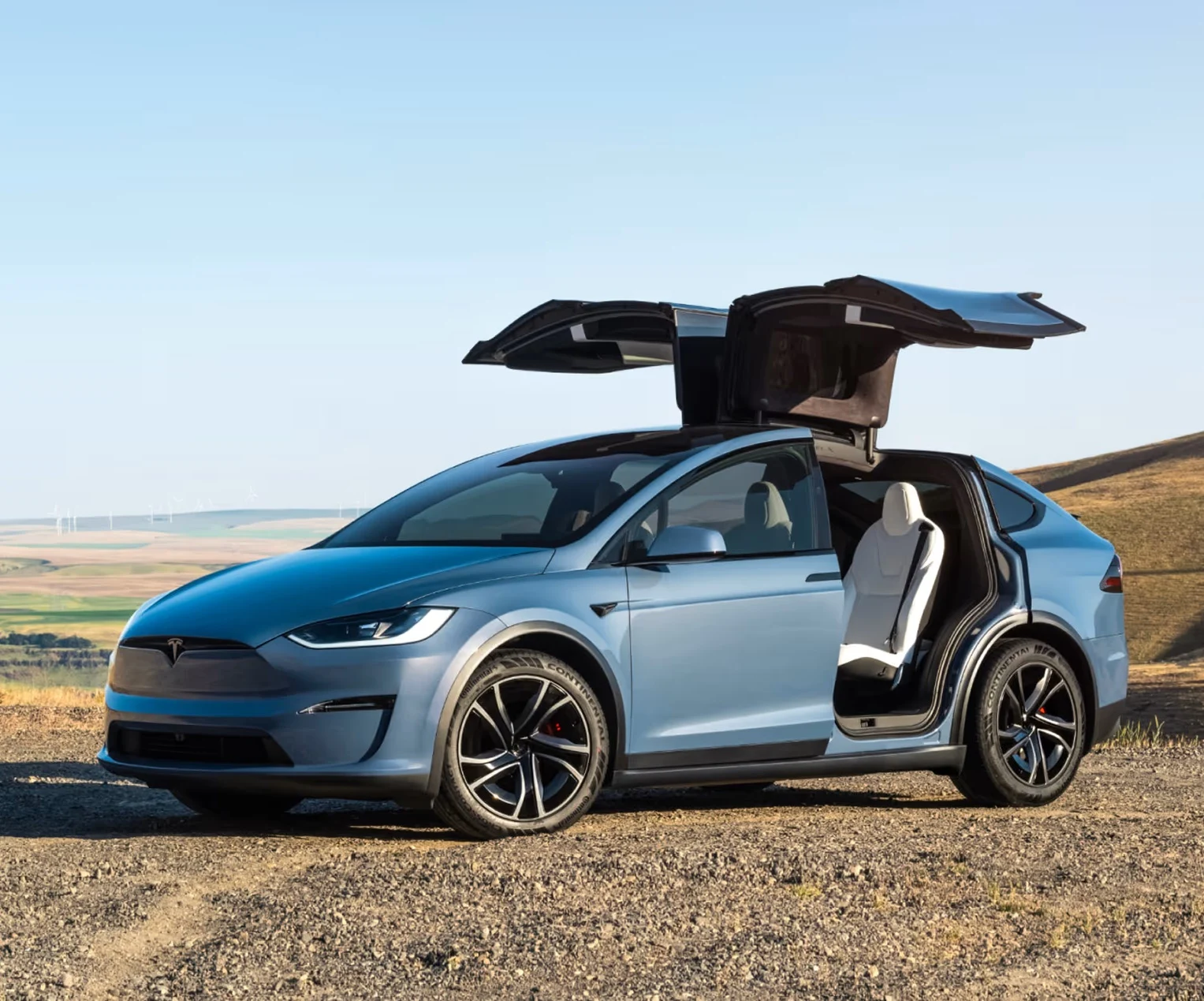
Similar to the Cybertruck, these vehicles are priced over $100,000 but feature an outdated powertrain, slow charging times, and an interior that doesn’t meet expectations for this price range. Features like falcon wing doors or a 1,000 HP tri-motor setup haven’t been enough to save them from poor sales.
Tesla is also considering the future of the Cybertruck, which is performing even worse than the Model X or Model S. After trying to introduce it in markets like the UAE, Tesla is now contemplating whether to promote it as a fully autonomous work vehicle. Musk commented, “We will transition the Cybertruck line to just a fully autonomous line. There’s a lot of cargo that needs to move locally within a city, and an autonomous Cybertruck could be very useful for that.”
The Future of Tesla’s Offerings
In essence, Tesla seems uncertain about the role of the Cybertruck as well, leading to the decision to cut all premium vehicles from its retail offerings. Initially, Tesla focused on luxury electric cars, but it appears there’s no longer a market for them, at least not for Tesla’s versions. The company seems to be shifting towards selling only mid-range models like the Model Y and Model 3. As for the Fremont factory, where the Model S and Model X were produced, it will likely transition to producing Optimus and solar assemblies instead.
Source:
Link