Key Takeaways
1. Tesla is developing a new version of its Full Self-Driving (FSD) technology with a tenfold increase in parameters and improved video compression, potentially enhancing its capabilities for complex driving situations.
2. The announcement comes amid legal challenges, including a Florida jury ruling Tesla partially liable for a fatal Autopilot incident, leading to a $243 million damages order.
3. Tesla faces a class-action lawsuit from shareholders alleging the company misled investors about the capabilities of its Full Self-Driving and robotaxi technologies.
4. The robotaxi pilot, which began in Austin in June 2025, is encountering issues such as erratic driving behavior, attracting regulatory scrutiny from the NHTSA.
5. Despite ongoing controversies and investigations related to Autopilot and FSD, Tesla’s stock rose by 2% following Elon Musk’s announcement, though no detailed timeline for the new FSD model has been provided.
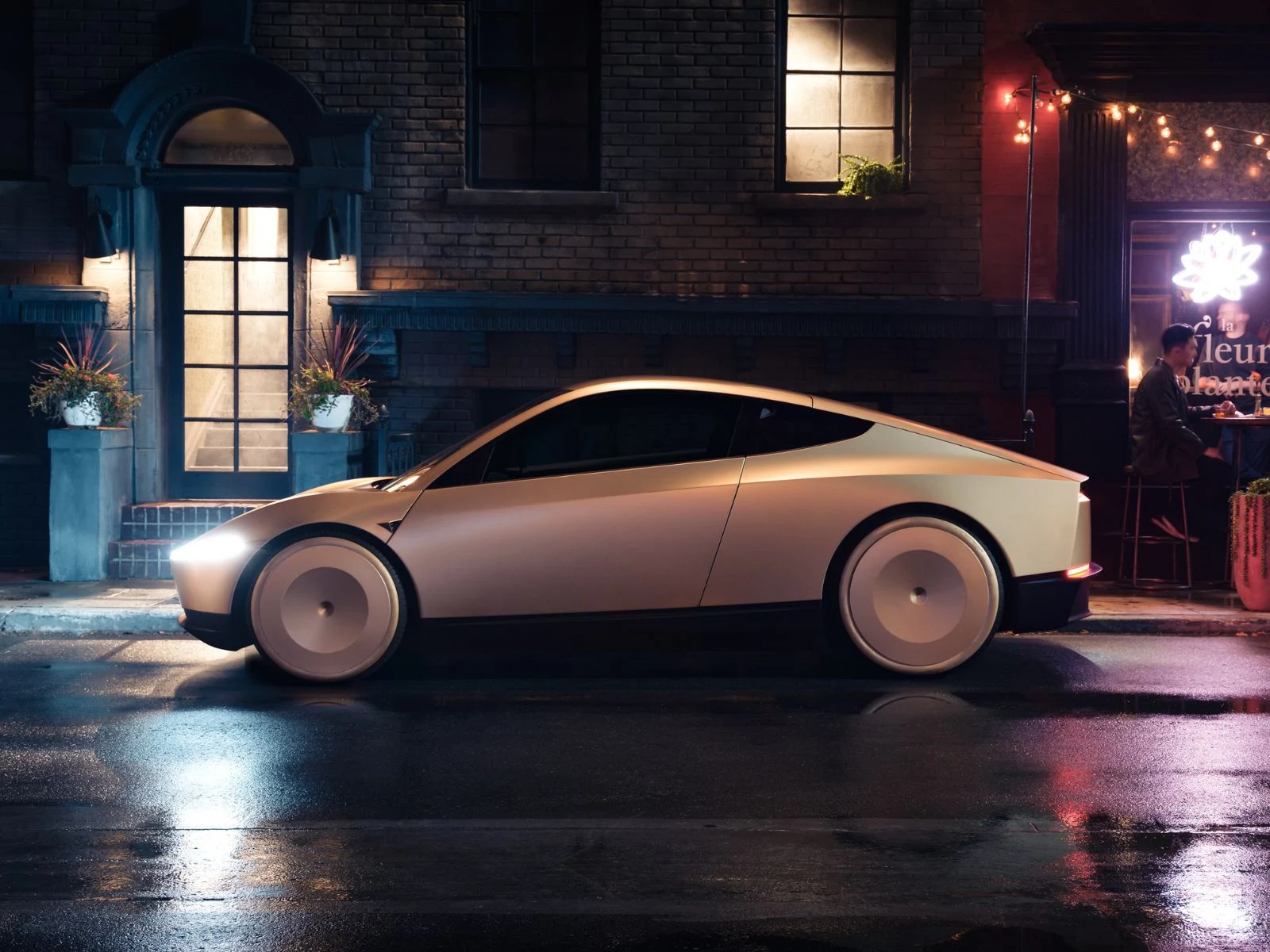
Tesla is working on a new version of its Full Self-Driving (FSD) technology, as mentioned by CEO Elon Musk. In a message on X (previously known as Twitter), Musk indicated that the upcoming FSD architecture will feature “~10X params” along with “a big improvement to video compression loss.” If everything goes well in internal testing, the public might see this update by the end of September.
Specifications and Expectations
Even though Tesla hasn’t released detailed specifications, a tenfold increase in parameters suggests that the new model could be at the level of advanced AI systems, which might enhance its capability to navigate and react to complicated driving situations. Currently, Tesla’s Full Self-Driving can manage tasks like navigation, changing lanes, and parking, but it still requires human supervision.
Legal Challenges and Scrutiny
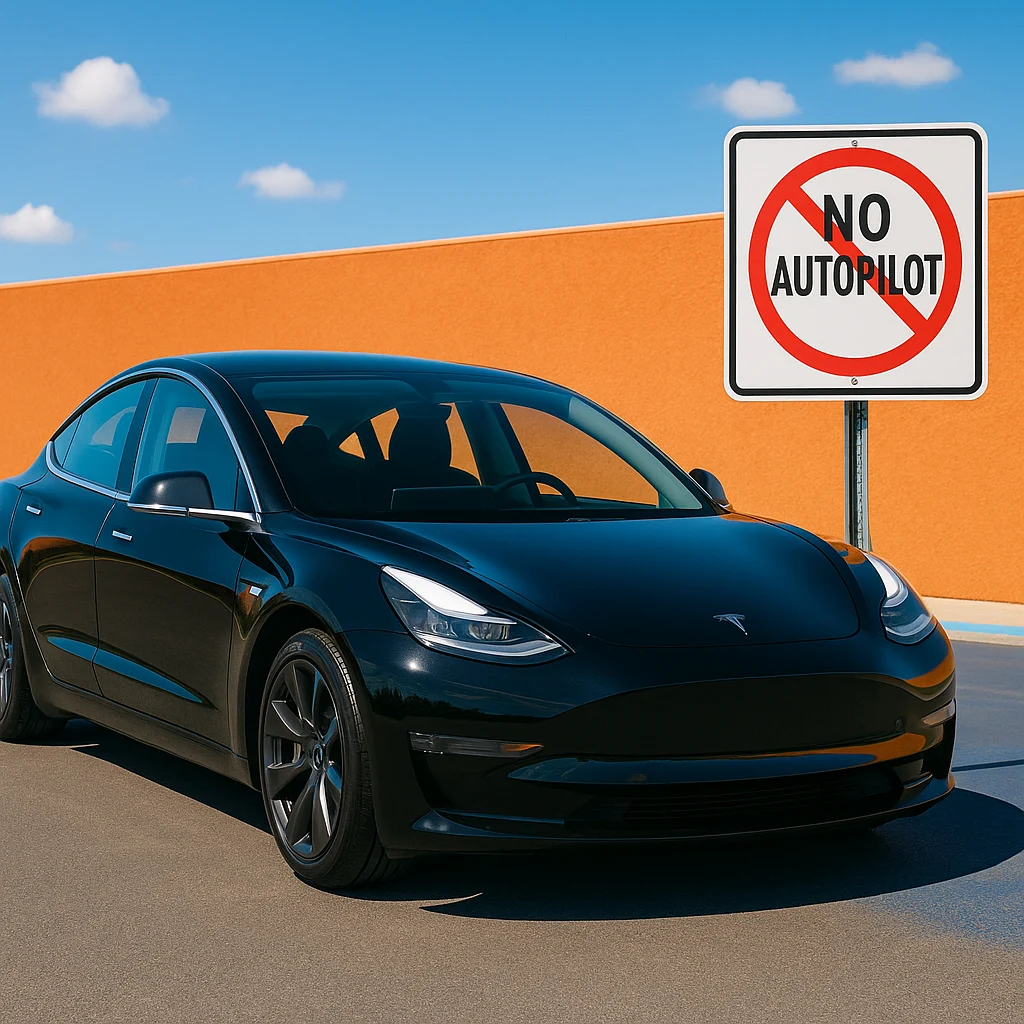
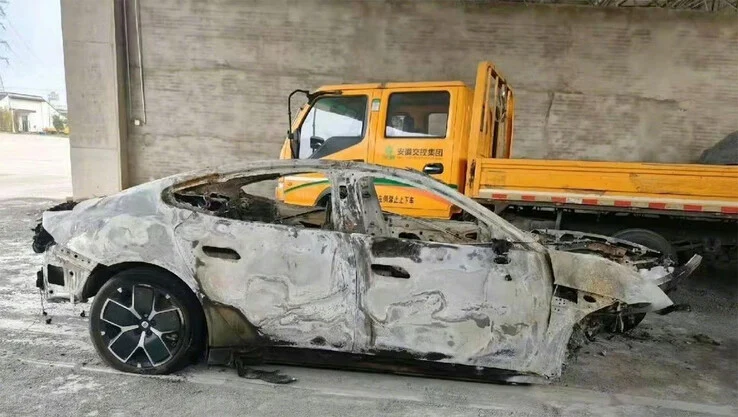
This announcement comes at a time when Tesla is under increased scrutiny regarding its self-driving technology. Recently, a Florida jury ordered the company to pay USD 243 million in damages related to a 2019 incident where a Model S on Autopilot failed to stop at a stop sign and collided with a parked SUV, resulting in one death and another injury. The jury found Tesla to be 33 percent liable, even though the company maintained that the driver was entirely responsible. This marks the first significant ruling against Tesla in a fatal Autopilot case.
Shareholder Concerns
In addition to this, Tesla is also dealing with a fresh lawsuit from its shareholders. A new class-action suit filed in Texas alleges that the company misled investors by exaggerating the capabilities of its Full Self-Driving and robotaxi technologies. The lawsuit claims that Tesla made “materially false and misleading” statements about the effectiveness and legality of its autonomous features.
Robotaxi Pilot and Regulatory Attention
All of this occurs as Tesla’s robotaxi pilot, which began quietly operating in Austin in June 2025, is already drawing attention for the wrong reasons. Initial footage shows the self-driving cars veering into incorrect lanes, braking erratically, and even halting in the middle of crosswalks. The NHTSA has contacted Tesla for more information, suggesting that regulatory scrutiny could be on the horizon.
As of July, the NHTSA has at least 40 ongoing investigations into crashes related to Tesla’s Autopilot and FSD. Typically, Tesla has addressed concerns through over-the-air updates instead of issuing complete recalls.
Despite these controversies, Tesla’s stock rose by 2% after Musk’s announcement. However, there has been no official timeline or detailed breakdown regarding the new FSD model yet.
Source:
Link