Key Takeaways
1. Xiaomi’s electric vehicle sector is profitable, with a 2025 profit of 900 million yuan and a gross margin of 24.3%, outperforming competitors like BYD and Tesla.
2. The smartphone division is struggling, with a nearly 24% drop in adjusted net profit due to skyrocketing hardware component costs.
3. Prices for key components like memory chips have increased significantly, impacting overall profitability.
4. Future challenges include reduced government subsidies for car purchases and the high costs of advancing AI technology, with plans to invest 60 billion yuan over three years.
5. Investor anxiety is rising as Xiaomi’s shares have fallen by 21% since the start of the year, raising concerns about balancing vehicle sales with rising costs.
The most recent financial report from Beijing shows a clear divide in Xiaomi’s business performance. Surprisingly, the new electric vehicle sector is already turning a profit, while the company’s conventional smartphone operations are facing a serious downturn. Many people who are dazzled by Xiaomi’s e-car sales numbers are ignoring the significant cost issues that are hiding underneath.
Electric Vehicle Success
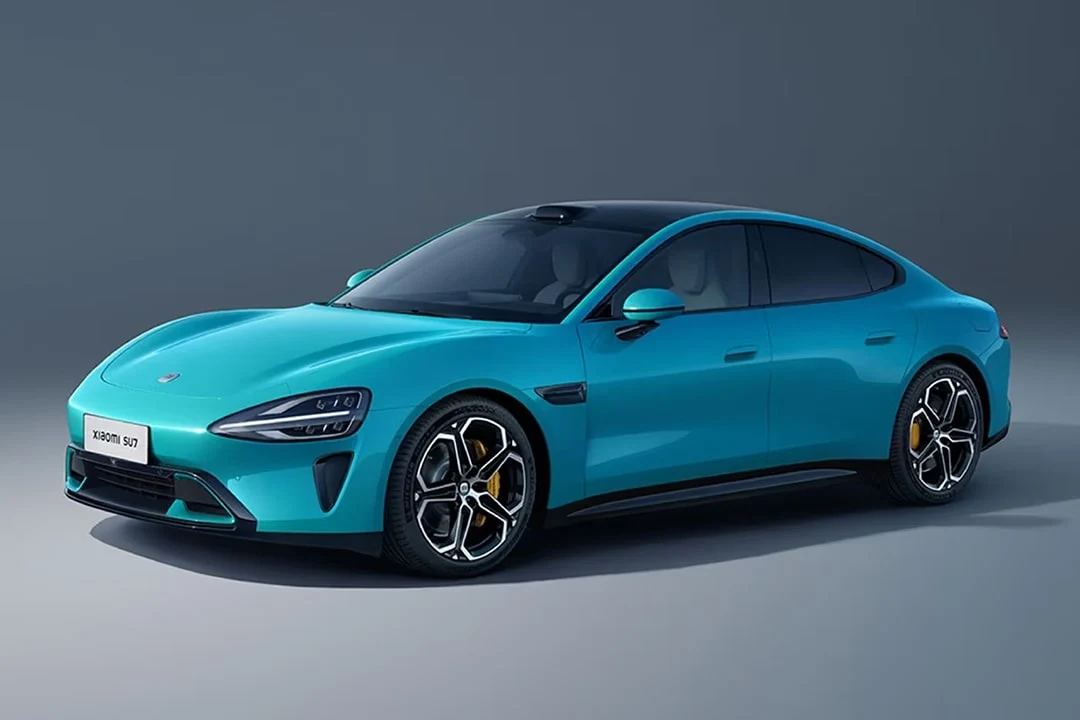
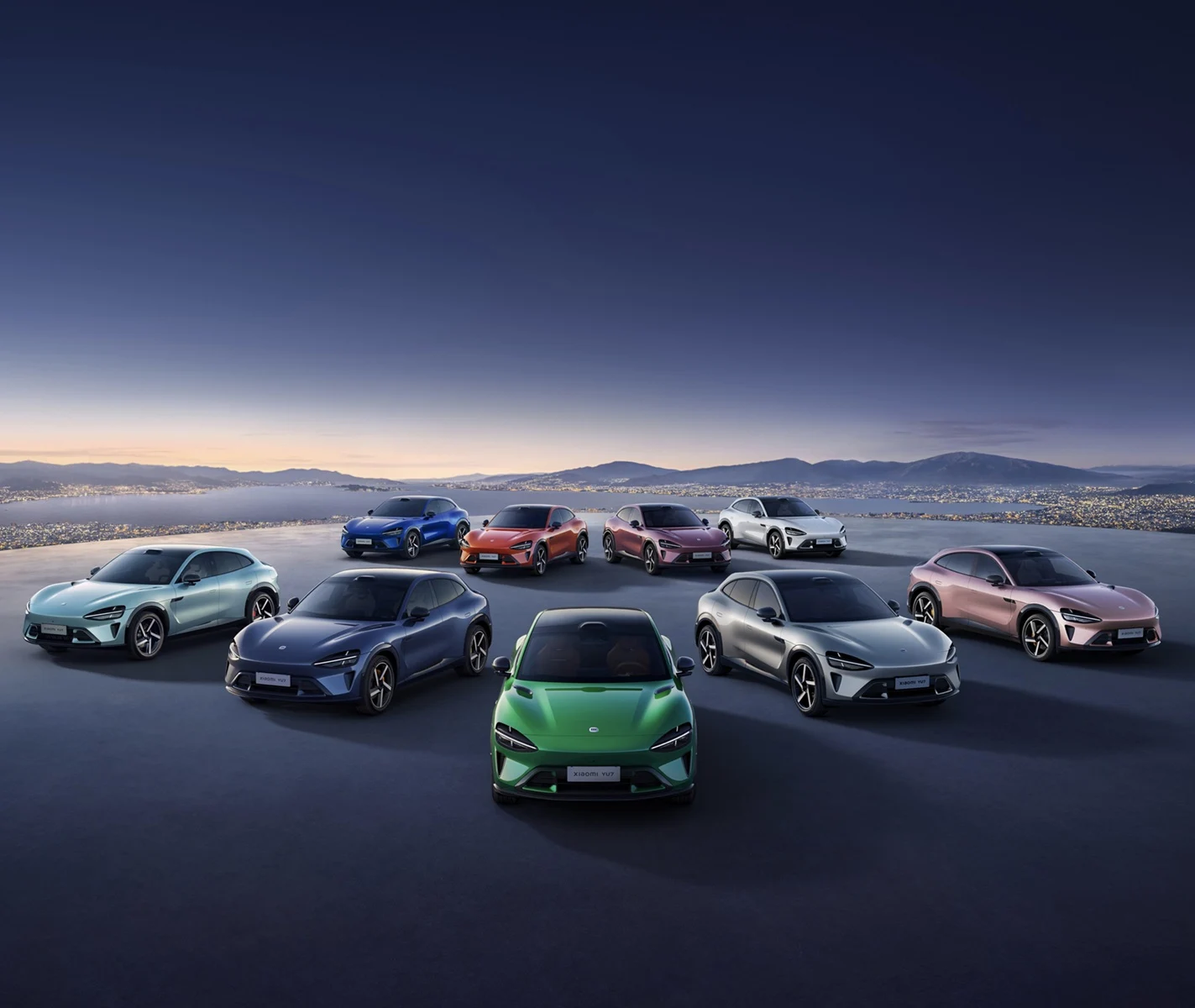
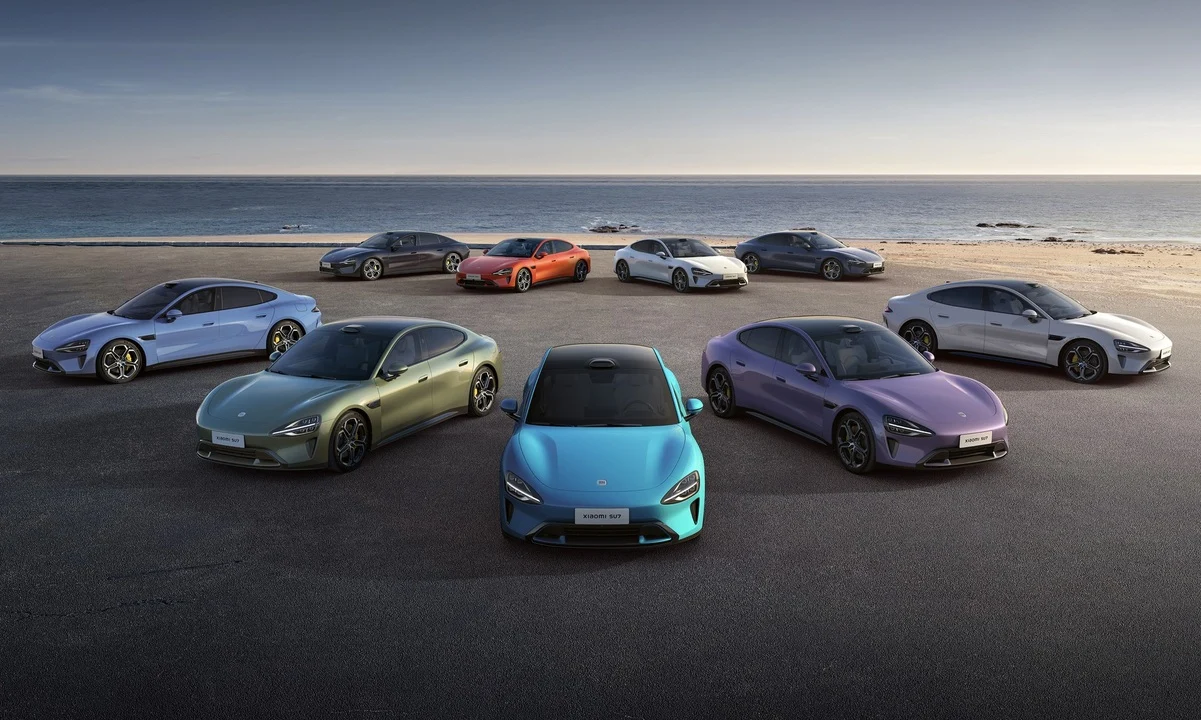
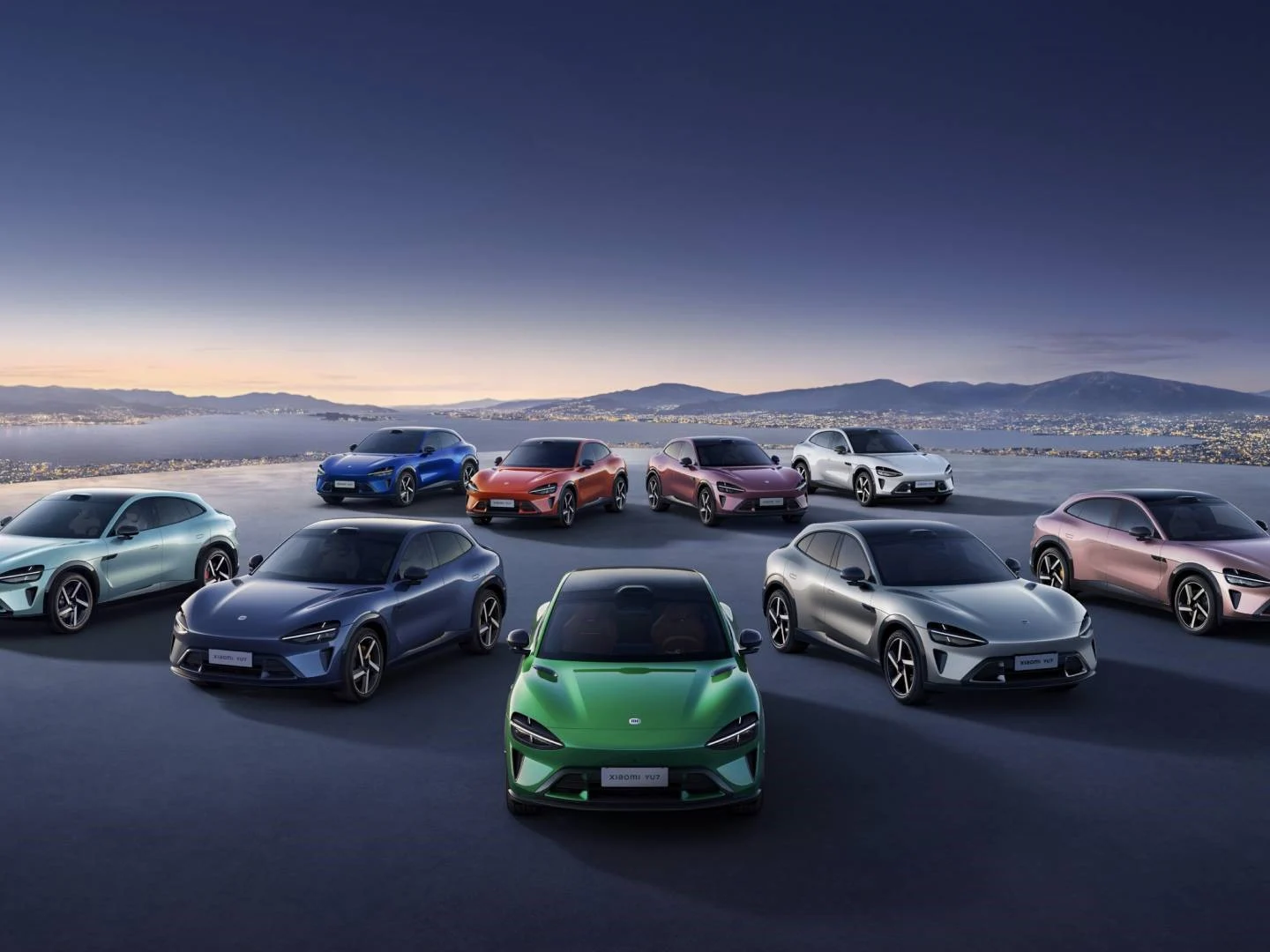
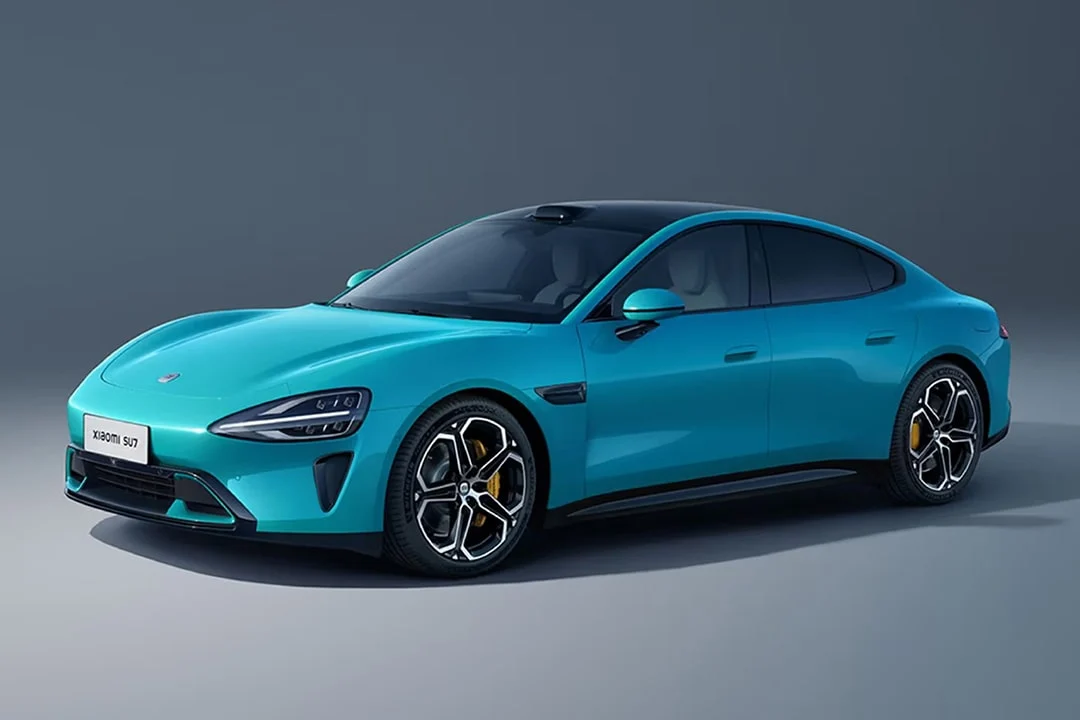
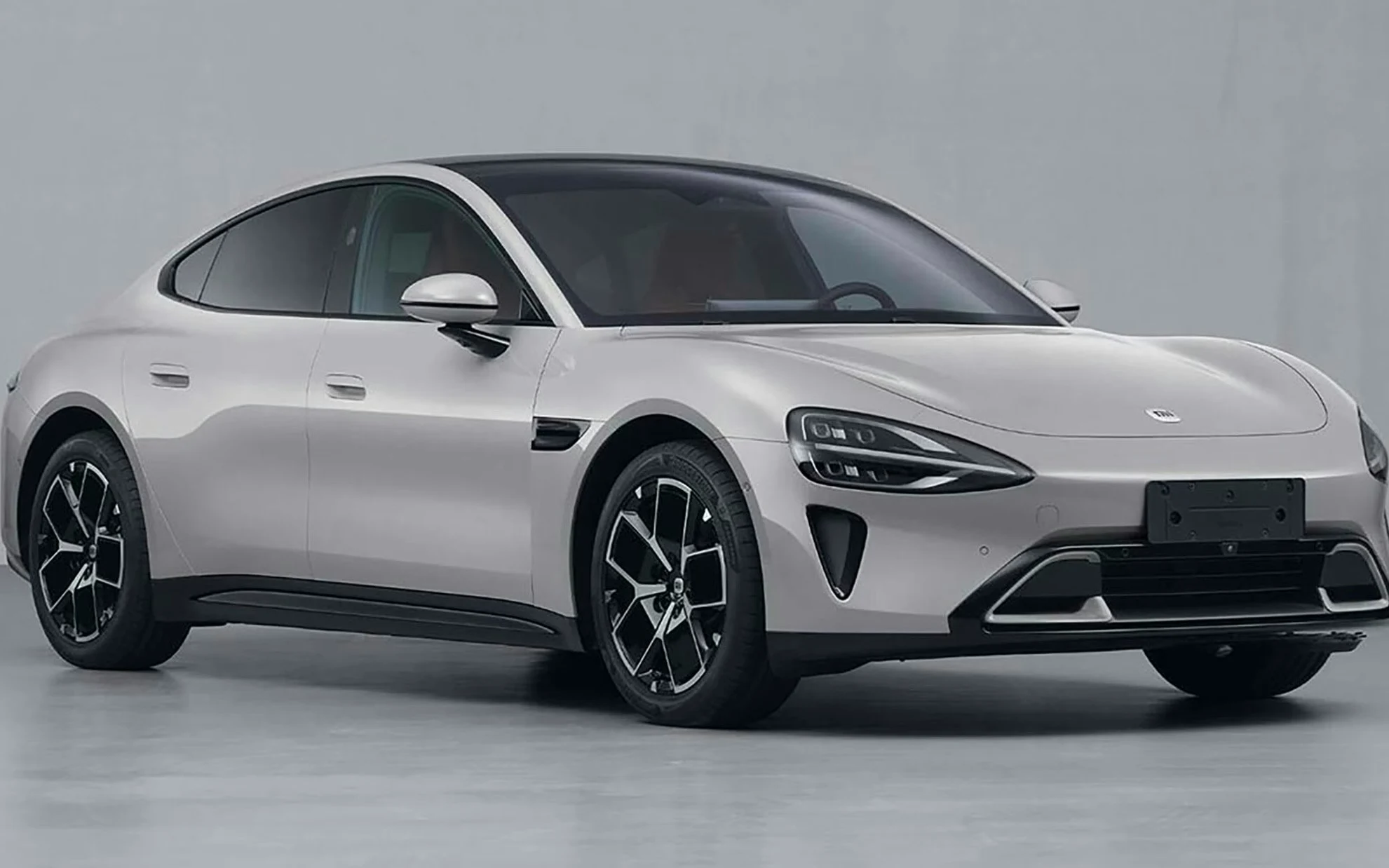
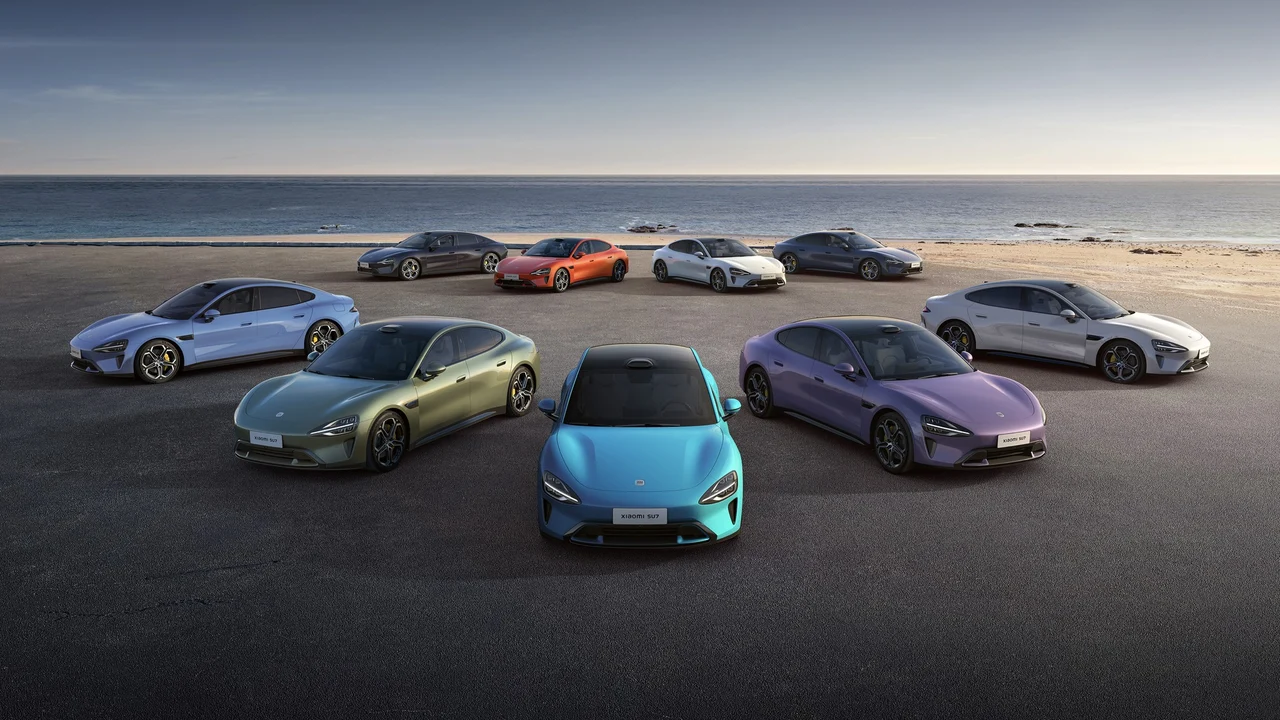
In 2025, Xiaomi sold 411,082 electric vehicles, leading to an operating profit of 900 million yuan (approximately $131 million). This quick shift to profitability is nearly unheard of in the automotive industry. The company also recorded a gross margin of 24.3% with its popular SU7 and YU7 models. In comparison, industry frontrunner BYD is currently at 17.6%, and Tesla is around 15.4%.
Smartphone Struggles
On the flip side, Xiaomi’s smartphone manufacturing is causing a substantial financial drain. In the fourth quarter, adjusted net profit decreased nearly 24%, dropping to 6.3 billion yuan (about $914 million). The main factor in this decline is the rising cost of hardware components. Prices for memory chips, such as DRAM and NAND, are now nearly four times what they were last year. Suppliers are demanding up to $130 for a standard component with 12 GB of RAM and 256 GB of storage, compared to the usual $30. These rising expenses are cutting deeply into the profits from their car sales.
Future Challenges
Looking ahead, the outlook for 2026 appears grim. The Chinese government is set to reduce substantial subsidies for car purchases, which will heighten price competition domestically. Additionally, there’s the expensive challenge of keeping up with advancements in AI. Xiaomi’s CEO, Lei Jun, plans to allocate at least 60 billion yuan over the next three years for this endeavor. Investors are growing more anxious about the combination of diminishing profit margins and significant capital needs. Since the year started, Xiaomi’s shares have already dropped by 21%. It remains uncertain whether the sales from their vehicles will be able to balance out the enormous cost challenges in the long run.
Source:
Link