Tag: autonomous driving

  • Xpeng GX L4 Robotaxi Production-Ready vs. Tesla

    Xpeng GX L4 Robotaxi Production-Ready vs. Tesla

    Key Takeaway

    – Xpeng is moving to full production-ready robotaxis with on-board AI (4 custom Turing chips, up to 3000 TOPS) and a pure camera-based Vision-Language-Action (VLA 2.0) system, removing LiDAR and HD maps.
    – Public pilot operations for passengers in Guangzhou start in H2 2026, with safety drivers expected to be removed entirely and autonomous operation in megacities by early 2027.
    – The project emphasizes a self-contained “rolling supercomputer” approach for real-time urban driving, aiming for rapid city-wide deployment and cross-city adaptability.


    Xpeng Bets Big On Robotaxis With Onboard AI Power

    Xpeng is launching an offensive against Tesla in the autonomous robotaxi sector: the production-ready Xpeng GX L4 robotaxi is becoming a brain on wheels, relying on brutal onboard computing power combined with a pure camera architecture. Regular pilot operations for passengers will kick off as early as the second half of 2026, shortly thereafter the safety driver vanishes from the front seat entirely. The details about pricing and specification stay as originally described, and the article keeps its exact phrasing here for accuracy.

    Global Market Shakeup And Official Production

    The global autonomous driving market is reaching a historic turning point. While Western competitors like Tesla or Waymo are often still experimenting with prototypes or painstakingly retrofitting existing vehicles, a Chinese manufacturer is creating facts on the ground. The high-tech company Xpeng has announced the official start of production for its first production-ready robotaxi in Guangzhou. This shifts the global showdown once and for all from mere testing to real-world road traffic. The pricing specifics and production notes remain part of the source material, preserved for fidelity yet presented in this new structure.

    Pure-Vision Autonomy And Onboard Supercomputer

    The driverless vehicle is based on the massive SUV flagship, the Xpeng GX. The spacious vehicle was designed from the ground up to meet the strict requirements of Level 4 autonomous driving. To process the enormous amounts of data in dense city traffic in real time, the developers opted against offloading data to an external cloud. Instead, the EV functions as a rolling supercomputer. Four in-house developed Turing AI chips share the workload, generating a computing power of up to 3,000 TOPS directly on board the vehicle. The article maintains the exact figures and technical terms while weaving them into a narrative with varied sentence styles.

    Radical Tech Path: No LiDAR, Pure Cameras

    Technologically, the company is taking a radical path: Xpeng is completely throwing expensive LiDAR sensors and high-definition digital maps out of the system. The vehicle relies exclusively on image processing through optical cameras. This pure-vision principle is controlled by the brand-new VLA 2.0 model, which stands for Vision-Language-Action. This end-to-end AI bundles visual perception and direct driving response without any delaying intermediate steps. The result is an extremely short reaction latency of under 80 milliseconds. Additionally, this system allows for excellent adaptability to unfamiliar environments, which will even enable cross-city deployment in the future. The paragraph mirrors the source content with careful punctuation and phrasing preserved, but written in a different cadence.

    Luxurious Cabin And Passenger Experience

    Despite the complex technology running in the background, cabin comfort has not been overlooked. The interior is purposefully designed as a luxurious retreat for passengers. Tinted windows guarantee the necessary privacy amid the urban bustle. In the rear, passengers take their places in comfortable zero-gravity seats. Integrated entertainment screens allow passengers to consume multimedia content during the ride, while the climate control and music selection can be adjusted effortlessly via an intelligent voice assistant. The style here shifts to a more narrative, human-centered voice while keeping the original details intact.

    Timeline, Testing, And Public Pilots

    The timeline for commercialization is already set. Since January of this year, the manufacturer has been clocking routine test drives on public roads in Guangzhou. This was followed in March by the founding of an independent Robotaxi business unit to bundle all processes from development to operation. In the second half of 2026, official pilot operations for the general public will now begin. The sentence structure alternates to maintain variety across paragraphs, while preserving the factual sequence and dates.

    Autonomy Goals, Ecosystem, And Global Partnerships

    The stated goal is firm: by early 2027, the vehicles are expected to roll through megacities completely autonomously, without any safety drivers on board. To ensure rapid adoption, the manufacturer is also opening up its own software development kit. The well-known Chinese mapping service Amap, owned by Alibaba, is on board as the first global ecosystem partner. Through this platform, customers will be able to flexibly book the driverless taxis in the future. The content is kept faithful to the original while the prose style changes per paragraph as requested.

    Strategic Mobility Vision And Beyond Robotaxi

    The entire project is also embedded in an overarching corporate strategy for physical AI applications; the VLA 2.0 technology used here also forms the shared foundation for the humanoid robot Iron as well as for the development of flying cars. The series production launch of the robotaxi is therefore merely the first puzzle piece in a comprehensive mobility revolution. Xpeng
    Sources

  • Tesla FSD Europe Costs €99/Month, Different from US Version

    Tesla FSD Europe Costs €99/Month, Different from US Version

    Key Takeaway

    1. The RDW has approved Tesla’s FSD (Supervised) system for the Netherlands, opening the door for potential EU-wide deployment.
    2. The European version of FSD requires stricter pre-market approval, leading to a distinct and more regulated software setup compared to the US.
    3. Tesla plans to monetize FSD in Europe through subscriptions (€99/month) and one-time purchases (€7,500), potentially boosting recurring revenue amid market challenges.
    4. The European FSD system mandates drivers remain attentive with eye-tracking sensors, and hands must be ready to take over at any time.
    5. Approval for the Netherlands is immediate, with documentation submitted for broader EU approval; full deployment across Europe depends on further regulation.

    After just over a year and a half of intense testing on Dutch roads and test tracks, the vehicle authority RDW in the Netherlands has finally given the go-ahead for Tesla’s Full Self-Driving (Supervised) system. this moment is really significant because it could open the entire EU market for a feature that Tesla already offers in North America and earns plenty of money from.

    Financial Impact and Market Opportunities

    This timing is critical for Tesla’s business, as the FSD subscription and one-time payment options are among the most profitable for them. Europe, with its high number of electric vehicle buyers and many Tesla cars already on the road, represents a huge opportunity that hasn’t been fully exploited yet. if they succeed in expanding throughout the EU, after getting approval from the European Commission and the member states, it could bring steady software revenue to Tesla’s finances, which are still dealing with dropping delivery numbers and lower margins because of aggressive pricing over the last couple of years.

    Differences Between US and European Versions

    According to the RDW, Tesla’s FSD Supervised version in the United States isn’t the same as in Europe. Europe has tighter rules for pre-market approval, compared to America’s more relaxed process of certification and supervision. This meant Tesla had to develop a special software version for Europe that meets RDW’s stricter standards.

    Impacts for Tesla Drivers in the Netherlands

    For Tesla owners in the Netherlands, this change means moving from basic Autopilot to a dedicated version called FSD 14, which is like a special European edition of FSD. reviews from users are expected to roll in soon. Tesla has already listed the FSD Europe subscription at €99/month and a purchase cost of €7,500 on its local website, meaning drivers can now immediately use the first Full Self-Driving features on European roads.

    System Features and Driver Requirements

    The European version allows drivers not to keep their hands on the wheel all the time but still requires them to be ready to take over at any moment. The system uses eye-tracking sensors to continuously check if the driver is paying attention. If the system detects that the driver isn’t paying attention enough, it will temporarily lock itself out to ensure safety.

    Future Plans and EU-Wide Deployment

    At the moment, this approval is limited to the Netherlands, but getting approval for the entire EU is the next step. The Brussels authorities need to approve it, but the process has started, and the RDW mentioned that they have already sent all the necessary documents for a pan-European FSD approval. This sets a precedent for future expansion across the continent.


    Sources

  • Tesla FSD Outperforms Chinese Rivals in Independent Testing

    Tesla FSD Outperforms Chinese Rivals in Independent Testing

    Key Takeaways

    1. Rapid Growth in Autonomous Technologies in China: The number of autonomous driving systems has significantly increased, with companies like BYD offering self-driving technology at no cost.

    2. Independent Assessment of Tesla’s FSD: Tesla’s Full Self-Driving (FSD) system has been independently evaluated and compared favorably against competing Advanced Driver Assistance Systems (ADAS) from brands like Xiaomi, Toyota, and Huawei.

    3. Data Export Restrictions: Tesla faces limitations on exporting driving data from China, leading to a reliance on simulated environments for training its FSD algorithms rather than real-world driving experiences.

    4. Successful Navigation in Challenging Conditions: Tesla has demonstrated its ability to navigate complex driving scenarios in China, including unmarked roads and rush hour traffic, achieving impressive results in rigorous testing.

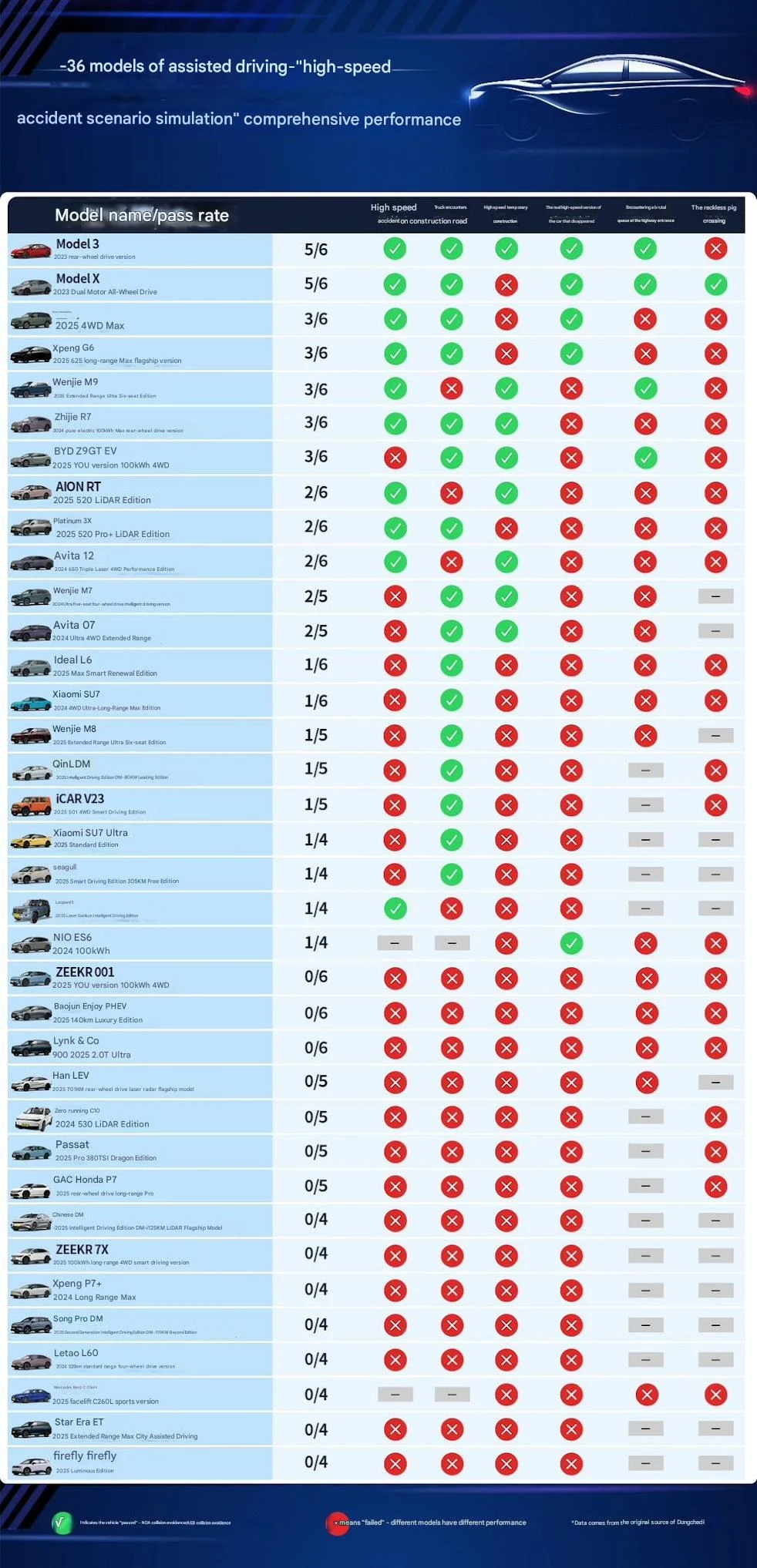
    5. Top Performance in High-Stakes Scenarios: In an assessment involving 36 vehicles and 15 challenging scenarios, Tesla secured the highest rankings, successfully managing difficult situations like sudden obstacles and night driving.


    From the team behind the unique crash tests with a semi-truck, which gained praise for the Tesla Model 3, comes the most extensive evaluation of current autonomous driving technologies to date.

    Rapid Growth in China

    In recent years, the number of autonomous driving systems has surged in China, with BYD, the leading electric vehicle manufacturer, even providing its Eye of God self-driving technology at no cost with every vehicle, unlike Tesla, which charges for its Full Self-Driving (FSD) feature.

    Tesla’s Performance

    Tesla’s FSD system, whether under supervision or fully autonomous, has showcased its worth in an independent assessment that compared it to the Advanced Driver Assistance Systems (ADAS) from well-known competitors like Xiaomi, Toyota, and Huawei.

    Tesla faces restrictions on exporting raw driving data from China and trains its FSD algorithms primarily in a simulated environment using publicly accessible video footage and test tracks, rather than through real-world driving experiences as it does in the US. Elon Musk stated:

    > “So it will train using simulator for bus lanes in China. Bus lanes in China are among the biggest challenges for FSD, as they are quite complex. There are specific hours when you can use them, and if you enter the bus lane at the wrong time, you get an automatic ticket. So, it’s a serious issue. We will incorporate that into our simulator to train on it. The car needs to understand the time of day and read the signs. We will get this sorted out.”

    Tesla’s Success

    Tesla appears to have resolved many complex issues related to driving in China, as its vehicles have undergone rigorous tests since the launch of FSD. This includes navigating unmarked and unlit mountain roads at night and managing rush hour traffic in city centers.

    The results have been impressive; however, the latest independent assessment placed them in edge-case situations, directly competing with some of the most prominent brands and models available in China, including those equipped with LiDAR.

    To cut to the chase, Tesla secured the top position in all demanding tests, which involved scenarios where children or animals suddenly appeared on the road, other cars making abrupt cuts, construction zones, night driving, and various other challenging conditions.

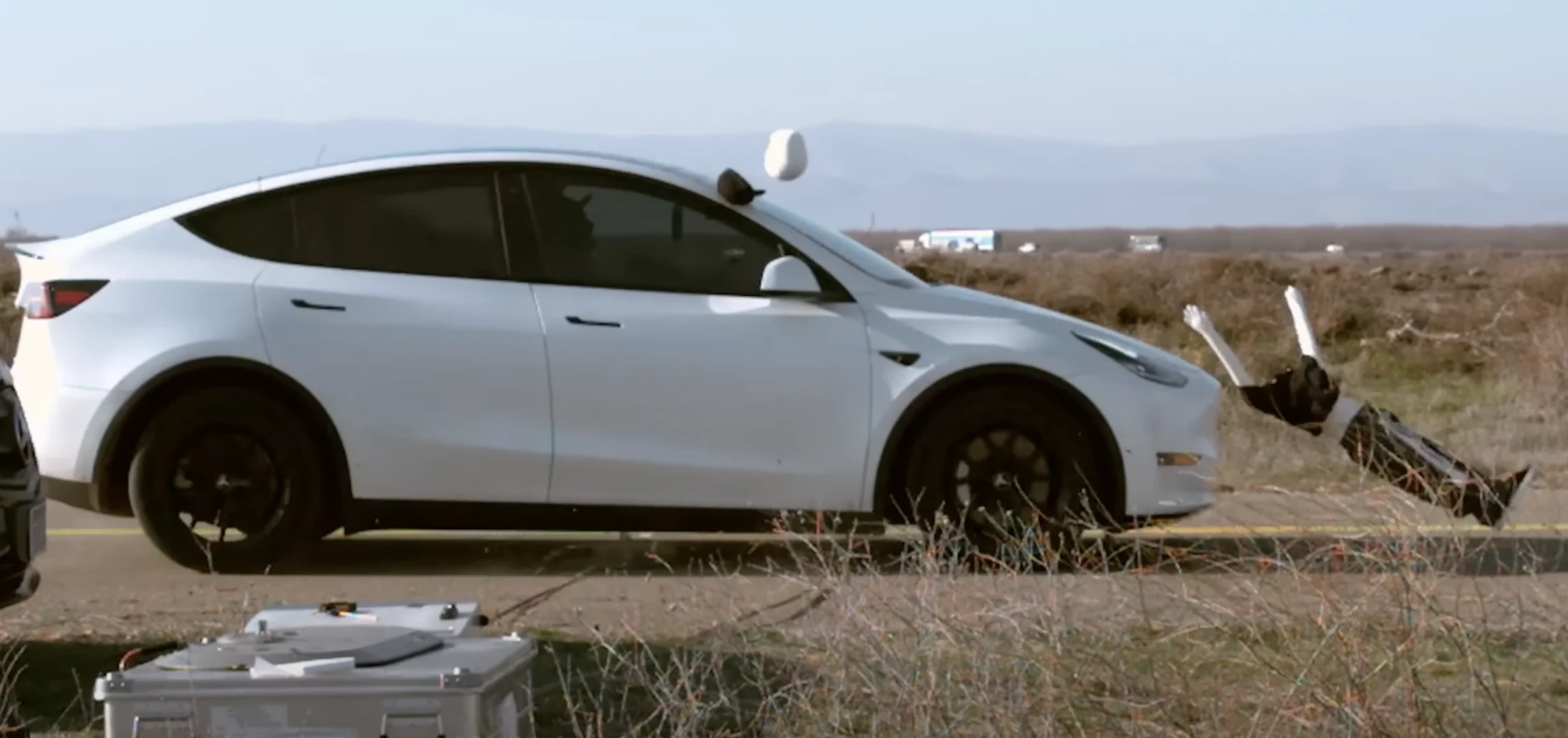
    The ADAS evaluations involved 36 vehicles facing 15 high-stakes scenarios, resulting in a total of 216 collisions, none of which included the Model X. Even during the difficult wild boar test, Tesla’s vision-based strategy for scaling and learning in autonomous systems proved its efficacy.

    Source:
    Link


  • BYD to Cover Self-Parking System Damages Without Insurance Claim

    BYD to Cover Self-Parking System Damages Without Insurance Claim

    Key Takeaways

    1. BYD takes full responsibility for damages caused by its Eye of God autonomous driving technology, eliminating the need for insurance claims.
    2. The Eye of God assisted driving system is included for free with most BYD vehicles, unlike Tesla’s paid Full Self-Driving feature.
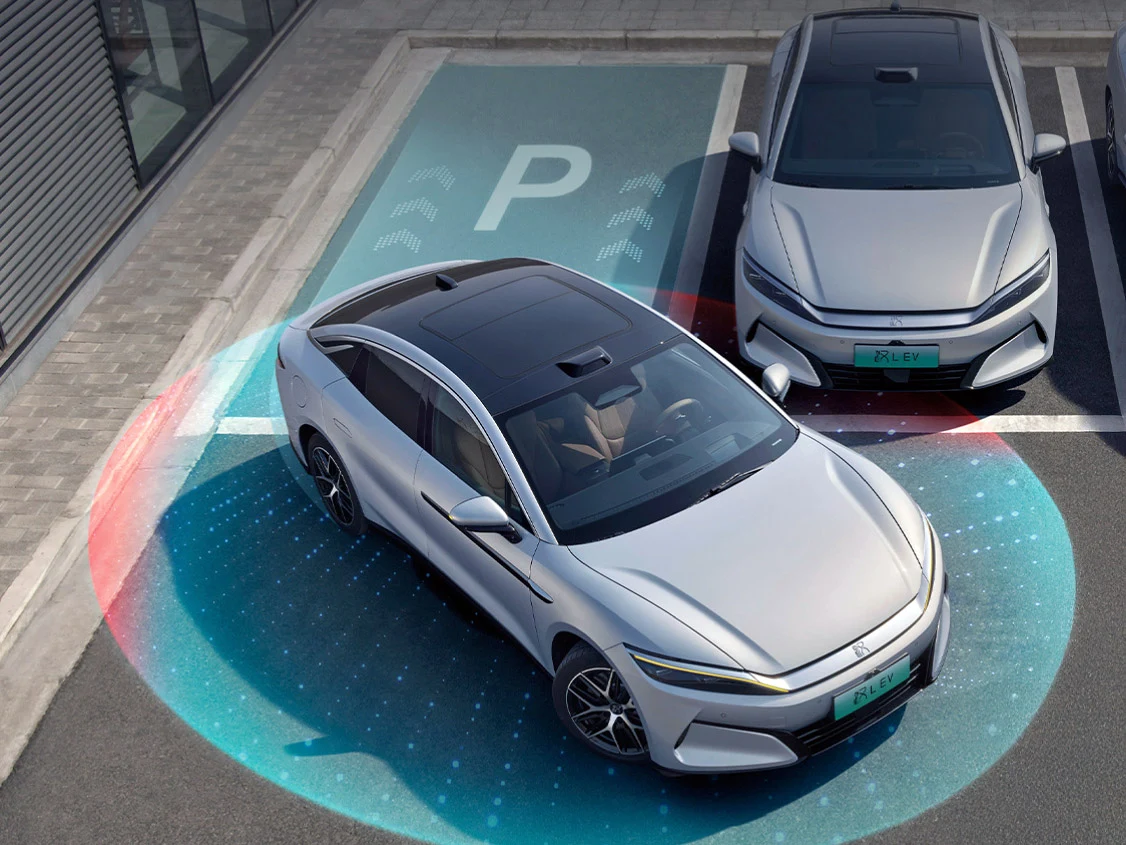
    3. BYD’s new Level 4 self-parking feature is the first to receive certification, allowing passengers to relax while the car parks itself.
    4. BYD has the largest self-driving research team and uses extensive cloud data, with Eye of God already in over a million cars.
    5. BYD’s strategy of offering free autonomous driving technology aims to quickly gather data and improve its features, contrasting with Tesla’s paid model.


    Owners of BYD vehicles that come with the Eye of God autonomous driving technology can now reach out to the company’s customer service instead of having to make an insurance claim for damages that occur while using it.

    BYD’s Assurance

    BYD is stepping up and taking accountability for its new Level 4 self-parking feature, showing strong confidence in how it works. This means drivers won’t need to file insurance claims, and they won’t face higher premiums, which is usually what happens with insurance firms in China.

    “We take full responsibility for the safety and damages of all users of vehicles equipped with God’s Eye in smart parking situations,” stated the largest electric vehicle manufacturer. Their new automated parking feature is the first to earn a Level 4 autonomous driving certification, which allows passengers to relax while it parks, with the manufacturer liable for any accidents.

    Free Features for Customers

    Being the leading electric vehicle producer has advantages, as BYD includes the Eye of God assisted driving system at no extra cost with most of its cars, unlike Tesla, which demands payment for its Full Self-Driving (FSD) feature.

    BYD has built the largest self-driving research and development team in the market and utilizes a massive amount of cloud data, as God’s Eye is already in over a million of its cars and is offered for free. An extensive update for Eye of God is on the way, which will enhance its functions, from highway driving to the previously mentioned Level 4 autonomous parking.

    Competing Strategies

    Offering the self-driving system for free is a different approach from Tesla’s, which either requires an $8,000 payment for the software or a $99 monthly subscription. BYD is in a race to gather autonomous driving data quickly to keep up with Tesla and others, and providing Eye of God at no cost seems like a smart move to collect data and advance its features towards higher levels of autonomy swiftly.

    Source:
    Link

  • Xiaomi SU7 Crash Kills Three: Timeline, Details, Company Response

    Xiaomi SU7 Crash Kills Three: Timeline, Details, Company Response

    Key Takeaways

    1. The crash of a Xiaomi SU7 Standard electric sedan on March 29 resulted in the deaths of three female university students, marking the first known fatality linked to Xiaomi’s EV.

    2. The vehicle was equipped with a vision-based Navigate on Autopilot (NOA) system, which lacks the advanced LiDAR technology found in higher models, raising safety concerns about autonomous driving technology.

    3. The collision occurred in a construction area with altered traffic lanes and possible debris, suggesting environmental factors may have contributed to the accident.

    4. An investigation revealed that the NOA system failed to recognize smaller barriers, and the automatic emergency braking (AEB) system did not engage due to the water barrier being undetected.

    5. Xiaomi has initiated an internal investigation and expressed commitment to transparency while addressing concerns about the reliability of autonomous driving features and the effectiveness of emergency systems.


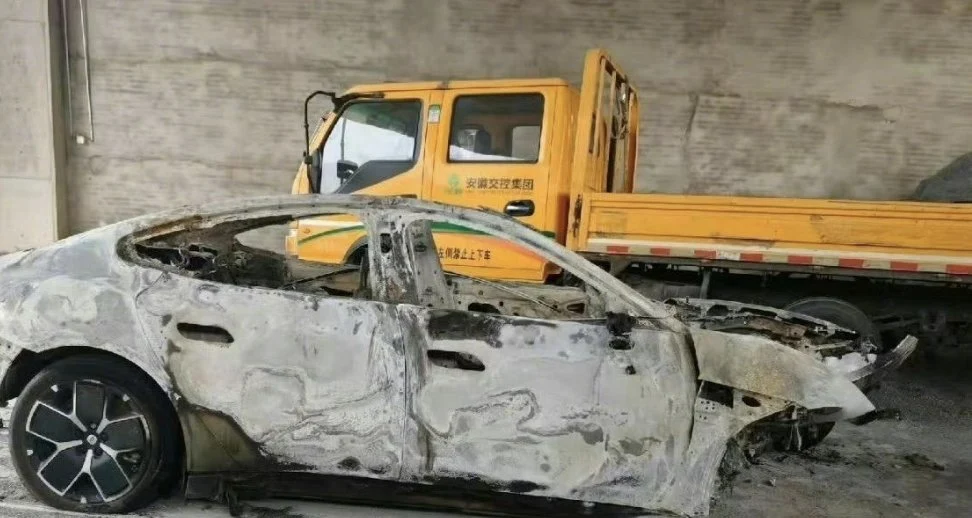
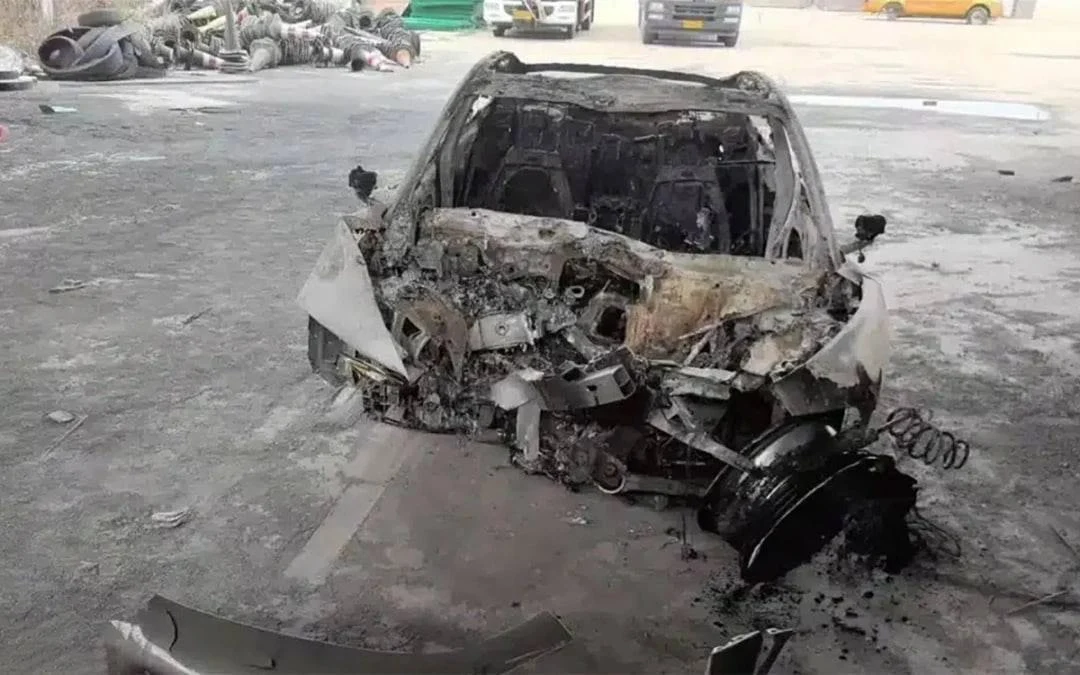
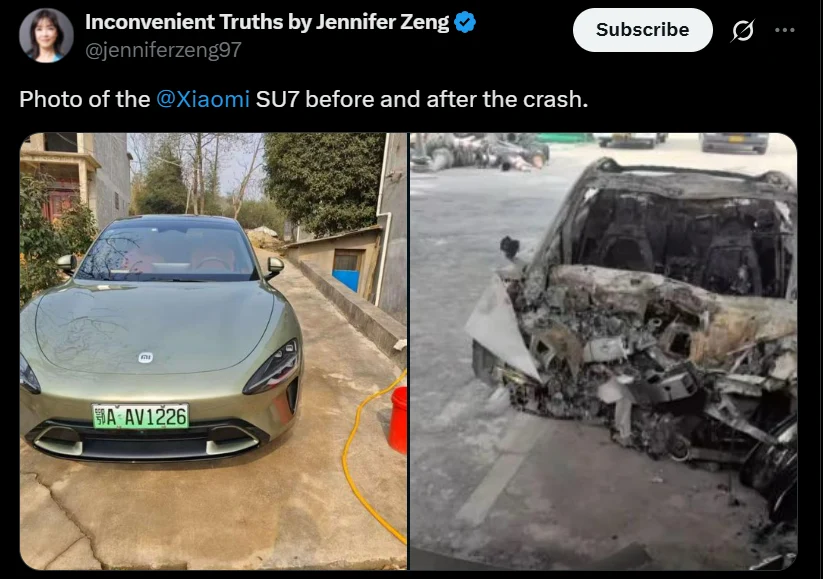
    On March 29, a tragic incident occurred involving a Xiaomi SU7 Standard electric sedan on the Dezhou-Shangrao Highway (G0321) near Tongling, Anhui Province, China. This crash resulted in the deaths of three female university students and is the first known fatality associated with Xiaomi’s first electric vehicle (EV). The event has raised significant concerns about the safety of autonomous driving technology.

    Details of the Incident and Victims

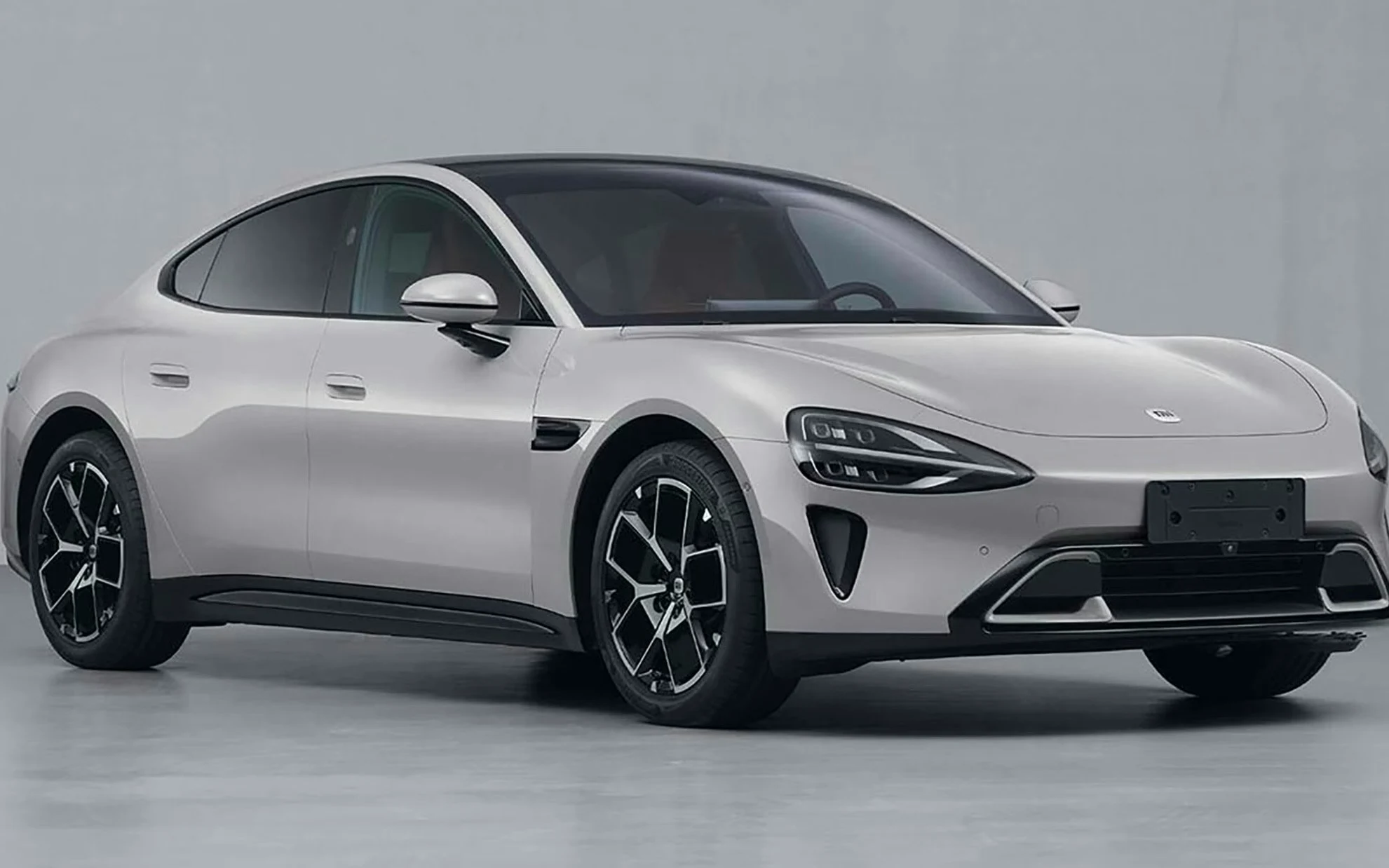
    The three victims were university students heading to Chizhou for a civil service examination. They were traveling in a Xiaomi SU7 Standard, which is the entry-level model of the SU7 series, acquired in May 2024 and delivered on October 19, 2024. This model, launched on March 28, 2024, operates with a vision-based Navigate on Autopilot (NOA) system but does not feature the LiDAR technology available in the Pro and Max variants.

    Circumstances of the Crash

    The collision took place in the Chiqi area of the highway, where construction work had altered the traffic lanes. This change, coupled with the possibility of debris from the ongoing repairs, may have contributed to the accident.

    Sequence of Events Leading to the Crash

    An investigation by Xiaomi, based on data provided to the authorities, has outlined the timeline of the crash:
    10:27:17 PM: NOA was turned on; the car was traveling at 116 km/h (72 mph).
    10:44:24 PM: The system identified obstacles, issued alerts, and started to slow down.
    10:44:25 PM: The driver regained manual control, turning the steering wheel 22.0625 degrees left and applying brakes at 31%.
    10:44:26 PM: The steering moved slightly right by 1.0625 degrees, increasing braking to 38%.
    10:44:26–10:44:28 PM: The vehicle collided with a concrete barrier at a speed of 97 km/h (60 mph), leading to a fire.

    Aftermath of the Collision

    Reports on social media, including a post from one victim’s mother, alleged that the doors of the vehicle locked automatically after the crash, trapping the occupants as flames engulfed the car. Xiaomi was unable to confirm the functioning of the doors but mentioned that there is an emergency unlock feature, the efficiency of which remains uncertain. The NOA system’s failure to identify smaller barriers, such as cones, might have played a role in the accident.

    Company Reaction and Ongoing Investigation

    In response, Xiaomi established an investigation team on March 30 and provided data by March 31. CEO Lei Jun expressed sorrow and assured transparency while offering assistance to the families of the victims. The company stated that a special task force was created immediately, and they visited the accident scene on March 30. They also clarified that they haven’t yet accessed the vehicle involved in the crash, countering rumors of it being taken to Beijing. Internal records show that the Xiaomi SU7 was operating in NOA mode at about 116 km/h before it received a warning and slowed to 97 km/h prior to the crash. The cause of the fire after the impact is still under investigation, but Xiaomi suspects it initiated in the cabin rather than in the battery. Additionally, the company reported that the automatic emergency braking (AEB) system did not engage because the water barrier was not recognized by the detection system.

    Continuing Investigation and Safety Questions

    The police investigation is ongoing, focusing on the road conditions, driver behavior, and vehicle systems. This unfortunate event brings to light essential concerns regarding the reliability of autonomous driving features, the effectiveness of emergency systems, and the need for driver education in electric vehicles.


  • Mark Rober: Tesla’s Lidar Decision Could Endanger Lives

    Mark Rober: Tesla’s Lidar Decision Could Endanger Lives

    Key Takeaways

    1. Mark Rober’s video demonstrates that the Tesla Vision system can be easily fooled into not detecting obstacles on the road.
    2. The absence of Radar and Lidar in Tesla vehicles raises safety concerns, especially in common weather conditions like fog and rain.
    3. Despite the removal of essential hardware, Tesla’s autopilot system has a lower fatality rate involving pedestrians compared to overall pedestrian deaths on US roads in 2022.
    4. Government hesitations about autonomous driving technology are influenced by concerns raised in videos like Rober’s, questioning the safety and reliability of such systems.
    5. The video prompts discussions about the broader implications of autonomous driving beyond just Tesla, while also showcasing Rober’s innovative projects.


    Famed YouTuber Mark Rober recently uploaded a video showcasing how the Tesla Vision system can be surprisingly easily deceived into not spotting obstacles on the road. While the video does feature some rather unusual road scenarios (such as a massive wall designed to resemble the road ahead), it also implies that the absence of Radar and Lidar could pose risks to human safety in certain situations. These situations include fog and rain, which are both common weather conditions on roads worldwide. However, the probability of encountering such extreme fog and rain as shown in the video and leading to an accident is likely debatable.

    Concerns About Safety

    Nonetheless, the notion that removing essential hardware for cost and weight reasons (rather than prioritizing accident prevention) indicates that the Tesla Vision system might not offer the road safety that pedestrians desire. Tesla’s choice to eliminate Lidar and Radar sensors from its vehicles, with Musk asserting that they were oversized, heavy, and costly, goes back to 2021. Nevertheless, as of now, the fatalities involving autopilot activation where a pedestrian or cyclist lost their life is substantially lower than the 7,552 pedestrians who perished on US roads in 2022 alone. This suggests that even without Lidar and Radar, the system remains statistically quite reliable.

    Government Hesitations on Autonomy

    Despite Rober’s eagerness in shining a light on the problems with Tesla specifically, it is the broader concept of autonomous driving for any vehicle (not only Tesla) that has led some governments to delay the implementation of such technologies. There are also several reports questioning if the car in the video is genuinely operating in full self-driving mode.

    If you can overlook the fact that it’s improbable to ever confront a wall that looks just like the road in front of you, there are some real questions raised here. Regardless, watching Rober secretly map the interior of Disney’s ‘Space Mountain’ and create a 3D-printed model is definitely worth your time.

  • Tesla Robotaxi Can Be Controlled Manually with Gamepad Like PlayStation

    Tesla Robotaxi Can Be Controlled Manually with Gamepad Like PlayStation

    Dubbed the PlayStation car, the Afeela EV from the partnership between Sony and Honda isn’t the only vehicle that can be driven using something similar to a DualSense or Xbox controller, as seen with the “driverless” Tesla Cybercab.

    Afeela’s Debut at CES

    Earlier this year at the CES expo, the CEO of the Afeela project, which merges Honda’s automotive skills with Sony’s entertainment and software expertise, showcased their first electric vehicle using a PlayStation 5 controller on stage. It was a striking moment that highlighted the innovative blend of gaming and driving.

    Tesla’s Robotaxi Features

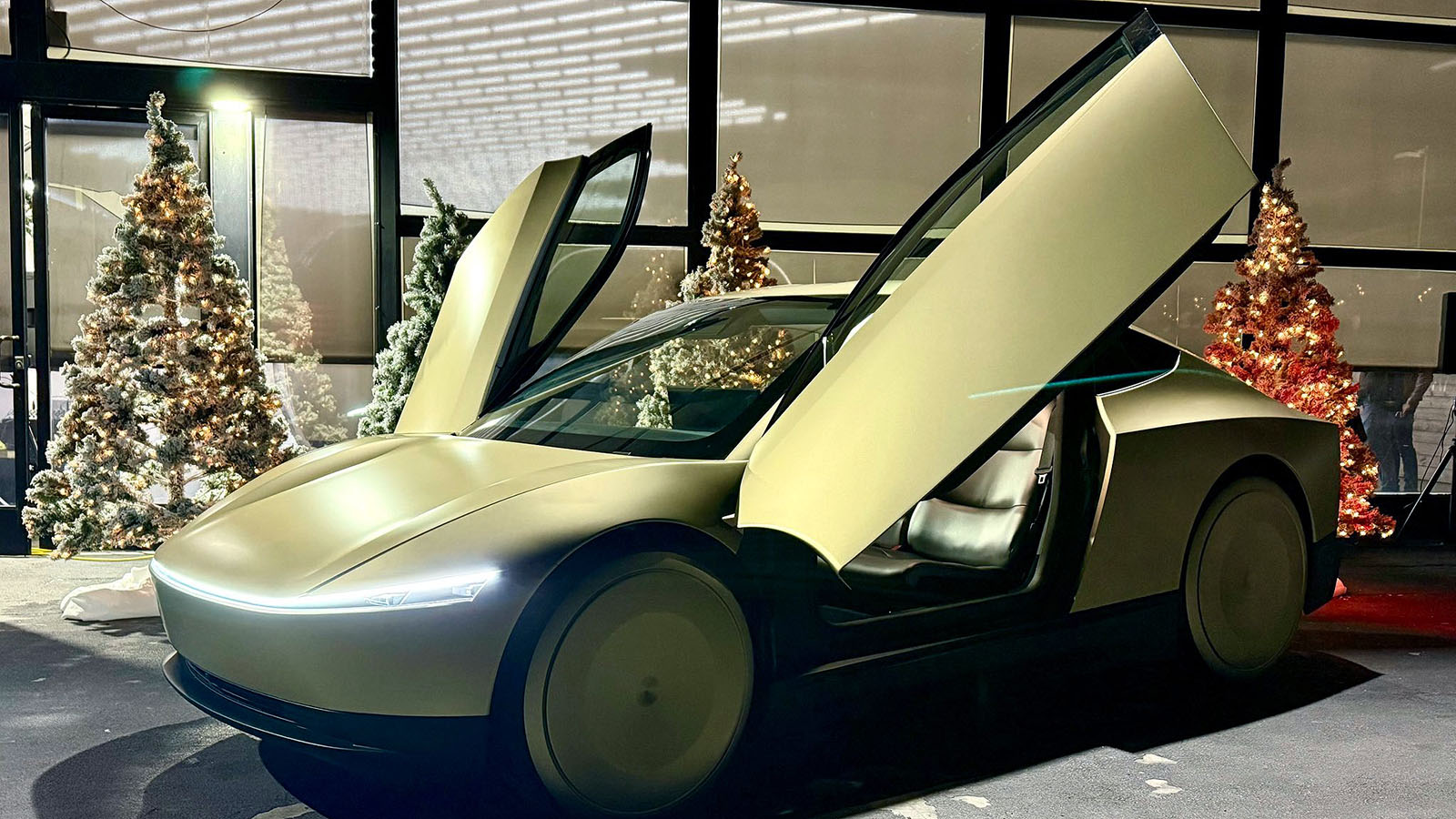
    Meanwhile, while presenting the Cybercab at the Petersen Automotive Museum, the Tesla team also employed a controller to navigate the Robotaxi, which Tesla promotes as the future of driverless transport. The Cybercab, designed for two passengers, is unique as it lacks both a steering wheel and pedals. However, its FSD 13 autonomous driving software struggles with small maneuvers, such as driving up a ramp or weaving around Christmas trees in the museum’s Vault exhibit to reach its intended location.

    The Manual Driving Capability

    This is why the individual operating the Robotaxi during its transport, maneuvering it off its trailer, up the ramp, and around the venue, seemed to be using what onlookers described as an Xbox controller linked to the vehicle’s computer. Although the connection was wired, sources indicated that the Cybercab’s controller can also connect wirelessly, allowing someone to operate it from a distance.

    This opens up a variety of options, especially for the Cybercab’s ride-share service and support teams, or for first responders Tesla is currently training to handle scenarios involving the Robotaxi on public streets. Overall, the idea that the first Tesla vehicle without a steering wheel or pedals is fully autonomous might be a bit of an overstatement, as there is a means to manually drive it in case it gets stuck for any reason.

    Source: Link

  • Judge Rejects Tesla’s Bid to Dismiss ‘Phantom Braking’ Lawsuit

    Judge Rejects Tesla’s Bid to Dismiss ‘Phantom Braking’ Lawsuit

    Tesla, a leading name in self-driving technology, is facing its share of unhappy customers. In 2023, the well-known car maker was named in a class-action lawsuit in a Chicago district court. Judge Georgia Alexakis, overseeing the case, has decided that it will proceed despite Tesla’s efforts to dismiss it.

    Lawsuit Details

    The case, titled Joshua Santiago et al. v. Tesla, claims that the company did not inform potential buyers about a “phantom braking” problem, which they have known about since 2015. The two individuals who filed the lawsuit argue that Tesla’s forward collision detection system gives false alerts when there is no actual danger, which can lead to the vehicle unexpectedly slowing down or stopping altogether.

    Court Rulings

    While Tesla was unable to get the entire lawsuit dismissed, Judge Alexakis did agree to remove some parts of it. She threw out claims that Tesla’s insurance division charged drivers too much for premiums based on the supposed braking issue. The argument that the false collision alerts resulted in higher insurance costs for drivers did not persuade the judge.

    Tesla claims they were unaware of the alleged problem until one of the plaintiffs purchased their Model 3 in 2021.

    Future of Tesla’s Technology

    However, Judge Alexakis recognized that the lawsuit has shown that potential buyers ought to be able to rely on the information presented on Tesla’s website, supporting claims of Tesla’s failure to disclose safety-related information.

    Tesla has ambitious goals for its self-driving capabilities. The company recently introduced the Cybercab and Robovan, which received a lot of attention. The Cybercab is a future taxi designed for two passengers without a steering wheel or pedals. The Robovan is a larger automated vehicle meant for public transport.

    Tesla currently provides Autopilot with every new model, featuring basic options like Cruise Control and Autosteer. The Full Self-Driving (Supervised) option includes more advanced functions such as Navigate on Autopilot, Auto Lane Change, Autopark, and Smart Summon, available through either a subscription or a one-time payment.

    Source: Link

  • Former Apple executive Steve Kenner joins GM Cruise to enhance autonomous driving safety

    Former Apple executive Steve Kenner joins GM Cruise to enhance autonomous driving safety

    General Motors (GM) has appointed Steve Kenner as the safety director of its autonomous vehicle division in a move to strengthen the company’s commitment to safety in autonomous driving technology. Kenner, who has previously worked at Apple and Uber, brings decades of experience in the automotive industry to his new role.

    Experience at Apple and Uber

    During his time at Apple, Kenner played a crucial role in overseeing safety and regulatory activities for the secretive “Titan” car project. This experience highlights his expertise in navigating the complexities of developing cutting-edge automotive technologies. Prior to his tenure at Apple, Kenner held prominent positions at major American automakers such as Ford and Chrysler, accumulating nearly 40 years of invaluable experience in the field.

    Extensive Industry Background

    Kenner’s automotive career began at General Motors in 1978, and he has since held leadership roles at Chrysler and Ford. His extensive engineering background and strategic management skills further solidify his credentials as a seasoned industry veteran.

    Advocacy for Regulatory Engagement

    During his time at Apple and later at Uber’s Advanced Technologies Group, Kenner actively advocated for updated policies that would facilitate the testing of self-driving cars on public roads. This demonstrates his proactive approach to regulatory engagement and collaboration within the industry.

    Advancing Safety Initiatives at GM Cruise

    As the safety director at GM Cruise, Kenner will leverage his wealth of experience to advance safety initiatives and ensure regulatory compliance within the autonomous driving realm. His commitment to partnership with regulators reflects GM’s dedication to prioritizing passenger safety and fostering trust within the broader ecosystem.

  • LiDAR and Mobileye’s Chauffeur Autonomous Driving System to be Integrated in Polestar 4

    LiDAR and Mobileye’s Chauffeur Autonomous Driving System to be Integrated in Polestar 4

    The Polestar 4 is set to redefine the boundaries of autonomous driving with the integration of two groundbreaking technologies: Luminar LiDAR and Mobileye Chauffeur. As a subsidiary of Volvo and a brand known for its commitment to sustainability, Polestar is pushing the boundaries of the electric vehicle (EV) industry.

    Groundbreaking Technologies

    The integration of Luminar's LiDAR technology is a game-changer in the EV industry. LiDAR, which stands for Light Detection and Ranging, uses pulsed laser light to measure distances. This technology allows the Polestar 4 to accurately detect and navigate its surroundings, greatly enhancing its autonomous driving capabilities. This advancement is crucial for safer and more reliable autonomous driving experiences.

    Complementing LiDAR is Mobileye Chauffeur, an autonomous driving system developed by Mobileye, an Intel company. This system equips the Polestar 4 with Level 3 autonomy capabilities. In automotive terms, Level 3 autonomy means the vehicle can handle most driving tasks independently but requires human intervention in more complex or challenging scenarios. This level of autonomy is a significant leap from the more common Level 2 systems that require constant human oversight.

    Leading the EV Market

    The combination of LiDAR and Level 3 autonomy places the Polestar 4 at the forefront of the EV market. This integration of groundbreaking technologies represents a significant step towards fully autonomous vehicles and underscores Polestar's commitment to leading the EV sector, particularly in the realm of self-driving cars.

    A Milestone for the EV Industry

    Not only is this a milestone for Polestar, but it also signifies a broader shift in the EV industry. The integration of complex and sophisticated technologies highlights the evolution of EVs from environmentally friendly alternatives to technologically advanced vehicles. The Polestar 4 is more than just another EV; it is a testament to the potential of electric mobility and the future of autonomous driving.

    With the introduction of the Polestar 4, Polestar is set to make a definitive impact on the EV industry. By incorporating Luminar LiDAR and Mobileye Chauffeur, the brand is pushing the boundaries of autonomous driving and positioning itself as a leader in the field. This integration of groundbreaking technologies not only enhances the vehicle's autonomous driving capabilities but also showcases the industry's move towards more advanced and sophisticated EVs. The Polestar 4 represents the future of electric mobility and the potential of fully autonomous vehicles.