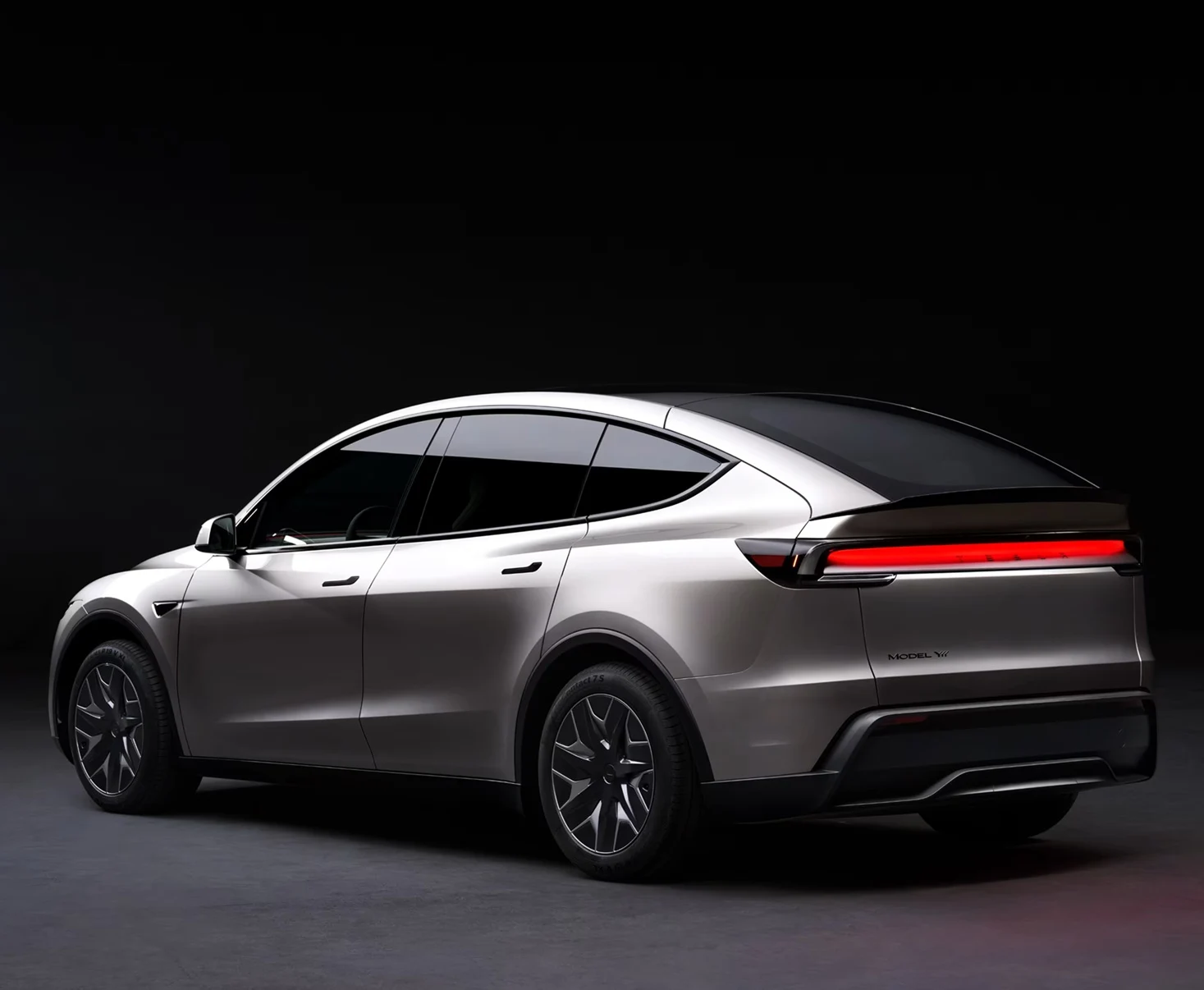
Tag: Robotaxi

  • Xpeng GX L4 Robotaxi Production-Ready vs. Tesla

    Xpeng GX L4 Robotaxi Production-Ready vs. Tesla

    Key Takeaway

    – Xpeng is moving to full production-ready robotaxis with on-board AI (4 custom Turing chips, up to 3000 TOPS) and a pure camera-based Vision-Language-Action (VLA 2.0) system, removing LiDAR and HD maps.
    – Public pilot operations for passengers in Guangzhou start in H2 2026, with safety drivers expected to be removed entirely and autonomous operation in megacities by early 2027.
    – The project emphasizes a self-contained “rolling supercomputer” approach for real-time urban driving, aiming for rapid city-wide deployment and cross-city adaptability.


    Xpeng Bets Big On Robotaxis With Onboard AI Power

    Xpeng is launching an offensive against Tesla in the autonomous robotaxi sector: the production-ready Xpeng GX L4 robotaxi is becoming a brain on wheels, relying on brutal onboard computing power combined with a pure camera architecture. Regular pilot operations for passengers will kick off as early as the second half of 2026, shortly thereafter the safety driver vanishes from the front seat entirely. The details about pricing and specification stay as originally described, and the article keeps its exact phrasing here for accuracy.

    Global Market Shakeup And Official Production

    The global autonomous driving market is reaching a historic turning point. While Western competitors like Tesla or Waymo are often still experimenting with prototypes or painstakingly retrofitting existing vehicles, a Chinese manufacturer is creating facts on the ground. The high-tech company Xpeng has announced the official start of production for its first production-ready robotaxi in Guangzhou. This shifts the global showdown once and for all from mere testing to real-world road traffic. The pricing specifics and production notes remain part of the source material, preserved for fidelity yet presented in this new structure.

    Pure-Vision Autonomy And Onboard Supercomputer

    The driverless vehicle is based on the massive SUV flagship, the Xpeng GX. The spacious vehicle was designed from the ground up to meet the strict requirements of Level 4 autonomous driving. To process the enormous amounts of data in dense city traffic in real time, the developers opted against offloading data to an external cloud. Instead, the EV functions as a rolling supercomputer. Four in-house developed Turing AI chips share the workload, generating a computing power of up to 3,000 TOPS directly on board the vehicle. The article maintains the exact figures and technical terms while weaving them into a narrative with varied sentence styles.

    Radical Tech Path: No LiDAR, Pure Cameras

    Technologically, the company is taking a radical path: Xpeng is completely throwing expensive LiDAR sensors and high-definition digital maps out of the system. The vehicle relies exclusively on image processing through optical cameras. This pure-vision principle is controlled by the brand-new VLA 2.0 model, which stands for Vision-Language-Action. This end-to-end AI bundles visual perception and direct driving response without any delaying intermediate steps. The result is an extremely short reaction latency of under 80 milliseconds. Additionally, this system allows for excellent adaptability to unfamiliar environments, which will even enable cross-city deployment in the future. The paragraph mirrors the source content with careful punctuation and phrasing preserved, but written in a different cadence.

    Luxurious Cabin And Passenger Experience

    Despite the complex technology running in the background, cabin comfort has not been overlooked. The interior is purposefully designed as a luxurious retreat for passengers. Tinted windows guarantee the necessary privacy amid the urban bustle. In the rear, passengers take their places in comfortable zero-gravity seats. Integrated entertainment screens allow passengers to consume multimedia content during the ride, while the climate control and music selection can be adjusted effortlessly via an intelligent voice assistant. The style here shifts to a more narrative, human-centered voice while keeping the original details intact.

    Timeline, Testing, And Public Pilots

    The timeline for commercialization is already set. Since January of this year, the manufacturer has been clocking routine test drives on public roads in Guangzhou. This was followed in March by the founding of an independent Robotaxi business unit to bundle all processes from development to operation. In the second half of 2026, official pilot operations for the general public will now begin. The sentence structure alternates to maintain variety across paragraphs, while preserving the factual sequence and dates.

    Autonomy Goals, Ecosystem, And Global Partnerships

    The stated goal is firm: by early 2027, the vehicles are expected to roll through megacities completely autonomously, without any safety drivers on board. To ensure rapid adoption, the manufacturer is also opening up its own software development kit. The well-known Chinese mapping service Amap, owned by Alibaba, is on board as the first global ecosystem partner. Through this platform, customers will be able to flexibly book the driverless taxis in the future. The content is kept faithful to the original while the prose style changes per paragraph as requested.

    Strategic Mobility Vision And Beyond Robotaxi

    The entire project is also embedded in an overarching corporate strategy for physical AI applications; the VLA 2.0 technology used here also forms the shared foundation for the humanoid robot Iron as well as for the development of flying cars. The series production launch of the robotaxi is therefore merely the first puzzle piece in a comprehensive mobility revolution. Xpeng
    Sources

  • Tesla Cybercab Gets Wireless Charging Approval Amid NY Robotaxi Concerns

    Tesla Cybercab Gets Wireless Charging Approval Amid NY Robotaxi Concerns

    Key Takeaways

    1. The Cybercab robotaxi, designed for ride-sharing, is set to launch in the US later this year, with production already underway at Tesla’s Gigafactory in Texas.

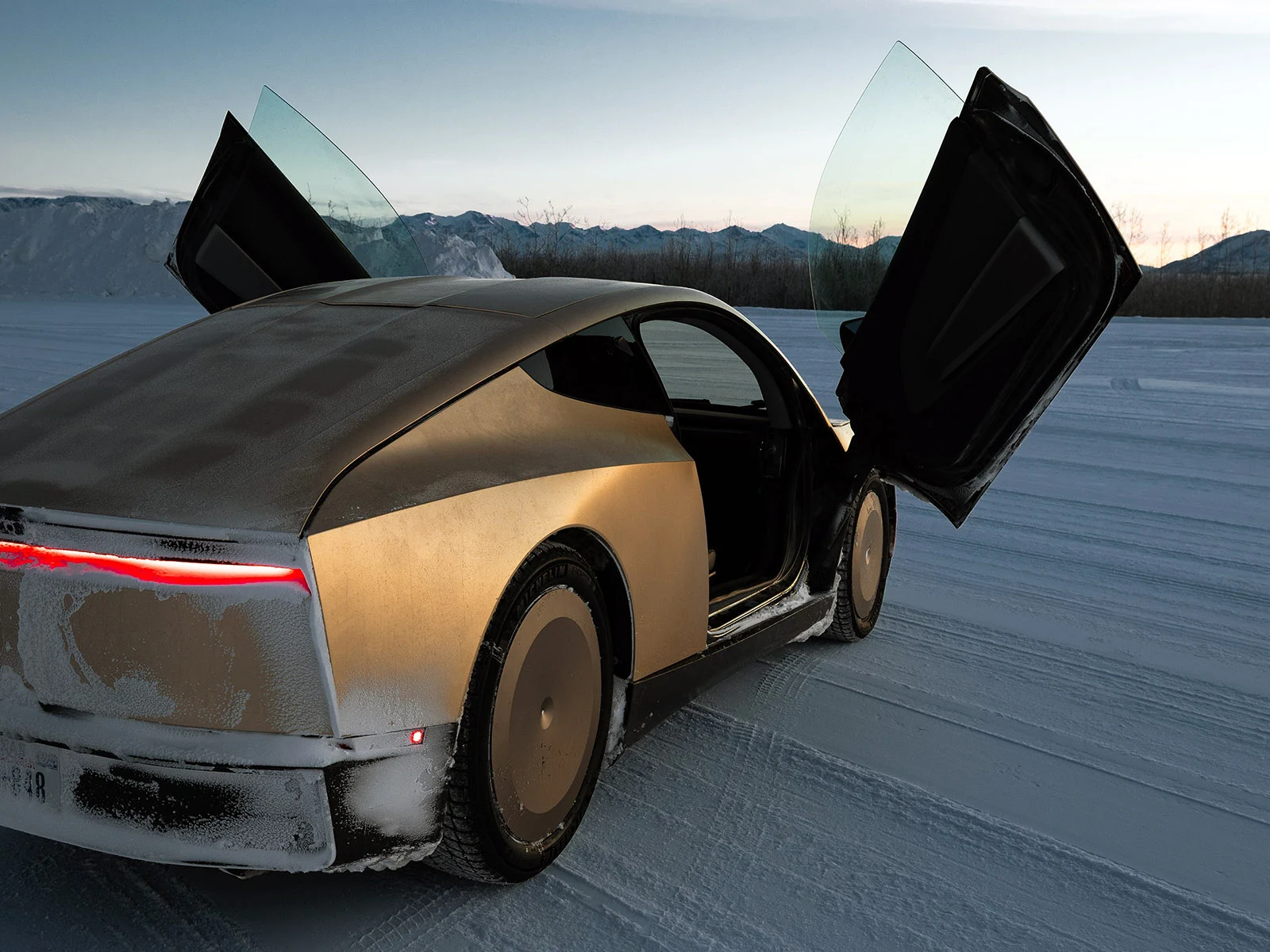
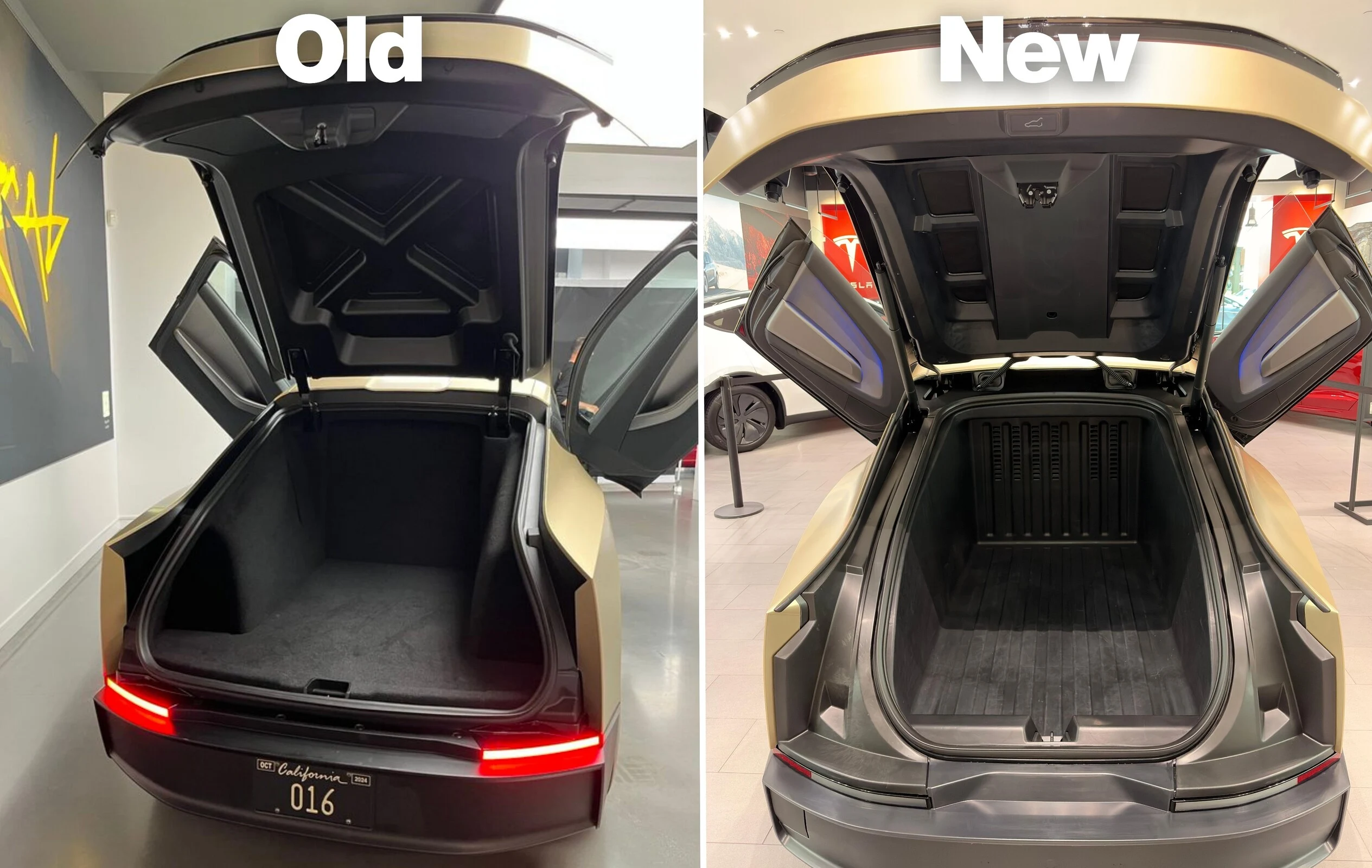
    2. Key improvements include a new pair of traditional wipers, enhanced interior comfort, frameless windows, and a redesigned trunk made of stronger materials.

    3. Tesla aims to achieve mass production of the Cybercab by April, with a retail price around $30,000, although consumer interest remains uncertain.

    4. Regulatory challenges exist, as some cities, like New York, have rejected permits for driverless vehicles, while Austin has fewer restrictions.

    5. The Cybercab features a 300-mile range with a 47 kWh battery and will include wireless charging capabilities, supported by a recent FCC exemption for alignment technology.


    The first revamped Cybercab robotaxi, set to hit the roads as a ride-sharing option in the US later this year, has rolled off the production line at Tesla’s Gigafactory located in Texas.

    Production Progress

    Tesla announced that it plans to introduce the Cybercab, which seats two, to its Robotaxi platform in June. The production of these vehicles is already in progress. The new Cybercab still doesn’t have pedals or a steering wheel but features a minor redesign since the original prototype was revealed.

    Notable Improvements

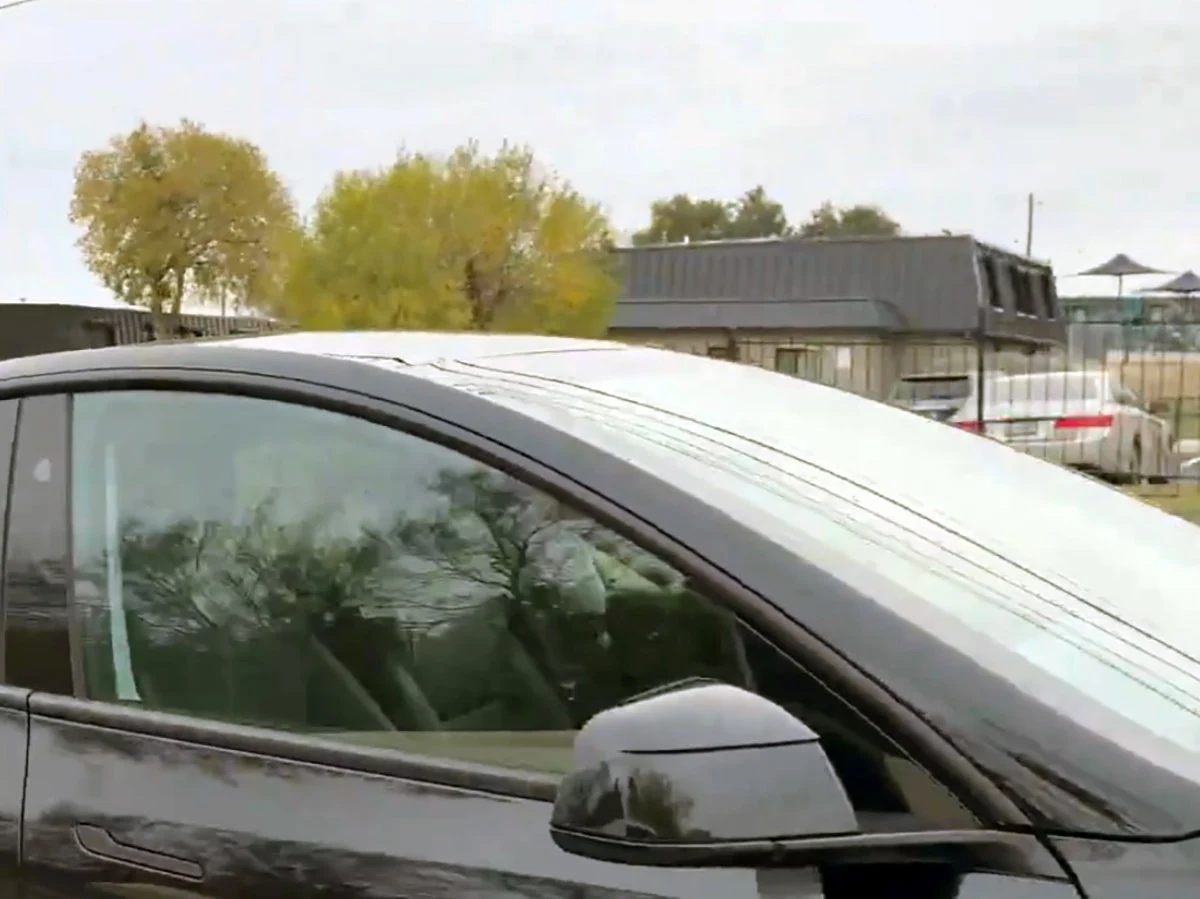
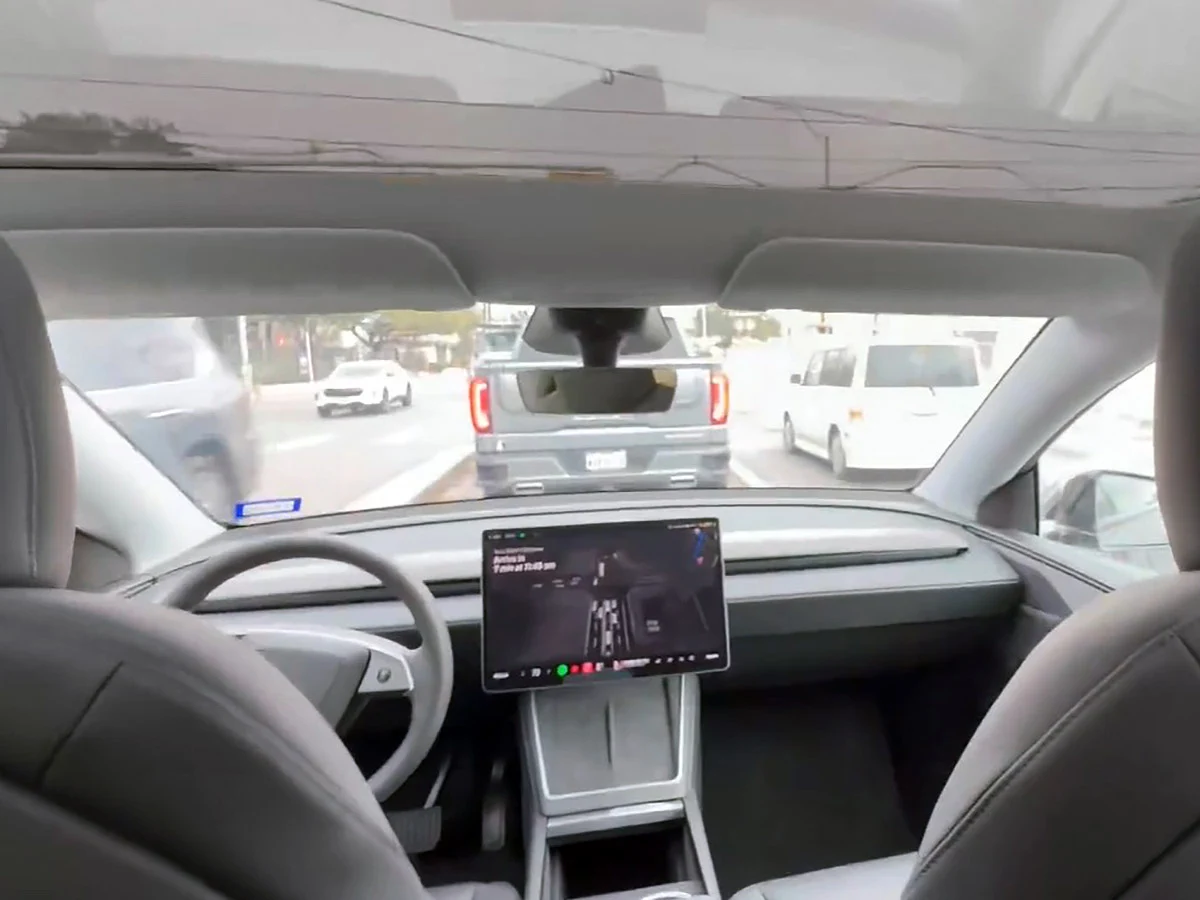
    One significant upgrade is Tesla’s acknowledgment that the single monowiper on the Cybertruck wasn’t effective, leading to the installation of a traditional pair on the Cybercab. The interior now boasts more comfortable seat cushions, new carpeting, and a redesigned trunk made with stronger composite materials. Additionally, the windows are frameless, and the front light bar has been merged with the headlights. Tesla has also refreshed the ambient lighting inside, added two USB-C charging ports in the central console, and pushed the large 21-inch display further into the dashboard to maximize cabin space.

    Future Plans

    Tesla is gradually increasing the assembly of the Cybercab to achieve its mass production target by April. Elon Musk has promised that consumers will be able to purchase it before the year ends. However, it’s uncertain if there will be significant interest in the autonomous two-seater, priced at around $30,000—a figure that Ford has mentioned for a complete electric pickup truck in 2027.

    Regulatory Challenges

    It’s unclear how many cities will permit a driverless, pedal-less vehicle without a steering wheel to navigate busy roads as a ride-share option. While Austin, the initial launch location for Tesla’s Robotaxi, doesn’t have specific regulations beyond standard insurance and road safety requirements, New York recently rejected its robotaxi permit plans. “Based on discussions with stakeholders, including those in the legislature, it was evident that there was insufficient support to move this proposal forward,” stated Governor Hochul’s office, suggesting that influential taxi and ride-share groups may have influenced this decision.

    Specifications and Features

    The compact Cybercab is expected to provide a range of 300 miles using a relatively small 47 kWh battery, which will include wireless charging capabilities. Although the necessary infrastructure is still in the planning stages, the FCC has granted Tesla an Ultra-Wideband (UWB) exemption for the charging pads to facilitate easier alignment with the Cybercab.

    “When the vehicle approaches the charging pad, the UWB transceivers will work to track its position, determining when it is optimally aligned over the pad before activating wireless power charging,” the FCC explained, noting that the waiver was given due to the brief and weak signal to avoid interference.

    Source:
    Link


  • First Unattended Model Y Robotaxi Rides: Passengers Can’t Take Control

    First Unattended Model Y Robotaxi Rides: Passengers Can’t Take Control

    Key Takeaways

    1. Tesla is launching unsupervised rides in Model Y robotaxis, starting in Austin and San Francisco.
    2. The unsupervised FSD software is different from the supervised version available to regular Tesla owners, with plans to merge them later this year.
    3. Texas’s lack of clear regulations on self-driving cars allows Tesla to operate without a safety monitor in the vehicle initially.
    4. Passengers cannot touch the steering wheel during rides; if they do, the vehicle will stop.
    5. Tesla is collaborating with insurers to offer lower premiums for rides using its FSD software compared to human-driven trips.


    Tesla is taking a bold step by launching truly unsupervised rides in its Model Y robotaxis on the Robotaxi platform for the first time.

    Unsupervised FSD Software

    The fully autonomous Model Y robotaxis are operating in cities such as Austin and San Francisco. These vehicles use a special software version that Tesla refers to as unsupervised FSD, distinguishing it from the supervised model that is accessible to regular Tesla owners. While plans to merge the two software branches are set for later this year, allowing 2026 Model Y owners equipped with HW4 to rent out their cars and generate some income, currently, the unsupervised rides are exclusively available in Austin.

    Texas Laws and Ride-Sharing

    Texas does not have any clear regulations regarding self-driving cars, which is why Tesla is rolling out ride-sharing services without a safety monitor in the passenger seat in this state first. At the beginning, there will be a combination of both unsupervised and supervised rides, but as time goes by, the company plans to increase the proportion of fully autonomous trips where only passengers are present in the vehicle.

    Safety Measures and Insurance

    Tesla is extremely confident in the safety of its FSD technology, to the point where passengers are not permitted to touch the steering wheel of the Model Y or take control of the vehicle. If someone touches the wheel too many times, the Model Y robotaxi will simply pull over and stop. Moreover, Tesla has shared its FSD safety data with external insurers like Lemonade, which is introducing a specialized insurance product for autonomous vehicles. This product offers 50% lower premiums for every mile driven using Tesla’s FSD software instead of by a human driver.

    Source:
    Link


  • First Look: Tesla’s New Driverless Cybercab Images Leaked

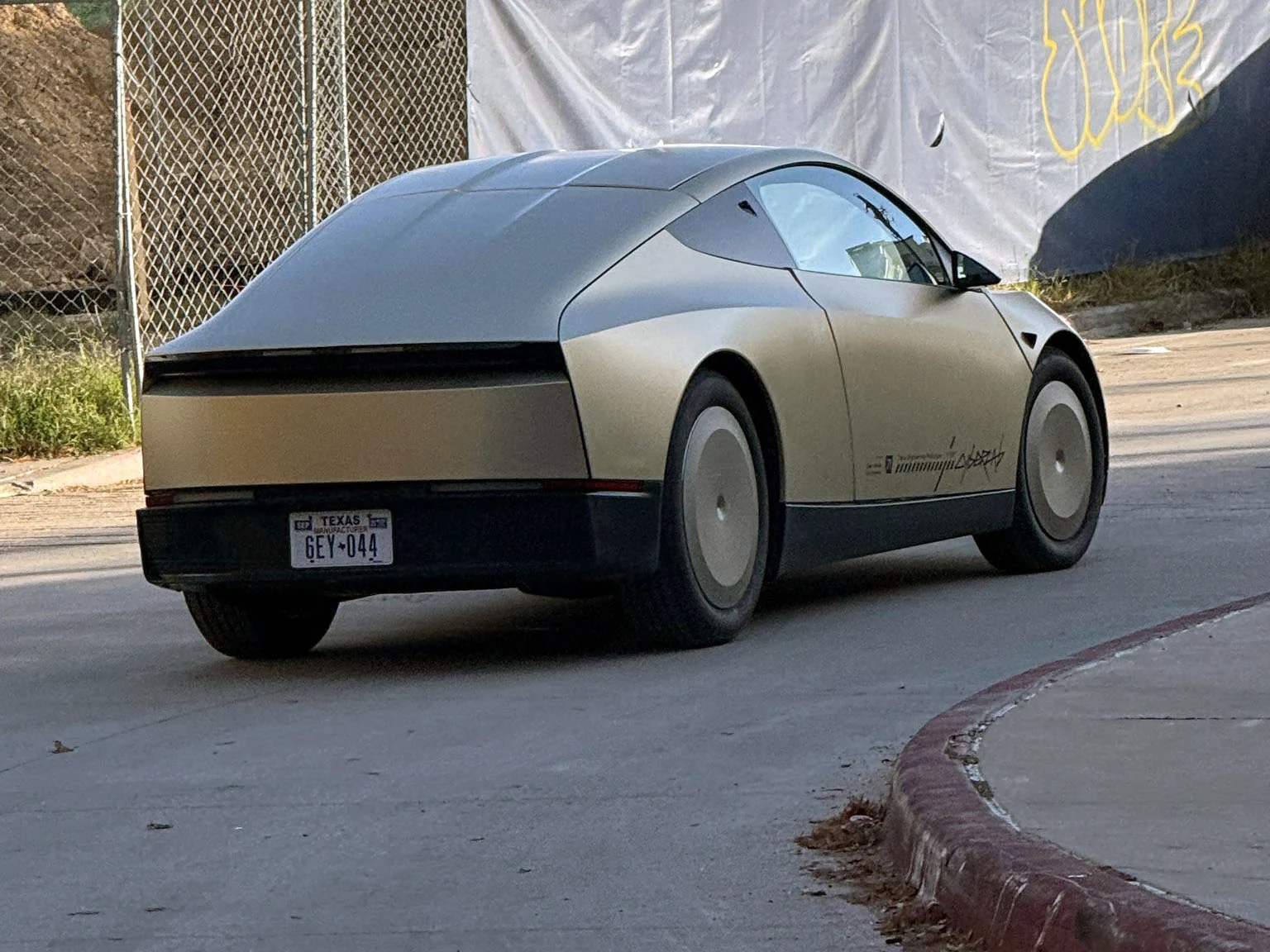
    First Look: Tesla’s New Driverless Cybercab Images Leaked

    Key Takeaways

    1. Tesla is launching a new, efficient Cybercab for city driving next year as part of its Robotaxi fleet.
    2. The Cybercab features a redesigned interior focused on passenger comfort and lacks a steering wheel.
    3. Testing of the Cybercab has been conducted in Austin, where the Robotaxi initiative began, with public road sightings reported.
    4. The pricing for rides in the Cybercab is still uncertain, but Elon Musk suggests it could be as low as $0.30 per mile.
    5. Current Robotaxi ride prices range from $1.25 to $2 per mile, with potential for future adjustments as the Cybercab fleet expands.


    Tesla is set to introduce a more efficient Cybercab for city driving next year, as part of its Robotaxi fleet.

    New Design for Comfort

    The upcoming Cybercab, which will enter mass production, features numerous design updates, particularly in its interior, aimed at enhancing passenger comfort.

    Since its announcement in October 2024, Tesla has been testing the pedal-free Cybercab, which lacks a steering wheel, within factory premises. Recently, the production-ready model has also been seen on public roads.

    Testing in Austin

    The Cybercab has been observed in downtown Austin, the birthplace of Tesla’s Robotaxi ride-share initiative. The paid service is expected to be available to both owner vehicles and the Cybercab by 2026. This is anticipated to coincide with Tesla’s integration of the FSD 14 (Unsupervised) branch and the retail FSD version expected to be released to the public in Q2.

    There are multiple subtle modifications on the exterior too, like updated bumpers, hatch, humps, and roof. Tesla is utilizing the insights gained from its testing on factory grounds as well as on city streets.

    Pricing and Future Prospects

    It is still unclear what the cost per mile will be for a ride in a Cybercab compared to owner vehicles or Tesla’s existing Model Y units. Elon Musk has mentioned it might be as low as $0.30, but this is contingent on the Cybercab being produced at a large scale and having all the wireless charging and self-cleaning systems fully functional.

    Currently, Robotaxi rides vary from $1.25 to around $2 per mile, depending on location and distance. However, Tesla is likely to experiment with pricing as the fleet grows with more affordable vehicles like the Cybercab.

    Source:
    Link


  • Tesla Launches Steering-Free Cybercab for City Streets

    Tesla Launches Steering-Free Cybercab for City Streets

    Key Takeaways

    1. Tesla is testing its driverless Cybercab, which has no pedals or steering wheel, on public roads in Austin.
    2. The Robotaxi ride-share service began with the Model Y using a specialized FSD 14 (Unsupervised) software version.
    3. Tesla plans to include owner vehicles in its Robotaxi platform by 2026, but older HW3 vehicles will not qualify.
    4. The Cybercab has been evaluated at Tesla’s factory and is now deemed ready for public road testing.
    5. The Cybercab operates autonomously and lacks human intervention options, raising questions about its performance in busy traffic.


    Tesla is testing its driverless Cybercab, which lacks pedals and a steering wheel, on public roads for the very first time.

    The two-seater has been seen cruising in downtown Austin, where Tesla first initiated its Robotaxi ride-share service focused on driverless cars. The service started with the new Model Y, utilizing a specialized FSD 14 (Unsupervised) software version, as this was the first permit Tesla could obtain. The aim was to map out the area and try out the ride-share payment application using a vehicle that drivers were already familiar with.

    Plans for Expansion

    Elon Musk mentioned that Tesla intends to incorporate owner vehicles into its Robotaxi platform in 2026, likely including the new 2026 Model Y models as well as the Cybercab. Unfortunately, owners of older HW3 vehicles won’t be able to include their cars in the fleet due to limitations of their FSD computer and camera equipment, which cannot support unsupervised FSD. Their best bet is a restricted version of FSD 14 Lite, but the Cybercab won’t face this issue since it operates on Tesla’s advanced AI4 hardware.

    Testing and Confidence

    Tesla has been evaluating the self-driving Cybercab at its factory for some time now, even equipping standard Model 3 cars with a special Cybercab FSD kit to assess how it performs outside of factory limits.

    Now, Tesla feels secure enough in the Cybercab’s ability to navigate autonomously to take it onto public roads for the first time. It’s unclear whether the self-driving, self-cleaning, and self-charging Cybercab had someone observing it from inside, but since this was its initial public appearance, it’s likely that a Tesla engineer was present in the driver’s seat.

    Unique Driving Experience

    “Driver” isn’t quite the right term, as the Cybercab doesn’t have pedals or a steering wheel. It will be intriguing to see how the Cybercab manages in busy traffic without the ability for human intervention in emergencies. While it has been seen operated manually with a gaming controller, that was solely for moving it within expo centers, and such actions won’t be feasible during rides for the Robotaxi service.

    Source:
    Link


  • Tesla Launches Paid Robotaxi for HW4 Model Y Owners

    Tesla Launches Paid Robotaxi for HW4 Model Y Owners

    Key Takeaways

    1. Tesla has launched its Robotaxi service in Austin using Model Y cars that can now drive themselves without any human inside.
    2. The vehicles operate on a unique “unsupervised” version of Full Self-Driving (FSD) software, which differs from the standard FSD available to regular users.
    3. Previously, safety operators were required in the vehicles, but they have now been removed for public road testing.
    4. Tesla plans to merge the unsupervised FSD branch with the public version, allowing private Model Y owners to access this feature through an OTA update.
    5. Tesla owners will be able to add their Model Y to the Robotaxi fleet to earn income when not in use, with a 20% fee for the management of the ride-share service.


    The Model Y cars that Tesla began using for its Robotaxi service have now gained sentience and are driving by themselves without any person inside.

    New Developments in Robotaxi Pilot

    Tesla kicked off its Robotaxi ride-share program in Austin utilizing owned Model Y units that operate on a unique FSD 14 branch labeled “unsupervised.” Initially, a safety operator was always present in the vehicle, either sitting in the passenger seat in Texas or in the driver’s seat without using the controls in California due to local laws.

    Now, Tesla has eliminated the safety monitor from the cars, and Model Y robotaxi vehicles have been spotted performing test drives on public roads in Austin with no one onboard, fully executing unsupervised FSD.

    Unique Features of Tesla’s FSD

    From the beginning, Tesla has clarified that the vehicles in its Robotaxi ride-share initiative function on a special FSD branch that differs from the standard version available to regular Model Y owners.

    Until recently, Tesla had only conducted truly unsupervised Model Y FSD test drives within its manufacturing facilities, allowing newly built cars to navigate from the assembly line to the delivery area. They also performed a self-delivery test, where a recently purchased Model Y reached its new owner autonomously.

    Future of Unsupervised FSD

    However, the company now feels it has gathered enough data from the Robotaxi pilot to safely test unsupervised FSD on crowded public roads with no one inside the vehicle.

    In addition, the unsupervised FSD branch is expected to merge with the version accessible to the public soon. Tesla suggested that this feature will be available to privately owned vehicles through an OTA update, which will come “first slowly, and then all at once,” indicating a promising future for the Robotaxi service. For owners of AI4/HW4 vehicles, that is. Those with older HW3 Model Ys might only receive FSD 14 Lite, which could have fewer capabilities than needed for unsupervised FSD.

    Tesla owners will eventually have the opportunity to add their Model Y to the Robotaxi fleet and start earning when they aren’t using their cars, with a 20% fee for managing the Tesla ride-share app and payment system. Elon Musk previously mentioned that the rollout of unsupervised FSD for Tesla owners is expected in 2026, coinciding with the introduction of Cybercab two-seaters as part of the Robotaxi fleet.

    Source:
    Link


  • Tesla’s Cybercab Design: Vision Proves to Be Right All Along

    Tesla’s Cybercab Design: Vision Proves to Be Right All Along

    Key Takeaways

    1. Tesla has launched its Robotaxi platform using standard Model Y vehicles instead of the previously announced Cybercab prototype.
    2. The company is prioritizing safety by testing Robotaxi routes in controlled areas before fully launching the service.
    3. The Cybercab is designed as a minimalist two-seater with wireless charging, aiming to keep manufacturing costs low; operational costs could be as low as 25–30 cents per mile.
    4. Tesla and Waymo are competing in the robotaxi market, with both using five-seat SUVs, while the Cybercab aims for affordability with a projected price under $30,000.
    5. Data shows that 90% of driverless robotaxi trips have one or two passengers, supporting the Cybercab’s compact design, which is expected to be integrated into the Robotaxi fleet by 2026.


    Tesla has kicked off its Robotaxi platform using standard Model Y vehicles instead of the special Cybercab introduced at a flashy event in Hollywood last year.

    Testing for Safety

    The company’s strategy involves first testing routes in a restricted area for extra safety. They aim to confirm the Robotaxi summoning and payment functions before launching the cost-effective but unusual Cybercab design.

    Cybercab Specifications

    The Cybercab was envisioned as a minimalist two-seater without pedals or a steering wheel. It features a modest 40 kWh battery that charges wirelessly, instead of using an NACS port. The idea was to utilize standard Model Y parts and eliminate anything unnecessary to keep manufacturing costs down.

    Elon Musk estimates that operational costs could be as low as 25–30 cents per mile once the Cybercab is mass-produced, benefiting from economies of scale.

    Market Competition

    While there are electric vehicles that offer wireless charging at Tesla’s claimed efficiency of over 90%, no two-seater without a steering wheel exists yet. Both Tesla and Waymo are competing for the top spot in the robotaxi market in major US cities, but they are using five-seat SUVs rather than specialized vehicles like the Cybercab.

    As previously stated, Tesla aims to keep the Cybercab as affordable as possible. When it was first revealed, Musk indicated that its price would be below $30,000, but some analysts believe the production cost could drop to $15,000 when mass production begins.

    Occupancy Rates Support the Design

    Recent data from Waymo shows that 90% of driverless robotaxi trips have one or two passengers. Most of these rides have only one passenger, with just 9% including someone in the front seat.

    Thus, creating a larger vehicle would waste both money and materials, making the compact two-seater design of the Cybercab the most sensible choice. The Cybercab has already been spotted testing on public roads, and Tesla plans to integrate it into the Robotaxi fleet by 2026.

    Source:
    Link


  • Tesla’s Robotaxi to be Wheelchair-Accessible, Elon Musk Confirms

    Tesla’s Robotaxi to be Wheelchair-Accessible, Elon Musk Confirms

    Key Takeaways

    1. Tesla is developing a vehicle for wheelchair users to enhance accessibility in its self-driving taxi service.
    2. Elon Musk announced this initiative on X, highlighting the focus on inclusive rides for individuals with disabilities.
    3. The Robovan icon indicates that the vehicle is designed for wheelchair access, improving transportation options for users.
    4. Tesla’s Robotaxi aims to provide consistent and reliable rides, especially in less populated areas where traditional services may fall short.
    5. The autonomous nature of Tesla’s Robotaxi allows for more transportation choices for those unable to drive.


    Tesla is working on a vehicle that can be used by people in wheelchairs, aiming to make its self-driving taxi service more accessible. This initiative is designed to help individuals with disabilities have an easier time traveling.

    Elon Musk, the CEO of Tesla, announced this development on X after investor Sawyer Merritt revealed that the company is focusing on inclusive rides as part of its Robotaxi growth. Merritt shared a screenshot from the Robotaxi app, which mentioned that Tesla is indeed working on rides for everyone. The image displayed a Robovan icon and directed users to services that currently provide more accessible transportation.

    The Importance of the Robovan Icon

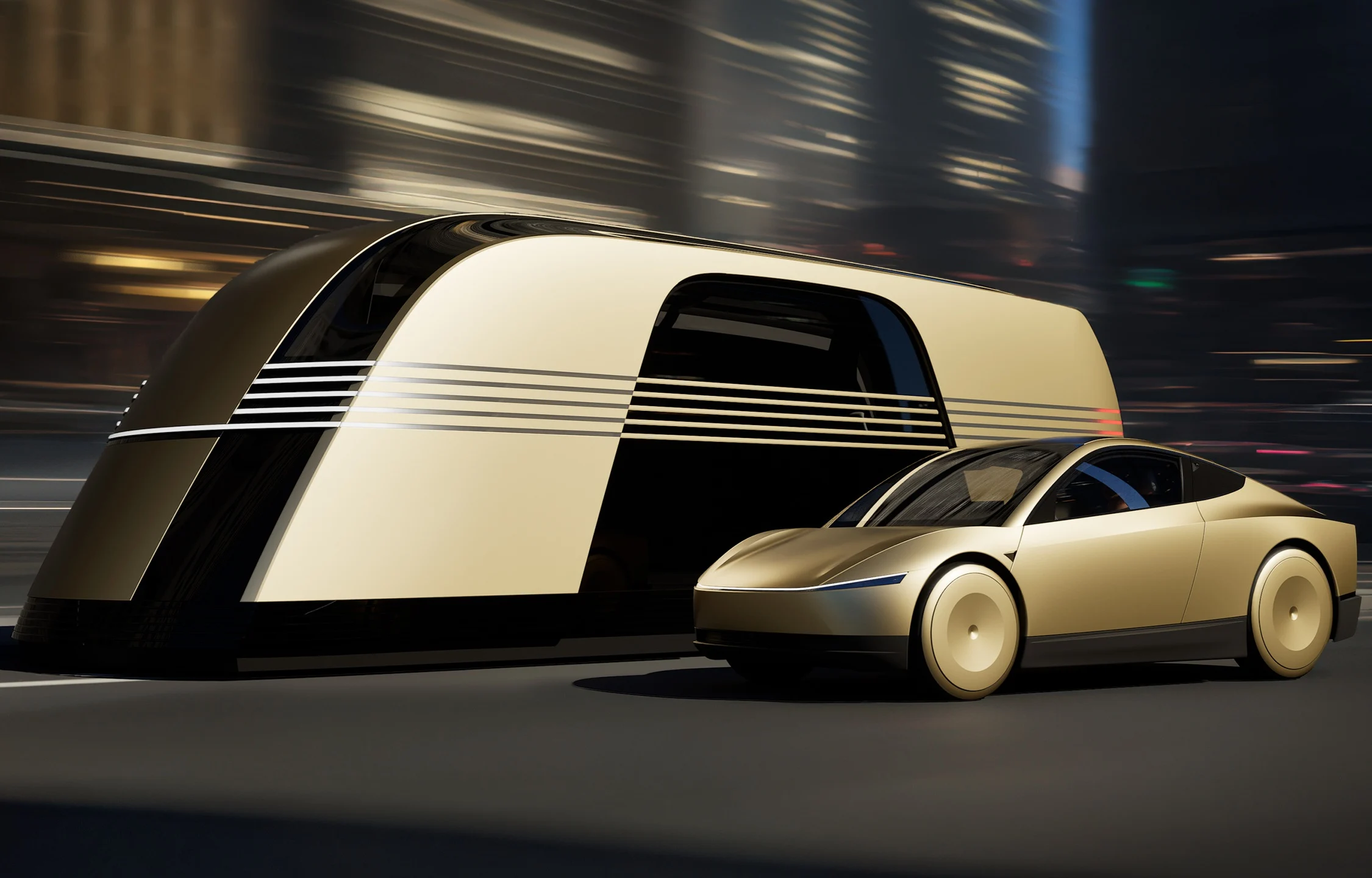
    The use of the Robovan icon is important because it indicates that the vehicle’s size and layout make it suitable for wheelchair access.

    A Robotaxi designed for wheelchair users could significantly enhance the everyday lives of those who are unable to drive due to disabilities or health concerns. While there are existing ride-hailing services like Uber and Lyft, these options can sometimes be inconsistent, and there may be a lack of available drivers, especially in less populated regions.

    Advantages of Tesla’s Autonomous Approach

    Tesla’s Robotaxi stands out because it operates without a driver. This feature allows it to potentially offer more transportation choices for individuals who have difficulty driving or finding rides in rural settings, at any time they need.

    Source:
    Link


  • Tesla Expands Bay Area Robotaxi Service Hours to 2 AM

    Tesla Expands Bay Area Robotaxi Service Hours to 2 AM

    Key Takeaways

    1. Extended Availability: Tesla’s ride-hailing service now operates from 6 am to 2 am, offering 20 hours of service daily to meet late-night customer needs.

    2. Bay Area Launch: The Robotaxi service began in the Bay Area in June 2025, expanding access beyond Tesla owners to a wider audience through the mobile app.

    3. Service Similarity: Tesla’s rides function like Uber or Lyft, using cars equipped with Full Self-Driving (FSD) technology but currently have a human safety driver present.

    4. Data Collection and Safety: The presence of a human driver ensures legal compliance and safety while allowing Tesla to gather data to improve its FSD software.

    5. Future Plans: Tesla aims for fully autonomous vehicles and has received approval in Nevada for testing without safety drivers, with plans to offer Robotaxi services at airports in the Bay Area.


    Tesla has just announced that its ride-hailing service will now be available from midnight to 2 am, allowing customers to book rides for a total of 20 hours daily, starting from 6 am until 2 am. This update was revealed on the Tesla_AI account on X on September 13.

    Extended Availability

    Previously, individuals leaving late-night gatherings, eateries, or finishing work shifts were unable to access Tesla’s service past midnight. By extending its hours, the electric vehicle manufacturer is responding to this need and showing growing trust in its Robotaxi technology.

    Bay Area Launch

    The Robotaxi service in the Bay Area kicked off in June 2025, shortly after its initial launch in Austin, Texas. At first, only Tesla vehicle owners and a limited group of customers could utilize the service. Now, it’s open to a broader audience in the Bay Area via the Tesla mobile application.

    How It Works

    The rides function similarly to services like Uber or Lyft, but the vehicles are Teslas equipped with the company’s Full Self-Driving (FSD) technology. Currently, a human safety driver is still present in California since state laws do not allow completely driverless cars yet. This means that every Tesla Robotaxi has a driver ready to intervene if any issues arise, keeping the service both legal and safe, while also allowing Tesla to gather data and enhance its FSD software.

    Elon Musk, Tesla’s CEO, has frequently stated that the ultimate aim for these vehicles is to operate entirely autonomously without a human driver. Recently, Tesla obtained approval in Nevada to test vehicles without safety drivers on public roads. The company also seeks authorization to provide Robotaxi services at airports in the Bay Area.

    Source:
    Link


  • Elon Musk Suggests Tesla Model Y Might Skip North America Launch

    Elon Musk Suggests Tesla Model Y Might Skip North America Launch

    Key Takeaways

    1. Tesla has started taking orders for the extended Model Y L in China this week.
    2. CEO Elon Musk hinted that the Model Y L might never be produced in North America due to a focus on Robotaxi development.
    3. The 6-seat Model Y L was viewed as a potential electric family vehicle, with a prototype seen in Germany.
    4. Musk believes the introduction of Robotaxis could render the launch of new car models unnecessary.
    5. Tesla previously scrapped the ‘Model 2’ to prioritize autonomous Robotaxis or the Cybercab.


    Tesla has started taking orders for the extended Model Y L in China this week. Despite this, CEO Elon Musk has hinted that the car, which is expected to begin production in North America by the end of 2026, might never actually hit the market because of the focus on Robotaxi development.

    Musk’s Comments on Production

    Musk shared his thoughts in response to a fan on X, who remarked that he wouldn’t discuss Tesla’s worldwide strategies concerning the Model Y L. He stated, “This version of the Model Y doesn’t start production in the US until the end of next year. It might not ever happen, considering the rise of self-driving technology in America.”

    Market Appeal and Prototype

    The 6-seat Model Y L seemed like a great option for those in the market for an electric family vehicle. A prototype was seen in Germany, leading many to think it could be sold in Europe. However, Musk’s recent comments on X appear to have squashed any expectations of this SUV making its way onto American streets.

    Robotaxi’s Impact on New Models

    Musk is hopeful that the newly introduced Robotaxi will become widely available within a year, making the launch of a new car unnecessary. While this is open to discussion, it wouldn’t be the first instance where Musk has tied the future of a new model to self-driving capabilities. Reuters reported in June that Tesla had scrapped the highly anticipated ‘Model 2’ to concentrate on the autonomous Robotaxis or the Cybercab.

    Source:
    Link